

Zoom the image with the mouse
Prima Ruby Coneflower - 1 Gallon
SKU:
2098985
UPC:
014949484562
$12.99
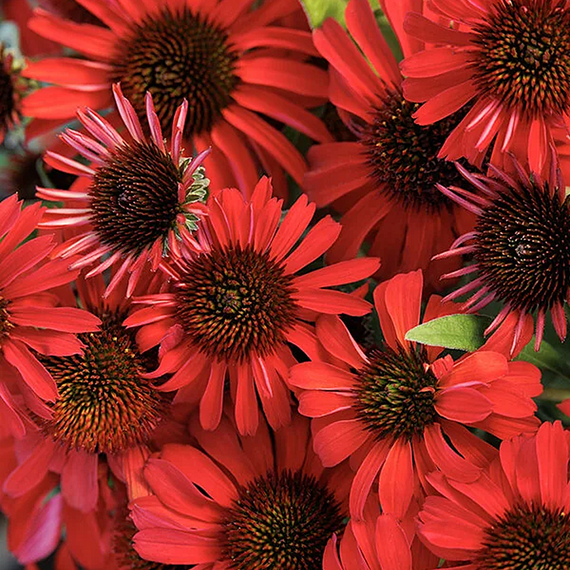
- Compact dwarf habit with masses of lightly-scented, vivid ruby-red blooms featuring dark brown center cones that flower continuously from early summer through early fall — an exceptionally long season of color from June to October.
- Deer-resistant and drought-tolerant once established, making it a low-maintenance, water-wise choice for sunny Southern Oregon and Northern California landscapes and container gardens alike.
- A pollinator and wildlife magnet — butterflies flock to the nectar-rich blooms all season, and songbirds such as goldfinches feast on the seed heads well into winter if left standing.
- Versatile and cut-flower worthy — excellent as a border edging plant, in mass plantings, or as a striking "filler" in patio container combinations, and the blooms have a vase life of 5 to 7 days in fresh arrangements.
Prima Ruby Coneflower (Echinacea 'TNECHPR') is a compact, award-worthy interspecific hybrid from the Terra Nova Prima Collection, bred to deliver big, bold color in a tidy, clumping package sized perfectly for small-space gardens and container plantings. Unlike traditional tall coneflowers, Prima Ruby stays a neat 12 inches in foliage height and extends to just 16 inches when in full bloom, with a 15-inch spread — making it one of the most well-proportioned dwarf coneflowers available. The blooms emerge with soft warm-orange tones before transitioning through shades of deep pink and settling into rich, saturated ruby-red daisy-form flowers, each centered with a handsome, domed dark brown cone. A light, pleasant fragrance adds sensory appeal throughout the garden. The deep green, pointy foliage holds its color cleanly all season, providing a lush backdrop for the continual floral display that runs from June all the way through October. Hardy to USDA Zone 3a and highly tolerant of heat, drought, and even urban pollution once established, Prima Ruby Coneflower is an effortless perennial that rewards gardeners with season-long beauty, exceptional wildlife value, and almost no maintenance demands — a true standout for sunny beds, cottage-style borders, pollinator gardens, and decorative patio pots throughout Southern Oregon and Northern California.
Plant Description
Prima Ruby Coneflower is a dwarf, clump-forming herbaceous perennial and interspecific hybrid in the genus Echinacea. It produces masses of lightly-scented, ruby-red daisy-form flowers featuring reflexed ray petals and prominent, mounded dark brown center cones. The blooms are displayed at the tops of upright stems above a base of deep green, lance-shaped, pointy foliage that remains attractive and clean throughout the entire growing season. Flowers emerge with a soft orange blush and gradually deepen into rich, jewel-toned ruby-red as they mature, creating an evolving color display across the bloom season. The plant's upright spreading habit and medium texture integrate beautifully into mixed perennial plantings and are easily balanced with fine-textured ornamental grasses or bold-leaved companions. As an herbaceous perennial, Prima Ruby dies back to the crown each winter and reliably re-emerges from the base each spring.
Mature Size
| Attribute | Measurement |
|---|---|
| Foliage Height at Maturity | Approximately 12 inches |
| Height in Bloom | Approximately 16 inches |
| Spread | Approximately 15 inches |
| Growth Rate | Medium |
| Expected Lifespan | Approximately 10 years under ideal conditions |
Hardiness Zones
Prima Ruby Coneflower is rated hardy in USDA Hardiness Zones 3a through 9. This wide hardiness range makes it an excellent perennial choice for the full range of climates found in Southern Oregon and Northern California, from inland valley heat to higher-elevation mountain gardens. In our region, it thrives in the ground and returns dependably each spring from its crown. Note that the crown can be difficult to see in late winter — take care not to disturb it during early spring garden cleanup. In colder microclimates, a light layer of mulch applied in late fall can offer added protection to the crown over winter.
Sunlight Requirements
Prima Ruby Coneflower performs best and produces the most prolific bloom when grown in full sun, receiving a minimum of 6 to 8 hours of direct sunlight per day. While Echinacea species can tolerate some light afternoon shade in hotter inland climates, this compact hybrid is optimized for full-sun exposure. Insufficient sunlight can result in leggy, stretched growth, reduced flowering, and increased susceptibility to powdery mildew. In the hottest inland valleys of Southern Oregon and Northern California, a planting location with morning sun and very light afternoon protection may be tolerated, but a full-sun site with good air circulation is ideal for best performance.
Soil and pH Preferences
One of Prima Ruby's greatest strengths is its adaptability to a wide range of soil conditions. It is not particular about soil type and performs well in average garden soils, including sandy and loam compositions. It is adaptable to both dry and moist conditions and is not fussy about soil pH, tolerating acidic, neutral, and slightly alkaline soils. The most important soil requirement is good drainage — Echinacea hybrids do not tolerate waterlogged or consistently soggy soils, which can lead to root and crown rot. For best results, loosen the soil to a depth of 12 to 15 inches at planting and incorporate compost to improve both drainage and organic matter content. It is highly tolerant of urban and poor soils, and will even thrive in inner-city garden environments.
Watering Guide
Prima Ruby Coneflower is considered drought-tolerant once established, making it an excellent candidate for low-water and xeriscape garden designs common in Southern Oregon and Northern California. During the first growing season, water regularly to help the plant establish a deep, healthy root system — typically once or twice per week depending on heat and soil conditions. Once established, deep, infrequent watering is preferred over frequent shallow irrigation. Always water at the soil level rather than overhead; wet foliage increases the risk of fungal diseases such as powdery mildew. Container-grown plants will require more frequent watering than in-ground plants, as pots dry out more rapidly — check soil moisture regularly and water when the top inch of soil feels dry to the touch.
Fertilizing
Prima Ruby Coneflower is not a heavy feeder and generally requires minimal fertilization once established in the garden. In early spring, just as new foliage begins to emerge, a single application of a balanced slow-release granular fertilizer — such as a 12-6-6 formula at a rate of approximately 1 pound per 100 square feet — provides adequate nutrition for the growing season. Avoid over-fertilizing with high-nitrogen products, which can encourage lush foliage at the expense of flowers and may make the plant more susceptible to pests and diseases. For plants grown in containers, a diluted water-soluble balanced fertilizer applied every two to three weeks during the active growing season helps sustain bloom production and healthy growth.
Pruning and Maintenance
Prima Ruby Coneflower is a low-maintenance perennial that requires minimal intervention to look its best. During the bloom season, deadheading spent flowers by cutting stems back to a set of leaves near a new bud will encourage continued flowering and extend the overall bloom period. Use sharp, sterilized pruning shears, as coneflower stems are too thick to snap cleanly by hand. If you wish to attract birds — particularly goldfinches — to your garden in fall and winter, consider leaving some of the spent seed heads standing rather than cutting everything back. In early spring, before new growth emerges from the crown, do a thorough cleanup by removing any dead or tatty foliage and stems left from the previous season. Take care not to disturb the crown, which may not be easily visible yet. Dividing clumps every 3 to 4 years in spring or fall helps prevent overcrowding, promotes vigorous growth, and refreshes the plant's flowering performance.
Planting Instructions
- Select a site with full sun (6 to 8+ hours of direct sun daily) and well-drained soil. Spring and fall are both excellent planting times; spring or early summer is most common when purchasing nursery plants.
- Loosen the soil to a depth of 12 to 15 inches. Amend with compost or aged manure to improve drainage and organic content if needed.
- Dig a planting hole approximately twice the width of the root ball and equal in depth, so the top of the root ball sits level with the surrounding soil surface.
- Remove the plant from its container and gently loosen any circling roots before placing it in the hole.
- Backfill with native soil, tamping lightly to eliminate air pockets. Do not bury the crown deeper than it was in the container.
- Space multiple plants approximately 12 to 15 inches apart to allow for mature spread and adequate air circulation, which helps prevent fungal diseases.
- Water thoroughly after planting and apply a 2- to 3-inch layer of mulch around (but not touching) the crown to retain moisture and suppress weeds.
- Water regularly for the first growing season to help establish a strong root system. Once established, deep, infrequent irrigation is sufficient.
Seasonal Interest
Prima Ruby Coneflower offers one of the longest bloom seasons of any compact perennial in its class. Flowering begins in early summer (typically June) with blooms that open in a warm soft-orange hue and transition beautifully into deep, rich ruby-red tones as they mature. The flower display continues uninterrupted through summer and into early fall — often lasting all the way through October — making it a reliable source of long-season color in the garden. The dark green, pointy foliage remains lush and tidy throughout the entire growing season. In fall and early winter, if seed heads are left standing rather than deadheaded, they provide dramatic architectural interest and serve as a valuable food source for visiting songbirds. The plant dies back to the crown in winter and re-emerges from the base in early spring, signaling the start of another year of vibrant color.
Landscape Uses
Prima Ruby's compact, well-behaved size and long bloom season make it one of the most versatile dwarf perennials available for both formal and informal garden settings. Recommended landscape applications include:
- Border Edging: Its tidy 12- to 16-inch height makes it ideal for the front of perennial borders, providing vivid color without obscuring plants behind it.
- Mass Planting: Planted in groups of three or more, the ruby-red flowers create a striking, cohesive color impact across beds and slopes.
- Container Planting: An excellent "filler" in patio container combinations alongside taller thriller plants and trailing spillers, adding season-long floral color to decks, patios, and entryways.
- Pollinator Gardens: A magnet for butterflies, bees, and other beneficial insects throughout the long bloom season.
- Cut Flower Gardens: Produces excellent fresh-cut flowers with a vase life of 5 to 7 days; stems hold well in arrangements.
- Xeriscape and Low-Water Gardens: Its outstanding drought tolerance makes it a natural fit for water-wise landscape design.
- Cottage and Wildflower Gardens: The casual, daisy-form blooms complement a wide range of cottage-style and naturalistic planting schemes.
Companion Plants
Prima Ruby Coneflower pairs beautifully with a wide variety of sun-loving perennials and ornamental grasses that share its preference for full sun and well-drained soils. Consider these excellent companion plants for Southern Oregon and Northern California gardens:
- Russian Sage (Perovskia atriplicifolia): The airy, lavender-blue spikes of Russian sage create a striking cool-warm color contrast with ruby-red coneflower blooms.
- Black-Eyed Susan (Rudbeckia hirta): Golden-yellow blooms complement the ruby tones and share a similar bloom season for a vibrant summer display.
- Ornamental Grasses (e.g., Blue Fescue, Karl Foerster Feather Reed Grass): Fine or medium-textured grasses provide a dynamic textural contrast to Prima Ruby's medium-coarse foliage and flowers.
- Salvia (Salvia nemorosa or S. greggii): Blue, purple, or red salvia varieties echo the pollinator-friendly nature of coneflowers while providing complementary color.
- Yarrow (Achillea millefolium): Shares drought tolerance and full-sun preference; flat-topped flower clusters contrast nicely with the mounded cone centers of Echinacea.
- Coreopsis (Coreopsis grandiflora or C. verticillata): Cheerful yellow flowers and fine-textured foliage create a bright, contrasting backdrop for the deep ruby blooms.
- Lavender (Lavandula spp.): A natural companion for water-wise gardens, with silvery foliage and fragrant purple blooms that harmonize beautifully with coneflowers.
Pests and Diseases
Prima Ruby Coneflower is generally a robust and trouble-free perennial, but there are a few pests and diseases to be aware of:
- Powdery Mildew: A white, dusty coating on leaves and stems, most commonly caused by overcrowding and poor air circulation. Prevent by spacing plants properly and avoiding overhead watering. Improve air circulation by thinning dense plantings or dividing overcrowded clumps.
- Aster Yellows: A disease transmitted by leafhopper feeding that causes distorted, greenish petals, stunted growth, and a witches'-broom appearance in the flower head. There is no cure — infected plants must be removed and destroyed immediately to prevent spread to nearby plants.
- Eriophyid Mites: Microscopic mites that live inside flower buds and cause tufted, distorted, and stunted flower parts. Affected plants should be cut to the ground in fall and all plant debris removed and disposed of — do not compost infected material.
- Aphids: Soft-bodied insects that cluster on new growth and can cause distortion. Treat with insecticidal soap spray applied three times at 5- to 7-day intervals.
- Japanese Beetles: Occasional visitors that chew holes in foliage, particularly if roses are planted nearby. Hand-pick adults in the morning and treat with appropriate beetle controls as needed.
- Stem Rots (Rhizoctonia, Athelia rolfsii): Fungal rots that can occur in poorly drained or waterlogged soils. Prevent with well-draining soil, proper spacing, and good garden sanitation by removing fallen plant debris.
- Rabbits: Can eat foliage down to ground level. Apply hot pepper wax sprays to make leaves less palatable, or use physical barriers around plantings in areas with high rabbit populations.
Container Growing
Prima Ruby's naturally compact, dwarf habit makes it one of the best coneflower varieties for container gardening. Its tidy 12- to 16-inch stature is ideally proportioned for patio pots, decorative planters, and mixed container combinations. Use containers at least 2 to 3 gallons in size (or larger) with adequate drainage holes to accommodate the plant's developing root system. Fill with a quality, well-draining potting mix. Prima Ruby works beautifully as a "filler" in the classic spiller-thriller-filler container design, where its mass of ruby blooms provides a vivid floral backdrop for taller centerpiece plants. Container plants require more frequent watering than in-ground specimens — check soil moisture regularly and water when the top inch feels dry. Fertilize every two to three weeks during the growing season with a diluted balanced water-soluble fertilizer to sustain flowering. Always water at the soil level to keep foliage dry and minimize the risk of fungal disease. To overwinter container plants in colder locations, prune back to soil level in fall and move to a cool, low-light location such as an unheated garage, then reintroduce to warmth and bright light as new growth appears in spring.
Wildlife Value
Prima Ruby Coneflower is an exceptional plant for supporting local wildlife and pollinators throughout the seasons. During the long bloom period from June through October, the nectar-rich flowers attract a steady parade of butterflies — including monarchs, swallowtails, and skippers — along with native bees, honeybees, and beneficial wasp species. The flowers also serve as a valuable foraging resource for hummingbirds visiting the garden. If seed heads are left standing after blooms fade rather than being deadheaded, they become an important winter food source for songbirds — particularly goldfinches, which will spend extended time clinging to the seed heads to extract seeds well into the colder months. Deer tend to avoid Echinacea due to its slightly coarse, prickly stem texture and aromatic foliage, making Prima Ruby a reliably deer-resistant choice for gardens in areas with deer pressure throughout Southern Oregon and Northern California.
- Compact dwarf habit with masses of lightly-scented, vivid ruby-red blooms featuring dark brown center cones that flower continuously from early summer through early fall — an exceptionally long season of color from June to October.
- Deer-resistant and drought-tolerant once established, making it a low-maintenance, water-wise choice for sunny Southern Oregon and Northern California landscapes and container gardens alike.
- A pollinator and wildlife magnet — butterflies flock to the nectar-rich blooms all season, and songbirds such as goldfinches feast on the seed heads well into winter if left standing.
- Versatile and cut-flower worthy — excellent as a border edging plant, in mass plantings, or as a striking "filler" in patio container combinations, and the blooms have a vase life of 5 to 7 days in fresh arrangements.
Prima Ruby Coneflower (Echinacea 'TNECHPR') is a compact, award-worthy interspecific hybrid from the Terra Nova Prima Collection, bred to deliver big, bold color in a tidy, clumping package sized perfectly for small-space gardens and container plantings. Unlike traditional tall coneflowers, Prima Ruby stays a neat 12 inches in foliage height and extends to just 16 inches when in full bloom, with a 15-inch spread — making it one of the most well-proportioned dwarf coneflowers available. The blooms emerge with soft warm-orange tones before transitioning through shades of deep pink and settling into rich, saturated ruby-red daisy-form flowers, each centered with a handsome, domed dark brown cone. A light, pleasant fragrance adds sensory appeal throughout the garden. The deep green, pointy foliage holds its color cleanly all season, providing a lush backdrop for the continual floral display that runs from June all the way through October. Hardy to USDA Zone 3a and highly tolerant of heat, drought, and even urban pollution once established, Prima Ruby Coneflower is an effortless perennial that rewards gardeners with season-long beauty, exceptional wildlife value, and almost no maintenance demands — a true standout for sunny beds, cottage-style borders, pollinator gardens, and decorative patio pots throughout Southern Oregon and Northern California.
Plant Description
Prima Ruby Coneflower is a dwarf, clump-forming herbaceous perennial and interspecific hybrid in the genus Echinacea. It produces masses of lightly-scented, ruby-red daisy-form flowers featuring reflexed ray petals and prominent, mounded dark brown center cones. The blooms are displayed at the tops of upright stems above a base of deep green, lance-shaped, pointy foliage that remains attractive and clean throughout the entire growing season. Flowers emerge with a soft orange blush and gradually deepen into rich, jewel-toned ruby-red as they mature, creating an evolving color display across the bloom season. The plant's upright spreading habit and medium texture integrate beautifully into mixed perennial plantings and are easily balanced with fine-textured ornamental grasses or bold-leaved companions. As an herbaceous perennial, Prima Ruby dies back to the crown each winter and reliably re-emerges from the base each spring.
Mature Size
| Attribute | Measurement |
|---|---|
| Foliage Height at Maturity | Approximately 12 inches |
| Height in Bloom | Approximately 16 inches |
| Spread | Approximately 15 inches |
| Growth Rate | Medium |
| Expected Lifespan | Approximately 10 years under ideal conditions |
Hardiness Zones
Prima Ruby Coneflower is rated hardy in USDA Hardiness Zones 3a through 9. This wide hardiness range makes it an excellent perennial choice for the full range of climates found in Southern Oregon and Northern California, from inland valley heat to higher-elevation mountain gardens. In our region, it thrives in the ground and returns dependably each spring from its crown. Note that the crown can be difficult to see in late winter — take care not to disturb it during early spring garden cleanup. In colder microclimates, a light layer of mulch applied in late fall can offer added protection to the crown over winter.
Sunlight Requirements
Prima Ruby Coneflower performs best and produces the most prolific bloom when grown in full sun, receiving a minimum of 6 to 8 hours of direct sunlight per day. While Echinacea species can tolerate some light afternoon shade in hotter inland climates, this compact hybrid is optimized for full-sun exposure. Insufficient sunlight can result in leggy, stretched growth, reduced flowering, and increased susceptibility to powdery mildew. In the hottest inland valleys of Southern Oregon and Northern California, a planting location with morning sun and very light afternoon protection may be tolerated, but a full-sun site with good air circulation is ideal for best performance.
Soil and pH Preferences
One of Prima Ruby's greatest strengths is its adaptability to a wide range of soil conditions. It is not particular about soil type and performs well in average garden soils, including sandy and loam compositions. It is adaptable to both dry and moist conditions and is not fussy about soil pH, tolerating acidic, neutral, and slightly alkaline soils. The most important soil requirement is good drainage — Echinacea hybrids do not tolerate waterlogged or consistently soggy soils, which can lead to root and crown rot. For best results, loosen the soil to a depth of 12 to 15 inches at planting and incorporate compost to improve both drainage and organic matter content. It is highly tolerant of urban and poor soils, and will even thrive in inner-city garden environments.
Watering Guide
Prima Ruby Coneflower is considered drought-tolerant once established, making it an excellent candidate for low-water and xeriscape garden designs common in Southern Oregon and Northern California. During the first growing season, water regularly to help the plant establish a deep, healthy root system — typically once or twice per week depending on heat and soil conditions. Once established, deep, infrequent watering is preferred over frequent shallow irrigation. Always water at the soil level rather than overhead; wet foliage increases the risk of fungal diseases such as powdery mildew. Container-grown plants will require more frequent watering than in-ground plants, as pots dry out more rapidly — check soil moisture regularly and water when the top inch of soil feels dry to the touch.
Fertilizing
Prima Ruby Coneflower is not a heavy feeder and generally requires minimal fertilization once established in the garden. In early spring, just as new foliage begins to emerge, a single application of a balanced slow-release granular fertilizer — such as a 12-6-6 formula at a rate of approximately 1 pound per 100 square feet — provides adequate nutrition for the growing season. Avoid over-fertilizing with high-nitrogen products, which can encourage lush foliage at the expense of flowers and may make the plant more susceptible to pests and diseases. For plants grown in containers, a diluted water-soluble balanced fertilizer applied every two to three weeks during the active growing season helps sustain bloom production and healthy growth.
Pruning and Maintenance
Prima Ruby Coneflower is a low-maintenance perennial that requires minimal intervention to look its best. During the bloom season, deadheading spent flowers by cutting stems back to a set of leaves near a new bud will encourage continued flowering and extend the overall bloom period. Use sharp, sterilized pruning shears, as coneflower stems are too thick to snap cleanly by hand. If you wish to attract birds — particularly goldfinches — to your garden in fall and winter, consider leaving some of the spent seed heads standing rather than cutting everything back. In early spring, before new growth emerges from the crown, do a thorough cleanup by removing any dead or tatty foliage and stems left from the previous season. Take care not to disturb the crown, which may not be easily visible yet. Dividing clumps every 3 to 4 years in spring or fall helps prevent overcrowding, promotes vigorous growth, and refreshes the plant's flowering performance.
Planting Instructions
- Select a site with full sun (6 to 8+ hours of direct sun daily) and well-drained soil. Spring and fall are both excellent planting times; spring or early summer is most common when purchasing nursery plants.
- Loosen the soil to a depth of 12 to 15 inches. Amend with compost or aged manure to improve drainage and organic content if needed.
- Dig a planting hole approximately twice the width of the root ball and equal in depth, so the top of the root ball sits level with the surrounding soil surface.
- Remove the plant from its container and gently loosen any circling roots before placing it in the hole.
- Backfill with native soil, tamping lightly to eliminate air pockets. Do not bury the crown deeper than it was in the container.
- Space multiple plants approximately 12 to 15 inches apart to allow for mature spread and adequate air circulation, which helps prevent fungal diseases.
- Water thoroughly after planting and apply a 2- to 3-inch layer of mulch around (but not touching) the crown to retain moisture and suppress weeds.
- Water regularly for the first growing season to help establish a strong root system. Once established, deep, infrequent irrigation is sufficient.
Seasonal Interest
Prima Ruby Coneflower offers one of the longest bloom seasons of any compact perennial in its class. Flowering begins in early summer (typically June) with blooms that open in a warm soft-orange hue and transition beautifully into deep, rich ruby-red tones as they mature. The flower display continues uninterrupted through summer and into early fall — often lasting all the way through October — making it a reliable source of long-season color in the garden. The dark green, pointy foliage remains lush and tidy throughout the entire growing season. In fall and early winter, if seed heads are left standing rather than deadheaded, they provide dramatic architectural interest and serve as a valuable food source for visiting songbirds. The plant dies back to the crown in winter and re-emerges from the base in early spring, signaling the start of another year of vibrant color.
Landscape Uses
Prima Ruby's compact, well-behaved size and long bloom season make it one of the most versatile dwarf perennials available for both formal and informal garden settings. Recommended landscape applications include:
- Border Edging: Its tidy 12- to 16-inch height makes it ideal for the front of perennial borders, providing vivid color without obscuring plants behind it.
- Mass Planting: Planted in groups of three or more, the ruby-red flowers create a striking, cohesive color impact across beds and slopes.
- Container Planting: An excellent "filler" in patio container combinations alongside taller thriller plants and trailing spillers, adding season-long floral color to decks, patios, and entryways.
- Pollinator Gardens: A magnet for butterflies, bees, and other beneficial insects throughout the long bloom season.
- Cut Flower Gardens: Produces excellent fresh-cut flowers with a vase life of 5 to 7 days; stems hold well in arrangements.
- Xeriscape and Low-Water Gardens: Its outstanding drought tolerance makes it a natural fit for water-wise landscape design.
- Cottage and Wildflower Gardens: The casual, daisy-form blooms complement a wide range of cottage-style and naturalistic planting schemes.
Companion Plants
Prima Ruby Coneflower pairs beautifully with a wide variety of sun-loving perennials and ornamental grasses that share its preference for full sun and well-drained soils. Consider these excellent companion plants for Southern Oregon and Northern California gardens:
- Russian Sage (Perovskia atriplicifolia): The airy, lavender-blue spikes of Russian sage create a striking cool-warm color contrast with ruby-red coneflower blooms.
- Black-Eyed Susan (Rudbeckia hirta): Golden-yellow blooms complement the ruby tones and share a similar bloom season for a vibrant summer display.
- Ornamental Grasses (e.g., Blue Fescue, Karl Foerster Feather Reed Grass): Fine or medium-textured grasses provide a dynamic textural contrast to Prima Ruby's medium-coarse foliage and flowers.
- Salvia (Salvia nemorosa or S. greggii): Blue, purple, or red salvia varieties echo the pollinator-friendly nature of coneflowers while providing complementary color.
- Yarrow (Achillea millefolium): Shares drought tolerance and full-sun preference; flat-topped flower clusters contrast nicely with the mounded cone centers of Echinacea.
- Coreopsis (Coreopsis grandiflora or C. verticillata): Cheerful yellow flowers and fine-textured foliage create a bright, contrasting backdrop for the deep ruby blooms.
- Lavender (Lavandula spp.): A natural companion for water-wise gardens, with silvery foliage and fragrant purple blooms that harmonize beautifully with coneflowers.
Pests and Diseases
Prima Ruby Coneflower is generally a robust and trouble-free perennial, but there are a few pests and diseases to be aware of:
- Powdery Mildew: A white, dusty coating on leaves and stems, most commonly caused by overcrowding and poor air circulation. Prevent by spacing plants properly and avoiding overhead watering. Improve air circulation by thinning dense plantings or dividing overcrowded clumps.
- Aster Yellows: A disease transmitted by leafhopper feeding that causes distorted, greenish petals, stunted growth, and a witches'-broom appearance in the flower head. There is no cure — infected plants must be removed and destroyed immediately to prevent spread to nearby plants.
- Eriophyid Mites: Microscopic mites that live inside flower buds and cause tufted, distorted, and stunted flower parts. Affected plants should be cut to the ground in fall and all plant debris removed and disposed of — do not compost infected material.
- Aphids: Soft-bodied insects that cluster on new growth and can cause distortion. Treat with insecticidal soap spray applied three times at 5- to 7-day intervals.
- Japanese Beetles: Occasional visitors that chew holes in foliage, particularly if roses are planted nearby. Hand-pick adults in the morning and treat with appropriate beetle controls as needed.
- Stem Rots (Rhizoctonia, Athelia rolfsii): Fungal rots that can occur in poorly drained or waterlogged soils. Prevent with well-draining soil, proper spacing, and good garden sanitation by removing fallen plant debris.
- Rabbits: Can eat foliage down to ground level. Apply hot pepper wax sprays to make leaves less palatable, or use physical barriers around plantings in areas with high rabbit populations.
Container Growing
Prima Ruby's naturally compact, dwarf habit makes it one of the best coneflower varieties for container gardening. Its tidy 12- to 16-inch stature is ideally proportioned for patio pots, decorative planters, and mixed container combinations. Use containers at least 2 to 3 gallons in size (or larger) with adequate drainage holes to accommodate the plant's developing root system. Fill with a quality, well-draining potting mix. Prima Ruby works beautifully as a "filler" in the classic spiller-thriller-filler container design, where its mass of ruby blooms provides a vivid floral backdrop for taller centerpiece plants. Container plants require more frequent watering than in-ground specimens — check soil moisture regularly and water when the top inch feels dry. Fertilize every two to three weeks during the growing season with a diluted balanced water-soluble fertilizer to sustain flowering. Always water at the soil level to keep foliage dry and minimize the risk of fungal disease. To overwinter container plants in colder locations, prune back to soil level in fall and move to a cool, low-light location such as an unheated garage, then reintroduce to warmth and bright light as new growth appears in spring.
Wildlife Value
Prima Ruby Coneflower is an exceptional plant for supporting local wildlife and pollinators throughout the seasons. During the long bloom period from June through October, the nectar-rich flowers attract a steady parade of butterflies — including monarchs, swallowtails, and skippers — along with native bees, honeybees, and beneficial wasp species. The flowers also serve as a valuable foraging resource for hummingbirds visiting the garden. If seed heads are left standing after blooms fade rather than being deadheaded, they become an important winter food source for songbirds — particularly goldfinches, which will spend extended time clinging to the seed heads to extract seeds well into the colder months. Deer tend to avoid Echinacea due to its slightly coarse, prickly stem texture and aromatic foliage, making Prima Ruby a reliably deer-resistant choice for gardens in areas with deer pressure throughout Southern Oregon and Northern California.