Zoom the image with the mouse
Pink Champagne Clematis
SKU:
1831425-P
UPC:
014949270714
$21.99 - $69.99
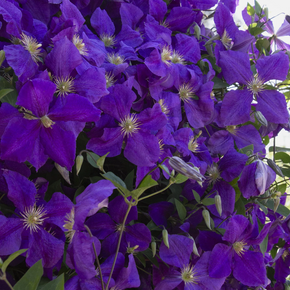
- Spectacular deep rose-pink blooms up to 6-8 inches across, each petal adorned with a luminous grayish-lavender central bar and framed by a contrasting tuft of bright yellow anthers — a truly show-stopping display from late spring through early fall.
- Blooms in two generous waves — first in late spring to early summer on previous season's growth, then again in midsummer to early fall on new growth — delivering months of continuous color in the garden.
- Compact, upright climbing habit reaching 6-10 feet tall makes it ideal for trellises, fences, arbors, or large containers in small gardens and tight spaces where width is limited.
- Deer and rabbit resistant, pollinator-friendly, and adaptable across USDA Hardiness Zones 4-9, making it a reliable, low-maintenance perennial vine for a wide range of climates.
Clematis 'Pink Champagne' (syn. 'Kakio') is a breathtaking early large-flowered clematis hybrid that earns its place as one of the most celebrated climbing vines for home gardens. Its enormous, star-shaped blooms — measuring up to 6-8 inches in diameter — burst open in deep rose-pink with distinctive grayish-lavender central bars on each elegantly rippled sepal, all surrounding a luminous crown of upstanding yellow anthers. A true repeat bloomer, this vigorous vine delivers a lavish first flush in late spring to early summer, followed by a second wave of flowers from midsummer into early autumn, ensuring your garden never lacks for color across the entire growing season. The compact, upright growth habit reaches 6-10 feet in height with a modest 2-3 foot spread, making Pink Champagne Clematis exceptionally versatile — equally at home scrambling up a garden trellis, draping a fence, weaving through a climbing rose, or filling a large patio container. As a Pruning Group 2 clematis, it requires only light maintenance pruning and rewards gardeners of all skill levels with an abundance of stunning blooms year after year. Its deciduous foliage is clean and attractive throughout the season, and spent blooms are followed by ornamental, silky seedheads that extend visual interest into fall. Hardy in USDA Zones 4-9, tolerant of deer and rabbits, and irresistible to bees, butterflies, and hummingbirds, this exceptional clematis hybrid is a must-have perennial vine for cottage gardens, urban courtyard plantings, and traditional landscape designs alike.
Plant Description
Pink Champagne Clematis is an early large-flowered hybrid clematis (Pruning Group 2) that produces an extraordinary abundance of blooms in two distinct waves each season. The flowers are among the largest of any clematis, reaching 6-8 inches across, with six to eight broad, slightly overlapping sepals in vivid deep rose-pink to rose-purple. Each sepal is adorned with a luminous grayish-lavender central bar and features an elegant upward ripple along its edges, creating a three-dimensional, festive appearance. At the center of every bloom sits a striking tuft of bright, upstanding yellow anthers that contrast beautifully with the pink petals. Flower color can vary subtly from plant to plant depending on soil conditions and sun exposure, ranging from deep rose-pink to rose-purple. Blooms are followed by attractive, feathery ornamental seedheads that persist into fall. The foliage is deciduous, composed of dark green, smooth, slightly glossy ovate leaves that grow in pairs along the twining stems. The overall growth habit is strongly upright and compact, making this clematis an excellent choice where vertical interest is desired without excessive spread.
Mature Size
| Attribute | Measurement |
|---|---|
| Mature Height | 6-10 feet (180-300 cm) |
| Mature Spread | 2-4 feet (60-120 cm) |
| Growth Rate | Medium |
| Growth Habit | Upright, twining climber; tends to grow up rather than out |
| Recommended Spacing | 3-4 feet (90-120 cm) between plants |
| Lifespan | Long-lived perennial; approximately 20+ years under ideal conditions |
Because of its strongly upright rather than spreading growth habit, Pink Champagne Clematis fits neatly into narrow vertical spaces such as between fence posts, along pilasters, or in trellised containers. The base of the vine tends to be leggy, so underplanting with low-growing perennials or groundcovers is recommended to fill in the lower portion and help shade the root zone.
Hardiness Zones and Climate
Pink Champagne Clematis is hardy in USDA Plant Hardiness Zones 4-9, making it suitable for a broad range of climates from cold northern gardens to warm southern and coastal regions. It thrives across Sunset Climate Zones 2A, 2B, 3A, 3B, 4-11, and 14-24, encompassing most of the continental United States including the Pacific Northwest, the Midwest, the South, and much of California. In regions with hot summers, such as Southern Oregon and Northern California, afternoon shade is beneficial to protect the flowers from fading and heat stress. In colder climates, applying a generous layer of mulch over the root zone in late fall helps insulate the crown through winter. This hybrid clematis is an interspecific cross and is not found in the wild; it is a garden-bred cultivar selected for its large flower size, vivid color, and compact habit.
Sunlight Requirements
Pink Champagne Clematis thrives in full sun to partial shade and requires a minimum of 6 hours of direct sunlight per day for optimal blooming. Following the classic clematis adage of "head in the sun, feet in the shade," the ideal placement keeps the upper vine and flowers in bright sunlight while the root zone remains cool and shaded — either by companion plantings, a layer of mulch, or flat stones placed at the base. In regions with intense summer heat, such as inland Southern Oregon and Northern California valleys, a site that receives morning sun and light afternoon shade is preferred. This not only protects the flowers from bleaching and heat scorch but also extends the display of each bloom. In cooler coastal climates, full sun is perfectly acceptable and encouraged to maximize flowering.
Soil and pH Preferences
Pink Champagne Clematis is adaptable to a wide range of soil types including chalk, clay, loam, and sandy soils, as long as the soil is moist but well-drained. Standing water and waterlogged conditions are not tolerated and can lead to root rot. The preferred soil pH is neutral to slightly alkaline — ideally between 6.5 and 7.5. Acidic soils can be amended with lime to raise the pH to an acceptable range. Good drainage is paramount; if your native soil is heavy clay, work in generous amounts of compost or coarse grit to improve drainage before planting. This clematis is somewhat tolerant of urban soil conditions and mild pollution, making it a viable choice for city and courtyard gardens as well as suburban landscapes.
Watering Guide
Consistent moisture is key to keeping Pink Champagne Clematis healthy and free-flowering. During the growing season, water deeply and regularly, especially during dry spells or periods of intense heat. The goal is to maintain evenly moist — never waterlogged — soil around the root zone. Deep, infrequent watering is preferable to frequent shallow irrigation, as it encourages the development of a deep, drought-resilient root system. Applying a 2-3 inch layer of organic mulch around the base of the plant — kept a few inches away from the main stem to prevent rot — helps retain soil moisture, moderate soil temperature, and reduce the frequency of watering needed. Plants grown in containers will require more frequent watering than those grown in the ground, as container soils dry out considerably faster, particularly in warm weather.
Fertilizing
For vigorous growth and abundant flowering, fertilize Pink Champagne Clematis on a regular schedule throughout the growing season:
- Spring (May): Apply a slow-release fertilizer with a 3-1-2 NPK ratio (such as a 15-5-10 formulation) as new growth begins. This supports strong shoot development and sets the stage for the first flush of blooms.
- Summer (July): Apply a second dose of the same slow-release 3-1-2 ratio fertilizer to sustain the vine through the midsummer growing period and encourage the second flush of flowers.
- Early Fall (September): Switch to a fertilizer with a 2-1-2 ratio (such as 10-5-10), which has a higher relative potassium content. This promotes root development and improves cold hardiness heading into winter.
Alternatively, a balanced slow-release granular fertilizer applied in early spring, supplemented with a high-potassium liquid feed (such as a tomato or rose fertilizer) during the blooming season, will also produce excellent results. Avoid high-nitrogen fertilizers in late summer and fall, as these encourage soft, frost-susceptible new growth.
Pruning and Maintenance (Pruning Group 2)
Pink Champagne Clematis belongs to Pruning Group 2, which means it blooms first in late spring to early summer on short shoots growing from the previous season's old wood, and then again later in the season on new growth. Understanding this is essential to preserving both flushes of bloom.
- Late Winter / Early Spring Pruning: Before new growth emerges, remove all dead, weak, or damaged stems. Work your way down each stem from the top until you reach a pair of healthy, plump buds, then prune just above them. Avoid heavy pruning at this stage or the first flush of spring flowers will be sacrificed.
- After the First Flush (Early Summer): To encourage the second wave of blooms, lightly prune back some of the stems by cutting to a large bud or strong side shoot immediately below the spent flowers. This stimulates new growth that will carry the late-summer flower display.
- Renovation Pruning: For overgrown or tangled plants, a hard renovation pruning to 12-36 inches above ground level can be performed every 3-4 years in late winter. The plant will produce only one flush of flowers the year following renovation but will recover fully and bloom again normally the following season.
- Deadheading: Remove spent flowers after the first bloom wave to encourage the plant to channel energy into producing the second flush.
Planting Instructions
- Choose a planting site with well-drained soil that receives at least 6 hours of sunlight, ideally with root zone shading available.
- Prepare the planting hole to at least twice the width of the root ball and approximately 4-6 inches deeper than the container depth.
- Amend the backfill soil with compost to improve drainage and fertility if needed.
- Plant the root ball 2-3 inches deeper than the soil line in the container. This encourages new shoots to emerge from below the soil surface and protects the plant from clematis wilt, a common fungal disease.
- Space plants 3-4 feet apart when planting multiple specimens.
- Install a trellis, fence, arbor, or other sturdy support structure at planting time. This clematis climbs by twining its leaf petioles around supports and performs best on structures with thin horizontal members, wire, or mesh that its tendrils can easily grip.
- Water thoroughly after planting and apply a 2-3 inch layer of organic mulch around the base, keeping mulch a few inches away from the main stem.
- Provide consistent moisture throughout the first growing season to establish a strong root system.
Seasonal Interest
| Season | What to Expect |
|---|---|
| Spring (Late) | Rapid new vine growth; first large, deep rose-pink blooms begin to open in late spring |
| Early Summer | Peak of the first bloom flush; masses of 6-8 inch flowers at their most abundant and vivid |
| Midsummer | Brief pause between bloom flushes; lush green foliage; light pruning encourages reblooming |
| Late Summer - Early Fall | Second generous flush of blooms on new growth; ornamental feathery seedheads begin to form |
| Fall | Silvery, silky ornamental seedheads persist on the vine; foliage remains green before dropping |
| Winter | Deciduous; bare stems remain; root system is dormant but alive and hardy |
Landscape Uses
Pink Champagne Clematis is one of the most versatile flowering vines available for the home landscape. Its compact, upright habit and spectacular blooms make it suitable for a wide array of garden applications:
- Trellises and Fence Panels: Perfectly sized to cover a section of garden trellis or fence without overwhelming the structure.
- Arbors and Pergolas: Trains beautifully up vertical posts and along overhead beams for an archway draped in blooms.
- Growing Through Shrubs and Roses: A classic English garden technique — weave Pink Champagne through a climbing rose for a stunning layered color combination. The clematis blooms complement and extend the rose's flowering season.
- Container and Patio Gardens: Compact enough to thrive in a large patio container with a narrow obelisk or trellis support; ideal for decks, courtyards, and small-space gardens.
- Accent Planting: Use as a vertical accent in mixed perennial borders to add height and dramatic color.
- Screening: Train along a fence or chain-link structure to create a flowering privacy screen during the growing season.
- Small Gardens: The restrained spread makes this an excellent choice for townhouse gardens, side yards, and narrow spaces where a wide-spreading vine would be impractical.
Companion Plants
Pink Champagne Clematis pairs beautifully with a wide range of garden plants. The goal is to provide root zone shading, complementary bloom colors, and a harmonious overall composition:
- Climbing and Shrub Roses: The classic pairing — deep pink or white roses provide a stunning backdrop and root shade while sharing the same cultural requirements.
- Peonies (Paeonia): Their large, lush blooms echo the generous scale of the clematis flowers and provide a complementary color palette in late spring.
- Bee Balm (Monarda): Blooms simultaneously and attracts similar pollinators; the bold foliage helps shade the clematis root zone.
- Woodland Sage (Salvia nemorosa): Low-growing, deer-resistant, and long-blooming; serves as an excellent facer plant to fill in the leggy base of the clematis.
- Siberian Iris (Iris sibirica): Blooms in sync with the first flush of clematis flowers; the upright, grass-like foliage provides root zone cover without competition.
- Lavender (Lavandula): Low-growing, drought-tolerant, and fragrant — an ideal companion to shade roots while adding contrasting color at the base.
- Ornamental Grasses: Medium-height grasses planted at the base soften the leggy lower stems and provide attractive textural contrast throughout the season.
Pests and Diseases
Pink Champagne Clematis is relatively low-maintenance and not prone to serious pest or disease problems when grown in appropriate conditions. The following are the most common concerns to watch for:
- Clematis Wilt (Phoma clematidina): The most well-known clematis problem, causing sudden wilting and die-back of one or more stems. It rarely kills the entire plant, especially when planted 2-3 inches deep (dormant buds below soil level allow recovery). Remove and dispose of affected stems promptly; the plant typically regrows from the base.
- Powdery Mildew: A fungal disease that appears as a white, powdery coating on leaves and stems, particularly in warm, dry conditions with poor air circulation. Improve airflow around the plant and avoid overhead watering. Organic neem oil or sulfur-based fungicides can help manage outbreaks.
- Aphids: Small, soft-bodied insects that cluster on new growth and flower buds. A strong spray of water or an application of insecticidal soap will control most infestations without harming beneficial insects.
- Spider Mites: May appear during hot, dry weather, causing stippled, bronzed foliage. Increase humidity around the plant and apply neem oil or insecticidal soap as needed.
- Earwigs and Slugs: Can damage young leaves and flower petals, particularly in moist conditions. Use organic slug bait or diatomaceous earth around the base of the plant.
- Root Rot: Caused by overwatering or poorly drained soil. Ensure proper drainage at planting time and avoid letting water pool around the root zone.
Toxicity Note: All parts of this plant are toxic to dogs, cats, and horses if ingested. Plant in areas inaccessible to pets, or take precautions accordingly.
Container Growing
Pink Champagne Clematis is exceptionally well-suited for container culture on patios, decks, and balconies. Its compact, upright growth habit means it does not demand an enormous pot or sprawling space, making it one of the better large-flowered clematis choices for container gardeners. Follow these tips for success:
- Container Size: Choose a large container — at least 15-20 gallons — to accommodate the root system and retain adequate moisture. Larger containers also prevent rapid temperature swings that can stress roots in summer heat or winter cold.
- Support Structure: Install a sturdy trellis, obelisk, or bamboo support framework at the time of planting. The plant climbs by twining and needs thin members to grip.
- Soil Mix: Use a high-quality, well-draining potting mix with added perlite or coarse grit to ensure excellent drainage. Avoid heavy, moisture-retentive mixes that can lead to root rot.
- Watering: Container-grown plants dry out significantly faster than in-ground plants and may require daily watering during peak summer heat. Check soil moisture regularly and water deeply when the top inch or two becomes dry.
- Fertilizing: Feed container-grown plants more frequently than in-ground plants, as nutrients are leached out with regular watering. A monthly liquid fertilizer application during the growing season keeps plants vigorous and free-blooming.
- Winter Protection: In colder climates (Zones 4-6), move containers to a sheltered, unheated garage or shed over winter to protect roots from freeze-thaw cycles. In Zones 7-9, container plants can typically remain outdoors with the pot wrapped in burlap or bubble wrap for insulation.
Wildlife Value
Pink Champagne Clematis is a valuable addition to a wildlife-friendly garden. Its large, open flowers with prominent, nectar-rich centers are highly attractive to a range of beneficial visitors:
- Bees: Both honeybees and native bumblebees are frequent visitors, foraging for pollen from the prominent yellow anthers during both bloom flushes.
- Butterflies: The flat, open flower face provides an ideal landing platform for butterflies seeking nectar. Species such as swallowtails and painted ladies are commonly observed visiting clematis blooms.
- Hummingbirds: The vivid pink blooms act as a beacon for hummingbirds throughout summer, making this clematis an excellent addition to a hummingbird garden.
- Ornamental Seedheads for Birds: The feathery, silky seedheads that follow the flowers can attract small songbirds in fall and winter, adding another layer of seasonal wildlife interest.
Pink Champagne Clematis is also notably resistant to browsing by deer and rabbits, making it a reliable choice for gardens where these animals are a persistent challenge.
- Spectacular deep rose-pink blooms up to 6-8 inches across, each petal adorned with a luminous grayish-lavender central bar and framed by a contrasting tuft of bright yellow anthers — a truly show-stopping display from late spring through early fall.
- Blooms in two generous waves — first in late spring to early summer on previous season's growth, then again in midsummer to early fall on new growth — delivering months of continuous color in the garden.
- Compact, upright climbing habit reaching 6-10 feet tall makes it ideal for trellises, fences, arbors, or large containers in small gardens and tight spaces where width is limited.
- Deer and rabbit resistant, pollinator-friendly, and adaptable across USDA Hardiness Zones 4-9, making it a reliable, low-maintenance perennial vine for a wide range of climates.
Clematis 'Pink Champagne' (syn. 'Kakio') is a breathtaking early large-flowered clematis hybrid that earns its place as one of the most celebrated climbing vines for home gardens. Its enormous, star-shaped blooms — measuring up to 6-8 inches in diameter — burst open in deep rose-pink with distinctive grayish-lavender central bars on each elegantly rippled sepal, all surrounding a luminous crown of upstanding yellow anthers. A true repeat bloomer, this vigorous vine delivers a lavish first flush in late spring to early summer, followed by a second wave of flowers from midsummer into early autumn, ensuring your garden never lacks for color across the entire growing season. The compact, upright growth habit reaches 6-10 feet in height with a modest 2-3 foot spread, making Pink Champagne Clematis exceptionally versatile — equally at home scrambling up a garden trellis, draping a fence, weaving through a climbing rose, or filling a large patio container. As a Pruning Group 2 clematis, it requires only light maintenance pruning and rewards gardeners of all skill levels with an abundance of stunning blooms year after year. Its deciduous foliage is clean and attractive throughout the season, and spent blooms are followed by ornamental, silky seedheads that extend visual interest into fall. Hardy in USDA Zones 4-9, tolerant of deer and rabbits, and irresistible to bees, butterflies, and hummingbirds, this exceptional clematis hybrid is a must-have perennial vine for cottage gardens, urban courtyard plantings, and traditional landscape designs alike.
Plant Description
Pink Champagne Clematis is an early large-flowered hybrid clematis (Pruning Group 2) that produces an extraordinary abundance of blooms in two distinct waves each season. The flowers are among the largest of any clematis, reaching 6-8 inches across, with six to eight broad, slightly overlapping sepals in vivid deep rose-pink to rose-purple. Each sepal is adorned with a luminous grayish-lavender central bar and features an elegant upward ripple along its edges, creating a three-dimensional, festive appearance. At the center of every bloom sits a striking tuft of bright, upstanding yellow anthers that contrast beautifully with the pink petals. Flower color can vary subtly from plant to plant depending on soil conditions and sun exposure, ranging from deep rose-pink to rose-purple. Blooms are followed by attractive, feathery ornamental seedheads that persist into fall. The foliage is deciduous, composed of dark green, smooth, slightly glossy ovate leaves that grow in pairs along the twining stems. The overall growth habit is strongly upright and compact, making this clematis an excellent choice where vertical interest is desired without excessive spread.
Mature Size
| Attribute | Measurement |
|---|---|
| Mature Height | 6-10 feet (180-300 cm) |
| Mature Spread | 2-4 feet (60-120 cm) |
| Growth Rate | Medium |
| Growth Habit | Upright, twining climber; tends to grow up rather than out |
| Recommended Spacing | 3-4 feet (90-120 cm) between plants |
| Lifespan | Long-lived perennial; approximately 20+ years under ideal conditions |
Because of its strongly upright rather than spreading growth habit, Pink Champagne Clematis fits neatly into narrow vertical spaces such as between fence posts, along pilasters, or in trellised containers. The base of the vine tends to be leggy, so underplanting with low-growing perennials or groundcovers is recommended to fill in the lower portion and help shade the root zone.
Hardiness Zones and Climate
Pink Champagne Clematis is hardy in USDA Plant Hardiness Zones 4-9, making it suitable for a broad range of climates from cold northern gardens to warm southern and coastal regions. It thrives across Sunset Climate Zones 2A, 2B, 3A, 3B, 4-11, and 14-24, encompassing most of the continental United States including the Pacific Northwest, the Midwest, the South, and much of California. In regions with hot summers, such as Southern Oregon and Northern California, afternoon shade is beneficial to protect the flowers from fading and heat stress. In colder climates, applying a generous layer of mulch over the root zone in late fall helps insulate the crown through winter. This hybrid clematis is an interspecific cross and is not found in the wild; it is a garden-bred cultivar selected for its large flower size, vivid color, and compact habit.
Sunlight Requirements
Pink Champagne Clematis thrives in full sun to partial shade and requires a minimum of 6 hours of direct sunlight per day for optimal blooming. Following the classic clematis adage of "head in the sun, feet in the shade," the ideal placement keeps the upper vine and flowers in bright sunlight while the root zone remains cool and shaded — either by companion plantings, a layer of mulch, or flat stones placed at the base. In regions with intense summer heat, such as inland Southern Oregon and Northern California valleys, a site that receives morning sun and light afternoon shade is preferred. This not only protects the flowers from bleaching and heat scorch but also extends the display of each bloom. In cooler coastal climates, full sun is perfectly acceptable and encouraged to maximize flowering.
Soil and pH Preferences
Pink Champagne Clematis is adaptable to a wide range of soil types including chalk, clay, loam, and sandy soils, as long as the soil is moist but well-drained. Standing water and waterlogged conditions are not tolerated and can lead to root rot. The preferred soil pH is neutral to slightly alkaline — ideally between 6.5 and 7.5. Acidic soils can be amended with lime to raise the pH to an acceptable range. Good drainage is paramount; if your native soil is heavy clay, work in generous amounts of compost or coarse grit to improve drainage before planting. This clematis is somewhat tolerant of urban soil conditions and mild pollution, making it a viable choice for city and courtyard gardens as well as suburban landscapes.
Watering Guide
Consistent moisture is key to keeping Pink Champagne Clematis healthy and free-flowering. During the growing season, water deeply and regularly, especially during dry spells or periods of intense heat. The goal is to maintain evenly moist — never waterlogged — soil around the root zone. Deep, infrequent watering is preferable to frequent shallow irrigation, as it encourages the development of a deep, drought-resilient root system. Applying a 2-3 inch layer of organic mulch around the base of the plant — kept a few inches away from the main stem to prevent rot — helps retain soil moisture, moderate soil temperature, and reduce the frequency of watering needed. Plants grown in containers will require more frequent watering than those grown in the ground, as container soils dry out considerably faster, particularly in warm weather.
Fertilizing
For vigorous growth and abundant flowering, fertilize Pink Champagne Clematis on a regular schedule throughout the growing season:
- Spring (May): Apply a slow-release fertilizer with a 3-1-2 NPK ratio (such as a 15-5-10 formulation) as new growth begins. This supports strong shoot development and sets the stage for the first flush of blooms.
- Summer (July): Apply a second dose of the same slow-release 3-1-2 ratio fertilizer to sustain the vine through the midsummer growing period and encourage the second flush of flowers.
- Early Fall (September): Switch to a fertilizer with a 2-1-2 ratio (such as 10-5-10), which has a higher relative potassium content. This promotes root development and improves cold hardiness heading into winter.
Alternatively, a balanced slow-release granular fertilizer applied in early spring, supplemented with a high-potassium liquid feed (such as a tomato or rose fertilizer) during the blooming season, will also produce excellent results. Avoid high-nitrogen fertilizers in late summer and fall, as these encourage soft, frost-susceptible new growth.
Pruning and Maintenance (Pruning Group 2)
Pink Champagne Clematis belongs to Pruning Group 2, which means it blooms first in late spring to early summer on short shoots growing from the previous season's old wood, and then again later in the season on new growth. Understanding this is essential to preserving both flushes of bloom.
- Late Winter / Early Spring Pruning: Before new growth emerges, remove all dead, weak, or damaged stems. Work your way down each stem from the top until you reach a pair of healthy, plump buds, then prune just above them. Avoid heavy pruning at this stage or the first flush of spring flowers will be sacrificed.
- After the First Flush (Early Summer): To encourage the second wave of blooms, lightly prune back some of the stems by cutting to a large bud or strong side shoot immediately below the spent flowers. This stimulates new growth that will carry the late-summer flower display.
- Renovation Pruning: For overgrown or tangled plants, a hard renovation pruning to 12-36 inches above ground level can be performed every 3-4 years in late winter. The plant will produce only one flush of flowers the year following renovation but will recover fully and bloom again normally the following season.
- Deadheading: Remove spent flowers after the first bloom wave to encourage the plant to channel energy into producing the second flush.
Planting Instructions
- Choose a planting site with well-drained soil that receives at least 6 hours of sunlight, ideally with root zone shading available.
- Prepare the planting hole to at least twice the width of the root ball and approximately 4-6 inches deeper than the container depth.
- Amend the backfill soil with compost to improve drainage and fertility if needed.
- Plant the root ball 2-3 inches deeper than the soil line in the container. This encourages new shoots to emerge from below the soil surface and protects the plant from clematis wilt, a common fungal disease.
- Space plants 3-4 feet apart when planting multiple specimens.
- Install a trellis, fence, arbor, or other sturdy support structure at planting time. This clematis climbs by twining its leaf petioles around supports and performs best on structures with thin horizontal members, wire, or mesh that its tendrils can easily grip.
- Water thoroughly after planting and apply a 2-3 inch layer of organic mulch around the base, keeping mulch a few inches away from the main stem.
- Provide consistent moisture throughout the first growing season to establish a strong root system.
Seasonal Interest
| Season | What to Expect |
|---|---|
| Spring (Late) | Rapid new vine growth; first large, deep rose-pink blooms begin to open in late spring |
| Early Summer | Peak of the first bloom flush; masses of 6-8 inch flowers at their most abundant and vivid |
| Midsummer | Brief pause between bloom flushes; lush green foliage; light pruning encourages reblooming |
| Late Summer - Early Fall | Second generous flush of blooms on new growth; ornamental feathery seedheads begin to form |
| Fall | Silvery, silky ornamental seedheads persist on the vine; foliage remains green before dropping |
| Winter | Deciduous; bare stems remain; root system is dormant but alive and hardy |
Landscape Uses
Pink Champagne Clematis is one of the most versatile flowering vines available for the home landscape. Its compact, upright habit and spectacular blooms make it suitable for a wide array of garden applications:
- Trellises and Fence Panels: Perfectly sized to cover a section of garden trellis or fence without overwhelming the structure.
- Arbors and Pergolas: Trains beautifully up vertical posts and along overhead beams for an archway draped in blooms.
- Growing Through Shrubs and Roses: A classic English garden technique — weave Pink Champagne through a climbing rose for a stunning layered color combination. The clematis blooms complement and extend the rose's flowering season.
- Container and Patio Gardens: Compact enough to thrive in a large patio container with a narrow obelisk or trellis support; ideal for decks, courtyards, and small-space gardens.
- Accent Planting: Use as a vertical accent in mixed perennial borders to add height and dramatic color.
- Screening: Train along a fence or chain-link structure to create a flowering privacy screen during the growing season.
- Small Gardens: The restrained spread makes this an excellent choice for townhouse gardens, side yards, and narrow spaces where a wide-spreading vine would be impractical.
Companion Plants
Pink Champagne Clematis pairs beautifully with a wide range of garden plants. The goal is to provide root zone shading, complementary bloom colors, and a harmonious overall composition:
- Climbing and Shrub Roses: The classic pairing — deep pink or white roses provide a stunning backdrop and root shade while sharing the same cultural requirements.
- Peonies (Paeonia): Their large, lush blooms echo the generous scale of the clematis flowers and provide a complementary color palette in late spring.
- Bee Balm (Monarda): Blooms simultaneously and attracts similar pollinators; the bold foliage helps shade the clematis root zone.
- Woodland Sage (Salvia nemorosa): Low-growing, deer-resistant, and long-blooming; serves as an excellent facer plant to fill in the leggy base of the clematis.
- Siberian Iris (Iris sibirica): Blooms in sync with the first flush of clematis flowers; the upright, grass-like foliage provides root zone cover without competition.
- Lavender (Lavandula): Low-growing, drought-tolerant, and fragrant — an ideal companion to shade roots while adding contrasting color at the base.
- Ornamental Grasses: Medium-height grasses planted at the base soften the leggy lower stems and provide attractive textural contrast throughout the season.
Pests and Diseases
Pink Champagne Clematis is relatively low-maintenance and not prone to serious pest or disease problems when grown in appropriate conditions. The following are the most common concerns to watch for:
- Clematis Wilt (Phoma clematidina): The most well-known clematis problem, causing sudden wilting and die-back of one or more stems. It rarely kills the entire plant, especially when planted 2-3 inches deep (dormant buds below soil level allow recovery). Remove and dispose of affected stems promptly; the plant typically regrows from the base.
- Powdery Mildew: A fungal disease that appears as a white, powdery coating on leaves and stems, particularly in warm, dry conditions with poor air circulation. Improve airflow around the plant and avoid overhead watering. Organic neem oil or sulfur-based fungicides can help manage outbreaks.
- Aphids: Small, soft-bodied insects that cluster on new growth and flower buds. A strong spray of water or an application of insecticidal soap will control most infestations without harming beneficial insects.
- Spider Mites: May appear during hot, dry weather, causing stippled, bronzed foliage. Increase humidity around the plant and apply neem oil or insecticidal soap as needed.
- Earwigs and Slugs: Can damage young leaves and flower petals, particularly in moist conditions. Use organic slug bait or diatomaceous earth around the base of the plant.
- Root Rot: Caused by overwatering or poorly drained soil. Ensure proper drainage at planting time and avoid letting water pool around the root zone.
Toxicity Note: All parts of this plant are toxic to dogs, cats, and horses if ingested. Plant in areas inaccessible to pets, or take precautions accordingly.
Container Growing
Pink Champagne Clematis is exceptionally well-suited for container culture on patios, decks, and balconies. Its compact, upright growth habit means it does not demand an enormous pot or sprawling space, making it one of the better large-flowered clematis choices for container gardeners. Follow these tips for success:
- Container Size: Choose a large container — at least 15-20 gallons — to accommodate the root system and retain adequate moisture. Larger containers also prevent rapid temperature swings that can stress roots in summer heat or winter cold.
- Support Structure: Install a sturdy trellis, obelisk, or bamboo support framework at the time of planting. The plant climbs by twining and needs thin members to grip.
- Soil Mix: Use a high-quality, well-draining potting mix with added perlite or coarse grit to ensure excellent drainage. Avoid heavy, moisture-retentive mixes that can lead to root rot.
- Watering: Container-grown plants dry out significantly faster than in-ground plants and may require daily watering during peak summer heat. Check soil moisture regularly and water deeply when the top inch or two becomes dry.
- Fertilizing: Feed container-grown plants more frequently than in-ground plants, as nutrients are leached out with regular watering. A monthly liquid fertilizer application during the growing season keeps plants vigorous and free-blooming.
- Winter Protection: In colder climates (Zones 4-6), move containers to a sheltered, unheated garage or shed over winter to protect roots from freeze-thaw cycles. In Zones 7-9, container plants can typically remain outdoors with the pot wrapped in burlap or bubble wrap for insulation.
Wildlife Value
Pink Champagne Clematis is a valuable addition to a wildlife-friendly garden. Its large, open flowers with prominent, nectar-rich centers are highly attractive to a range of beneficial visitors:
- Bees: Both honeybees and native bumblebees are frequent visitors, foraging for pollen from the prominent yellow anthers during both bloom flushes.
- Butterflies: The flat, open flower face provides an ideal landing platform for butterflies seeking nectar. Species such as swallowtails and painted ladies are commonly observed visiting clematis blooms.
- Hummingbirds: The vivid pink blooms act as a beacon for hummingbirds throughout summer, making this clematis an excellent addition to a hummingbird garden.
- Ornamental Seedheads for Birds: The feathery, silky seedheads that follow the flowers can attract small songbirds in fall and winter, adding another layer of seasonal wildlife interest.
Pink Champagne Clematis is also notably resistant to browsing by deer and rabbits, making it a reliable choice for gardens where these animals are a persistent challenge.
Related Products