Zoom the image with the mouse
Nitty Gritty Pink Rose - 5 Gallon
SKU:
2099705
UPC:
014949464021
$99.99
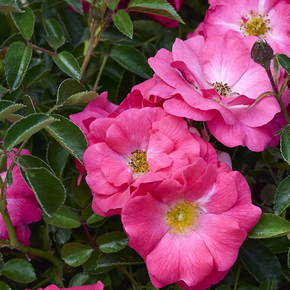
- Spectacular patio tree form showcasing abundant magenta-pink double blooms continuously from spring through the first frost, elevating classic rose beauty to eye level.
- Own-root, self-cleaning, and virtually fuss-free — outstanding disease resistance means more blooms and far less maintenance compared to traditional roses.
- Glossy, deep green foliage provides rich contrast to the magenta-pink flowers while naturally resisting common rose diseases without regular chemical treatments.
- Exceptionally cold-hardy down to -30°F (USDA Zones 4-9), making it a reliable showstopper in a wide range of climates and garden styles.
The Nitty Gritty Pink Rose Patio Tree (Rosa x 'RUIRI0125A' PP #33,135) is a breathtaking own-root groundcover rose elegantly trained into a refined patio tree standard, delivering dramatic vertical interest and non-stop color to patios, entryways, and garden borders across USDA Hardiness Zones 4 through 9. From spring until the first hard frost, the compact, rounded crown erupts with an extraordinary abundance of fragrant, magenta-pink double blooms that are self-cleaning — meaning spent flowers drop away naturally without the need for deadheading — keeping the plant looking pristine all season long. The lush, glossy dark green foliage beautifully sets off the jewel-toned blossoms and demonstrates exceptional resistance to common rose ailments such as black spot, powdery mildew, and rust, earning this variety its reputation as one of the most low-maintenance roses available today. Because it is grown on its own roots rather than grafted onto a foreign rootstock, it will not produce unwanted rootstock suckers, and if the top is ever damaged, any new growth that emerges will be the same beautiful Nitty Gritty Pink rose. Trained on a sturdy single stem and sold in tree form, this plant brings a level of formality, structure, and sophistication to any landscape or large container planting, making it an ideal choice for Southern Oregon and Northern California gardens looking for year-round curb appeal with minimal upkeep.
Plant Description
Nitty Gritty Pink Rose is an own-root, deciduous groundcover rose variety that has been artfully trained into a patio tree (standard) form. The rounded, mounding crown sits atop a single straight stem, creating the look of a miniature flowering tree. The blooms are fully double in a rich, warm magenta-pink hue that brightens as it ages, and they appear in generous flushes throughout the entire warm season. Each bloom is lightly fragrant with a classic rose scent. The foliage is notably glossy and deep green, giving the plant a healthy, vibrant appearance even when not in bloom. This variety is classified as a shrub rose and belongs to the groundcover rose category, meaning the canopy naturally spreads wider than it is tall — a quality that creates a lush, cascading crown on the tree form. Because it is propagated on its own roots (not grafted), the plant is genetically uniform from root to crown, eliminating the concern of rootstock takeover. The cultivar name is Rosa x 'RUIRI0125A' and it carries Plant Patent #33,135.
Mature Size
| Characteristic | Measurement |
|---|---|
| Crown Height (canopy spread) | 30 - 36 inches tall at the head |
| Crown Width (canopy spread) | 40 - 48 inches wide |
| Overall Height (tree form) | Varies by trunk length; typically 3 - 5 feet total |
| Growth Rate | Moderate to fast once established |
| Growth Habit | Low-mounding, spreading, rounded crown |
Hardiness Zones & Climate
Nitty Gritty Pink Rose is rated for USDA Hardiness Zones 4 through 9, tolerating winter temperatures as low as -30°F. This exceptional cold hardiness — unusual for a rose of this flower quality — makes it well suited to the wide range of elevations and microclimates found throughout Southern Oregon and Northern California. It thrives at elevations up to 7,000 feet. In the warmest zones (8-9), it may retain some foliage during mild winters and require little to no winter protection. In Zones 4-6, the standard trunk and grafted head benefit from mulching at the base and occasional wind protection during hard freezes. In all zones, the plant's own-root nature means that even if the top experiences cold dieback, any regrowth will produce the same Nitty Gritty Pink blooms.
Sunlight Requirements
Nitty Gritty Pink Rose performs best in full sun, requiring a minimum of 6 hours of direct sunlight per day. In Southern Oregon and Northern California, a location that receives morning sun is especially ideal, as morning light helps dry overnight dew from the foliage, reducing the risk of fungal issues. The plant can tolerate light or filtered afternoon shade, particularly in the hottest inland valley locations where afternoon shade can reduce heat stress during peak summer months. However, planting in heavy or prolonged shade will significantly reduce bloom production and can increase susceptibility to disease. For the most abundant flowering and the healthiest plant overall, choose the sunniest spot available.
Soil & pH Preferences
- Prefers rich, loamy, well-drained soil with consistent moisture retention.
- Ideal soil pH is slightly acidic to neutral — between 6.0 and 7.0, with the sweet spot around 6.5.
- Tolerates clay, sandy, silty, and loamy soil types, but drainage is critical — avoid areas prone to standing water or waterlogged conditions.
- Amend heavy clay soils with compost, aged bark, or other organic matter to improve drainage and aeration before planting.
- In sandy soils, incorporate generous amounts of compost to improve water and nutrient retention.
- A 3-4 inch layer of organic mulch over the root zone will help maintain consistent soil moisture, moderate soil temperature, and gradually improve soil structure over time.
- Avoid high-nitrogen lawn fertilizers in the surrounding area, as excess nitrogen promotes lush leafy growth at the expense of blooms.
Watering Guide
Nitty Gritty Pink Rose requires moderate, consistent moisture, especially during its first growing season while establishing a deep root system. Water deeply and infrequently rather than lightly and often — deep watering encourages roots to grow downward, which improves drought tolerance in subsequent seasons. A good rule of thumb is to water when the top 2 inches of soil feel dry to the touch. Established plants have good drought tolerance but will bloom most abundantly and remain healthiest with regular irrigation during dry summer months. Always water at the base of the plant, directing water to the root zone rather than the foliage. Wet foliage, especially when it remains wet overnight, can promote fungal diseases. Drip irrigation or soaker hoses are ideal. During cooler fall and winter months, reduce watering frequency but do not allow the root zone to dry out completely, as roots remain active even during dormancy.
Fertilizing
For the best bloom performance, fertilize Nitty Gritty Pink Patio Tree Rose with a balanced, slow-release rose fertilizer in early spring just as new growth begins to emerge. A granular fertilizer formulated specifically for roses — one with a balanced ratio of nitrogen, phosphorus, and potassium, along with micronutrients — supports robust flowering throughout the season. A second application of fertilizer can be made in early to mid-summer (around June or early July) to fuel the repeat bloom cycle. Do not fertilize after mid-July to mid-August, as late-season feeding stimulates soft new growth that may not harden off before the first frost, making it vulnerable to cold damage. Top-dressing the root zone with a 1-2 inch layer of compost each spring is an excellent organic supplement that slowly releases nutrients and improves soil structure. Avoid over-fertilizing with high-nitrogen products, which favor leaf production over flowering. If the plant shows signs of stress or disease, correct the problem before applying any fertilizer.
Pruning & Maintenance
One of the great advantages of the Nitty Gritty Pink Rose is its self-cleaning habit — spent blooms drop away on their own, so deadheading is not required for continuous flowering. However, there are a few key pruning tasks that will keep the patio tree looking its best:
- Spring Pruning: In early spring, just as new growth begins to swell, use clean, sharp pruning shears to remove any dead, damaged, or crossing canes from the canopy. Reduce canes by about one-third to encourage a compact, bushy crown and stimulate vigorous new blooming wood. Sterilize pruners between cuts to prevent the spread of disease.
- Sucker Removal: Because Nitty Gritty Pink is an own-root rose, any growth that emerges from the base or along the trunk will be true to the variety — but any vigorous shoots from the lower trunk or soil should be removed promptly to direct the plant's energy to the crown.
- Staking: The single-trunk patio tree standard requires staking for its entire life. Use a sturdy metal or hardwood stake driven at least 12 inches into the ground alongside the trunk, reaching up into the lower crown. Secure the trunk to the stake with flexible, non-abrasive ties and check them regularly for tightening as the stem grows.
- Summer Maintenance: Light shaping can be done during the growing season to maintain a tidy, balanced crown. Avoid heavy pruning in midsummer.
- Fall Cleanup: Remove fallen leaves and spent canes from around the base of the plant to reduce overwintering sites for disease and pests.
Planting Instructions
- Choose a location with at least 6 hours of direct sun per day and protection from strong prevailing winds, which can topple the single-stem trunk.
- Dig a planting hole at least twice as wide as the root ball and approximately the same depth. For tree-form roses, plant so the root ball sits at the same depth it was growing in the container — do not bury the trunk deeper than its original soil line.
- Amend the backfill soil with compost to improve drainage and nutrient content, mixing approximately one part compost to two parts native soil.
- Place the plant in the hole, backfill halfway, firm gently, and water thoroughly to eliminate air pockets. Then fill the remaining hole and water again.
- Install a sturdy stake (rebar or thick hardwood post) alongside the trunk immediately at planting. Secure the trunk with flexible ties, leaving slight slack to allow for natural trunk movement without causing abrasion.
- Apply a 3-4 inch layer of organic mulch in a 2-3 foot ring around the base, keeping mulch 2-3 inches away from the trunk itself to prevent moisture buildup and rot.
- Water deeply immediately after planting and maintain consistent moisture throughout the first growing season.
Seasonal Interest
- Spring: Emerging glossy green foliage and the first flush of vibrant magenta-pink double blooms signal the beginning of a long blooming season. Bloom color is particularly vivid and prolific during the cool temperatures of spring.
- Summer: Continuous repeat blooming throughout the warm season keeps the crown colorful all summer long. The self-cleaning habit means the plant always looks tidy without deadheading.
- Fall: Blooming continues right up until the first killing frost, often becoming more intense in color as temperatures cool. Small decorative rose hips may develop, adding additional seasonal interest and wildlife value.
- Winter: The plant is deciduous and will drop its leaves as it enters dormancy. The sculptural, single-trunk patio tree form maintains architectural interest in the winter garden even without foliage.
Landscape Uses
The Nitty Gritty Pink Patio Tree Rose is an extraordinarily versatile landscape plant that delivers both formal structure and abundant, casual color. Its elevated, tree-form silhouette makes it a natural focal point in a wide variety of settings:
- Flanking entryways, gates, garage doors, or front walkways as a matched pair for a formal, welcoming effect.
- As a specimen accent plant in mixed borders, cottage gardens, or rose gardens where vertical interest is desired.
- Planted in large containers for patio, deck, and courtyard settings where it can be appreciated at close range.
- As a living border along fences, driveways, or pathways, especially when planted in a repeating row for a sophisticated allee effect.
- As a centerpiece of a formal rose bed or circular garden design, surrounded by lower-growing companion plantings.
- In courtyard gardens and small spaces where the upright trunk conserves horizontal footprint while still delivering dramatic floral impact.
Container Growing
Nitty Gritty Pink Patio Tree Rose is an excellent candidate for large container growing, allowing gardeners to place a stunning focal point exactly where it is needed — on a patio, beside a front door, on a deck, or in an outdoor living area. When growing in a container, keep the following in mind:
- Select a large, heavy container with a capacity of at least 15-25 gallons to accommodate the root system and provide enough weight to prevent the tall tree form from tipping in wind.
- Use a high-quality, well-draining potting mix amended with compost. Do not use dense garden soil in containers.
- Container-grown roses dry out faster than in-ground plants — check soil moisture more frequently and water deeply when the top 1-2 inches feel dry.
- Fertilize more frequently than in-ground plants, as nutrients leach from containers with regular watering. A slow-release rose fertilizer in spring plus liquid fertilizer applications monthly through July is recommended.
- Stake the trunk securely to the container or to a stake anchored through the drainage hole into the ground below for maximum stability.
- In Zone 6 and colder, move containers to an unheated garage or sheltered space after the plant goes fully dormant in fall, and water sparingly through winter to keep roots barely moist.
- Repot or top-dress with fresh compost every 1-2 years to refresh the growing medium.
Pests & Diseases
One of the defining strengths of Nitty Gritty Pink Rose is its superior disease resistance — it has been specifically bred to resist the most common and problematic rose diseases without the need for regular chemical spray programs. However, as with all roses, occasional monitoring is still good practice:
- Black Spot: Excellent genetic resistance. Good airflow, morning sun, and base watering practices will minimize any risk further.
- Powdery Mildew: Strong resistance. Avoid overhead watering and overcrowding to maintain airflow around the canopy.
- Rust: High resistance. Remove and dispose of any affected foliage promptly if observed.
- Aphids: Small clusters may appear on new growth tips in spring. A strong blast of water or applications of insecticidal soap will control infestations without harming beneficial insects.
- Japanese Beetles: Hand-pick adults or use appropriate organic controls if beetle pressure is high in your area.
- Spider Mites: Can appear during hot, dry weather. Regular deep watering and overhead misting of foliage in early morning can discourage infestations.
- Rose Stem Borers: Look for wilting cane tips and prune below the damage. Seal fresh pruning cuts if borers are active in your area.
Overall, the Nitty Gritty Pink Patio Tree Rose requires far less pest and disease intervention than traditional hybrid tea roses, making it an ideal choice for gardeners who want beautiful roses without the intensive spray schedule.
Companion Plants
The magenta-pink blooms and refined patio tree form of Nitty Gritty Pink Rose pair beautifully with a wide range of companion plants. Consider these combinations for a cohesive, layered planting:
- Lavender (Lavandula spp.): A classic rose companion — the soft purple spikes echo the pink tones, repel pests, and attract beneficial pollinators. Both share a love of full sun and well-drained soil.
- Salvia (Salvia nemorosa): Blue and purple salvias create stunning color contrast with the magenta-pink blooms and bloom concurrently through summer.
- Catmint (Nepeta spp.): Soft, silvery-blue foliage and lavender-blue flowers at the base of the tree standard create a romantic, cottage-garden pairing.
- Ornamental Alliums: The spherical purple blooms complement the rounded crown of the rose tree, and their foliage dies back just as the rose takes over.
- Creeping Jenny or Sweet Potato Vine: Low-growing fillers at the base of the container or planting bed soften the trunk and provide lush ground-level interest.
- Russian Sage (Perovskia atriplicifolia): Airy, silver-blue spires bloom throughout summer and fall alongside the rose, tolerating the same dry, sunny conditions.
- Petunia or Calibrachoa: Excellent in containers beneath the rose canopy, spilling over the pot edge in complementary pink, white, or purple shades.
Wildlife Value
Nitty Gritty Pink Rose is a valuable addition to pollinator-friendly gardens. The abundant, openly accessible double blooms attract a variety of beneficial pollinators throughout the long blooming season, including bees, butterflies, and other nectar-seeking insects. As blooms fade and the season progresses into fall, small decorative rose hips may form on the plant, providing a food source for songbirds and other wildlife through the autumn and early winter months. The dense, twiggy crown of the patio tree also offers nesting and sheltering opportunities for small birds. The plant has demonstrated some deer resistance, though hungry deer in high-pressure areas may still browse on new growth — especially tender spring tips. In high deer-pressure landscapes, a repellent spray applied from the start of the growing season can train local deer to avoid the plant.
Winter Care
Nitty Gritty Pink Rose is exceptionally winter-hardy and reliably deciduous, entering natural dormancy in fall. Because it is an own-root rose, there is no vulnerable graft union at the crown to protect — a significant advantage over traditional grafted tree roses. The following steps will help ensure a healthy return each spring:
- In Zones 7-9 (including most of Southern Oregon and Northern California), little to no winter protection is needed beyond a layer of mulch over the root zone.
- In Zones 4-6, mound 4-6 inches of loose organic mulch (bark, straw, or shredded leaves) over the root zone after the plant has gone fully dormant following several killing frosts. Avoid covering too early, as trapping green foliage can promote fungal issues.
- Wrap the trunk loosely in burlap in exposed or very cold sites for added insulation and wind protection.
- For container-grown plants in colder climates, move the container to an unheated but frost-protected space (such as a garage) once fully dormant. Water sparingly to keep roots barely moist.
- Check trunk ties and stakes before winter storms, ensuring the tree is secure against ice and snow accumulation on the crown.
- Do not prune in fall — wait until early spring when new growth buds begin to swell to make clean cuts and assess any winter damage accurately.
- Spectacular patio tree form showcasing abundant magenta-pink double blooms continuously from spring through the first frost, elevating classic rose beauty to eye level.
- Own-root, self-cleaning, and virtually fuss-free — outstanding disease resistance means more blooms and far less maintenance compared to traditional roses.
- Glossy, deep green foliage provides rich contrast to the magenta-pink flowers while naturally resisting common rose diseases without regular chemical treatments.
- Exceptionally cold-hardy down to -30°F (USDA Zones 4-9), making it a reliable showstopper in a wide range of climates and garden styles.
The Nitty Gritty Pink Rose Patio Tree (Rosa x 'RUIRI0125A' PP #33,135) is a breathtaking own-root groundcover rose elegantly trained into a refined patio tree standard, delivering dramatic vertical interest and non-stop color to patios, entryways, and garden borders across USDA Hardiness Zones 4 through 9. From spring until the first hard frost, the compact, rounded crown erupts with an extraordinary abundance of fragrant, magenta-pink double blooms that are self-cleaning — meaning spent flowers drop away naturally without the need for deadheading — keeping the plant looking pristine all season long. The lush, glossy dark green foliage beautifully sets off the jewel-toned blossoms and demonstrates exceptional resistance to common rose ailments such as black spot, powdery mildew, and rust, earning this variety its reputation as one of the most low-maintenance roses available today. Because it is grown on its own roots rather than grafted onto a foreign rootstock, it will not produce unwanted rootstock suckers, and if the top is ever damaged, any new growth that emerges will be the same beautiful Nitty Gritty Pink rose. Trained on a sturdy single stem and sold in tree form, this plant brings a level of formality, structure, and sophistication to any landscape or large container planting, making it an ideal choice for Southern Oregon and Northern California gardens looking for year-round curb appeal with minimal upkeep.
Plant Description
Nitty Gritty Pink Rose is an own-root, deciduous groundcover rose variety that has been artfully trained into a patio tree (standard) form. The rounded, mounding crown sits atop a single straight stem, creating the look of a miniature flowering tree. The blooms are fully double in a rich, warm magenta-pink hue that brightens as it ages, and they appear in generous flushes throughout the entire warm season. Each bloom is lightly fragrant with a classic rose scent. The foliage is notably glossy and deep green, giving the plant a healthy, vibrant appearance even when not in bloom. This variety is classified as a shrub rose and belongs to the groundcover rose category, meaning the canopy naturally spreads wider than it is tall — a quality that creates a lush, cascading crown on the tree form. Because it is propagated on its own roots (not grafted), the plant is genetically uniform from root to crown, eliminating the concern of rootstock takeover. The cultivar name is Rosa x 'RUIRI0125A' and it carries Plant Patent #33,135.
Mature Size
| Characteristic | Measurement |
|---|---|
| Crown Height (canopy spread) | 30 - 36 inches tall at the head |
| Crown Width (canopy spread) | 40 - 48 inches wide |
| Overall Height (tree form) | Varies by trunk length; typically 3 - 5 feet total |
| Growth Rate | Moderate to fast once established |
| Growth Habit | Low-mounding, spreading, rounded crown |
Hardiness Zones & Climate
Nitty Gritty Pink Rose is rated for USDA Hardiness Zones 4 through 9, tolerating winter temperatures as low as -30°F. This exceptional cold hardiness — unusual for a rose of this flower quality — makes it well suited to the wide range of elevations and microclimates found throughout Southern Oregon and Northern California. It thrives at elevations up to 7,000 feet. In the warmest zones (8-9), it may retain some foliage during mild winters and require little to no winter protection. In Zones 4-6, the standard trunk and grafted head benefit from mulching at the base and occasional wind protection during hard freezes. In all zones, the plant's own-root nature means that even if the top experiences cold dieback, any regrowth will produce the same Nitty Gritty Pink blooms.
Sunlight Requirements
Nitty Gritty Pink Rose performs best in full sun, requiring a minimum of 6 hours of direct sunlight per day. In Southern Oregon and Northern California, a location that receives morning sun is especially ideal, as morning light helps dry overnight dew from the foliage, reducing the risk of fungal issues. The plant can tolerate light or filtered afternoon shade, particularly in the hottest inland valley locations where afternoon shade can reduce heat stress during peak summer months. However, planting in heavy or prolonged shade will significantly reduce bloom production and can increase susceptibility to disease. For the most abundant flowering and the healthiest plant overall, choose the sunniest spot available.
Soil & pH Preferences
- Prefers rich, loamy, well-drained soil with consistent moisture retention.
- Ideal soil pH is slightly acidic to neutral — between 6.0 and 7.0, with the sweet spot around 6.5.
- Tolerates clay, sandy, silty, and loamy soil types, but drainage is critical — avoid areas prone to standing water or waterlogged conditions.
- Amend heavy clay soils with compost, aged bark, or other organic matter to improve drainage and aeration before planting.
- In sandy soils, incorporate generous amounts of compost to improve water and nutrient retention.
- A 3-4 inch layer of organic mulch over the root zone will help maintain consistent soil moisture, moderate soil temperature, and gradually improve soil structure over time.
- Avoid high-nitrogen lawn fertilizers in the surrounding area, as excess nitrogen promotes lush leafy growth at the expense of blooms.
Watering Guide
Nitty Gritty Pink Rose requires moderate, consistent moisture, especially during its first growing season while establishing a deep root system. Water deeply and infrequently rather than lightly and often — deep watering encourages roots to grow downward, which improves drought tolerance in subsequent seasons. A good rule of thumb is to water when the top 2 inches of soil feel dry to the touch. Established plants have good drought tolerance but will bloom most abundantly and remain healthiest with regular irrigation during dry summer months. Always water at the base of the plant, directing water to the root zone rather than the foliage. Wet foliage, especially when it remains wet overnight, can promote fungal diseases. Drip irrigation or soaker hoses are ideal. During cooler fall and winter months, reduce watering frequency but do not allow the root zone to dry out completely, as roots remain active even during dormancy.
Fertilizing
For the best bloom performance, fertilize Nitty Gritty Pink Patio Tree Rose with a balanced, slow-release rose fertilizer in early spring just as new growth begins to emerge. A granular fertilizer formulated specifically for roses — one with a balanced ratio of nitrogen, phosphorus, and potassium, along with micronutrients — supports robust flowering throughout the season. A second application of fertilizer can be made in early to mid-summer (around June or early July) to fuel the repeat bloom cycle. Do not fertilize after mid-July to mid-August, as late-season feeding stimulates soft new growth that may not harden off before the first frost, making it vulnerable to cold damage. Top-dressing the root zone with a 1-2 inch layer of compost each spring is an excellent organic supplement that slowly releases nutrients and improves soil structure. Avoid over-fertilizing with high-nitrogen products, which favor leaf production over flowering. If the plant shows signs of stress or disease, correct the problem before applying any fertilizer.
Pruning & Maintenance
One of the great advantages of the Nitty Gritty Pink Rose is its self-cleaning habit — spent blooms drop away on their own, so deadheading is not required for continuous flowering. However, there are a few key pruning tasks that will keep the patio tree looking its best:
- Spring Pruning: In early spring, just as new growth begins to swell, use clean, sharp pruning shears to remove any dead, damaged, or crossing canes from the canopy. Reduce canes by about one-third to encourage a compact, bushy crown and stimulate vigorous new blooming wood. Sterilize pruners between cuts to prevent the spread of disease.
- Sucker Removal: Because Nitty Gritty Pink is an own-root rose, any growth that emerges from the base or along the trunk will be true to the variety — but any vigorous shoots from the lower trunk or soil should be removed promptly to direct the plant's energy to the crown.
- Staking: The single-trunk patio tree standard requires staking for its entire life. Use a sturdy metal or hardwood stake driven at least 12 inches into the ground alongside the trunk, reaching up into the lower crown. Secure the trunk to the stake with flexible, non-abrasive ties and check them regularly for tightening as the stem grows.
- Summer Maintenance: Light shaping can be done during the growing season to maintain a tidy, balanced crown. Avoid heavy pruning in midsummer.
- Fall Cleanup: Remove fallen leaves and spent canes from around the base of the plant to reduce overwintering sites for disease and pests.
Planting Instructions
- Choose a location with at least 6 hours of direct sun per day and protection from strong prevailing winds, which can topple the single-stem trunk.
- Dig a planting hole at least twice as wide as the root ball and approximately the same depth. For tree-form roses, plant so the root ball sits at the same depth it was growing in the container — do not bury the trunk deeper than its original soil line.
- Amend the backfill soil with compost to improve drainage and nutrient content, mixing approximately one part compost to two parts native soil.
- Place the plant in the hole, backfill halfway, firm gently, and water thoroughly to eliminate air pockets. Then fill the remaining hole and water again.
- Install a sturdy stake (rebar or thick hardwood post) alongside the trunk immediately at planting. Secure the trunk with flexible ties, leaving slight slack to allow for natural trunk movement without causing abrasion.
- Apply a 3-4 inch layer of organic mulch in a 2-3 foot ring around the base, keeping mulch 2-3 inches away from the trunk itself to prevent moisture buildup and rot.
- Water deeply immediately after planting and maintain consistent moisture throughout the first growing season.
Seasonal Interest
- Spring: Emerging glossy green foliage and the first flush of vibrant magenta-pink double blooms signal the beginning of a long blooming season. Bloom color is particularly vivid and prolific during the cool temperatures of spring.
- Summer: Continuous repeat blooming throughout the warm season keeps the crown colorful all summer long. The self-cleaning habit means the plant always looks tidy without deadheading.
- Fall: Blooming continues right up until the first killing frost, often becoming more intense in color as temperatures cool. Small decorative rose hips may develop, adding additional seasonal interest and wildlife value.
- Winter: The plant is deciduous and will drop its leaves as it enters dormancy. The sculptural, single-trunk patio tree form maintains architectural interest in the winter garden even without foliage.
Landscape Uses
The Nitty Gritty Pink Patio Tree Rose is an extraordinarily versatile landscape plant that delivers both formal structure and abundant, casual color. Its elevated, tree-form silhouette makes it a natural focal point in a wide variety of settings:
- Flanking entryways, gates, garage doors, or front walkways as a matched pair for a formal, welcoming effect.
- As a specimen accent plant in mixed borders, cottage gardens, or rose gardens where vertical interest is desired.
- Planted in large containers for patio, deck, and courtyard settings where it can be appreciated at close range.
- As a living border along fences, driveways, or pathways, especially when planted in a repeating row for a sophisticated allee effect.
- As a centerpiece of a formal rose bed or circular garden design, surrounded by lower-growing companion plantings.
- In courtyard gardens and small spaces where the upright trunk conserves horizontal footprint while still delivering dramatic floral impact.
Container Growing
Nitty Gritty Pink Patio Tree Rose is an excellent candidate for large container growing, allowing gardeners to place a stunning focal point exactly where it is needed — on a patio, beside a front door, on a deck, or in an outdoor living area. When growing in a container, keep the following in mind:
- Select a large, heavy container with a capacity of at least 15-25 gallons to accommodate the root system and provide enough weight to prevent the tall tree form from tipping in wind.
- Use a high-quality, well-draining potting mix amended with compost. Do not use dense garden soil in containers.
- Container-grown roses dry out faster than in-ground plants — check soil moisture more frequently and water deeply when the top 1-2 inches feel dry.
- Fertilize more frequently than in-ground plants, as nutrients leach from containers with regular watering. A slow-release rose fertilizer in spring plus liquid fertilizer applications monthly through July is recommended.
- Stake the trunk securely to the container or to a stake anchored through the drainage hole into the ground below for maximum stability.
- In Zone 6 and colder, move containers to an unheated garage or sheltered space after the plant goes fully dormant in fall, and water sparingly through winter to keep roots barely moist.
- Repot or top-dress with fresh compost every 1-2 years to refresh the growing medium.
Pests & Diseases
One of the defining strengths of Nitty Gritty Pink Rose is its superior disease resistance — it has been specifically bred to resist the most common and problematic rose diseases without the need for regular chemical spray programs. However, as with all roses, occasional monitoring is still good practice:
- Black Spot: Excellent genetic resistance. Good airflow, morning sun, and base watering practices will minimize any risk further.
- Powdery Mildew: Strong resistance. Avoid overhead watering and overcrowding to maintain airflow around the canopy.
- Rust: High resistance. Remove and dispose of any affected foliage promptly if observed.
- Aphids: Small clusters may appear on new growth tips in spring. A strong blast of water or applications of insecticidal soap will control infestations without harming beneficial insects.
- Japanese Beetles: Hand-pick adults or use appropriate organic controls if beetle pressure is high in your area.
- Spider Mites: Can appear during hot, dry weather. Regular deep watering and overhead misting of foliage in early morning can discourage infestations.
- Rose Stem Borers: Look for wilting cane tips and prune below the damage. Seal fresh pruning cuts if borers are active in your area.
Overall, the Nitty Gritty Pink Patio Tree Rose requires far less pest and disease intervention than traditional hybrid tea roses, making it an ideal choice for gardeners who want beautiful roses without the intensive spray schedule.
Companion Plants
The magenta-pink blooms and refined patio tree form of Nitty Gritty Pink Rose pair beautifully with a wide range of companion plants. Consider these combinations for a cohesive, layered planting:
- Lavender (Lavandula spp.): A classic rose companion — the soft purple spikes echo the pink tones, repel pests, and attract beneficial pollinators. Both share a love of full sun and well-drained soil.
- Salvia (Salvia nemorosa): Blue and purple salvias create stunning color contrast with the magenta-pink blooms and bloom concurrently through summer.
- Catmint (Nepeta spp.): Soft, silvery-blue foliage and lavender-blue flowers at the base of the tree standard create a romantic, cottage-garden pairing.
- Ornamental Alliums: The spherical purple blooms complement the rounded crown of the rose tree, and their foliage dies back just as the rose takes over.
- Creeping Jenny or Sweet Potato Vine: Low-growing fillers at the base of the container or planting bed soften the trunk and provide lush ground-level interest.
- Russian Sage (Perovskia atriplicifolia): Airy, silver-blue spires bloom throughout summer and fall alongside the rose, tolerating the same dry, sunny conditions.
- Petunia or Calibrachoa: Excellent in containers beneath the rose canopy, spilling over the pot edge in complementary pink, white, or purple shades.
Wildlife Value
Nitty Gritty Pink Rose is a valuable addition to pollinator-friendly gardens. The abundant, openly accessible double blooms attract a variety of beneficial pollinators throughout the long blooming season, including bees, butterflies, and other nectar-seeking insects. As blooms fade and the season progresses into fall, small decorative rose hips may form on the plant, providing a food source for songbirds and other wildlife through the autumn and early winter months. The dense, twiggy crown of the patio tree also offers nesting and sheltering opportunities for small birds. The plant has demonstrated some deer resistance, though hungry deer in high-pressure areas may still browse on new growth — especially tender spring tips. In high deer-pressure landscapes, a repellent spray applied from the start of the growing season can train local deer to avoid the plant.
Winter Care
Nitty Gritty Pink Rose is exceptionally winter-hardy and reliably deciduous, entering natural dormancy in fall. Because it is an own-root rose, there is no vulnerable graft union at the crown to protect — a significant advantage over traditional grafted tree roses. The following steps will help ensure a healthy return each spring:
- In Zones 7-9 (including most of Southern Oregon and Northern California), little to no winter protection is needed beyond a layer of mulch over the root zone.
- In Zones 4-6, mound 4-6 inches of loose organic mulch (bark, straw, or shredded leaves) over the root zone after the plant has gone fully dormant following several killing frosts. Avoid covering too early, as trapping green foliage can promote fungal issues.
- Wrap the trunk loosely in burlap in exposed or very cold sites for added insulation and wind protection.
- For container-grown plants in colder climates, move the container to an unheated but frost-protected space (such as a garage) once fully dormant. Water sparingly to keep roots barely moist.
- Check trunk ties and stakes before winter storms, ensuring the tree is secure against ice and snow accumulation on the crown.
- Do not prune in fall — wait until early spring when new growth buds begin to swell to make clean cuts and assess any winter damage accurately.