

Zoom the image with the mouse
Nitty Gritty Red Rose - 5 Gallon Patio Tree
SKU:
2099700
UPC:
014949465981
$99.99
- Abundant deep red, double blooms erupt from late spring through fall on a self-cleaning, fuss-free plant that never needs deadheading.
- Trained as a striking patio tree (standard) form, delivering classic vertical elegance perfect for entryways, patios, and container displays.
- Own-root construction means exceptional vigor with no unwanted rootstock suckers to manage, paired with outstanding disease resistance for nearly carefree performance.
- Hardy across USDA Zones 4-9 with a lightly fragrant, low-maintenance character that makes it one of the most versatile landscape roses available today.
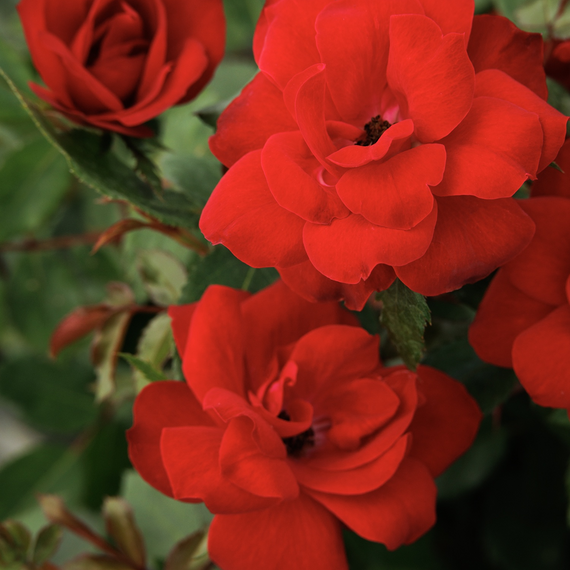
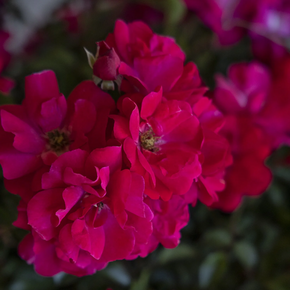
The Nitty Gritty Red Rose Patio Tree (Rosa x 'RUIRI0023A', PP #33,585) is a showstopping combination of bold color, refined elegance, and remarkably easy care. Trained as a classic standard or patio tree, this own-root rose features a mounding, rounded crown of deep red, semi-double to double blooms perched atop a clean, upright stem — creating the look of a living floral bouquet held above the garden. Unlike many grafted tree roses, this own-root variety eliminates the worry of competing rootstock suckers, simplifying maintenance considerably. Blooms emerge reliably from late spring and continue in successive flushes all the way through fall, and the self-cleaning habit means spent flowers drop away naturally without any deadheading required. Dark, glossy green foliage provides a rich, elegant backdrop for the vivid red blossoms and demonstrates impressive resistance to common rose diseases such as black spot and powdery mildew. A light, pleasant fragrance adds another layer of sensory appeal. Adapted to a wide range of growing conditions across USDA Hardiness Zones 4 through 9, Nitty Gritty Red thrives in full sun and well-drained soil and tolerates coastal conditions and light air pollution with ease. Whether planted as a formal accent in a landscape bed, used to frame a walkway in a symmetrical pair, or showcased as a standalone focal point in a large patio container, this patio tree rose delivers season-long curb appeal and timeless garden drama with surprisingly minimal effort.
Plant Description
Nitty Gritty Red is a deciduous shrub rose presented in an elegant patio tree (standard) form, where a mounding, rounded crown of deep red blooms is trained atop a single, upright clear stem. The plant is grown on its own roots — meaning it is not grafted onto a separate rootstock — which results in greater genetic uniformity, natural vigor, and the absence of the unwanted rootstock suckers that are a common nuisance with traditional grafted tree roses. The crown exhibits a naturally mounding, slightly spreading habit and produces semi-double to double, richly colored red flowers with a gentle, sweet fragrance. Foliage is deciduous, with dark, glossy green oval leaves that remain clean and attractive throughout the season due to the variety's excellent inherent disease resistance. Flowers are self-cleaning, dropping away on their own as they fade, eliminating the chore of deadheading while keeping the plant looking tidy and presentable at all times.
Mature Size
| Attribute | Measurement |
|---|---|
| Crown Height | 2-3 ft (crown spread above standard stem) |
| Crown Width | 3-4 ft |
| Overall Plant Height (including stem) | Typically 4-5 ft as a patio tree standard |
| Growth Rate | Moderate |
| Growth Habit | Mounding, rounded crown on upright standard stem |
Hardiness Zones and Climate
Nitty Gritty Red is rated for USDA Hardiness Zones 4 through 9, making it adaptable to a very wide range of climates — from the cold winters of the upper Midwest and mountain regions to the warm summers of the Pacific Coast, the Southwest, and the Southeast. It tolerates a maximum elevation of approximately 7,000 feet. In Southern Oregon and Northern California, this rose is exceptionally well-suited to the mild, warm growing seasons and benefits from the region's long bloom periods. It demonstrates tolerance of coastal conditions including salt air and light air pollution, making it a practical choice for a variety of settings. In Zone 4 climates, the standard stem may benefit from winter protection, while in Zone 9, it will thrive with consistent summer irrigation.
Sunlight Requirements
Nitty Gritty Red performs best in full sun, requiring a minimum of 6 to 8 hours of direct sunlight per day. Adequate sun exposure is essential for maximizing flower production and maintaining the plant's compact, healthy shape. In hotter inland climates, a location that receives morning sun and some light afternoon shade during the peak heat of summer can help preserve flower color and reduce stress on the plant. Insufficient light will result in reduced blooming, leggy growth, and increased susceptibility to foliar diseases such as powdery mildew. When siting this plant on a patio or in a container, choose the sunniest available location for the most impressive seasonal display.
Soil and pH Preferences
This rose performs best in fertile, well-drained loamy soil but adapts to a range of soil textures including clay, sandy, and silty soils provided drainage is adequate. Standing water and waterlogged conditions around the roots should be avoided, as overly wet soil promotes root rot and other fungal issues. The ideal soil pH falls between 6.0 and 7.0 (slightly acidic to neutral). If planting in heavy clay soils, amend generously with compost or aged organic matter before planting to improve drainage and aeration. For container growing, use a premium quality, well-draining potting mix formulated for roses or flowering shrubs, and ensure containers have adequate drainage holes. Adding a slow-release granular fertilizer to the planting mix at the time of potting gives the plant a strong nutritional start.
Watering Guide
During the first growing season after planting, consistent and ample watering is essential to support root establishment. Water deeply at the base of the plant two to three times per week, depending on weather conditions, ensuring the top 3 inches of soil do not dry out completely between waterings. Once the plant is well established — typically after the first full growing season — watering frequency can be reduced. Established plants prefer a deep, infrequent watering schedule (approximately once or twice per week in warm weather) rather than frequent shallow irrigation. Water at ground level whenever possible to keep foliage dry and minimize the risk of fungal diseases. In containers, monitor soil moisture more closely as potted plants dry out faster; check the top inch of soil regularly and water when it feels dry to the touch.
Fertilizing
Feed Nitty Gritty Red regularly throughout the growing season to support its prolific repeat-blooming habit. Begin fertilizing in early spring as new growth emerges. A balanced, slow-release granular rose fertilizer or an organic rose-specific fertilizer (such as a rose-tone type product) applied every 4 to 6 weeks through midsummer provides steady, even nutrition. Alternatively, a water-soluble balanced fertilizer can be applied every 2 to 3 weeks during the active growing season. Supplementing with Epsom salts (magnesium sulfate) at a rate of one tablespoon per gallon of water once or twice per season can help promote lush, deep green foliage if soils are magnesium-deficient. Avoid heavy nitrogen fertilization late in the season, as this can stimulate soft new growth that is vulnerable to frost damage. Stop fertilizing about 6 to 8 weeks before the first expected fall frost in colder zones to allow the plant to harden off properly for winter.
Pruning and Maintenance of the Patio Tree Form
Maintaining the elegant tree form of this standard rose involves a few specific practices beyond ordinary shrub rose care:
- Main annual pruning: Perform the primary structural pruning in late winter or very early spring while the plant is still dormant (roughly when forsythia blooms, or just as buds begin to swell). Remove all dead, dying, damaged, and diseased canes first. Then reduce the overall crown by approximately one-third to one-half, cutting back to outward-facing buds to maintain an open, balanced, rounded dome shape.
- Shaping the crown: Prune slightly shorter around the outer edge of the crown while leaving the center slightly taller to create a gentle dome. This encourages even flowering across the entire head rather than only at the top.
- Stem shoot removal: Promptly remove any shoots that emerge from the main standard stem below the crown head. These divert energy from the flowering top and disrupt the tree form. Remove them flush with the stem as soon as they appear.
- Deadheading: Thanks to its self-cleaning habit, this variety does not require deadheading. Spent blooms will drop naturally, keeping the plant tidy on its own.
- Mid-season tidying: A light shaping trim after each major flush of bloom helps maintain the rounded form and encourages the next wave of flowers.
- Staking: The standard stem must be supported with a sturdy stake (metal rebar or a thick hardwood stake is recommended). Secure the stem to the stake with flexible ties, checking periodically to ensure the ties are not constricting the stem as it grows.
Planting Instructions
- Select a location receiving at least 6 to 8 hours of direct sun per day with good air circulation and protection from strong prevailing winds.
- Dig a hole at least twice the width of the root ball and equal to its depth. Loosen the soil at the bottom of the hole and mix in generous amounts of compost or aged organic matter.
- Remove the plant from its nursery container, gently loosen any circling roots, and set it in the hole so the top of the root ball is level with the surrounding soil grade. Do not plant too deeply.
- Backfill with the amended native soil, firming gently to eliminate air pockets. Water in thoroughly.
- Install a sturdy metal or hardwood stake alongside the main stem and secure with flexible ties to prevent wind rock and keep the standard upright.
- Apply 2 to 3 inches of organic mulch (shredded bark, wood chips, or compost) over the root zone, keeping mulch a few inches away from the main stem to discourage rot and pest harborage.
- Water deeply every few days for the first several weeks, then transition to a regular deep-watering schedule as the plant establishes.
Seasonal Interest and Bloom Calendar
| Season | What to Expect |
|---|---|
| Spring (March-May) | New foliage emerges; first flush of deep red double blooms begins in late spring |
| Early Summer (June) | Heavy bloom period; self-cleaning habit keeps the crown looking fresh and colorful |
| Mid-Late Summer (July-August) | Continuous repeat blooming with successive flushes of vivid red flowers; dark green foliage provides season-long backdrop |
| Fall (September-October) | Continued bloom through autumn; potential for rose hip development that adds additional ornamental interest |
| Winter (November-February) | Deciduous; plant goes dormant; structural stem provides winter garden interest; ideal time for dormant pruning |
Landscape Uses
The patio tree form of Nitty Gritty Red is one of the most versatile and impactful ways to incorporate rose color into the landscape. Consider these uses:
- Entryway accent: Plant a matched pair flanking a front door, gate, or garden path for a formal, symmetrical welcome.
- Patio and courtyard feature: Outstanding as a container specimen on a deck, patio, or courtyard where vertical color and structure are desired.
- Focal point or specimen plant: Use as a standalone centerpiece within a perennial bed, surrounded by low-growing groundcover plants or annuals at the base.
- Border accent: Plant in a row along a fence line, walkway, or shrub border to create a repeated rhythmic element of elevated red color.
- Coastal gardens: Tolerates coastal salt air conditions well, making it suitable for gardens near the ocean or in areas with air pollution.
- Cottage and cutting gardens: The upright standard form adds height and structure to informal cottage-style plantings while providing stems suitable for casual cut flower arrangements.
Container Growing
Nitty Gritty Red is an excellent candidate for container culture in its patio tree form. Choose a heavy, well-built container with a capacity of at least 15 gallons to provide adequate root room and ballast against wind. Terra cotta, glazed ceramic, or heavy composite planters work particularly well, as their weight helps stabilize the tall standard. Use a premium, well-draining potting mix formulated for roses or shrubs, and incorporate a slow-release granular fertilizer into the mix at planting. Because containers dry out more quickly than in-ground plantings, monitor soil moisture frequently during warm weather and water whenever the top inch feels dry. Container-grown standards benefit from liquid fertilizer applications every two weeks during the growing season to compensate for nutrients lost through regular watering. Repot every two to three years or as the root system outgrows the container. In colder zones (below Zone 6), move containers to a sheltered, cool (but not freezing) location such as an unheated garage during the winter months to protect the roots from hard freezes.
Pests and Diseases
One of the standout qualities of Nitty Gritty Red is its excellent built-in disease resistance, which greatly reduces the maintenance burden compared to many traditional rose varieties. However, awareness of potential issues allows for early intervention:
- Black spot: Good resistance is built into this variety, but in wet or humid conditions, preventive fungicide applications (particularly copper-based sprays) can be used as a precaution. Remove and dispose of any affected leaves promptly; do not compost.
- Powdery mildew: Generally resistant; ensure good air circulation around the crown by avoiding overly dense plantings and maintaining an open pruning structure.
- Aphids: Can appear on new growth in spring. A strong blast of water from a garden hose or an application of insecticidal soap typically resolves infestations quickly.
- Japanese beetles: Can cause defoliation during summer months. Hand-pick in the early morning when beetles are sluggish, or treat with an appropriate contact insecticide if populations are high.
- Spider mites: More likely during hot, dry weather. Keep plants well-watered and apply miticide or insecticidal soap if infestations occur.
- Rose stem borers: Inspect canes periodically; if hollowed canes are found, prune back to solid pith and seal cut ends with white school glue.
- Deer: This variety has some deer resistance, though no rose is completely immune. In areas with heavy deer pressure, consider protective measures during the dormant season when food sources are scarce.
Wildlife Value
Nitty Gritty Red offers meaningful ecological value in the landscape throughout the seasons. The open, semi-double flower form allows pollinators — including bees, butterflies, and beneficial insects — easy access to nectar and pollen during its long spring-through-fall bloom period. As flowers transition to rose hips in autumn, these small, colorful fruits provide a valuable food source for songbirds and other wildlife heading into the colder months. The dense, thorny crown also offers shelter and potential nesting sites for small birds. Planting Nitty Gritty Red in a patio tree form alongside lower-growing flowering perennials and groundcovers creates a layered habitat that supports a diverse array of garden wildlife and contributes to overall pollinator garden health.
Companion Plants
The elevated crown of Nitty Gritty Red Patio Tree creates a natural opportunity for layered planting combinations. Consider these companions to enhance the visual display and complement the plant's seasonal character:
- At the base of the standard (underplanting): Trailing petunias, sweet alyssum, creeping Jenny, million bells (Calibrachoa), or low-growing lavender create a colorful, fragrant skirt beneath the crown.
- In surrounding beds: Salvia (Salvia nemorosa), catmint (Nepeta), ornamental grasses like Blue Oat Grass, or dwarf Russian sage echo the rose's warm-season color and provide complementary texture.
- For foliage contrast: Silvery-leaved plants such as lamb's ear (Stachys byzantina) or dusty miller beautifully offset the deep red flowers.
- For pollinators: Planting Agastache, Echinacea, or Veronicastrum nearby extends the pollinator habitat season and creates a lively, wildlife-friendly garden vignette around the focal tree rose.
- In containers: Pair with trailing Bacopa, Verbena, or ivy varieties spilling over the container edge for a classic, full-season patio display.
- Abundant deep red, double blooms erupt from late spring through fall on a self-cleaning, fuss-free plant that never needs deadheading.
- Trained as a striking patio tree (standard) form, delivering classic vertical elegance perfect for entryways, patios, and container displays.
- Own-root construction means exceptional vigor with no unwanted rootstock suckers to manage, paired with outstanding disease resistance for nearly carefree performance.
- Hardy across USDA Zones 4-9 with a lightly fragrant, low-maintenance character that makes it one of the most versatile landscape roses available today.
The Nitty Gritty Red Rose Patio Tree (Rosa x 'RUIRI0023A', PP #33,585) is a showstopping combination of bold color, refined elegance, and remarkably easy care. Trained as a classic standard or patio tree, this own-root rose features a mounding, rounded crown of deep red, semi-double to double blooms perched atop a clean, upright stem — creating the look of a living floral bouquet held above the garden. Unlike many grafted tree roses, this own-root variety eliminates the worry of competing rootstock suckers, simplifying maintenance considerably. Blooms emerge reliably from late spring and continue in successive flushes all the way through fall, and the self-cleaning habit means spent flowers drop away naturally without any deadheading required. Dark, glossy green foliage provides a rich, elegant backdrop for the vivid red blossoms and demonstrates impressive resistance to common rose diseases such as black spot and powdery mildew. A light, pleasant fragrance adds another layer of sensory appeal. Adapted to a wide range of growing conditions across USDA Hardiness Zones 4 through 9, Nitty Gritty Red thrives in full sun and well-drained soil and tolerates coastal conditions and light air pollution with ease. Whether planted as a formal accent in a landscape bed, used to frame a walkway in a symmetrical pair, or showcased as a standalone focal point in a large patio container, this patio tree rose delivers season-long curb appeal and timeless garden drama with surprisingly minimal effort.
Plant Description
Nitty Gritty Red is a deciduous shrub rose presented in an elegant patio tree (standard) form, where a mounding, rounded crown of deep red blooms is trained atop a single, upright clear stem. The plant is grown on its own roots — meaning it is not grafted onto a separate rootstock — which results in greater genetic uniformity, natural vigor, and the absence of the unwanted rootstock suckers that are a common nuisance with traditional grafted tree roses. The crown exhibits a naturally mounding, slightly spreading habit and produces semi-double to double, richly colored red flowers with a gentle, sweet fragrance. Foliage is deciduous, with dark, glossy green oval leaves that remain clean and attractive throughout the season due to the variety's excellent inherent disease resistance. Flowers are self-cleaning, dropping away on their own as they fade, eliminating the chore of deadheading while keeping the plant looking tidy and presentable at all times.
Mature Size
| Attribute | Measurement |
|---|---|
| Crown Height | 2-3 ft (crown spread above standard stem) |
| Crown Width | 3-4 ft |
| Overall Plant Height (including stem) | Typically 4-5 ft as a patio tree standard |
| Growth Rate | Moderate |
| Growth Habit | Mounding, rounded crown on upright standard stem |
Hardiness Zones and Climate
Nitty Gritty Red is rated for USDA Hardiness Zones 4 through 9, making it adaptable to a very wide range of climates — from the cold winters of the upper Midwest and mountain regions to the warm summers of the Pacific Coast, the Southwest, and the Southeast. It tolerates a maximum elevation of approximately 7,000 feet. In Southern Oregon and Northern California, this rose is exceptionally well-suited to the mild, warm growing seasons and benefits from the region's long bloom periods. It demonstrates tolerance of coastal conditions including salt air and light air pollution, making it a practical choice for a variety of settings. In Zone 4 climates, the standard stem may benefit from winter protection, while in Zone 9, it will thrive with consistent summer irrigation.
Sunlight Requirements
Nitty Gritty Red performs best in full sun, requiring a minimum of 6 to 8 hours of direct sunlight per day. Adequate sun exposure is essential for maximizing flower production and maintaining the plant's compact, healthy shape. In hotter inland climates, a location that receives morning sun and some light afternoon shade during the peak heat of summer can help preserve flower color and reduce stress on the plant. Insufficient light will result in reduced blooming, leggy growth, and increased susceptibility to foliar diseases such as powdery mildew. When siting this plant on a patio or in a container, choose the sunniest available location for the most impressive seasonal display.
Soil and pH Preferences
This rose performs best in fertile, well-drained loamy soil but adapts to a range of soil textures including clay, sandy, and silty soils provided drainage is adequate. Standing water and waterlogged conditions around the roots should be avoided, as overly wet soil promotes root rot and other fungal issues. The ideal soil pH falls between 6.0 and 7.0 (slightly acidic to neutral). If planting in heavy clay soils, amend generously with compost or aged organic matter before planting to improve drainage and aeration. For container growing, use a premium quality, well-draining potting mix formulated for roses or flowering shrubs, and ensure containers have adequate drainage holes. Adding a slow-release granular fertilizer to the planting mix at the time of potting gives the plant a strong nutritional start.
Watering Guide
During the first growing season after planting, consistent and ample watering is essential to support root establishment. Water deeply at the base of the plant two to three times per week, depending on weather conditions, ensuring the top 3 inches of soil do not dry out completely between waterings. Once the plant is well established — typically after the first full growing season — watering frequency can be reduced. Established plants prefer a deep, infrequent watering schedule (approximately once or twice per week in warm weather) rather than frequent shallow irrigation. Water at ground level whenever possible to keep foliage dry and minimize the risk of fungal diseases. In containers, monitor soil moisture more closely as potted plants dry out faster; check the top inch of soil regularly and water when it feels dry to the touch.
Fertilizing
Feed Nitty Gritty Red regularly throughout the growing season to support its prolific repeat-blooming habit. Begin fertilizing in early spring as new growth emerges. A balanced, slow-release granular rose fertilizer or an organic rose-specific fertilizer (such as a rose-tone type product) applied every 4 to 6 weeks through midsummer provides steady, even nutrition. Alternatively, a water-soluble balanced fertilizer can be applied every 2 to 3 weeks during the active growing season. Supplementing with Epsom salts (magnesium sulfate) at a rate of one tablespoon per gallon of water once or twice per season can help promote lush, deep green foliage if soils are magnesium-deficient. Avoid heavy nitrogen fertilization late in the season, as this can stimulate soft new growth that is vulnerable to frost damage. Stop fertilizing about 6 to 8 weeks before the first expected fall frost in colder zones to allow the plant to harden off properly for winter.
Pruning and Maintenance of the Patio Tree Form
Maintaining the elegant tree form of this standard rose involves a few specific practices beyond ordinary shrub rose care:
- Main annual pruning: Perform the primary structural pruning in late winter or very early spring while the plant is still dormant (roughly when forsythia blooms, or just as buds begin to swell). Remove all dead, dying, damaged, and diseased canes first. Then reduce the overall crown by approximately one-third to one-half, cutting back to outward-facing buds to maintain an open, balanced, rounded dome shape.
- Shaping the crown: Prune slightly shorter around the outer edge of the crown while leaving the center slightly taller to create a gentle dome. This encourages even flowering across the entire head rather than only at the top.
- Stem shoot removal: Promptly remove any shoots that emerge from the main standard stem below the crown head. These divert energy from the flowering top and disrupt the tree form. Remove them flush with the stem as soon as they appear.
- Deadheading: Thanks to its self-cleaning habit, this variety does not require deadheading. Spent blooms will drop naturally, keeping the plant tidy on its own.
- Mid-season tidying: A light shaping trim after each major flush of bloom helps maintain the rounded form and encourages the next wave of flowers.
- Staking: The standard stem must be supported with a sturdy stake (metal rebar or a thick hardwood stake is recommended). Secure the stem to the stake with flexible ties, checking periodically to ensure the ties are not constricting the stem as it grows.
Planting Instructions
- Select a location receiving at least 6 to 8 hours of direct sun per day with good air circulation and protection from strong prevailing winds.
- Dig a hole at least twice the width of the root ball and equal to its depth. Loosen the soil at the bottom of the hole and mix in generous amounts of compost or aged organic matter.
- Remove the plant from its nursery container, gently loosen any circling roots, and set it in the hole so the top of the root ball is level with the surrounding soil grade. Do not plant too deeply.
- Backfill with the amended native soil, firming gently to eliminate air pockets. Water in thoroughly.
- Install a sturdy metal or hardwood stake alongside the main stem and secure with flexible ties to prevent wind rock and keep the standard upright.
- Apply 2 to 3 inches of organic mulch (shredded bark, wood chips, or compost) over the root zone, keeping mulch a few inches away from the main stem to discourage rot and pest harborage.
- Water deeply every few days for the first several weeks, then transition to a regular deep-watering schedule as the plant establishes.
Seasonal Interest and Bloom Calendar
| Season | What to Expect |
|---|---|
| Spring (March-May) | New foliage emerges; first flush of deep red double blooms begins in late spring |
| Early Summer (June) | Heavy bloom period; self-cleaning habit keeps the crown looking fresh and colorful |
| Mid-Late Summer (July-August) | Continuous repeat blooming with successive flushes of vivid red flowers; dark green foliage provides season-long backdrop |
| Fall (September-October) | Continued bloom through autumn; potential for rose hip development that adds additional ornamental interest |
| Winter (November-February) | Deciduous; plant goes dormant; structural stem provides winter garden interest; ideal time for dormant pruning |
Landscape Uses
The patio tree form of Nitty Gritty Red is one of the most versatile and impactful ways to incorporate rose color into the landscape. Consider these uses:
- Entryway accent: Plant a matched pair flanking a front door, gate, or garden path for a formal, symmetrical welcome.
- Patio and courtyard feature: Outstanding as a container specimen on a deck, patio, or courtyard where vertical color and structure are desired.
- Focal point or specimen plant: Use as a standalone centerpiece within a perennial bed, surrounded by low-growing groundcover plants or annuals at the base.
- Border accent: Plant in a row along a fence line, walkway, or shrub border to create a repeated rhythmic element of elevated red color.
- Coastal gardens: Tolerates coastal salt air conditions well, making it suitable for gardens near the ocean or in areas with air pollution.
- Cottage and cutting gardens: The upright standard form adds height and structure to informal cottage-style plantings while providing stems suitable for casual cut flower arrangements.
Container Growing
Nitty Gritty Red is an excellent candidate for container culture in its patio tree form. Choose a heavy, well-built container with a capacity of at least 15 gallons to provide adequate root room and ballast against wind. Terra cotta, glazed ceramic, or heavy composite planters work particularly well, as their weight helps stabilize the tall standard. Use a premium, well-draining potting mix formulated for roses or shrubs, and incorporate a slow-release granular fertilizer into the mix at planting. Because containers dry out more quickly than in-ground plantings, monitor soil moisture frequently during warm weather and water whenever the top inch feels dry. Container-grown standards benefit from liquid fertilizer applications every two weeks during the growing season to compensate for nutrients lost through regular watering. Repot every two to three years or as the root system outgrows the container. In colder zones (below Zone 6), move containers to a sheltered, cool (but not freezing) location such as an unheated garage during the winter months to protect the roots from hard freezes.
Pests and Diseases
One of the standout qualities of Nitty Gritty Red is its excellent built-in disease resistance, which greatly reduces the maintenance burden compared to many traditional rose varieties. However, awareness of potential issues allows for early intervention:
- Black spot: Good resistance is built into this variety, but in wet or humid conditions, preventive fungicide applications (particularly copper-based sprays) can be used as a precaution. Remove and dispose of any affected leaves promptly; do not compost.
- Powdery mildew: Generally resistant; ensure good air circulation around the crown by avoiding overly dense plantings and maintaining an open pruning structure.
- Aphids: Can appear on new growth in spring. A strong blast of water from a garden hose or an application of insecticidal soap typically resolves infestations quickly.
- Japanese beetles: Can cause defoliation during summer months. Hand-pick in the early morning when beetles are sluggish, or treat with an appropriate contact insecticide if populations are high.
- Spider mites: More likely during hot, dry weather. Keep plants well-watered and apply miticide or insecticidal soap if infestations occur.
- Rose stem borers: Inspect canes periodically; if hollowed canes are found, prune back to solid pith and seal cut ends with white school glue.
- Deer: This variety has some deer resistance, though no rose is completely immune. In areas with heavy deer pressure, consider protective measures during the dormant season when food sources are scarce.
Wildlife Value
Nitty Gritty Red offers meaningful ecological value in the landscape throughout the seasons. The open, semi-double flower form allows pollinators — including bees, butterflies, and beneficial insects — easy access to nectar and pollen during its long spring-through-fall bloom period. As flowers transition to rose hips in autumn, these small, colorful fruits provide a valuable food source for songbirds and other wildlife heading into the colder months. The dense, thorny crown also offers shelter and potential nesting sites for small birds. Planting Nitty Gritty Red in a patio tree form alongside lower-growing flowering perennials and groundcovers creates a layered habitat that supports a diverse array of garden wildlife and contributes to overall pollinator garden health.
Companion Plants
The elevated crown of Nitty Gritty Red Patio Tree creates a natural opportunity for layered planting combinations. Consider these companions to enhance the visual display and complement the plant's seasonal character:
- At the base of the standard (underplanting): Trailing petunias, sweet alyssum, creeping Jenny, million bells (Calibrachoa), or low-growing lavender create a colorful, fragrant skirt beneath the crown.
- In surrounding beds: Salvia (Salvia nemorosa), catmint (Nepeta), ornamental grasses like Blue Oat Grass, or dwarf Russian sage echo the rose's warm-season color and provide complementary texture.
- For foliage contrast: Silvery-leaved plants such as lamb's ear (Stachys byzantina) or dusty miller beautifully offset the deep red flowers.
- For pollinators: Planting Agastache, Echinacea, or Veronicastrum nearby extends the pollinator habitat season and creates a lively, wildlife-friendly garden vignette around the focal tree rose.
- In containers: Pair with trailing Bacopa, Verbena, or ivy varieties spilling over the container edge for a classic, full-season patio display.


