Zoom the image with the mouse
Pink Dawn Chitalpa - 5 Gallon
SKU:
2319290
UPC:
014949229859
$89.99
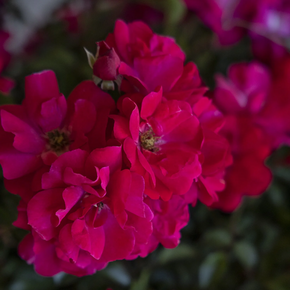
- Spectacular trumpet-shaped, pale lavender-pink blooms with soft yellow throats smother the canopy from late spring through summer, creating a season-long floral display that rivals any ornamental tree in the garden.
- A fast-growing deciduous tree bred from Desert Willow and Southern Catalpa, Pink Dawn Chitalpa is exceptionally drought tolerant once established, thriving in the heat and minimal-water landscapes of Southern Oregon and Northern California.
- Deep tap roots make it a versatile choice for planting near patios, driveways, and pathways without risking hardscape damage, while its wind-resistant flexible wood adds dependable structure to the landscape.
- A magnet for hummingbirds, butterflies, and bees, this pollinator-friendly tree delivers vibrant wildlife activity throughout the long bloom season while remaining non-toxic and thornless.
Pink Dawn Chitalpa (x Chitalpa tashkentensis 'Pink Dawn') is a striking small to medium deciduous tree celebrated for its extended season of showy, trumpet-shaped blooms and its remarkable adaptability to hot, dry climates. A one-of-a-kind intergeneric hybrid resulting from the cross of Desert Willow (Chilopsis linearis) and Southern Catalpa (Catalpa bignonoides), first hybridized in Tashkent, Uzbekistan in the 1960s and introduced to the United States in 1977, Pink Dawn is the most widely grown selection of this hybrid and earns its place as Clone No. 1 of the cross. The tree typically develops a dense, spreading, multi-stemmed canopy with long, narrow, lance-shaped leaves up to 6 inches long that are bright dull green above and softly fuzzy beneath, giving the tree a coarse, lush texture through the growing season before leaves drop in fall. From late spring through summer, upright clusters of 15 to 40 bell-shaped, pale lavender-pink flowers with pale yellow throats and soft purple nectar guides burst from every branch tip, attracting hummingbirds, butterflies, and bees in impressive numbers. Unlike its parent plants, Pink Dawn Chitalpa is sterile and produces no messy seed pods, keeping the landscape tidy. Hardy in USDA Zones 6 through 9, this fast grower is ideally suited to the well-drained soils, warm summers, and low-water conditions of the Pacific Southwest, making it an outstanding accent specimen or shade tree for minimal-care landscapes, streetscapes, and dry garden designs throughout Southern Oregon and Northern California.
Plant Description
Pink Dawn Chitalpa is a fast-growing, small to medium deciduous tree with a dense, spreading, oval to dome-shaped crown. It is an intergeneric hybrid — a cross between two different plant genera — combining Desert Willow (Chilopsis linearis) from the American Southwest and Southern Catalpa (Catalpa bignonoides) from the southeastern United States. The result is a tree with characteristics that fall beautifully between its parents: leaves that are narrower than Catalpa but broader than Desert Willow, and flowers that are larger and more dramatically colored than either parent alone. The multi-stemmed form gives it a naturalistic, graceful structure in the landscape. Pink Dawn is a sterile hybrid, meaning it does not produce viable fruit or seed pods, which keeps the garden clean and tidy throughout the season. Its common nickname "Desert Orchid" reflects the exotic, orchid-like quality of its blooms.
Mature Size
| Attribute | Measurement |
|---|---|
| Mature Height | 20 to 30 feet (occasionally to 35 feet) |
| Mature Spread | 20 to 30 feet |
| Growth Rate | Fast — up to 3 feet per growing season |
| Canopy Form | Dense, spreading, oval to dome-shaped |
| Habit | Multi-stemmed, upright-spreading |
Hardiness Zones and Climate
Pink Dawn Chitalpa is hardy in USDA Hardiness Zones 6 through 9, tolerating temperatures down to approximately 10 degrees F. In Zone 6 the tree may experience some dieback to the ground in especially harsh winters and can have difficulty establishing, but will typically re-sprout from the base. It performs most vigorously in the warmer, drier climates of Zones 7 through 9 — conditions that closely match Southern Oregon and Northern California. This tree is ideally adapted to the heat, drought, and alkaline or well-drained soils of the American West and Southwest. It is notably not well-suited to the high humidity and wet summers of the southeastern United States, where powdery mildew can become a serious problem. Its flexible wood gives it good wind resistance, making it a reliable performer in exposed garden settings.
Sunlight Requirements
Pink Dawn Chitalpa thrives in full sun and should receive a minimum of 6 hours of direct sunlight per day for best flowering performance. It will tolerate partial shade, but bloom production and overall vigor are noticeably reduced under reduced light conditions. In partial shade, the tree is also more susceptible to powdery mildew. For landscapes in the hotter interior valleys of Southern Oregon and Northern California, full sun exposure is ideal and the tree handles intense summer heat exceptionally well. In extremely hot desert climates, the trunk can be prone to sunscald, so allowing the tree to develop its natural multi-stemmed, shrubby form can help provide self-shading of the lower trunk.
Soil and pH Preferences
One of Pink Dawn Chitalpa's greatest virtues is its adaptability to a wide range of soil types. It performs well in loamy, sandy, rocky, or even clay-based soils as long as drainage is adequate. Like its Desert Willow parent, it has a notable tolerance for alkaline soils, making it especially well-suited to the native soil conditions found across much of Southern Oregon and Northern California. The most critical requirement is that the soil be well-draining, as standing water and consistently waterlogged conditions will lead to root rot. It does not require rich or heavily amended soil, and planting in overly fertile conditions can encourage excessive soft growth at the expense of flowers. A soil pH ranging from slightly acidic to moderately alkaline (approximately 6.0 to 8.0) is acceptable.
Watering Guide
Pink Dawn Chitalpa is drought tolerant once established but benefits from consistent moisture during its first two growing seasons while its root system develops. Follow this general watering schedule after planting:
- Weeks 1-2: Water every 3 to 4 days to keep the root zone consistently moist.
- Weeks 3-4: Reduce to every 6 to 7 days as roots begin to spread.
- Weeks 5-8: Water every 7 to 14 days, adjusting based on temperature and rainfall.
- After establishment (Year 2 and beyond): Deep, infrequent watering every 2 to 4 weeks during the growing season is generally sufficient. The tree prefers to dry out between waterings and performs best when it is not kept constantly wet during summer.
When watering, apply water deeply to encourage deep tap root development. Avoid overhead watering and do not allow water to pool at the base of the trunk. Overwatering is the most common cultural error and will increase the risk of root rot and other fungal diseases.
Fertilizing
Pink Dawn Chitalpa is not a heavy feeder and will thrive in moderately fertile soil without excessive fertilization. However, a light application of a balanced, slow-release fertilizer in early spring at the start of the growing season can encourage healthy new growth and support prolific flowering. For established trees, fertilizing every one to two years is generally sufficient. Avoid high-nitrogen fertilizers, which promote lush vegetative growth at the expense of blooms. For trees showing signs of stress from bacterial leaf scorch or other ailments, a spring application of fertilizer and adequate moisture can help minimize symptoms and support the tree's overall health. Always follow label rates and water in fertilizer applications thoroughly.
Pruning and Maintenance
Pink Dawn Chitalpa naturally grows in a multi-stemmed, spreading shrub-like form and will require occasional selective pruning to maintain a desired tree shape. Here are the key pruning and maintenance guidelines:
- Best pruning time: Late winter to early spring, after the threat of extreme cold has passed but before new growth emerges.
- Sucker removal: The tree consistently produces new suckers at the base throughout the growing season. Remove these promptly whenever they appear to maintain a clean tree form and direct energy to the main canopy.
- Shaping: For a multi-trunk tree form (the preferred shape), selectively remove crossing, crowded, or inward-facing branches to open the canopy and promote good air circulation.
- Dead wood removal: Remove dead, damaged, or diseased branches at any time of year as soon as they are identified.
- Avoid over-pruning: Heavy shearing or topping will stress the tree and is not recommended. Light, thoughtful selective pruning will produce better long-term results than aggressive cutting.
- Tool sanitation: Always clean pruning tools with a disinfectant solution between cuts and between trees to avoid spreading bacterial disease.
Planting Instructions
- Choose a planting site in full sun with well-drained soil. Avoid low-lying areas where water collects after rain.
- Dig a planting hole two to three times as wide as the root ball but only as deep as the root ball is tall. The top of the root ball should sit at or very slightly above the surrounding soil grade.
- Remove the tree from its container and gently loosen any circling roots at the bottom and sides of the root ball.
- Place the tree in the hole, ensuring it is straight and at the correct depth. Backfill with the native soil removed from the hole — amendment is generally not necessary for this adaptable tree.
- Tamp the soil lightly to eliminate air pockets. Do not pack the soil tightly around the root ball.
- Create a shallow watering basin around the perimeter of the hole to direct irrigation water to the root zone. Water deeply immediately after planting.
- Apply a 2- to 3-inch layer of organic mulch over the root zone, keeping mulch several inches away from the trunk to prevent rot and pest harborage.
- Follow the new plant watering schedule until the tree is established, typically after the first full growing season.
Seasonal Interest
| Season | Ornamental Feature |
|---|---|
| Spring | Fresh bright green foliage emerges; first flower clusters begin opening in late spring |
| Summer | Peak bloom period with abundant clusters of pale lavender-pink trumpet flowers covering the canopy from June through August |
| Fall | Foliage takes on golden and bronze tones before leaf drop; blooming may continue into early fall in mild climates |
| Winter | Bare branching structure provides attractive architectural interest; deep tap roots remain active below ground |
Landscape Uses
Pink Dawn Chitalpa is a highly versatile ornamental tree suited to a wide range of landscape applications, particularly in water-wise and low-maintenance garden designs common to Southern Oregon and Northern California:
- Specimen or accent tree: Its spectacular summer bloom display and graceful spreading canopy make it a standout focal point in any garden.
- Shade tree: The broad, dense canopy provides comfortable shade over patios, seating areas, and garden beds.
- Street tree: Its deep tap root system causes minimal disruption to sidewalks, curbs, and pavement, making it a practical choice for parkways and streetscapes.
- Drought-tolerant and xeriscape gardens: Its heat and drought tolerance make it an ideal choice for water-conserving landscapes.
- Patio and courtyard planting: Deep roots allow it to be sited near hardscape without the risk of root damage.
- Pollinator garden anchor: Its long bloom season and abundant nectar make it a cornerstone plant in gardens designed to attract hummingbirds, butterflies, and bees.
- Rain garden perimeter plant: Tolerates periodic moisture fluctuation when planted at the edge of a rain garden or bioswale.
Companion Plants
Pink Dawn Chitalpa pairs beautifully with other drought-tolerant, heat-loving plants that complement its summer flowering season and complement the dry garden palette of Southern Oregon and Northern California. Excellent companion plants include:
- Russian Sage (Perovskia atriplicifolia): Silvery foliage and airy violet-blue flower spikes harmonize with the pink blooms and provide a soft textural contrast.
- Salvia species (Salvias): Various salvias in shades of red, purple, and blue echo the pollinator-attracting theme and thrive in the same full-sun, well-drained conditions.
- Agave and Yucca: Bold, structural desert succulents contrast beautifully against the soft canopy and reinforce the xeric planting theme.
- Lavender (Lavandula spp.): Aromatic, drought-tolerant, and a pollinator magnet — lavender works well as a low border planting beneath or around the Chitalpa canopy.
- Penstemon species: Native penstemons in pink, red, and purple continue the hummingbird-attracting display while thriving in the same conditions.
- Desert Willow (Chilopsis linearis): The parent species creates a natural design echo and thrives in the same site conditions.
- Ornamental grasses (Muhlenbergia, Nassella, Pennisetum): Fine-textured grasses create a beautiful foil for the tree's coarser foliage and soften the base of the planting.
Wildlife Value
Pink Dawn Chitalpa is an outstanding wildlife-friendly tree that brings significant ecological activity to the garden throughout its long bloom season. The large, nectar-rich trumpet flowers are especially attractive to hummingbirds, which visit repeatedly throughout the summer months. Butterflies of many species are drawn to the flowers for nectar, and the blooms also support native and managed bees. The tree is entirely non-toxic to humans, pets, and wildlife, making it safe to plant in any landscape setting. It is also thornless, eliminating any risk of injury to children, pets, or visiting wildlife. Because Pink Dawn is a sterile hybrid that produces no seed, it does not contribute to invasive plant concerns and poses no threat to adjacent natural areas.
Pests and Diseases
While Pink Dawn Chitalpa is a tough and adaptable tree, it does have some known pest and disease vulnerabilities that gardeners should be aware of:
- Bacterial Leaf Scorch (Xylella fastidiosa): The most serious concern associated with Chitalpa. This fatal bacterial disease interferes with the tree's ability to transport water and manifests as leaf scorch, chlorosis, small or sparse leaves, a thin canopy, and progressive branch dieback. There is no cure. Providing consistent moisture and annual fertilization can slow symptom progression. Prune and remove dead or dying branches promptly. Sanitize pruning tools between cuts.
- Aphids: Common in spring on new growth. Knock off with a strong stream of water or treat with insecticidal soap if populations are heavy.
- Mealybugs and Scale: Occasional infestations on stems and foliage; treat with horticultural oil or insecticidal soap at the appropriate rate and season.
- Whiteflies and Thrips: Minor pests that rarely cause serious damage to established trees; manage with appropriate insecticides if needed.
- Powdery Mildew: Most likely to appear when trees are grown in partial shade or in humid conditions. Minimize risk by planting in full sun and ensuring good air circulation through pruning.
- Verticillium Wilt: A soil-borne fungal disease that can cause wilting and dieback. Improve drainage and avoid injuring roots to reduce risk.
- Root Rot: Caused by overwatering or poorly drained soils. Always ensure the planting site drains freely and avoid irrigation practices that keep the root zone constantly wet.
Flower Details
The flowers of Pink Dawn Chitalpa are one of the most distinctive and admired features of this tree. Each individual bloom is a broadly trumpet-shaped or bell-shaped flower approximately 1 inch across, with gently flared, ruffled petals in a soft pale lavender-pink with a pale yellow throat. The interior of each flower displays subtle purple nectar guides that direct pollinators into the bloom. Flowers are borne in upright, erect clusters called racemes, with each cluster carrying 15 to 40 individual flowers. Racemes emerge at the tips of the branches and are held well above the foliage, making the floral display highly visible from a distance. The blooming season is exceptionally long, typically beginning in late spring and continuing through the summer months (June through August at peak), with blooming occasionally extending into early fall in mild-climate gardens. Because Pink Dawn is a sterile hybrid, the spent flowers drop cleanly without forming seed pods, keeping maintenance relatively simple.
Foliage Details
The foliage of Pink Dawn Chitalpa is lance-shaped (lanceolate) with a long, narrow blade that tapers to a point at both the tip and the base. Individual leaves can reach up to 6 inches in length and approximately 1 inch in width. The leaf surface is dull medium green on top and softly covered with fine, shaggy hairs on the underside. The leaves are arranged alternately along the branches, though occasionally opposite pairs occur. The overall leaf texture is coarse compared to many ornamental trees, which helps Pink Dawn stand out in mixed plantings. In fall, the foliage takes on warm golden and bronze tones before dropping to reveal an attractive branching structure. The tree leafs out in mid-spring and holds its foliage through autumn, providing a long season of shade and color.
- Spectacular trumpet-shaped, pale lavender-pink blooms with soft yellow throats smother the canopy from late spring through summer, creating a season-long floral display that rivals any ornamental tree in the garden.
- A fast-growing deciduous tree bred from Desert Willow and Southern Catalpa, Pink Dawn Chitalpa is exceptionally drought tolerant once established, thriving in the heat and minimal-water landscapes of Southern Oregon and Northern California.
- Deep tap roots make it a versatile choice for planting near patios, driveways, and pathways without risking hardscape damage, while its wind-resistant flexible wood adds dependable structure to the landscape.
- A magnet for hummingbirds, butterflies, and bees, this pollinator-friendly tree delivers vibrant wildlife activity throughout the long bloom season while remaining non-toxic and thornless.
Pink Dawn Chitalpa (x Chitalpa tashkentensis 'Pink Dawn') is a striking small to medium deciduous tree celebrated for its extended season of showy, trumpet-shaped blooms and its remarkable adaptability to hot, dry climates. A one-of-a-kind intergeneric hybrid resulting from the cross of Desert Willow (Chilopsis linearis) and Southern Catalpa (Catalpa bignonoides), first hybridized in Tashkent, Uzbekistan in the 1960s and introduced to the United States in 1977, Pink Dawn is the most widely grown selection of this hybrid and earns its place as Clone No. 1 of the cross. The tree typically develops a dense, spreading, multi-stemmed canopy with long, narrow, lance-shaped leaves up to 6 inches long that are bright dull green above and softly fuzzy beneath, giving the tree a coarse, lush texture through the growing season before leaves drop in fall. From late spring through summer, upright clusters of 15 to 40 bell-shaped, pale lavender-pink flowers with pale yellow throats and soft purple nectar guides burst from every branch tip, attracting hummingbirds, butterflies, and bees in impressive numbers. Unlike its parent plants, Pink Dawn Chitalpa is sterile and produces no messy seed pods, keeping the landscape tidy. Hardy in USDA Zones 6 through 9, this fast grower is ideally suited to the well-drained soils, warm summers, and low-water conditions of the Pacific Southwest, making it an outstanding accent specimen or shade tree for minimal-care landscapes, streetscapes, and dry garden designs throughout Southern Oregon and Northern California.
Plant Description
Pink Dawn Chitalpa is a fast-growing, small to medium deciduous tree with a dense, spreading, oval to dome-shaped crown. It is an intergeneric hybrid — a cross between two different plant genera — combining Desert Willow (Chilopsis linearis) from the American Southwest and Southern Catalpa (Catalpa bignonoides) from the southeastern United States. The result is a tree with characteristics that fall beautifully between its parents: leaves that are narrower than Catalpa but broader than Desert Willow, and flowers that are larger and more dramatically colored than either parent alone. The multi-stemmed form gives it a naturalistic, graceful structure in the landscape. Pink Dawn is a sterile hybrid, meaning it does not produce viable fruit or seed pods, which keeps the garden clean and tidy throughout the season. Its common nickname "Desert Orchid" reflects the exotic, orchid-like quality of its blooms.
Mature Size
| Attribute | Measurement |
|---|---|
| Mature Height | 20 to 30 feet (occasionally to 35 feet) |
| Mature Spread | 20 to 30 feet |
| Growth Rate | Fast — up to 3 feet per growing season |
| Canopy Form | Dense, spreading, oval to dome-shaped |
| Habit | Multi-stemmed, upright-spreading |
Hardiness Zones and Climate
Pink Dawn Chitalpa is hardy in USDA Hardiness Zones 6 through 9, tolerating temperatures down to approximately 10 degrees F. In Zone 6 the tree may experience some dieback to the ground in especially harsh winters and can have difficulty establishing, but will typically re-sprout from the base. It performs most vigorously in the warmer, drier climates of Zones 7 through 9 — conditions that closely match Southern Oregon and Northern California. This tree is ideally adapted to the heat, drought, and alkaline or well-drained soils of the American West and Southwest. It is notably not well-suited to the high humidity and wet summers of the southeastern United States, where powdery mildew can become a serious problem. Its flexible wood gives it good wind resistance, making it a reliable performer in exposed garden settings.
Sunlight Requirements
Pink Dawn Chitalpa thrives in full sun and should receive a minimum of 6 hours of direct sunlight per day for best flowering performance. It will tolerate partial shade, but bloom production and overall vigor are noticeably reduced under reduced light conditions. In partial shade, the tree is also more susceptible to powdery mildew. For landscapes in the hotter interior valleys of Southern Oregon and Northern California, full sun exposure is ideal and the tree handles intense summer heat exceptionally well. In extremely hot desert climates, the trunk can be prone to sunscald, so allowing the tree to develop its natural multi-stemmed, shrubby form can help provide self-shading of the lower trunk.
Soil and pH Preferences
One of Pink Dawn Chitalpa's greatest virtues is its adaptability to a wide range of soil types. It performs well in loamy, sandy, rocky, or even clay-based soils as long as drainage is adequate. Like its Desert Willow parent, it has a notable tolerance for alkaline soils, making it especially well-suited to the native soil conditions found across much of Southern Oregon and Northern California. The most critical requirement is that the soil be well-draining, as standing water and consistently waterlogged conditions will lead to root rot. It does not require rich or heavily amended soil, and planting in overly fertile conditions can encourage excessive soft growth at the expense of flowers. A soil pH ranging from slightly acidic to moderately alkaline (approximately 6.0 to 8.0) is acceptable.
Watering Guide
Pink Dawn Chitalpa is drought tolerant once established but benefits from consistent moisture during its first two growing seasons while its root system develops. Follow this general watering schedule after planting:
- Weeks 1-2: Water every 3 to 4 days to keep the root zone consistently moist.
- Weeks 3-4: Reduce to every 6 to 7 days as roots begin to spread.
- Weeks 5-8: Water every 7 to 14 days, adjusting based on temperature and rainfall.
- After establishment (Year 2 and beyond): Deep, infrequent watering every 2 to 4 weeks during the growing season is generally sufficient. The tree prefers to dry out between waterings and performs best when it is not kept constantly wet during summer.
When watering, apply water deeply to encourage deep tap root development. Avoid overhead watering and do not allow water to pool at the base of the trunk. Overwatering is the most common cultural error and will increase the risk of root rot and other fungal diseases.
Fertilizing
Pink Dawn Chitalpa is not a heavy feeder and will thrive in moderately fertile soil without excessive fertilization. However, a light application of a balanced, slow-release fertilizer in early spring at the start of the growing season can encourage healthy new growth and support prolific flowering. For established trees, fertilizing every one to two years is generally sufficient. Avoid high-nitrogen fertilizers, which promote lush vegetative growth at the expense of blooms. For trees showing signs of stress from bacterial leaf scorch or other ailments, a spring application of fertilizer and adequate moisture can help minimize symptoms and support the tree's overall health. Always follow label rates and water in fertilizer applications thoroughly.
Pruning and Maintenance
Pink Dawn Chitalpa naturally grows in a multi-stemmed, spreading shrub-like form and will require occasional selective pruning to maintain a desired tree shape. Here are the key pruning and maintenance guidelines:
- Best pruning time: Late winter to early spring, after the threat of extreme cold has passed but before new growth emerges.
- Sucker removal: The tree consistently produces new suckers at the base throughout the growing season. Remove these promptly whenever they appear to maintain a clean tree form and direct energy to the main canopy.
- Shaping: For a multi-trunk tree form (the preferred shape), selectively remove crossing, crowded, or inward-facing branches to open the canopy and promote good air circulation.
- Dead wood removal: Remove dead, damaged, or diseased branches at any time of year as soon as they are identified.
- Avoid over-pruning: Heavy shearing or topping will stress the tree and is not recommended. Light, thoughtful selective pruning will produce better long-term results than aggressive cutting.
- Tool sanitation: Always clean pruning tools with a disinfectant solution between cuts and between trees to avoid spreading bacterial disease.
Planting Instructions
- Choose a planting site in full sun with well-drained soil. Avoid low-lying areas where water collects after rain.
- Dig a planting hole two to three times as wide as the root ball but only as deep as the root ball is tall. The top of the root ball should sit at or very slightly above the surrounding soil grade.
- Remove the tree from its container and gently loosen any circling roots at the bottom and sides of the root ball.
- Place the tree in the hole, ensuring it is straight and at the correct depth. Backfill with the native soil removed from the hole — amendment is generally not necessary for this adaptable tree.
- Tamp the soil lightly to eliminate air pockets. Do not pack the soil tightly around the root ball.
- Create a shallow watering basin around the perimeter of the hole to direct irrigation water to the root zone. Water deeply immediately after planting.
- Apply a 2- to 3-inch layer of organic mulch over the root zone, keeping mulch several inches away from the trunk to prevent rot and pest harborage.
- Follow the new plant watering schedule until the tree is established, typically after the first full growing season.
Seasonal Interest
| Season | Ornamental Feature |
|---|---|
| Spring | Fresh bright green foliage emerges; first flower clusters begin opening in late spring |
| Summer | Peak bloom period with abundant clusters of pale lavender-pink trumpet flowers covering the canopy from June through August |
| Fall | Foliage takes on golden and bronze tones before leaf drop; blooming may continue into early fall in mild climates |
| Winter | Bare branching structure provides attractive architectural interest; deep tap roots remain active below ground |
Landscape Uses
Pink Dawn Chitalpa is a highly versatile ornamental tree suited to a wide range of landscape applications, particularly in water-wise and low-maintenance garden designs common to Southern Oregon and Northern California:
- Specimen or accent tree: Its spectacular summer bloom display and graceful spreading canopy make it a standout focal point in any garden.
- Shade tree: The broad, dense canopy provides comfortable shade over patios, seating areas, and garden beds.
- Street tree: Its deep tap root system causes minimal disruption to sidewalks, curbs, and pavement, making it a practical choice for parkways and streetscapes.
- Drought-tolerant and xeriscape gardens: Its heat and drought tolerance make it an ideal choice for water-conserving landscapes.
- Patio and courtyard planting: Deep roots allow it to be sited near hardscape without the risk of root damage.
- Pollinator garden anchor: Its long bloom season and abundant nectar make it a cornerstone plant in gardens designed to attract hummingbirds, butterflies, and bees.
- Rain garden perimeter plant: Tolerates periodic moisture fluctuation when planted at the edge of a rain garden or bioswale.
Companion Plants
Pink Dawn Chitalpa pairs beautifully with other drought-tolerant, heat-loving plants that complement its summer flowering season and complement the dry garden palette of Southern Oregon and Northern California. Excellent companion plants include:
- Russian Sage (Perovskia atriplicifolia): Silvery foliage and airy violet-blue flower spikes harmonize with the pink blooms and provide a soft textural contrast.
- Salvia species (Salvias): Various salvias in shades of red, purple, and blue echo the pollinator-attracting theme and thrive in the same full-sun, well-drained conditions.
- Agave and Yucca: Bold, structural desert succulents contrast beautifully against the soft canopy and reinforce the xeric planting theme.
- Lavender (Lavandula spp.): Aromatic, drought-tolerant, and a pollinator magnet — lavender works well as a low border planting beneath or around the Chitalpa canopy.
- Penstemon species: Native penstemons in pink, red, and purple continue the hummingbird-attracting display while thriving in the same conditions.
- Desert Willow (Chilopsis linearis): The parent species creates a natural design echo and thrives in the same site conditions.
- Ornamental grasses (Muhlenbergia, Nassella, Pennisetum): Fine-textured grasses create a beautiful foil for the tree's coarser foliage and soften the base of the planting.
Wildlife Value
Pink Dawn Chitalpa is an outstanding wildlife-friendly tree that brings significant ecological activity to the garden throughout its long bloom season. The large, nectar-rich trumpet flowers are especially attractive to hummingbirds, which visit repeatedly throughout the summer months. Butterflies of many species are drawn to the flowers for nectar, and the blooms also support native and managed bees. The tree is entirely non-toxic to humans, pets, and wildlife, making it safe to plant in any landscape setting. It is also thornless, eliminating any risk of injury to children, pets, or visiting wildlife. Because Pink Dawn is a sterile hybrid that produces no seed, it does not contribute to invasive plant concerns and poses no threat to adjacent natural areas.
Pests and Diseases
While Pink Dawn Chitalpa is a tough and adaptable tree, it does have some known pest and disease vulnerabilities that gardeners should be aware of:
- Bacterial Leaf Scorch (Xylella fastidiosa): The most serious concern associated with Chitalpa. This fatal bacterial disease interferes with the tree's ability to transport water and manifests as leaf scorch, chlorosis, small or sparse leaves, a thin canopy, and progressive branch dieback. There is no cure. Providing consistent moisture and annual fertilization can slow symptom progression. Prune and remove dead or dying branches promptly. Sanitize pruning tools between cuts.
- Aphids: Common in spring on new growth. Knock off with a strong stream of water or treat with insecticidal soap if populations are heavy.
- Mealybugs and Scale: Occasional infestations on stems and foliage; treat with horticultural oil or insecticidal soap at the appropriate rate and season.
- Whiteflies and Thrips: Minor pests that rarely cause serious damage to established trees; manage with appropriate insecticides if needed.
- Powdery Mildew: Most likely to appear when trees are grown in partial shade or in humid conditions. Minimize risk by planting in full sun and ensuring good air circulation through pruning.
- Verticillium Wilt: A soil-borne fungal disease that can cause wilting and dieback. Improve drainage and avoid injuring roots to reduce risk.
- Root Rot: Caused by overwatering or poorly drained soils. Always ensure the planting site drains freely and avoid irrigation practices that keep the root zone constantly wet.
Flower Details
The flowers of Pink Dawn Chitalpa are one of the most distinctive and admired features of this tree. Each individual bloom is a broadly trumpet-shaped or bell-shaped flower approximately 1 inch across, with gently flared, ruffled petals in a soft pale lavender-pink with a pale yellow throat. The interior of each flower displays subtle purple nectar guides that direct pollinators into the bloom. Flowers are borne in upright, erect clusters called racemes, with each cluster carrying 15 to 40 individual flowers. Racemes emerge at the tips of the branches and are held well above the foliage, making the floral display highly visible from a distance. The blooming season is exceptionally long, typically beginning in late spring and continuing through the summer months (June through August at peak), with blooming occasionally extending into early fall in mild-climate gardens. Because Pink Dawn is a sterile hybrid, the spent flowers drop cleanly without forming seed pods, keeping maintenance relatively simple.
Foliage Details
The foliage of Pink Dawn Chitalpa is lance-shaped (lanceolate) with a long, narrow blade that tapers to a point at both the tip and the base. Individual leaves can reach up to 6 inches in length and approximately 1 inch in width. The leaf surface is dull medium green on top and softly covered with fine, shaggy hairs on the underside. The leaves are arranged alternately along the branches, though occasionally opposite pairs occur. The overall leaf texture is coarse compared to many ornamental trees, which helps Pink Dawn stand out in mixed plantings. In fall, the foliage takes on warm golden and bronze tones before dropping to reveal an attractive branching structure. The tree leafs out in mid-spring and holds its foliage through autumn, providing a long season of shade and color.