Zoom the image with the mouse
Little Darling Lilac
SKU:
2054375-P
UPC:
014949336649
$24.99 - $69.99
- Twice-the-fragrance, twice the show - large, sweetly scented clusters of classic lilac-purple flowers bloom heavily in spring and return again with a second flush in fall
- Compact, rounded dwarf habit reaching just 3-4 feet tall and wide - perfectly scaled for mixed borders, low hedges, foundation plantings, and patio containers
- Exceptionally cold-hardy to -30°F (USDA Zones 3-7) and tolerant of urban pollution, mild drought once established, and a wide range of soil types
- A proven pollinator magnet - fragrant blooms draw bees and butterflies throughout the season, and cut flowers bring that beloved lilac perfume indoors
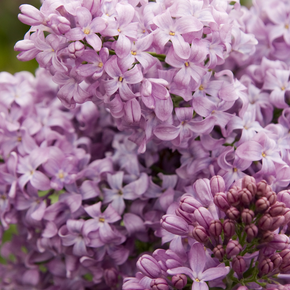
Little Darling Lilac (Syringa 'SMSDTL' PP #31,830) is the compact, reblooming lilac that gardeners have always dreamed of - delivering the timeless fragrance and old-fashioned charm of a classic lilac in a tidy, dwarf package that fits almost any landscape. Dark purple buds unfurl into large, showy panicles of lilac-purple flowers with soft pink overtones each spring, and the plant generously offers a second, lighter flush of blooms in fall - an exceptional quality rare among lilacs. The dense, multi-stemmed, rounded form fills out neatly to the ground without requiring facer plants, making it ideal for mixed shrub borders, low informal hedges, mass plantings, accent groupings, and container gardens. Growing at a slow, manageable rate and reaching a mature size of just 3-4 feet in both height and spread, Little Darling Lilac is a low-maintenance, deciduous shrub that thrives in full sun, tolerates a wide range of soil types and pH levels, handles urban pollution with ease, and - once established - shrugs off periods of mild drought. Hardy to -30°F and suitable for USDA Zones 3-7, this versatile, patent-protected hybrid is a standout choice for Southern Oregon and Northern California gardens seeking year-round structure, seasonal color, and irresistible fragrance.
Plant Description
Little Darling Lilac is a dwarf, deciduous, multi-stemmed shrub with a dense, well-rounded form. Deep purple flower buds are a striking ornamental feature in their own right before they open into large, cone-shaped panicles (flower clusters) of fragrant lilac-purple blooms with soft pink overtones. Flowers are borne at the tips of branches and are excellent for cutting and bringing indoors. The small, pointy, dark green leaves provide a fine-textured backdrop throughout the growing season but do not develop significant fall color. This is a patented interspecific hybrid (PP #31,830), also sold under the trade name Little Darling, and is exclusively bred for its compact habit and remarkable reblooming capability.
Mature Size and Growth Rate
| Characteristic | Detail |
|---|---|
| Mature Height | 3-4 feet |
| Mature Spread | 3-4 feet |
| Growth Rate | Slow |
| Form | Dense, rounded, multi-stemmed |
| Foliage Type | Deciduous |
| Longevity | Up to approximately 30 years under ideal conditions |
Because of its slow growth rate and naturally tidy, rounded habit, Little Darling Lilac stays compact and well-behaved in the landscape without the need for frequent corrective pruning. It fills in right to the ground, so no additional low-growing facer plants are needed in front of it.
Hardiness Zones
Little Darling Lilac is rated for USDA Hardiness Zones 3 through 7, with cold hardiness down to -30°F. This makes it an excellent choice for the wide range of climate conditions experienced across Southern Oregon and Northern California, from higher-elevation mountain communities to milder coastal valleys. It has also been noted to perform well at elevations up to 8,000 feet.
Sunlight Requirements
For the best flowering performance, Little Darling Lilac should be planted in a location that receives full sun - a minimum of 6 hours of direct sunlight per day is strongly recommended. While it can tolerate brief periods of partial shade, insufficient sunlight will noticeably reduce flower production and may cause the plant to become more open and leggy over time. A south- or west-facing exposure is ideal in most Pacific Northwest and Northern California garden settings.
Soil and pH Preferences
One of the most adaptable qualities of Little Darling Lilac is its flexibility regarding soil type and pH. It is not particular about soil composition and performs well in clay, loam, or sandy soils as long as drainage is adequate. It can tolerate both moderately dry and moist conditions but should never be left in waterlogged or consistently soggy soil. A slightly acidic to neutral to slightly alkaline soil pH (roughly 6.0 to 7.5) suits it well. It is notably tolerant of urban soils and pollution, making it a practical choice for streetscape plantings or city gardens. At the time of planting, incorporating bonemeal and/or a mycorrhizal inoculant into the planting hole is recommended to support healthy root establishment.
Watering Guide
- At planting: Water thoroughly at the time of planting and keep the root zone consistently moist for the first full growing season while the plant establishes its root system.
- Established plants: Once established, Little Darling Lilac is tolerant of mild, periodic drought and does not require constant irrigation. Allow the top 2 inches of soil to dry out between waterings.
- Dry spells: During extended summer heat or drought - common in Southern Oregon and Northern California - provide supplemental deep watering every 1-2 weeks to maintain vigor and support fall reblooming.
- Container growing: Plants grown in containers dry out significantly faster than those in the ground and will need more frequent monitoring and watering, particularly in warm weather.
- Avoid: Overwatering and poorly draining soils, which can lead to root rot. Do not use overhead irrigation that keeps foliage wet for extended periods, as this can encourage powdery mildew.
Fertilizing
Little Darling Lilac is a relatively light feeder and does not require heavy fertilization. Follow these guidelines for best results:
- Apply a balanced, slow-release granular fertilizer (such as a 10-10-10 formula) in early spring just as new growth begins to emerge.
- Alternatively, use a fertilizer formulated specifically for flowering shrubs, following label directions for the plant's size.
- At planting time, mix bonemeal and/or a mycorrhizal root inoculant into the backfill soil to encourage strong establishment.
- Avoid over-fertilizing with high-nitrogen products, which can promote lush leafy growth at the expense of flower production.
- Do not fertilize after mid-summer, as late-season feeding can stimulate soft new growth that is vulnerable to early fall frosts.
Bloom Time and Seasonal Interest
Little Darling Lilac earns its place in the garden through not one but two distinct bloom seasons each year - an exceptional trait that sets it apart from traditional lilac varieties:
- Primary bloom (spring): Heavy flowering in late spring, with large, fragrant panicles of lilac-purple flowers emerging from deep purple buds. This is the main, most abundant flowering period.
- Secondary bloom (fall): A lighter but still showy and fragrant second flush of flowers appears in fall, extending the ornamental season well beyond typical lilac expectations.
- Foliage: Clean, dark green, fine-textured leaves provide a tidy backdrop through summer and into autumn. Foliage does not develop notable fall color.
- Winter: Attractive branching structure remains visible after leaf drop, providing modest winter interest in the garden.
- Cut flowers: Blooms are excellent for cutting and make wonderfully fragrant indoor arrangements.
Pruning and Maintenance
Little Darling Lilac is considered a low-maintenance shrub, but a few simple practices will keep it looking its best and blooming reliably year after year:
- When to prune: Always prune immediately after the spring flowering period ends - ideally within 2-3 weeks of bloom. This timing preserves the flower buds that will develop on new growth for the fall rebloom cycle.
- What to prune: Deadhead spent flower clusters to encourage energy redirection toward new growth and fall bud development. Remove any crossing, dead, or damaged branches as needed.
- Avoid fall or winter pruning: Pruning in late summer, fall, or winter will remove developing flower buds and significantly reduce or eliminate the fall bloom.
- Rejuvenation: If the shrub becomes overgrown, hard renovation pruning should be done in very early spring before bud break, accepting the loss of that season's blooms in exchange for renewed vigor.
- Shaping: The naturally rounded, compact habit of Little Darling Lilac requires minimal shaping. Light tip pruning after spring flowering helps maintain its tidy form.
Planting Instructions
- Choose a planting site that receives at least 6 hours of direct sun daily with well-drained soil.
- Dig a planting hole 2-3 times as wide as the root ball and equal in depth - the top of the root ball should sit at or very slightly above the surrounding soil grade to promote good drainage.
- Amend the backfill with bonemeal and/or mycorrhizal inoculant to support root establishment. Avoid heavy amendments that could create drainage issues.
- Set the plant in the hole, backfill halfway, water in thoroughly to eliminate air pockets, then finish backfilling and water again.
- Create a shallow watering ring around the outer edge of the root zone to direct irrigation water to the roots during establishment.
- Apply a 2-3 inch layer of organic mulch (wood chips, shredded bark) around the base, keeping mulch a few inches away from the main stems to prevent rot.
- Water consistently throughout the first growing season. Most new transplants establish fully within 1-2 seasons.
- For best results, plant in spring or fall when temperatures are mild to reduce transplant stress.
Landscape Uses
The compact size, refined texture, and long season of fragrant bloom make Little Darling Lilac one of the most versatile small shrubs available for home landscapes. Recommended uses include:
- Mixed shrub borders: Pairs beautifully with other flowering shrubs and perennials to create layered, multi-season interest.
- Low informal hedges: Plant in a row 3-4 feet apart for a fragrant, low-growing seasonal hedge or garden divider.
- Mass plantings: Dramatic when planted in groups of three or more, especially when in full spring bloom.
- Foundation plantings: Its moderate, predictable size makes it well-suited for planting near structures without outgrowing its space.
- Accent specimen: Striking as a standalone focal point in a small garden bed or courtyard.
- Container gardening: Excellent for large patio pots and containers, where it serves as a dramatic "thriller" centerpiece plant.
- Pollinator gardens: A reliable nectar source for bees and butterflies throughout the blooming periods.
- Cottage and sensory gardens: The intoxicating fragrance makes it a natural choice for gardens designed for scent and sensory experience.
Container Growing
Little Darling Lilac is well-suited to life in a large outdoor container or patio planter, making it an excellent option for gardeners with limited ground space. Because of its upright, rounded form and manageable mature size, it works beautifully as the "thriller" centerpiece in a large mixed container, surrounded by lower-growing, complementary annuals or perennials that trail over the pot's edges. Select a container that is at least 18-24 inches in diameter with ample drainage holes. Use a high-quality, well-draining potting mix rather than garden soil. Containerized plants will dry out considerably faster than those planted in the ground and will require more frequent watering - check soil moisture every 2-3 days during warm weather. Apply a slow-release fertilizer in spring and supplement with a liquid bloom fertilizer mid-season if needed. In colder climates, move containers to a sheltered, unheated garage or shed over winter to protect the roots from hard freezes. Note that container-grown lilacs may bloom slightly differently or less vigorously than those grown in the ground.
Companion Plants
Little Darling Lilac combines beautifully with a wide range of garden plants. Consider these companion plant groupings for a cohesive, multi-season display:
- Perennials: Salvia, catmint (Nepeta), ornamental alliums, lavender, and Russian sage complement the lilac-purple color palette and bloom in succession around the lilac's peak seasons.
- Spring bulbs: Tulips, daffodils, and grape hyacinths planted at the base of Little Darling Lilac provide early-season color before the shrub leafs out and blooms.
- Roses: Old-fashioned or shrub roses planted nearby share a similar romantic, cottage-garden aesthetic and fragrance-forward appeal.
- Ornamental grasses: Blue oat grass (Helictotrichon) or Karl Foerster feather reed grass provide textural contrast and movement alongside the fine-textured lilac foliage.
- Groundcovers: Low-growing creeping phlox or hardy geraniums can carpet the ground beneath, suppressing weeds while adding color.
- Shrubs: Spirea, weigela, or dwarf deutzia offer complementary bloom times and similar scale for mixed shrub borders.
Pests and Diseases
Little Darling Lilac is generally considered a robust, low-maintenance shrub with no significant pest or disease problems noted. However, gardeners in humid regions or those with dense plantings should be aware of the following:
- Powdery mildew: The most common issue with lilacs; appears as a white, powdery coating on leaf surfaces, particularly in late summer. It is primarily cosmetic and rarely causes serious harm. Improve air circulation by avoiding overcrowding and refrain from overhead watering to minimize risk.
- Lilac borer: A moth larva that can tunnel into stems; look for sawdust-like frass near small entry holes. Prune out and destroy affected branches. Keeping plants vigorous through proper watering and fertilizing is the best prevention.
- Scale insects: Occasional infestations of oystershell scale may appear on stems; treat with horticultural oil spray applied in late winter or early spring before new growth begins.
- Leaf miners: May cause blotchy, irregular markings on foliage but are rarely severe enough to warrant treatment on otherwise healthy plants.
- Bacterial blight (Pseudomonas): Can cause brown spots and shoot dieback in wet spring weather. Prune out affected wood and avoid overhead irrigation.
Overall, this variety is noted as having no significant negative characteristics and will thrive with basic good-gardening practices.
Wildlife Value
Little Darling Lilac is a valuable addition to any wildlife-friendly garden:
- Butterflies: The fragrant, nectar-rich flowers are a known attractant for a variety of butterfly species, making this shrub a beneficial inclusion in dedicated pollinator gardens.
- Bees: Both native bees and honeybees readily visit the flowers during spring and fall bloom periods, supporting local pollinator populations.
- Birds: The dense, twiggy branching structure provides shelter and potential nesting sites for small songbirds.
- Deer resistance: Little Darling Lilac is considered deer resistant - the strong fragrance of the foliage and flowers is generally unappealing to deer, making it a smart choice in areas with browsing pressure.
- Twice-the-fragrance, twice the show - large, sweetly scented clusters of classic lilac-purple flowers bloom heavily in spring and return again with a second flush in fall
- Compact, rounded dwarf habit reaching just 3-4 feet tall and wide - perfectly scaled for mixed borders, low hedges, foundation plantings, and patio containers
- Exceptionally cold-hardy to -30°F (USDA Zones 3-7) and tolerant of urban pollution, mild drought once established, and a wide range of soil types
- A proven pollinator magnet - fragrant blooms draw bees and butterflies throughout the season, and cut flowers bring that beloved lilac perfume indoors
Little Darling Lilac (Syringa 'SMSDTL' PP #31,830) is the compact, reblooming lilac that gardeners have always dreamed of - delivering the timeless fragrance and old-fashioned charm of a classic lilac in a tidy, dwarf package that fits almost any landscape. Dark purple buds unfurl into large, showy panicles of lilac-purple flowers with soft pink overtones each spring, and the plant generously offers a second, lighter flush of blooms in fall - an exceptional quality rare among lilacs. The dense, multi-stemmed, rounded form fills out neatly to the ground without requiring facer plants, making it ideal for mixed shrub borders, low informal hedges, mass plantings, accent groupings, and container gardens. Growing at a slow, manageable rate and reaching a mature size of just 3-4 feet in both height and spread, Little Darling Lilac is a low-maintenance, deciduous shrub that thrives in full sun, tolerates a wide range of soil types and pH levels, handles urban pollution with ease, and - once established - shrugs off periods of mild drought. Hardy to -30°F and suitable for USDA Zones 3-7, this versatile, patent-protected hybrid is a standout choice for Southern Oregon and Northern California gardens seeking year-round structure, seasonal color, and irresistible fragrance.
Plant Description
Little Darling Lilac is a dwarf, deciduous, multi-stemmed shrub with a dense, well-rounded form. Deep purple flower buds are a striking ornamental feature in their own right before they open into large, cone-shaped panicles (flower clusters) of fragrant lilac-purple blooms with soft pink overtones. Flowers are borne at the tips of branches and are excellent for cutting and bringing indoors. The small, pointy, dark green leaves provide a fine-textured backdrop throughout the growing season but do not develop significant fall color. This is a patented interspecific hybrid (PP #31,830), also sold under the trade name Little Darling, and is exclusively bred for its compact habit and remarkable reblooming capability.
Mature Size and Growth Rate
| Characteristic | Detail |
|---|---|
| Mature Height | 3-4 feet |
| Mature Spread | 3-4 feet |
| Growth Rate | Slow |
| Form | Dense, rounded, multi-stemmed |
| Foliage Type | Deciduous |
| Longevity | Up to approximately 30 years under ideal conditions |
Because of its slow growth rate and naturally tidy, rounded habit, Little Darling Lilac stays compact and well-behaved in the landscape without the need for frequent corrective pruning. It fills in right to the ground, so no additional low-growing facer plants are needed in front of it.
Hardiness Zones
Little Darling Lilac is rated for USDA Hardiness Zones 3 through 7, with cold hardiness down to -30°F. This makes it an excellent choice for the wide range of climate conditions experienced across Southern Oregon and Northern California, from higher-elevation mountain communities to milder coastal valleys. It has also been noted to perform well at elevations up to 8,000 feet.
Sunlight Requirements
For the best flowering performance, Little Darling Lilac should be planted in a location that receives full sun - a minimum of 6 hours of direct sunlight per day is strongly recommended. While it can tolerate brief periods of partial shade, insufficient sunlight will noticeably reduce flower production and may cause the plant to become more open and leggy over time. A south- or west-facing exposure is ideal in most Pacific Northwest and Northern California garden settings.
Soil and pH Preferences
One of the most adaptable qualities of Little Darling Lilac is its flexibility regarding soil type and pH. It is not particular about soil composition and performs well in clay, loam, or sandy soils as long as drainage is adequate. It can tolerate both moderately dry and moist conditions but should never be left in waterlogged or consistently soggy soil. A slightly acidic to neutral to slightly alkaline soil pH (roughly 6.0 to 7.5) suits it well. It is notably tolerant of urban soils and pollution, making it a practical choice for streetscape plantings or city gardens. At the time of planting, incorporating bonemeal and/or a mycorrhizal inoculant into the planting hole is recommended to support healthy root establishment.
Watering Guide
- At planting: Water thoroughly at the time of planting and keep the root zone consistently moist for the first full growing season while the plant establishes its root system.
- Established plants: Once established, Little Darling Lilac is tolerant of mild, periodic drought and does not require constant irrigation. Allow the top 2 inches of soil to dry out between waterings.
- Dry spells: During extended summer heat or drought - common in Southern Oregon and Northern California - provide supplemental deep watering every 1-2 weeks to maintain vigor and support fall reblooming.
- Container growing: Plants grown in containers dry out significantly faster than those in the ground and will need more frequent monitoring and watering, particularly in warm weather.
- Avoid: Overwatering and poorly draining soils, which can lead to root rot. Do not use overhead irrigation that keeps foliage wet for extended periods, as this can encourage powdery mildew.
Fertilizing
Little Darling Lilac is a relatively light feeder and does not require heavy fertilization. Follow these guidelines for best results:
- Apply a balanced, slow-release granular fertilizer (such as a 10-10-10 formula) in early spring just as new growth begins to emerge.
- Alternatively, use a fertilizer formulated specifically for flowering shrubs, following label directions for the plant's size.
- At planting time, mix bonemeal and/or a mycorrhizal root inoculant into the backfill soil to encourage strong establishment.
- Avoid over-fertilizing with high-nitrogen products, which can promote lush leafy growth at the expense of flower production.
- Do not fertilize after mid-summer, as late-season feeding can stimulate soft new growth that is vulnerable to early fall frosts.
Bloom Time and Seasonal Interest
Little Darling Lilac earns its place in the garden through not one but two distinct bloom seasons each year - an exceptional trait that sets it apart from traditional lilac varieties:
- Primary bloom (spring): Heavy flowering in late spring, with large, fragrant panicles of lilac-purple flowers emerging from deep purple buds. This is the main, most abundant flowering period.
- Secondary bloom (fall): A lighter but still showy and fragrant second flush of flowers appears in fall, extending the ornamental season well beyond typical lilac expectations.
- Foliage: Clean, dark green, fine-textured leaves provide a tidy backdrop through summer and into autumn. Foliage does not develop notable fall color.
- Winter: Attractive branching structure remains visible after leaf drop, providing modest winter interest in the garden.
- Cut flowers: Blooms are excellent for cutting and make wonderfully fragrant indoor arrangements.
Pruning and Maintenance
Little Darling Lilac is considered a low-maintenance shrub, but a few simple practices will keep it looking its best and blooming reliably year after year:
- When to prune: Always prune immediately after the spring flowering period ends - ideally within 2-3 weeks of bloom. This timing preserves the flower buds that will develop on new growth for the fall rebloom cycle.
- What to prune: Deadhead spent flower clusters to encourage energy redirection toward new growth and fall bud development. Remove any crossing, dead, or damaged branches as needed.
- Avoid fall or winter pruning: Pruning in late summer, fall, or winter will remove developing flower buds and significantly reduce or eliminate the fall bloom.
- Rejuvenation: If the shrub becomes overgrown, hard renovation pruning should be done in very early spring before bud break, accepting the loss of that season's blooms in exchange for renewed vigor.
- Shaping: The naturally rounded, compact habit of Little Darling Lilac requires minimal shaping. Light tip pruning after spring flowering helps maintain its tidy form.
Planting Instructions
- Choose a planting site that receives at least 6 hours of direct sun daily with well-drained soil.
- Dig a planting hole 2-3 times as wide as the root ball and equal in depth - the top of the root ball should sit at or very slightly above the surrounding soil grade to promote good drainage.
- Amend the backfill with bonemeal and/or mycorrhizal inoculant to support root establishment. Avoid heavy amendments that could create drainage issues.
- Set the plant in the hole, backfill halfway, water in thoroughly to eliminate air pockets, then finish backfilling and water again.
- Create a shallow watering ring around the outer edge of the root zone to direct irrigation water to the roots during establishment.
- Apply a 2-3 inch layer of organic mulch (wood chips, shredded bark) around the base, keeping mulch a few inches away from the main stems to prevent rot.
- Water consistently throughout the first growing season. Most new transplants establish fully within 1-2 seasons.
- For best results, plant in spring or fall when temperatures are mild to reduce transplant stress.
Landscape Uses
The compact size, refined texture, and long season of fragrant bloom make Little Darling Lilac one of the most versatile small shrubs available for home landscapes. Recommended uses include:
- Mixed shrub borders: Pairs beautifully with other flowering shrubs and perennials to create layered, multi-season interest.
- Low informal hedges: Plant in a row 3-4 feet apart for a fragrant, low-growing seasonal hedge or garden divider.
- Mass plantings: Dramatic when planted in groups of three or more, especially when in full spring bloom.
- Foundation plantings: Its moderate, predictable size makes it well-suited for planting near structures without outgrowing its space.
- Accent specimen: Striking as a standalone focal point in a small garden bed or courtyard.
- Container gardening: Excellent for large patio pots and containers, where it serves as a dramatic "thriller" centerpiece plant.
- Pollinator gardens: A reliable nectar source for bees and butterflies throughout the blooming periods.
- Cottage and sensory gardens: The intoxicating fragrance makes it a natural choice for gardens designed for scent and sensory experience.
Container Growing
Little Darling Lilac is well-suited to life in a large outdoor container or patio planter, making it an excellent option for gardeners with limited ground space. Because of its upright, rounded form and manageable mature size, it works beautifully as the "thriller" centerpiece in a large mixed container, surrounded by lower-growing, complementary annuals or perennials that trail over the pot's edges. Select a container that is at least 18-24 inches in diameter with ample drainage holes. Use a high-quality, well-draining potting mix rather than garden soil. Containerized plants will dry out considerably faster than those planted in the ground and will require more frequent watering - check soil moisture every 2-3 days during warm weather. Apply a slow-release fertilizer in spring and supplement with a liquid bloom fertilizer mid-season if needed. In colder climates, move containers to a sheltered, unheated garage or shed over winter to protect the roots from hard freezes. Note that container-grown lilacs may bloom slightly differently or less vigorously than those grown in the ground.
Companion Plants
Little Darling Lilac combines beautifully with a wide range of garden plants. Consider these companion plant groupings for a cohesive, multi-season display:
- Perennials: Salvia, catmint (Nepeta), ornamental alliums, lavender, and Russian sage complement the lilac-purple color palette and bloom in succession around the lilac's peak seasons.
- Spring bulbs: Tulips, daffodils, and grape hyacinths planted at the base of Little Darling Lilac provide early-season color before the shrub leafs out and blooms.
- Roses: Old-fashioned or shrub roses planted nearby share a similar romantic, cottage-garden aesthetic and fragrance-forward appeal.
- Ornamental grasses: Blue oat grass (Helictotrichon) or Karl Foerster feather reed grass provide textural contrast and movement alongside the fine-textured lilac foliage.
- Groundcovers: Low-growing creeping phlox or hardy geraniums can carpet the ground beneath, suppressing weeds while adding color.
- Shrubs: Spirea, weigela, or dwarf deutzia offer complementary bloom times and similar scale for mixed shrub borders.
Pests and Diseases
Little Darling Lilac is generally considered a robust, low-maintenance shrub with no significant pest or disease problems noted. However, gardeners in humid regions or those with dense plantings should be aware of the following:
- Powdery mildew: The most common issue with lilacs; appears as a white, powdery coating on leaf surfaces, particularly in late summer. It is primarily cosmetic and rarely causes serious harm. Improve air circulation by avoiding overcrowding and refrain from overhead watering to minimize risk.
- Lilac borer: A moth larva that can tunnel into stems; look for sawdust-like frass near small entry holes. Prune out and destroy affected branches. Keeping plants vigorous through proper watering and fertilizing is the best prevention.
- Scale insects: Occasional infestations of oystershell scale may appear on stems; treat with horticultural oil spray applied in late winter or early spring before new growth begins.
- Leaf miners: May cause blotchy, irregular markings on foliage but are rarely severe enough to warrant treatment on otherwise healthy plants.
- Bacterial blight (Pseudomonas): Can cause brown spots and shoot dieback in wet spring weather. Prune out affected wood and avoid overhead irrigation.
Overall, this variety is noted as having no significant negative characteristics and will thrive with basic good-gardening practices.
Wildlife Value
Little Darling Lilac is a valuable addition to any wildlife-friendly garden:
- Butterflies: The fragrant, nectar-rich flowers are a known attractant for a variety of butterfly species, making this shrub a beneficial inclusion in dedicated pollinator gardens.
- Bees: Both native bees and honeybees readily visit the flowers during spring and fall bloom periods, supporting local pollinator populations.
- Birds: The dense, twiggy branching structure provides shelter and potential nesting sites for small songbirds.
- Deer resistance: Little Darling Lilac is considered deer resistant - the strong fragrance of the foliage and flowers is generally unappealing to deer, making it a smart choice in areas with browsing pressure.
Related Products