
Zoom the image with the mouse
Dream Cloud Lilac - 2 Gallon
SKU:
2094850
UPC:
014949465905
$39.99
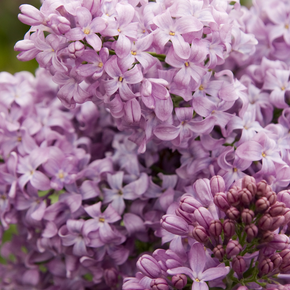
- Massive, cloud-like panicles of sweetly fragrant, pale lavender-pink blooms up to 12 inches long and 9 inches wide smother the entire shrub in late spring to early summer — so prolific the foliage nearly disappears beneath them.
- Compact, rounded deciduous shrub maturing to just 4-5 feet tall and wide, making it ideal for small gardens, tight spaces, foundation plantings, and low informal hedges.
- Outstanding multi-season interest: lush deep green foliage transitions to rich burgundy-purple fall color, extending the landscape value well beyond the bloom season.
- Improved disease resistance compared to common lilacs, with excellent tolerance of powdery mildew, deer resistance, and cold hardiness down to USDA Zone 3.
Dream Cloud Lilac (Syringa patula 'KLMone', PP29305) is a spectacular compact Manchurian Lilac that earns its dreamy name through an extraordinary early-summer flower show unlike almost any other flowering shrub. Native to Northeast China and Korea, this deciduous beauty produces enormous, densely packed panicles of fragrant, shell-pink blooms — each panicle reaching up to 12 inches long and 9 inches wide — so thick and prolific at peak bloom that the deep green foliage is nearly hidden beneath a billowing cloud of blossoms. The sweetly spiced fragrance, slightly different from that of common lilac, perfumes the air around patios, pathways, and garden borders, making placement near outdoor living areas a particularly rewarding choice. Growing in a tidy, upright-to-rounded habit to approximately 4 to 5 feet in height and spread, Dream Cloud Lilac fits beautifully into landscapes where larger lilac varieties would overwhelm the space. It thrives in USDA Hardiness Zones 3 through 8 and performs best in full sun with well-drained, neutral to slightly alkaline soil. In autumn, the dull green foliage transitions to rich tones of burgundy and purple, delivering multi-season landscape appeal. Dream Cloud Lilac is notably more resistant to powdery mildew than traditional lilac varieties, deer resistant, and tolerant of road salt and urban conditions, making it as tough and adaptable as it is beautiful. Its cut flowers are excellent for fresh indoor arrangements, and the entire shrub attracts butterflies, hummingbirds, and other pollinators, adding ecological value to its undeniable ornamental charm.
Plant Description
Dream Cloud Lilac is a compact, deciduous flowering shrub in the olive family (Oleaceae), botanically classified as Syringa patula 'KLMone'. It is a cultivated variety of the Manchurian Lilac, a species native to Northeast China and Korea. The plant forms a dense, upright-to-rounded mound of deep green, elliptical leaves that are slightly downy (pubescent) on both surfaces — a characteristic reflected in its botanical name. In late spring to early summer, it erupts into an extraordinarily showy display of large, paired panicles of fragrant, four-petaled tubular flowers in pale lavender-pink with white eyes. The panicles are exceptionally large for a compact lilac, reaching up to 12 inches long and 9 inches wide, and are produced so prolifically that the foliage is almost entirely obscured at peak bloom. As temperatures cool in fall, both the flowers and the foliage shift to richer purple tones, providing three seasons of notable ornamental interest. The plant holds Plant Patent PP29305P2, reflecting its status as a distinct and improved cultivated selection.
Mature Size and Growth Habit
| Characteristic | Detail |
|---|---|
| Mature Height | 4 to 5 feet |
| Mature Spread | 4 to 5 feet |
| Growth Habit | Upright, dense, rounded |
| Growth Rate | Slow to moderate |
| Plant Type | Deciduous shrub |
| Recommended Spacing (hedge/mass planting) | 3 to 4 feet on center |
Dream Cloud Lilac maintains a naturally compact, well-branched form that rarely requires corrective pruning to keep it tidy. Its manageable size makes it one of the most versatile lilacs available for modern home landscapes, fitting comfortably into foundation beds, mixed borders, and smaller garden spaces where traditional full-sized lilacs would quickly outgrow their welcome.
Hardiness Zones and Climate
Dream Cloud Lilac is rated for USDA Plant Hardiness Zones 3 through 8, making it one of the most cold-hardy flowering shrubs available for northern and mountain gardens. It thrives across a wide swath of climates — from the coldest regions of the upper Midwest and New England through the mid-Atlantic and Pacific Northwest. In Southern Oregon and Northern California, it performs beautifully across a range of elevations and microclimates. It tolerates exposed, windy locations as long as it receives adequate sunlight. Note that this lilac is not recommended for the extreme heat and aridity of desert climates, as it requires some winter chill to flower reliably. It also demonstrates good tolerance of road salt and urban conditions.
Sunlight Requirements
For the best flower production and overall plant vigor, Dream Cloud Lilac should be planted in a location that receives full sun — a minimum of 6 hours of direct sunlight per day. It will tolerate partial shade (4 to 6 hours of direct light), but flowering will be noticeably reduced in shadier conditions. Good air circulation around the plant is also beneficial, as it helps reduce the risk of foliar disease. Avoid planting in deep shade or in low-lying areas with stagnant air. In warmer climate zones (7 and 8), a site with afternoon shade can help protect the blooms from heat damage during peak flowering.
Soil and pH Preferences
Dream Cloud Lilac performs best in well-drained, moderately fertile soil with a pH that is neutral to slightly alkaline — ideally between 6.5 and 7.5. It is adaptable to a range of soil textures, including loam and clay-loam, but will not tolerate standing water or chronically waterlogged conditions, which can lead to root rot. If your soil is highly acidic, incorporating agricultural lime before planting will help bring the pH into the preferred range. Amending planting beds with compost will improve drainage in heavy clay soils and add organic matter in sandy or depleted soils. Dream Cloud Lilac is also noted to be tolerant of alkaline soil conditions and urban soils that may be compacted or slightly modified.
Watering Guide
During the first growing season after planting, regular watering is essential to help Dream Cloud Lilac establish a strong root system. Water deeply and thoroughly at the root zone, allowing the soil to approach dryness between waterings rather than keeping it constantly moist. Once established — typically after one to two full growing seasons — this lilac has good drought tolerance and generally requires supplemental irrigation only during extended hot, dry spells. Applying a 2 to 3 inch layer of organic mulch around the base of the plant (keeping mulch pulled back from the crown) will help conserve soil moisture, moderate root temperature, and reduce the frequency of watering needed. Overwatering or poorly drained soil is more harmful to this plant than mild drought stress. Avoid overhead irrigation that wets the foliage, as this can encourage disease.
Fertilizing
Dream Cloud Lilac is a low-maintenance shrub with modest fertilizer needs. A single application of a balanced, slow-release fertilizer or a light dressing of organic fertilizer (such as fish emulsion or seaweed extract) in early spring — just as new growth begins to emerge — is generally all that is needed each year. Avoid heavy applications of high-nitrogen fertilizers, which promote lush leafy growth at the expense of flowers. Do not fertilize after midsummer, as late-season feeding can stimulate tender new growth that is vulnerable to early frost damage. In naturally fertile, well-amended soils, fertilization may be needed only every few years. A soil test is the best way to determine whether specific nutrient amendments are warranted.
Pruning and Maintenance
Dream Cloud Lilac blooms on old wood — meaning the flower buds for next year's display are set on the current season's growth immediately after flowering. For this reason, the timing of pruning is critical: any pruning should be completed within 4 to 6 weeks after the blooms fade, no later than early to midsummer. Pruning in late summer, fall, or early spring will remove the developing flower buds and result in little or no bloom the following year. Light shaping and the removal of spent flower heads (deadheading) immediately after bloom are the most beneficial tasks. Full rejuvenation pruning, where older, congested stems are cut back hard, can be done but will delay flowering for a season. This shrub requires minimal pruning overall — its naturally tidy, compact growth habit means that light maintenance is usually sufficient to keep it looking its best.
Planting Instructions
- Select a site with full sun (at least 6 hours of direct sunlight daily) and good air circulation.
- Dig a planting hole two to three times as wide as the root ball and equal in depth. Avoid planting too deep — the top of the root ball should sit level with or very slightly above the surrounding soil grade.
- If native soil is heavy clay, amend it with compost to improve drainage. If soil pH is below 6.5, incorporate lime as directed by a soil test.
- Remove the plant from its container and gently loosen any circling roots before placing it in the hole.
- Backfill with the amended native soil, firming it in layers to eliminate large air pockets. Water thoroughly as you backfill.
- Apply a 2 to 3 inch layer of organic mulch over the root zone, keeping it a few inches clear of the main stems to prevent rot.
- Water deeply after planting and maintain regular moisture through the first growing season.
- For hedge or mass plantings, space plants 3 to 4 feet apart on center.
Seasonal Interest
Dream Cloud Lilac delivers ornamental value across three distinct seasons, making it one of the most rewarding compact shrubs for the home landscape:
- Spring (Late May to Early June): The main event — enormous, cloud-like panicles of sweetly fragrant, pale lavender-pink flowers flood the entire shrub, practically obscuring the foliage beneath a breathtaking floral display.
- Summer: Lush, deep green, slightly downy foliage provides a handsome, clean backdrop in the garden. The shrub maintains its tidy, rounded form throughout the growing season.
- Fall: As temperatures cool, the foliage transitions to rich shades of burgundy and purple-red, delivering a striking autumn color display that rivals many deciduous shrubs grown specifically for fall foliage.
- Winter: The dense branching structure adds quiet architectural interest to the winter garden, and smooth gray stems with prominent lenticels provide subtle textural detail.
Landscape Uses
The compact size, exceptional fragrance, and multi-season appeal of Dream Cloud Lilac make it one of the most versatile flowering shrubs for residential and commercial landscapes. Recommended uses include:
- Specimen or focal point: Plant singly in a prominent location where its cloud-like bloom display and fragrance can be fully appreciated.
- Foundation planting: Its tidy, predictable size makes it an excellent choice along building foundations where large shrubs would eventually overwhelm the space.
- Mixed shrub border: Pairs beautifully with other spring-blooming and summer-interest shrubs for a layered, multi-season border.
- Informal hedge or screen: Planted 3 to 4 feet apart, multiple plants form a softly fragrant, visually attractive low-to-medium hedge.
- Patio or pathway planting: Positioning near outdoor seating, pathways, or entryways allows the heavenly fragrance to be fully enjoyed.
- Cutting garden: Blooms are excellent for fresh-cut arrangements and can also be dried.
- Container growing: Suitable for large decorative containers on patios or decks where it can serve as a fragrant seasonal focal point.
Companion Plants
Dream Cloud Lilac pairs well with plants that complement its late spring bloom season and extend the garden's visual interest before and after its peak display. Consider these companions:
- Catmint (Nepeta): Low-growing, blue-purple flowering perennial that echoes the lilac's color palette and blooms simultaneously, creating a cohesive and pollinator-friendly combination.
- Yarrow (Achillea): Flat-topped summer blooms in yellow, white, or pink contrast nicely against Dream Cloud's foliage once the lilac blooms have passed.
- Salvia (Salvia nemorosa): Spiky purple or blue flower spikes provide a striking contrast in form and color both during and after the lilac's bloom season.
- Ornamental Allium: Spherical late-spring blooms in purple or white provide a fun structural counterpoint to the fluffy lilac panicles and bloom at the same time.
- Weigela: Late spring-blooming shrub that adds complementary pinks and reds to the border around the same time Dream Cloud reaches peak bloom.
- Hosta: Bold, textured foliage provides a lush green contrast in shaded areas adjacent to the lilac's sunnier planting location.
- Spirea (Spiraea): Compact spirea varieties offer delicate spring flowers and attractive summer-to-fall foliage that harmonize well in a mixed border.
Pests and Diseases
Dream Cloud Lilac is notably resistant to many of the problems that can affect common lilacs, particularly powdery mildew, making it a lower-maintenance choice for most home gardens. However, gardeners should be aware of the following potential issues:
- Powdery Mildew: Although Dream Cloud has improved resistance compared to Syringa vulgaris varieties, powdery mildew can still occur in humid conditions with poor air circulation. Plant in open, breezy locations to minimize risk.
- Lilac Borer / Ash Clearwing Borer: Larvae tunnel into stems, causing dieback. Maintain plant vigor through proper care; remove and destroy affected stems promptly.
- Scale Insects: Willow scale and other scale insects may occasionally appear on stems. Treat with horticultural oil in late winter or early spring before new growth begins.
- Leaf-Mining Moth: Larvae mine inside leaves, creating pale blotchy trails. Damage is typically cosmetic and rarely affects plant health seriously.
- Thrips: Small insects that may cause stippling or distortion of flowers and foliage during warm, dry periods. Maintain consistent watering and avoid plant stress.
- Lilac Blight (Pseudomonas syringae): A bacterial disease causing blackened shoots and blossoms. Remove and destroy affected tissue promptly; avoid overhead watering.
- Honey Fungus: A soil-borne fungal pathogen that can affect many woody plants. Ensure excellent drainage and avoid planting in areas with a history of the disease.
Overall, Dream Cloud Lilac is considered a low-maintenance, problem-resistant shrub. Good planting practices — including proper site selection, adequate spacing, and appropriate soil drainage — will prevent the majority of potential issues.
Wildlife Value
Dream Cloud Lilac is a valuable plant for supporting local wildlife and pollinators:
- Butterflies: The large, fragrant flower panicles are highly attractive to a wide variety of butterflies, which are drawn to the abundant nectar and the clustered flower structure ideal for landing.
- Hummingbirds: The tubular flowers and sweet nectar attract hummingbirds, making Dream Cloud Lilac an excellent addition to hummingbird gardens.
- Bees and Native Pollinators: Honeybees, bumblebees, and other native bee species actively forage on the flowers during the bloom period, supporting garden-wide pollination.
- Deer Resistance: Dream Cloud Lilac is generally avoided by deer, making it a reliable choice for gardens in areas with significant deer pressure.
Cut Flower Use
The large, fragrant flower panicles of Dream Cloud Lilac are superb for use as cut flowers. Their impressive size — up to 12 inches long — and intoxicating fragrance make them a standout addition to fresh floral arrangements. For the longest vase life, cut stems in the early morning when panicles are about one-half to two-thirds open, using sharp, clean pruners. Immediately place cut stems in a bucket of cool water. Once indoors, re-cut the stems at a 45-degree angle under water and place in a clean vase with fresh, cool water. Removing foliage from the portion of the stem that will be submerged will help keep the water clean and extend vase life. Change the water every one to two days. The blooms can also be dried by hanging bunches upside down in a cool, dark, well-ventilated space, though some color and fragrance will be retained even in dried arrangements.
Container Growing
Dream Cloud Lilac can be successfully grown in a large container on a patio, deck, or courtyard, where its spectacular fragrance and bloom display can be enjoyed up close. Choose a container that is at least 18 to 24 inches in diameter and depth, with drainage holes. Use a high-quality, well-draining potting mix blended with a small amount of coarse perlite to ensure excellent drainage. Container-grown lilacs will require more frequent watering than those in the ground — check the soil moisture regularly and water when the top inch or two of soil feels dry. Apply a balanced, slow-release fertilizer in early spring. In colder climates, containers may need to be moved to a sheltered, unheated garage or shed over winter to protect the roots from freeze-thaw damage, as container roots are more exposed than in-ground roots. Repot every two to three years or when the plant becomes root-bound, stepping up to a slightly larger container each time.
- Massive, cloud-like panicles of sweetly fragrant, pale lavender-pink blooms up to 12 inches long and 9 inches wide smother the entire shrub in late spring to early summer — so prolific the foliage nearly disappears beneath them.
- Compact, rounded deciduous shrub maturing to just 4-5 feet tall and wide, making it ideal for small gardens, tight spaces, foundation plantings, and low informal hedges.
- Outstanding multi-season interest: lush deep green foliage transitions to rich burgundy-purple fall color, extending the landscape value well beyond the bloom season.
- Improved disease resistance compared to common lilacs, with excellent tolerance of powdery mildew, deer resistance, and cold hardiness down to USDA Zone 3.
Dream Cloud Lilac (Syringa patula 'KLMone', PP29305) is a spectacular compact Manchurian Lilac that earns its dreamy name through an extraordinary early-summer flower show unlike almost any other flowering shrub. Native to Northeast China and Korea, this deciduous beauty produces enormous, densely packed panicles of fragrant, shell-pink blooms — each panicle reaching up to 12 inches long and 9 inches wide — so thick and prolific at peak bloom that the deep green foliage is nearly hidden beneath a billowing cloud of blossoms. The sweetly spiced fragrance, slightly different from that of common lilac, perfumes the air around patios, pathways, and garden borders, making placement near outdoor living areas a particularly rewarding choice. Growing in a tidy, upright-to-rounded habit to approximately 4 to 5 feet in height and spread, Dream Cloud Lilac fits beautifully into landscapes where larger lilac varieties would overwhelm the space. It thrives in USDA Hardiness Zones 3 through 8 and performs best in full sun with well-drained, neutral to slightly alkaline soil. In autumn, the dull green foliage transitions to rich tones of burgundy and purple, delivering multi-season landscape appeal. Dream Cloud Lilac is notably more resistant to powdery mildew than traditional lilac varieties, deer resistant, and tolerant of road salt and urban conditions, making it as tough and adaptable as it is beautiful. Its cut flowers are excellent for fresh indoor arrangements, and the entire shrub attracts butterflies, hummingbirds, and other pollinators, adding ecological value to its undeniable ornamental charm.
Plant Description
Dream Cloud Lilac is a compact, deciduous flowering shrub in the olive family (Oleaceae), botanically classified as Syringa patula 'KLMone'. It is a cultivated variety of the Manchurian Lilac, a species native to Northeast China and Korea. The plant forms a dense, upright-to-rounded mound of deep green, elliptical leaves that are slightly downy (pubescent) on both surfaces — a characteristic reflected in its botanical name. In late spring to early summer, it erupts into an extraordinarily showy display of large, paired panicles of fragrant, four-petaled tubular flowers in pale lavender-pink with white eyes. The panicles are exceptionally large for a compact lilac, reaching up to 12 inches long and 9 inches wide, and are produced so prolifically that the foliage is almost entirely obscured at peak bloom. As temperatures cool in fall, both the flowers and the foliage shift to richer purple tones, providing three seasons of notable ornamental interest. The plant holds Plant Patent PP29305P2, reflecting its status as a distinct and improved cultivated selection.
Mature Size and Growth Habit
| Characteristic | Detail |
|---|---|
| Mature Height | 4 to 5 feet |
| Mature Spread | 4 to 5 feet |
| Growth Habit | Upright, dense, rounded |
| Growth Rate | Slow to moderate |
| Plant Type | Deciduous shrub |
| Recommended Spacing (hedge/mass planting) | 3 to 4 feet on center |
Dream Cloud Lilac maintains a naturally compact, well-branched form that rarely requires corrective pruning to keep it tidy. Its manageable size makes it one of the most versatile lilacs available for modern home landscapes, fitting comfortably into foundation beds, mixed borders, and smaller garden spaces where traditional full-sized lilacs would quickly outgrow their welcome.
Hardiness Zones and Climate
Dream Cloud Lilac is rated for USDA Plant Hardiness Zones 3 through 8, making it one of the most cold-hardy flowering shrubs available for northern and mountain gardens. It thrives across a wide swath of climates — from the coldest regions of the upper Midwest and New England through the mid-Atlantic and Pacific Northwest. In Southern Oregon and Northern California, it performs beautifully across a range of elevations and microclimates. It tolerates exposed, windy locations as long as it receives adequate sunlight. Note that this lilac is not recommended for the extreme heat and aridity of desert climates, as it requires some winter chill to flower reliably. It also demonstrates good tolerance of road salt and urban conditions.
Sunlight Requirements
For the best flower production and overall plant vigor, Dream Cloud Lilac should be planted in a location that receives full sun — a minimum of 6 hours of direct sunlight per day. It will tolerate partial shade (4 to 6 hours of direct light), but flowering will be noticeably reduced in shadier conditions. Good air circulation around the plant is also beneficial, as it helps reduce the risk of foliar disease. Avoid planting in deep shade or in low-lying areas with stagnant air. In warmer climate zones (7 and 8), a site with afternoon shade can help protect the blooms from heat damage during peak flowering.
Soil and pH Preferences
Dream Cloud Lilac performs best in well-drained, moderately fertile soil with a pH that is neutral to slightly alkaline — ideally between 6.5 and 7.5. It is adaptable to a range of soil textures, including loam and clay-loam, but will not tolerate standing water or chronically waterlogged conditions, which can lead to root rot. If your soil is highly acidic, incorporating agricultural lime before planting will help bring the pH into the preferred range. Amending planting beds with compost will improve drainage in heavy clay soils and add organic matter in sandy or depleted soils. Dream Cloud Lilac is also noted to be tolerant of alkaline soil conditions and urban soils that may be compacted or slightly modified.
Watering Guide
During the first growing season after planting, regular watering is essential to help Dream Cloud Lilac establish a strong root system. Water deeply and thoroughly at the root zone, allowing the soil to approach dryness between waterings rather than keeping it constantly moist. Once established — typically after one to two full growing seasons — this lilac has good drought tolerance and generally requires supplemental irrigation only during extended hot, dry spells. Applying a 2 to 3 inch layer of organic mulch around the base of the plant (keeping mulch pulled back from the crown) will help conserve soil moisture, moderate root temperature, and reduce the frequency of watering needed. Overwatering or poorly drained soil is more harmful to this plant than mild drought stress. Avoid overhead irrigation that wets the foliage, as this can encourage disease.
Fertilizing
Dream Cloud Lilac is a low-maintenance shrub with modest fertilizer needs. A single application of a balanced, slow-release fertilizer or a light dressing of organic fertilizer (such as fish emulsion or seaweed extract) in early spring — just as new growth begins to emerge — is generally all that is needed each year. Avoid heavy applications of high-nitrogen fertilizers, which promote lush leafy growth at the expense of flowers. Do not fertilize after midsummer, as late-season feeding can stimulate tender new growth that is vulnerable to early frost damage. In naturally fertile, well-amended soils, fertilization may be needed only every few years. A soil test is the best way to determine whether specific nutrient amendments are warranted.
Pruning and Maintenance
Dream Cloud Lilac blooms on old wood — meaning the flower buds for next year's display are set on the current season's growth immediately after flowering. For this reason, the timing of pruning is critical: any pruning should be completed within 4 to 6 weeks after the blooms fade, no later than early to midsummer. Pruning in late summer, fall, or early spring will remove the developing flower buds and result in little or no bloom the following year. Light shaping and the removal of spent flower heads (deadheading) immediately after bloom are the most beneficial tasks. Full rejuvenation pruning, where older, congested stems are cut back hard, can be done but will delay flowering for a season. This shrub requires minimal pruning overall — its naturally tidy, compact growth habit means that light maintenance is usually sufficient to keep it looking its best.
Planting Instructions
- Select a site with full sun (at least 6 hours of direct sunlight daily) and good air circulation.
- Dig a planting hole two to three times as wide as the root ball and equal in depth. Avoid planting too deep — the top of the root ball should sit level with or very slightly above the surrounding soil grade.
- If native soil is heavy clay, amend it with compost to improve drainage. If soil pH is below 6.5, incorporate lime as directed by a soil test.
- Remove the plant from its container and gently loosen any circling roots before placing it in the hole.
- Backfill with the amended native soil, firming it in layers to eliminate large air pockets. Water thoroughly as you backfill.
- Apply a 2 to 3 inch layer of organic mulch over the root zone, keeping it a few inches clear of the main stems to prevent rot.
- Water deeply after planting and maintain regular moisture through the first growing season.
- For hedge or mass plantings, space plants 3 to 4 feet apart on center.
Seasonal Interest
Dream Cloud Lilac delivers ornamental value across three distinct seasons, making it one of the most rewarding compact shrubs for the home landscape:
- Spring (Late May to Early June): The main event — enormous, cloud-like panicles of sweetly fragrant, pale lavender-pink flowers flood the entire shrub, practically obscuring the foliage beneath a breathtaking floral display.
- Summer: Lush, deep green, slightly downy foliage provides a handsome, clean backdrop in the garden. The shrub maintains its tidy, rounded form throughout the growing season.
- Fall: As temperatures cool, the foliage transitions to rich shades of burgundy and purple-red, delivering a striking autumn color display that rivals many deciduous shrubs grown specifically for fall foliage.
- Winter: The dense branching structure adds quiet architectural interest to the winter garden, and smooth gray stems with prominent lenticels provide subtle textural detail.
Landscape Uses
The compact size, exceptional fragrance, and multi-season appeal of Dream Cloud Lilac make it one of the most versatile flowering shrubs for residential and commercial landscapes. Recommended uses include:
- Specimen or focal point: Plant singly in a prominent location where its cloud-like bloom display and fragrance can be fully appreciated.
- Foundation planting: Its tidy, predictable size makes it an excellent choice along building foundations where large shrubs would eventually overwhelm the space.
- Mixed shrub border: Pairs beautifully with other spring-blooming and summer-interest shrubs for a layered, multi-season border.
- Informal hedge or screen: Planted 3 to 4 feet apart, multiple plants form a softly fragrant, visually attractive low-to-medium hedge.
- Patio or pathway planting: Positioning near outdoor seating, pathways, or entryways allows the heavenly fragrance to be fully enjoyed.
- Cutting garden: Blooms are excellent for fresh-cut arrangements and can also be dried.
- Container growing: Suitable for large decorative containers on patios or decks where it can serve as a fragrant seasonal focal point.
Companion Plants
Dream Cloud Lilac pairs well with plants that complement its late spring bloom season and extend the garden's visual interest before and after its peak display. Consider these companions:
- Catmint (Nepeta): Low-growing, blue-purple flowering perennial that echoes the lilac's color palette and blooms simultaneously, creating a cohesive and pollinator-friendly combination.
- Yarrow (Achillea): Flat-topped summer blooms in yellow, white, or pink contrast nicely against Dream Cloud's foliage once the lilac blooms have passed.
- Salvia (Salvia nemorosa): Spiky purple or blue flower spikes provide a striking contrast in form and color both during and after the lilac's bloom season.
- Ornamental Allium: Spherical late-spring blooms in purple or white provide a fun structural counterpoint to the fluffy lilac panicles and bloom at the same time.
- Weigela: Late spring-blooming shrub that adds complementary pinks and reds to the border around the same time Dream Cloud reaches peak bloom.
- Hosta: Bold, textured foliage provides a lush green contrast in shaded areas adjacent to the lilac's sunnier planting location.
- Spirea (Spiraea): Compact spirea varieties offer delicate spring flowers and attractive summer-to-fall foliage that harmonize well in a mixed border.
Pests and Diseases
Dream Cloud Lilac is notably resistant to many of the problems that can affect common lilacs, particularly powdery mildew, making it a lower-maintenance choice for most home gardens. However, gardeners should be aware of the following potential issues:
- Powdery Mildew: Although Dream Cloud has improved resistance compared to Syringa vulgaris varieties, powdery mildew can still occur in humid conditions with poor air circulation. Plant in open, breezy locations to minimize risk.
- Lilac Borer / Ash Clearwing Borer: Larvae tunnel into stems, causing dieback. Maintain plant vigor through proper care; remove and destroy affected stems promptly.
- Scale Insects: Willow scale and other scale insects may occasionally appear on stems. Treat with horticultural oil in late winter or early spring before new growth begins.
- Leaf-Mining Moth: Larvae mine inside leaves, creating pale blotchy trails. Damage is typically cosmetic and rarely affects plant health seriously.
- Thrips: Small insects that may cause stippling or distortion of flowers and foliage during warm, dry periods. Maintain consistent watering and avoid plant stress.
- Lilac Blight (Pseudomonas syringae): A bacterial disease causing blackened shoots and blossoms. Remove and destroy affected tissue promptly; avoid overhead watering.
- Honey Fungus: A soil-borne fungal pathogen that can affect many woody plants. Ensure excellent drainage and avoid planting in areas with a history of the disease.
Overall, Dream Cloud Lilac is considered a low-maintenance, problem-resistant shrub. Good planting practices — including proper site selection, adequate spacing, and appropriate soil drainage — will prevent the majority of potential issues.
Wildlife Value
Dream Cloud Lilac is a valuable plant for supporting local wildlife and pollinators:
- Butterflies: The large, fragrant flower panicles are highly attractive to a wide variety of butterflies, which are drawn to the abundant nectar and the clustered flower structure ideal for landing.
- Hummingbirds: The tubular flowers and sweet nectar attract hummingbirds, making Dream Cloud Lilac an excellent addition to hummingbird gardens.
- Bees and Native Pollinators: Honeybees, bumblebees, and other native bee species actively forage on the flowers during the bloom period, supporting garden-wide pollination.
- Deer Resistance: Dream Cloud Lilac is generally avoided by deer, making it a reliable choice for gardens in areas with significant deer pressure.
Cut Flower Use
The large, fragrant flower panicles of Dream Cloud Lilac are superb for use as cut flowers. Their impressive size — up to 12 inches long — and intoxicating fragrance make them a standout addition to fresh floral arrangements. For the longest vase life, cut stems in the early morning when panicles are about one-half to two-thirds open, using sharp, clean pruners. Immediately place cut stems in a bucket of cool water. Once indoors, re-cut the stems at a 45-degree angle under water and place in a clean vase with fresh, cool water. Removing foliage from the portion of the stem that will be submerged will help keep the water clean and extend vase life. Change the water every one to two days. The blooms can also be dried by hanging bunches upside down in a cool, dark, well-ventilated space, though some color and fragrance will be retained even in dried arrangements.
Container Growing
Dream Cloud Lilac can be successfully grown in a large container on a patio, deck, or courtyard, where its spectacular fragrance and bloom display can be enjoyed up close. Choose a container that is at least 18 to 24 inches in diameter and depth, with drainage holes. Use a high-quality, well-draining potting mix blended with a small amount of coarse perlite to ensure excellent drainage. Container-grown lilacs will require more frequent watering than those in the ground — check the soil moisture regularly and water when the top inch or two of soil feels dry. Apply a balanced, slow-release fertilizer in early spring. In colder climates, containers may need to be moved to a sheltered, unheated garage or shed over winter to protect the roots from freeze-thaw damage, as container roots are more exposed than in-ground roots. Repot every two to three years or when the plant becomes root-bound, stepping up to a slightly larger container each time.