Zoom the image with the mouse
Victoria California Lilac - 5 Gallon
SKU:
213550
UPC:
014949231852
$44.99
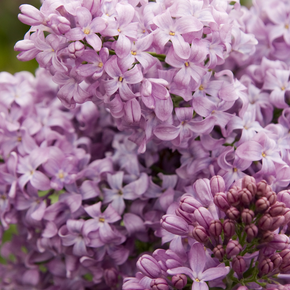
- Stunning indigo-blue flower clusters blanket this vigorous evergreen shrub from late spring into early summer, creating a breathtaking seasonal display that pollinators absolutely love.
- One of the hardiest and most drought-tolerant California Lilacs available, 'Victoria' thrives on lean, well-drained soils with little to no supplemental irrigation once established — ideal for water-wise and firewise landscapes.
- Glossy, dark green evergreen foliage provides year-round structure and attractive texture, while its naturally nitrogen-fixing roots improve soil quality without the need for added fertilizer.
- Highly versatile in the landscape — use it as a tall informal hedge, privacy screen, windbreak, or bold specimen planting in coastal, Mediterranean, or dry-summer gardens.
Ceanothus 'Victoria' (California Lilac) is a vigorous, fast-growing evergreen shrub celebrated as one of the toughest and most floriferous of all the California Lilacs. In late spring to early summer, gracefully arching branches are smothered in dense, richly fragrant clusters of brilliant indigo-blue flowers so prolific that they nearly obscure the foliage entirely, delivering one of the most jaw-dropping floral spectacles of the season. The deep cobalt blooms are set against lustrous, oval, dark green leaves that remain attractive and evergreen throughout the year, giving the garden strong structure even in the off season. Thought to be a selection of Ceanothus thyrsiflorus or a hybrid of C. thyrsiflorus with another species, 'Victoria' is one of the most widely planted and consistently top-performing Ceanothus in Pacific Coast gardens, including those throughout Southern Oregon and Northern California. It is an upright, rounded grower that can reach 6 to 10 feet tall and spread equally as wide, making it a natural choice for tall informal hedges, privacy screens, windbreaks, and bold specimen plantings on banks, slopes, and in shrub borders. Like all Ceanothus, 'Victoria' is a nitrogen-fixing shrub, forming a symbiotic relationship with root-inhabiting microbes to enrich the surrounding soil — meaning it thrives in lean conditions and rarely needs fertilizing. Exceptionally drought tolerant once established and remarkably tolerant of coastal salt air, rocky or sandy soils, and dry summer conditions, this showstopper is also a magnet for bees, butterflies, hummingbirds, and songbirds, making it an outstanding choice for pollinator-friendly, wildlife-supportive, and water-wise landscapes across USDA Zones 7 to 10.
Plant Description
Ceanothus 'Victoria' is a vigorous, bushy, upright evergreen shrub with gracefully arching branches clothed in oval, glossy, dark green leaves up to 1.25 inches long. The leaves are slightly wider than those of many other Ceanothus cultivars, contributing to a lush, full-bodied appearance throughout the year. In late spring to early summer, the plant erupts in a spectacular show of densely packed panicles of brilliant indigo-blue flowers, each cluster reaching up to 2 inches in length. The blooms are lightly fragrant and so profuse that they can practically cover the entire shrub, creating a breathtaking floral display. 'Victoria' is considered one of the hardiest and most adaptable selections of California Lilac and has proven to be one of the top-performing Ceanothus in Western Oregon and Northern California trial gardens and home landscapes alike. It is thought to be a selection of Ceanothus thyrsiflorus or a hybrid involving that species.
Mature Size
| Attribute | Measurement |
|---|---|
| Mature Height | 6 to 10 feet |
| Mature Spread | 6 to 12 feet |
| Growth Rate | Fast |
| Growth Habit | Upright, rounded, and bushy |
| Time to Mature Size | 5 to 10 years |
Because 'Victoria' is a fast grower that can quickly reach considerable size, it is important to choose your planting location carefully and provide ample space from the start. Plan for the full mature spread before planting to avoid having to prune excessively — heavy pruning into old wood can cause dieback and is best avoided.
Hardiness and Climate Zones
| Zone System | Rating |
|---|---|
| USDA Hardiness Zones | 7 to 10 |
| AHS Heat Zones | 8 to 11 |
| Sunset Climate Zones | 4, 5, 6, 7, 8, 9, 14, 15, 16, 17, 18, 19, 20, 21, 22, 23, 24 |
| Minimum Temperature | Approximately 0 degrees F once established |
'Victoria' is regarded as one of the hardiest of the California Lilacs and is well-suited to the dry-summer climates of Southern Oregon and Northern California. It performs best in a sheltered location protected from strong, cold winds. In the Pacific Northwest, it is considered one of the most reliable and cold-tolerant Ceanothus cultivars available. It is perfectly adapted to Mediterranean-type climates with mild, wet winters and hot, dry summers.
Sunlight Requirements
Ceanothus 'Victoria' performs best in full sun, requiring a minimum of 6 hours of direct sunlight per day. Full sun encourages the most abundant bloom production, the densest and most vigorous growth habit, and the best overall plant health. While it can tolerate very light afternoon shade in the hottest inland climates, shade should be avoided as it reduces flowering and can open the plant up to fungal issues. A south-facing or west-facing position with good air circulation is ideal. Avoid planting in shaded areas under tree canopies or in locations that receive significant competition from overhanging structures.
Soil and pH Preferences
'Victoria' is highly adaptable to a wide range of soil types but absolutely requires excellent drainage. Waterlogged or consistently moist soils are the primary cause of root disease and premature death in Ceanothus. The following guidelines will set your plant up for long-term success:
- Soil Types: Tolerates clay, loam, sand, and rocky soils as long as drainage is adequate. Slightly sandy or loamy soils are ideal.
- Drainage: Well-drained soil is non-negotiable. On heavy clay sites, plant on a raised mound or amend broadly with coarse grit to improve drainage.
- Soil pH: Tolerates neutral to slightly alkaline soils. May show chlorosis (yellowing leaves) on very shallow chalk or highly alkaline soils.
- Soil Fertility: Prefers lean soils. Because 'Victoria' is a nitrogen-fixing shrub, it enriches its own surrounding soil through a symbiotic relationship with root-inhabiting actinomycete bacteria and does not benefit from rich or heavily amended planting sites.
- Salt Tolerance: Notably tolerant of salt-laden air, making it an outstanding choice for coastal landscapes.
Watering Guide
Ceanothus 'Victoria' is a true drought-tolerant plant once established, and overwatering is one of the most common — and often fatal — mistakes made with this species. The key is to think in terms of deep and infrequent watering, not regular irrigation.
- At Planting: Water thoroughly immediately after planting to settle the soil and eliminate air pockets around the root ball.
- First Growing Season: Water deeply every 5 to 7 days for the first few weeks, then gradually extend intervals to every 2 to 3 weeks through the first summer. The goal is to encourage the roots to grow deep and develop self-sufficiency.
- After Establishment (Year 2 and Beyond): Established plants typically thrive on natural rainfall alone in Southern Oregon and Northern California. Supplement only during extended dry spells or extreme heat events, watering deeply but infrequently — no more than once or twice a month at most.
- Summer Dormancy: Like most West Coast native shrubs, Ceanothus is naturally summer-dormant. Summer irrigation encourages excess growth and dramatically increases the risk of root rot and Phytophthora disease. Avoid summer watering in established plants whenever possible.
- Signs of Overwatering: Yellowing lower leaves, soft stems, wilting despite moist soil, and general lack of vigor are classic signs of root rot from overwatering.
Fertilizing
Ceanothus 'Victoria' generally requires little to no supplemental fertilizer, and over-fertilizing can actually be harmful. As a nitrogen-fixing shrub, it forms a beneficial symbiotic relationship with naturally occurring soil microbes (actinomycetes) in its root zone, allowing it to generate its own nitrogen supply and improve the fertility of the surrounding soil for neighboring plants. Applying high-nitrogen fertilizers disrupts this process and can promote excessive, soft growth prone to pest and disease pressure. If soil fertility is noticeably poor beyond nitrogen deficiency, a light application of a low-nitrogen, balanced fertilizer in early spring is acceptable, but in most garden situations in our region, 'Victoria' will thrive beautifully without any feeding program whatsoever.
Pruning and Maintenance
'Victoria' requires minimal maintenance but does benefit from occasional light pruning to maintain shape and encourage a tidy, compact habit. Follow these key guidelines to keep your plant healthy and attractive:
- When to Prune: Prune immediately after flowering in late spring or early summer. Pruning at this time allows the plant to set new growth and form next season's flower buds without disruption. Light tidying can also be done in the dormant season if needed.
- How Much to Prune: Remove no more than one-third of the branch length at any one time. Light, annual tip-pruning is far more effective — and far safer — than infrequent, heavy cuts.
- Avoid Old Wood: Do not cut back hard into thick, old wood. Ceanothus regenerates poorly from old wood, and severe pruning often results in significant dieback or the loss of the plant entirely. If a shrub has become overgrown, it is generally better to replace it than to attempt a drastic rejuvenation prune.
- Hedging: When used as a hedge or screen, trim lightly after each bloom cycle to maintain the desired size and shape.
- Transplanting: This plant is very difficult to transplant once established. Choose the permanent planting location carefully before planting.
Planting Instructions
- Timing: Plant in fall or early spring when temperatures are mild. Fall planting in Southern Oregon and Northern California is ideal, allowing the root system to establish during the cool, wet season before facing summer drought.
- Site Preparation: Choose a full-sun location with well-drained soil. On clay soils, build up a planting mound 6 to 12 inches high and amend with coarse grit or gravel to improve drainage.
- Dig the Hole: Dig a hole twice as wide as the root ball and equal in depth. Avoid amending the backfill soil heavily — lean, native soil encourages the plant's natural nitrogen-fixing ability.
- Position the Plant: Set the root ball so the top is level with or very slightly above the surrounding soil surface. Never plant too deeply, as burying the crown promotes rot.
- Backfill and Firm: Backfill with the excavated soil, gently firming it around the root ball to remove air pockets. Do not compact the soil aggressively.
- Water In: Water deeply immediately after planting to settle the soil.
- Mulch: Apply a 2- to 3-inch layer of wood chip or bark mulch around the base of the plant to conserve moisture, regulate soil temperature, and suppress weeds. Keep mulch pulled back 3 to 4 inches from the main stem to prevent crown rot.
- Spacing: Allow a minimum of 8 to 12 feet between plants or from structures to accommodate the mature spread and ensure good air circulation.
Seasonal Interest
| Season | What to Expect |
|---|---|
| Spring (Late) | Deep cobalt-blue buds burst into dense, brilliantly indigo-blue flower clusters that cover the entire shrub in a stunning floral display; peak bloom period and primary season of interest. |
| Early Summer | Flowering continues into early summer; tremendous pollinator activity from bees, butterflies, and hummingbirds throughout the bloom period. |
| Summer (Late) to Fall | Lush, glossy, dark green evergreen foliage maintains strong visual presence and provides dense structure; small seed capsules may form after flowering. |
| Winter | Evergreen foliage remains attractive through winter, providing year-round color, structure, and screening even in the dormant season. |
Landscape Uses
Ceanothus 'Victoria' is one of the most versatile landscape shrubs available for dry-summer gardens in the Pacific Coast region. Its large size, dense evergreen habit, and spectacular flowering make it suitable for a wide variety of applications:
- Informal Hedge or Privacy Screen: The dense, upright growth habit and vigorous size make 'Victoria' an outstanding choice for creating a natural privacy screen or property boundary planting.
- Windbreak: Tolerates coastal winds and salt air exceptionally well, making it a proven windbreak shrub for exposed coastal and inland sites.
- Specimen or Focal Point Planting: The breathtaking spring bloom display makes a bold standalone statement in open lawn areas or at the corner of a planting bed.
- Bank and Slope Stabilization: Deep, spreading roots make it an excellent choice for erosion control on dry, sunny slopes.
- Shrub Borders and Mixed Beds: Combines beautifully with other drought-tolerant Mediterranean and California native plants in mixed shrub borders.
- Firewise Landscaping: Recommended for use in defensible space planting zones due to its drought tolerance and low-water requirements once established.
- Xeriscape Gardens: A top-tier selection for low-water, sustainable landscape designs throughout Southern Oregon and Northern California.
- Coastal Gardens: Its salt tolerance and resilience in coastal conditions make it ideal for seaside landscapes.
Wildlife and Pollinator Value
Ceanothus 'Victoria' is one of the most wildlife-friendly shrubs you can plant in a Pacific Coast garden. Its ecological value extends well beyond its ornamental appeal:
- Bees: A magnet for honey bees, native bumble bees, and a wide range of solitary native bee species. The dense flower clusters provide exceptionally rich sources of both nectar and pollen during the critical late-spring bloom period.
- Butterflies: Attracts numerous butterfly species including swallowtails and blues, which use the flowers as a nectar source. Some Ceanothus species also serve as larval host plants for butterfly caterpillars.
- Hummingbirds: The profusion of blue blooms reliably draws Anna's, Rufous, and other hummingbird species during their spring migration and nesting season.
- Birds: Dense branching structure provides nesting habitat and shelter cover for songbirds. Seed capsules provide a food source for seed-eating birds in late summer and fall.
- Soil Ecology: As a nitrogen-fixing shrub, 'Victoria' supports healthy soil microbial communities and improves the fertility of the soil around it, benefiting neighboring plants.
- Deer and Rabbit Resistance: Generally ignored by deer and rabbits, making it a reliable low-maintenance choice in areas with browsing pressure.
Companion Plants
Ceanothus 'Victoria' combines beautifully with a wide range of drought-tolerant, sun-loving plants that share its preference for well-drained, lean soils and dry summers. Consider these companion planting ideas for cohesive, low-water landscape designs:
- Lavender (Lavandula spp.): Purple-blue flower spikes complement the indigo blooms of 'Victoria' and share the same sun and drainage requirements. A classic pairing for Mediterranean-style plantings.
- Rockrose (Cistus spp.): Showy summer flowers and gray-green foliage provide textural contrast and a continuous season of interest alongside 'Victoria.'
- Ornamental Sage (Salvia spp.): Native and hybrid salvias, including Cleveland sage and autumn sage, thrive in the same dry, sunny conditions and attract the same pollinators.
- Manzanita (Arctostaphylos spp.): A natural companion in California and Oregon native landscapes, offering contrasting reddish bark and winter to early spring bloom interest.
- Penstemon (Penstemon spp.): Native penstemons thrive in similar well-drained, dry-summer conditions and extend the season of pollinator interest.
- Mexican Orange Blossom (Choisya ternata): Fragrant white spring flowers and glossy evergreen foliage make an attractive and complementary pairing in shrub borders.
- Smoke Tree (Cotinus coggygria): Bold foliage colors and airy summer plumes provide dramatic contrast in mixed dry-garden plantings.
- Rock Rose (Helianthemum spp.): Low-growing, sun-loving rockroses work well at the feet of 'Victoria' in well-drained borders or rocky slopes.
Pests and Diseases
Ceanothus 'Victoria' is generally a robust and problem-free shrub when grown in appropriate conditions. The vast majority of health problems can be avoided by ensuring proper drainage, avoiding summer irrigation of established plants, and providing adequate sunlight and air circulation.
- Scale Insects: The most commonly encountered pest. Look for small, waxy, shell-like bumps along stems and leaf undersides. Light infestations can be managed with horticultural oil sprays applied during the dormant season. Encourage natural predators such as ladybugs and parasitic wasps.
- Phytophthora Root Disease: The most serious disease threat, caused by water mold pathogens that thrive in overly wet soil conditions. Symptoms include sudden wilting, yellowing foliage, and rapid plant decline. Prevention is the only reliable strategy — plant exclusively in well-drained soil and never irrigate established plants in summer.
- Honey Fungus (Armillaria): Can occasionally affect plants growing in soils with decaying woody material. There is no cure; affected plants should be removed and the soil rested before replanting.
- Root Rot (General): Overwatering or poor drainage of any kind creates conditions favorable for various root-rotting pathogens. Ensuring excellent drainage at planting and practicing summer drought is the most effective prevention.
- Deer and Rabbits: Generally avoided by both deer and rabbits, making 'Victoria' a reliable choice in areas with browsing pressure.
- Stunning indigo-blue flower clusters blanket this vigorous evergreen shrub from late spring into early summer, creating a breathtaking seasonal display that pollinators absolutely love.
- One of the hardiest and most drought-tolerant California Lilacs available, 'Victoria' thrives on lean, well-drained soils with little to no supplemental irrigation once established — ideal for water-wise and firewise landscapes.
- Glossy, dark green evergreen foliage provides year-round structure and attractive texture, while its naturally nitrogen-fixing roots improve soil quality without the need for added fertilizer.
- Highly versatile in the landscape — use it as a tall informal hedge, privacy screen, windbreak, or bold specimen planting in coastal, Mediterranean, or dry-summer gardens.
Ceanothus 'Victoria' (California Lilac) is a vigorous, fast-growing evergreen shrub celebrated as one of the toughest and most floriferous of all the California Lilacs. In late spring to early summer, gracefully arching branches are smothered in dense, richly fragrant clusters of brilliant indigo-blue flowers so prolific that they nearly obscure the foliage entirely, delivering one of the most jaw-dropping floral spectacles of the season. The deep cobalt blooms are set against lustrous, oval, dark green leaves that remain attractive and evergreen throughout the year, giving the garden strong structure even in the off season. Thought to be a selection of Ceanothus thyrsiflorus or a hybrid of C. thyrsiflorus with another species, 'Victoria' is one of the most widely planted and consistently top-performing Ceanothus in Pacific Coast gardens, including those throughout Southern Oregon and Northern California. It is an upright, rounded grower that can reach 6 to 10 feet tall and spread equally as wide, making it a natural choice for tall informal hedges, privacy screens, windbreaks, and bold specimen plantings on banks, slopes, and in shrub borders. Like all Ceanothus, 'Victoria' is a nitrogen-fixing shrub, forming a symbiotic relationship with root-inhabiting microbes to enrich the surrounding soil — meaning it thrives in lean conditions and rarely needs fertilizing. Exceptionally drought tolerant once established and remarkably tolerant of coastal salt air, rocky or sandy soils, and dry summer conditions, this showstopper is also a magnet for bees, butterflies, hummingbirds, and songbirds, making it an outstanding choice for pollinator-friendly, wildlife-supportive, and water-wise landscapes across USDA Zones 7 to 10.
Plant Description
Ceanothus 'Victoria' is a vigorous, bushy, upright evergreen shrub with gracefully arching branches clothed in oval, glossy, dark green leaves up to 1.25 inches long. The leaves are slightly wider than those of many other Ceanothus cultivars, contributing to a lush, full-bodied appearance throughout the year. In late spring to early summer, the plant erupts in a spectacular show of densely packed panicles of brilliant indigo-blue flowers, each cluster reaching up to 2 inches in length. The blooms are lightly fragrant and so profuse that they can practically cover the entire shrub, creating a breathtaking floral display. 'Victoria' is considered one of the hardiest and most adaptable selections of California Lilac and has proven to be one of the top-performing Ceanothus in Western Oregon and Northern California trial gardens and home landscapes alike. It is thought to be a selection of Ceanothus thyrsiflorus or a hybrid involving that species.
Mature Size
| Attribute | Measurement |
|---|---|
| Mature Height | 6 to 10 feet |
| Mature Spread | 6 to 12 feet |
| Growth Rate | Fast |
| Growth Habit | Upright, rounded, and bushy |
| Time to Mature Size | 5 to 10 years |
Because 'Victoria' is a fast grower that can quickly reach considerable size, it is important to choose your planting location carefully and provide ample space from the start. Plan for the full mature spread before planting to avoid having to prune excessively — heavy pruning into old wood can cause dieback and is best avoided.
Hardiness and Climate Zones
| Zone System | Rating |
|---|---|
| USDA Hardiness Zones | 7 to 10 |
| AHS Heat Zones | 8 to 11 |
| Sunset Climate Zones | 4, 5, 6, 7, 8, 9, 14, 15, 16, 17, 18, 19, 20, 21, 22, 23, 24 |
| Minimum Temperature | Approximately 0 degrees F once established |
'Victoria' is regarded as one of the hardiest of the California Lilacs and is well-suited to the dry-summer climates of Southern Oregon and Northern California. It performs best in a sheltered location protected from strong, cold winds. In the Pacific Northwest, it is considered one of the most reliable and cold-tolerant Ceanothus cultivars available. It is perfectly adapted to Mediterranean-type climates with mild, wet winters and hot, dry summers.
Sunlight Requirements
Ceanothus 'Victoria' performs best in full sun, requiring a minimum of 6 hours of direct sunlight per day. Full sun encourages the most abundant bloom production, the densest and most vigorous growth habit, and the best overall plant health. While it can tolerate very light afternoon shade in the hottest inland climates, shade should be avoided as it reduces flowering and can open the plant up to fungal issues. A south-facing or west-facing position with good air circulation is ideal. Avoid planting in shaded areas under tree canopies or in locations that receive significant competition from overhanging structures.
Soil and pH Preferences
'Victoria' is highly adaptable to a wide range of soil types but absolutely requires excellent drainage. Waterlogged or consistently moist soils are the primary cause of root disease and premature death in Ceanothus. The following guidelines will set your plant up for long-term success:
- Soil Types: Tolerates clay, loam, sand, and rocky soils as long as drainage is adequate. Slightly sandy or loamy soils are ideal.
- Drainage: Well-drained soil is non-negotiable. On heavy clay sites, plant on a raised mound or amend broadly with coarse grit to improve drainage.
- Soil pH: Tolerates neutral to slightly alkaline soils. May show chlorosis (yellowing leaves) on very shallow chalk or highly alkaline soils.
- Soil Fertility: Prefers lean soils. Because 'Victoria' is a nitrogen-fixing shrub, it enriches its own surrounding soil through a symbiotic relationship with root-inhabiting actinomycete bacteria and does not benefit from rich or heavily amended planting sites.
- Salt Tolerance: Notably tolerant of salt-laden air, making it an outstanding choice for coastal landscapes.
Watering Guide
Ceanothus 'Victoria' is a true drought-tolerant plant once established, and overwatering is one of the most common — and often fatal — mistakes made with this species. The key is to think in terms of deep and infrequent watering, not regular irrigation.
- At Planting: Water thoroughly immediately after planting to settle the soil and eliminate air pockets around the root ball.
- First Growing Season: Water deeply every 5 to 7 days for the first few weeks, then gradually extend intervals to every 2 to 3 weeks through the first summer. The goal is to encourage the roots to grow deep and develop self-sufficiency.
- After Establishment (Year 2 and Beyond): Established plants typically thrive on natural rainfall alone in Southern Oregon and Northern California. Supplement only during extended dry spells or extreme heat events, watering deeply but infrequently — no more than once or twice a month at most.
- Summer Dormancy: Like most West Coast native shrubs, Ceanothus is naturally summer-dormant. Summer irrigation encourages excess growth and dramatically increases the risk of root rot and Phytophthora disease. Avoid summer watering in established plants whenever possible.
- Signs of Overwatering: Yellowing lower leaves, soft stems, wilting despite moist soil, and general lack of vigor are classic signs of root rot from overwatering.
Fertilizing
Ceanothus 'Victoria' generally requires little to no supplemental fertilizer, and over-fertilizing can actually be harmful. As a nitrogen-fixing shrub, it forms a beneficial symbiotic relationship with naturally occurring soil microbes (actinomycetes) in its root zone, allowing it to generate its own nitrogen supply and improve the fertility of the surrounding soil for neighboring plants. Applying high-nitrogen fertilizers disrupts this process and can promote excessive, soft growth prone to pest and disease pressure. If soil fertility is noticeably poor beyond nitrogen deficiency, a light application of a low-nitrogen, balanced fertilizer in early spring is acceptable, but in most garden situations in our region, 'Victoria' will thrive beautifully without any feeding program whatsoever.
Pruning and Maintenance
'Victoria' requires minimal maintenance but does benefit from occasional light pruning to maintain shape and encourage a tidy, compact habit. Follow these key guidelines to keep your plant healthy and attractive:
- When to Prune: Prune immediately after flowering in late spring or early summer. Pruning at this time allows the plant to set new growth and form next season's flower buds without disruption. Light tidying can also be done in the dormant season if needed.
- How Much to Prune: Remove no more than one-third of the branch length at any one time. Light, annual tip-pruning is far more effective — and far safer — than infrequent, heavy cuts.
- Avoid Old Wood: Do not cut back hard into thick, old wood. Ceanothus regenerates poorly from old wood, and severe pruning often results in significant dieback or the loss of the plant entirely. If a shrub has become overgrown, it is generally better to replace it than to attempt a drastic rejuvenation prune.
- Hedging: When used as a hedge or screen, trim lightly after each bloom cycle to maintain the desired size and shape.
- Transplanting: This plant is very difficult to transplant once established. Choose the permanent planting location carefully before planting.
Planting Instructions
- Timing: Plant in fall or early spring when temperatures are mild. Fall planting in Southern Oregon and Northern California is ideal, allowing the root system to establish during the cool, wet season before facing summer drought.
- Site Preparation: Choose a full-sun location with well-drained soil. On clay soils, build up a planting mound 6 to 12 inches high and amend with coarse grit or gravel to improve drainage.
- Dig the Hole: Dig a hole twice as wide as the root ball and equal in depth. Avoid amending the backfill soil heavily — lean, native soil encourages the plant's natural nitrogen-fixing ability.
- Position the Plant: Set the root ball so the top is level with or very slightly above the surrounding soil surface. Never plant too deeply, as burying the crown promotes rot.
- Backfill and Firm: Backfill with the excavated soil, gently firming it around the root ball to remove air pockets. Do not compact the soil aggressively.
- Water In: Water deeply immediately after planting to settle the soil.
- Mulch: Apply a 2- to 3-inch layer of wood chip or bark mulch around the base of the plant to conserve moisture, regulate soil temperature, and suppress weeds. Keep mulch pulled back 3 to 4 inches from the main stem to prevent crown rot.
- Spacing: Allow a minimum of 8 to 12 feet between plants or from structures to accommodate the mature spread and ensure good air circulation.
Seasonal Interest
| Season | What to Expect |
|---|---|
| Spring (Late) | Deep cobalt-blue buds burst into dense, brilliantly indigo-blue flower clusters that cover the entire shrub in a stunning floral display; peak bloom period and primary season of interest. |
| Early Summer | Flowering continues into early summer; tremendous pollinator activity from bees, butterflies, and hummingbirds throughout the bloom period. |
| Summer (Late) to Fall | Lush, glossy, dark green evergreen foliage maintains strong visual presence and provides dense structure; small seed capsules may form after flowering. |
| Winter | Evergreen foliage remains attractive through winter, providing year-round color, structure, and screening even in the dormant season. |
Landscape Uses
Ceanothus 'Victoria' is one of the most versatile landscape shrubs available for dry-summer gardens in the Pacific Coast region. Its large size, dense evergreen habit, and spectacular flowering make it suitable for a wide variety of applications:
- Informal Hedge or Privacy Screen: The dense, upright growth habit and vigorous size make 'Victoria' an outstanding choice for creating a natural privacy screen or property boundary planting.
- Windbreak: Tolerates coastal winds and salt air exceptionally well, making it a proven windbreak shrub for exposed coastal and inland sites.
- Specimen or Focal Point Planting: The breathtaking spring bloom display makes a bold standalone statement in open lawn areas or at the corner of a planting bed.
- Bank and Slope Stabilization: Deep, spreading roots make it an excellent choice for erosion control on dry, sunny slopes.
- Shrub Borders and Mixed Beds: Combines beautifully with other drought-tolerant Mediterranean and California native plants in mixed shrub borders.
- Firewise Landscaping: Recommended for use in defensible space planting zones due to its drought tolerance and low-water requirements once established.
- Xeriscape Gardens: A top-tier selection for low-water, sustainable landscape designs throughout Southern Oregon and Northern California.
- Coastal Gardens: Its salt tolerance and resilience in coastal conditions make it ideal for seaside landscapes.
Wildlife and Pollinator Value
Ceanothus 'Victoria' is one of the most wildlife-friendly shrubs you can plant in a Pacific Coast garden. Its ecological value extends well beyond its ornamental appeal:
- Bees: A magnet for honey bees, native bumble bees, and a wide range of solitary native bee species. The dense flower clusters provide exceptionally rich sources of both nectar and pollen during the critical late-spring bloom period.
- Butterflies: Attracts numerous butterfly species including swallowtails and blues, which use the flowers as a nectar source. Some Ceanothus species also serve as larval host plants for butterfly caterpillars.
- Hummingbirds: The profusion of blue blooms reliably draws Anna's, Rufous, and other hummingbird species during their spring migration and nesting season.
- Birds: Dense branching structure provides nesting habitat and shelter cover for songbirds. Seed capsules provide a food source for seed-eating birds in late summer and fall.
- Soil Ecology: As a nitrogen-fixing shrub, 'Victoria' supports healthy soil microbial communities and improves the fertility of the soil around it, benefiting neighboring plants.
- Deer and Rabbit Resistance: Generally ignored by deer and rabbits, making it a reliable low-maintenance choice in areas with browsing pressure.
Companion Plants
Ceanothus 'Victoria' combines beautifully with a wide range of drought-tolerant, sun-loving plants that share its preference for well-drained, lean soils and dry summers. Consider these companion planting ideas for cohesive, low-water landscape designs:
- Lavender (Lavandula spp.): Purple-blue flower spikes complement the indigo blooms of 'Victoria' and share the same sun and drainage requirements. A classic pairing for Mediterranean-style plantings.
- Rockrose (Cistus spp.): Showy summer flowers and gray-green foliage provide textural contrast and a continuous season of interest alongside 'Victoria.'
- Ornamental Sage (Salvia spp.): Native and hybrid salvias, including Cleveland sage and autumn sage, thrive in the same dry, sunny conditions and attract the same pollinators.
- Manzanita (Arctostaphylos spp.): A natural companion in California and Oregon native landscapes, offering contrasting reddish bark and winter to early spring bloom interest.
- Penstemon (Penstemon spp.): Native penstemons thrive in similar well-drained, dry-summer conditions and extend the season of pollinator interest.
- Mexican Orange Blossom (Choisya ternata): Fragrant white spring flowers and glossy evergreen foliage make an attractive and complementary pairing in shrub borders.
- Smoke Tree (Cotinus coggygria): Bold foliage colors and airy summer plumes provide dramatic contrast in mixed dry-garden plantings.
- Rock Rose (Helianthemum spp.): Low-growing, sun-loving rockroses work well at the feet of 'Victoria' in well-drained borders or rocky slopes.
Pests and Diseases
Ceanothus 'Victoria' is generally a robust and problem-free shrub when grown in appropriate conditions. The vast majority of health problems can be avoided by ensuring proper drainage, avoiding summer irrigation of established plants, and providing adequate sunlight and air circulation.
- Scale Insects: The most commonly encountered pest. Look for small, waxy, shell-like bumps along stems and leaf undersides. Light infestations can be managed with horticultural oil sprays applied during the dormant season. Encourage natural predators such as ladybugs and parasitic wasps.
- Phytophthora Root Disease: The most serious disease threat, caused by water mold pathogens that thrive in overly wet soil conditions. Symptoms include sudden wilting, yellowing foliage, and rapid plant decline. Prevention is the only reliable strategy — plant exclusively in well-drained soil and never irrigate established plants in summer.
- Honey Fungus (Armillaria): Can occasionally affect plants growing in soils with decaying woody material. There is no cure; affected plants should be removed and the soil rested before replanting.
- Root Rot (General): Overwatering or poor drainage of any kind creates conditions favorable for various root-rotting pathogens. Ensuring excellent drainage at planting and practicing summer drought is the most effective prevention.
- Deer and Rabbits: Generally avoided by both deer and rabbits, making 'Victoria' a reliable choice in areas with browsing pressure.
Related Products