
Zoom the image with the mouse
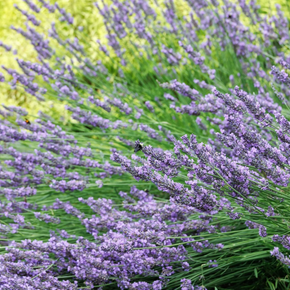
Lavender Lady Lilac - 2 Gallon
SKU:
2054410
UPC:
014949721520
$44.99
- A prized Descanso Hybrid that blooms profusely even in mild-winter climates where most lilacs fail to flower, making it ideal for Southern Oregon and Northern California gardens.
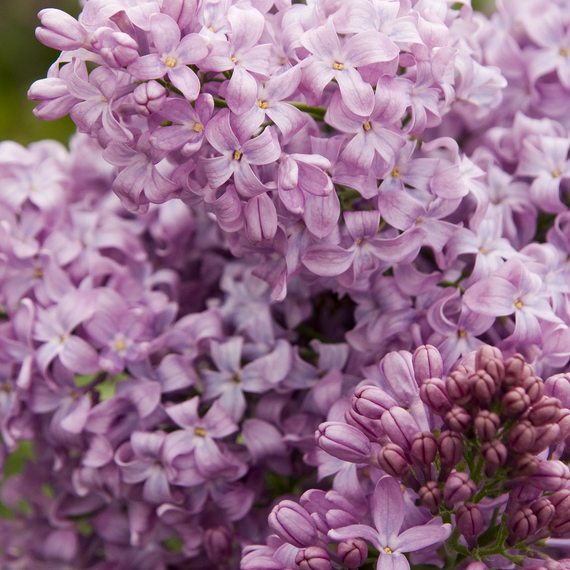
- Produces massive 6- to 9-inch cone-shaped panicles of intensely fragrant, pale lavender blooms in mid-to-late spring, attracting butterflies, bees, and other pollinators.
- Fast-growing, upright deciduous shrub reaching 10-15 feet tall, perfectly suited for privacy hedges, screens, specimen plantings, and cutting gardens.
- Exceptionally low-maintenance once established, tolerating periodic drought and a wide range of soils while delivering reliable, show-stopping spring color year after year.
Lavender Lady Lilac (Syringa vulgaris 'Lavender Lady') is a standout Descanso Hybrid specifically developed to thrive where traditional common lilacs struggle, making it the go-to lilac for gardeners in mild-winter regions like Southern Oregon and Northern California. Unlike most Syringa vulgaris cultivars that demand prolonged winter chill to set flower buds, Lavender Lady blooms reliably year after year regardless of how mild the winter has been. Each spring, this fast-growing, upright deciduous shrub becomes a showpiece, draping itself in enormous, cone-shaped clusters of sweetly fragrant, pale lavender flowers that fill the garden with the classic, intoxicating lilac perfume. Rich, heart-shaped, bluish-green foliage provides an elegant backdrop throughout the growing season, and the long-lasting panicles are absolutely stunning in fresh-cut arrangements. Highly attractive to butterflies, bees, and other beneficial pollinators, Lavender Lady Lilac earns its place in pollinator gardens, cottage gardens, fragrant allees, mixed borders, and large hedges or screening plantings with equal distinction. Its upright habit, moderate drought tolerance once established, and adaptability to urban conditions make it one of the most versatile and rewarding flowering shrubs available for mild-climate Western gardens.
Plant Description
Lavender Lady Lilac is a vigorous, upright, multi-stemmed deciduous shrub belonging to the Descanso Hybrid group of Syringa vulgaris. It was developed specifically for gardens that experience mild or warm winters, breaking the traditional limitation that prevented classic lilacs from blooming without extended cold periods. The plant features large, heart-shaped, rich bluish-green leaves on strongly upright, arching canes. In mid-to-late spring, it covers itself with enormous, cone-shaped panicles of single, intensely fragrant lavender-colored flowers that emerge from distinctive violet flower buds. The individual florets are densely packed into 6- to 9-inch clusters that put on a spectacular floral display and fill the surrounding area with the beloved, classic lilac fragrance. After the bloom period, the lush green foliage remains attractive throughout summer and into fall before the plant goes dormant for winter. This is one of the most floriferous lilac cultivars available, offering an abundance of blooms that is hard to match among other spring-flowering shrubs.
Mature Size
| Characteristic | Measurement |
|---|---|
| Mature Height | 10 to 15 feet |
| Mature Spread | 5 to 15 feet |
| Growth Rate | Medium to fast |
| Growth Habit | Upright, multi-stemmed |
| Canopy Clearance | Approximately 2 feet from ground |
| Expected Lifespan | Approximately 30 years or more under ideal conditions |
Hardiness Zones
Lavender Lady Lilac is hardy in USDA Plant Hardiness Zones 3 through 9, and some sources list it as tolerating conditions as warm as Zone 11 due to its low-chill breeding. This exceptionally wide hardiness range sets it apart from most common lilac cultivars, which are typically limited to Zones 5 through 7. Its origins as a Descanso Hybrid mean it was specifically selected and bred to perform in warm-winter climates like Southern California, Southern Oregon, and Northern California, making it a rare lilac that thrives coast to coast. It also corresponds to Sunset Garden Zones A1-A3, 1-16, and 18-22, making it an outstanding choice across the diverse climates of the Pacific Coast states.
Sunlight Requirements
Lavender Lady Lilac performs best in full sun, receiving at least 6 hours of direct sunlight per day. It can also be grown successfully in partial sun with a minimum of 5 hours of direct sunlight. Adequate sun exposure is directly linked to the quality and abundance of flowering — plants grown in too much shade will produce noticeably fewer flower panicles and may become more susceptible to powdery mildew due to reduced air circulation around the foliage. When selecting a planting site, choose an open, airy location that receives ample morning sun and is not crowded by large trees or structures that cast heavy afternoon shade. Good air movement around the plant is also beneficial for overall plant health.
Soil and pH Preferences
Lavender Lady Lilac adapts well to a wide range of soil types, including loam, sandy loam, and clay soils, provided the site drains adequately. Standing water and consistently waterlogged conditions can be detrimental to root health. This cultivar is not particularly finicky about soil pH, performing well across a broad range, though it shows its best growth and flowering in neutral to slightly alkaline soils with a pH between 6.5 and 7.5. Amending highly acidic soils with lime prior to planting can improve performance in areas with naturally low pH. For best establishment and long-term health, incorporate generous amounts of well-composted organic matter into the planting area to improve drainage in clay soils or moisture retention in sandy soils. A yearly top-dressing of well-composted manure or mulch is a traditional recommendation that supports robust growth and flowering.
Watering Guide
Consistent moisture is important during the first one to two growing seasons while Lavender Lady Lilac establishes a strong root system. Water newly planted shrubs deeply and regularly, aiming to keep the root zone evenly moist but never waterlogged. Once established, this cultivar demonstrates good tolerance for periodic drought, making it well suited to the dry summers common in Southern Oregon and Northern California. Established plants in these regions generally perform well with deep, infrequent irrigation during extended dry periods, particularly during the heat of summer. Avoid overhead irrigation when possible, as consistently wet foliage can encourage powdery mildew. Drip irrigation or soaker hoses directed at the root zone are ideal. Mulching around the base of the plant helps retain soil moisture, regulate soil temperature, and reduce the frequency of supplemental watering.
Fertilizing
Lavender Lady Lilac is not a heavy feeder and requires minimal fertilization to perform well. Over-fertilizing — particularly with high-nitrogen products — can promote excessive leafy growth at the expense of flower production. Apply a balanced, granular, general-purpose fertilizer or a handful of bone meal once per year in early spring just as new growth begins to emerge. Alternatively, an annual top-dressing of well-composted manure around the root zone provides gentle, slow-release nutrients while also improving soil structure and moisture retention. Avoid fertilizing after midsummer, as this can stimulate tender late-season growth that may be susceptible to cold damage going into fall and winter.
Pruning and Maintenance
Proper pruning is key to keeping Lavender Lady Lilac vigorous and free-flowering over the long term. Always prune immediately after the spring bloom period ends — never in late summer, fall, or early spring — as next year's flower buds are set on the current season's new growth shortly after blooming concludes. Pruning at the wrong time will remove developing flower buds and result in a season with few or no blooms.
- Young plants: Deadhead spent flower panicles promptly after blooming to redirect the plant's energy into vegetative growth and future flower bud development.
- Established plants: Each year, remove one-third of the thickest, oldest canes by cutting them down to the ground. This renewal pruning improves air circulation, encourages strong new growth from the base, and ensures better light penetration to lower foliage.
- Suckers: Lavender Lady Lilac may produce suckers (shoots from the base or roots). Remove these promptly unless more stems are desired for the planting.
- General shaping: Light shaping can be done immediately after bloom to control height and form, but avoid heavy cutting into large, old wood unless needed for rejuvenation.
Planting Instructions
- Select a site with full sun to partial sun, excellent drainage, and good air circulation.
- Dig a planting hole two to three times wider than the root ball and equal to or slightly shallower than its depth — the crown of the plant should sit at or just above the surrounding soil level.
- Amend heavy clay soils with compost or coarse grit to improve drainage; amend very sandy soils with compost to improve moisture retention.
- Remove the plant from its container and gently loosen any circling roots.
- Set the plant in the hole, backfill with native soil mixed with compost, and firm gently around the roots to eliminate air pockets.
- Water deeply immediately after planting and apply a 2- to 3-inch layer of mulch over the root zone, keeping mulch a few inches away from the base of the stems.
- For specimen plantings, space plants 9 to 15 feet apart. For hedges or mass plantings, space 6 to 8 feet apart for a denser screen effect.
Landscape Uses
Lavender Lady Lilac is one of the most versatile large flowering shrubs available for Western gardens. Its upright form, substantial mature size, and spectacular spring bloom display make it suitable for a broad range of landscape applications:
- Specimen or focal point: Plant as a standalone showpiece in a lawn or garden bed where its spring bloom can be admired from multiple angles.
- Privacy hedge or screen: Dense, upright growth makes it excellent for blocking views, defining property lines, or creating a seasonal sound buffer.
- Fragrant allee or walkway border: Plant in rows along a garden path or driveway for a stunning, perfumed spring experience.
- Mixed border backdrop: Its height and rich green summer foliage make it an ideal structural backdrop for smaller perennials, ornamental grasses, and shrubs in a layered planting.
- Pollinator garden: The abundant, nectar-rich flowers draw butterflies and bees in large numbers during the spring bloom period.
- Cutting garden: Flower panicles are excellent for fresh-cut arrangements and fill indoor spaces with their legendary fragrance.
- Cottage or informal garden: Its classic, old-fashioned charm fits naturally into relaxed cottage-style or heritage garden designs.
Seasonal Interest
While Lavender Lady Lilac is primarily a spring-interest shrub, it offers attractive qualities across multiple seasons:
- Early to mid-spring: Distinctive deep violet flower buds swell and open into large, fragrant lavender panicles that are among the most spectacular of any spring-blooming shrub. Bloom typically peaks in mid-May.
- Late spring through summer: Lush, heart-shaped bluish-green foliage remains attractive and provides a rich, leafy backdrop for surrounding plants in the garden.
- Fall: Foliage remains green into fall before the plant begins to go dormant; fall color is not a notable feature of this cultivar.
- Winter: The bare, multi-stemmed framework of the plant adds structural interest to the winter garden and reveals the natural vase-like branching habit of the shrub.
Wildlife Value and Pollinator Appeal
Lavender Lady Lilac is a valuable wildlife plant, particularly during the spring bloom period. Its nectar-rich flowers are highly attractive to a wide range of beneficial insects and wildlife:
- Butterflies: The large, fragrant flower clusters serve as a reliable spring nectar source for swallowtails, painted ladies, and numerous other butterfly species.
- Bees: Both honeybees and native bumblebees actively forage on the abundant flowers, making this an important early-season food source in the garden.
- Hummingbirds: While not a primary hummingbird plant, the tubular florets can attract hummingbirds seeking early-season nectar.
- Deer resistance: Lavender Lady Lilac is generally not favored by deer, who tend to leave it alone in favor of more palatable plants, making it a sensible choice in areas with deer pressure.
Companion Plants
Lavender Lady Lilac pairs beautifully with a wide variety of spring and summer-flowering plants that complement its lavender blooms and extend the season of interest in the garden:
- Peonies (Paeonia spp.): Bloom at the same time as lilacs and offer a classic, cottage-style pairing with similar romantic appeal.
- Bearded Iris (Iris germanica): Coordinates perfectly in timing and color palette, with purple, blue, and white iris varieties being especially complementary.
- Alliums (Allium spp.): Ornamental onion globes blooming alongside or just after the lilac extend the purple-toned display into late spring.
- Catmint (Nepeta spp.): Low-growing, lavender-blue flowering perennial that works beautifully as a foreground planting beneath the taller lilac.
- Roses (Rosa spp.): Old-fashioned shrub roses or climbing roses on nearby structures blend well with the cottage-garden character of lilacs.
- Salvia (Salvia nemorosa): Ornamental salvias in purple or blue tones pick up the bloom season where lilacs leave off, providing a smooth seasonal transition.
- Weigela (Weigela florida): A fellow spring-blooming deciduous shrub that provides complementary color and form in a mixed shrub border.
Pests and Diseases
Lavender Lady Lilac is generally a robust, low-maintenance shrub, but gardeners in mild, humid climates should be aware of a few potential issues:
- Powdery mildew (Erysiphe syringae): The most common issue for lilacs, especially in humid conditions or when plants are crowded with poor air circulation. Appears as a white, powdery coating on leaves, primarily in late summer. It is usually cosmetic and does not threaten the life of the plant. Plant in full sun with good air circulation to minimize risk. Fungicide applications can help in severe cases.
- Lilac borers (Podosesia syringae): Larvae tunnel into canes, causing wilting and dieback of affected stems. Prune out and destroy infested canes promptly. Maintaining plant vigor through proper care reduces susceptibility.
- Oyster shell scale: Small, armored scale insects can colonize stems and weaken plants. Control with dormant horticultural oil applications in late winter or early spring.
- Bacterial blight (Pseudomonas syringae): Can cause brown, water-soaked lesions on young shoots, leaves, and flowers during cool, wet spring weather. Prune out and dispose of affected tissue; avoid overhead irrigation.
- Leaf miners: Occasionally affect foliage but rarely cause serious long-term damage. Good sanitation and removing affected leaves helps manage minor infestations.
Container Growing
While Lavender Lady Lilac is most at home planted directly in the ground where it can reach its full size and potential, younger plants can be grown in large containers for a period. If growing in a container, select a very large pot — at minimum 24 to 30 inches in diameter — with excellent drainage holes. Use a high-quality, well-draining potting mix and ensure consistent moisture, as containers dry out more quickly than in-ground plantings. Container-grown lilacs may need more frequent fertilizing (light, balanced applications in spring and early summer) and should be monitored closely for irrigation needs during summer heat. Be aware that root restriction in containers will naturally limit the plant's ultimate size and may reduce flowering over time. For best long-term performance and the full landscape impact this cultivar can provide, in-ground planting is strongly recommended.
- A prized Descanso Hybrid that blooms profusely even in mild-winter climates where most lilacs fail to flower, making it ideal for Southern Oregon and Northern California gardens.
- Produces massive 6- to 9-inch cone-shaped panicles of intensely fragrant, pale lavender blooms in mid-to-late spring, attracting butterflies, bees, and other pollinators.
- Fast-growing, upright deciduous shrub reaching 10-15 feet tall, perfectly suited for privacy hedges, screens, specimen plantings, and cutting gardens.
- Exceptionally low-maintenance once established, tolerating periodic drought and a wide range of soils while delivering reliable, show-stopping spring color year after year.
Lavender Lady Lilac (Syringa vulgaris 'Lavender Lady') is a standout Descanso Hybrid specifically developed to thrive where traditional common lilacs struggle, making it the go-to lilac for gardeners in mild-winter regions like Southern Oregon and Northern California. Unlike most Syringa vulgaris cultivars that demand prolonged winter chill to set flower buds, Lavender Lady blooms reliably year after year regardless of how mild the winter has been. Each spring, this fast-growing, upright deciduous shrub becomes a showpiece, draping itself in enormous, cone-shaped clusters of sweetly fragrant, pale lavender flowers that fill the garden with the classic, intoxicating lilac perfume. Rich, heart-shaped, bluish-green foliage provides an elegant backdrop throughout the growing season, and the long-lasting panicles are absolutely stunning in fresh-cut arrangements. Highly attractive to butterflies, bees, and other beneficial pollinators, Lavender Lady Lilac earns its place in pollinator gardens, cottage gardens, fragrant allees, mixed borders, and large hedges or screening plantings with equal distinction. Its upright habit, moderate drought tolerance once established, and adaptability to urban conditions make it one of the most versatile and rewarding flowering shrubs available for mild-climate Western gardens.
Plant Description
Lavender Lady Lilac is a vigorous, upright, multi-stemmed deciduous shrub belonging to the Descanso Hybrid group of Syringa vulgaris. It was developed specifically for gardens that experience mild or warm winters, breaking the traditional limitation that prevented classic lilacs from blooming without extended cold periods. The plant features large, heart-shaped, rich bluish-green leaves on strongly upright, arching canes. In mid-to-late spring, it covers itself with enormous, cone-shaped panicles of single, intensely fragrant lavender-colored flowers that emerge from distinctive violet flower buds. The individual florets are densely packed into 6- to 9-inch clusters that put on a spectacular floral display and fill the surrounding area with the beloved, classic lilac fragrance. After the bloom period, the lush green foliage remains attractive throughout summer and into fall before the plant goes dormant for winter. This is one of the most floriferous lilac cultivars available, offering an abundance of blooms that is hard to match among other spring-flowering shrubs.
Mature Size
| Characteristic | Measurement |
|---|---|
| Mature Height | 10 to 15 feet |
| Mature Spread | 5 to 15 feet |
| Growth Rate | Medium to fast |
| Growth Habit | Upright, multi-stemmed |
| Canopy Clearance | Approximately 2 feet from ground |
| Expected Lifespan | Approximately 30 years or more under ideal conditions |
Hardiness Zones
Lavender Lady Lilac is hardy in USDA Plant Hardiness Zones 3 through 9, and some sources list it as tolerating conditions as warm as Zone 11 due to its low-chill breeding. This exceptionally wide hardiness range sets it apart from most common lilac cultivars, which are typically limited to Zones 5 through 7. Its origins as a Descanso Hybrid mean it was specifically selected and bred to perform in warm-winter climates like Southern California, Southern Oregon, and Northern California, making it a rare lilac that thrives coast to coast. It also corresponds to Sunset Garden Zones A1-A3, 1-16, and 18-22, making it an outstanding choice across the diverse climates of the Pacific Coast states.
Sunlight Requirements
Lavender Lady Lilac performs best in full sun, receiving at least 6 hours of direct sunlight per day. It can also be grown successfully in partial sun with a minimum of 5 hours of direct sunlight. Adequate sun exposure is directly linked to the quality and abundance of flowering — plants grown in too much shade will produce noticeably fewer flower panicles and may become more susceptible to powdery mildew due to reduced air circulation around the foliage. When selecting a planting site, choose an open, airy location that receives ample morning sun and is not crowded by large trees or structures that cast heavy afternoon shade. Good air movement around the plant is also beneficial for overall plant health.
Soil and pH Preferences
Lavender Lady Lilac adapts well to a wide range of soil types, including loam, sandy loam, and clay soils, provided the site drains adequately. Standing water and consistently waterlogged conditions can be detrimental to root health. This cultivar is not particularly finicky about soil pH, performing well across a broad range, though it shows its best growth and flowering in neutral to slightly alkaline soils with a pH between 6.5 and 7.5. Amending highly acidic soils with lime prior to planting can improve performance in areas with naturally low pH. For best establishment and long-term health, incorporate generous amounts of well-composted organic matter into the planting area to improve drainage in clay soils or moisture retention in sandy soils. A yearly top-dressing of well-composted manure or mulch is a traditional recommendation that supports robust growth and flowering.
Watering Guide
Consistent moisture is important during the first one to two growing seasons while Lavender Lady Lilac establishes a strong root system. Water newly planted shrubs deeply and regularly, aiming to keep the root zone evenly moist but never waterlogged. Once established, this cultivar demonstrates good tolerance for periodic drought, making it well suited to the dry summers common in Southern Oregon and Northern California. Established plants in these regions generally perform well with deep, infrequent irrigation during extended dry periods, particularly during the heat of summer. Avoid overhead irrigation when possible, as consistently wet foliage can encourage powdery mildew. Drip irrigation or soaker hoses directed at the root zone are ideal. Mulching around the base of the plant helps retain soil moisture, regulate soil temperature, and reduce the frequency of supplemental watering.
Fertilizing
Lavender Lady Lilac is not a heavy feeder and requires minimal fertilization to perform well. Over-fertilizing — particularly with high-nitrogen products — can promote excessive leafy growth at the expense of flower production. Apply a balanced, granular, general-purpose fertilizer or a handful of bone meal once per year in early spring just as new growth begins to emerge. Alternatively, an annual top-dressing of well-composted manure around the root zone provides gentle, slow-release nutrients while also improving soil structure and moisture retention. Avoid fertilizing after midsummer, as this can stimulate tender late-season growth that may be susceptible to cold damage going into fall and winter.
Pruning and Maintenance
Proper pruning is key to keeping Lavender Lady Lilac vigorous and free-flowering over the long term. Always prune immediately after the spring bloom period ends — never in late summer, fall, or early spring — as next year's flower buds are set on the current season's new growth shortly after blooming concludes. Pruning at the wrong time will remove developing flower buds and result in a season with few or no blooms.
- Young plants: Deadhead spent flower panicles promptly after blooming to redirect the plant's energy into vegetative growth and future flower bud development.
- Established plants: Each year, remove one-third of the thickest, oldest canes by cutting them down to the ground. This renewal pruning improves air circulation, encourages strong new growth from the base, and ensures better light penetration to lower foliage.
- Suckers: Lavender Lady Lilac may produce suckers (shoots from the base or roots). Remove these promptly unless more stems are desired for the planting.
- General shaping: Light shaping can be done immediately after bloom to control height and form, but avoid heavy cutting into large, old wood unless needed for rejuvenation.
Planting Instructions
- Select a site with full sun to partial sun, excellent drainage, and good air circulation.
- Dig a planting hole two to three times wider than the root ball and equal to or slightly shallower than its depth — the crown of the plant should sit at or just above the surrounding soil level.
- Amend heavy clay soils with compost or coarse grit to improve drainage; amend very sandy soils with compost to improve moisture retention.
- Remove the plant from its container and gently loosen any circling roots.
- Set the plant in the hole, backfill with native soil mixed with compost, and firm gently around the roots to eliminate air pockets.
- Water deeply immediately after planting and apply a 2- to 3-inch layer of mulch over the root zone, keeping mulch a few inches away from the base of the stems.
- For specimen plantings, space plants 9 to 15 feet apart. For hedges or mass plantings, space 6 to 8 feet apart for a denser screen effect.
Landscape Uses
Lavender Lady Lilac is one of the most versatile large flowering shrubs available for Western gardens. Its upright form, substantial mature size, and spectacular spring bloom display make it suitable for a broad range of landscape applications:
- Specimen or focal point: Plant as a standalone showpiece in a lawn or garden bed where its spring bloom can be admired from multiple angles.
- Privacy hedge or screen: Dense, upright growth makes it excellent for blocking views, defining property lines, or creating a seasonal sound buffer.
- Fragrant allee or walkway border: Plant in rows along a garden path or driveway for a stunning, perfumed spring experience.
- Mixed border backdrop: Its height and rich green summer foliage make it an ideal structural backdrop for smaller perennials, ornamental grasses, and shrubs in a layered planting.
- Pollinator garden: The abundant, nectar-rich flowers draw butterflies and bees in large numbers during the spring bloom period.
- Cutting garden: Flower panicles are excellent for fresh-cut arrangements and fill indoor spaces with their legendary fragrance.
- Cottage or informal garden: Its classic, old-fashioned charm fits naturally into relaxed cottage-style or heritage garden designs.
Seasonal Interest
While Lavender Lady Lilac is primarily a spring-interest shrub, it offers attractive qualities across multiple seasons:
- Early to mid-spring: Distinctive deep violet flower buds swell and open into large, fragrant lavender panicles that are among the most spectacular of any spring-blooming shrub. Bloom typically peaks in mid-May.
- Late spring through summer: Lush, heart-shaped bluish-green foliage remains attractive and provides a rich, leafy backdrop for surrounding plants in the garden.
- Fall: Foliage remains green into fall before the plant begins to go dormant; fall color is not a notable feature of this cultivar.
- Winter: The bare, multi-stemmed framework of the plant adds structural interest to the winter garden and reveals the natural vase-like branching habit of the shrub.
Wildlife Value and Pollinator Appeal
Lavender Lady Lilac is a valuable wildlife plant, particularly during the spring bloom period. Its nectar-rich flowers are highly attractive to a wide range of beneficial insects and wildlife:
- Butterflies: The large, fragrant flower clusters serve as a reliable spring nectar source for swallowtails, painted ladies, and numerous other butterfly species.
- Bees: Both honeybees and native bumblebees actively forage on the abundant flowers, making this an important early-season food source in the garden.
- Hummingbirds: While not a primary hummingbird plant, the tubular florets can attract hummingbirds seeking early-season nectar.
- Deer resistance: Lavender Lady Lilac is generally not favored by deer, who tend to leave it alone in favor of more palatable plants, making it a sensible choice in areas with deer pressure.
Companion Plants
Lavender Lady Lilac pairs beautifully with a wide variety of spring and summer-flowering plants that complement its lavender blooms and extend the season of interest in the garden:
- Peonies (Paeonia spp.): Bloom at the same time as lilacs and offer a classic, cottage-style pairing with similar romantic appeal.
- Bearded Iris (Iris germanica): Coordinates perfectly in timing and color palette, with purple, blue, and white iris varieties being especially complementary.
- Alliums (Allium spp.): Ornamental onion globes blooming alongside or just after the lilac extend the purple-toned display into late spring.
- Catmint (Nepeta spp.): Low-growing, lavender-blue flowering perennial that works beautifully as a foreground planting beneath the taller lilac.
- Roses (Rosa spp.): Old-fashioned shrub roses or climbing roses on nearby structures blend well with the cottage-garden character of lilacs.
- Salvia (Salvia nemorosa): Ornamental salvias in purple or blue tones pick up the bloom season where lilacs leave off, providing a smooth seasonal transition.
- Weigela (Weigela florida): A fellow spring-blooming deciduous shrub that provides complementary color and form in a mixed shrub border.
Pests and Diseases
Lavender Lady Lilac is generally a robust, low-maintenance shrub, but gardeners in mild, humid climates should be aware of a few potential issues:
- Powdery mildew (Erysiphe syringae): The most common issue for lilacs, especially in humid conditions or when plants are crowded with poor air circulation. Appears as a white, powdery coating on leaves, primarily in late summer. It is usually cosmetic and does not threaten the life of the plant. Plant in full sun with good air circulation to minimize risk. Fungicide applications can help in severe cases.
- Lilac borers (Podosesia syringae): Larvae tunnel into canes, causing wilting and dieback of affected stems. Prune out and destroy infested canes promptly. Maintaining plant vigor through proper care reduces susceptibility.
- Oyster shell scale: Small, armored scale insects can colonize stems and weaken plants. Control with dormant horticultural oil applications in late winter or early spring.
- Bacterial blight (Pseudomonas syringae): Can cause brown, water-soaked lesions on young shoots, leaves, and flowers during cool, wet spring weather. Prune out and dispose of affected tissue; avoid overhead irrigation.
- Leaf miners: Occasionally affect foliage but rarely cause serious long-term damage. Good sanitation and removing affected leaves helps manage minor infestations.
Container Growing
While Lavender Lady Lilac is most at home planted directly in the ground where it can reach its full size and potential, younger plants can be grown in large containers for a period. If growing in a container, select a very large pot — at minimum 24 to 30 inches in diameter — with excellent drainage holes. Use a high-quality, well-draining potting mix and ensure consistent moisture, as containers dry out more quickly than in-ground plantings. Container-grown lilacs may need more frequent fertilizing (light, balanced applications in spring and early summer) and should be monitored closely for irrigation needs during summer heat. Be aware that root restriction in containers will naturally limit the plant's ultimate size and may reduce flowering over time. For best long-term performance and the full landscape impact this cultivar can provide, in-ground planting is strongly recommended.
Related Products