Zoom the image with the mouse
Old Glory Lilac
SKU:
2094860-P
UPC:
014949422519
$39.99 - $59.99
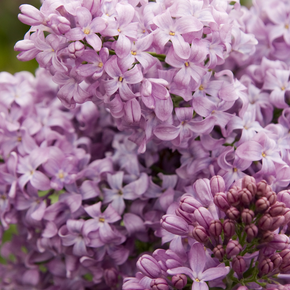
- Breathtaking, fragrant bluish-purple flower panicles burst open in mid-spring, arriving 7-10 days earlier than common lilacs for a dramatic head-start on the season.
- A US National Arboretum introduction bred for exceptional disease resistance, with superior tolerance to powdery mildew, Cercospora blight, and Pseudomonas blight that trouble ordinary lilacs.
- Thrives where other lilacs struggle, standing up to the heat and humidity of warmer climates while remaining cold hardy through challenging winters.
- Deer resistant and a proven pollinator magnet, drawing butterflies, bees, and hummingbirds to the garden each spring.
Old Glory Lilac (Syringa x hyacinthiflora 'Old Glory') is an exceptional deciduous shrub developed through a controlled hybridization program at the US National Arboretum, selected for its abundantly fragrant, single bluish-purple flowers that are carried in large upright panicles up to 8 inches long. Opening from rich reddish-purple buds in mid-spring — roughly 7 to 10 days ahead of common lilacs — the blossoms create a spectacular floral display that perfumes the surrounding garden. This cultivar was specifically bred for disease-tolerant foliage, showing notably improved field resistance to powdery mildew, Cercospora blight, and Pseudomonas syringae compared to standard lilac varieties, making it a standout choice for gardeners in the Pacific Northwest, Northern California, and Southern Oregon where spring moisture can challenge traditional lilacs. Growing into a rounded, multi-stemmed form with attractive heart-shaped, fresh green leaves, Old Glory Lilac is a versatile landscape workhorse equally at home as a bold specimen, an informal flowering hedge, a privacy screen, or a backdrop planting in mixed shrub borders. Its vigorous constitution, low maintenance needs, deer resistance, and exceptional wildlife value — attracting butterflies, bees, and hummingbirds — make it one of the finest lilac cultivars available for the modern home garden.
Plant Description
Old Glory Lilac is a deciduous, rounded multi-stemmed shrub belonging to the olive family (Oleaceae). It is the result of a controlled cross between Syringa 'Sweet Charity' and Syringa x hyacinthiflora 'Pocahontas', made by breeder Don Egolf in 1978 and officially released in March 2006. The large, upright flower panicles reach up to 8 inches in length and are densely packed with single, star-shaped, intensely fragrant blooms in a striking bluish-purple hue. Flowers emerge from reddish-purple buds in mid-spring, opening approximately 7 to 10 days before common lilacs, earning it the designation of an early-flowering hybrid lilac. The erect, open branch structure is clothed in attractive, heart-shaped, medium-green leaves that remain clean and presentable through the summer months. The foliage of young growth emerges with a subtle bronze tint before maturing to fresh green. This cultivar was specifically selected for its heavy, uniform bloom production, rounded growth habit, and notably superior disease-tolerant foliage compared to typical lilac varieties.
Mature Size
| Characteristic | Measurement |
|---|---|
| Mature Height | 8 to 10 feet |
| Mature Spread | 8 to 10 feet |
| Growth Rate | Medium |
| Plant Form | Rounded, multi-stemmed, upright-spreading |
| Recommended Spacing | At least 8 to 10 feet apart |
| Age at First Bloom | Approximately 3 years from a young nursery plant |
Hardiness and Climate
Old Glory Lilac is hardy in USDA Zones 5 through 9, making it one of the more heat-tolerant lilacs available and an excellent choice for gardeners in Southern Oregon and Northern California who may struggle with standard lilac varieties. It has been specifically bred to perform well in the heat and humidity of warmer growing regions, including the mid-Atlantic and southern areas of the country. Its good chill requirement is satisfied in most Pacific Northwest and Northern California winters, enabling reliable annual bloom. Unlike common lilacs that fade rapidly in summer heat, Old Glory maintains attractive foliage and good plant vigor even through the warm months.
Sunlight Requirements
Old Glory Lilac is a full sun lover and performs best with a minimum of 6 to 8 hours of direct sunlight per day. Full sun exposure is essential for maximum flower production and is also important for keeping foliage dry after rain or dew, which helps prevent fungal disease issues. While this shrub will tolerate light or partial shade, bloom quantity is significantly reduced in shaded conditions. Avoid planting in locations near south- or west-facing walls, pavement, or solid fencing where reflected heat can accumulate, as this can stress the plant during summer. Excellent air circulation around the plant is equally important and is best achieved by choosing a location with good open exposure.
Soil and pH Preferences
Old Glory Lilac is adaptable to a wide range of soil textures, including clay, loam, silt, and sandy soils, provided drainage is adequate. It performs best in fertile, humus-rich, well-drained to moist but well-drained soils. This cultivar thrives in alkaline to neutral soil pH, ideally in the range of 6.0 to 8.0, and is notably well-suited to chalky, alkaline soils. It does not tolerate acidic soils and will decline if planted where the pH drops significantly below neutral. If your native soil is acidic, amending with lime to raise the pH prior to planting is strongly recommended. Good drainage is essential, as standing water and persistently saturated soil can lead to root rot and overall decline. Incorporating compost or aged organic matter at planting time improves both fertility and soil structure.
Watering Guide
Once established, Old Glory Lilac has low to average water needs and demonstrates good drought tolerance, making it a practical choice for water-wise landscapes in Southern Oregon and Northern California. During the first one to two growing seasons after planting, regular, deep watering is essential to help the root system establish. Water deeply and then allow the soil to partially dry out between waterings, rather than watering shallowly and frequently. Established plants benefit from supplemental irrigation during extended dry periods or heat spells to prevent stress and maintain foliage quality. Avoid overwatering or planting in areas where water pools, as excessively moist soil encourages root rot. Applying a 2 to 3 inch layer of mulch around the root zone (kept away from the base of the stems) helps retain soil moisture, regulate temperature, and reduce watering frequency.
Fertilizing
Old Glory Lilac is a relatively light feeder and does not require heavy fertilization. In fact, excessive nitrogen fertilizer will promote lush vegetative growth at the direct expense of flower production and should be avoided. If fertilization is desired, apply a balanced, slow-release granular fertilizer formulated for flowering shrubs in early spring just as new growth begins. A fertilizer with a moderate phosphorus content (the middle number) supports strong root development and encourages abundant blooms. Avoid fertilizing after midsummer, as late-season feeding can stimulate tender new growth that may be damaged by early frosts. In fertile garden soils with good organic content, additional fertilization may not be necessary at all. An annual top-dressing of compost around the root zone in early spring is often sufficient to maintain good plant health and vigor.
Pruning and Maintenance
Proper and timely pruning is one of the most important aspects of keeping Old Glory Lilac healthy, vigorous, and floriferous. Follow these key guidelines:
- Timing is critical: Always prune immediately after flowering is complete, typically in late spring or early summer. Lilacs set their flower buds for the following year shortly after blooming, so pruning later in the season or during dormancy will remove next year's buds and result in poor or absent flowering.
- Deadheading: Remove spent flower clusters promptly before seed set. This directs the plant's energy into bud development rather than seed production, which significantly improves bloom quantity in the following year.
- Renewal pruning: To prevent the shrub from becoming leggy and bare at the base, remove approximately one-third of the oldest, thickest stems at ground level each year. This gradual renewal keeps the plant vigorous, encourages new productive growth from the base, and maintains a more attractive, full-bodied form.
- Suckers: Promptly remove any root suckers that emerge at or below the soil line to maintain a tidy appearance and prevent unwanted colonial spread.
- Avoid severe cutbacks: Cutting the entire plant back to the ground will result in no blooms for two or more years while the plant recovers. Use gradual renewal pruning instead.
- Air circulation: Thin the interior of the shrub periodically to improve airflow, which reduces the risk of fungal diseases.
Planting Instructions
- Choose the right site: Select a location that receives at least 6 to 8 hours of direct sun daily and has good air circulation. Avoid low spots where water collects or where reflected heat from walls or pavement intensifies.
- Dig the planting hole: Dig a hole two to three times as wide as the root ball and approximately the same depth. Avoid planting too deep, as burying the root flare can cause decline over time.
- Amend the soil if needed: If your soil is acidic, incorporate lime to raise the pH toward neutral. Work in compost or aged organic matter to improve fertility and drainage. Do not add fertilizer directly into the planting hole.
- Position the plant: Set the root ball in the hole so that the top of the root ball sits at or slightly above the surrounding soil grade. Remove any burlap, wire baskets, or container materials.
- Backfill and water: Backfill with the native soil, firming it gently around the roots to eliminate air pockets. Water deeply and thoroughly immediately after planting.
- Mulch: Apply a 2 to 3 inch layer of organic mulch over the root zone, keeping mulch at least 3 to 4 inches away from the base of the stems to prevent rot and borer entry points.
- Spacing: Space plants at least 8 to 10 feet apart to allow for mature size and to ensure good air circulation between shrubs.
Seasonal Interest
Old Glory Lilac offers its most dramatic seasonal moment in mid-spring, when large, upright panicles packed with intensely fragrant, single bluish-purple flowers open across the entire shrub. Flowering begins approximately 7 to 10 days earlier than common lilac varieties, extending the overall lilac season in the garden. The reddish-purple flower buds are themselves ornamental as they swell and begin to open. In summer, the fresh green, heart-shaped foliage remains clean and attractive, providing a solid, well-shaped backdrop to other garden plantings. In autumn, the deciduous foliage may develop purple, red, or gold fall color tones before dropping. The multi-stemmed branch structure provides subtle winter architectural interest after leaf drop. The cut flowers are superb for indoor arrangements and fill a room with classic, unmistakable lilac fragrance.
Landscape Uses
Old Glory Lilac is a versatile, multi-use landscape shrub that works beautifully in a wide variety of garden situations:
- Specimen planting: Makes a stunning focal point when planted as a standalone specimen in a lawn or garden bed, particularly during its spectacular spring bloom period.
- Informal hedges and screens: Its rounded, dense form and mature size make it an excellent choice for informal flowering privacy screens or property boundary plantings.
- Mixed shrub borders: Excellent massed or grouped with other deciduous and evergreen shrubs to create layered, multi-season interest.
- Perennial and cottage garden backgrounds: Its upright, rounded form adds structure and vertical presence at the back of perennial beds and cottage-style gardens.
- Foundation planting: Suitable for large foundation plantings where a substantial, flowering shrub with seasonal presence is desired.
- Cutting garden: The long-stemmed, heavily fragrant flower panicles are exceptional for fresh-cut floral arrangements.
- Pollinator and wildlife gardens: A prime candidate for pollinator garden designs, attracting butterflies, bees, and hummingbirds reliably each spring.
Companion Plants
Old Glory Lilac pairs beautifully with plants that complement its mid-spring bloom season and help fill the garden with interest before and after flowering. Consider these compatible companions:
- Woodland Phlox (Phlox divaricata): Low-growing with lavender-blue spring flowers that echo the lilac's color palette at the feet of the shrub.
- Geranium 'Johnson's Blue' (Cranesbill): Long-blooming blue-purple flowers carry the color story forward into summer after the lilac finishes blooming.
- Clematis (late large-flowered types): Climbing clematis can be trained into or alongside the lilac to provide colorful summer blooms after the lilac's spring show concludes.
- Spirea (Spiraea spp.): White or pink-flowering spireas bloom at a similar time and create a soft, cottage-garden combination with the lilac's purple tones.
- Ornamental Alliums: Tall purple allium globes extend the purple color theme into late spring and early summer in a coordinated, textural contrast.
- Salvia nemorosa: Upright spikes of violet-blue flowers bloom after the lilac and maintain the cool-toned color scheme through summer.
- Karl Foerster Feather Reed Grass (Calamagrostis x acutiflora): Provides upright texture and movement as a backdrop or neighboring planting, with contrasting form that makes the lilac's mounded shape stand out.
Pests and Diseases
Old Glory Lilac was specifically bred for improved disease tolerance and generally experiences far fewer problems than common lilac (Syringa vulgaris). It exhibits good field tolerance to Cercospora blight and Pseudomonas syringae (bacterial blight), which are the diseases most problematic in warmer, moister climates. It also demonstrates above-average resistance to powdery mildew. That said, gardeners should remain watchful for the following:
- Powdery Mildew: Though more resistant than most lilacs, powdery mildew can still occasionally appear in humid conditions with poor air circulation. Plant in full sun, space appropriately, and avoid overhead irrigation to minimize risk.
- Bacterial Blight (Pseudomonas syringae): Causes blackening of young shoots, leaves, and buds in cool, wet spring weather. Prune out affected tissue during dry periods and avoid excess nitrogen fertilization.
- Fungal Leaf Spots: Various fungal leaf spots may cause cosmetic blemishes on foliage but are rarely life-threatening. Remove and dispose of infected leaves; avoid overhead watering.
- Lilac Borer (Podosesia syringae): A clearwing moth whose larvae tunnel into woody stems, causing wilting and branch dieback. Prevent by keeping mulch away from the stem base, avoiding mechanical injury to bark, and maintaining plant vigor with appropriate watering. Prune and destroy infested branches promptly.
- Leaf-Mining Moths and Thrips: Minor cosmetic pests that occasionally affect lilac foliage. Generally do not require treatment in otherwise healthy plants.
The best overall disease prevention strategy is proper site selection with full sun and good air circulation, correct pruning timing, appropriate watering practices, and good garden sanitation.
Wildlife Value
Old Glory Lilac is a strong contributor to the garden ecosystem and provides valuable resources for a variety of wildlife species:
- Butterflies: The large, nectar-rich flower panicles are highly attractive to a wide range of butterfly species, making this lilac an excellent anchor plant for pollinator and butterfly garden designs.
- Hummingbirds: The tubular, fragrant flowers are visited by hummingbirds seeking nectar during the spring migration period, making this shrub a welcome addition to any hummingbird garden.
- Bees and other pollinators: Both honeybees and native bee species are drawn to the abundant spring blooms, supporting local pollinator populations at a critical point early in the season.
- Songbirds: The dense multi-stemmed structure of the mature shrub provides valuable nesting habitat and shelter for songbirds throughout the year.
- Deer resistance: Old Glory Lilac is considered deer resistant, as deer typically avoid browsing on lilac foliage. This makes it a reliable choice in landscapes where deer pressure is a concern.
Cut Flower Use
Old Glory Lilac produces some of the finest cut flowers of any spring-blooming shrub. The large, heavily fragrant panicles make stunning floral arrangements and fill indoor spaces with the classic, unmistakable scent of lilac. For best results when cutting:
- Cut stems in the early morning when flowers are about one-half to three-quarters open for the longest vase life.
- Use sharp, clean pruners and make cuts at a 45-degree angle.
- Immediately after cutting, split or lightly crush the bottom 2 to 3 inches of the woody stem to increase water uptake.
- Place stems immediately into a bucket of cool water and let them hydrate in a cool, shaded location for several hours before arranging.
- Remove any foliage that would sit below the waterline in the vase to prevent bacterial buildup.
- Change vase water every one to two days and re-cut the stem ends to maximize vase life, which typically ranges from 5 to 7 days.
- Strategic cutting for arrangements doubles as a form of deadheading, helping to promote stronger bloom production the following spring.
Botanical Background and Nomenclature
Old Glory Lilac belongs to the genus Syringa within the olive family Oleaceae. Its full botanical designation is Syringa x hyacinthiflora 'Old Glory', where the species epithet hyacinthiflora (meaning "hyacinth-flowered") refers to the resemblance of the flower clusters to those of the common hyacinth (Hyacinthus orientalis). The x in the name denotes its hybrid origin. Syringa x hyacinthiflora cultivars are the result of crossing early lilac (S. oblata) with common lilac (S. vulgaris), a hybridization first achieved in France in 1876. The specific 'Old Glory' cultivar was the product of a cross between Syringa 'Sweet Charity' and Syringa x hyacinthiflora 'Pocahontas', made by renowned plantsman Don Egolf at the US National Arboretum in 1978. It followed the earlier National Arboretum lilac release 'Betsy Ross' (2000) and was officially named and released in March 2006. The cultivar name 'Old Glory' is a patriotic nod to its American institutional origin. This hybridization background explains the cultivar's notably earlier bloom time, greater heat tolerance, and superior disease resistance compared to common Syringa vulgaris cultivars.
- Breathtaking, fragrant bluish-purple flower panicles burst open in mid-spring, arriving 7-10 days earlier than common lilacs for a dramatic head-start on the season.
- A US National Arboretum introduction bred for exceptional disease resistance, with superior tolerance to powdery mildew, Cercospora blight, and Pseudomonas blight that trouble ordinary lilacs.
- Thrives where other lilacs struggle, standing up to the heat and humidity of warmer climates while remaining cold hardy through challenging winters.
- Deer resistant and a proven pollinator magnet, drawing butterflies, bees, and hummingbirds to the garden each spring.
Old Glory Lilac (Syringa x hyacinthiflora 'Old Glory') is an exceptional deciduous shrub developed through a controlled hybridization program at the US National Arboretum, selected for its abundantly fragrant, single bluish-purple flowers that are carried in large upright panicles up to 8 inches long. Opening from rich reddish-purple buds in mid-spring — roughly 7 to 10 days ahead of common lilacs — the blossoms create a spectacular floral display that perfumes the surrounding garden. This cultivar was specifically bred for disease-tolerant foliage, showing notably improved field resistance to powdery mildew, Cercospora blight, and Pseudomonas syringae compared to standard lilac varieties, making it a standout choice for gardeners in the Pacific Northwest, Northern California, and Southern Oregon where spring moisture can challenge traditional lilacs. Growing into a rounded, multi-stemmed form with attractive heart-shaped, fresh green leaves, Old Glory Lilac is a versatile landscape workhorse equally at home as a bold specimen, an informal flowering hedge, a privacy screen, or a backdrop planting in mixed shrub borders. Its vigorous constitution, low maintenance needs, deer resistance, and exceptional wildlife value — attracting butterflies, bees, and hummingbirds — make it one of the finest lilac cultivars available for the modern home garden.
Plant Description
Old Glory Lilac is a deciduous, rounded multi-stemmed shrub belonging to the olive family (Oleaceae). It is the result of a controlled cross between Syringa 'Sweet Charity' and Syringa x hyacinthiflora 'Pocahontas', made by breeder Don Egolf in 1978 and officially released in March 2006. The large, upright flower panicles reach up to 8 inches in length and are densely packed with single, star-shaped, intensely fragrant blooms in a striking bluish-purple hue. Flowers emerge from reddish-purple buds in mid-spring, opening approximately 7 to 10 days before common lilacs, earning it the designation of an early-flowering hybrid lilac. The erect, open branch structure is clothed in attractive, heart-shaped, medium-green leaves that remain clean and presentable through the summer months. The foliage of young growth emerges with a subtle bronze tint before maturing to fresh green. This cultivar was specifically selected for its heavy, uniform bloom production, rounded growth habit, and notably superior disease-tolerant foliage compared to typical lilac varieties.
Mature Size
| Characteristic | Measurement |
|---|---|
| Mature Height | 8 to 10 feet |
| Mature Spread | 8 to 10 feet |
| Growth Rate | Medium |
| Plant Form | Rounded, multi-stemmed, upright-spreading |
| Recommended Spacing | At least 8 to 10 feet apart |
| Age at First Bloom | Approximately 3 years from a young nursery plant |
Hardiness and Climate
Old Glory Lilac is hardy in USDA Zones 5 through 9, making it one of the more heat-tolerant lilacs available and an excellent choice for gardeners in Southern Oregon and Northern California who may struggle with standard lilac varieties. It has been specifically bred to perform well in the heat and humidity of warmer growing regions, including the mid-Atlantic and southern areas of the country. Its good chill requirement is satisfied in most Pacific Northwest and Northern California winters, enabling reliable annual bloom. Unlike common lilacs that fade rapidly in summer heat, Old Glory maintains attractive foliage and good plant vigor even through the warm months.
Sunlight Requirements
Old Glory Lilac is a full sun lover and performs best with a minimum of 6 to 8 hours of direct sunlight per day. Full sun exposure is essential for maximum flower production and is also important for keeping foliage dry after rain or dew, which helps prevent fungal disease issues. While this shrub will tolerate light or partial shade, bloom quantity is significantly reduced in shaded conditions. Avoid planting in locations near south- or west-facing walls, pavement, or solid fencing where reflected heat can accumulate, as this can stress the plant during summer. Excellent air circulation around the plant is equally important and is best achieved by choosing a location with good open exposure.
Soil and pH Preferences
Old Glory Lilac is adaptable to a wide range of soil textures, including clay, loam, silt, and sandy soils, provided drainage is adequate. It performs best in fertile, humus-rich, well-drained to moist but well-drained soils. This cultivar thrives in alkaline to neutral soil pH, ideally in the range of 6.0 to 8.0, and is notably well-suited to chalky, alkaline soils. It does not tolerate acidic soils and will decline if planted where the pH drops significantly below neutral. If your native soil is acidic, amending with lime to raise the pH prior to planting is strongly recommended. Good drainage is essential, as standing water and persistently saturated soil can lead to root rot and overall decline. Incorporating compost or aged organic matter at planting time improves both fertility and soil structure.
Watering Guide
Once established, Old Glory Lilac has low to average water needs and demonstrates good drought tolerance, making it a practical choice for water-wise landscapes in Southern Oregon and Northern California. During the first one to two growing seasons after planting, regular, deep watering is essential to help the root system establish. Water deeply and then allow the soil to partially dry out between waterings, rather than watering shallowly and frequently. Established plants benefit from supplemental irrigation during extended dry periods or heat spells to prevent stress and maintain foliage quality. Avoid overwatering or planting in areas where water pools, as excessively moist soil encourages root rot. Applying a 2 to 3 inch layer of mulch around the root zone (kept away from the base of the stems) helps retain soil moisture, regulate temperature, and reduce watering frequency.
Fertilizing
Old Glory Lilac is a relatively light feeder and does not require heavy fertilization. In fact, excessive nitrogen fertilizer will promote lush vegetative growth at the direct expense of flower production and should be avoided. If fertilization is desired, apply a balanced, slow-release granular fertilizer formulated for flowering shrubs in early spring just as new growth begins. A fertilizer with a moderate phosphorus content (the middle number) supports strong root development and encourages abundant blooms. Avoid fertilizing after midsummer, as late-season feeding can stimulate tender new growth that may be damaged by early frosts. In fertile garden soils with good organic content, additional fertilization may not be necessary at all. An annual top-dressing of compost around the root zone in early spring is often sufficient to maintain good plant health and vigor.
Pruning and Maintenance
Proper and timely pruning is one of the most important aspects of keeping Old Glory Lilac healthy, vigorous, and floriferous. Follow these key guidelines:
- Timing is critical: Always prune immediately after flowering is complete, typically in late spring or early summer. Lilacs set their flower buds for the following year shortly after blooming, so pruning later in the season or during dormancy will remove next year's buds and result in poor or absent flowering.
- Deadheading: Remove spent flower clusters promptly before seed set. This directs the plant's energy into bud development rather than seed production, which significantly improves bloom quantity in the following year.
- Renewal pruning: To prevent the shrub from becoming leggy and bare at the base, remove approximately one-third of the oldest, thickest stems at ground level each year. This gradual renewal keeps the plant vigorous, encourages new productive growth from the base, and maintains a more attractive, full-bodied form.
- Suckers: Promptly remove any root suckers that emerge at or below the soil line to maintain a tidy appearance and prevent unwanted colonial spread.
- Avoid severe cutbacks: Cutting the entire plant back to the ground will result in no blooms for two or more years while the plant recovers. Use gradual renewal pruning instead.
- Air circulation: Thin the interior of the shrub periodically to improve airflow, which reduces the risk of fungal diseases.
Planting Instructions
- Choose the right site: Select a location that receives at least 6 to 8 hours of direct sun daily and has good air circulation. Avoid low spots where water collects or where reflected heat from walls or pavement intensifies.
- Dig the planting hole: Dig a hole two to three times as wide as the root ball and approximately the same depth. Avoid planting too deep, as burying the root flare can cause decline over time.
- Amend the soil if needed: If your soil is acidic, incorporate lime to raise the pH toward neutral. Work in compost or aged organic matter to improve fertility and drainage. Do not add fertilizer directly into the planting hole.
- Position the plant: Set the root ball in the hole so that the top of the root ball sits at or slightly above the surrounding soil grade. Remove any burlap, wire baskets, or container materials.
- Backfill and water: Backfill with the native soil, firming it gently around the roots to eliminate air pockets. Water deeply and thoroughly immediately after planting.
- Mulch: Apply a 2 to 3 inch layer of organic mulch over the root zone, keeping mulch at least 3 to 4 inches away from the base of the stems to prevent rot and borer entry points.
- Spacing: Space plants at least 8 to 10 feet apart to allow for mature size and to ensure good air circulation between shrubs.
Seasonal Interest
Old Glory Lilac offers its most dramatic seasonal moment in mid-spring, when large, upright panicles packed with intensely fragrant, single bluish-purple flowers open across the entire shrub. Flowering begins approximately 7 to 10 days earlier than common lilac varieties, extending the overall lilac season in the garden. The reddish-purple flower buds are themselves ornamental as they swell and begin to open. In summer, the fresh green, heart-shaped foliage remains clean and attractive, providing a solid, well-shaped backdrop to other garden plantings. In autumn, the deciduous foliage may develop purple, red, or gold fall color tones before dropping. The multi-stemmed branch structure provides subtle winter architectural interest after leaf drop. The cut flowers are superb for indoor arrangements and fill a room with classic, unmistakable lilac fragrance.
Landscape Uses
Old Glory Lilac is a versatile, multi-use landscape shrub that works beautifully in a wide variety of garden situations:
- Specimen planting: Makes a stunning focal point when planted as a standalone specimen in a lawn or garden bed, particularly during its spectacular spring bloom period.
- Informal hedges and screens: Its rounded, dense form and mature size make it an excellent choice for informal flowering privacy screens or property boundary plantings.
- Mixed shrub borders: Excellent massed or grouped with other deciduous and evergreen shrubs to create layered, multi-season interest.
- Perennial and cottage garden backgrounds: Its upright, rounded form adds structure and vertical presence at the back of perennial beds and cottage-style gardens.
- Foundation planting: Suitable for large foundation plantings where a substantial, flowering shrub with seasonal presence is desired.
- Cutting garden: The long-stemmed, heavily fragrant flower panicles are exceptional for fresh-cut floral arrangements.
- Pollinator and wildlife gardens: A prime candidate for pollinator garden designs, attracting butterflies, bees, and hummingbirds reliably each spring.
Companion Plants
Old Glory Lilac pairs beautifully with plants that complement its mid-spring bloom season and help fill the garden with interest before and after flowering. Consider these compatible companions:
- Woodland Phlox (Phlox divaricata): Low-growing with lavender-blue spring flowers that echo the lilac's color palette at the feet of the shrub.
- Geranium 'Johnson's Blue' (Cranesbill): Long-blooming blue-purple flowers carry the color story forward into summer after the lilac finishes blooming.
- Clematis (late large-flowered types): Climbing clematis can be trained into or alongside the lilac to provide colorful summer blooms after the lilac's spring show concludes.
- Spirea (Spiraea spp.): White or pink-flowering spireas bloom at a similar time and create a soft, cottage-garden combination with the lilac's purple tones.
- Ornamental Alliums: Tall purple allium globes extend the purple color theme into late spring and early summer in a coordinated, textural contrast.
- Salvia nemorosa: Upright spikes of violet-blue flowers bloom after the lilac and maintain the cool-toned color scheme through summer.
- Karl Foerster Feather Reed Grass (Calamagrostis x acutiflora): Provides upright texture and movement as a backdrop or neighboring planting, with contrasting form that makes the lilac's mounded shape stand out.
Pests and Diseases
Old Glory Lilac was specifically bred for improved disease tolerance and generally experiences far fewer problems than common lilac (Syringa vulgaris). It exhibits good field tolerance to Cercospora blight and Pseudomonas syringae (bacterial blight), which are the diseases most problematic in warmer, moister climates. It also demonstrates above-average resistance to powdery mildew. That said, gardeners should remain watchful for the following:
- Powdery Mildew: Though more resistant than most lilacs, powdery mildew can still occasionally appear in humid conditions with poor air circulation. Plant in full sun, space appropriately, and avoid overhead irrigation to minimize risk.
- Bacterial Blight (Pseudomonas syringae): Causes blackening of young shoots, leaves, and buds in cool, wet spring weather. Prune out affected tissue during dry periods and avoid excess nitrogen fertilization.
- Fungal Leaf Spots: Various fungal leaf spots may cause cosmetic blemishes on foliage but are rarely life-threatening. Remove and dispose of infected leaves; avoid overhead watering.
- Lilac Borer (Podosesia syringae): A clearwing moth whose larvae tunnel into woody stems, causing wilting and branch dieback. Prevent by keeping mulch away from the stem base, avoiding mechanical injury to bark, and maintaining plant vigor with appropriate watering. Prune and destroy infested branches promptly.
- Leaf-Mining Moths and Thrips: Minor cosmetic pests that occasionally affect lilac foliage. Generally do not require treatment in otherwise healthy plants.
The best overall disease prevention strategy is proper site selection with full sun and good air circulation, correct pruning timing, appropriate watering practices, and good garden sanitation.
Wildlife Value
Old Glory Lilac is a strong contributor to the garden ecosystem and provides valuable resources for a variety of wildlife species:
- Butterflies: The large, nectar-rich flower panicles are highly attractive to a wide range of butterfly species, making this lilac an excellent anchor plant for pollinator and butterfly garden designs.
- Hummingbirds: The tubular, fragrant flowers are visited by hummingbirds seeking nectar during the spring migration period, making this shrub a welcome addition to any hummingbird garden.
- Bees and other pollinators: Both honeybees and native bee species are drawn to the abundant spring blooms, supporting local pollinator populations at a critical point early in the season.
- Songbirds: The dense multi-stemmed structure of the mature shrub provides valuable nesting habitat and shelter for songbirds throughout the year.
- Deer resistance: Old Glory Lilac is considered deer resistant, as deer typically avoid browsing on lilac foliage. This makes it a reliable choice in landscapes where deer pressure is a concern.
Cut Flower Use
Old Glory Lilac produces some of the finest cut flowers of any spring-blooming shrub. The large, heavily fragrant panicles make stunning floral arrangements and fill indoor spaces with the classic, unmistakable scent of lilac. For best results when cutting:
- Cut stems in the early morning when flowers are about one-half to three-quarters open for the longest vase life.
- Use sharp, clean pruners and make cuts at a 45-degree angle.
- Immediately after cutting, split or lightly crush the bottom 2 to 3 inches of the woody stem to increase water uptake.
- Place stems immediately into a bucket of cool water and let them hydrate in a cool, shaded location for several hours before arranging.
- Remove any foliage that would sit below the waterline in the vase to prevent bacterial buildup.
- Change vase water every one to two days and re-cut the stem ends to maximize vase life, which typically ranges from 5 to 7 days.
- Strategic cutting for arrangements doubles as a form of deadheading, helping to promote stronger bloom production the following spring.
Botanical Background and Nomenclature
Old Glory Lilac belongs to the genus Syringa within the olive family Oleaceae. Its full botanical designation is Syringa x hyacinthiflora 'Old Glory', where the species epithet hyacinthiflora (meaning "hyacinth-flowered") refers to the resemblance of the flower clusters to those of the common hyacinth (Hyacinthus orientalis). The x in the name denotes its hybrid origin. Syringa x hyacinthiflora cultivars are the result of crossing early lilac (S. oblata) with common lilac (S. vulgaris), a hybridization first achieved in France in 1876. The specific 'Old Glory' cultivar was the product of a cross between Syringa 'Sweet Charity' and Syringa x hyacinthiflora 'Pocahontas', made by renowned plantsman Don Egolf at the US National Arboretum in 1978. It followed the earlier National Arboretum lilac release 'Betsy Ross' (2000) and was officially named and released in March 2006. The cultivar name 'Old Glory' is a patriotic nod to its American institutional origin. This hybridization background explains the cultivar's notably earlier bloom time, greater heat tolerance, and superior disease resistance compared to common Syringa vulgaris cultivars.
Related Products