
Zoom the image with the mouse
Javelin Forte Deep Rose Spanish Lavender - 1 Gallon
SKU:
1870150
UPC:
014949491805
$14.99
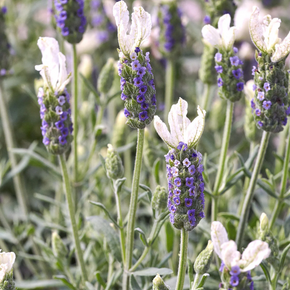
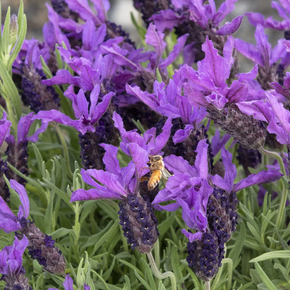
- Stunning deep rose-pink flag-like bracts crown compact purple flower heads all season long, creating a showy two-tone display unlike any other lavender in the garden.
- Early-blooming, vegetatively propagated selection with a naturally tidy, rounded mounding habit — little to no shaping needed for a polished, put-together look year after year.
- Exceptionally heat and drought tolerant once established, and notably more tolerant of cool, wet winters than most Spanish lavender varieties, making it a standout performer in Western climates.
- Irresistible to bees, butterflies, and other pollinators while being naturally deer resistant and virtually pest-free — beautiful, fragrant, and effortlessly low-maintenance.
Javelin Forte Deep Rose Spanish Lavender (Lavandula stoechas 'LABZ0006', PP #27,399) is a premium, vegetatively propagated selection that redefines what a lavender can look like in the garden. Part of the acclaimed Javelin Forte series, this standout cultivar produces a profusion of rounded, cone-shaped flower heads in rich deep purple, each dramatically crowned with large, upright rose-pink to magenta sterile bracts that flutter in the breeze like butterfly wings. The aromatic gray-green foliage forms a robust, rounded mound that delivers year-round evergreen structure in mild climates, while the early and long-lasting bloom season ensures months of eye-catching color. With a compact and tidy growth habit, superior heat and drought tolerance, and a heightened resilience to cold, wet winters compared to other Spanish lavenders, this cultivar is an exceptional choice for sunny borders, Mediterranean-style landscapes, low edging, mass plantings, and patio containers. Beloved by bees and butterflies and shunned by deer, Javelin Forte Deep Rose Spanish Lavender brings together spectacular ornamental beauty, captivating fragrance, and reliable low-maintenance performance in one extraordinary plant.
Plant Description
Javelin Forte Deep Rose Spanish Lavender is a woody, evergreen perennial subshrub belonging to the mint family (Lamiaceae). It is a vegetatively propagated cultivar of Lavandula stoechas, the species commonly known as Spanish lavender or butterfly lavender, native to the warm Mediterranean regions of Spain, Portugal, and southern France. What sets this variety apart from typical lavenders is its distinctive flower structure: rather than the long, slender spikes associated with English lavender, it produces compact, rounded to oval flower heads packed with small, deep purple florets, topped by four to six large, showy, rose-pink to magenta sterile bracts that stand upright and twist gently, earning the plant its "butterfly" nickname. The foliage is equally attractive — narrow, flat, gray-green leaves with a highly aromatic, camphor-rich lavender fragrance that perfumes the surrounding air. As part of the Javelin Forte series, this selection was bred specifically for superior flower size, stronger stem strength, a more uniform compact habit, and exceptional garden performance compared to older Spanish lavender varieties.
Mature Size
| Attribute | Measurement |
|---|---|
| Mature Height (foliage mound) | 12 to 18 inches |
| Mature Height (including flower spikes) | Up to 20 to 24 inches in bloom |
| Mature Width / Spread | 12 to 18 inches |
| Growth Habit | Rounded, upright mounding |
| Growth Rate | Medium |
Hardiness Zones and Climate
Javelin Forte Deep Rose Spanish Lavender is reliably winter hardy in USDA Hardiness Zones 7 through 10 when planted in the ground with well-draining soil. In Zone 7, it benefits from a sheltered, south-facing position and excellent drainage to survive the coldest periods. It is notably more tolerant of cold, wet winter conditions than many other Spanish lavender selections — a key advantage in the Pacific Northwest and the mild, wet winters of Southern Oregon and Northern California. In Zones 8 through 10, it performs as a true evergreen perennial. Gardeners in Zone 6 may succeed with this plant in containers that can be moved to a cool, bright indoor space during the coldest months. It thrives in climates that mirror its Mediterranean homeland: hot, dry summers and cool, moist winters with excellent drainage.
Sunlight Requirements
This lavender demands full sun for its best performance — a minimum of 6 hours of direct sunlight per day is required, and 8 or more hours is ideal. Abundant sunlight promotes the most prolific blooming, the strongest and most compact plant habit, and the richest foliage fragrance. In partial shade, plants tend to become lax and open, flowering is significantly reduced, and the stems may flop under the weight of the flower heads. In the garden, choose the sunniest spot available — south- or west-facing borders, open slopes, and unobstructed beds are all excellent placements. Avoid planting near large shrubs or structures that cast afternoon shade.
Soil and pH Preferences
Javelin Forte Deep Rose Spanish Lavender thrives in lean, loose, fast-draining soils and is well-suited to the gravelly, rocky, or sandy soils common in Southern Oregon and Northern California. Rich, heavily amended, or clay soils that retain moisture are its primary enemy, promoting root rot and reducing plant longevity. Ideal soil characteristics include:
- Excellent drainage — the single most critical factor for success
- Slightly alkaline to neutral pH, ideally between 7.0 and 8.0
- Lean fertility — overly fertile soil encourages floppy, soft growth at the expense of flowers
- Sandy, gravelly, or loamy textures
- Amended clay soils with coarse grit, perlite, or decomposed granite to dramatically improve drainage before planting
A top-dressing of pea gravel or crushed stone around the plant's base helps keep the crown dry, reflects heat, and mimics the plant's native rocky Mediterranean habitat.
Watering Guide
Proper watering is the key to long-term success with this plant. Follow these guidelines for best results:
- Newly planted: Water regularly and consistently during the first growing season to establish a deep root system. Allow the top inch of soil to dry between waterings — never let the plant sit in standing water.
- Established plants: Once roots are well established (typically after one full growing season), reduce watering frequency significantly. Deep, infrequent soakings are preferred over frequent shallow watering. Allow the soil to nearly dry out completely between waterings.
- Drought tolerance: Established plants have excellent drought tolerance and are well-suited to the dry summers of Southern Oregon and Northern California.
- Winter: Reduce watering further in winter. The greatest risk of plant loss comes from wet, waterlogged soil during cool weather, not from cold temperatures alone.
- Containers: Water when the potting mix is almost completely dry. Ensure the container has generous drainage holes and never leave it sitting in a saucer of water.
Fertilizing
Javelin Forte Deep Rose Spanish Lavender is a light feeder that actually performs best in lean soil conditions. Over-fertilizing, particularly with nitrogen-rich products, encourages excessive soft, lush vegetative growth that weakens the plant's naturally compact form, reduces flowering, and increases susceptibility to disease. Follow these guidelines:
- Apply a light dose of a balanced, low-nitrogen, slow-release fertilizer (such as a 5-10-10 formulation) once in early spring as new growth emerges.
- Skip fertilizing entirely if the plant is growing in moderately fertile garden soil and appears healthy and vigorous.
- Avoid fertilizing in late summer or fall, as this can stimulate tender new growth that is vulnerable to cold damage.
- For container-grown plants, a diluted liquid fertilizer applied once in spring and once in early summer is sufficient.
- Yellowing foliage in well-drained soil may indicate nutrient deficiency; a light feeding may help in this case.
Pruning and Maintenance
Regular light pruning keeps Javelin Forte Deep Rose Spanish Lavender shapely, encourages repeat blooming, and extends the plant's productive life significantly. Follow these pruning guidelines:
- After the main bloom flush: Deadhead spent flower heads promptly to tidy the plant and stimulate production of new flower buds. This can encourage additional flushes of color through summer.
- Light shaping: After the primary bloom period winds down, give the plant a gentle trim — cutting back by about one-third — to tighten the mound and promote bushy new growth.
- Spring clean-up: In early spring, wait until new growth is clearly visible before making any shaping cuts. Remove any winter-damaged or dead stem tips at this time.
- Avoid hard pruning: Never cut back into old, bare, woody stems. Spanish lavender does not regenerate readily from leafless old wood the way some other shrubs do. Always leave green foliage on the stems you are cutting.
- General maintenance: Remove any dead or crossing stems to improve air circulation. A gravel mulch around the base, rather than organic mulch, helps keep the crown dry and reduces disease risk.
Planting Instructions
- Choose a planting site with full sun (8+ hours per day) and very well-drained soil. Avoid low spots or areas where water collects after rain.
- If soil drainage is questionable, amend generously with coarse horticultural grit, perlite, or decomposed granite, or build a raised bed or mounded planting area.
- Dig a planting hole slightly wider than the root ball and no deeper. The top of the root ball should sit at or slightly above the surrounding soil grade to prevent crown rot.
- Gently loosen any circling roots before placing the plant in the hole.
- Backfill with the native soil (amended if necessary) and firm lightly around the roots.
- Apply a 1- to 2-inch layer of pea gravel or crushed stone around the base of the plant, keeping it away from direct contact with the stems. Avoid organic mulches like wood chips, which hold moisture against the crown.
- Water thoroughly at planting, then follow the watering guide for newly planted specimens.
- Space plants 18 to 24 inches apart for mass plantings or border use to allow for good air circulation as they fill in.
Seasonal Interest
| Season | What to Expect |
|---|---|
| Spring | One of the earliest lavenders to bloom; flower heads appear from mid-spring onward with vibrant rose-pink bracts and deep purple florets creating a stunning display |
| Summer | Continued blooming with additional flushes of flowers; deadheading encourages repeat color; aromatic gray-green foliage remains attractive through the heat |
| Fall | Foliage retains its silver-green color and fragrance; light trimming can prompt a final flush of late blooms in mild climates |
| Winter | Evergreen in Zones 8 to 10, providing year-round texture and structure in the garden; may show minor tip dieback in hard freezes but recovers quickly in spring |
Landscape Uses
Javelin Forte Deep Rose Spanish Lavender is a remarkably versatile landscape plant suited to a wide range of design applications:
- Sunny borders and beds: Use as a front- or mid-border plant for season-long color and fragrance in mixed perennial or Mediterranean-style plantings.
- Low edging and hedges: Plant in a row along pathways, driveways, or bed edges for a fragrant, tidy, low-growing hedge that requires minimal maintenance.
- Slope and bank planting: Excellent for erosion-prone, sunny slopes where its drought tolerance and preference for sharp drainage are assets.
- Rock gardens and gravel gardens: Thrives in the lean, gritty conditions of rock gardens, xeriscape designs, and gravel garden plantings.
- Mass plantings: Planted in drifts, it creates a dramatic sea of pink and purple with a wonderful fragrance that carries on the breeze.
- Container and patio gardening: Excellent in containers, window boxes, and patio pots — particularly near entryways where its fragrance can be enjoyed up close.
- Cottage and Mediterranean gardens: A natural fit for informal cottage-style plantings or structured Mediterranean and drought-tolerant garden designs.
- Pollinator gardens: An outstanding choice for dedicated pollinator and butterfly garden plantings.
Companion Plants
Javelin Forte Deep Rose Spanish Lavender pairs beautifully with other sun-loving, drought-tolerant plants that share its preference for lean, well-drained soils. Consider these companion plant combinations:
- Ornamental grasses: Mexican feather grass (Nassella tenuissima) or Blue Oat Grass (Helictotrichon sempervirens) add graceful movement and textural contrast alongside the lavender's bold flower heads.
- Salvia: Both ornamental salvias and culinary sage share the same cultural requirements and complement the lavender's color palette beautifully.
- Rosemary: A natural Mediterranean pairing with similar care needs, creating a cohesive, aromatic planting.
- Blanket Flower (Gaillardia): Warm-toned orange and red blooms provide vivid color contrast against the rose-pink bracts.
- Black-Eyed Susan (Rudbeckia): Bright yellow daisy-like flowers make a striking contrast with the lavender's cool pink and purple tones through midsummer.
- Catmint (Nepeta): Soft blue-purple mounds of catmint echo the lavender's color and cultural needs for a cohesive, low-water border.
- Cistus (Rock Rose): Drought-tolerant Mediterranean shrubs that thrive under the same conditions and extend the season of color.
- Yarrow (Achillea): Flat-topped flower clusters in gold, white, or red create excellent textural contrast with the upright lavender flower spikes.
Container Growing
Javelin Forte Deep Rose Spanish Lavender is an outstanding container plant, making it easy to enjoy its fragrance on patios, decks, and entryways and allowing gardeners in colder zones to overwinter the plant indoors. Follow these tips for container success:
- Choose a container that is 14 to 18 inches in diameter with multiple, large drainage holes. Terra cotta pots are ideal as they allow excess moisture to evaporate through the walls.
- Fill with a fast-draining potting mix — a blend of quality potting soil with added perlite and coarse grit, or a cactus/succulent potting mix, works extremely well.
- Place in the sunniest location available — a south- or west-facing spot is ideal.
- Water thoroughly when the top half of the potting mix has dried out; never allow the pot to sit in standing water.
- Apply a light, diluted balanced fertilizer once in spring and once in early summer. Do not over-fertilize.
- In Zone 7 and colder, move containers to a cool, bright, frost-free location (such as a garage with a window or an unheated sunroom) for the winter. Keep the soil nearly dry during this period.
- Refresh the top few inches of potting mix each spring and repot into a slightly larger container as needed every 2 to 3 years.
Wildlife Value and Deer Resistance
Javelin Forte Deep Rose Spanish Lavender is a top-tier plant for supporting pollinators and beneficial garden wildlife while deterring browsing animals:
- Bees: The nectar- and pollen-rich flowers are powerfully attractive to honey bees, native bumble bees, and a wide variety of solitary bee species. A blooming plant will hum with bee activity throughout the day.
- Butterflies: The large, showy bracts and rich nectar supply make this one of the best butterfly-attracting lavenders available, earning the species its common nickname "butterfly lavender."
- Other pollinators: Hoverflies, beneficial wasps, and other nectar-feeding insects are also frequent visitors.
- Deer resistance: The strongly aromatic foliage is naturally deer resistant. Deer typically avoid plants with potent essential oils, making this lavender an excellent choice for gardens in deer-prone areas of Southern Oregon and Northern California.
- Rabbit resistance: Similarly, rabbits tend to avoid aromatic herbs including lavender.
- Toxicity note: Lavender is generally considered to have low toxicity to humans. While the plant is widely used in cooking and aromatherapy, pets — particularly cats and dogs — may experience mild gastrointestinal upset if they consume plant material in quantity. As with all plants, keep an eye on pets that are inclined to chew garden plants.
Pests and Diseases
When grown in the correct conditions — particularly with excellent drainage and full sun — Javelin Forte Deep Rose Spanish Lavender is remarkably trouble-free. The most common issues are almost always related to excess moisture or poor drainage rather than pest pressure. Here is what to watch for:
- Root rot (Phytophthora, Pythium): The primary threat to lavender. Caused by overwatering, poorly drained soil, or planting too deeply. Ensure sharp drainage and avoid overhead irrigation to prevent this.
- Botrytis (gray mold): Can appear on flowers and foliage in cool, humid conditions with poor air circulation. Prune to improve airflow and avoid overhead watering.
- Aphids: Occasionally appear on new growth in spring. Typically a minor issue that resolves with a strong spray of water or a brief visit from beneficial predatory insects.
- Spider mites: May appear during hot, dry conditions, particularly on stressed or water-deprived plants. Adequate (but not excessive) watering reduces susceptibility.
- Whiteflies: An occasional pest, especially in humid conditions. Insecticidal soap spray is effective if populations become problematic.
- Crown and stem rot: Associated with mulching too closely to the stem with organic materials or planting the crown too deep. Use gravel mulch and ensure the crown sits at or above grade.
The best preventive strategy for all issues is choosing the right planting location with excellent drainage, full sun exposure, and good air movement around the plant.
- Stunning deep rose-pink flag-like bracts crown compact purple flower heads all season long, creating a showy two-tone display unlike any other lavender in the garden.
- Early-blooming, vegetatively propagated selection with a naturally tidy, rounded mounding habit — little to no shaping needed for a polished, put-together look year after year.
- Exceptionally heat and drought tolerant once established, and notably more tolerant of cool, wet winters than most Spanish lavender varieties, making it a standout performer in Western climates.
- Irresistible to bees, butterflies, and other pollinators while being naturally deer resistant and virtually pest-free — beautiful, fragrant, and effortlessly low-maintenance.
Javelin Forte Deep Rose Spanish Lavender (Lavandula stoechas 'LABZ0006', PP #27,399) is a premium, vegetatively propagated selection that redefines what a lavender can look like in the garden. Part of the acclaimed Javelin Forte series, this standout cultivar produces a profusion of rounded, cone-shaped flower heads in rich deep purple, each dramatically crowned with large, upright rose-pink to magenta sterile bracts that flutter in the breeze like butterfly wings. The aromatic gray-green foliage forms a robust, rounded mound that delivers year-round evergreen structure in mild climates, while the early and long-lasting bloom season ensures months of eye-catching color. With a compact and tidy growth habit, superior heat and drought tolerance, and a heightened resilience to cold, wet winters compared to other Spanish lavenders, this cultivar is an exceptional choice for sunny borders, Mediterranean-style landscapes, low edging, mass plantings, and patio containers. Beloved by bees and butterflies and shunned by deer, Javelin Forte Deep Rose Spanish Lavender brings together spectacular ornamental beauty, captivating fragrance, and reliable low-maintenance performance in one extraordinary plant.
Plant Description
Javelin Forte Deep Rose Spanish Lavender is a woody, evergreen perennial subshrub belonging to the mint family (Lamiaceae). It is a vegetatively propagated cultivar of Lavandula stoechas, the species commonly known as Spanish lavender or butterfly lavender, native to the warm Mediterranean regions of Spain, Portugal, and southern France. What sets this variety apart from typical lavenders is its distinctive flower structure: rather than the long, slender spikes associated with English lavender, it produces compact, rounded to oval flower heads packed with small, deep purple florets, topped by four to six large, showy, rose-pink to magenta sterile bracts that stand upright and twist gently, earning the plant its "butterfly" nickname. The foliage is equally attractive — narrow, flat, gray-green leaves with a highly aromatic, camphor-rich lavender fragrance that perfumes the surrounding air. As part of the Javelin Forte series, this selection was bred specifically for superior flower size, stronger stem strength, a more uniform compact habit, and exceptional garden performance compared to older Spanish lavender varieties.
Mature Size
| Attribute | Measurement |
|---|---|
| Mature Height (foliage mound) | 12 to 18 inches |
| Mature Height (including flower spikes) | Up to 20 to 24 inches in bloom |
| Mature Width / Spread | 12 to 18 inches |
| Growth Habit | Rounded, upright mounding |
| Growth Rate | Medium |
Hardiness Zones and Climate
Javelin Forte Deep Rose Spanish Lavender is reliably winter hardy in USDA Hardiness Zones 7 through 10 when planted in the ground with well-draining soil. In Zone 7, it benefits from a sheltered, south-facing position and excellent drainage to survive the coldest periods. It is notably more tolerant of cold, wet winter conditions than many other Spanish lavender selections — a key advantage in the Pacific Northwest and the mild, wet winters of Southern Oregon and Northern California. In Zones 8 through 10, it performs as a true evergreen perennial. Gardeners in Zone 6 may succeed with this plant in containers that can be moved to a cool, bright indoor space during the coldest months. It thrives in climates that mirror its Mediterranean homeland: hot, dry summers and cool, moist winters with excellent drainage.
Sunlight Requirements
This lavender demands full sun for its best performance — a minimum of 6 hours of direct sunlight per day is required, and 8 or more hours is ideal. Abundant sunlight promotes the most prolific blooming, the strongest and most compact plant habit, and the richest foliage fragrance. In partial shade, plants tend to become lax and open, flowering is significantly reduced, and the stems may flop under the weight of the flower heads. In the garden, choose the sunniest spot available — south- or west-facing borders, open slopes, and unobstructed beds are all excellent placements. Avoid planting near large shrubs or structures that cast afternoon shade.
Soil and pH Preferences
Javelin Forte Deep Rose Spanish Lavender thrives in lean, loose, fast-draining soils and is well-suited to the gravelly, rocky, or sandy soils common in Southern Oregon and Northern California. Rich, heavily amended, or clay soils that retain moisture are its primary enemy, promoting root rot and reducing plant longevity. Ideal soil characteristics include:
- Excellent drainage — the single most critical factor for success
- Slightly alkaline to neutral pH, ideally between 7.0 and 8.0
- Lean fertility — overly fertile soil encourages floppy, soft growth at the expense of flowers
- Sandy, gravelly, or loamy textures
- Amended clay soils with coarse grit, perlite, or decomposed granite to dramatically improve drainage before planting
A top-dressing of pea gravel or crushed stone around the plant's base helps keep the crown dry, reflects heat, and mimics the plant's native rocky Mediterranean habitat.
Watering Guide
Proper watering is the key to long-term success with this plant. Follow these guidelines for best results:
- Newly planted: Water regularly and consistently during the first growing season to establish a deep root system. Allow the top inch of soil to dry between waterings — never let the plant sit in standing water.
- Established plants: Once roots are well established (typically after one full growing season), reduce watering frequency significantly. Deep, infrequent soakings are preferred over frequent shallow watering. Allow the soil to nearly dry out completely between waterings.
- Drought tolerance: Established plants have excellent drought tolerance and are well-suited to the dry summers of Southern Oregon and Northern California.
- Winter: Reduce watering further in winter. The greatest risk of plant loss comes from wet, waterlogged soil during cool weather, not from cold temperatures alone.
- Containers: Water when the potting mix is almost completely dry. Ensure the container has generous drainage holes and never leave it sitting in a saucer of water.
Fertilizing
Javelin Forte Deep Rose Spanish Lavender is a light feeder that actually performs best in lean soil conditions. Over-fertilizing, particularly with nitrogen-rich products, encourages excessive soft, lush vegetative growth that weakens the plant's naturally compact form, reduces flowering, and increases susceptibility to disease. Follow these guidelines:
- Apply a light dose of a balanced, low-nitrogen, slow-release fertilizer (such as a 5-10-10 formulation) once in early spring as new growth emerges.
- Skip fertilizing entirely if the plant is growing in moderately fertile garden soil and appears healthy and vigorous.
- Avoid fertilizing in late summer or fall, as this can stimulate tender new growth that is vulnerable to cold damage.
- For container-grown plants, a diluted liquid fertilizer applied once in spring and once in early summer is sufficient.
- Yellowing foliage in well-drained soil may indicate nutrient deficiency; a light feeding may help in this case.
Pruning and Maintenance
Regular light pruning keeps Javelin Forte Deep Rose Spanish Lavender shapely, encourages repeat blooming, and extends the plant's productive life significantly. Follow these pruning guidelines:
- After the main bloom flush: Deadhead spent flower heads promptly to tidy the plant and stimulate production of new flower buds. This can encourage additional flushes of color through summer.
- Light shaping: After the primary bloom period winds down, give the plant a gentle trim — cutting back by about one-third — to tighten the mound and promote bushy new growth.
- Spring clean-up: In early spring, wait until new growth is clearly visible before making any shaping cuts. Remove any winter-damaged or dead stem tips at this time.
- Avoid hard pruning: Never cut back into old, bare, woody stems. Spanish lavender does not regenerate readily from leafless old wood the way some other shrubs do. Always leave green foliage on the stems you are cutting.
- General maintenance: Remove any dead or crossing stems to improve air circulation. A gravel mulch around the base, rather than organic mulch, helps keep the crown dry and reduces disease risk.
Planting Instructions
- Choose a planting site with full sun (8+ hours per day) and very well-drained soil. Avoid low spots or areas where water collects after rain.
- If soil drainage is questionable, amend generously with coarse horticultural grit, perlite, or decomposed granite, or build a raised bed or mounded planting area.
- Dig a planting hole slightly wider than the root ball and no deeper. The top of the root ball should sit at or slightly above the surrounding soil grade to prevent crown rot.
- Gently loosen any circling roots before placing the plant in the hole.
- Backfill with the native soil (amended if necessary) and firm lightly around the roots.
- Apply a 1- to 2-inch layer of pea gravel or crushed stone around the base of the plant, keeping it away from direct contact with the stems. Avoid organic mulches like wood chips, which hold moisture against the crown.
- Water thoroughly at planting, then follow the watering guide for newly planted specimens.
- Space plants 18 to 24 inches apart for mass plantings or border use to allow for good air circulation as they fill in.
Seasonal Interest
| Season | What to Expect |
|---|---|
| Spring | One of the earliest lavenders to bloom; flower heads appear from mid-spring onward with vibrant rose-pink bracts and deep purple florets creating a stunning display |
| Summer | Continued blooming with additional flushes of flowers; deadheading encourages repeat color; aromatic gray-green foliage remains attractive through the heat |
| Fall | Foliage retains its silver-green color and fragrance; light trimming can prompt a final flush of late blooms in mild climates |
| Winter | Evergreen in Zones 8 to 10, providing year-round texture and structure in the garden; may show minor tip dieback in hard freezes but recovers quickly in spring |
Landscape Uses
Javelin Forte Deep Rose Spanish Lavender is a remarkably versatile landscape plant suited to a wide range of design applications:
- Sunny borders and beds: Use as a front- or mid-border plant for season-long color and fragrance in mixed perennial or Mediterranean-style plantings.
- Low edging and hedges: Plant in a row along pathways, driveways, or bed edges for a fragrant, tidy, low-growing hedge that requires minimal maintenance.
- Slope and bank planting: Excellent for erosion-prone, sunny slopes where its drought tolerance and preference for sharp drainage are assets.
- Rock gardens and gravel gardens: Thrives in the lean, gritty conditions of rock gardens, xeriscape designs, and gravel garden plantings.
- Mass plantings: Planted in drifts, it creates a dramatic sea of pink and purple with a wonderful fragrance that carries on the breeze.
- Container and patio gardening: Excellent in containers, window boxes, and patio pots — particularly near entryways where its fragrance can be enjoyed up close.
- Cottage and Mediterranean gardens: A natural fit for informal cottage-style plantings or structured Mediterranean and drought-tolerant garden designs.
- Pollinator gardens: An outstanding choice for dedicated pollinator and butterfly garden plantings.
Companion Plants
Javelin Forte Deep Rose Spanish Lavender pairs beautifully with other sun-loving, drought-tolerant plants that share its preference for lean, well-drained soils. Consider these companion plant combinations:
- Ornamental grasses: Mexican feather grass (Nassella tenuissima) or Blue Oat Grass (Helictotrichon sempervirens) add graceful movement and textural contrast alongside the lavender's bold flower heads.
- Salvia: Both ornamental salvias and culinary sage share the same cultural requirements and complement the lavender's color palette beautifully.
- Rosemary: A natural Mediterranean pairing with similar care needs, creating a cohesive, aromatic planting.
- Blanket Flower (Gaillardia): Warm-toned orange and red blooms provide vivid color contrast against the rose-pink bracts.
- Black-Eyed Susan (Rudbeckia): Bright yellow daisy-like flowers make a striking contrast with the lavender's cool pink and purple tones through midsummer.
- Catmint (Nepeta): Soft blue-purple mounds of catmint echo the lavender's color and cultural needs for a cohesive, low-water border.
- Cistus (Rock Rose): Drought-tolerant Mediterranean shrubs that thrive under the same conditions and extend the season of color.
- Yarrow (Achillea): Flat-topped flower clusters in gold, white, or red create excellent textural contrast with the upright lavender flower spikes.
Container Growing
Javelin Forte Deep Rose Spanish Lavender is an outstanding container plant, making it easy to enjoy its fragrance on patios, decks, and entryways and allowing gardeners in colder zones to overwinter the plant indoors. Follow these tips for container success:
- Choose a container that is 14 to 18 inches in diameter with multiple, large drainage holes. Terra cotta pots are ideal as they allow excess moisture to evaporate through the walls.
- Fill with a fast-draining potting mix — a blend of quality potting soil with added perlite and coarse grit, or a cactus/succulent potting mix, works extremely well.
- Place in the sunniest location available — a south- or west-facing spot is ideal.
- Water thoroughly when the top half of the potting mix has dried out; never allow the pot to sit in standing water.
- Apply a light, diluted balanced fertilizer once in spring and once in early summer. Do not over-fertilize.
- In Zone 7 and colder, move containers to a cool, bright, frost-free location (such as a garage with a window or an unheated sunroom) for the winter. Keep the soil nearly dry during this period.
- Refresh the top few inches of potting mix each spring and repot into a slightly larger container as needed every 2 to 3 years.
Wildlife Value and Deer Resistance
Javelin Forte Deep Rose Spanish Lavender is a top-tier plant for supporting pollinators and beneficial garden wildlife while deterring browsing animals:
- Bees: The nectar- and pollen-rich flowers are powerfully attractive to honey bees, native bumble bees, and a wide variety of solitary bee species. A blooming plant will hum with bee activity throughout the day.
- Butterflies: The large, showy bracts and rich nectar supply make this one of the best butterfly-attracting lavenders available, earning the species its common nickname "butterfly lavender."
- Other pollinators: Hoverflies, beneficial wasps, and other nectar-feeding insects are also frequent visitors.
- Deer resistance: The strongly aromatic foliage is naturally deer resistant. Deer typically avoid plants with potent essential oils, making this lavender an excellent choice for gardens in deer-prone areas of Southern Oregon and Northern California.
- Rabbit resistance: Similarly, rabbits tend to avoid aromatic herbs including lavender.
- Toxicity note: Lavender is generally considered to have low toxicity to humans. While the plant is widely used in cooking and aromatherapy, pets — particularly cats and dogs — may experience mild gastrointestinal upset if they consume plant material in quantity. As with all plants, keep an eye on pets that are inclined to chew garden plants.
Pests and Diseases
When grown in the correct conditions — particularly with excellent drainage and full sun — Javelin Forte Deep Rose Spanish Lavender is remarkably trouble-free. The most common issues are almost always related to excess moisture or poor drainage rather than pest pressure. Here is what to watch for:
- Root rot (Phytophthora, Pythium): The primary threat to lavender. Caused by overwatering, poorly drained soil, or planting too deeply. Ensure sharp drainage and avoid overhead irrigation to prevent this.
- Botrytis (gray mold): Can appear on flowers and foliage in cool, humid conditions with poor air circulation. Prune to improve airflow and avoid overhead watering.
- Aphids: Occasionally appear on new growth in spring. Typically a minor issue that resolves with a strong spray of water or a brief visit from beneficial predatory insects.
- Spider mites: May appear during hot, dry conditions, particularly on stressed or water-deprived plants. Adequate (but not excessive) watering reduces susceptibility.
- Whiteflies: An occasional pest, especially in humid conditions. Insecticidal soap spray is effective if populations become problematic.
- Crown and stem rot: Associated with mulching too closely to the stem with organic materials or planting the crown too deep. Use gravel mulch and ensure the crown sits at or above grade.
The best preventive strategy for all issues is choosing the right planting location with excellent drainage, full sun exposure, and good air movement around the plant.