


Zoom the image with the mouse
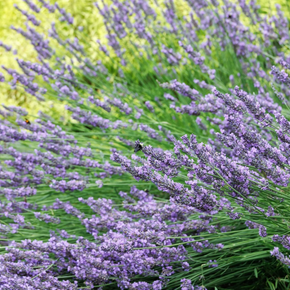
Phenomenal Lavender - 1 Gallon
SKU:
1933555
UPC:
014949427101
$14.99
- Exceptionally cold-hardy and heat-tolerant hybrid lavender that thrives with minimal winter dieback, outperforming most other lavender varieties across a wide range of climates
- Stunning silver-green mounds erupt in tall, richly fragrant violet-blue flower spikes from mid to late summer, with the possibility of a second flush into early fall
- Outstanding disease resistance to root rot and fungal problems, combined with strong drought tolerance once established, makes this one of the lowest-maintenance lavenders available
- Irresistible to bees and butterflies while naturally deer and rabbit resistant, making it a perfect choice for pollinator-friendly and wildlife gardens alike
Lavender Phenomenal (Lavandula x intermedia 'Niko', PP #24,193) is a patented lavandin hybrid that has set a new standard for performance in home and commercial landscapes. A cross between English lavender (Lavandula angustifolia) and Portuguese lavender (Lavandula latifolia), this vigorous evergreen perennial sub-shrub was specifically bred to combine the cold hardiness of English lavender with greatly improved heat, humidity, and disease tolerance. The result is a breathtaking mounded plant that forms a broad dome of aromatic, narrow silver-green foliage topped by bold, upright spikes of sweet-scented violet-blue flowers reaching up to 5 inches long. Blooming from mid-summer through late summer and often reblooming into early fall, Phenomenal delivers an extended season of color and fragrance that few other lavenders can match. Unlike many lavender varieties, its foliage does not die back over winter, maintaining year-round ornamental structure and silver-toned garden interest. Phenomenal lavender is exceptionally drought tolerant once established, thrives in lean, well-drained soils, and requires very little supplemental fertilization, making it ideal for water-wise and low-maintenance landscapes throughout Southern Oregon and Northern California. Whether planted in sweeping borders, as a fragrant low hedge, in herb and cottage gardens, in rock and gravel gardens, or in large containers on a sunny patio, Lavender Phenomenal brings timeless Mediterranean beauty, extraordinary resilience, and an intoxicating scent to every setting it graces.
Plant Description
Lavender Phenomenal is a patented evergreen perennial sub-shrub and one of the most impressive lavandin hybrids ever introduced. It forms a naturally symmetrical, softly mounded habit with an abundance of narrow, aromatic silver-green to gray-green leaves that remain attractive through all four seasons without the winter dieback typical of many other hardy lavender varieties. From mid to late summer, the plant produces a profusion of tall, strong flower stems, each topped with elongated spikes — up to 5 inches long — of densely packed, sweet-scented violet-blue flowers. The blooms are ornamentally stunning and intensely fragrant, making them as valuable for cutting and drying as they are in the landscape. A second flush of bloom is common in late summer to early fall, extending the plant's seasonal display. The aromatic foliage and flowers both contain high-quality essential oils that deliver the classic, calming lavender fragrance prized in aromatherapy, culinary arts, and crafts. This cultivar was bred and patented by Lloyd Traven in collaboration with Pleasant View Gardens and is sold under the trade name Phenomenal.
Mature Size
| Attribute | Measurement |
|---|---|
| Height (in bloom) | 24 - 36 inches |
| Spread | 24 - 36 inches |
| Habit | Upright, mounded, symmetrical |
| Growth Rate | Moderately fast |
| Recommended Spacing | 24 - 36 inches on center |
Phenomenal is considered a larger lavender variety, making it well-suited for bold borders, mass plantings, and low informal hedges. Its naturally symmetrical mounded form requires minimal shaping to look its best.
Hardiness and Climate Tolerance
| Attribute | Details |
|---|---|
| USDA Hardiness Zones | 5 - 9 |
| AHS Heat Zones | 5 - 8 |
| Cold Tolerance | Exceptional; survives winters in zones as cold as zone 5 with minimal winter dieback |
| Heat Tolerance | High; withstands prolonged summer heat better than most lavandin hybrids |
| Humidity Tolerance | Notable; one of the most humidity-tolerant lavenders available |
| Evergreen | Yes; foliage remains intact through winter without significant dieback |
For gardeners in Southern Oregon and Northern California, Phenomenal lavender is an outstanding choice as it thrives in the warm, dry summers and cool winters typical of the region. In colder pockets, a light mulch applied around the base in late fall can provide additional root insulation, though the plant's hardiness is well above what most local winters demand.
Sunlight Requirements
Lavender Phenomenal requires full sun to perform at its best. Provide a minimum of 6 to 8 hours of direct sunlight per day. In full sun conditions, the plant develops its densest mounds, most prolific blooms, and strongest fragrance. Locations with fewer than 6 hours of sun will result in reduced flowering, a more open and leggy growth habit, and increased susceptibility to moisture-related problems. When selecting a planting site, also consider good air circulation, which helps keep foliage dry and reduces any risk of fungal issues. South- or west-facing exposures in the garden are ideal.
Soil and pH Preferences
- Drainage: Excellent drainage is the single most critical requirement. Lavender Phenomenal will not tolerate wet or waterlogged soil, which rapidly leads to root rot.
- Soil Type: Performs best in sandy, loamy, chalky, or gravelly soils. It actively thrives in lean, low-fertility conditions and does not require rich organic soil.
- Soil pH: Prefers a slightly alkaline to neutral pH range of 6.5 to 7.5, though it can tolerate mildly acidic soils. If your soil is particularly acidic, work in a small amount of agricultural lime several weeks before planting.
- Amendments: In heavy clay soils, work coarse sand or fine gravel into the planting area to dramatically improve drainage. Raised beds or bermed planting areas are excellent options for problem soils.
- Avoid: Rich, heavily amended, or constantly moist soils — these conditions promote excessive leafy growth at the expense of flowers and can cause root rot.
Watering Guide
Proper watering is essential during the establishment phase and becomes much less critical once the plant is settled in. Follow these guidelines for best results:
- After Planting: Water thoroughly at planting time to eliminate air pockets around the roots and help the plant establish quickly.
- First Growing Season: Water regularly, allowing the top 1 to 2 inches of soil to dry out completely between waterings. Frequency will depend on temperature and soil type, but roughly every 7 to 10 days in warm weather is a reasonable starting point.
- Established Plants: Once established — typically after the first full growing season — Lavender Phenomenal is highly drought tolerant and requires only occasional deep watering during extended dry periods. Deep, infrequent watering is far preferable to frequent shallow watering.
- Overwatering: The leading cause of lavender failure. Symptoms include yellowing foliage, a wilted appearance despite moist soil, and soft or blackened stems at the base. Always err on the side of underwatering rather than overwatering.
- Irrigation Type: Drip irrigation at the root zone is preferred over overhead sprinklers, which can promote foliar fungal issues. Avoid wetting the foliage, particularly in the evening.
Fertilizing
Lavender Phenomenal is a naturally low-fertility plant and does not benefit from heavy feeding. In fact, over-fertilizing — especially with high-nitrogen products — produces lush, excessive leafy growth at the direct expense of flowers and fragrance, and can weaken the plant's overall structure.
- Frequency: Feed once in early spring as new growth begins.
- Product: Use a balanced, slow-release granular fertilizer low in nitrogen, such as a 5-10-10 or similar formula. Alternatively, a light top-dressing of compost in early spring provides mild, balanced nutrition.
- Avoid: High-nitrogen fertilizers, liquid fertilizers applied repeatedly through the growing season, and fertilizing in late summer or fall, which can stimulate tender new growth vulnerable to early frosts.
- Established Plants: Mature, well-established plants growing in average garden soil often require no fertilization at all and will perform beautifully without it.
Pruning and Maintenance
Consistent annual pruning is the key to maintaining a compact, long-lived Lavender Phenomenal plant. Without pruning, lavender gradually becomes woody, open, and less floriferous over time.
- Spring Pruning: Perform the primary pruning in early spring, just as new green growth begins to emerge from the base of the plant. Cut back the previous year's stems by roughly one-third to one-half, removing any dead or frost-damaged wood. Shape the plant into its characteristic mound.
- Post-Bloom Pruning: A light trim after the main summer bloom — before the end of September — removes spent flower stems, tidies the plant, and can encourage a second flush of blooms. Cut back into the green leafy growth but avoid cutting deeply into the woody, brown stems at the base, as this old wood does not readily regenerate.
- Deadheading: While not strictly necessary, removing spent flower spikes promptly keeps the plant looking tidy and may extend the bloom period.
- Winter Preparation: In zones 5 and 6, apply a light layer of breathable mulch (such as coarse gravel or pine bark) around the base of the plant in late fall to insulate roots. Do not cover the crown of the plant with mulch, as this can trap moisture and cause rot.
- Renovation: Very old, overly woody plants can be hard to rejuvenate. It is generally better to replace plants every 5 to 10 years than to attempt severe renovation pruning into old wood.
Planting Instructions
- Choose the Right Site: Select a location with full sun (6 to 8+ hours daily), excellent drainage, and good air circulation. South- or west-facing slopes or raised beds are ideal in heavier soils.
- Prepare the Soil: Loosen the planting area to a depth of 12 to 15 inches. If soil is heavy or poorly drained, work in generous amounts of coarse sand or fine gravel. Avoid adding large quantities of rich compost to the immediate planting hole.
- Adjust pH if Needed: If your soil pH is below 6.5, incorporate agricultural lime into the planting area several weeks before planting to raise the pH into the preferred range.
- Dig the Hole: Dig a hole slightly wider than the root ball and at the same depth. Lavender should never be planted deeper than it was growing in its nursery container.
- Plant and Backfill: Remove the plant from its container, gently loosen any circling roots, and set it in the hole. Backfill with the native soil, firming gently around the roots to eliminate air pockets.
- Water In: Water thoroughly immediately after planting to settle the soil around the roots.
- Mulch Lightly: Apply a thin layer (1 to 2 inches) of coarse gravel or bark mulch around the base — but not against the crown — to help conserve soil moisture and moderate soil temperature.
- Timing: Spring planting is ideal in most areas of Southern Oregon and Northern California, giving the plant a full growing season to establish before winter.
Seasonal Interest
| Season | Ornamental Interest |
|---|---|
| Spring | Fresh silver-green new foliage emerges vigorously; attractive mounded form returns quickly after pruning |
| Early Summer | Foliage mound fills out fully; flower buds begin to develop on long, upright stems |
| Mid to Late Summer | Peak bloom; abundant violet-blue flower spikes rise above silvery foliage and fill the garden with intense fragrance |
| Early Fall | Potential second flush of bloom; seed heads and remaining stems provide continued texture and interest |
| Winter | Evergreen silver-gray foliage mound remains intact and attractive; provides structure and subtle color in the winter garden |
Landscape Uses
- Mixed Borders: Excellent as a mid-border accent among roses, ornamental grasses, and perennials; the silver foliage serves as a calming foil for brighter flower colors.
- Informal Low Hedges: Plant in a row spaced 24 to 30 inches apart for a fragrant, low-maintenance seasonal hedge along paths, driveways, or garden perimeters.
- Mass Plantings: Spectacular when planted in large drifts on slopes or hillsides, creating a sweeping sea of purple in summer while controlling erosion with deep roots.
- Herb and Kitchen Gardens: A classic component of formal herb knot gardens; flowers and foliage are both edible and useful in the kitchen.
- Rock and Gravel Gardens: Thrives in dry, rocky conditions, making it ideal for Mediterranean-style, gravel, or xeriscape designs.
- Pollinator Gardens: A top-tier nectar plant for bees, butterflies, and other beneficial insects throughout the summer.
- Cut and Dried Flower Gardens: Long, sturdy stems hold up beautifully as fresh-cut flowers; dried stems and flower spikes retain their fragrance and color for months in arrangements, sachets, and wreaths.
- Container Gardens: Works beautifully in large, well-draining pots on sunny patios, decks, and entryways.
- Slope and Erosion Control: Deep root system and drought tolerance make it a practical and beautiful choice for stabilizing sunny slopes.
Companion Plants
Lavender Phenomenal's silver foliage, upright flower spikes, and Mediterranean temperament make it a versatile companion for many sun-loving plants. Consider pairing it with the following:
- Roses: The classic pairing — lavender's fragrance and pollinator appeal complement roses beautifully, and lavender's aromatic oils may help deter some rose pests.
- Echinacea (Coneflower): Bold, upright blooms in contrasting pink, purple, or orange tones combine dramatically with lavender's soft spikes.
- Ornamental Grasses (e.g., Mexican Feather Grass): Feathery, fine-textured grasses contrast elegantly with lavender's structured mound and flower spikes.
- Salvia: Fellow Mediterranean herbs with similar cultural needs; deep blue or purple salvias create a rich, harmonious color palette.
- Shasta Daisy (Leucanthemum): Bright white daisy flowers provide striking contrast against lavender's violet-blue spikes.
- Catmint (Nepeta): Shares lavender's silver-gray tones and purple-blue flower color, creating a soft, flowing cottage garden combination.
- Rosemary and Thyme: Fellow aromatic Mediterranean herbs with matching soil, water, and sun preferences; ideal companions in herb gardens and xeriscape designs.
- Lamb's Ear (Stachys byzantina): Silver, velvety foliage echoes lavender's silvery tones and creates a cohesive, textural border planting.
- Santolina: Another low-water, silver-foliaged Mediterranean sub-shrub that pairs naturally with lavender in dry, sunny plantings.
Culinary and Aromatic Uses
As a lavandin hybrid, Lavender Phenomenal produces an abundance of richly fragrant flowers and foliage with a wide range of practical uses beyond pure ornament:
- Culinary: Flowers can be used fresh or dried to flavor baked goods, teas, lemonades, lavender syrups, honey, salad dressings, and savory dishes such as roasted meats and vegetables. Use sparingly, as the flavor is potent. Note that lavandin types have a slightly more camphoraceous scent than English lavender, so use culinary quantities thoughtfully.
- Dried Bouquets and Arrangements: Cut stems just as flowers begin to open for the longest vase life. Hang upside down in small bundles in a cool, dry, well-ventilated space to dry. Dried lavender retains its color and fragrance for many months.
- Sachets and Potpourri: Dried flowers fill sachets for drawers, closets, and linens, providing long-lasting natural fragrance and a gentle moth-repelling effect.
- Aromatherapy: The essential oil of Lavandula x intermedia varieties is widely used in aromatherapy for its calming, stress-relieving properties.
- Wreaths and Crafts: Pliable fresh stems can be formed into wreaths and decorative shapes before drying in place.
- Essential Oil Production: Lavandin hybrids like Phenomenal produce high oil yields and are among the most widely grown lavenders for commercial essential oil distillation.
Pests and Diseases
Lavender Phenomenal is notably more resistant to pests and diseases than most other lavender varieties, but some issues can occasionally arise, particularly when plants are grown in improper conditions.
- Root Rot (Phytophthora and Pythium spp.): The most serious threat to lavender, caused by overwatering or poorly drained soil. Phenomenal has strong resistance to root rot compared to other varieties, but excellent drainage remains essential. Affected plants show wilting, yellowing, and blackening at the base. Prevention through proper siting and watering is the best approach.
- Lavender Shab (Phomopsis lavandula): A fungal disease causing sudden wilting and gray-brown dieback of individual stems. Good air circulation, proper pruning, and avoiding overhead irrigation reduce risk significantly.
- Alfalfa Mosaic Virus: Spread by aphids; causes mottled or distorted foliage. Control aphid populations promptly to prevent transmission.
- Aphids: Can cluster on new growth and flower buds. A strong blast of water or application of insecticidal soap is usually sufficient to control minor infestations.
- Whiteflies and Leafhoppers: Occasional visitors; insecticidal soap or neem oil sprays are effective when populations are high.
- Spittlebugs: Produce frothy white masses on stems; rarely cause serious damage. Remove by hand or with a water spray.
- Spider Mites: More likely during hot, dry periods. Improve air circulation and apply a forceful water spray or insecticidal soap if detected.
- General Note: The strong aromatic oils in lavender foliage naturally deter many common garden pests, and Phenomenal's robust constitution makes it one of the most problem-free lavenders available.
Wildlife Value
- Bees: Lavender Phenomenal is an exceptional nectar and pollen source for honey bees, bumble bees, and native solitary bees. During peak bloom, plants are alive with bee activity throughout the day.
- Butterflies: A wide variety of butterfly species, including swallowtails, skippers, and painted ladies, are strongly attracted to the flower spikes.
- Other Beneficial Insects: Hoverflies, beneficial wasps, and other pollinating insects visit the blooms regularly, supporting a healthy garden ecosystem.
- Deer Resistant: The strong aromatic oils in the foliage and stems make Lavender Phenomenal highly unappealing to deer, making it an excellent choice for gardens in deer-prone areas throughout Southern Oregon and Northern California.
- Rabbit Resistant: Similarly, the intense fragrance deters rabbits from browsing on the plant.
- Not Attractive to: Most destructive chewing insects and browsing mammals, making it a naturally resilient choice for wildlife-adjacent gardens.
Container Growing
Lavender Phenomenal adapts well to container culture when its key requirements — abundant sun and excellent drainage — are met.
- Container Size: Choose a large container, at least 12 to 16 inches in diameter, to accommodate the mature root system and reduce the frequency of watering needed. Unglazed terracotta pots are ideal, as they allow excess moisture to evaporate through the walls.
- Potting Mix: Use a fast-draining potting mix blended with 25 to 30% coarse perlite or coarse sand. Standard moisture-retentive potting mixes alone hold too much water for lavender.
- Drainage: Ensure the container has at least one large drainage hole. Never allow the pot to sit in standing water.
- Watering in Containers: Containers dry out faster than garden soil. Check the top 2 inches of the potting mix regularly and water when dry. Reduce watering frequency significantly in fall and winter.
- Fertilizing: Container-grown plants benefit from a light application of a low-nitrogen slow-release granular fertilizer in early spring, as nutrients leach from pots more quickly than from garden soil.
- Winter Care: In zones 7 and above (including most of Southern Oregon and Northern California), container lavender can remain outdoors year-round in a sheltered, sunny location. In colder spots, move pots against a south-facing wall or into an unheated garage or shed during the coldest months.
- Repotting: Repot into a slightly larger container every 2 to 3 years, or when roots begin to circle heavily at the bottom of the pot.
- Exceptionally cold-hardy and heat-tolerant hybrid lavender that thrives with minimal winter dieback, outperforming most other lavender varieties across a wide range of climates
- Stunning silver-green mounds erupt in tall, richly fragrant violet-blue flower spikes from mid to late summer, with the possibility of a second flush into early fall
- Outstanding disease resistance to root rot and fungal problems, combined with strong drought tolerance once established, makes this one of the lowest-maintenance lavenders available
- Irresistible to bees and butterflies while naturally deer and rabbit resistant, making it a perfect choice for pollinator-friendly and wildlife gardens alike
Lavender Phenomenal (Lavandula x intermedia 'Niko', PP #24,193) is a patented lavandin hybrid that has set a new standard for performance in home and commercial landscapes. A cross between English lavender (Lavandula angustifolia) and Portuguese lavender (Lavandula latifolia), this vigorous evergreen perennial sub-shrub was specifically bred to combine the cold hardiness of English lavender with greatly improved heat, humidity, and disease tolerance. The result is a breathtaking mounded plant that forms a broad dome of aromatic, narrow silver-green foliage topped by bold, upright spikes of sweet-scented violet-blue flowers reaching up to 5 inches long. Blooming from mid-summer through late summer and often reblooming into early fall, Phenomenal delivers an extended season of color and fragrance that few other lavenders can match. Unlike many lavender varieties, its foliage does not die back over winter, maintaining year-round ornamental structure and silver-toned garden interest. Phenomenal lavender is exceptionally drought tolerant once established, thrives in lean, well-drained soils, and requires very little supplemental fertilization, making it ideal for water-wise and low-maintenance landscapes throughout Southern Oregon and Northern California. Whether planted in sweeping borders, as a fragrant low hedge, in herb and cottage gardens, in rock and gravel gardens, or in large containers on a sunny patio, Lavender Phenomenal brings timeless Mediterranean beauty, extraordinary resilience, and an intoxicating scent to every setting it graces.
Plant Description
Lavender Phenomenal is a patented evergreen perennial sub-shrub and one of the most impressive lavandin hybrids ever introduced. It forms a naturally symmetrical, softly mounded habit with an abundance of narrow, aromatic silver-green to gray-green leaves that remain attractive through all four seasons without the winter dieback typical of many other hardy lavender varieties. From mid to late summer, the plant produces a profusion of tall, strong flower stems, each topped with elongated spikes — up to 5 inches long — of densely packed, sweet-scented violet-blue flowers. The blooms are ornamentally stunning and intensely fragrant, making them as valuable for cutting and drying as they are in the landscape. A second flush of bloom is common in late summer to early fall, extending the plant's seasonal display. The aromatic foliage and flowers both contain high-quality essential oils that deliver the classic, calming lavender fragrance prized in aromatherapy, culinary arts, and crafts. This cultivar was bred and patented by Lloyd Traven in collaboration with Pleasant View Gardens and is sold under the trade name Phenomenal.
Mature Size
| Attribute | Measurement |
|---|---|
| Height (in bloom) | 24 - 36 inches |
| Spread | 24 - 36 inches |
| Habit | Upright, mounded, symmetrical |
| Growth Rate | Moderately fast |
| Recommended Spacing | 24 - 36 inches on center |
Phenomenal is considered a larger lavender variety, making it well-suited for bold borders, mass plantings, and low informal hedges. Its naturally symmetrical mounded form requires minimal shaping to look its best.
Hardiness and Climate Tolerance
| Attribute | Details |
|---|---|
| USDA Hardiness Zones | 5 - 9 |
| AHS Heat Zones | 5 - 8 |
| Cold Tolerance | Exceptional; survives winters in zones as cold as zone 5 with minimal winter dieback |
| Heat Tolerance | High; withstands prolonged summer heat better than most lavandin hybrids |
| Humidity Tolerance | Notable; one of the most humidity-tolerant lavenders available |
| Evergreen | Yes; foliage remains intact through winter without significant dieback |
For gardeners in Southern Oregon and Northern California, Phenomenal lavender is an outstanding choice as it thrives in the warm, dry summers and cool winters typical of the region. In colder pockets, a light mulch applied around the base in late fall can provide additional root insulation, though the plant's hardiness is well above what most local winters demand.
Sunlight Requirements
Lavender Phenomenal requires full sun to perform at its best. Provide a minimum of 6 to 8 hours of direct sunlight per day. In full sun conditions, the plant develops its densest mounds, most prolific blooms, and strongest fragrance. Locations with fewer than 6 hours of sun will result in reduced flowering, a more open and leggy growth habit, and increased susceptibility to moisture-related problems. When selecting a planting site, also consider good air circulation, which helps keep foliage dry and reduces any risk of fungal issues. South- or west-facing exposures in the garden are ideal.
Soil and pH Preferences
- Drainage: Excellent drainage is the single most critical requirement. Lavender Phenomenal will not tolerate wet or waterlogged soil, which rapidly leads to root rot.
- Soil Type: Performs best in sandy, loamy, chalky, or gravelly soils. It actively thrives in lean, low-fertility conditions and does not require rich organic soil.
- Soil pH: Prefers a slightly alkaline to neutral pH range of 6.5 to 7.5, though it can tolerate mildly acidic soils. If your soil is particularly acidic, work in a small amount of agricultural lime several weeks before planting.
- Amendments: In heavy clay soils, work coarse sand or fine gravel into the planting area to dramatically improve drainage. Raised beds or bermed planting areas are excellent options for problem soils.
- Avoid: Rich, heavily amended, or constantly moist soils — these conditions promote excessive leafy growth at the expense of flowers and can cause root rot.
Watering Guide
Proper watering is essential during the establishment phase and becomes much less critical once the plant is settled in. Follow these guidelines for best results:
- After Planting: Water thoroughly at planting time to eliminate air pockets around the roots and help the plant establish quickly.
- First Growing Season: Water regularly, allowing the top 1 to 2 inches of soil to dry out completely between waterings. Frequency will depend on temperature and soil type, but roughly every 7 to 10 days in warm weather is a reasonable starting point.
- Established Plants: Once established — typically after the first full growing season — Lavender Phenomenal is highly drought tolerant and requires only occasional deep watering during extended dry periods. Deep, infrequent watering is far preferable to frequent shallow watering.
- Overwatering: The leading cause of lavender failure. Symptoms include yellowing foliage, a wilted appearance despite moist soil, and soft or blackened stems at the base. Always err on the side of underwatering rather than overwatering.
- Irrigation Type: Drip irrigation at the root zone is preferred over overhead sprinklers, which can promote foliar fungal issues. Avoid wetting the foliage, particularly in the evening.
Fertilizing
Lavender Phenomenal is a naturally low-fertility plant and does not benefit from heavy feeding. In fact, over-fertilizing — especially with high-nitrogen products — produces lush, excessive leafy growth at the direct expense of flowers and fragrance, and can weaken the plant's overall structure.
- Frequency: Feed once in early spring as new growth begins.
- Product: Use a balanced, slow-release granular fertilizer low in nitrogen, such as a 5-10-10 or similar formula. Alternatively, a light top-dressing of compost in early spring provides mild, balanced nutrition.
- Avoid: High-nitrogen fertilizers, liquid fertilizers applied repeatedly through the growing season, and fertilizing in late summer or fall, which can stimulate tender new growth vulnerable to early frosts.
- Established Plants: Mature, well-established plants growing in average garden soil often require no fertilization at all and will perform beautifully without it.
Pruning and Maintenance
Consistent annual pruning is the key to maintaining a compact, long-lived Lavender Phenomenal plant. Without pruning, lavender gradually becomes woody, open, and less floriferous over time.
- Spring Pruning: Perform the primary pruning in early spring, just as new green growth begins to emerge from the base of the plant. Cut back the previous year's stems by roughly one-third to one-half, removing any dead or frost-damaged wood. Shape the plant into its characteristic mound.
- Post-Bloom Pruning: A light trim after the main summer bloom — before the end of September — removes spent flower stems, tidies the plant, and can encourage a second flush of blooms. Cut back into the green leafy growth but avoid cutting deeply into the woody, brown stems at the base, as this old wood does not readily regenerate.
- Deadheading: While not strictly necessary, removing spent flower spikes promptly keeps the plant looking tidy and may extend the bloom period.
- Winter Preparation: In zones 5 and 6, apply a light layer of breathable mulch (such as coarse gravel or pine bark) around the base of the plant in late fall to insulate roots. Do not cover the crown of the plant with mulch, as this can trap moisture and cause rot.
- Renovation: Very old, overly woody plants can be hard to rejuvenate. It is generally better to replace plants every 5 to 10 years than to attempt severe renovation pruning into old wood.
Planting Instructions
- Choose the Right Site: Select a location with full sun (6 to 8+ hours daily), excellent drainage, and good air circulation. South- or west-facing slopes or raised beds are ideal in heavier soils.
- Prepare the Soil: Loosen the planting area to a depth of 12 to 15 inches. If soil is heavy or poorly drained, work in generous amounts of coarse sand or fine gravel. Avoid adding large quantities of rich compost to the immediate planting hole.
- Adjust pH if Needed: If your soil pH is below 6.5, incorporate agricultural lime into the planting area several weeks before planting to raise the pH into the preferred range.
- Dig the Hole: Dig a hole slightly wider than the root ball and at the same depth. Lavender should never be planted deeper than it was growing in its nursery container.
- Plant and Backfill: Remove the plant from its container, gently loosen any circling roots, and set it in the hole. Backfill with the native soil, firming gently around the roots to eliminate air pockets.
- Water In: Water thoroughly immediately after planting to settle the soil around the roots.
- Mulch Lightly: Apply a thin layer (1 to 2 inches) of coarse gravel or bark mulch around the base — but not against the crown — to help conserve soil moisture and moderate soil temperature.
- Timing: Spring planting is ideal in most areas of Southern Oregon and Northern California, giving the plant a full growing season to establish before winter.
Seasonal Interest
| Season | Ornamental Interest |
|---|---|
| Spring | Fresh silver-green new foliage emerges vigorously; attractive mounded form returns quickly after pruning |
| Early Summer | Foliage mound fills out fully; flower buds begin to develop on long, upright stems |
| Mid to Late Summer | Peak bloom; abundant violet-blue flower spikes rise above silvery foliage and fill the garden with intense fragrance |
| Early Fall | Potential second flush of bloom; seed heads and remaining stems provide continued texture and interest |
| Winter | Evergreen silver-gray foliage mound remains intact and attractive; provides structure and subtle color in the winter garden |
Landscape Uses
- Mixed Borders: Excellent as a mid-border accent among roses, ornamental grasses, and perennials; the silver foliage serves as a calming foil for brighter flower colors.
- Informal Low Hedges: Plant in a row spaced 24 to 30 inches apart for a fragrant, low-maintenance seasonal hedge along paths, driveways, or garden perimeters.
- Mass Plantings: Spectacular when planted in large drifts on slopes or hillsides, creating a sweeping sea of purple in summer while controlling erosion with deep roots.
- Herb and Kitchen Gardens: A classic component of formal herb knot gardens; flowers and foliage are both edible and useful in the kitchen.
- Rock and Gravel Gardens: Thrives in dry, rocky conditions, making it ideal for Mediterranean-style, gravel, or xeriscape designs.
- Pollinator Gardens: A top-tier nectar plant for bees, butterflies, and other beneficial insects throughout the summer.
- Cut and Dried Flower Gardens: Long, sturdy stems hold up beautifully as fresh-cut flowers; dried stems and flower spikes retain their fragrance and color for months in arrangements, sachets, and wreaths.
- Container Gardens: Works beautifully in large, well-draining pots on sunny patios, decks, and entryways.
- Slope and Erosion Control: Deep root system and drought tolerance make it a practical and beautiful choice for stabilizing sunny slopes.
Companion Plants
Lavender Phenomenal's silver foliage, upright flower spikes, and Mediterranean temperament make it a versatile companion for many sun-loving plants. Consider pairing it with the following:
- Roses: The classic pairing — lavender's fragrance and pollinator appeal complement roses beautifully, and lavender's aromatic oils may help deter some rose pests.
- Echinacea (Coneflower): Bold, upright blooms in contrasting pink, purple, or orange tones combine dramatically with lavender's soft spikes.
- Ornamental Grasses (e.g., Mexican Feather Grass): Feathery, fine-textured grasses contrast elegantly with lavender's structured mound and flower spikes.
- Salvia: Fellow Mediterranean herbs with similar cultural needs; deep blue or purple salvias create a rich, harmonious color palette.
- Shasta Daisy (Leucanthemum): Bright white daisy flowers provide striking contrast against lavender's violet-blue spikes.
- Catmint (Nepeta): Shares lavender's silver-gray tones and purple-blue flower color, creating a soft, flowing cottage garden combination.
- Rosemary and Thyme: Fellow aromatic Mediterranean herbs with matching soil, water, and sun preferences; ideal companions in herb gardens and xeriscape designs.
- Lamb's Ear (Stachys byzantina): Silver, velvety foliage echoes lavender's silvery tones and creates a cohesive, textural border planting.
- Santolina: Another low-water, silver-foliaged Mediterranean sub-shrub that pairs naturally with lavender in dry, sunny plantings.
Culinary and Aromatic Uses
As a lavandin hybrid, Lavender Phenomenal produces an abundance of richly fragrant flowers and foliage with a wide range of practical uses beyond pure ornament:
- Culinary: Flowers can be used fresh or dried to flavor baked goods, teas, lemonades, lavender syrups, honey, salad dressings, and savory dishes such as roasted meats and vegetables. Use sparingly, as the flavor is potent. Note that lavandin types have a slightly more camphoraceous scent than English lavender, so use culinary quantities thoughtfully.
- Dried Bouquets and Arrangements: Cut stems just as flowers begin to open for the longest vase life. Hang upside down in small bundles in a cool, dry, well-ventilated space to dry. Dried lavender retains its color and fragrance for many months.
- Sachets and Potpourri: Dried flowers fill sachets for drawers, closets, and linens, providing long-lasting natural fragrance and a gentle moth-repelling effect.
- Aromatherapy: The essential oil of Lavandula x intermedia varieties is widely used in aromatherapy for its calming, stress-relieving properties.
- Wreaths and Crafts: Pliable fresh stems can be formed into wreaths and decorative shapes before drying in place.
- Essential Oil Production: Lavandin hybrids like Phenomenal produce high oil yields and are among the most widely grown lavenders for commercial essential oil distillation.
Pests and Diseases
Lavender Phenomenal is notably more resistant to pests and diseases than most other lavender varieties, but some issues can occasionally arise, particularly when plants are grown in improper conditions.
- Root Rot (Phytophthora and Pythium spp.): The most serious threat to lavender, caused by overwatering or poorly drained soil. Phenomenal has strong resistance to root rot compared to other varieties, but excellent drainage remains essential. Affected plants show wilting, yellowing, and blackening at the base. Prevention through proper siting and watering is the best approach.
- Lavender Shab (Phomopsis lavandula): A fungal disease causing sudden wilting and gray-brown dieback of individual stems. Good air circulation, proper pruning, and avoiding overhead irrigation reduce risk significantly.
- Alfalfa Mosaic Virus: Spread by aphids; causes mottled or distorted foliage. Control aphid populations promptly to prevent transmission.
- Aphids: Can cluster on new growth and flower buds. A strong blast of water or application of insecticidal soap is usually sufficient to control minor infestations.
- Whiteflies and Leafhoppers: Occasional visitors; insecticidal soap or neem oil sprays are effective when populations are high.
- Spittlebugs: Produce frothy white masses on stems; rarely cause serious damage. Remove by hand or with a water spray.
- Spider Mites: More likely during hot, dry periods. Improve air circulation and apply a forceful water spray or insecticidal soap if detected.
- General Note: The strong aromatic oils in lavender foliage naturally deter many common garden pests, and Phenomenal's robust constitution makes it one of the most problem-free lavenders available.
Wildlife Value
- Bees: Lavender Phenomenal is an exceptional nectar and pollen source for honey bees, bumble bees, and native solitary bees. During peak bloom, plants are alive with bee activity throughout the day.
- Butterflies: A wide variety of butterfly species, including swallowtails, skippers, and painted ladies, are strongly attracted to the flower spikes.
- Other Beneficial Insects: Hoverflies, beneficial wasps, and other pollinating insects visit the blooms regularly, supporting a healthy garden ecosystem.
- Deer Resistant: The strong aromatic oils in the foliage and stems make Lavender Phenomenal highly unappealing to deer, making it an excellent choice for gardens in deer-prone areas throughout Southern Oregon and Northern California.
- Rabbit Resistant: Similarly, the intense fragrance deters rabbits from browsing on the plant.
- Not Attractive to: Most destructive chewing insects and browsing mammals, making it a naturally resilient choice for wildlife-adjacent gardens.
Container Growing
Lavender Phenomenal adapts well to container culture when its key requirements — abundant sun and excellent drainage — are met.
- Container Size: Choose a large container, at least 12 to 16 inches in diameter, to accommodate the mature root system and reduce the frequency of watering needed. Unglazed terracotta pots are ideal, as they allow excess moisture to evaporate through the walls.
- Potting Mix: Use a fast-draining potting mix blended with 25 to 30% coarse perlite or coarse sand. Standard moisture-retentive potting mixes alone hold too much water for lavender.
- Drainage: Ensure the container has at least one large drainage hole. Never allow the pot to sit in standing water.
- Watering in Containers: Containers dry out faster than garden soil. Check the top 2 inches of the potting mix regularly and water when dry. Reduce watering frequency significantly in fall and winter.
- Fertilizing: Container-grown plants benefit from a light application of a low-nitrogen slow-release granular fertilizer in early spring, as nutrients leach from pots more quickly than from garden soil.
- Winter Care: In zones 7 and above (including most of Southern Oregon and Northern California), container lavender can remain outdoors year-round in a sheltered, sunny location. In colder spots, move pots against a south-facing wall or into an unheated garage or shed during the coldest months.
- Repotting: Repot into a slightly larger container every 2 to 3 years, or when roots begin to circle heavily at the bottom of the pot.
Related Products


