

Zoom the image with the mouse
Garden Candy Double Bubble Pink Itoh Peony - 5 Gallon
SKU:
2138305
UPC:
014949005323
$108.99
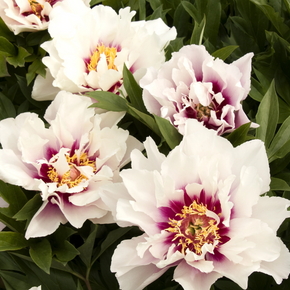
- Lavish, fully double bubblegum-pink blooms open in late spring and age to a softer, multi-toned blush-pink, delivering up to 3-4 weeks of fragrant, lollipop-like flowers on every mature plant
- Intersectional Itoh hybrid combining the vigor and cold hardiness of herbaceous peonies with the deeply lobed, mildew-resistant foliage and stiff, self-supporting stems of tree peonies - no staking needed
- Exceptionally long-lived, deer- and rabbit-resistant perennial that dies back to the ground each fall and re-emerges in spring, growing fuller and more prolific with every passing year
- Compact, tidy mounded habit reaching 2-3 ft. tall and wide makes it perfectly suited for perennial borders, cottage gardens, foundation plantings, and as a show-stopping cut flower
The Garden Candy Double Bubble Pink Itoh Peony (Paeonia x Itoh 'Smithopus3', PP #37,005) is a landmark intersectional hybrid that delivers the most coveted qualities of both its herbaceous and tree peony parents in one spectacular, low-maintenance perennial. Bred by research physicist and peony hybridizer Donald Smith, this extraordinary variety produces densely layered, fully double blooms packed with gently undulating petals that open in a vibrant bubblegum pink before softening to a romantic multi-toned blush infused with warm golden hues as the season progresses. Each fragrant flower is held close to the deeply cut, rich olive-green foliage on thick, sturdy stems that never flop or require support - a hallmark of the Itoh breeding program first pioneered by Japanese grower Toichi Itoh in 1948. Mature plants can produce 50 or more blooms per season, putting on a spectacular show from late spring into early summer that is unmatched among traditional herbaceous peonies. Plants form a neat, rounded mound 2-3 ft. tall and 2-3 ft. wide, remain attractive and disease-resistant throughout the entire growing season thanks to their handsome tree-peony-type foliage, then die back to the ground each autumn exactly like an herbaceous perennial - making them easy to manage and infinitely cold-hardy in USDA Zones 3-8. Whether planted as a bold focal point in a perennial border, massed along a pathway, showcased in a cottage garden, or harvested for long-lasting cut flower arrangements, Double Bubble Pink is a generational garden investment that rewards patient gardeners with ever-more-magnificent blooms for decades to come.
Plant Description
Garden Candy Double Bubble Pink is an Itoh (intersectional) peony, a class of hybrid created by crossing herbaceous garden peonies (Paeonia lactiflora) with tree peonies (Paeonia suffruticosa). The result is a vigorous herbaceous perennial that combines the most desirable traits of both parent species. The blooms are fully double and extraordinarily lush, with generously layered, gently ruffled petals that open in a vivid bubblegum-pink and age gracefully to a softer, multi-toned blush infused with warm creamy-yellow at the center. Flowers carry a pleasant, light fragrance and are nestled close to the foliage, creating a full, compact presentation. The foliage itself takes after the tree peony parent - deeply lobed, pointy, and rich olive-green - and emerges in spring with a striking reddish-bronze flush before transitioning to green. This foliage remains attractive, clean, and mildew-resistant all season long, providing structural interest in the garden even when blooms are not present. The plant forms a tidy, rounded mound and dies back completely to the ground in autumn, re-emerging from its woody crown buds (called "eyes") each spring.
Mature Size and Growth Habit
| Characteristic | Detail |
|---|---|
| Mature Height | 2-3 ft. (24-36 in.) |
| Mature Spread | 2-3 ft. (24-30 in.) |
| Growth Rate | Moderate |
| Growth Habit | Compact, rounded mound |
| Recommended Spacing | 24-30 in. apart |
| Plant Type | Herbaceous perennial (dies back to ground in fall) |
| Stem Habit | Stiff, upright, self-supporting - no staking required |
Double Bubble Pink forms one of the most compact and tidy mounds among Itoh peonies, making it an excellent choice for smaller garden spaces, front-of-border placements, and tight foundation plantings where a larger specimen would be overwhelming. It grows steadily fuller and more floriferous with each passing year, and established plants of 5-7+ years of age can produce more than 50 blooms per season.
Hardiness Zones and Climate
Double Bubble Pink is rated for USDA Hardiness Zones 3-8 (hardy down to approximately -30 degrees F), making it one of the most cold-tolerant ornamental peonies available. Unlike tree peonies, whose woody canes can be damaged by harsh winter cold, the Itoh hybrid dies back to the ground each autumn and overwinters safely as a dormant crown, just like a traditional herbaceous peony. This trait allows it to thrive reliably across a very wide range of climates from the coldest northern gardens through the warm inland valleys of the Pacific Coast. In warmer climates at the edge of Zone 8, afternoon shade and consistent moisture help extend performance. It does require a period of winter chilling to cycle through proper dormancy and produce its best spring bloom. In the Pacific Northwest and throughout Southern Oregon and Northern California, Double Bubble Pink performs exceptionally well in the local climate, appreciating the cool winters and warm, dry summers.
Sunlight Requirements
Double Bubble Pink thrives in full sun, defined as a minimum of 6 hours of direct sunlight per day. Full sun promotes the strongest stem development, the most abundant bud set, and the richest flower color. In hotter inland climates, a location that receives morning sun with light afternoon shade can help protect blooms from fading and extend their vase life on the plant. Too much shade - particularly in cool, humid conditions - will result in weaker stems, fewer flowers, and increased susceptibility to fungal diseases such as botrytis. When selecting a planting site, also ensure good air circulation around the plant, as stagnant, humid air around dense foliage can promote disease. Avoid planting near large trees or shrubs that compete aggressively for water and nutrients.
Soil and pH Preferences
Peonies are heavy feeders that perform best in rich, fertile, well-drained soil. Double Bubble Pink prefers a loamy soil generously amended with organic matter such as compost or well-aged manure. Good drainage is essential - roots sitting in waterlogged soil are highly prone to crown rot, which is one of the most common causes of peony failure. In heavy clay soils, improve drainage by incorporating compost and coarse grit, or plant in a slightly raised bed. Sandy soils benefit from significant organic matter additions to improve moisture and nutrient retention. The ideal soil pH range is 6.0-7.0 (slightly acidic to neutral). Avoid highly alkaline soils, which can lock out key nutrients. A soil test before planting is always worthwhile to determine any needed amendments.
Planting Instructions
- Select a location with at least 6 hours of full sun, good air circulation, and well-drained soil. Avoid low spots where water collects.
- Dig a hole approximately twice the width of the root ball and deep enough so that the crown of the plant (where the stems meet the roots) sits no more than 1-2 inches below the finished soil surface. Planting too deep is the single most common reason peonies fail to bloom.
- Amend the native soil generously with compost. Mix a balanced slow-release fertilizer or bone meal into the backfill soil.
- Set the plant in the hole and backfill with the amended soil, firming gently around the roots to eliminate air pockets.
- Water thoroughly after planting to settle the soil.
- Apply a 2-3 inch layer of organic mulch such as shredded bark or compost around the base of the plant, keeping mulch a few inches away from the crown to prevent rot and disease.
- The best planting times are fall (September-October) or spring. Fall planting gives roots time to establish before winter and often results in stronger first-year growth.
- Space plants 24-30 inches apart to allow for mature spread and good air circulation.
Watering Guide
During the first two growing seasons after planting, water deeply and consistently to help the root system establish. Aim for approximately 1 inch of water per week from rainfall or supplemental irrigation. Once established, Double Bubble Pink has good drought tolerance but performs best with consistent moisture during the critical budding and blooming period in spring. Inconsistent watering during bud development can cause buds to abort or flowers to be smaller than expected. Water at the base of the plant rather than overhead to keep foliage and buds dry, which reduces the risk of fungal disease. Allow the soil to partially dry between waterings - peonies should never sit in consistently soggy conditions. In the hot, dry summers typical of Southern Oregon and Northern California, a deep weekly watering through summer keeps the plant healthy and helps it build energy reserves for the following year's bloom.
Fertilizing
Double Bubble Pink benefits from annual fertilization to sustain its heavy bloom production. Apply a balanced, slow-release granular fertilizer such as a 10-10-10 blend in early spring just as the new red shoots begin to emerge from the ground. Work the fertilizer gently into the soil surface around the drip line of the plant, keeping it away from the crown. A top-dressing of compost at the same time provides a steady supply of organic nutrients and improves soil structure over time. Avoid high-nitrogen fertilizers, particularly later in the growing season, as excess nitrogen promotes soft, leafy growth at the expense of flowers and increases susceptibility to powdery mildew and winter damage. A second light application of a low-nitrogen, phosphorus-rich fertilizer (such as a bulb or bloom formula) after flowering supports root development heading into fall. Do not fertilize after mid-summer.
Pruning and Maintenance
Itoh peonies like Double Bubble Pink require minimal pruning but do benefit from seasonal maintenance. Unlike traditional herbaceous peonies whose stems collapse completely, Itoh stems have a semi-woody character at the base. Follow these guidelines for best results:
- Deadheading: Remove spent blooms throughout the blooming season to keep the plant tidy and direct energy toward foliage growth and root development rather than seed production.
- Fall cutback: After the first hard frost has caused the foliage to yellow or brown - typically in late fall - cut all stems back to 4-6 inches above the ground, just above visible live bud "eyes" on the woody base. Do not cut all the way to the ground as you would with an herbaceous peony. Removing the old foliage and stems is important for minimizing overwintering pest and disease pressure.
- Spring cleanup: Remove any dead or winterkilled stem tips as new growth emerges in spring.
- Division: Itoh peonies are best left undisturbed and rarely if ever need to be divided. Dividing them is more difficult than dividing herbaceous peonies and can set the plant back significantly. If division is necessary, do so in fall and ensure each division contains at least 3-5 healthy eyes.
Seasonal Interest
Double Bubble Pink provides multi-season garden interest from early spring through late fall:
- Early Spring: Bold, richly colored reddish-bronze new growth emerges from the woody crown, providing striking early-season color as the plant leafs out rapidly.
- Late Spring to Early Summer: The primary bloom season arrives with dozens of fully double, fragrant bubblegum-pink flowers that gradually soften in color as they age - a bloom period lasting approximately 3-4 weeks on a mature plant, longer than traditional herbaceous peonies.
- Summer: Deeply lobed, rich olive-green tree-peony-type foliage remains clean, mildew-resistant, and handsome throughout the season, providing excellent textural contrast in mixed borders.
- Fall: Foliage turns attractive shades of yellow and gold before the stems die back after frost, extending ornamental interest well into autumn.
- Winter: The plant is completely dormant underground, with the semi-woody crown resting safely beneath the soil.
Landscape Uses
The compact, self-supporting mounded habit and extended season of interest make Double Bubble Pink one of the most versatile Itoh peonies for landscape use. Recommended applications include:
- Specimen or focal point plant in perennial borders and mixed flower beds
- Front-to-mid border placement where its full mound and extraordinary blooms can be appreciated up close
- Cottage garden and romantic garden designs alongside roses, salvias, and ornamental grasses
- Foundation plantings and entryway accents where a tidy, seasonal mound is desirable
- Lining pathways or garden edges for a formal or informal look
- Cut flower garden plantings - the double blooms are outstanding for fresh-cut arrangements with good vase life
- Container growing in large (18+ inch) pots on patios or decks in milder climates, provided excellent drainage and consistent watering are maintained
- Mass plantings in sweeping perennial drifts for a dramatic seasonal display
Companion Plants
Double Bubble Pink pairs beautifully with a wide range of perennials and shrubs that complement its bloom time, foliage texture, and color palette. Consider these companions for a cohesive garden design:
- Bearded Iris: Blooms in concert with peonies in late spring, offering contrasting upright form and a wide range of compatible colors from deep purple to pale lavender.
- Salvia (Caradonna, May Night): Deep violet spikes provide a striking contrast to the soft bubblegum-pink blooms and continue to flower long after the peony's bloom period ends.
- Allium (ornamental onion): Globe-shaped purple or white blooms emerge on tall stems just as peony blooms are winding down, bridging the seasonal gap beautifully.
- Hosta: Large, bold hosta foliage fills in around the base of the peony during summer and provides excellent textural contrast to the deeply lobed peony leaves.
- Roses (shrub and climbing types): Classic partners that share a similar romantic aesthetic and often bridge the bloom gap between early and midsummer.
- Geranium (Rozanne or Johnson's Blue): Low-growing, long-blooming true geraniums weave through the base of peonies and provide continuous summer color.
- Leucanthemum (Shasta Daisy): Clean white daisy flowers that follow the peony season and contrast well with the olive-green foliage.
- Lavender: Fragrant, silvery-blue foliage and blooms complement the pink tones of Double Bubble Pink and thrive in similarly sunny, well-drained conditions.
Pests and Diseases
Double Bubble Pink is notably more disease-resistant than many traditional herbaceous peonies, with improved resistance to powdery mildew thanks to its tree peony parentage. However, gardeners should be aware of the following potential issues:
- Botrytis blight (Botrytis paeoniae): The most common fungal disease of peonies, causing wilting of new shoots, brown or black discoloration of buds, and gray fuzzy mold on stems and leaves in cool, wet spring conditions. Prevent by ensuring good air circulation, avoiding overhead watering, removing and discarding all fallen leaves and spent stems in fall, and applying a fungicide preventively in early spring if the disease has been a problem in previous years.
- Powdery mildew: Less problematic on Itoh peonies than on herbaceous types due to the tree peony influence in the foliage, but can appear in hot, dry conditions with poor air circulation. Improve spacing and air flow to minimize risk.
- Crown rot (Phytophthora): Caused by overly wet, poorly drained soil. Prevent with proper site selection and well-amended, fast-draining soil. Never plant the crown deeper than 1-2 inches below the soil surface.
- Ants: Commonly seen on peony buds, attracted by the sweet nectar secreted on bud surfaces. Ants do not harm the plant or flowers and do not need to be controlled.
- Deer and rabbits: Double Bubble Pink is resistant to browsing by deer and rabbits, making it an excellent choice for gardens in wildlife-heavy areas.
- Thrips and scale: Occasionally present but rarely a serious problem on healthy, well-established plants. Treat with insecticidal soap or horticultural oil if infestations are detected.
Wildlife and Pollinator Value
While peonies are not classified as primary wildlife plants in the way native species are, Double Bubble Pink does offer meaningful ecological value in the garden. The fragrant, pollen-rich blooms attract bumblebees, honey bees, and other native solitary bees during the late spring bloom period, providing an important nectar and pollen source at a time when many spring-blooming plants have already finished. The flowers are also attractive to beneficial insects that prey on garden pests. The plant's deer and rabbit resistance is a significant practical advantage in many Southern Oregon and Northern California gardens where wildlife pressure is high. Note: All parts of the peony plant are toxic to dogs, cats, and horses if ingested in significant quantities, so placement should be considered in households with free-roaming pets.
Cut Flower Use
Double Bubble Pink is an outstanding cut flower variety whose blooms are prized by floral designers and home gardeners alike. The fully double form, sweet fragrance, and graceful color shift from vibrant pink to soft blush make the flowers versatile and romantic in arrangements. For best vase life, follow these harvesting tips:
- Cut stems in the early morning when buds are just beginning to show color and feel like a soft marshmallow when gently squeezed - not fully open and not rock-hard tight.
- Use clean, sharp pruners and cut stems at a 45-degree angle, leaving at least 2-3 sets of leaves on the plant to support continued growth and energy storage.
- Immediately place cut stems in a bucket of cool, clean water. Remove any foliage that would sit below the water line to prevent bacterial growth.
- Condition stems in cool water in a shaded location for several hours before arranging.
- To slow the opening of buds for later use, wrap loosely cut stems in newspaper and store in the refrigerator for up to 2 weeks.
- Properly conditioned Double Bubble Pink blooms can last 7-10 days in a vase with regular water changes.
About Itoh (Intersectional) Peonies
Itoh peonies represent one of the most significant breakthroughs in peony breeding history. In 1948, Japanese peony enthusiast Toichi Itoh made the first successful cross between a herbaceous garden peony and a tree peony - a feat that had challenged breeders for generations. The resulting hybrids, now called Itoh or intersectional peonies, combine the best features of both parent species: the cold hardiness, herbaceous die-back habit, and ease of care from the garden peony side, and the deeply cut decorative foliage, stiff self-supporting stems, wide range of flower colors (including rich yellows and oranges not possible in herbaceous peonies), and extended bloom season from the tree peony side. Itoh peonies typically produce more blooms per plant than either parent, bloom for a longer period (3-4 weeks versus 1-2 weeks for herbaceous types), and display markedly improved disease resistance. They are also extremely long-lived - an undisturbed, well-sited Itoh peony can thrive and bloom reliably for 50 years or more, making them one of the best long-term investments in any perennial garden.
- Lavish, fully double bubblegum-pink blooms open in late spring and age to a softer, multi-toned blush-pink, delivering up to 3-4 weeks of fragrant, lollipop-like flowers on every mature plant
- Intersectional Itoh hybrid combining the vigor and cold hardiness of herbaceous peonies with the deeply lobed, mildew-resistant foliage and stiff, self-supporting stems of tree peonies - no staking needed
- Exceptionally long-lived, deer- and rabbit-resistant perennial that dies back to the ground each fall and re-emerges in spring, growing fuller and more prolific with every passing year
- Compact, tidy mounded habit reaching 2-3 ft. tall and wide makes it perfectly suited for perennial borders, cottage gardens, foundation plantings, and as a show-stopping cut flower
The Garden Candy Double Bubble Pink Itoh Peony (Paeonia x Itoh 'Smithopus3', PP #37,005) is a landmark intersectional hybrid that delivers the most coveted qualities of both its herbaceous and tree peony parents in one spectacular, low-maintenance perennial. Bred by research physicist and peony hybridizer Donald Smith, this extraordinary variety produces densely layered, fully double blooms packed with gently undulating petals that open in a vibrant bubblegum pink before softening to a romantic multi-toned blush infused with warm golden hues as the season progresses. Each fragrant flower is held close to the deeply cut, rich olive-green foliage on thick, sturdy stems that never flop or require support - a hallmark of the Itoh breeding program first pioneered by Japanese grower Toichi Itoh in 1948. Mature plants can produce 50 or more blooms per season, putting on a spectacular show from late spring into early summer that is unmatched among traditional herbaceous peonies. Plants form a neat, rounded mound 2-3 ft. tall and 2-3 ft. wide, remain attractive and disease-resistant throughout the entire growing season thanks to their handsome tree-peony-type foliage, then die back to the ground each autumn exactly like an herbaceous perennial - making them easy to manage and infinitely cold-hardy in USDA Zones 3-8. Whether planted as a bold focal point in a perennial border, massed along a pathway, showcased in a cottage garden, or harvested for long-lasting cut flower arrangements, Double Bubble Pink is a generational garden investment that rewards patient gardeners with ever-more-magnificent blooms for decades to come.
Plant Description
Garden Candy Double Bubble Pink is an Itoh (intersectional) peony, a class of hybrid created by crossing herbaceous garden peonies (Paeonia lactiflora) with tree peonies (Paeonia suffruticosa). The result is a vigorous herbaceous perennial that combines the most desirable traits of both parent species. The blooms are fully double and extraordinarily lush, with generously layered, gently ruffled petals that open in a vivid bubblegum-pink and age gracefully to a softer, multi-toned blush infused with warm creamy-yellow at the center. Flowers carry a pleasant, light fragrance and are nestled close to the foliage, creating a full, compact presentation. The foliage itself takes after the tree peony parent - deeply lobed, pointy, and rich olive-green - and emerges in spring with a striking reddish-bronze flush before transitioning to green. This foliage remains attractive, clean, and mildew-resistant all season long, providing structural interest in the garden even when blooms are not present. The plant forms a tidy, rounded mound and dies back completely to the ground in autumn, re-emerging from its woody crown buds (called "eyes") each spring.
Mature Size and Growth Habit
| Characteristic | Detail |
|---|---|
| Mature Height | 2-3 ft. (24-36 in.) |
| Mature Spread | 2-3 ft. (24-30 in.) |
| Growth Rate | Moderate |
| Growth Habit | Compact, rounded mound |
| Recommended Spacing | 24-30 in. apart |
| Plant Type | Herbaceous perennial (dies back to ground in fall) |
| Stem Habit | Stiff, upright, self-supporting - no staking required |
Double Bubble Pink forms one of the most compact and tidy mounds among Itoh peonies, making it an excellent choice for smaller garden spaces, front-of-border placements, and tight foundation plantings where a larger specimen would be overwhelming. It grows steadily fuller and more floriferous with each passing year, and established plants of 5-7+ years of age can produce more than 50 blooms per season.
Hardiness Zones and Climate
Double Bubble Pink is rated for USDA Hardiness Zones 3-8 (hardy down to approximately -30 degrees F), making it one of the most cold-tolerant ornamental peonies available. Unlike tree peonies, whose woody canes can be damaged by harsh winter cold, the Itoh hybrid dies back to the ground each autumn and overwinters safely as a dormant crown, just like a traditional herbaceous peony. This trait allows it to thrive reliably across a very wide range of climates from the coldest northern gardens through the warm inland valleys of the Pacific Coast. In warmer climates at the edge of Zone 8, afternoon shade and consistent moisture help extend performance. It does require a period of winter chilling to cycle through proper dormancy and produce its best spring bloom. In the Pacific Northwest and throughout Southern Oregon and Northern California, Double Bubble Pink performs exceptionally well in the local climate, appreciating the cool winters and warm, dry summers.
Sunlight Requirements
Double Bubble Pink thrives in full sun, defined as a minimum of 6 hours of direct sunlight per day. Full sun promotes the strongest stem development, the most abundant bud set, and the richest flower color. In hotter inland climates, a location that receives morning sun with light afternoon shade can help protect blooms from fading and extend their vase life on the plant. Too much shade - particularly in cool, humid conditions - will result in weaker stems, fewer flowers, and increased susceptibility to fungal diseases such as botrytis. When selecting a planting site, also ensure good air circulation around the plant, as stagnant, humid air around dense foliage can promote disease. Avoid planting near large trees or shrubs that compete aggressively for water and nutrients.
Soil and pH Preferences
Peonies are heavy feeders that perform best in rich, fertile, well-drained soil. Double Bubble Pink prefers a loamy soil generously amended with organic matter such as compost or well-aged manure. Good drainage is essential - roots sitting in waterlogged soil are highly prone to crown rot, which is one of the most common causes of peony failure. In heavy clay soils, improve drainage by incorporating compost and coarse grit, or plant in a slightly raised bed. Sandy soils benefit from significant organic matter additions to improve moisture and nutrient retention. The ideal soil pH range is 6.0-7.0 (slightly acidic to neutral). Avoid highly alkaline soils, which can lock out key nutrients. A soil test before planting is always worthwhile to determine any needed amendments.
Planting Instructions
- Select a location with at least 6 hours of full sun, good air circulation, and well-drained soil. Avoid low spots where water collects.
- Dig a hole approximately twice the width of the root ball and deep enough so that the crown of the plant (where the stems meet the roots) sits no more than 1-2 inches below the finished soil surface. Planting too deep is the single most common reason peonies fail to bloom.
- Amend the native soil generously with compost. Mix a balanced slow-release fertilizer or bone meal into the backfill soil.
- Set the plant in the hole and backfill with the amended soil, firming gently around the roots to eliminate air pockets.
- Water thoroughly after planting to settle the soil.
- Apply a 2-3 inch layer of organic mulch such as shredded bark or compost around the base of the plant, keeping mulch a few inches away from the crown to prevent rot and disease.
- The best planting times are fall (September-October) or spring. Fall planting gives roots time to establish before winter and often results in stronger first-year growth.
- Space plants 24-30 inches apart to allow for mature spread and good air circulation.
Watering Guide
During the first two growing seasons after planting, water deeply and consistently to help the root system establish. Aim for approximately 1 inch of water per week from rainfall or supplemental irrigation. Once established, Double Bubble Pink has good drought tolerance but performs best with consistent moisture during the critical budding and blooming period in spring. Inconsistent watering during bud development can cause buds to abort or flowers to be smaller than expected. Water at the base of the plant rather than overhead to keep foliage and buds dry, which reduces the risk of fungal disease. Allow the soil to partially dry between waterings - peonies should never sit in consistently soggy conditions. In the hot, dry summers typical of Southern Oregon and Northern California, a deep weekly watering through summer keeps the plant healthy and helps it build energy reserves for the following year's bloom.
Fertilizing
Double Bubble Pink benefits from annual fertilization to sustain its heavy bloom production. Apply a balanced, slow-release granular fertilizer such as a 10-10-10 blend in early spring just as the new red shoots begin to emerge from the ground. Work the fertilizer gently into the soil surface around the drip line of the plant, keeping it away from the crown. A top-dressing of compost at the same time provides a steady supply of organic nutrients and improves soil structure over time. Avoid high-nitrogen fertilizers, particularly later in the growing season, as excess nitrogen promotes soft, leafy growth at the expense of flowers and increases susceptibility to powdery mildew and winter damage. A second light application of a low-nitrogen, phosphorus-rich fertilizer (such as a bulb or bloom formula) after flowering supports root development heading into fall. Do not fertilize after mid-summer.
Pruning and Maintenance
Itoh peonies like Double Bubble Pink require minimal pruning but do benefit from seasonal maintenance. Unlike traditional herbaceous peonies whose stems collapse completely, Itoh stems have a semi-woody character at the base. Follow these guidelines for best results:
- Deadheading: Remove spent blooms throughout the blooming season to keep the plant tidy and direct energy toward foliage growth and root development rather than seed production.
- Fall cutback: After the first hard frost has caused the foliage to yellow or brown - typically in late fall - cut all stems back to 4-6 inches above the ground, just above visible live bud "eyes" on the woody base. Do not cut all the way to the ground as you would with an herbaceous peony. Removing the old foliage and stems is important for minimizing overwintering pest and disease pressure.
- Spring cleanup: Remove any dead or winterkilled stem tips as new growth emerges in spring.
- Division: Itoh peonies are best left undisturbed and rarely if ever need to be divided. Dividing them is more difficult than dividing herbaceous peonies and can set the plant back significantly. If division is necessary, do so in fall and ensure each division contains at least 3-5 healthy eyes.
Seasonal Interest
Double Bubble Pink provides multi-season garden interest from early spring through late fall:
- Early Spring: Bold, richly colored reddish-bronze new growth emerges from the woody crown, providing striking early-season color as the plant leafs out rapidly.
- Late Spring to Early Summer: The primary bloom season arrives with dozens of fully double, fragrant bubblegum-pink flowers that gradually soften in color as they age - a bloom period lasting approximately 3-4 weeks on a mature plant, longer than traditional herbaceous peonies.
- Summer: Deeply lobed, rich olive-green tree-peony-type foliage remains clean, mildew-resistant, and handsome throughout the season, providing excellent textural contrast in mixed borders.
- Fall: Foliage turns attractive shades of yellow and gold before the stems die back after frost, extending ornamental interest well into autumn.
- Winter: The plant is completely dormant underground, with the semi-woody crown resting safely beneath the soil.
Landscape Uses
The compact, self-supporting mounded habit and extended season of interest make Double Bubble Pink one of the most versatile Itoh peonies for landscape use. Recommended applications include:
- Specimen or focal point plant in perennial borders and mixed flower beds
- Front-to-mid border placement where its full mound and extraordinary blooms can be appreciated up close
- Cottage garden and romantic garden designs alongside roses, salvias, and ornamental grasses
- Foundation plantings and entryway accents where a tidy, seasonal mound is desirable
- Lining pathways or garden edges for a formal or informal look
- Cut flower garden plantings - the double blooms are outstanding for fresh-cut arrangements with good vase life
- Container growing in large (18+ inch) pots on patios or decks in milder climates, provided excellent drainage and consistent watering are maintained
- Mass plantings in sweeping perennial drifts for a dramatic seasonal display
Companion Plants
Double Bubble Pink pairs beautifully with a wide range of perennials and shrubs that complement its bloom time, foliage texture, and color palette. Consider these companions for a cohesive garden design:
- Bearded Iris: Blooms in concert with peonies in late spring, offering contrasting upright form and a wide range of compatible colors from deep purple to pale lavender.
- Salvia (Caradonna, May Night): Deep violet spikes provide a striking contrast to the soft bubblegum-pink blooms and continue to flower long after the peony's bloom period ends.
- Allium (ornamental onion): Globe-shaped purple or white blooms emerge on tall stems just as peony blooms are winding down, bridging the seasonal gap beautifully.
- Hosta: Large, bold hosta foliage fills in around the base of the peony during summer and provides excellent textural contrast to the deeply lobed peony leaves.
- Roses (shrub and climbing types): Classic partners that share a similar romantic aesthetic and often bridge the bloom gap between early and midsummer.
- Geranium (Rozanne or Johnson's Blue): Low-growing, long-blooming true geraniums weave through the base of peonies and provide continuous summer color.
- Leucanthemum (Shasta Daisy): Clean white daisy flowers that follow the peony season and contrast well with the olive-green foliage.
- Lavender: Fragrant, silvery-blue foliage and blooms complement the pink tones of Double Bubble Pink and thrive in similarly sunny, well-drained conditions.
Pests and Diseases
Double Bubble Pink is notably more disease-resistant than many traditional herbaceous peonies, with improved resistance to powdery mildew thanks to its tree peony parentage. However, gardeners should be aware of the following potential issues:
- Botrytis blight (Botrytis paeoniae): The most common fungal disease of peonies, causing wilting of new shoots, brown or black discoloration of buds, and gray fuzzy mold on stems and leaves in cool, wet spring conditions. Prevent by ensuring good air circulation, avoiding overhead watering, removing and discarding all fallen leaves and spent stems in fall, and applying a fungicide preventively in early spring if the disease has been a problem in previous years.
- Powdery mildew: Less problematic on Itoh peonies than on herbaceous types due to the tree peony influence in the foliage, but can appear in hot, dry conditions with poor air circulation. Improve spacing and air flow to minimize risk.
- Crown rot (Phytophthora): Caused by overly wet, poorly drained soil. Prevent with proper site selection and well-amended, fast-draining soil. Never plant the crown deeper than 1-2 inches below the soil surface.
- Ants: Commonly seen on peony buds, attracted by the sweet nectar secreted on bud surfaces. Ants do not harm the plant or flowers and do not need to be controlled.
- Deer and rabbits: Double Bubble Pink is resistant to browsing by deer and rabbits, making it an excellent choice for gardens in wildlife-heavy areas.
- Thrips and scale: Occasionally present but rarely a serious problem on healthy, well-established plants. Treat with insecticidal soap or horticultural oil if infestations are detected.
Wildlife and Pollinator Value
While peonies are not classified as primary wildlife plants in the way native species are, Double Bubble Pink does offer meaningful ecological value in the garden. The fragrant, pollen-rich blooms attract bumblebees, honey bees, and other native solitary bees during the late spring bloom period, providing an important nectar and pollen source at a time when many spring-blooming plants have already finished. The flowers are also attractive to beneficial insects that prey on garden pests. The plant's deer and rabbit resistance is a significant practical advantage in many Southern Oregon and Northern California gardens where wildlife pressure is high. Note: All parts of the peony plant are toxic to dogs, cats, and horses if ingested in significant quantities, so placement should be considered in households with free-roaming pets.
Cut Flower Use
Double Bubble Pink is an outstanding cut flower variety whose blooms are prized by floral designers and home gardeners alike. The fully double form, sweet fragrance, and graceful color shift from vibrant pink to soft blush make the flowers versatile and romantic in arrangements. For best vase life, follow these harvesting tips:
- Cut stems in the early morning when buds are just beginning to show color and feel like a soft marshmallow when gently squeezed - not fully open and not rock-hard tight.
- Use clean, sharp pruners and cut stems at a 45-degree angle, leaving at least 2-3 sets of leaves on the plant to support continued growth and energy storage.
- Immediately place cut stems in a bucket of cool, clean water. Remove any foliage that would sit below the water line to prevent bacterial growth.
- Condition stems in cool water in a shaded location for several hours before arranging.
- To slow the opening of buds for later use, wrap loosely cut stems in newspaper and store in the refrigerator for up to 2 weeks.
- Properly conditioned Double Bubble Pink blooms can last 7-10 days in a vase with regular water changes.
About Itoh (Intersectional) Peonies
Itoh peonies represent one of the most significant breakthroughs in peony breeding history. In 1948, Japanese peony enthusiast Toichi Itoh made the first successful cross between a herbaceous garden peony and a tree peony - a feat that had challenged breeders for generations. The resulting hybrids, now called Itoh or intersectional peonies, combine the best features of both parent species: the cold hardiness, herbaceous die-back habit, and ease of care from the garden peony side, and the deeply cut decorative foliage, stiff self-supporting stems, wide range of flower colors (including rich yellows and oranges not possible in herbaceous peonies), and extended bloom season from the tree peony side. Itoh peonies typically produce more blooms per plant than either parent, bloom for a longer period (3-4 weeks versus 1-2 weeks for herbaceous types), and display markedly improved disease resistance. They are also extremely long-lived - an undisturbed, well-sited Itoh peony can thrive and bloom reliably for 50 years or more, making them one of the best long-term investments in any perennial garden.