Zoom the image with the mouse
Pink Ardour Itoh Peony - 5 Gallon
SKU:
2138320
UPC:
014949457740
$108.99
- Stunning semi-double blooms in rich, rosy pink open in late spring on sturdy, self-supporting stems that never need staking
- Inherits the best traits of both herbaceous and tree peonies as a vigorous Itoh (intersectional) hybrid, delivering exceptional garden performance and disease resistance
- Lush, deeply cut, dark green foliage forms a full, tidy mound and maintains outstanding ornamental appeal well into autumn
- Hardy across a wide range of climates (USDA Zones 4-8) and thrives with minimal maintenance once established
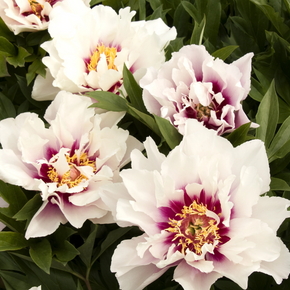
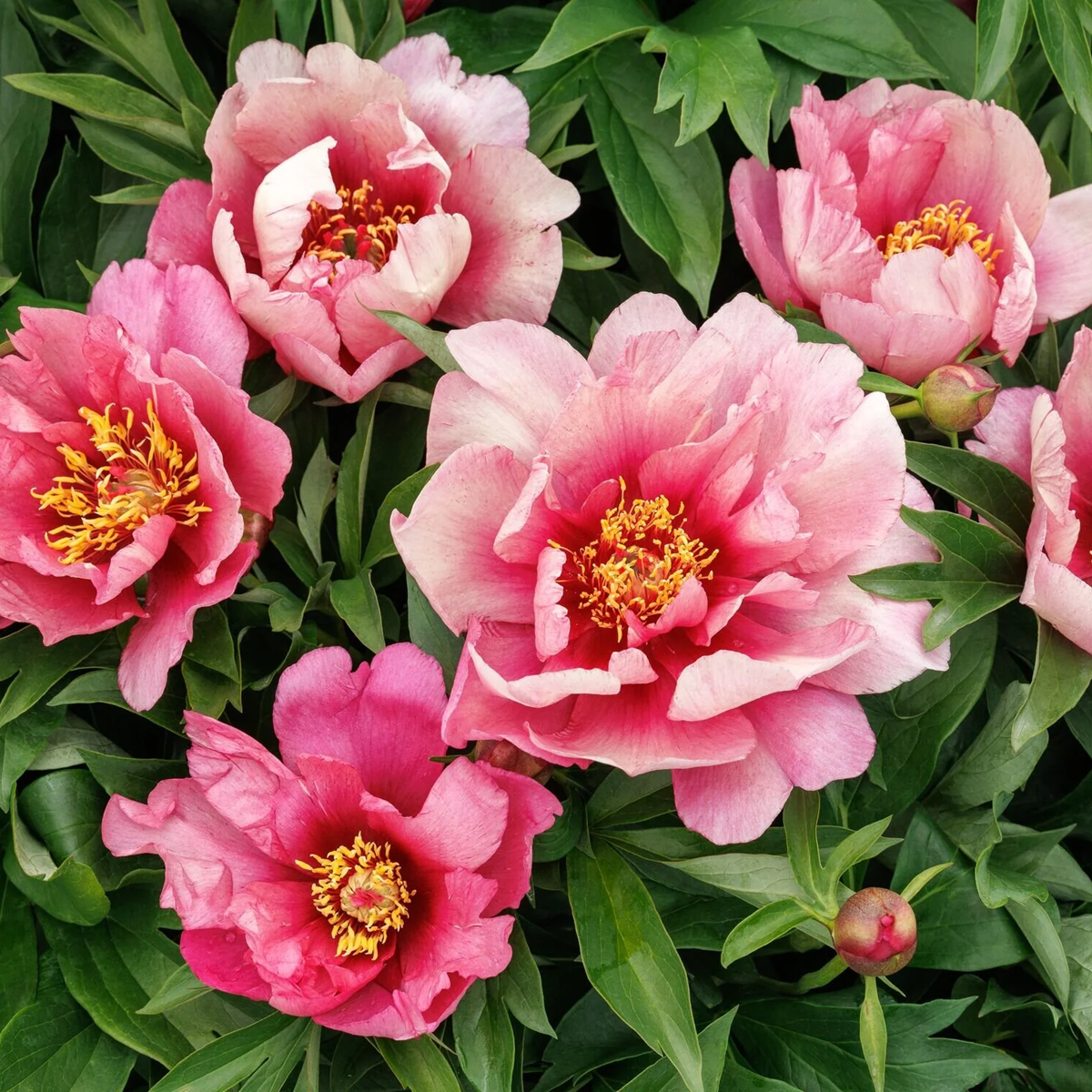
Paeonia 'Pink Ardour' is a showstopping Itoh intersectional peony that delivers everything gardeners love about this extraordinary group of hybrids. A cross between herbaceous and tree peonies, 'Pink Ardour' forms a vigorous, well-branched mound typically reaching about 2 feet tall and wide, making it an ideal choice for the middle of a perennial border or as a focal point specimen. In late spring, the plant erupts in an abundance of large, semi-double blossoms in a warm, rosy pink hue, each flower displaying a subtle deeper blush toward the center and a cluster of golden stamens at its heart. Unlike traditional herbaceous peonies, the strong, woody-based stems of 'Pink Ardour' hold the blooms upright through wind and rain without the need for cages or staking, a major advantage that sets Itoh types apart. The foliage is equally impressive: deeply lobed, dark green leaves inherited from the tree peony parent give the plant a bold, textural presence from spring through frost, resisting the yellowing and decline that can plague standard herbaceous varieties mid-season. Well-suited to the climates of Southern Oregon and Northern California, 'Pink Ardour' thrives in full sun to partial sun in enriched, well-drained, slightly acidic soil, rewarding gardeners with decades of reliable bloom from a long-lived, low-maintenance planting. Its magnificent flowers make superb long-lasting cut arrangements, and its compact, well-mannered habit suits both cottage and contemporary garden designs equally well.
Plant Description
'Pink Ardour' is an Itoh intersectional peony, a category created by crossing herbaceous peonies (Paeonia lactiflora) with tree peonies (Paeonia suffruticosa). The result is a deciduous perennial that combines the hardiness and die-back habit of herbaceous types with the vigorous, multi-stemmed branching, large flowers, and attractive foliage of tree peonies. 'Pink Ardour' produces large, semi-double flowers in a rich, warm rosy pink with golden-yellow stamens at the center. Blooms can measure 6 to 8 inches across and appear abundantly at the top of every stem in late spring. The deeply divided, dark green foliage is notably more ornamental and longer-lasting than that of standard herbaceous peonies, remaining attractive and disease-free through the growing season well into fall. The plant grows from a fleshy root system and increases in size and bloom count with each passing year.
Mature Size
| Attribute | Detail |
|---|---|
| Mature Height | Approximately 2 feet |
| Mature Width | Approximately 2 feet |
| Growth Rate | Moderate; increases in vigor and bloom count annually |
| Growth Habit | Rounded, well-branched mound; self-supporting stems |
| Root System | Deep, fleshy tuberous roots; do not disturb once established |
Hardiness Zones
'Pink Ardour' is rated hardy in USDA Zones 4 through 8, making it suitable for a very wide range of American climates. It tolerates the cold winters of Zone 4 (minimum temperatures to -30 degrees F) as well as the milder winters typical of Southern Oregon and Northern California (Zones 7-8). In very hot summer climates at the warm end of its range, providing afternoon shade can help protect blooms and extend flower longevity. Itoh peonies as a group are among the more heat-tolerant of all peony types, making 'Pink Ardour' a strong performer in the Pacific Coast climate where warm, dry summers are common.
Sunlight Requirements
'Pink Ardour' performs best in full sun, defined as 6 or more hours of direct sunlight per day, which encourages the most prolific blooming and the sturdiest stems. It will also grow satisfactorily in partial sun (4-6 hours of direct light), though flower counts may be reduced. In regions with very hot, dry summers such as the inland valleys of Northern California, some light afternoon shade can be beneficial to protect open blossoms from heat scorch and help flowers last longer on the plant. Avoid deeply shaded locations, as insufficient light leads to weak, floppy stems and dramatically reduced flowering.
Soil and pH Preferences
- Prefers rich, fertile, well-amended soil with excellent drainage — standing water around the crown is the most common cause of peony decline
- Ideal soil pH is slightly acidic to neutral, approximately 6.0 to 7.0
- Amend heavy clay soils generously with compost and coarse grit or perlite before planting to ensure adequate drainage
- Sandy soils benefit from the incorporation of organic matter to improve moisture retention and fertility
- Mulching around (but not over) the crown helps moderate soil temperature and retain moisture
- Avoid planting in compacted or poorly draining areas; raised beds are an excellent option where drainage is problematic
Watering Guide
During the first growing season after planting, water deeply and regularly to help 'Pink Ardour' establish a strong root system. Aim to keep the soil consistently moist but never waterlogged. Once established (typically after the first full year), Itoh peonies are moderately drought tolerant and require less supplemental irrigation. In the dry summers of Southern Oregon and Northern California, provide deep watering every 1 to 2 weeks during the growing season, especially during the bud and bloom period in late spring when moisture is most critical for flower development. Reduce watering in late fall as the plant goes dormant. Always water at the base of the plant rather than overhead to keep foliage dry and reduce the risk of fungal disease.
Fertilizing
Itoh peonies are moderate feeders that respond well to annual fertilizing. Apply a balanced, slow-release granular fertilizer or a low-nitrogen, phosphorus-rich fertilizer (such as a 5-10-10 formulation) in early spring as new growth emerges. Phosphorus supports strong root development and abundant flowering. An annual top-dressing of well-composted organic matter in spring or fall enriches the soil and feeds the plant naturally over time. Avoid over-fertilizing with high-nitrogen products, which promote excessive leafy growth at the expense of flowers. Do not fertilize after midsummer, as late-season feeding can interfere with the plant's natural hardening off process before winter dormancy.
Planting Instructions
- Choose a site with full to partial sun and excellent drainage.
- Dig a hole at least 18 inches wide and 18 inches deep. Loosen and amend the soil at the bottom of the hole with compost.
- Position the plant so that the crown (the junction of roots and stems) is no more than 1 to 2 inches below the finished soil surface. Planting too deep is the most common reason Itoh peonies fail to bloom.
- Backfill with amended soil, firming gently around the roots to eliminate air pockets.
- Water thoroughly immediately after planting.
- Apply 2 to 3 inches of mulch around the plant, keeping mulch a few inches away from the crown to prevent rot.
- Space plants at least 3 feet apart to allow for air circulation and future growth.
- Expect limited bloom in the first year or two as the plant establishes; flowering increases dramatically in years 3 and beyond.
Pruning and Maintenance
Unlike herbaceous peonies, Itoh peonies develop semi-woody stems that may not die all the way back to the ground in mild winter climates. In fall, after the foliage has died back following the first frost (or yellowed and declined naturally in milder zones), cut stems back to within a few inches of the ground. Remove all cut foliage and stems from the garden rather than composting, as this reduces the risk of overwintering fungal spores. Deadhead spent blooms during the flowering season to keep the plant tidy and encourage additional bud development. No staking is required — the robust, branching stems of 'Pink Ardour' are inherently self-supporting. Avoid dividing or transplanting established plants unless absolutely necessary, as peonies resent root disturbance and may take several years to recover and resume blooming.
Bloom Time and Seasonal Interest
'Pink Ardour' blooms in late spring, typically from mid-May through early June depending on your local climate and elevation. Itoh peonies generally bloom later than early herbaceous varieties but may overlap with mid-season and late-season types, making them an excellent choice for extending the peony season in the garden. In Southern Oregon and Northern California, blooms often appear from late April into May. The semi-double, rosy pink flowers are large, sometimes reaching 6 to 8 inches across, and carry a light, pleasant fragrance. After blooming, the deeply divided, dark green foliage — a hallmark inheritance from the tree peony parent — remains attractive and disease-resistant all the way through autumn, providing multi-season interest long after the flowers have faded. In fall, the leaves may take on golden to bronze tints before the plant enters dormancy.
Landscape Uses
- Outstanding mid-border perennial in cottage, formal, or contemporary garden designs
- Excellent focal point or specimen plant in smaller gardens owing to its compact, tidy mound habit
- Beautiful paired with spring-blooming bulbs, late-blooming irises, or early summer perennials for a continuous floral display
- Works well planted in groups of three or five for a bold mass planting effect
- Suitable for use along pathways or at the corner of garden beds where its attractive foliage provides structure throughout the season
- Exceptional cut flower — stems are sturdy and hold blooms well in the vase, especially when cut at the bud stage
- Low-maintenance anchor plant in a perennial border that increases in beauty year after year
Companion Plants
The compact, rounded mound and late-spring bloom time of 'Pink Ardour' pair beautifully with a wide range of perennial and shrub companions. Alliums and Siberian irises (Iris sibirica) bloom at a similar time and complement the rosy pink flowers elegantly. Salvias, catmint (Nepeta), and lavender carry the garden through summer after the peony's bloom period ends. For foliage contrast, the bold leaves of hostas or the fine texture of ornamental grasses create striking combinations. Roses — particularly shrub roses or old garden varieties — are classic peony companions and echo the romantic, cottage-garden aesthetic of 'Pink Ardour'. Geraniums, astilbes, and baptisia also make excellent neighbors, as they share similar cultural requirements and help fill the garden with color in the weeks before and after the peony blooms.
Pests and Diseases
One of the notable advantages of Itoh intersectional peonies is their improved resistance to the diseases that commonly affect traditional herbaceous peonies. 'Pink Ardour' shows good resistance to botrytis blight (gray mold, Botrytis paeoniae), the most widespread peony disease, which causes blackened buds, wilting shoots, and fuzzy gray fungal growth in wet, cool spring conditions. To further minimize disease risk, ensure good air circulation around plants, avoid overhead irrigation, and remove all plant debris from the garden in fall. Phytophthora crown rot can occur in overly wet or poorly drained soils — proper site selection is the best prevention. Common insect pests are generally not a major concern for peonies; ants visiting buds are harmless and are simply attracted to the sweet nectar secreted by the buds. Thrips and scale insects are occasionally encountered but rarely cause serious damage to established plants.
Cut Flower Use
'Pink Ardour' makes an exceptional cut flower, with large, rosy-pink semi-double blooms that are stunning in both formal arrangements and loose, romantic bouquets. For the longest vase life, cut stems when buds are in the "soft marshmallow" stage — fully colored and softened but not yet open. Strip all foliage that would fall below the waterline in the vase. Place cut stems immediately in clean, cool water and recut stems at an angle. Change vase water every 1 to 2 days. Blooms cut at the bud stage can last 7 to 10 days or more in a cool room. Avoid placing arrangements in direct sun or near ripening fruit, which emits ethylene gas that shortens vase life. Because Itoh peony stems are naturally sturdy and upright, they require no staking or support in arrangements.
Wildlife Value
The large, open semi-double flowers of 'Pink Ardour' provide accessible nectar and pollen for a variety of beneficial pollinators, including native bees, bumblebees, and honey bees. The flowers may also attract beetles and other beneficial insects. Peonies are generally considered deer resistant, making 'Pink Ardour' a good choice for gardens in deer-prone areas of Southern Oregon and Northern California where browsing pressure can be significant. The plant is not known to be a significant food source for birds, but the garden ecosystem benefits from the pollinators it attracts.
- Stunning semi-double blooms in rich, rosy pink open in late spring on sturdy, self-supporting stems that never need staking
- Inherits the best traits of both herbaceous and tree peonies as a vigorous Itoh (intersectional) hybrid, delivering exceptional garden performance and disease resistance
- Lush, deeply cut, dark green foliage forms a full, tidy mound and maintains outstanding ornamental appeal well into autumn
- Hardy across a wide range of climates (USDA Zones 4-8) and thrives with minimal maintenance once established
Paeonia 'Pink Ardour' is a showstopping Itoh intersectional peony that delivers everything gardeners love about this extraordinary group of hybrids. A cross between herbaceous and tree peonies, 'Pink Ardour' forms a vigorous, well-branched mound typically reaching about 2 feet tall and wide, making it an ideal choice for the middle of a perennial border or as a focal point specimen. In late spring, the plant erupts in an abundance of large, semi-double blossoms in a warm, rosy pink hue, each flower displaying a subtle deeper blush toward the center and a cluster of golden stamens at its heart. Unlike traditional herbaceous peonies, the strong, woody-based stems of 'Pink Ardour' hold the blooms upright through wind and rain without the need for cages or staking, a major advantage that sets Itoh types apart. The foliage is equally impressive: deeply lobed, dark green leaves inherited from the tree peony parent give the plant a bold, textural presence from spring through frost, resisting the yellowing and decline that can plague standard herbaceous varieties mid-season. Well-suited to the climates of Southern Oregon and Northern California, 'Pink Ardour' thrives in full sun to partial sun in enriched, well-drained, slightly acidic soil, rewarding gardeners with decades of reliable bloom from a long-lived, low-maintenance planting. Its magnificent flowers make superb long-lasting cut arrangements, and its compact, well-mannered habit suits both cottage and contemporary garden designs equally well.
Plant Description
'Pink Ardour' is an Itoh intersectional peony, a category created by crossing herbaceous peonies (Paeonia lactiflora) with tree peonies (Paeonia suffruticosa). The result is a deciduous perennial that combines the hardiness and die-back habit of herbaceous types with the vigorous, multi-stemmed branching, large flowers, and attractive foliage of tree peonies. 'Pink Ardour' produces large, semi-double flowers in a rich, warm rosy pink with golden-yellow stamens at the center. Blooms can measure 6 to 8 inches across and appear abundantly at the top of every stem in late spring. The deeply divided, dark green foliage is notably more ornamental and longer-lasting than that of standard herbaceous peonies, remaining attractive and disease-free through the growing season well into fall. The plant grows from a fleshy root system and increases in size and bloom count with each passing year.
Mature Size
| Attribute | Detail |
|---|---|
| Mature Height | Approximately 2 feet |
| Mature Width | Approximately 2 feet |
| Growth Rate | Moderate; increases in vigor and bloom count annually |
| Growth Habit | Rounded, well-branched mound; self-supporting stems |
| Root System | Deep, fleshy tuberous roots; do not disturb once established |
Hardiness Zones
'Pink Ardour' is rated hardy in USDA Zones 4 through 8, making it suitable for a very wide range of American climates. It tolerates the cold winters of Zone 4 (minimum temperatures to -30 degrees F) as well as the milder winters typical of Southern Oregon and Northern California (Zones 7-8). In very hot summer climates at the warm end of its range, providing afternoon shade can help protect blooms and extend flower longevity. Itoh peonies as a group are among the more heat-tolerant of all peony types, making 'Pink Ardour' a strong performer in the Pacific Coast climate where warm, dry summers are common.
Sunlight Requirements
'Pink Ardour' performs best in full sun, defined as 6 or more hours of direct sunlight per day, which encourages the most prolific blooming and the sturdiest stems. It will also grow satisfactorily in partial sun (4-6 hours of direct light), though flower counts may be reduced. In regions with very hot, dry summers such as the inland valleys of Northern California, some light afternoon shade can be beneficial to protect open blossoms from heat scorch and help flowers last longer on the plant. Avoid deeply shaded locations, as insufficient light leads to weak, floppy stems and dramatically reduced flowering.
Soil and pH Preferences
- Prefers rich, fertile, well-amended soil with excellent drainage — standing water around the crown is the most common cause of peony decline
- Ideal soil pH is slightly acidic to neutral, approximately 6.0 to 7.0
- Amend heavy clay soils generously with compost and coarse grit or perlite before planting to ensure adequate drainage
- Sandy soils benefit from the incorporation of organic matter to improve moisture retention and fertility
- Mulching around (but not over) the crown helps moderate soil temperature and retain moisture
- Avoid planting in compacted or poorly draining areas; raised beds are an excellent option where drainage is problematic
Watering Guide
During the first growing season after planting, water deeply and regularly to help 'Pink Ardour' establish a strong root system. Aim to keep the soil consistently moist but never waterlogged. Once established (typically after the first full year), Itoh peonies are moderately drought tolerant and require less supplemental irrigation. In the dry summers of Southern Oregon and Northern California, provide deep watering every 1 to 2 weeks during the growing season, especially during the bud and bloom period in late spring when moisture is most critical for flower development. Reduce watering in late fall as the plant goes dormant. Always water at the base of the plant rather than overhead to keep foliage dry and reduce the risk of fungal disease.
Fertilizing
Itoh peonies are moderate feeders that respond well to annual fertilizing. Apply a balanced, slow-release granular fertilizer or a low-nitrogen, phosphorus-rich fertilizer (such as a 5-10-10 formulation) in early spring as new growth emerges. Phosphorus supports strong root development and abundant flowering. An annual top-dressing of well-composted organic matter in spring or fall enriches the soil and feeds the plant naturally over time. Avoid over-fertilizing with high-nitrogen products, which promote excessive leafy growth at the expense of flowers. Do not fertilize after midsummer, as late-season feeding can interfere with the plant's natural hardening off process before winter dormancy.
Planting Instructions
- Choose a site with full to partial sun and excellent drainage.
- Dig a hole at least 18 inches wide and 18 inches deep. Loosen and amend the soil at the bottom of the hole with compost.
- Position the plant so that the crown (the junction of roots and stems) is no more than 1 to 2 inches below the finished soil surface. Planting too deep is the most common reason Itoh peonies fail to bloom.
- Backfill with amended soil, firming gently around the roots to eliminate air pockets.
- Water thoroughly immediately after planting.
- Apply 2 to 3 inches of mulch around the plant, keeping mulch a few inches away from the crown to prevent rot.
- Space plants at least 3 feet apart to allow for air circulation and future growth.
- Expect limited bloom in the first year or two as the plant establishes; flowering increases dramatically in years 3 and beyond.
Pruning and Maintenance
Unlike herbaceous peonies, Itoh peonies develop semi-woody stems that may not die all the way back to the ground in mild winter climates. In fall, after the foliage has died back following the first frost (or yellowed and declined naturally in milder zones), cut stems back to within a few inches of the ground. Remove all cut foliage and stems from the garden rather than composting, as this reduces the risk of overwintering fungal spores. Deadhead spent blooms during the flowering season to keep the plant tidy and encourage additional bud development. No staking is required — the robust, branching stems of 'Pink Ardour' are inherently self-supporting. Avoid dividing or transplanting established plants unless absolutely necessary, as peonies resent root disturbance and may take several years to recover and resume blooming.
Bloom Time and Seasonal Interest
'Pink Ardour' blooms in late spring, typically from mid-May through early June depending on your local climate and elevation. Itoh peonies generally bloom later than early herbaceous varieties but may overlap with mid-season and late-season types, making them an excellent choice for extending the peony season in the garden. In Southern Oregon and Northern California, blooms often appear from late April into May. The semi-double, rosy pink flowers are large, sometimes reaching 6 to 8 inches across, and carry a light, pleasant fragrance. After blooming, the deeply divided, dark green foliage — a hallmark inheritance from the tree peony parent — remains attractive and disease-resistant all the way through autumn, providing multi-season interest long after the flowers have faded. In fall, the leaves may take on golden to bronze tints before the plant enters dormancy.
Landscape Uses
- Outstanding mid-border perennial in cottage, formal, or contemporary garden designs
- Excellent focal point or specimen plant in smaller gardens owing to its compact, tidy mound habit
- Beautiful paired with spring-blooming bulbs, late-blooming irises, or early summer perennials for a continuous floral display
- Works well planted in groups of three or five for a bold mass planting effect
- Suitable for use along pathways or at the corner of garden beds where its attractive foliage provides structure throughout the season
- Exceptional cut flower — stems are sturdy and hold blooms well in the vase, especially when cut at the bud stage
- Low-maintenance anchor plant in a perennial border that increases in beauty year after year
Companion Plants
The compact, rounded mound and late-spring bloom time of 'Pink Ardour' pair beautifully with a wide range of perennial and shrub companions. Alliums and Siberian irises (Iris sibirica) bloom at a similar time and complement the rosy pink flowers elegantly. Salvias, catmint (Nepeta), and lavender carry the garden through summer after the peony's bloom period ends. For foliage contrast, the bold leaves of hostas or the fine texture of ornamental grasses create striking combinations. Roses — particularly shrub roses or old garden varieties — are classic peony companions and echo the romantic, cottage-garden aesthetic of 'Pink Ardour'. Geraniums, astilbes, and baptisia also make excellent neighbors, as they share similar cultural requirements and help fill the garden with color in the weeks before and after the peony blooms.
Pests and Diseases
One of the notable advantages of Itoh intersectional peonies is their improved resistance to the diseases that commonly affect traditional herbaceous peonies. 'Pink Ardour' shows good resistance to botrytis blight (gray mold, Botrytis paeoniae), the most widespread peony disease, which causes blackened buds, wilting shoots, and fuzzy gray fungal growth in wet, cool spring conditions. To further minimize disease risk, ensure good air circulation around plants, avoid overhead irrigation, and remove all plant debris from the garden in fall. Phytophthora crown rot can occur in overly wet or poorly drained soils — proper site selection is the best prevention. Common insect pests are generally not a major concern for peonies; ants visiting buds are harmless and are simply attracted to the sweet nectar secreted by the buds. Thrips and scale insects are occasionally encountered but rarely cause serious damage to established plants.
Cut Flower Use
'Pink Ardour' makes an exceptional cut flower, with large, rosy-pink semi-double blooms that are stunning in both formal arrangements and loose, romantic bouquets. For the longest vase life, cut stems when buds are in the "soft marshmallow" stage — fully colored and softened but not yet open. Strip all foliage that would fall below the waterline in the vase. Place cut stems immediately in clean, cool water and recut stems at an angle. Change vase water every 1 to 2 days. Blooms cut at the bud stage can last 7 to 10 days or more in a cool room. Avoid placing arrangements in direct sun or near ripening fruit, which emits ethylene gas that shortens vase life. Because Itoh peony stems are naturally sturdy and upright, they require no staking or support in arrangements.
Wildlife Value
The large, open semi-double flowers of 'Pink Ardour' provide accessible nectar and pollen for a variety of beneficial pollinators, including native bees, bumblebees, and honey bees. The flowers may also attract beetles and other beneficial insects. Peonies are generally considered deer resistant, making 'Pink Ardour' a good choice for gardens in deer-prone areas of Southern Oregon and Northern California where browsing pressure can be significant. The plant is not known to be a significant food source for birds, but the garden ecosystem benefits from the pollinators it attracts.