Zoom the image with the mouse
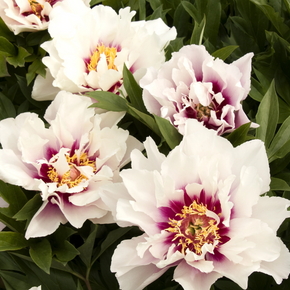
Garden Candy Pineapple Fizz Itoh Peony - 5 Gallon
SKU:
2138310
UPC:
014949033494
$114.99
- Enormous semi-double to fully double blooms in luminous lemon-yellow with warm apricot undertones and a sweet citrusy fragrance that perfume the garden each late spring and early summer
- True intersectional (Itoh) hybrid vigor — sturdy, mildew-resistant stems hold every flower upright without staking, while deeply cut, glossy foliage delivers three full seasons of ornamental interest
- Exceptionally cold-hardy and heat-tolerant perennial suited to USDA Zones 3a–9a; deer and rabbit resistant, drought tolerant once established, and virtually maintenance-free year after year
- Compact, rounded mound reaching 2–3 ft. tall and wide — a perfectly proportioned specimen for borders, foundation plantings, cottage gardens, cutting gardens, and large containers
Garden Candy Pineapple Fizz Itoh Peony (Paeonia x 'Smithopus4') is a breathtaking intersectional hybrid that masterfully combines the best qualities of herbaceous and tree peonies into one long-lived, low-maintenance garden showstopper. Bred by Don Smith and introduced through the Garden Candy series, this cultivar produces an impressive abundance of large, semi-double to fully double blooms — each measuring approximately 4 inches across — in a dazzling palette of pure lemon-yellow deepening to warm gold with soft apricot blushes at the center, all accented by a sweet, citrus-like fragrance. New spring foliage emerges with attractive reddish-burgundy tones before transitioning to rich, deeply cut green leaves through summer, then taking on warm maroon and bronzy hues as autumn arrives, giving this plant a remarkable three-season presence in the landscape. Unlike traditional herbaceous peonies that tend to flop under the weight of their flowers, Pineapple Fizz features exceptionally strong, mildew-resistant stems that hold every blossom upright without the need for staking, forming a tidy, naturally rounded mound 2 to 3 feet tall and wide. Its fleshy, deep-reaching root system anchors the plant firmly, supports impressive drought tolerance once established, and ensures this heirloom-quality perennial can thrive in the same garden spot for decades. Hardy from USDA Zones 3a through 9a, it performs reliably across a wide range of climates and is prized by gardeners, floral designers, and landscape professionals alike for its outstanding vase life, pollinator appeal, and effortless seasonal impact.
Plant Description
Pineapple Fizz is an intersectional Itoh peony — a category of hybrid created by crossing herbaceous peonies with tree peonies to produce plants with the vigor, disease resistance, and floriferousness of both parent types. The blooms are large, semi-double to fully double, approximately 4 inches across, and display a luminous lemon-yellow coloring that deepens to warm gold and soft apricot near the center of the flower. A light, sweet citrus fragrance accompanies the blooms. The petals are slightly ruffled and frothy in appearance, contributing to the "fizz" quality the name suggests. Flowers are borne upright on strong stems held close to the lush foliage canopy, giving the plant a polished, compact appearance that distinguishes it from older peony varieties that often splay open under bloom weight. The foliage is deeply incised and elegantly cut, emerging in spring with attractive reddish-bronze tones before maturing to glossy deep green in summer, then shifting to warm maroon and bronzy hues in fall. The overall growth habit is clumping, rounded, and upright.
Mature Size and Growth Habit
| Characteristic | Detail |
|---|---|
| Mature Height | 2 to 3 ft. |
| Mature Width | 2 to 3 ft. |
| Recommended Spacing | 24 in. center to center |
| Growth Habit | Clumping, compact, rounded, upright |
| Growth Rate | Moderate |
| Plant Lifecycle | Herbaceous perennial (dies back to the ground in winter) |
| Staking Required | No — stems are naturally sturdy and self-supporting |
Hardiness Zones and Climate Tolerance
Pineapple Fizz Itoh Peony is exceptionally cold-hardy and adaptable, thriving in USDA Hardiness Zones 3a through 9a. This broad range means it performs reliably from the frigid winters of the northern United States through the hot summers of the South and Pacific Coast regions, including Southern Oregon and Northern California. As a true intersectional hybrid, it inherits superior heat tolerance from its tree peony parent and outstanding cold hardiness from its herbaceous peony parent. It handles frost, cold winters, air pollution, humidity, and seasonal heat with ease. Once established, it also demonstrates solid drought tolerance. In the hottest growing zones, providing light afternoon shade helps preserve flower color and prolongs the bloom period.
Sunlight Requirements
Pineapple Fizz performs best in full sun, requiring a minimum of 6 hours of direct sunlight per day to produce the densest flower set. In regions with intense summer heat — including inland areas of Southern Oregon and Northern California — light afternoon shade is beneficial and helps prevent the vivid yellow blooms from fading or scorching prematurely. Morning sun with afternoon filtered light is an ideal exposure in warmer climates. Avoid planting in heavy shade, as reduced light leads to weak stems, fewer flowers, and increased susceptibility to fungal disease. The label designation "full to filtered" reflects this cultivar's flexibility across a range of sun exposures.
Soil and pH Preferences
This peony thrives in rich, fertile, well-draining soil. Waterlogged or perpetually soggy ground is the single biggest threat to peony health, as standing moisture promotes crown and root rot. The ideal soil pH range is slightly acidic to neutral, between 6.0 and 7.5. Pineapple Fizz will tolerate clay soils if they are well-amended with compost or organic matter to improve drainage and aeration. Sandy soils benefit from added organic matter to increase moisture retention. A loamy, organically rich planting bed is ideal. Avoid compacted soils and low-lying areas where water collects after rain. Raised beds are an excellent option for gardeners dealing with heavy or slow-draining native soils.
Watering Guide
Water deeply and consistently during the first growing season to encourage the thick, fleshy root system to establish firmly. Once established, Pineapple Fizz is moderately drought tolerant and requires only supplemental irrigation during extended dry periods. Consistent moisture during the spring bud-set and bloom period is especially important — adequate water at this stage directly affects flower size and fullness. Allow the soil to dry slightly between waterings rather than maintaining constant saturation. Avoid overhead irrigation, which can promote fungal disease on foliage and flowers; drip irrigation or soaker hoses at the base of the plant are preferred. Reduce watering in fall as the plant prepares to go dormant.
Fertilizing
Feed Pineapple Fizz in early spring just as the distinctive new red shoots begin to emerge from the ground. Apply a balanced, slow-release granular fertilizer or work a generous layer of compost into the soil around — but not directly on top of — the crown. A fertilizer formulated for flowering perennials with a balanced or slightly phosphorus-forward ratio (such as 5-10-5 or 10-10-10) promotes robust root development and heavy bloom production. Avoid fertilizers high in nitrogen, particularly later in the growing season, as excess nitrogen encourages lush leafy growth at the expense of flower production. A second light application of compost or a balanced fertilizer after blooming can help replenish soil nutrients for the following season. Do not over-fertilize — this is a long-lived, low-maintenance plant that thrives without aggressive feeding programs.
Pruning and Maintenance
Pineapple Fizz is a low-maintenance perennial that requires minimal pruning. During the blooming season, deadheading spent flowers keeps the plant tidy and directs energy back into the root system. Unlike standard herbaceous peonies, Itoh peonies may leave short, semi-woody stubs at the base after the top growth dies back in fall. In late fall, after a hard frost has killed back the foliage, cut all stems down to 4 to 6 inches above ground level. Remove all cut stems and foliage debris from the garden area and do not compost it, as fallen plant material can harbor overwintering fungal spores. In spring, the plant will re-emerge from its crown and fleshy root system with vigorous new growth. No staking is required at any time due to the plant's naturally strong, self-supporting stem structure.
Planting Instructions
- Select a site with at least 6 hours of direct sun and excellent drainage. Avoid low spots where water pools after rain.
- Dig a hole 12 to 18 inches deep and at least twice as wide as the root ball. Amend native soil with generous amounts of compost or well-rotted organic matter.
- Position the plant so that the crown — the point where the stems meet the roots — sits no more than 1 to 2 inches below the finished soil surface. Planting too deeply is the most common reason peonies fail to bloom.
- Backfill with amended soil, firming gently to eliminate air pockets. Water thoroughly to settle the soil around the roots.
- Apply a 2 to 3 inch layer of mulch around the plant, keeping mulch several inches away from the crown to prevent moisture buildup and rot.
- Water regularly during the establishment period. In the first season, expect the plant to focus on root development; full flowering performance typically builds over the second and third years as the plant matures.
- Container-grown peonies can be planted in spring or fall. Fall planting gives the root system time to establish before the first bloom season.
Seasonal Interest
Pineapple Fizz delivers ornamental value across three distinct seasons, making it one of the most rewarding perennials in the garden:
- Spring: New growth emerges with striking reddish-burgundy foliage tones, followed by a profusion of large, fragrant lemon-yellow blooms in late spring to early summer (typically June). The floral display is bold and long-lasting.
- Summer: After blooming, the deeply cut, glossy green foliage forms an attractive, dense mound that remains clean and tidy throughout the heat of summer. The mildew-resistant foliage stays fresh-looking without yellowing or spotting — a notable advantage over many older peony varieties.
- Fall: As temperatures cool, the foliage transitions to warm maroon, bronze, and reddish tones that complement autumn's seasonal palette. The plant then dies back gracefully to the ground as it enters dormancy.
Landscape Uses
The compact, self-supporting form and multi-season beauty of Pineapple Fizz make it a highly versatile landscape plant suitable for a wide variety of uses:
- Mixed perennial borders and cottage garden beds as a fragrant, colorful anchor plant
- Foundation plantings along house fronts or low walls where a tidy, mounded form is desirable
- Front-of-border specimens that provide spring color before summer perennials reach full size
- Cutting gardens — the blooms have excellent vase life and make stunning, long-lasting cut flower arrangements
- Formal and Asian-inspired garden settings where the clean form and elegant flower complement structured designs
- Mass plantings along pathways, driveways, or patio edges for fragrant seasonal impact
- Container gardens on patios, courtyards, and entryways (with appropriate winter protection in colder zones)
- Pollinator gardens, as the open blooms provide accessible nectar and pollen for bees and beneficial insects
Companion Plants
Pineapple Fizz pairs beautifully with plants that complement its late spring bloom time, lemon-yellow color palette, and three-season foliage interest. Consider the following companions:
- Allium (ornamental onion): Purple allium globes blooming simultaneously provide rich color contrast to the yellow peony blooms and add vertical interest.
- Salvia nemorosa (perennial salvia): Deep blue or violet flower spikes harmonize with the yellow blooms and extend the color display into summer.
- Geranium (hardy cranesbill): Low-growing geraniums fill in around the peony's base and bridge the gap between spring and summer bloom seasons.
- Iris (bearded or Siberian): Bloom timing overlaps nicely with peonies; contrasting or complementary iris colors create stunning late-spring vignettes.
- Baptisia australis (false indigo): Deep blue-purple flowers and attractive seedpods offer season-long companionship with similar care requirements.
- Ornamental grasses (e.g., Karl Foerster feather reed grass): Provide structural contrast and movement, and help frame the peony's rounded mound in the summer and fall garden.
- Nepeta (catmint): Lavender-blue flowers and silvery foliage soften the peony's edges and extend bloom season well into summer.
- Achillea (yarrow): Flat-topped flower clusters in gold, cream, or red bloom after the peony and maintain the sunny cottage garden feel.
Pests and Diseases
Pineapple Fizz is notably more disease-resistant than traditional herbaceous peonies, particularly with respect to powdery mildew and stem rot, thanks to its intersectional hybrid genetics. That said, gardeners should remain aware of the following potential issues:
- Botrytis blight (Botrytis paeoniae / B. cinerea): The most common fungal disease affecting peonies, causing brown, water-soaked lesions on stems, buds, and foliage, especially during cool, wet spring weather. Prevention through good air circulation, proper spacing, and thorough fall cleanup of all plant debris is the most effective control strategy. Fungicide applications may be warranted in severe cases.
- Phytophthora crown and root rot: A soil-borne fungal disease favored by waterlogged conditions. Prevent it by ensuring excellent drainage and avoiding overwatering. Never plant peonies in low-lying or poorly drained areas.
- Powdery mildew: Less common on Itoh varieties than on herbaceous peonies; proper spacing to promote airflow minimizes risk. Pineapple Fizz is specifically noted for its mildew-resistant foliage.
- Nematodes (root lesion and root knot): Can affect roots in certain soil conditions. Maintaining healthy, well-amended soil and good sanitation practices helps deter infestations.
- Deer and rabbits: May nibble tender new spring growth but rarely cause serious, lasting damage. This cultivar is listed as deer and rabbit resistant.
- Ants: Frequently found on peony buds, attracted to the sugary sap secreted on the buds. Ants do not harm peonies and do not need to be controlled.
The best overall defense against pests and disease is excellent cultural practice: well-drained soil, adequate sun and air circulation, proper planting depth, and thorough removal of all dead plant material each fall.
Wildlife Value and Pollinator Appeal
Pineapple Fizz is a valuable addition to pollinator-friendly gardens. The large, open blooms provide accessible nectar and pollen that attract bees — particularly bumble bees and native solitary bees — as well as butterflies and other beneficial insects during the late spring blooming period. As a deer-resistant and rabbit-resistant plant, it adds dependable wildlife-friendly value without becoming a target for browsing animals. The flowers are not known to attract hummingbirds but do support a variety of pollinating insect species that are essential to healthy garden ecosystems.
Container Growing
Pineapple Fizz can be successfully grown in large containers on patios, courtyards, and entryways, making it an excellent option for gardeners with limited in-ground space. Choose a container with a minimum diameter of 18 to 24 inches and excellent drainage holes. Use a premium, well-draining potting mix amended with perlite or coarse grit. Position containers in a location that receives at least 6 hours of direct sunlight daily. Container-grown peonies dry out more quickly than in-ground plants, so monitor soil moisture carefully — especially during warm, dry weather — and water when the top inch of soil feels dry. In USDA Zones 3 through 6, containers should be moved to an unheated garage or sheltered location over winter to protect the roots from freeze-thaw damage, as containers do not insulate roots as effectively as in-ground soil. In Zones 7 through 9, containers can typically remain outdoors year-round in a protected spot. Apply a balanced slow-release fertilizer in early spring as new growth emerges.
Cut Flower Use and Vase Life
Pineapple Fizz is prized by home gardeners and floral designers alike for its exceptional performance as a cut flower. The large, fragrant blooms have outstanding vase life — often lasting 7 to 10 days or more when properly harvested and conditioned. For the longest-lasting cut flowers, harvest stems in the early morning when buds are just beginning to open (at the "marshmallow" stage — soft but not fully open). Cut stems at a 45-degree angle with clean, sharp shears and immediately place them in cool, clean water. Remove any foliage that would fall below the waterline to prevent bacterial growth. Peonies also condition well in the refrigerator before arranging. The lemon-yellow color pairs beautifully with white flowers, lavender, soft peach, and deep purple in mixed bouquets and makes a striking monochromatic arrangement on its own.
Division and Long-Term Care
One of the great virtues of Itoh peonies is their longevity — a well-sited plant can thrive in the same location for 20 years or more without needing division. Unlike herbaceous peonies that may benefit from division every 8 to 10 years to maintain vigor, Itoh peonies generally perform best when left undisturbed. Their fleshy, tuberous roots resemble a combination of herbaceous and tree peony root structures and do not appreciate frequent disruption. If division becomes necessary — either for propagation or to manage an overgrown clump — divide in early fall after the foliage has begun to die back. Use a sharp, clean spade or saw to separate the crown into sections, ensuring each division has at least 3 to 5 healthy eyes (buds). Replant immediately at the correct depth (no more than 1 to 2 inches below the soil surface) and water in thoroughly. Expect reduced flowering in the first season following division as the plant re-establishes its root system.
- Enormous semi-double to fully double blooms in luminous lemon-yellow with warm apricot undertones and a sweet citrusy fragrance that perfume the garden each late spring and early summer
- True intersectional (Itoh) hybrid vigor — sturdy, mildew-resistant stems hold every flower upright without staking, while deeply cut, glossy foliage delivers three full seasons of ornamental interest
- Exceptionally cold-hardy and heat-tolerant perennial suited to USDA Zones 3a–9a; deer and rabbit resistant, drought tolerant once established, and virtually maintenance-free year after year
- Compact, rounded mound reaching 2–3 ft. tall and wide — a perfectly proportioned specimen for borders, foundation plantings, cottage gardens, cutting gardens, and large containers
Garden Candy Pineapple Fizz Itoh Peony (Paeonia x 'Smithopus4') is a breathtaking intersectional hybrid that masterfully combines the best qualities of herbaceous and tree peonies into one long-lived, low-maintenance garden showstopper. Bred by Don Smith and introduced through the Garden Candy series, this cultivar produces an impressive abundance of large, semi-double to fully double blooms — each measuring approximately 4 inches across — in a dazzling palette of pure lemon-yellow deepening to warm gold with soft apricot blushes at the center, all accented by a sweet, citrus-like fragrance. New spring foliage emerges with attractive reddish-burgundy tones before transitioning to rich, deeply cut green leaves through summer, then taking on warm maroon and bronzy hues as autumn arrives, giving this plant a remarkable three-season presence in the landscape. Unlike traditional herbaceous peonies that tend to flop under the weight of their flowers, Pineapple Fizz features exceptionally strong, mildew-resistant stems that hold every blossom upright without the need for staking, forming a tidy, naturally rounded mound 2 to 3 feet tall and wide. Its fleshy, deep-reaching root system anchors the plant firmly, supports impressive drought tolerance once established, and ensures this heirloom-quality perennial can thrive in the same garden spot for decades. Hardy from USDA Zones 3a through 9a, it performs reliably across a wide range of climates and is prized by gardeners, floral designers, and landscape professionals alike for its outstanding vase life, pollinator appeal, and effortless seasonal impact.
Plant Description
Pineapple Fizz is an intersectional Itoh peony — a category of hybrid created by crossing herbaceous peonies with tree peonies to produce plants with the vigor, disease resistance, and floriferousness of both parent types. The blooms are large, semi-double to fully double, approximately 4 inches across, and display a luminous lemon-yellow coloring that deepens to warm gold and soft apricot near the center of the flower. A light, sweet citrus fragrance accompanies the blooms. The petals are slightly ruffled and frothy in appearance, contributing to the "fizz" quality the name suggests. Flowers are borne upright on strong stems held close to the lush foliage canopy, giving the plant a polished, compact appearance that distinguishes it from older peony varieties that often splay open under bloom weight. The foliage is deeply incised and elegantly cut, emerging in spring with attractive reddish-bronze tones before maturing to glossy deep green in summer, then shifting to warm maroon and bronzy hues in fall. The overall growth habit is clumping, rounded, and upright.
Mature Size and Growth Habit
| Characteristic | Detail |
|---|---|
| Mature Height | 2 to 3 ft. |
| Mature Width | 2 to 3 ft. |
| Recommended Spacing | 24 in. center to center |
| Growth Habit | Clumping, compact, rounded, upright |
| Growth Rate | Moderate |
| Plant Lifecycle | Herbaceous perennial (dies back to the ground in winter) |
| Staking Required | No — stems are naturally sturdy and self-supporting |
Hardiness Zones and Climate Tolerance
Pineapple Fizz Itoh Peony is exceptionally cold-hardy and adaptable, thriving in USDA Hardiness Zones 3a through 9a. This broad range means it performs reliably from the frigid winters of the northern United States through the hot summers of the South and Pacific Coast regions, including Southern Oregon and Northern California. As a true intersectional hybrid, it inherits superior heat tolerance from its tree peony parent and outstanding cold hardiness from its herbaceous peony parent. It handles frost, cold winters, air pollution, humidity, and seasonal heat with ease. Once established, it also demonstrates solid drought tolerance. In the hottest growing zones, providing light afternoon shade helps preserve flower color and prolongs the bloom period.
Sunlight Requirements
Pineapple Fizz performs best in full sun, requiring a minimum of 6 hours of direct sunlight per day to produce the densest flower set. In regions with intense summer heat — including inland areas of Southern Oregon and Northern California — light afternoon shade is beneficial and helps prevent the vivid yellow blooms from fading or scorching prematurely. Morning sun with afternoon filtered light is an ideal exposure in warmer climates. Avoid planting in heavy shade, as reduced light leads to weak stems, fewer flowers, and increased susceptibility to fungal disease. The label designation "full to filtered" reflects this cultivar's flexibility across a range of sun exposures.
Soil and pH Preferences
This peony thrives in rich, fertile, well-draining soil. Waterlogged or perpetually soggy ground is the single biggest threat to peony health, as standing moisture promotes crown and root rot. The ideal soil pH range is slightly acidic to neutral, between 6.0 and 7.5. Pineapple Fizz will tolerate clay soils if they are well-amended with compost or organic matter to improve drainage and aeration. Sandy soils benefit from added organic matter to increase moisture retention. A loamy, organically rich planting bed is ideal. Avoid compacted soils and low-lying areas where water collects after rain. Raised beds are an excellent option for gardeners dealing with heavy or slow-draining native soils.
Watering Guide
Water deeply and consistently during the first growing season to encourage the thick, fleshy root system to establish firmly. Once established, Pineapple Fizz is moderately drought tolerant and requires only supplemental irrigation during extended dry periods. Consistent moisture during the spring bud-set and bloom period is especially important — adequate water at this stage directly affects flower size and fullness. Allow the soil to dry slightly between waterings rather than maintaining constant saturation. Avoid overhead irrigation, which can promote fungal disease on foliage and flowers; drip irrigation or soaker hoses at the base of the plant are preferred. Reduce watering in fall as the plant prepares to go dormant.
Fertilizing
Feed Pineapple Fizz in early spring just as the distinctive new red shoots begin to emerge from the ground. Apply a balanced, slow-release granular fertilizer or work a generous layer of compost into the soil around — but not directly on top of — the crown. A fertilizer formulated for flowering perennials with a balanced or slightly phosphorus-forward ratio (such as 5-10-5 or 10-10-10) promotes robust root development and heavy bloom production. Avoid fertilizers high in nitrogen, particularly later in the growing season, as excess nitrogen encourages lush leafy growth at the expense of flower production. A second light application of compost or a balanced fertilizer after blooming can help replenish soil nutrients for the following season. Do not over-fertilize — this is a long-lived, low-maintenance plant that thrives without aggressive feeding programs.
Pruning and Maintenance
Pineapple Fizz is a low-maintenance perennial that requires minimal pruning. During the blooming season, deadheading spent flowers keeps the plant tidy and directs energy back into the root system. Unlike standard herbaceous peonies, Itoh peonies may leave short, semi-woody stubs at the base after the top growth dies back in fall. In late fall, after a hard frost has killed back the foliage, cut all stems down to 4 to 6 inches above ground level. Remove all cut stems and foliage debris from the garden area and do not compost it, as fallen plant material can harbor overwintering fungal spores. In spring, the plant will re-emerge from its crown and fleshy root system with vigorous new growth. No staking is required at any time due to the plant's naturally strong, self-supporting stem structure.
Planting Instructions
- Select a site with at least 6 hours of direct sun and excellent drainage. Avoid low spots where water pools after rain.
- Dig a hole 12 to 18 inches deep and at least twice as wide as the root ball. Amend native soil with generous amounts of compost or well-rotted organic matter.
- Position the plant so that the crown — the point where the stems meet the roots — sits no more than 1 to 2 inches below the finished soil surface. Planting too deeply is the most common reason peonies fail to bloom.
- Backfill with amended soil, firming gently to eliminate air pockets. Water thoroughly to settle the soil around the roots.
- Apply a 2 to 3 inch layer of mulch around the plant, keeping mulch several inches away from the crown to prevent moisture buildup and rot.
- Water regularly during the establishment period. In the first season, expect the plant to focus on root development; full flowering performance typically builds over the second and third years as the plant matures.
- Container-grown peonies can be planted in spring or fall. Fall planting gives the root system time to establish before the first bloom season.
Seasonal Interest
Pineapple Fizz delivers ornamental value across three distinct seasons, making it one of the most rewarding perennials in the garden:
- Spring: New growth emerges with striking reddish-burgundy foliage tones, followed by a profusion of large, fragrant lemon-yellow blooms in late spring to early summer (typically June). The floral display is bold and long-lasting.
- Summer: After blooming, the deeply cut, glossy green foliage forms an attractive, dense mound that remains clean and tidy throughout the heat of summer. The mildew-resistant foliage stays fresh-looking without yellowing or spotting — a notable advantage over many older peony varieties.
- Fall: As temperatures cool, the foliage transitions to warm maroon, bronze, and reddish tones that complement autumn's seasonal palette. The plant then dies back gracefully to the ground as it enters dormancy.
Landscape Uses
The compact, self-supporting form and multi-season beauty of Pineapple Fizz make it a highly versatile landscape plant suitable for a wide variety of uses:
- Mixed perennial borders and cottage garden beds as a fragrant, colorful anchor plant
- Foundation plantings along house fronts or low walls where a tidy, mounded form is desirable
- Front-of-border specimens that provide spring color before summer perennials reach full size
- Cutting gardens — the blooms have excellent vase life and make stunning, long-lasting cut flower arrangements
- Formal and Asian-inspired garden settings where the clean form and elegant flower complement structured designs
- Mass plantings along pathways, driveways, or patio edges for fragrant seasonal impact
- Container gardens on patios, courtyards, and entryways (with appropriate winter protection in colder zones)
- Pollinator gardens, as the open blooms provide accessible nectar and pollen for bees and beneficial insects
Companion Plants
Pineapple Fizz pairs beautifully with plants that complement its late spring bloom time, lemon-yellow color palette, and three-season foliage interest. Consider the following companions:
- Allium (ornamental onion): Purple allium globes blooming simultaneously provide rich color contrast to the yellow peony blooms and add vertical interest.
- Salvia nemorosa (perennial salvia): Deep blue or violet flower spikes harmonize with the yellow blooms and extend the color display into summer.
- Geranium (hardy cranesbill): Low-growing geraniums fill in around the peony's base and bridge the gap between spring and summer bloom seasons.
- Iris (bearded or Siberian): Bloom timing overlaps nicely with peonies; contrasting or complementary iris colors create stunning late-spring vignettes.
- Baptisia australis (false indigo): Deep blue-purple flowers and attractive seedpods offer season-long companionship with similar care requirements.
- Ornamental grasses (e.g., Karl Foerster feather reed grass): Provide structural contrast and movement, and help frame the peony's rounded mound in the summer and fall garden.
- Nepeta (catmint): Lavender-blue flowers and silvery foliage soften the peony's edges and extend bloom season well into summer.
- Achillea (yarrow): Flat-topped flower clusters in gold, cream, or red bloom after the peony and maintain the sunny cottage garden feel.
Pests and Diseases
Pineapple Fizz is notably more disease-resistant than traditional herbaceous peonies, particularly with respect to powdery mildew and stem rot, thanks to its intersectional hybrid genetics. That said, gardeners should remain aware of the following potential issues:
- Botrytis blight (Botrytis paeoniae / B. cinerea): The most common fungal disease affecting peonies, causing brown, water-soaked lesions on stems, buds, and foliage, especially during cool, wet spring weather. Prevention through good air circulation, proper spacing, and thorough fall cleanup of all plant debris is the most effective control strategy. Fungicide applications may be warranted in severe cases.
- Phytophthora crown and root rot: A soil-borne fungal disease favored by waterlogged conditions. Prevent it by ensuring excellent drainage and avoiding overwatering. Never plant peonies in low-lying or poorly drained areas.
- Powdery mildew: Less common on Itoh varieties than on herbaceous peonies; proper spacing to promote airflow minimizes risk. Pineapple Fizz is specifically noted for its mildew-resistant foliage.
- Nematodes (root lesion and root knot): Can affect roots in certain soil conditions. Maintaining healthy, well-amended soil and good sanitation practices helps deter infestations.
- Deer and rabbits: May nibble tender new spring growth but rarely cause serious, lasting damage. This cultivar is listed as deer and rabbit resistant.
- Ants: Frequently found on peony buds, attracted to the sugary sap secreted on the buds. Ants do not harm peonies and do not need to be controlled.
The best overall defense against pests and disease is excellent cultural practice: well-drained soil, adequate sun and air circulation, proper planting depth, and thorough removal of all dead plant material each fall.
Wildlife Value and Pollinator Appeal
Pineapple Fizz is a valuable addition to pollinator-friendly gardens. The large, open blooms provide accessible nectar and pollen that attract bees — particularly bumble bees and native solitary bees — as well as butterflies and other beneficial insects during the late spring blooming period. As a deer-resistant and rabbit-resistant plant, it adds dependable wildlife-friendly value without becoming a target for browsing animals. The flowers are not known to attract hummingbirds but do support a variety of pollinating insect species that are essential to healthy garden ecosystems.
Container Growing
Pineapple Fizz can be successfully grown in large containers on patios, courtyards, and entryways, making it an excellent option for gardeners with limited in-ground space. Choose a container with a minimum diameter of 18 to 24 inches and excellent drainage holes. Use a premium, well-draining potting mix amended with perlite or coarse grit. Position containers in a location that receives at least 6 hours of direct sunlight daily. Container-grown peonies dry out more quickly than in-ground plants, so monitor soil moisture carefully — especially during warm, dry weather — and water when the top inch of soil feels dry. In USDA Zones 3 through 6, containers should be moved to an unheated garage or sheltered location over winter to protect the roots from freeze-thaw damage, as containers do not insulate roots as effectively as in-ground soil. In Zones 7 through 9, containers can typically remain outdoors year-round in a protected spot. Apply a balanced slow-release fertilizer in early spring as new growth emerges.
Cut Flower Use and Vase Life
Pineapple Fizz is prized by home gardeners and floral designers alike for its exceptional performance as a cut flower. The large, fragrant blooms have outstanding vase life — often lasting 7 to 10 days or more when properly harvested and conditioned. For the longest-lasting cut flowers, harvest stems in the early morning when buds are just beginning to open (at the "marshmallow" stage — soft but not fully open). Cut stems at a 45-degree angle with clean, sharp shears and immediately place them in cool, clean water. Remove any foliage that would fall below the waterline to prevent bacterial growth. Peonies also condition well in the refrigerator before arranging. The lemon-yellow color pairs beautifully with white flowers, lavender, soft peach, and deep purple in mixed bouquets and makes a striking monochromatic arrangement on its own.
Division and Long-Term Care
One of the great virtues of Itoh peonies is their longevity — a well-sited plant can thrive in the same location for 20 years or more without needing division. Unlike herbaceous peonies that may benefit from division every 8 to 10 years to maintain vigor, Itoh peonies generally perform best when left undisturbed. Their fleshy, tuberous roots resemble a combination of herbaceous and tree peony root structures and do not appreciate frequent disruption. If division becomes necessary — either for propagation or to manage an overgrown clump — divide in early fall after the foliage has begun to die back. Use a sharp, clean spade or saw to separate the crown into sections, ensuring each division has at least 3 to 5 healthy eyes (buds). Replant immediately at the correct depth (no more than 1 to 2 inches below the soil surface) and water in thoroughly. Expect reduced flowering in the first season following division as the plant re-establishes its root system.