Zoom the image with the mouse
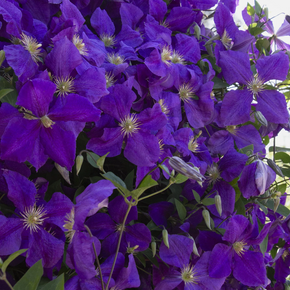
Evergreen Clematis
SKU:
114080
UPC:
014949353417
$24.99
- Intoxicatingly fragrant, star-shaped creamy-white flowers smother bold, leathery evergreen foliage every spring, bringing one of the season's most spectacular floral displays to walls, pergolas, and fences.
- A vigorous, year-round evergreen climber native to central and western China that provides lush, dark glossy green trifoliate foliage as a living screen or privacy barrier throughout all four seasons.
- An early-season pollinator magnet — the richly almond-scented blooms draw bees, butterflies, and hummingbirds to the garden in late winter to early spring when few other vines are in flower.
- Remarkably low-maintenance and deer-resistant once established, thriving in USDA Zones 7-11 and perfectly suited to the mild winters of Southern Oregon and Northern California.
Clematis armandii, commonly known as Evergreen Clematis or Armand Clematis, is a breathtaking large-scale climbing vine that delivers extraordinary year-round beauty and an unforgettable floral fragrance in the spring garden. Named in honor of French botanist Pere Armand David, this vigorous perennial evergreen vine is native to the warmer forests of central and western China and has become one of the most beloved landscape climbers in mild-winter regions across the American West. From late winter through early-to-mid spring, the vine erupts in cascading masses of star-shaped, creamy-white flowers measuring up to 2-3 inches across, each adorned with creamy stamens and carrying a heady, almond-vanilla fragrance that perfumes the surrounding garden. The blooms are produced in such extraordinary abundance that they completely veil the vine's handsome, leathery, dark glossy-green trifoliate leaves — each leaf up to 6 inches long — creating a breathtaking curtain of white. Outside of bloom season, those bold, lance-shaped evergreen leaves provide an attractive, dense green backdrop throughout the year, making Clematis armandii an outstanding choice for covering walls, trellises, fences, arbors, and pergolas with permanent living color. Fast-growing and vigorous, this clematis climbs by twining its leaf petioles around supports and can easily reach 15-30 feet in length, making it ideal for large vertical structures and privacy screens. It thrives in full sun with the classic clematis preference for cool, shaded roots, and performs best in fertile, humus-rich, moist but well-drained soil with a neutral to slightly alkaline pH. Hardy in USDA Zones 7-11, it is ideally suited to the mild winters and warm summers of Southern Oregon and Northern California, where it reliably blooms year after year with minimal care. Plant Clematis armandii where its intoxicating fragrance can be savored daily — near an entryway, along a garden path, beside a patio, or draping over a pergola — and enjoy one of the most rewarding and fragrant climbers available for the Pacific Coast garden.
Plant Description
Clematis armandii, known as Armand Clematis or Evergreen Clematis, is a large, vigorous, woody evergreen climbing vine in the Ranunculaceae (buttercup) family. It is native to the warmer forested regions of central and western China and northern Myanmar (Burma). The plant is best recognized by its glossy, dark green trifoliate leaves — each composed of three lance-shaped leaflets up to 6 inches long — that remain on the vine throughout all four seasons, providing a bold, leathery evergreen texture. In late winter to early-to-mid spring, the vine bursts into one of the most spectacular flowering displays of any climbing plant, producing enormous clusters of star-shaped, creamy-white to pure white blooms measuring 2-3 inches across, each with 4-7 narrow sepals and creamy central stamens. The fragrance is rich, sweet, and distinctly almond-like — often described as one of the most intoxicating scents in the spring garden. After flowering, silky, feathery seedheads develop and add further ornamental interest. The vine climbs by wrapping its leaf petioles around narrow supports rather than using adhesive pads or tendrils, so it requires a structure it can twine around. Clematis armandii is classified in Pruning Group 1 (early-flowering clematis that bloom on the previous season's wood).
Mature Size
| Attribute | Measurement |
|---|---|
| Mature Length (Height) | 15 to 30 feet (4.5 to 9 meters) |
| Mature Spread (Width) | 10 to 15 feet (3 to 4.5 meters) |
| Growth Rate | Vigorous and fast-growing |
| Time to Establish | 2 to 3 years to reach full stride; 5-10 years to ultimate size |
| Mature Habit | Twining, climbing evergreen vine |
This is a large, fast-growing vine that requires substantial space and a sturdy support structure. Plan for significant horizontal and vertical coverage. Young plants may appear slow at first as they develop their root system, but growth accelerates considerably once established.
Hardiness Zones and Climate
Clematis armandii is hardy in USDA Hardiness Zones 7 through 11 and AHS Heat Zones 7 through 9. It thrives in the mild, maritime climates of the Pacific Coast, making it an excellent choice for gardens throughout Southern Oregon and Northern California. It prefers a sheltered location protected from cold, drying winter winds, which can damage or desiccate the leathery foliage. In the coldest end of its hardiness range (Zone 7), planting against a south- or west-facing wall provides valuable heat and protection. New foliage may show some bronzing in cold winters, but established plants typically recover well in spring. The vine performs best where winters are mild and frosts are light or infrequent.
Sunlight Requirements
Clematis armandii performs best in full sun to partial shade, requiring a minimum of 6 hours of direct sunlight per day for the most prolific bloom. It follows the classic clematis principle of preferring its "head in the sun and feet in the shade" — meaning the vine and foliage benefit from ample sunshine while the root zone should be kept cool and shaded. A south- or west-facing exposure is ideal. Avoid deep shade, as this significantly reduces flowering. In the hotter inland valleys of Northern California, a location that receives afternoon shade can help prevent heat stress and soil moisture loss in summer. Full sun exposure with cool, well-mulched roots is the winning combination for maximum spring flowering.
Soil and pH Preferences
This vine thrives in fertile, humus-rich, moist but well-drained soil. Good drainage is essential — standing water and waterlogged conditions will quickly invite root rot and decline. The preferred soil pH is neutral to slightly alkaline, in the range of 6.5 to 7.5, though it will tolerate a range of soil types including chalk, clay, loam, and sand provided drainage is adequate. Heavy clay soils should be generously amended with compost or well-aged organic matter to improve both drainage and structure. Sandy or gravelly soils benefit from the addition of compost to improve moisture retention. When planting, loosen the soil in a wide area around the planting hole and mix in generous amounts of organic compost or well-rotted manure to give the root system the best possible start. Avoid planting in low-lying areas where water may pool.
Watering Guide
Clematis armandii requires consistent, even soil moisture — especially during the first two to three years as the plant establishes its root system. Water deeply and thoroughly, aiming to keep the top several inches of soil evenly moist but never waterlogged. Allow the top inch of soil to partially dry between waterings, but do not allow the root zone to dry out completely, particularly during warm or dry summer months. Once established, the plant develops greater drought tolerance but will still benefit from supplemental irrigation during prolonged dry spells in summer. Deep, infrequent watering is preferable to frequent shallow watering, as it encourages the roots to grow deeper into the soil. Avoid overhead watering where possible to reduce the risk of fungal issues on the foliage. Applying a thick layer of organic mulch around the root zone is one of the most effective strategies for maintaining consistent soil moisture and reducing watering frequency.
Fertilizing
Feed Clematis armandii once in late winter to early spring, just as new growth begins, to fuel the plant's vigorous spring flush. Use a balanced, slow-release granular fertilizer (such as a 10-10-10 or similar balanced formula) applied according to label directions, or a balanced liquid fertilizer diluted to half-strength. Avoid high-nitrogen fertilizers, which promote excessive leafy growth at the expense of flowers. A top-dressing of well-rotted compost or organic mulch applied annually around the root zone provides a gentle, steady supply of nutrients as it breaks down and simultaneously helps maintain soil moisture and keep roots cool. Do not over-fertilize, as excessive feeding can stress the plant and reduce bloom quality. Potassium-rich fertilizers applied in late summer can help harden off new growth before cooler fall weather arrives.
Pruning and Maintenance
Clematis armandii belongs to Pruning Group 1 (also called Group A), meaning it flowers on wood produced during the previous growing season. Because of this, timing is critical — incorrect pruning at the wrong time of year will remove the flower buds and result in a season without blooms.
- When to prune: Prune only immediately after flowering finishes in late spring or early summer (typically May to June in Southern Oregon and Northern California). Never prune in fall or winter before flowering, as this removes the coming season's flower buds.
- How much to prune: Light to moderate pruning is all that is required for maintenance. Remove dead, damaged, or weak stems. Trim back overly long or wayward shoots to keep the vine tidy and within bounds. Avoid removing large amounts of old wood, as flowers are produced on mature stems.
- Training: Guide young stems onto the support structure and tie them in as needed using soft ties or flexible wire ties. Once established, the vine will largely climb on its own.
- Frequency: Annual light pruning after flowering is sufficient. Do not let the vine go too many seasons without some pruning, as it can become tangled, congested, and difficult to manage.
- Mulching: Apply a 2-3 inch layer of organic mulch (bark chips, compost, or straw) over the root zone each spring to retain moisture, regulate soil temperature, and suppress weeds. Keep mulch a few inches away from the base of the stem to prevent rot.
Planting Instructions
- Choose the right site: Select a location with full sun to partial shade, good air circulation, a sturdy support structure, and protection from cold, drying winds. A south- or west-facing wall or fence is ideal.
- Timing: Spring is the best time to plant. Planting can also be done in early summer under favorable conditions, or in fall in mild-winter climates like Southern Oregon and Northern California.
- Prepare the soil: Dig a planting hole at least twice as wide as the root ball and the same depth. Mix generous amounts of well-rotted compost or organic matter into the removed soil to improve structure, drainage, and fertility.
- Plant depth: Set the plant so the crown (base of the stems) sits at or just slightly below soil level — burying the crown 2-3 inches helps protect against clematis wilt.
- Spacing: Plant individual vines approximately 6 feet apart from other plants. Position the root ball about 6 inches away from the base of a wall or fence to avoid the driest soil directly at the wall's base.
- Shade the roots: After planting, add a layer of mulch, flat stones, or a shallow-rooted ground cover plant around the base to keep the root zone cool and shaded.
- Initial watering: Water thoroughly after planting and keep the soil consistently moist during the establishment period.
- Support young stems: Gently tie new stems to the support structure with soft ties to guide them in the desired direction until they begin climbing on their own.
Seasonal Interest
| Season | What to Expect |
|---|---|
| Late Winter / Early Spring | The vine awakens and produces its spectacular display of fragrant, creamy-white star-shaped flowers in massive cascading clusters, often beginning as early as February in mild climates and peaking in March and April. |
| Spring (post-bloom) | Flowers fade and silky, feathery seedheads develop, adding a delicate ornamental texture. New foliage growth emerges fresh and bright green. |
| Summer | Rich, dark, leathery glossy-green foliage provides dense coverage and a lush evergreen backdrop. The vine is at its most vigorous growing phase. |
| Fall | Foliage remains attractive and deep green, providing continued screening and visual interest as deciduous plants begin to shed their leaves. |
| Winter | One of very few flowering vines that retains its attractive evergreen foliage through winter, providing year-round structure, privacy, and a verdant presence when the garden is otherwise bare. |
Landscape Uses
Clematis armandii is one of the most versatile and impactful large-scale climbers available for Pacific Coast gardens. Its bold evergreen foliage and stunning spring flower display make it suitable for a wide range of landscape applications:
- Pergolas and arbors: Train it over a pergola or arbor for a breathtaking ceiling of white flowers each spring and lush green shade throughout summer — one of the classic uses for this vine.
- Walls and fences: Ideal for covering large expanses of wall, wooden fencing, chain-link, or block walls with a dense, attractive, year-round evergreen screen.
- Privacy screens: Its vigorous, dense growth makes it excellent for creating living privacy barriers between properties or obscuring unattractive structures.
- Trellises and archways: Spectacular trained over a garden arch or entrance trellis, where passersby can enjoy both the visual impact and the intoxicating almond fragrance up close.
- Slope coverage: Can be allowed to sprawl and cascade down banks or slopes for erosion control and ornamental coverage.
- Entries and patios: Plant near a front door, patio, or outdoor seating area to enjoy the perfume daily during the blooming season.
- Pollinator gardens: The early-season flowers are among the first available to bees, butterflies, and hummingbirds each year.
Companion Plants
Clematis armandii pairs beautifully with a wide range of shrubs, perennials, and other climbers. The following companion plants work especially well in Southern Oregon and Northern California gardens:
- Rhododendrons and azaleas: Excellent companions — their dense, low root systems help shade the clematis roots while their foliage provides a complementary evergreen backdrop. The clematis roots appreciate the cool, shaded soil that these shrubs create.
- Climbing roses: A classic pairing — combine with repeat-blooming climbing roses for a succession of color from spring through fall. The clematis provides early fragrant white flowers while roses carry the display through summer.
- Wisteria: Both are vigorous, large-scale climbers with dramatic spring blooms; plant them on separate but adjacent structures so neither overwhelms the other.
- Jasmine (Jasminum spp.): Both are fragrant, vigorous climbers with complementary bloom seasons, creating an extended perfume experience in the garden.
- Lavender: Plant low-growing lavender at the base to shade the clematis roots, add a contrasting color and fragrance, and attract pollinators.
- Hostas or ferns: Use low-growing shade-tolerant perennials at the vine's base to keep roots shaded and cool while adding textural contrast.
- Strawberries: Practical as well as ornamental — shallow-rooted strawberries planted at the base help shade and cool the root zone.
Pests and Diseases
Clematis armandii is generally a robust and relatively trouble-free vine, but gardeners should be aware of the following potential issues:
- Aphids: Small, soft-bodied insects that cluster on new growth and flower buds. Treat with a strong stream of water, insecticidal soap, or neem oil spray. Natural predators such as ladybugs are effective biological controls.
- Snails and slugs: Among the most common pests; they feed on young stems and foliage, particularly in spring. Use iron phosphate-based slug bait, copper barriers, or diatomaceous earth. Remove debris where slugs shelter during the day.
- Caterpillars and earwigs: May occasionally feed on petals and foliage. Hand-pick caterpillars where practical; earwig traps can help reduce populations.
- Spider mites: Can become problematic in hot, dry conditions. Keep plants well-watered and treat with neem oil or insecticidal soap if infestations occur.
- Clematis wilt: A fungal disease (Phoma clematidina) that can cause sudden wilting and die-back of stems. Cut affected stems back to healthy tissue at or below soil level, disinfecting pruners between cuts. Planting the crown slightly below soil level helps the plant regenerate from the roots.
- Powdery mildew: Clematis armandii is largely resistant but can occasionally be affected in conditions of poor air circulation and humidity. Improve airflow, avoid overhead watering, and treat with a fungicide if needed.
- Clematis slime flux: A bacterial disease causing foul-smelling ooze from stems. Prune out affected tissue and improve drainage and air circulation.
- Honey fungus: Rarely susceptible, but good soil drainage and avoiding waterlogging are the best preventative measures.
Wildlife Value
Clematis armandii is a valuable wildlife plant, particularly for early-season pollinators. Its flowers bloom at a time when few other large-flowering vines are in flower, making the nectar and pollen especially important to insects and birds emerging in late winter and early spring.
- Bees: One of the earliest large sources of pollen and nectar for native bees and honeybees in the spring garden.
- Butterflies: Attracts a variety of butterfly species drawn to the abundant, accessible flowers.
- Hummingbirds: The early blooms and flower form make this an attractive food source for Anna's Hummingbirds and other early-returning hummingbird species common to Southern Oregon and Northern California.
- Beneficial insects: The dense evergreen foliage provides shelter and overwintering habitat for beneficial insects.
- Birds: The silky, feathery seedheads that follow flowering provide nesting material for birds in late spring and early summer.
Please note: While Clematis armandii is a valuable wildlife plant for pollinators, it is toxic to humans, dogs, cats, and horses if ingested. The plant contains protoanemonin, which can cause skin irritation on contact and gastrointestinal distress if any part of the plant is eaten. Wear gloves when pruning and keep pets away from plant material. Seek veterinary attention immediately if you suspect your pet has consumed any part of this plant.
Toxicity Warning
Clematis armandii contains protoanemonin, a toxic compound present in all parts of the plant. Gardeners and pet owners should be aware of the following:
- Humans: Contact with sap or plant material can cause skin irritation and dermatitis in sensitive individuals. Ingestion of any part of the plant may result in mouth pain, excessive salivation, nausea, vomiting, and diarrhea. Always wear gloves when pruning or handling this vine.
- Dogs: Toxic to dogs. Symptoms of ingestion include gastrointestinal distress, excessive salivation, vomiting, diarrhea, and possible skin irritation. Seek veterinary attention immediately if ingestion is suspected.
- Cats: Toxic to cats. All parts of the plant are considered harmful. Contact a veterinarian immediately if a cat shows signs of distress after exposure.
- Horses: Toxic to horses if ingested. Plant in areas inaccessible to horses.
Despite its toxicity, Clematis armandii is deer-resistant and rabbit-tolerant, making it a good choice for gardens where browsing wildlife is a concern.
Container Growing
While Clematis armandii is most commonly grown in the ground where it can reach its full impressive size, it can be successfully grown in large containers, particularly in confined spaces such as patios, courtyards, and balconies. Keep the following tips in mind for container culture:
- Container size: Use a large, deep container — at least 18-24 inches in diameter and equally deep — to give the root system adequate room. A larger container also helps buffer soil temperature and moisture fluctuations.
- Potting mix: Use a high-quality, well-draining potting mix enriched with compost. Avoid mixes that retain too much moisture, as root rot is a greater risk in containers.
- Support: Provide a sturdy trellis, obelisk, or frame within or adjacent to the container for the vine to climb.
- Watering: Container-grown plants dry out more quickly than in-ground plants and will require more frequent watering, especially during summer. Check soil moisture regularly and water when the top inch of soil is just dry.
- Fertilizing: Feed container plants more frequently than in-ground plants — apply a balanced liquid fertilizer every 2-4 weeks during the active growing season (spring through summer).
- Repotting: Repot every 2-3 years in spring when roots become pot-bound or begin circling the bottom of the container. Move up to a pot 2-3 inches larger in diameter each time.
- Root cooling: Place the container in a location where the pot itself is shaded, or use a light-colored container that reflects rather than absorbs heat, to help keep roots cool in summer.
- Intoxicatingly fragrant, star-shaped creamy-white flowers smother bold, leathery evergreen foliage every spring, bringing one of the season's most spectacular floral displays to walls, pergolas, and fences.
- A vigorous, year-round evergreen climber native to central and western China that provides lush, dark glossy green trifoliate foliage as a living screen or privacy barrier throughout all four seasons.
- An early-season pollinator magnet — the richly almond-scented blooms draw bees, butterflies, and hummingbirds to the garden in late winter to early spring when few other vines are in flower.
- Remarkably low-maintenance and deer-resistant once established, thriving in USDA Zones 7-11 and perfectly suited to the mild winters of Southern Oregon and Northern California.
Clematis armandii, commonly known as Evergreen Clematis or Armand Clematis, is a breathtaking large-scale climbing vine that delivers extraordinary year-round beauty and an unforgettable floral fragrance in the spring garden. Named in honor of French botanist Pere Armand David, this vigorous perennial evergreen vine is native to the warmer forests of central and western China and has become one of the most beloved landscape climbers in mild-winter regions across the American West. From late winter through early-to-mid spring, the vine erupts in cascading masses of star-shaped, creamy-white flowers measuring up to 2-3 inches across, each adorned with creamy stamens and carrying a heady, almond-vanilla fragrance that perfumes the surrounding garden. The blooms are produced in such extraordinary abundance that they completely veil the vine's handsome, leathery, dark glossy-green trifoliate leaves — each leaf up to 6 inches long — creating a breathtaking curtain of white. Outside of bloom season, those bold, lance-shaped evergreen leaves provide an attractive, dense green backdrop throughout the year, making Clematis armandii an outstanding choice for covering walls, trellises, fences, arbors, and pergolas with permanent living color. Fast-growing and vigorous, this clematis climbs by twining its leaf petioles around supports and can easily reach 15-30 feet in length, making it ideal for large vertical structures and privacy screens. It thrives in full sun with the classic clematis preference for cool, shaded roots, and performs best in fertile, humus-rich, moist but well-drained soil with a neutral to slightly alkaline pH. Hardy in USDA Zones 7-11, it is ideally suited to the mild winters and warm summers of Southern Oregon and Northern California, where it reliably blooms year after year with minimal care. Plant Clematis armandii where its intoxicating fragrance can be savored daily — near an entryway, along a garden path, beside a patio, or draping over a pergola — and enjoy one of the most rewarding and fragrant climbers available for the Pacific Coast garden.
Plant Description
Clematis armandii, known as Armand Clematis or Evergreen Clematis, is a large, vigorous, woody evergreen climbing vine in the Ranunculaceae (buttercup) family. It is native to the warmer forested regions of central and western China and northern Myanmar (Burma). The plant is best recognized by its glossy, dark green trifoliate leaves — each composed of three lance-shaped leaflets up to 6 inches long — that remain on the vine throughout all four seasons, providing a bold, leathery evergreen texture. In late winter to early-to-mid spring, the vine bursts into one of the most spectacular flowering displays of any climbing plant, producing enormous clusters of star-shaped, creamy-white to pure white blooms measuring 2-3 inches across, each with 4-7 narrow sepals and creamy central stamens. The fragrance is rich, sweet, and distinctly almond-like — often described as one of the most intoxicating scents in the spring garden. After flowering, silky, feathery seedheads develop and add further ornamental interest. The vine climbs by wrapping its leaf petioles around narrow supports rather than using adhesive pads or tendrils, so it requires a structure it can twine around. Clematis armandii is classified in Pruning Group 1 (early-flowering clematis that bloom on the previous season's wood).
Mature Size
| Attribute | Measurement |
|---|---|
| Mature Length (Height) | 15 to 30 feet (4.5 to 9 meters) |
| Mature Spread (Width) | 10 to 15 feet (3 to 4.5 meters) |
| Growth Rate | Vigorous and fast-growing |
| Time to Establish | 2 to 3 years to reach full stride; 5-10 years to ultimate size |
| Mature Habit | Twining, climbing evergreen vine |
This is a large, fast-growing vine that requires substantial space and a sturdy support structure. Plan for significant horizontal and vertical coverage. Young plants may appear slow at first as they develop their root system, but growth accelerates considerably once established.
Hardiness Zones and Climate
Clematis armandii is hardy in USDA Hardiness Zones 7 through 11 and AHS Heat Zones 7 through 9. It thrives in the mild, maritime climates of the Pacific Coast, making it an excellent choice for gardens throughout Southern Oregon and Northern California. It prefers a sheltered location protected from cold, drying winter winds, which can damage or desiccate the leathery foliage. In the coldest end of its hardiness range (Zone 7), planting against a south- or west-facing wall provides valuable heat and protection. New foliage may show some bronzing in cold winters, but established plants typically recover well in spring. The vine performs best where winters are mild and frosts are light or infrequent.
Sunlight Requirements
Clematis armandii performs best in full sun to partial shade, requiring a minimum of 6 hours of direct sunlight per day for the most prolific bloom. It follows the classic clematis principle of preferring its "head in the sun and feet in the shade" — meaning the vine and foliage benefit from ample sunshine while the root zone should be kept cool and shaded. A south- or west-facing exposure is ideal. Avoid deep shade, as this significantly reduces flowering. In the hotter inland valleys of Northern California, a location that receives afternoon shade can help prevent heat stress and soil moisture loss in summer. Full sun exposure with cool, well-mulched roots is the winning combination for maximum spring flowering.
Soil and pH Preferences
This vine thrives in fertile, humus-rich, moist but well-drained soil. Good drainage is essential — standing water and waterlogged conditions will quickly invite root rot and decline. The preferred soil pH is neutral to slightly alkaline, in the range of 6.5 to 7.5, though it will tolerate a range of soil types including chalk, clay, loam, and sand provided drainage is adequate. Heavy clay soils should be generously amended with compost or well-aged organic matter to improve both drainage and structure. Sandy or gravelly soils benefit from the addition of compost to improve moisture retention. When planting, loosen the soil in a wide area around the planting hole and mix in generous amounts of organic compost or well-rotted manure to give the root system the best possible start. Avoid planting in low-lying areas where water may pool.
Watering Guide
Clematis armandii requires consistent, even soil moisture — especially during the first two to three years as the plant establishes its root system. Water deeply and thoroughly, aiming to keep the top several inches of soil evenly moist but never waterlogged. Allow the top inch of soil to partially dry between waterings, but do not allow the root zone to dry out completely, particularly during warm or dry summer months. Once established, the plant develops greater drought tolerance but will still benefit from supplemental irrigation during prolonged dry spells in summer. Deep, infrequent watering is preferable to frequent shallow watering, as it encourages the roots to grow deeper into the soil. Avoid overhead watering where possible to reduce the risk of fungal issues on the foliage. Applying a thick layer of organic mulch around the root zone is one of the most effective strategies for maintaining consistent soil moisture and reducing watering frequency.
Fertilizing
Feed Clematis armandii once in late winter to early spring, just as new growth begins, to fuel the plant's vigorous spring flush. Use a balanced, slow-release granular fertilizer (such as a 10-10-10 or similar balanced formula) applied according to label directions, or a balanced liquid fertilizer diluted to half-strength. Avoid high-nitrogen fertilizers, which promote excessive leafy growth at the expense of flowers. A top-dressing of well-rotted compost or organic mulch applied annually around the root zone provides a gentle, steady supply of nutrients as it breaks down and simultaneously helps maintain soil moisture and keep roots cool. Do not over-fertilize, as excessive feeding can stress the plant and reduce bloom quality. Potassium-rich fertilizers applied in late summer can help harden off new growth before cooler fall weather arrives.
Pruning and Maintenance
Clematis armandii belongs to Pruning Group 1 (also called Group A), meaning it flowers on wood produced during the previous growing season. Because of this, timing is critical — incorrect pruning at the wrong time of year will remove the flower buds and result in a season without blooms.
- When to prune: Prune only immediately after flowering finishes in late spring or early summer (typically May to June in Southern Oregon and Northern California). Never prune in fall or winter before flowering, as this removes the coming season's flower buds.
- How much to prune: Light to moderate pruning is all that is required for maintenance. Remove dead, damaged, or weak stems. Trim back overly long or wayward shoots to keep the vine tidy and within bounds. Avoid removing large amounts of old wood, as flowers are produced on mature stems.
- Training: Guide young stems onto the support structure and tie them in as needed using soft ties or flexible wire ties. Once established, the vine will largely climb on its own.
- Frequency: Annual light pruning after flowering is sufficient. Do not let the vine go too many seasons without some pruning, as it can become tangled, congested, and difficult to manage.
- Mulching: Apply a 2-3 inch layer of organic mulch (bark chips, compost, or straw) over the root zone each spring to retain moisture, regulate soil temperature, and suppress weeds. Keep mulch a few inches away from the base of the stem to prevent rot.
Planting Instructions
- Choose the right site: Select a location with full sun to partial shade, good air circulation, a sturdy support structure, and protection from cold, drying winds. A south- or west-facing wall or fence is ideal.
- Timing: Spring is the best time to plant. Planting can also be done in early summer under favorable conditions, or in fall in mild-winter climates like Southern Oregon and Northern California.
- Prepare the soil: Dig a planting hole at least twice as wide as the root ball and the same depth. Mix generous amounts of well-rotted compost or organic matter into the removed soil to improve structure, drainage, and fertility.
- Plant depth: Set the plant so the crown (base of the stems) sits at or just slightly below soil level — burying the crown 2-3 inches helps protect against clematis wilt.
- Spacing: Plant individual vines approximately 6 feet apart from other plants. Position the root ball about 6 inches away from the base of a wall or fence to avoid the driest soil directly at the wall's base.
- Shade the roots: After planting, add a layer of mulch, flat stones, or a shallow-rooted ground cover plant around the base to keep the root zone cool and shaded.
- Initial watering: Water thoroughly after planting and keep the soil consistently moist during the establishment period.
- Support young stems: Gently tie new stems to the support structure with soft ties to guide them in the desired direction until they begin climbing on their own.
Seasonal Interest
| Season | What to Expect |
|---|---|
| Late Winter / Early Spring | The vine awakens and produces its spectacular display of fragrant, creamy-white star-shaped flowers in massive cascading clusters, often beginning as early as February in mild climates and peaking in March and April. |
| Spring (post-bloom) | Flowers fade and silky, feathery seedheads develop, adding a delicate ornamental texture. New foliage growth emerges fresh and bright green. |
| Summer | Rich, dark, leathery glossy-green foliage provides dense coverage and a lush evergreen backdrop. The vine is at its most vigorous growing phase. |
| Fall | Foliage remains attractive and deep green, providing continued screening and visual interest as deciduous plants begin to shed their leaves. |
| Winter | One of very few flowering vines that retains its attractive evergreen foliage through winter, providing year-round structure, privacy, and a verdant presence when the garden is otherwise bare. |
Landscape Uses
Clematis armandii is one of the most versatile and impactful large-scale climbers available for Pacific Coast gardens. Its bold evergreen foliage and stunning spring flower display make it suitable for a wide range of landscape applications:
- Pergolas and arbors: Train it over a pergola or arbor for a breathtaking ceiling of white flowers each spring and lush green shade throughout summer — one of the classic uses for this vine.
- Walls and fences: Ideal for covering large expanses of wall, wooden fencing, chain-link, or block walls with a dense, attractive, year-round evergreen screen.
- Privacy screens: Its vigorous, dense growth makes it excellent for creating living privacy barriers between properties or obscuring unattractive structures.
- Trellises and archways: Spectacular trained over a garden arch or entrance trellis, where passersby can enjoy both the visual impact and the intoxicating almond fragrance up close.
- Slope coverage: Can be allowed to sprawl and cascade down banks or slopes for erosion control and ornamental coverage.
- Entries and patios: Plant near a front door, patio, or outdoor seating area to enjoy the perfume daily during the blooming season.
- Pollinator gardens: The early-season flowers are among the first available to bees, butterflies, and hummingbirds each year.
Companion Plants
Clematis armandii pairs beautifully with a wide range of shrubs, perennials, and other climbers. The following companion plants work especially well in Southern Oregon and Northern California gardens:
- Rhododendrons and azaleas: Excellent companions — their dense, low root systems help shade the clematis roots while their foliage provides a complementary evergreen backdrop. The clematis roots appreciate the cool, shaded soil that these shrubs create.
- Climbing roses: A classic pairing — combine with repeat-blooming climbing roses for a succession of color from spring through fall. The clematis provides early fragrant white flowers while roses carry the display through summer.
- Wisteria: Both are vigorous, large-scale climbers with dramatic spring blooms; plant them on separate but adjacent structures so neither overwhelms the other.
- Jasmine (Jasminum spp.): Both are fragrant, vigorous climbers with complementary bloom seasons, creating an extended perfume experience in the garden.
- Lavender: Plant low-growing lavender at the base to shade the clematis roots, add a contrasting color and fragrance, and attract pollinators.
- Hostas or ferns: Use low-growing shade-tolerant perennials at the vine's base to keep roots shaded and cool while adding textural contrast.
- Strawberries: Practical as well as ornamental — shallow-rooted strawberries planted at the base help shade and cool the root zone.
Pests and Diseases
Clematis armandii is generally a robust and relatively trouble-free vine, but gardeners should be aware of the following potential issues:
- Aphids: Small, soft-bodied insects that cluster on new growth and flower buds. Treat with a strong stream of water, insecticidal soap, or neem oil spray. Natural predators such as ladybugs are effective biological controls.
- Snails and slugs: Among the most common pests; they feed on young stems and foliage, particularly in spring. Use iron phosphate-based slug bait, copper barriers, or diatomaceous earth. Remove debris where slugs shelter during the day.
- Caterpillars and earwigs: May occasionally feed on petals and foliage. Hand-pick caterpillars where practical; earwig traps can help reduce populations.
- Spider mites: Can become problematic in hot, dry conditions. Keep plants well-watered and treat with neem oil or insecticidal soap if infestations occur.
- Clematis wilt: A fungal disease (Phoma clematidina) that can cause sudden wilting and die-back of stems. Cut affected stems back to healthy tissue at or below soil level, disinfecting pruners between cuts. Planting the crown slightly below soil level helps the plant regenerate from the roots.
- Powdery mildew: Clematis armandii is largely resistant but can occasionally be affected in conditions of poor air circulation and humidity. Improve airflow, avoid overhead watering, and treat with a fungicide if needed.
- Clematis slime flux: A bacterial disease causing foul-smelling ooze from stems. Prune out affected tissue and improve drainage and air circulation.
- Honey fungus: Rarely susceptible, but good soil drainage and avoiding waterlogging are the best preventative measures.
Wildlife Value
Clematis armandii is a valuable wildlife plant, particularly for early-season pollinators. Its flowers bloom at a time when few other large-flowering vines are in flower, making the nectar and pollen especially important to insects and birds emerging in late winter and early spring.
- Bees: One of the earliest large sources of pollen and nectar for native bees and honeybees in the spring garden.
- Butterflies: Attracts a variety of butterfly species drawn to the abundant, accessible flowers.
- Hummingbirds: The early blooms and flower form make this an attractive food source for Anna's Hummingbirds and other early-returning hummingbird species common to Southern Oregon and Northern California.
- Beneficial insects: The dense evergreen foliage provides shelter and overwintering habitat for beneficial insects.
- Birds: The silky, feathery seedheads that follow flowering provide nesting material for birds in late spring and early summer.
Please note: While Clematis armandii is a valuable wildlife plant for pollinators, it is toxic to humans, dogs, cats, and horses if ingested. The plant contains protoanemonin, which can cause skin irritation on contact and gastrointestinal distress if any part of the plant is eaten. Wear gloves when pruning and keep pets away from plant material. Seek veterinary attention immediately if you suspect your pet has consumed any part of this plant.
Toxicity Warning
Clematis armandii contains protoanemonin, a toxic compound present in all parts of the plant. Gardeners and pet owners should be aware of the following:
- Humans: Contact with sap or plant material can cause skin irritation and dermatitis in sensitive individuals. Ingestion of any part of the plant may result in mouth pain, excessive salivation, nausea, vomiting, and diarrhea. Always wear gloves when pruning or handling this vine.
- Dogs: Toxic to dogs. Symptoms of ingestion include gastrointestinal distress, excessive salivation, vomiting, diarrhea, and possible skin irritation. Seek veterinary attention immediately if ingestion is suspected.
- Cats: Toxic to cats. All parts of the plant are considered harmful. Contact a veterinarian immediately if a cat shows signs of distress after exposure.
- Horses: Toxic to horses if ingested. Plant in areas inaccessible to horses.
Despite its toxicity, Clematis armandii is deer-resistant and rabbit-tolerant, making it a good choice for gardens where browsing wildlife is a concern.
Container Growing
While Clematis armandii is most commonly grown in the ground where it can reach its full impressive size, it can be successfully grown in large containers, particularly in confined spaces such as patios, courtyards, and balconies. Keep the following tips in mind for container culture:
- Container size: Use a large, deep container — at least 18-24 inches in diameter and equally deep — to give the root system adequate room. A larger container also helps buffer soil temperature and moisture fluctuations.
- Potting mix: Use a high-quality, well-draining potting mix enriched with compost. Avoid mixes that retain too much moisture, as root rot is a greater risk in containers.
- Support: Provide a sturdy trellis, obelisk, or frame within or adjacent to the container for the vine to climb.
- Watering: Container-grown plants dry out more quickly than in-ground plants and will require more frequent watering, especially during summer. Check soil moisture regularly and water when the top inch of soil is just dry.
- Fertilizing: Feed container plants more frequently than in-ground plants — apply a balanced liquid fertilizer every 2-4 weeks during the active growing season (spring through summer).
- Repotting: Repot every 2-3 years in spring when roots become pot-bound or begin circling the bottom of the container. Move up to a pot 2-3 inches larger in diameter each time.
- Root cooling: Place the container in a location where the pot itself is shaded, or use a light-colored container that reflects rather than absorbs heat, to help keep roots cool in summer.
Related Products