
Zoom the image with the mouse
Eola Sapphire Hosta - 5 Gallon
SKU:
2059560
$59.99
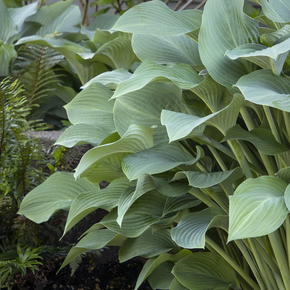
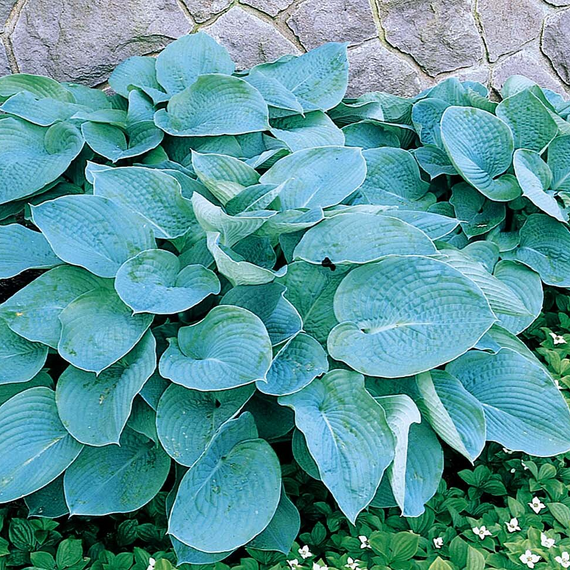
- A giant, show-stopping shade perennial forming a bold, semi-upright mound of thick, deeply seersucker-textured, metallic blue-green heart-shaped leaves that command attention in any shade garden.
- Exceptionally large foliage clumps reach up to 24 inches tall and spread up to 4-5 feet wide, making it one of the most dramatic and statement-worthy hostas available for the landscape.
- Thick, heavily corrugated leaves offer natural resistance to slug damage, while the plant itself demonstrates resistance to verticillium wilt for a more reliably beautiful season-long display.
- Slender spikes of soft lavender to purple-white tubular flowers rise on tall stalks above the foliage in mid- to late summer, adding graceful vertical interest to a lush shade planting.
Hosta 'Eola Sapphire' (Hosta x 'Eola Sapphire') is a giant, award-worthy shade perennial prized for its extraordinary presence in the landscape. Its large, heart-shaped leaves boast a striking metallic blue-green color with a distinctive seersucker-like, deeply corrugated texture that sets it apart from ordinary hostas and gives it year-round tactile and visual appeal. Forming a dense, semi-upright mound roughly 24 inches tall with a spread of up to 4-5 feet, this magnificent cultivar is a true focal point in shaded borders, woodland gardens, and mass plantings across USDA Hardiness Zones 3-9. In mid- to late summer, elegant spikes of soft lavender to purple-white tubular flowers rise above the foliage mound on tall stalks, drawing pollinators and adding a delicate contrast to the bold leaves. The thick, glaucous foliage provides inherent resistance to slug feeding — a common hosta frustration — and the plant has demonstrated resistance to verticillium wilt, making it a more dependable and long-lived choice for the shaded landscape. Whether used as a commanding solo specimen, a lush groundcover, or a bold anchor for a mixed shade garden, Eola Sapphire Hosta delivers unmatched texture, color, and structural drama with minimal care required season after season.
Plant Description
Hosta 'Eola Sapphire' is a giant herbaceous perennial valued above all for its spectacular foliage. The leaves are large, broadly heart-shaped, and feature a rich metallic blue-green color with a highly pronounced seersucker-like, deeply corrugated texture. This glaucous surface gives the leaves a subtle silvery sheen that shifts beautifully in dappled light. The foliage forms a dense, semi-upright mound with leaves that remain dense right to the ground, requiring no filler plants in front. In mid- to late summer, dainty spikes of purple tubular flowers with soft white overtones rise well above the foliage on tall, slender stalks, providing an airy, elegant contrast to the bold leaves below. As a deciduous perennial, the plant dies back to the crown each fall and re-emerges vigorously each spring. Its thick leaf texture offers notable natural resistance to slug damage, which is a common challenge with thinner-leaved hosta varieties.
Mature Size
| Attribute | Measurement |
|---|---|
| Foliage Height | Approximately 24 inches |
| Height with Flower Stalks | Up to 36 inches (3 feet) |
| Spread / Width | 4 to 5 feet |
| Recommended Spacing | Approximately 3 feet apart |
| Size Classification | Giant Hosta |
| Growth Rate | Slow; clumps expand gradually over several years |
Hardiness Zones
Hosta 'Eola Sapphire' is hardy in USDA Zones 3 through 9, making it adaptable to a very wide range of climates across North America. It thrives in the cool winters of the Pacific Northwest and higher elevations of the Siskiyou and Cascade mountain ranges as well as the milder winters of the valleys of Southern Oregon and Northern California. Hostas as a group require a minimum dormancy period of approximately 40 days at around 40 degrees Fahrenheit in order to perform their best the following season. Plants tend to grow larger in cooler, more northern or higher-elevation climates where summers are mild. In hotter, more southern or low-elevation areas, providing extra shade and consistent moisture is important to prevent leaf scorch and maintain the characteristic blue-green color of the foliage.
Sunlight Requirements
Hosta 'Eola Sapphire' performs best in partial shade to full shade. It thrives under the dappled light of deciduous trees, on the north or east side of structures, or in any location that receives bright, indirect light. Morning sun with afternoon shade is generally ideal, as gentle morning light can enhance the metallic blue-green intensity of the foliage without causing heat stress or leaf scorch. Direct afternoon sun, especially in hot climates, should be avoided, as it can bleach the distinctive blue-green color, cause the foliage to fade to a less attractive yellow-green, and lead to crispy leaf margins. Reflected heat from walls, pavement, or south-facing exposures should also be avoided. The blue glaucous coating on the leaves that creates the signature color is particularly sensitive to intense sun exposure.
Soil and pH Preferences
Hosta 'Eola Sapphire' adapts well to a range of soil types but performs best in rich, humus-amended, well-draining soil that retains consistent moisture. Heavy clay soils that remain waterlogged should be avoided, as prolonged wet conditions around the crown and petioles can encourage crown rot. Sandy soils that dry out too quickly are equally problematic and will require more frequent watering and organic amendment. Amend planting beds with generous quantities of compost or aged organic matter worked in to a depth of 8-12 inches before planting. This improves both water retention and drainage simultaneously. Hosta 'Eola Sapphire' is not particularly fussy about soil pH but prefers a fairly neutral range of approximately 6.0 to 7.5. The plant shows reasonable tolerance of urban conditions including moderate air pollution.
Watering Guide
Consistent, even moisture is the key to keeping Hosta 'Eola Sapphire' looking its best. The soil should be kept evenly moist throughout the growing season but never waterlogged. Plants should not be allowed to dry out completely, as drought stress can cause leaf margins to brown and the foliage to wilt, reducing ornamental appeal. During periods of extended heat or drought, supplemental deep watering is recommended. When watering, apply water at the base of the plant rather than overhead to keep the foliage dry — wet foliage held overnight can encourage fungal leaf spot diseases. Morning watering, if overhead irrigation is used, gives foliage time to dry before evening. Newly planted hostas require the most consistent attention to moisture while their root systems are establishing. Applying a 2-3 inch layer of mulch around the plant (but not directly against the crown) is highly effective at retaining soil moisture and moderating root temperature.
Fertilizing
Hosta 'Eola Sapphire' is a relatively low-fertilizer plant, especially when grown in organically rich soil, but feeding it appropriately can help it reach its impressive mature size and maintain rich foliage color. Follow these guidelines for best results:
- Amend the soil with compost before planting to build a strong foundation of nutrients and improve soil structure.
- In early spring as new foliage emerges, apply a light application of a balanced, slow-release granular fertilizer such as a 10-10-10 or 12-12-12 formulation. Avoid heavy doses of high-nitrogen fertilizers, which can produce overly soft foliage more susceptible to pests and disease.
- Fertilize every 4-6 weeks through the active growing season if using a conventional balanced granular or water-soluble fertilizer.
- A single application of a 6-month slow-release fertilizer in spring is a convenient and effective approach for the full season.
- Stop fertilizing by mid- to late summer to avoid triggering tender new growth that can be damaged by early frosts.
- Keep granular fertilizers off the leaves to prevent chemical burn; water in well after application.
- Topdressing with compost each spring is an excellent organic approach to maintain long-term soil fertility.
Planting Instructions
- Choose a site with partial to full shade and protection from hot afternoon sun and drying winds.
- Prepare the planting bed by loosening the soil to a depth of 12 inches and incorporating generous amounts of compost or aged organic matter.
- Dig a planting hole approximately twice as wide as the root ball and just as deep, so the crown of the plant sits level with or very slightly above the surrounding soil grade.
- Remove the plant carefully from its container and gently loosen any circling roots before placing it in the hole.
- Backfill with the amended soil, firming it gently around the roots to eliminate air pockets.
- Water thoroughly immediately after planting to settle the soil and establish good root-to-soil contact.
- Apply a 2-3 inch layer of mulch around the plant, keeping mulch several inches away from the crown to prevent rot and discourage pests.
- Space multiple plants approximately 3 feet apart for mass planting or groundcover use. Given its eventual 4-5 foot spread, allow adequate room for the mature clump when planting as a specimen.
- Spring planting, when the soil has warmed and danger of hard frost has passed, is generally ideal. Fall planting is also successful with consistent watering through establishment.
- Take care in late winter and early spring not to disturb the crown area, as emerging buds may not yet be visible above the soil surface.
Pruning and Maintenance
Hosta 'Eola Sapphire' is a notably low-maintenance perennial that requires minimal intervention to look its best. Key maintenance tasks include:
- Spring cleanup: The best time to tidy the planting is in early spring before new growth resumes. Remove any dead or tattered leaves that have broken down over winter. Take care not to damage the emerging buds, which may be at or just below soil level.
- Deadheading: While not required, removing spent flower stalks after blooming keeps the planting looking tidy and redirects energy back into the foliage.
- Fall cutback: After a hard frost kills back the foliage, the dead leaves can be removed or left to break down as light mulch. Most gardeners prefer to cut back in fall or early spring.
- Division: Over many years, large clumps may develop a dead center as the old growth accumulates. Divide congested clumps in spring or early fall to rejuvenate the planting. Each division should include healthy roots and at least one or two growing points.
- General care: Refresh the layer of mulch around the plant each spring to conserve moisture and suppress weeds.
Seasonal Interest
| Season | What to Expect |
|---|---|
| Spring | Tightly rolled, steel-blue shoots emerge from the crown, unfurling into large, deeply textured heart-shaped leaves. The fresh blue-green color is especially vibrant in the cool temperatures of early spring. |
| Early Summer | The mound reaches its full, impressive size. Foliage color is rich and metallic, providing a bold textural anchor in the shade garden. The seersucker surface catches and reflects dappled light beautifully. |
| Mid to Late Summer | Tall, slender flower scapes rise above the foliage mound, bearing spikes of soft lavender to purple-white tubular flowers that attract hummingbirds and bees. |
| Fall | Foliage may transition to golden-yellow tones before the first frost signals dormancy, adding brief warm color to the shade border. |
| Winter | Plant is fully dormant; foliage dies back completely to the crown. The planting area appears bare until spring emergence. |
Landscape Uses
Hosta 'Eola Sapphire' is highly versatile in the shaded landscape and is well-suited to a range of design applications:
- Specimen or focal point: Its giant size and striking blue-green seersucker foliage make it a natural anchor or focal point in any shade garden bed or border.
- Mass planting: Planted in groups spaced approximately 3 feet apart, it creates a bold, dramatic groundcover that suppresses weeds and unifies large shaded areas.
- Woodland garden: Perfectly at home under the canopy of deciduous trees, naturalized alongside ferns, wildflowers, and other shade-loving perennials.
- Border edging: Despite its large size, its dense, ground-hugging mound makes it effective as a front-of-border statement plant along pathways, driveways, or building foundations on the shaded side.
- Container growing: With a sufficiently large container, Eola Sapphire can be grown in a pot on a shaded patio or deck, where its dramatic foliage can be appreciated up close.
- Slope and erosion control: Dense mounds planted en masse provide good soil coverage on shaded slopes.
- Rain garden edges: Adapts well to consistently moist low spots in the landscape as long as standing water does not persist.
Companion Plants
Hosta 'Eola Sapphire' is an outstanding companion for a wide range of shade-loving plants. Its bold, blue-green textured foliage provides a strong backdrop that allows finer-textured or brightly colored companions to shine. Excellent pairings include:
- Ferns (Athyrium, Dryopteris, Osmunda spp.) - The airy, fine-textured fronds of Japanese painted fern, ostrich fern, or autumn fern provide a beautiful textural contrast to Eola Sapphire's broad, corrugated leaves.
- Coral Bells / Heuchera - The ruffled, colorful foliage of heucheras in deep purples, bronzes, or lime-greens creates a stunning tapestry of contrasting color and texture alongside the blue mound.
- Astilbe - Feathery plumes of pink, red, or white flowers rising above ferny foliage make a spectacular combination with the bold hosta leaves in a moist shade bed.
- Brunnera macrophylla - The frosted, heart-shaped leaves of Siberian bugloss echo the leaf shape of Eola Sapphire while providing a lighter, silver-variegated contrast and spring blue flowers.
- Hydrangea - The classic pairing of lush hosta foliage at the base of a blooming hydrangea shrub is timeless, with both plants sharing a preference for moist, well-amended soil and partial shade.
- Bleeding Heart (Dicentra spp.) - Delicate, arching stems with heart-shaped flowers emerge in spring when hosta foliage is still developing, providing beautiful early color before the hosta takes center stage.
- Tiarella / Foamflower - Low-growing, shade-tolerant groundcover with delicate white flower spikes and interesting foliage that fills the spaces between larger hosta clumps.
- Ligularia - Another bold-leaved shade perennial that pairs well with giant hostas, offering deeply toothed foliage and bright golden-orange flower spikes for dramatic contrast.
- Other Hostas - Mixing Eola Sapphire with gold, chartreuse, or white-variegated hosta varieties creates a rich, layered tapestry of color and texture in a dedicated shade garden.
Pests and Diseases
Hosta 'Eola Sapphire' is generally a robust and trouble-free plant, and its notably thick, heavily corrugated leaves provide natural resistance to slug damage — one of the most common complaints with thinner-leaved hosta varieties. However, gardeners should remain aware of the following potential issues:
- Slugs and Snails: While thick foliage provides some natural deterrence, slugs can still be a concern during very wet seasons. Reduce hiding spots by clearing dense leaf litter and debris. Use iron phosphate-based slug baits, beer traps, or diatomaceous earth around the plant base as needed. Avoid excessive mulch piled against the crown.
- Deer and Rabbits: Hostas are a preferred food source for deer, which can reduce a plant to bare petiole stubs overnight. Physical barriers, deer-repellent sprays, or strategic placement near structures can help. Rabbits similarly clip leaves cleanly at the base.
- Anthracnose Leaf Spot: A fungal disease favored by warm, wet conditions that causes large irregular spots with dark borders, sometimes causing centers to fall out. Improve air circulation, avoid overhead watering, water in the morning, and remove infected foliage promptly. Fungicides may be warranted in severe cases.
- Petiole and Crown Rot (Sclerotium rolfsii var. delphinii): A serious fungal disease causing yellowing, browning, and collapse of lower leaves and soft rot at the petiole base. Prevent by ensuring good drainage, avoiding excessive mulch at the crown, and inspecting new plants before installation. Remove and destroy infected plants and surrounding soil immediately.
- Hosta Virus X (HVX) and other viruses: Viral infections cause mottled, distorted, or discolored foliage. There is no cure; infected plants should be removed and destroyed. Purchase plants only from reputable sources that practice virus-free propagation. Avoid using tools that have contacted infected plants without sterilizing them first.
- Foliar Nematodes: Cause brown streaking between leaf veins following the venation pattern. Remove and destroy affected foliage; avoid overhead watering and working among plants when foliage is wet to reduce spread.
Container Growing
Despite its giant mature size, Hosta 'Eola Sapphire' can be successfully grown in a large container for shaded patios, porches, or entryways where its bold, architectural foliage can be enjoyed up close. For best results in containers:
- Select a container with ample drainage holes that is at least 18-24 inches in diameter and depth to accommodate the plant's root system and allow room for growth.
- Use a high-quality, well-draining potting mix enriched with compost. Avoid garden soil, which compacts in containers and impedes drainage.
- Water more frequently than in-ground plants, as containers dry out faster — check soil moisture regularly and water when the top inch of soil feels dry.
- Fertilize container-grown plants more regularly since nutrients leach out with frequent watering. A balanced, water-soluble fertilizer applied every 2-3 weeks through the growing season, or a slow-release granular applied in spring, works well.
- Position containers in bright shade to partial shade, protected from direct afternoon sun and drying winds.
- In climates with cold winters, protect containers from hard freezes by moving them to an unheated garage or shed, or insulating the container with burlap or bubble wrap. The roots are more vulnerable to freeze-thaw damage in containers than when planted in the ground.
- Repot every 2-3 years as the clump expands, or divide and replant in fresh potting mix to refresh the plant.
Wildlife Value
Hosta 'Eola Sapphire' offers meaningful wildlife value, particularly during its flowering season. The slender, tubular lavender to purple-white flowers that appear from mid to late summer are attractive to hummingbirds, which are drawn to their tubular form and nectar. Bumblebees and other long-tongued native bees also visit the blooms for nectar, contributing to pollinator support in the shade garden. The dense, broad foliage mound provides ground-level shelter and habitat for beneficial insects, toads, and other small garden creatures that help control pest populations naturally. Note that deer consider hosta foliage highly palatable, so the plant may require protection in areas with significant deer pressure. In a balanced garden ecosystem, allowing toads and ground beetles to shelter among the hosta clumps provides a natural first line of defense against slug and insect pest populations.
- A giant, show-stopping shade perennial forming a bold, semi-upright mound of thick, deeply seersucker-textured, metallic blue-green heart-shaped leaves that command attention in any shade garden.
- Exceptionally large foliage clumps reach up to 24 inches tall and spread up to 4-5 feet wide, making it one of the most dramatic and statement-worthy hostas available for the landscape.
- Thick, heavily corrugated leaves offer natural resistance to slug damage, while the plant itself demonstrates resistance to verticillium wilt for a more reliably beautiful season-long display.
- Slender spikes of soft lavender to purple-white tubular flowers rise on tall stalks above the foliage in mid- to late summer, adding graceful vertical interest to a lush shade planting.
Hosta 'Eola Sapphire' (Hosta x 'Eola Sapphire') is a giant, award-worthy shade perennial prized for its extraordinary presence in the landscape. Its large, heart-shaped leaves boast a striking metallic blue-green color with a distinctive seersucker-like, deeply corrugated texture that sets it apart from ordinary hostas and gives it year-round tactile and visual appeal. Forming a dense, semi-upright mound roughly 24 inches tall with a spread of up to 4-5 feet, this magnificent cultivar is a true focal point in shaded borders, woodland gardens, and mass plantings across USDA Hardiness Zones 3-9. In mid- to late summer, elegant spikes of soft lavender to purple-white tubular flowers rise above the foliage mound on tall stalks, drawing pollinators and adding a delicate contrast to the bold leaves. The thick, glaucous foliage provides inherent resistance to slug feeding — a common hosta frustration — and the plant has demonstrated resistance to verticillium wilt, making it a more dependable and long-lived choice for the shaded landscape. Whether used as a commanding solo specimen, a lush groundcover, or a bold anchor for a mixed shade garden, Eola Sapphire Hosta delivers unmatched texture, color, and structural drama with minimal care required season after season.
Plant Description
Hosta 'Eola Sapphire' is a giant herbaceous perennial valued above all for its spectacular foliage. The leaves are large, broadly heart-shaped, and feature a rich metallic blue-green color with a highly pronounced seersucker-like, deeply corrugated texture. This glaucous surface gives the leaves a subtle silvery sheen that shifts beautifully in dappled light. The foliage forms a dense, semi-upright mound with leaves that remain dense right to the ground, requiring no filler plants in front. In mid- to late summer, dainty spikes of purple tubular flowers with soft white overtones rise well above the foliage on tall, slender stalks, providing an airy, elegant contrast to the bold leaves below. As a deciduous perennial, the plant dies back to the crown each fall and re-emerges vigorously each spring. Its thick leaf texture offers notable natural resistance to slug damage, which is a common challenge with thinner-leaved hosta varieties.
Mature Size
| Attribute | Measurement |
|---|---|
| Foliage Height | Approximately 24 inches |
| Height with Flower Stalks | Up to 36 inches (3 feet) |
| Spread / Width | 4 to 5 feet |
| Recommended Spacing | Approximately 3 feet apart |
| Size Classification | Giant Hosta |
| Growth Rate | Slow; clumps expand gradually over several years |
Hardiness Zones
Hosta 'Eola Sapphire' is hardy in USDA Zones 3 through 9, making it adaptable to a very wide range of climates across North America. It thrives in the cool winters of the Pacific Northwest and higher elevations of the Siskiyou and Cascade mountain ranges as well as the milder winters of the valleys of Southern Oregon and Northern California. Hostas as a group require a minimum dormancy period of approximately 40 days at around 40 degrees Fahrenheit in order to perform their best the following season. Plants tend to grow larger in cooler, more northern or higher-elevation climates where summers are mild. In hotter, more southern or low-elevation areas, providing extra shade and consistent moisture is important to prevent leaf scorch and maintain the characteristic blue-green color of the foliage.
Sunlight Requirements
Hosta 'Eola Sapphire' performs best in partial shade to full shade. It thrives under the dappled light of deciduous trees, on the north or east side of structures, or in any location that receives bright, indirect light. Morning sun with afternoon shade is generally ideal, as gentle morning light can enhance the metallic blue-green intensity of the foliage without causing heat stress or leaf scorch. Direct afternoon sun, especially in hot climates, should be avoided, as it can bleach the distinctive blue-green color, cause the foliage to fade to a less attractive yellow-green, and lead to crispy leaf margins. Reflected heat from walls, pavement, or south-facing exposures should also be avoided. The blue glaucous coating on the leaves that creates the signature color is particularly sensitive to intense sun exposure.
Soil and pH Preferences
Hosta 'Eola Sapphire' adapts well to a range of soil types but performs best in rich, humus-amended, well-draining soil that retains consistent moisture. Heavy clay soils that remain waterlogged should be avoided, as prolonged wet conditions around the crown and petioles can encourage crown rot. Sandy soils that dry out too quickly are equally problematic and will require more frequent watering and organic amendment. Amend planting beds with generous quantities of compost or aged organic matter worked in to a depth of 8-12 inches before planting. This improves both water retention and drainage simultaneously. Hosta 'Eola Sapphire' is not particularly fussy about soil pH but prefers a fairly neutral range of approximately 6.0 to 7.5. The plant shows reasonable tolerance of urban conditions including moderate air pollution.
Watering Guide
Consistent, even moisture is the key to keeping Hosta 'Eola Sapphire' looking its best. The soil should be kept evenly moist throughout the growing season but never waterlogged. Plants should not be allowed to dry out completely, as drought stress can cause leaf margins to brown and the foliage to wilt, reducing ornamental appeal. During periods of extended heat or drought, supplemental deep watering is recommended. When watering, apply water at the base of the plant rather than overhead to keep the foliage dry — wet foliage held overnight can encourage fungal leaf spot diseases. Morning watering, if overhead irrigation is used, gives foliage time to dry before evening. Newly planted hostas require the most consistent attention to moisture while their root systems are establishing. Applying a 2-3 inch layer of mulch around the plant (but not directly against the crown) is highly effective at retaining soil moisture and moderating root temperature.
Fertilizing
Hosta 'Eola Sapphire' is a relatively low-fertilizer plant, especially when grown in organically rich soil, but feeding it appropriately can help it reach its impressive mature size and maintain rich foliage color. Follow these guidelines for best results:
- Amend the soil with compost before planting to build a strong foundation of nutrients and improve soil structure.
- In early spring as new foliage emerges, apply a light application of a balanced, slow-release granular fertilizer such as a 10-10-10 or 12-12-12 formulation. Avoid heavy doses of high-nitrogen fertilizers, which can produce overly soft foliage more susceptible to pests and disease.
- Fertilize every 4-6 weeks through the active growing season if using a conventional balanced granular or water-soluble fertilizer.
- A single application of a 6-month slow-release fertilizer in spring is a convenient and effective approach for the full season.
- Stop fertilizing by mid- to late summer to avoid triggering tender new growth that can be damaged by early frosts.
- Keep granular fertilizers off the leaves to prevent chemical burn; water in well after application.
- Topdressing with compost each spring is an excellent organic approach to maintain long-term soil fertility.
Planting Instructions
- Choose a site with partial to full shade and protection from hot afternoon sun and drying winds.
- Prepare the planting bed by loosening the soil to a depth of 12 inches and incorporating generous amounts of compost or aged organic matter.
- Dig a planting hole approximately twice as wide as the root ball and just as deep, so the crown of the plant sits level with or very slightly above the surrounding soil grade.
- Remove the plant carefully from its container and gently loosen any circling roots before placing it in the hole.
- Backfill with the amended soil, firming it gently around the roots to eliminate air pockets.
- Water thoroughly immediately after planting to settle the soil and establish good root-to-soil contact.
- Apply a 2-3 inch layer of mulch around the plant, keeping mulch several inches away from the crown to prevent rot and discourage pests.
- Space multiple plants approximately 3 feet apart for mass planting or groundcover use. Given its eventual 4-5 foot spread, allow adequate room for the mature clump when planting as a specimen.
- Spring planting, when the soil has warmed and danger of hard frost has passed, is generally ideal. Fall planting is also successful with consistent watering through establishment.
- Take care in late winter and early spring not to disturb the crown area, as emerging buds may not yet be visible above the soil surface.
Pruning and Maintenance
Hosta 'Eola Sapphire' is a notably low-maintenance perennial that requires minimal intervention to look its best. Key maintenance tasks include:
- Spring cleanup: The best time to tidy the planting is in early spring before new growth resumes. Remove any dead or tattered leaves that have broken down over winter. Take care not to damage the emerging buds, which may be at or just below soil level.
- Deadheading: While not required, removing spent flower stalks after blooming keeps the planting looking tidy and redirects energy back into the foliage.
- Fall cutback: After a hard frost kills back the foliage, the dead leaves can be removed or left to break down as light mulch. Most gardeners prefer to cut back in fall or early spring.
- Division: Over many years, large clumps may develop a dead center as the old growth accumulates. Divide congested clumps in spring or early fall to rejuvenate the planting. Each division should include healthy roots and at least one or two growing points.
- General care: Refresh the layer of mulch around the plant each spring to conserve moisture and suppress weeds.
Seasonal Interest
| Season | What to Expect |
|---|---|
| Spring | Tightly rolled, steel-blue shoots emerge from the crown, unfurling into large, deeply textured heart-shaped leaves. The fresh blue-green color is especially vibrant in the cool temperatures of early spring. |
| Early Summer | The mound reaches its full, impressive size. Foliage color is rich and metallic, providing a bold textural anchor in the shade garden. The seersucker surface catches and reflects dappled light beautifully. |
| Mid to Late Summer | Tall, slender flower scapes rise above the foliage mound, bearing spikes of soft lavender to purple-white tubular flowers that attract hummingbirds and bees. |
| Fall | Foliage may transition to golden-yellow tones before the first frost signals dormancy, adding brief warm color to the shade border. |
| Winter | Plant is fully dormant; foliage dies back completely to the crown. The planting area appears bare until spring emergence. |
Landscape Uses
Hosta 'Eola Sapphire' is highly versatile in the shaded landscape and is well-suited to a range of design applications:
- Specimen or focal point: Its giant size and striking blue-green seersucker foliage make it a natural anchor or focal point in any shade garden bed or border.
- Mass planting: Planted in groups spaced approximately 3 feet apart, it creates a bold, dramatic groundcover that suppresses weeds and unifies large shaded areas.
- Woodland garden: Perfectly at home under the canopy of deciduous trees, naturalized alongside ferns, wildflowers, and other shade-loving perennials.
- Border edging: Despite its large size, its dense, ground-hugging mound makes it effective as a front-of-border statement plant along pathways, driveways, or building foundations on the shaded side.
- Container growing: With a sufficiently large container, Eola Sapphire can be grown in a pot on a shaded patio or deck, where its dramatic foliage can be appreciated up close.
- Slope and erosion control: Dense mounds planted en masse provide good soil coverage on shaded slopes.
- Rain garden edges: Adapts well to consistently moist low spots in the landscape as long as standing water does not persist.
Companion Plants
Hosta 'Eola Sapphire' is an outstanding companion for a wide range of shade-loving plants. Its bold, blue-green textured foliage provides a strong backdrop that allows finer-textured or brightly colored companions to shine. Excellent pairings include:
- Ferns (Athyrium, Dryopteris, Osmunda spp.) - The airy, fine-textured fronds of Japanese painted fern, ostrich fern, or autumn fern provide a beautiful textural contrast to Eola Sapphire's broad, corrugated leaves.
- Coral Bells / Heuchera - The ruffled, colorful foliage of heucheras in deep purples, bronzes, or lime-greens creates a stunning tapestry of contrasting color and texture alongside the blue mound.
- Astilbe - Feathery plumes of pink, red, or white flowers rising above ferny foliage make a spectacular combination with the bold hosta leaves in a moist shade bed.
- Brunnera macrophylla - The frosted, heart-shaped leaves of Siberian bugloss echo the leaf shape of Eola Sapphire while providing a lighter, silver-variegated contrast and spring blue flowers.
- Hydrangea - The classic pairing of lush hosta foliage at the base of a blooming hydrangea shrub is timeless, with both plants sharing a preference for moist, well-amended soil and partial shade.
- Bleeding Heart (Dicentra spp.) - Delicate, arching stems with heart-shaped flowers emerge in spring when hosta foliage is still developing, providing beautiful early color before the hosta takes center stage.
- Tiarella / Foamflower - Low-growing, shade-tolerant groundcover with delicate white flower spikes and interesting foliage that fills the spaces between larger hosta clumps.
- Ligularia - Another bold-leaved shade perennial that pairs well with giant hostas, offering deeply toothed foliage and bright golden-orange flower spikes for dramatic contrast.
- Other Hostas - Mixing Eola Sapphire with gold, chartreuse, or white-variegated hosta varieties creates a rich, layered tapestry of color and texture in a dedicated shade garden.
Pests and Diseases
Hosta 'Eola Sapphire' is generally a robust and trouble-free plant, and its notably thick, heavily corrugated leaves provide natural resistance to slug damage — one of the most common complaints with thinner-leaved hosta varieties. However, gardeners should remain aware of the following potential issues:
- Slugs and Snails: While thick foliage provides some natural deterrence, slugs can still be a concern during very wet seasons. Reduce hiding spots by clearing dense leaf litter and debris. Use iron phosphate-based slug baits, beer traps, or diatomaceous earth around the plant base as needed. Avoid excessive mulch piled against the crown.
- Deer and Rabbits: Hostas are a preferred food source for deer, which can reduce a plant to bare petiole stubs overnight. Physical barriers, deer-repellent sprays, or strategic placement near structures can help. Rabbits similarly clip leaves cleanly at the base.
- Anthracnose Leaf Spot: A fungal disease favored by warm, wet conditions that causes large irregular spots with dark borders, sometimes causing centers to fall out. Improve air circulation, avoid overhead watering, water in the morning, and remove infected foliage promptly. Fungicides may be warranted in severe cases.
- Petiole and Crown Rot (Sclerotium rolfsii var. delphinii): A serious fungal disease causing yellowing, browning, and collapse of lower leaves and soft rot at the petiole base. Prevent by ensuring good drainage, avoiding excessive mulch at the crown, and inspecting new plants before installation. Remove and destroy infected plants and surrounding soil immediately.
- Hosta Virus X (HVX) and other viruses: Viral infections cause mottled, distorted, or discolored foliage. There is no cure; infected plants should be removed and destroyed. Purchase plants only from reputable sources that practice virus-free propagation. Avoid using tools that have contacted infected plants without sterilizing them first.
- Foliar Nematodes: Cause brown streaking between leaf veins following the venation pattern. Remove and destroy affected foliage; avoid overhead watering and working among plants when foliage is wet to reduce spread.
Container Growing
Despite its giant mature size, Hosta 'Eola Sapphire' can be successfully grown in a large container for shaded patios, porches, or entryways where its bold, architectural foliage can be enjoyed up close. For best results in containers:
- Select a container with ample drainage holes that is at least 18-24 inches in diameter and depth to accommodate the plant's root system and allow room for growth.
- Use a high-quality, well-draining potting mix enriched with compost. Avoid garden soil, which compacts in containers and impedes drainage.
- Water more frequently than in-ground plants, as containers dry out faster — check soil moisture regularly and water when the top inch of soil feels dry.
- Fertilize container-grown plants more regularly since nutrients leach out with frequent watering. A balanced, water-soluble fertilizer applied every 2-3 weeks through the growing season, or a slow-release granular applied in spring, works well.
- Position containers in bright shade to partial shade, protected from direct afternoon sun and drying winds.
- In climates with cold winters, protect containers from hard freezes by moving them to an unheated garage or shed, or insulating the container with burlap or bubble wrap. The roots are more vulnerable to freeze-thaw damage in containers than when planted in the ground.
- Repot every 2-3 years as the clump expands, or divide and replant in fresh potting mix to refresh the plant.
Wildlife Value
Hosta 'Eola Sapphire' offers meaningful wildlife value, particularly during its flowering season. The slender, tubular lavender to purple-white flowers that appear from mid to late summer are attractive to hummingbirds, which are drawn to their tubular form and nectar. Bumblebees and other long-tongued native bees also visit the blooms for nectar, contributing to pollinator support in the shade garden. The dense, broad foliage mound provides ground-level shelter and habitat for beneficial insects, toads, and other small garden creatures that help control pest populations naturally. Note that deer consider hosta foliage highly palatable, so the plant may require protection in areas with significant deer pressure. In a balanced garden ecosystem, allowing toads and ground beetles to shelter among the hosta clumps provides a natural first line of defense against slug and insect pest populations.
Related Products