
Zoom the image with the mouse
Patriot Hosta - 5 Gallon
SKU:
2059565
UPC:
014949418857
$59.99
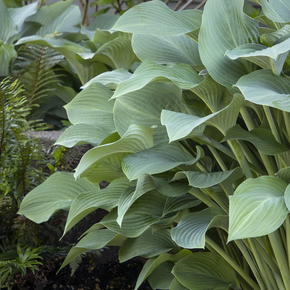
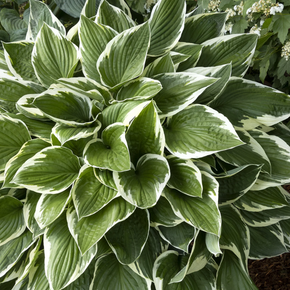
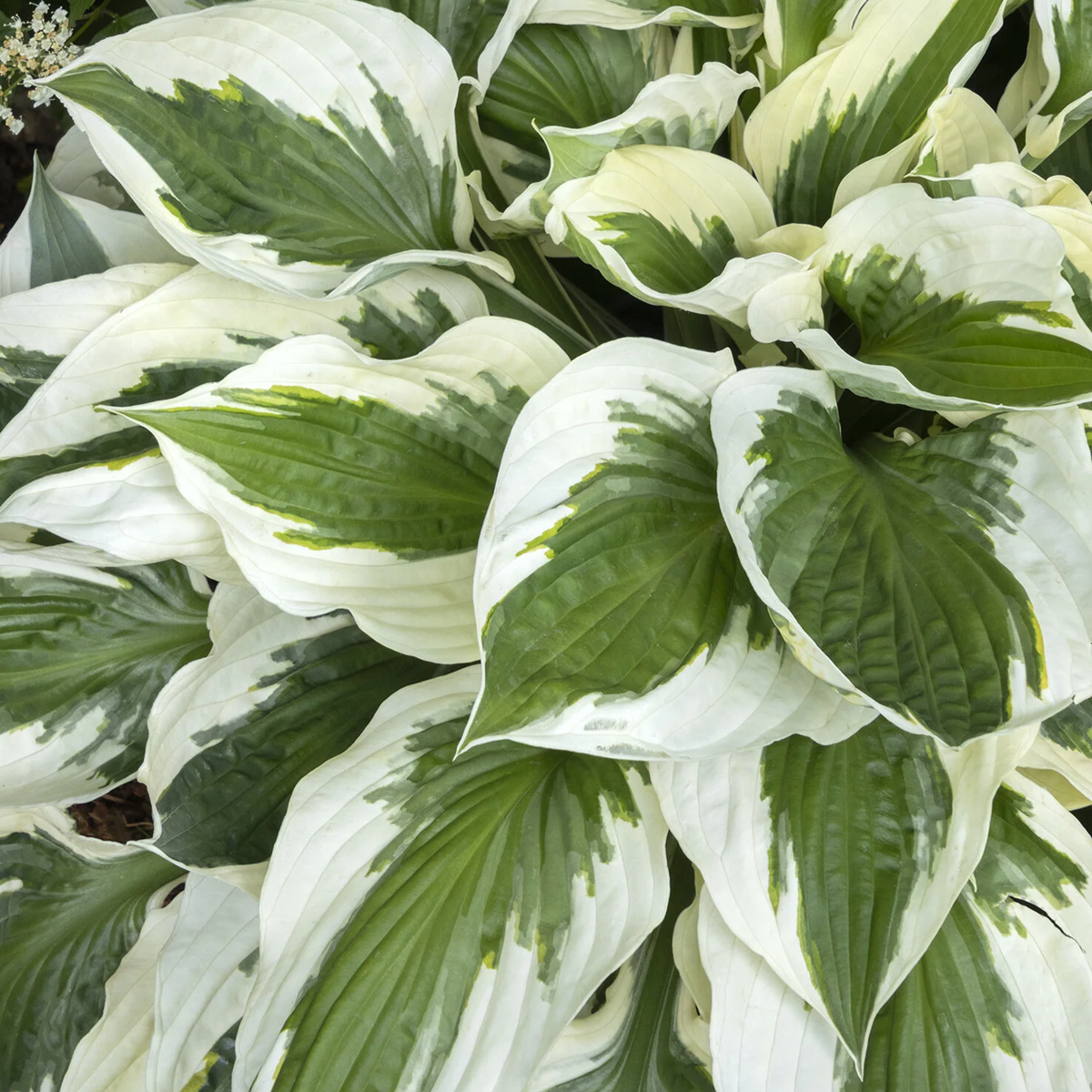
- Bold, variegated foliage features deep green centers framed by wide, crisp white margins that brighten even the darkest shade garden corner.
- A dependable, low-maintenance herbaceous perennial that returns year after year, spreading into a lush, weed-suppressing mound up to 2.5 feet wide.
- Lavender, bell-shaped blooms rise on tall scapes in mid-summer, adding vertical interest and attracting hummingbirds above the foliage.
- Exceptionally cold-hardy through USDA Zones 3-9, making it a reliable choice for Pacific Northwest and Northern California shade gardens alike.
Hosta 'Patriot' is a standout shade perennial prized for its dramatic, large-leafed variegated foliage — deep forest-green centers surrounded by bold, irregular white margins that instantly command attention in dim garden corners. A sport of the classic Hosta 'Francee', 'Patriot' was introduced in 1992 and has since earned its place as one of the most popular and widely planted hosta cultivars in the world, beloved for its reliability, striking leaf contrast, and ease of care. Forming a dense, rounded mound typically 12 to 22 inches tall and spreading 24 to 30 inches wide, it creates a lush, layered effect in shady borders, woodland gardens, and along pathways. In mid-summer, elegant lavender bell-shaped flowers emerge on tall scapes that rise well above the foliage, attracting hummingbirds and adding soft vertical interest to the planting. Hardy across USDA Zones 3 through 9, Hosta 'Patriot' thrives in part shade to full shade and prefers consistently moist, organically rich, well-draining soil. Whether used as a specimen, massed as a groundcover, planted along a shaded border, or grown in a container on a shaded patio, this award-worthy perennial delivers season-long, high-impact foliage interest with minimal upkeep — a true workhorse of the shade garden.
Plant Description
Hosta 'Patriot' is a clump-forming, rhizomatous herbaceous perennial grown primarily for its outstanding variegated foliage. The large, oval to heart-shaped leaves grow up to 7 inches long and display rich, deep green centers accented by wide, irregular white margins — a contrast that is especially bright and eye-catching in shaded garden settings. In early spring the margins may emerge with a soft creamy-yellow tinge before maturing to crisp white as the season progresses. The leaf surface is smooth with prominent, deeply impressed veins that add texture and visual depth. In mid-summer, unbranched flower scapes rise 30 to 34 inches above the foliage mound, bearing one-sided racemes of nodding, bell-shaped lavender flowers that add delicate color and attract hummingbirds. As a sport of the long-beloved Hosta 'Francee', 'Patriot' improves upon its parent with notably wider and more pronounced white leaf margins. It was introduced by J. Machen in 1992 and has become one of the best-selling hosta cultivars in the world.
Mature Size
| Attribute | Measurement |
|---|---|
| Foliage Mound Height | 12 to 22 inches |
| Foliage Mound Spread | 24 to 30 inches |
| Flower Scape Height | Up to 34 inches |
| Leaf Length | Up to 7 inches |
| Growth Habit | Mounded, clump-forming |
| Growth Rate | Moderate; reaches full size in 3 to 5 years |
Hardiness Zones and Climate
Hosta 'Patriot' is cold-hardy in USDA Hardiness Zones 3 through 9, making it suitable for an exceptionally wide range of climates across North America — from the cold winters of the upper Midwest to the mild winters of the Pacific Coast and Northern California. It is a fully herbaceous perennial, dying back to the ground each fall and re-emerging reliably each spring. In Southern Oregon and Northern California, 'Patriot' thrives with ease, performing best where summer afternoons are shaded. It can tolerate some humidity and adapts well to the mild, moist conditions of coastal zones. The optimal temperature range for active growth is 60 to 75 degrees F. Protect plants from late spring frosts if new growth has already emerged, though established crowns are highly frost-tolerant.
Sunlight Requirements
Hosta 'Patriot' performs best in part shade to full shade. The ideal exposure is dappled or high-filtered light that mimics the natural woodland understory — such as the shifting shade beneath deciduous trees. Morning sun followed by afternoon shade is generally well-tolerated and can even help intensify the contrast of the white leaf margins. However, direct hot afternoon sun should be avoided, as it scorches the white-margined portions of the leaves and causes the overall foliage to look bleached and stressed. In deep, dense shade, the plant will survive but may grow more slowly and produce less vibrant leaf color. In the warmer inland areas of Southern Oregon and Northern California, erring toward deeper shade protection during the hottest summer months will keep foliage looking its best all season long.
Soil and pH Preferences
Hosta 'Patriot' grows best in moist, organically rich, well-draining soil. It is adaptable to a range of soil textures, but performs most vigorously in a sandy loam or loamy soil amended with generous amounts of compost or aged organic matter. Heavy clay soils should be amended to improve drainage and aeration, as waterlogged roots are susceptible to crown and root rot. Overly sandy, fast-draining soils benefit from added compost to improve moisture retention. The preferred soil pH range is slightly acidic to neutral, between 6.0 and 7.5. Avoid compacted or extremely dry soils. Incorporating 2 to 3 inches of compost into the planting area before installation creates an ideal foundation for long-term vigor and healthy root development.
Watering Guide
Consistent, even soil moisture is one of the most important factors in keeping Hosta 'Patriot' looking lush and healthy throughout the growing season. Water deeply and thoroughly at least once per week during dry spells, soaking the soil to encourage deep root development rather than shallow surface roots. Always apply water directly to the soil at the base of the plant rather than overhead — wet foliage, especially when combined with warm nighttime temperatures, can encourage fungal disease and creates ideal conditions for slugs and snails. Avoid letting the soil dry out completely, as drought stress leads to crisp, browning leaf edges and a diminished appearance. Signs of overwatering include yellowing leaves and wilting despite moist soil, which may indicate root issues. A 2 to 3 inch layer of organic mulch around the plant (kept away from the crown) helps retain soil moisture between waterings and moderates soil temperature.
Fertilizing
Hosta 'Patriot' benefits from a light annual feeding program to support vigorous foliage growth and strong root development. Apply a balanced, slow-release granular fertilizer (such as a 10-10-10 or similar formulation) in early spring as new growth emerges from the ground. A second application of a diluted balanced fertilizer in mid-summer can further support the plant through the peak growing season. Alternatively, top-dressing the planting area with 1 to 2 inches of well-rotted compost each spring is an effective organic approach that feeds the plant slowly while improving soil structure. Avoid applying fertilizer after late summer, as this can stimulate tender new growth that is susceptible to frost damage. Do not over-fertilize, as excess nitrogen can cause lush, soft foliage that is more attractive to pests and more prone to disease.
Planting Instructions
- Select a planting site with part to full shade and protection from harsh afternoon sun and drying winds.
- Prepare the soil by loosening it to a depth of 12 to 15 inches and incorporating 2 to 3 inches of compost or aged organic matter.
- Dig a planting hole twice as wide as the root ball and equal in depth.
- Position the plant so the crown (where roots meet the base of the foliage) sits level with the surrounding soil surface — planting too deep can lead to crown rot.
- Backfill with the amended native soil, gently firming it around the roots to eliminate air pockets.
- Water thoroughly immediately after planting to settle the soil and hydrate the roots.
- Apply a 2 to 3 inch layer of shredded bark, wood chip, or leaf mulch around the plant, keeping it a few inches clear of the crown.
- Space multiple plants 30 to 48 inches apart from center to center, allowing adequate room for each plant to reach its full mature spread without overcrowding.
- Spring and early fall are the ideal planting seasons, giving roots time to establish before summer heat or winter cold arrives.
Pruning and Maintenance
Hosta 'Patriot' is a low-maintenance perennial that requires minimal pruning. Deadhead spent flower scapes by cutting them back to the base of the foliage mound as blooms fade in late summer — this keeps the plant tidy and directs energy back into the foliage. In late fall, after the foliage has been killed back by frost, cut all leaves and stems to the ground. Removing this dead material eliminates overwintering habitat for slugs, snails, and foliar disease pathogens, setting the plant up for a healthier start the following spring. In early spring, any remaining dead foliage can be cleaned up before new shoots emerge. Clumps can be divided every 3 to 5 years in early spring (before leaves fully unfurl) or in early fall to maintain vigor, refresh the planting, and propagate new plants. Division is straightforward — simply dig, split the crown with a sharp spade or knife, and replant divisions at the correct depth.
Seasonal Interest
Hosta 'Patriot' delivers compelling garden interest from early spring through the first hard frost of autumn. In early spring, tightly coiled shoots push through the soil and unfurl into the characteristic deep green and white variegated leaves — a dramatic re-emergence that signals the return of the shade garden. As spring matures into summer, the foliage mound fills out to its full, lush spread, with the crisp white leaf margins providing bright contrast against neighboring shade plants. Mid-summer brings the addition of lavender, bell-shaped flowers on tall, elegant scapes that rise above the foliage and attract hummingbirds. As fall approaches, the foliage gradually takes on soft yellow tones before dying back cleanly with frost. Even in its dormant winter state, the garden space remains defined by the plant's structural footprint, ready to return with vigor the following spring.
Landscape Uses
Hosta 'Patriot' is one of the most versatile shade perennials available for the home landscape. Its bold variegated foliage and reliable, tidy habit make it suitable for a wide range of applications:
- Shade and Woodland Gardens: A classic choice for planting beneath deciduous trees where dappled light and moisture create ideal conditions.
- Shaded Borders: Use as a mid-border specimen or in groupings along fences, walls, and building foundations that receive little direct sun.
- Edging and Pathway Plantings: The neat mounded habit makes it excellent for lining shaded walkways and garden paths.
- Mass Plantings and Groundcover: When planted in drifts, 'Patriot' creates a dense, weed-suppressing carpet of textured foliage.
- Container Gardens: Performs beautifully as a filler in large containers on shaded patios, decks, and entryways.
- Erosion Control on Shaded Slopes: The spreading root system helps stabilize soil on shaded, moist embankments.
- Cut Foliage: Large, striking leaves make excellent additions to floral arrangements and cut foliage displays.
Companion Plants
Hosta 'Patriot' pairs beautifully with a wide range of shade-loving perennials and shrubs that share its preference for moist, organically rich soil and filtered light. Consider the following companions to create a layered, dynamic shade garden:
- Japanese Painted Fern (Athyrium niponicum): Delicate silver, burgundy, and green fronds provide stunning textural contrast to the bold hosta leaves.
- Astilbe: Feathery, plume-like summer blooms in pink, red, or white add vertical color above or beside the hosta mound.
- Heuchera (Coral Bells): Richly colored foliage in burgundy, lime, or amber complements the green-and-white palette of 'Patriot'.
- Bleeding Heart (Dicentra spectabilis): Delicate spring flowers and soft foliage bridge the gap before hostas reach full size; goes dormant just as the hosta fills in.
- Brunnera 'Jack Frost': Silver-splashed heart-shaped leaves brighten dark corners and repeat the white tones of 'Patriot's margins.
- Pulmonaria (Lungwort): Spotted silver foliage and early spring flowers extend seasonal interest and are resistant to slugs.
- Autumn Fern (Dryopteris erythrosora): Coppery-bronze new fronds that mature to glossy green create a warm color contrast.
- Lamium (Dead Nettle): A low spreading groundcover that fills gaps between hostas, suppresses weeds, and echoes the variegated foliage theme.
- Hellebore (Lenten Rose): Evergreen foliage and late-winter to early-spring blooms provide interest before the hosta emerges.
Pests and Diseases
While Hosta 'Patriot' is generally a rugged and resilient plant, there are several pests and diseases to monitor throughout the growing season:
- Slugs and Snails: The most common and damaging pest. They feed at night, leaving jagged, irregular holes in the leaves along with telltale silvery slime trails. Control with beer traps, diatomaceous earth applied around the base of plants (reapply after rain), iron phosphate slug bait, or by watering only in the morning so foliage dries by evening. Remove leaf debris where slugs hide.
- Deer and Rabbits: Both find hosta foliage highly palatable and can cause severe damage overnight. Deer repellent sprays, physical barriers, or strategic planting with deer-resistant companions can help reduce browsing pressure.
- Foliar Nematodes: Microscopic worms that invade leaf tissue, causing distinctive angular, water-soaked brown patches between the leaf veins. Remove and destroy affected leaves immediately; do not compost. Avoid overhead watering to limit spread.
- Aphids and Spider Mites: Occasionally attack stressed plants. A strong blast of water or an application of insecticidal soap controls minor infestations.
- Crown Rot and Root Rot: Caused by overly wet, poorly drained soil or planting too deeply. Ensure excellent drainage and keep mulch away from the crown.
- Leaf Spot (Fungal): Dark or tan spots on foliage, often worsened by overhead watering. Remove affected leaves promptly and improve air circulation.
- Hosta Virus X (HVX): A serious viral disease with no cure, causing irregular blotchy, mottled, or distorted foliage. Plants showing HVX symptoms should be removed and destroyed immediately — do not compost. Use clean, sanitized tools when dividing or pruning.
Container Growing
Hosta 'Patriot' adapts very well to container culture and is an excellent choice for bringing bold foliage interest to shaded patios, covered entryways, and deck gardens. Select a large container — at least 16 to 20 inches in diameter — with generous drainage holes to prevent waterlogging. Use a high-quality, well-draining potting mix amended with additional compost or perlite to improve both moisture retention and aeration. Because containers dry out more quickly than garden beds, container-grown hostas may require watering more frequently — check soil moisture every 2 to 3 days during warm weather. Apply a diluted balanced liquid fertilizer every 3 to 4 weeks during the growing season, as nutrients leach from containers more rapidly. In winter, container plants in colder climates can be moved to an unheated garage or sheltered location to protect the roots from hard freezing, or the container can be buried in the ground or heavily insulated with mulch. Repot every 2 to 3 years or when the plant visibly outgrows its container.
Wildlife Value
Despite being a target for deer and rabbits, Hosta 'Patriot' does offer genuine value to beneficial wildlife in the garden. The tall lavender flower scapes that emerge in mid-summer are well-documented hummingbird attractors — the tubular, bell-shaped flowers are well-suited to hummingbird feeding and provide a nectar source during the peak summer season. Bees and other pollinators also visit the flowers, contributing to overall garden biodiversity. The dense foliage mound provides ground-level shelter and habitat cover for small beneficial insects and garden-friendly ground beetles that help control pest populations. When planted in mass, the layered canopy created by hostas and their shade-loving companions mimics the structure of a woodland understory, supporting a broader range of shade-adapted wildlife.
- Bold, variegated foliage features deep green centers framed by wide, crisp white margins that brighten even the darkest shade garden corner.
- A dependable, low-maintenance herbaceous perennial that returns year after year, spreading into a lush, weed-suppressing mound up to 2.5 feet wide.
- Lavender, bell-shaped blooms rise on tall scapes in mid-summer, adding vertical interest and attracting hummingbirds above the foliage.
- Exceptionally cold-hardy through USDA Zones 3-9, making it a reliable choice for Pacific Northwest and Northern California shade gardens alike.
Hosta 'Patriot' is a standout shade perennial prized for its dramatic, large-leafed variegated foliage — deep forest-green centers surrounded by bold, irregular white margins that instantly command attention in dim garden corners. A sport of the classic Hosta 'Francee', 'Patriot' was introduced in 1992 and has since earned its place as one of the most popular and widely planted hosta cultivars in the world, beloved for its reliability, striking leaf contrast, and ease of care. Forming a dense, rounded mound typically 12 to 22 inches tall and spreading 24 to 30 inches wide, it creates a lush, layered effect in shady borders, woodland gardens, and along pathways. In mid-summer, elegant lavender bell-shaped flowers emerge on tall scapes that rise well above the foliage, attracting hummingbirds and adding soft vertical interest to the planting. Hardy across USDA Zones 3 through 9, Hosta 'Patriot' thrives in part shade to full shade and prefers consistently moist, organically rich, well-draining soil. Whether used as a specimen, massed as a groundcover, planted along a shaded border, or grown in a container on a shaded patio, this award-worthy perennial delivers season-long, high-impact foliage interest with minimal upkeep — a true workhorse of the shade garden.
Plant Description
Hosta 'Patriot' is a clump-forming, rhizomatous herbaceous perennial grown primarily for its outstanding variegated foliage. The large, oval to heart-shaped leaves grow up to 7 inches long and display rich, deep green centers accented by wide, irregular white margins — a contrast that is especially bright and eye-catching in shaded garden settings. In early spring the margins may emerge with a soft creamy-yellow tinge before maturing to crisp white as the season progresses. The leaf surface is smooth with prominent, deeply impressed veins that add texture and visual depth. In mid-summer, unbranched flower scapes rise 30 to 34 inches above the foliage mound, bearing one-sided racemes of nodding, bell-shaped lavender flowers that add delicate color and attract hummingbirds. As a sport of the long-beloved Hosta 'Francee', 'Patriot' improves upon its parent with notably wider and more pronounced white leaf margins. It was introduced by J. Machen in 1992 and has become one of the best-selling hosta cultivars in the world.
Mature Size
| Attribute | Measurement |
|---|---|
| Foliage Mound Height | 12 to 22 inches |
| Foliage Mound Spread | 24 to 30 inches |
| Flower Scape Height | Up to 34 inches |
| Leaf Length | Up to 7 inches |
| Growth Habit | Mounded, clump-forming |
| Growth Rate | Moderate; reaches full size in 3 to 5 years |
Hardiness Zones and Climate
Hosta 'Patriot' is cold-hardy in USDA Hardiness Zones 3 through 9, making it suitable for an exceptionally wide range of climates across North America — from the cold winters of the upper Midwest to the mild winters of the Pacific Coast and Northern California. It is a fully herbaceous perennial, dying back to the ground each fall and re-emerging reliably each spring. In Southern Oregon and Northern California, 'Patriot' thrives with ease, performing best where summer afternoons are shaded. It can tolerate some humidity and adapts well to the mild, moist conditions of coastal zones. The optimal temperature range for active growth is 60 to 75 degrees F. Protect plants from late spring frosts if new growth has already emerged, though established crowns are highly frost-tolerant.
Sunlight Requirements
Hosta 'Patriot' performs best in part shade to full shade. The ideal exposure is dappled or high-filtered light that mimics the natural woodland understory — such as the shifting shade beneath deciduous trees. Morning sun followed by afternoon shade is generally well-tolerated and can even help intensify the contrast of the white leaf margins. However, direct hot afternoon sun should be avoided, as it scorches the white-margined portions of the leaves and causes the overall foliage to look bleached and stressed. In deep, dense shade, the plant will survive but may grow more slowly and produce less vibrant leaf color. In the warmer inland areas of Southern Oregon and Northern California, erring toward deeper shade protection during the hottest summer months will keep foliage looking its best all season long.
Soil and pH Preferences
Hosta 'Patriot' grows best in moist, organically rich, well-draining soil. It is adaptable to a range of soil textures, but performs most vigorously in a sandy loam or loamy soil amended with generous amounts of compost or aged organic matter. Heavy clay soils should be amended to improve drainage and aeration, as waterlogged roots are susceptible to crown and root rot. Overly sandy, fast-draining soils benefit from added compost to improve moisture retention. The preferred soil pH range is slightly acidic to neutral, between 6.0 and 7.5. Avoid compacted or extremely dry soils. Incorporating 2 to 3 inches of compost into the planting area before installation creates an ideal foundation for long-term vigor and healthy root development.
Watering Guide
Consistent, even soil moisture is one of the most important factors in keeping Hosta 'Patriot' looking lush and healthy throughout the growing season. Water deeply and thoroughly at least once per week during dry spells, soaking the soil to encourage deep root development rather than shallow surface roots. Always apply water directly to the soil at the base of the plant rather than overhead — wet foliage, especially when combined with warm nighttime temperatures, can encourage fungal disease and creates ideal conditions for slugs and snails. Avoid letting the soil dry out completely, as drought stress leads to crisp, browning leaf edges and a diminished appearance. Signs of overwatering include yellowing leaves and wilting despite moist soil, which may indicate root issues. A 2 to 3 inch layer of organic mulch around the plant (kept away from the crown) helps retain soil moisture between waterings and moderates soil temperature.
Fertilizing
Hosta 'Patriot' benefits from a light annual feeding program to support vigorous foliage growth and strong root development. Apply a balanced, slow-release granular fertilizer (such as a 10-10-10 or similar formulation) in early spring as new growth emerges from the ground. A second application of a diluted balanced fertilizer in mid-summer can further support the plant through the peak growing season. Alternatively, top-dressing the planting area with 1 to 2 inches of well-rotted compost each spring is an effective organic approach that feeds the plant slowly while improving soil structure. Avoid applying fertilizer after late summer, as this can stimulate tender new growth that is susceptible to frost damage. Do not over-fertilize, as excess nitrogen can cause lush, soft foliage that is more attractive to pests and more prone to disease.
Planting Instructions
- Select a planting site with part to full shade and protection from harsh afternoon sun and drying winds.
- Prepare the soil by loosening it to a depth of 12 to 15 inches and incorporating 2 to 3 inches of compost or aged organic matter.
- Dig a planting hole twice as wide as the root ball and equal in depth.
- Position the plant so the crown (where roots meet the base of the foliage) sits level with the surrounding soil surface — planting too deep can lead to crown rot.
- Backfill with the amended native soil, gently firming it around the roots to eliminate air pockets.
- Water thoroughly immediately after planting to settle the soil and hydrate the roots.
- Apply a 2 to 3 inch layer of shredded bark, wood chip, or leaf mulch around the plant, keeping it a few inches clear of the crown.
- Space multiple plants 30 to 48 inches apart from center to center, allowing adequate room for each plant to reach its full mature spread without overcrowding.
- Spring and early fall are the ideal planting seasons, giving roots time to establish before summer heat or winter cold arrives.
Pruning and Maintenance
Hosta 'Patriot' is a low-maintenance perennial that requires minimal pruning. Deadhead spent flower scapes by cutting them back to the base of the foliage mound as blooms fade in late summer — this keeps the plant tidy and directs energy back into the foliage. In late fall, after the foliage has been killed back by frost, cut all leaves and stems to the ground. Removing this dead material eliminates overwintering habitat for slugs, snails, and foliar disease pathogens, setting the plant up for a healthier start the following spring. In early spring, any remaining dead foliage can be cleaned up before new shoots emerge. Clumps can be divided every 3 to 5 years in early spring (before leaves fully unfurl) or in early fall to maintain vigor, refresh the planting, and propagate new plants. Division is straightforward — simply dig, split the crown with a sharp spade or knife, and replant divisions at the correct depth.
Seasonal Interest
Hosta 'Patriot' delivers compelling garden interest from early spring through the first hard frost of autumn. In early spring, tightly coiled shoots push through the soil and unfurl into the characteristic deep green and white variegated leaves — a dramatic re-emergence that signals the return of the shade garden. As spring matures into summer, the foliage mound fills out to its full, lush spread, with the crisp white leaf margins providing bright contrast against neighboring shade plants. Mid-summer brings the addition of lavender, bell-shaped flowers on tall, elegant scapes that rise above the foliage and attract hummingbirds. As fall approaches, the foliage gradually takes on soft yellow tones before dying back cleanly with frost. Even in its dormant winter state, the garden space remains defined by the plant's structural footprint, ready to return with vigor the following spring.
Landscape Uses
Hosta 'Patriot' is one of the most versatile shade perennials available for the home landscape. Its bold variegated foliage and reliable, tidy habit make it suitable for a wide range of applications:
- Shade and Woodland Gardens: A classic choice for planting beneath deciduous trees where dappled light and moisture create ideal conditions.
- Shaded Borders: Use as a mid-border specimen or in groupings along fences, walls, and building foundations that receive little direct sun.
- Edging and Pathway Plantings: The neat mounded habit makes it excellent for lining shaded walkways and garden paths.
- Mass Plantings and Groundcover: When planted in drifts, 'Patriot' creates a dense, weed-suppressing carpet of textured foliage.
- Container Gardens: Performs beautifully as a filler in large containers on shaded patios, decks, and entryways.
- Erosion Control on Shaded Slopes: The spreading root system helps stabilize soil on shaded, moist embankments.
- Cut Foliage: Large, striking leaves make excellent additions to floral arrangements and cut foliage displays.
Companion Plants
Hosta 'Patriot' pairs beautifully with a wide range of shade-loving perennials and shrubs that share its preference for moist, organically rich soil and filtered light. Consider the following companions to create a layered, dynamic shade garden:
- Japanese Painted Fern (Athyrium niponicum): Delicate silver, burgundy, and green fronds provide stunning textural contrast to the bold hosta leaves.
- Astilbe: Feathery, plume-like summer blooms in pink, red, or white add vertical color above or beside the hosta mound.
- Heuchera (Coral Bells): Richly colored foliage in burgundy, lime, or amber complements the green-and-white palette of 'Patriot'.
- Bleeding Heart (Dicentra spectabilis): Delicate spring flowers and soft foliage bridge the gap before hostas reach full size; goes dormant just as the hosta fills in.
- Brunnera 'Jack Frost': Silver-splashed heart-shaped leaves brighten dark corners and repeat the white tones of 'Patriot's margins.
- Pulmonaria (Lungwort): Spotted silver foliage and early spring flowers extend seasonal interest and are resistant to slugs.
- Autumn Fern (Dryopteris erythrosora): Coppery-bronze new fronds that mature to glossy green create a warm color contrast.
- Lamium (Dead Nettle): A low spreading groundcover that fills gaps between hostas, suppresses weeds, and echoes the variegated foliage theme.
- Hellebore (Lenten Rose): Evergreen foliage and late-winter to early-spring blooms provide interest before the hosta emerges.
Pests and Diseases
While Hosta 'Patriot' is generally a rugged and resilient plant, there are several pests and diseases to monitor throughout the growing season:
- Slugs and Snails: The most common and damaging pest. They feed at night, leaving jagged, irregular holes in the leaves along with telltale silvery slime trails. Control with beer traps, diatomaceous earth applied around the base of plants (reapply after rain), iron phosphate slug bait, or by watering only in the morning so foliage dries by evening. Remove leaf debris where slugs hide.
- Deer and Rabbits: Both find hosta foliage highly palatable and can cause severe damage overnight. Deer repellent sprays, physical barriers, or strategic planting with deer-resistant companions can help reduce browsing pressure.
- Foliar Nematodes: Microscopic worms that invade leaf tissue, causing distinctive angular, water-soaked brown patches between the leaf veins. Remove and destroy affected leaves immediately; do not compost. Avoid overhead watering to limit spread.
- Aphids and Spider Mites: Occasionally attack stressed plants. A strong blast of water or an application of insecticidal soap controls minor infestations.
- Crown Rot and Root Rot: Caused by overly wet, poorly drained soil or planting too deeply. Ensure excellent drainage and keep mulch away from the crown.
- Leaf Spot (Fungal): Dark or tan spots on foliage, often worsened by overhead watering. Remove affected leaves promptly and improve air circulation.
- Hosta Virus X (HVX): A serious viral disease with no cure, causing irregular blotchy, mottled, or distorted foliage. Plants showing HVX symptoms should be removed and destroyed immediately — do not compost. Use clean, sanitized tools when dividing or pruning.
Container Growing
Hosta 'Patriot' adapts very well to container culture and is an excellent choice for bringing bold foliage interest to shaded patios, covered entryways, and deck gardens. Select a large container — at least 16 to 20 inches in diameter — with generous drainage holes to prevent waterlogging. Use a high-quality, well-draining potting mix amended with additional compost or perlite to improve both moisture retention and aeration. Because containers dry out more quickly than garden beds, container-grown hostas may require watering more frequently — check soil moisture every 2 to 3 days during warm weather. Apply a diluted balanced liquid fertilizer every 3 to 4 weeks during the growing season, as nutrients leach from containers more rapidly. In winter, container plants in colder climates can be moved to an unheated garage or sheltered location to protect the roots from hard freezing, or the container can be buried in the ground or heavily insulated with mulch. Repot every 2 to 3 years or when the plant visibly outgrows its container.
Wildlife Value
Despite being a target for deer and rabbits, Hosta 'Patriot' does offer genuine value to beneficial wildlife in the garden. The tall lavender flower scapes that emerge in mid-summer are well-documented hummingbird attractors — the tubular, bell-shaped flowers are well-suited to hummingbird feeding and provide a nectar source during the peak summer season. Bees and other pollinators also visit the flowers, contributing to overall garden biodiversity. The dense foliage mound provides ground-level shelter and habitat cover for small beneficial insects and garden-friendly ground beetles that help control pest populations. When planted in mass, the layered canopy created by hostas and their shade-loving companions mimics the structure of a woodland understory, supporting a broader range of shade-adapted wildlife.
Related Products