
Zoom the image with the mouse
Endlesslily Yellow Daylily - 1 Gallon
SKU:
1957670
UPC:
014949461334
$11.99
- Compact, ever-blooming daylily that produces a continuous profusion of bright golden-yellow flowers from late spring through fall, delivering season-long color in the garden.
- Low-maintenance herbaceous perennial that thrives in full sun to partial shade, tolerates heat and drought once established, and may remain evergreen in mild winter regions like Southern Oregon and Northern California.
- Dwarf, clump-forming habit reaching just 18-20 inches tall and wide, making it ideal for bed edging, mixed borders, slopes, and container plantings on patios and decks.
- Hardy to -20°F (USDA Zones 4-9) and highly adaptable, attracting butterflies, bees, and hummingbirds while resisting most common pests and diseases.
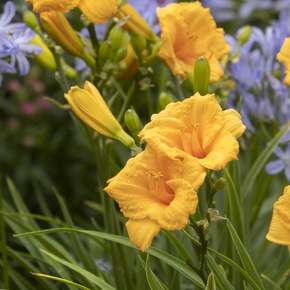
Hemerocallis Endlesslily Yellow is a standout compact daylily that brings relentless, season-long golden-yellow color to gardens across a wide range of climates. Unlike traditional daylilies that bloom for only a few weeks, this everblooming variety produces a seemingly inexhaustible succession of bright, medium-sized yellow flowers atop sturdy scapes that rise gracefully above neat mounds of arching, grass-like deep green foliage. Growing to just 18-20 inches in both height and spread, Endlesslily Yellow is perfectly proportioned for the front of mixed borders, as a vibrant edging plant along walkways, on slopes for erosion control, and in patio containers where its cheerful color can be enjoyed up close. Sold under the trade name Endlesslily Yellow and carrying the cultivar name DHEMYELLOW, this Hemerocallis is an herbaceous perennial that may retain its foliage through mild winters, adding year-round texture to the landscape. It thrives in full sun to partial shade in well-drained, moderately fertile soil, and once established, requires only moderate watering and minimal fertilizing to put on a spectacular display. Hardy to -20°F and adaptable to USDA Hardiness Zones 4 through 9, this tough yet beautiful perennial is a low-effort, high-reward choice for home gardeners in Southern Oregon and Northern California looking to fill their landscapes with long-lasting warm-season color.
Plant Description
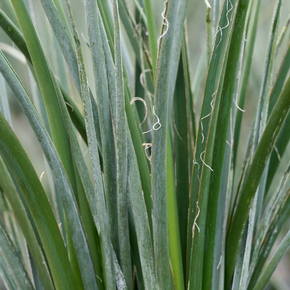
Endlesslily Yellow is a compact, clump-forming herbaceous daylily (Hemerocallis) belonging to the popular Endlesslily series, sold under the cultivar name DHEMYELLOW. It is prized for its everblooming nature, producing a continuous and prolific succession of medium-sized, bright golden-yellow trumpet-shaped flowers throughout the warm season. Each individual flower, as is characteristic of all daylilies, lasts only a single day, but the plant compensates with an abundance of buds on each scape, ensuring that fresh blooms open every morning from late spring through fall. The foliage is narrow, lanceolate, and arching in a fountain-like form, providing an attractive grass-like texture even when flowers are not open. In mild winter regions such as Southern Oregon and Northern California, the foliage may remain evergreen, adding year-round landscape interest.
Mature Size
| Attribute | Measurement |
|---|---|
| Mature Height | 18-20 inches |
| Mature Width / Spread | 18-20 inches |
| Flower Size | Approximately 4 inches (10 cm) across |
| Habit | Compact, clump-forming, dwarf mound |
| Growth Rate | Moderate to fast once established |
| Maximum Recommended Elevation | 6,500 feet |
Hardiness and Climate
Endlesslily Yellow is cold-hardy to -20°F, corresponding to USDA Plant Hardiness Zones 4 through 9. It is an excellent fit for the diverse microclimates of Southern Oregon and Northern California, thriving in both the warmer inland valleys and the cooler coastal zones. The plant is also well-suited to high summer heat and has demonstrated immunity to heat stress, making it reliable through long, warm summers. In mild winter areas (Zones 8-9), the foliage may persist through winter as a semi-evergreen or evergreen plant. In colder zones, it will die back to the ground in late fall and re-emerge vigorously in spring.
Sunlight Requirements
For the most prolific flowering display, plant Endlesslily Yellow in a location that receives full sun, defined as 6 or more hours of direct sunlight per day. While it will tolerate partial shade (2 to 6 hours of direct sun), flowering will be reduced in shadier conditions. In the hottest inland climates of Northern California, a location that provides some protection from the most intense afternoon sun may help extend the blooming period and prevent foliage scorch. Avoid deep or full shade, as this will significantly diminish flower production and overall plant vigor.
Soil and pH Preferences
- Prefers well-drained soil rich in organic matter. Avoid sites with standing water or heavy, compacted clay.
- Adaptable to a wide range of soil textures including loam, sandy loam, and amended clay, provided drainage is adequate.
- Ideal soil pH range is slightly acidic to neutral, approximately 6.0 to 7.0, though it tolerates mildly alkaline soils as well.
- Before planting, work aged compost, well-rotted manure, or other organic amendments into the soil to improve fertility, drainage, and moisture retention.
- Notably salt-tolerant, making it suitable for planting along driveways, paths, or areas where road salt or irrigation mineral buildup may be a concern.
Watering Guide
Water newly planted Endlesslily Yellow deeply and consistently during its first growing season to help it establish a strong root system. Once established, this daylily is moderately drought-tolerant, though it performs and blooms best when provided with approximately 1 inch of water per week during the active growing and blooming season. In the hot, dry summers typical of inland Southern Oregon and Northern California, supplemental irrigation during dry spells will significantly improve bloom quantity and foliage quality. Apply a 2-3 inch layer of organic mulch around the base of the plant to conserve soil moisture, moderate soil temperature, and reduce the frequency of watering needed. Avoid overwatering or allowing roots to sit in waterlogged soil, as this can lead to root rot.
Fertilizing
Endlesslily Yellow is not a heavy feeder and can thrive in reasonably fertile garden soil with minimal supplemental fertilization. For optimal bloom performance, apply a balanced, slow-release granular fertilizer (such as a 10-10-10 or similar formulation) once in early spring as new foliage emerges. A light second application of fertilizer after the first major flush of blooms can help sustain the plant's continuous blooming energy through the rest of the season. Avoid high-nitrogen fertilizers, which promote excessive leafy growth at the expense of flower production. Always water thoroughly after applying granular fertilizer to prevent root burn and to activate nutrient availability in the soil.
Planting Instructions
- Select a planting site in full sun with well-drained soil. Avoid areas with standing water or heavy shade.
- Amend the planting area by incorporating 2-4 inches of compost or aged manure into the top 12 inches of soil.
- Dig a planting hole wide enough to spread the fleshy roots out naturally without bending or crowding them.
- Position the crown of the plant (the point where roots meet foliage) approximately 1 inch below the soil surface.
- Backfill with amended soil, gently firming it around the roots to eliminate air pockets.
- Water thoroughly until the soil is evenly moist throughout the root zone.
- Apply a 2-3 inch layer of organic mulch around (but not touching) the crown to conserve moisture and suppress weeds.
- Space multiple plants 18-20 inches apart for a solid edging or massed planting effect.
- Plant in spring once the soil can be worked, or in early fall at least 6 weeks before the first expected frost to allow roots to establish before winter.
Pruning and Maintenance
Endlesslily Yellow is an exceptionally low-maintenance perennial. Deadhead individual spent blooms by snapping or cutting them off the scape to keep the plant looking tidy and to encourage the continuous production of new buds. Once all the buds on a scape have finished blooming, cut the entire scape back to ground level. In autumn, after the foliage has died back (or before new growth emerges in spring in mild climates), remove old or dead leaves to keep the clump healthy and to reduce the chance of overwintering pests. Every 3 to 5 years, divide the clump in early spring or in late summer after flowering to reinvigorate the plant, improve air circulation, and maintain vigorous blooming. Dividing is easily done by digging up the entire root mass, separating it into smaller sections, and replanting at the same depth.
Seasonal Interest
Endlesslily Yellow offers exceptional multi-season garden interest. In spring, fresh fountains of narrow, arching green foliage emerge from the ground, providing attractive texture before blooms appear. From late spring through fall, the plant delivers a nearly continuous parade of bright golden-yellow flowers that enliven borders and containers with warm, cheerful color. The everblooming nature of this variety means it outlasts many traditional daylilies by weeks, maintaining its floral display well into autumn. In mild winter climates like those common to Southern Oregon and Northern California, the foliage may persist as an evergreen or semi-evergreen through the cooler months, ensuring the plant contributes structure and greenery to the garden even in winter.
Landscape Uses
- Ideal as a low-growing edging plant along walkways, driveways, and garden paths.
- Excellent for the front or middle of mixed perennial and shrub borders, where its compact mound provides color without overwhelming neighboring plants.
- Effective as a mass planting or ground cover on slopes and banks, where its spreading clumps help stabilize soil and suppress weeds.
- Well-suited for container gardening on patios, decks, and entryways due to its compact habit and extended bloom season.
- Great for cottage-style, informal, or traditional garden designs where an abundance of color is desired.
- Suitable for planting in rain gardens or areas with seasonally dry conditions due to its drought tolerance once established.
- Works well as a low-maintenance foundation planting accent or as a bold splash of color in city and courtyard garden settings.
Companion Plants
Endlesslily Yellow pairs beautifully with a wide range of perennials and shrubs, and its warm golden-yellow blooms complement many color palettes. Consider these companion plant combinations for Southern Oregon and Northern California gardens:
- Salvia - Vertical spikes of blue, purple, or red salvia create a striking color contrast with the golden-yellow flowers.
- Echinacea (Coneflower) - Purple or pink coneflowers bloom alongside daylilies through summer, adding height and pollinator appeal.
- Rudbeckia (Black-Eyed Susan) - The golden-yellow and dark-centered blooms of Rudbeckia echo and amplify the warm tones of Endlesslily Yellow.
- Agastache (Hyssop) - Fragrant, upright blooms in lavender or orange attract hummingbirds and pollinators alongside the daylilies.
- Lavender - The silver-gray foliage and soft purple blooms of lavender offer a cool, aromatic contrast to the bold yellow flowers.
- Ornamental Grasses - Feather reed grass or blue oat grass provide textural interest and movement as a backdrop to the daylily clumps.
- Coreopsis - Similar in color and season, coreopsis extends the yellow-gold theme while attracting butterflies to the garden.
- Nepeta (Catmint) - Soft blue-lavender flowers and a low mounding habit make catmint an ideal foreground companion.
Wildlife Value
Endlesslily Yellow is a valuable addition to pollinator-friendly gardens. The open, trumpet-shaped yellow flowers attract a variety of beneficial insects and wildlife, including butterflies, native bees, and hummingbirds, which visit the blooms for nectar throughout the long flowering season. Its extended bloom period from late spring through fall ensures a reliable and sustained nectar source during critical periods of the gardening year. The dense clumps of arching foliage also provide shelter and micro-habitat for small beneficial insects at the ground level. Note: while daylilies are non-toxic to humans and dogs, they are toxic to cats and should be planted with this in mind in households with outdoor cats.
Container Growing
Endlesslily Yellow's compact 18-20 inch habit makes it one of the better daylily varieties for container culture. Choose a large container — at least 12-16 inches in diameter and depth — to accommodate the fleshy root system and allow for healthy growth. Use a high-quality, well-draining potting mix amended with perlite or coarse sand to ensure adequate drainage. Container-grown plants will require more frequent watering than in-ground plants, as pots dry out more quickly, especially during the hot summers of Southern Oregon and Northern California. Fertilize container plants with a balanced slow-release fertilizer in spring and follow up with a light liquid fertilizer application mid-season to maintain bloom vigor. Repot or divide container plants every 2-3 years when the clump becomes root-bound, and move pots to a sheltered location during the coldest winter nights if temperatures are expected to drop below 20°F.
Pests and Diseases
Endlesslily Yellow is generally robust and resistant to most serious pest and disease problems, making it an excellent choice for low-maintenance landscapes. The following issues may occasionally arise:
- Aphids and Thrips - May occasionally feed on flower buds and tender new growth. Control with strong sprays of water, insecticidal soap, or neem oil.
- Spider Mites - Can become a problem during hot, dry periods. Increase irrigation around the plant and treat with insecticidal soap or miticide if infestations are severe.
- Daylily Rust - A fungal disease that causes orange or rust-colored pustules on leaves. Good air circulation, avoiding overhead watering, and removing affected foliage help prevent spread. Fungicides are available for severe cases.
- Crown Rot / Root Rot - Caused by overly wet or waterlogged soil conditions. Prevent by ensuring excellent drainage and avoiding overwatering.
- Deer - Daylilies are frequently browsed by deer. In areas with high deer pressure, apply a deer repellent spray to the foliage and buds, particularly in spring and early summer.
- Slugs and Snails - May feed on young foliage in cool, moist conditions. Control with iron phosphate bait or by removing mulch temporarily from the crown area.
- Compact, ever-blooming daylily that produces a continuous profusion of bright golden-yellow flowers from late spring through fall, delivering season-long color in the garden.
- Low-maintenance herbaceous perennial that thrives in full sun to partial shade, tolerates heat and drought once established, and may remain evergreen in mild winter regions like Southern Oregon and Northern California.
- Dwarf, clump-forming habit reaching just 18-20 inches tall and wide, making it ideal for bed edging, mixed borders, slopes, and container plantings on patios and decks.
- Hardy to -20°F (USDA Zones 4-9) and highly adaptable, attracting butterflies, bees, and hummingbirds while resisting most common pests and diseases.
Hemerocallis Endlesslily Yellow is a standout compact daylily that brings relentless, season-long golden-yellow color to gardens across a wide range of climates. Unlike traditional daylilies that bloom for only a few weeks, this everblooming variety produces a seemingly inexhaustible succession of bright, medium-sized yellow flowers atop sturdy scapes that rise gracefully above neat mounds of arching, grass-like deep green foliage. Growing to just 18-20 inches in both height and spread, Endlesslily Yellow is perfectly proportioned for the front of mixed borders, as a vibrant edging plant along walkways, on slopes for erosion control, and in patio containers where its cheerful color can be enjoyed up close. Sold under the trade name Endlesslily Yellow and carrying the cultivar name DHEMYELLOW, this Hemerocallis is an herbaceous perennial that may retain its foliage through mild winters, adding year-round texture to the landscape. It thrives in full sun to partial shade in well-drained, moderately fertile soil, and once established, requires only moderate watering and minimal fertilizing to put on a spectacular display. Hardy to -20°F and adaptable to USDA Hardiness Zones 4 through 9, this tough yet beautiful perennial is a low-effort, high-reward choice for home gardeners in Southern Oregon and Northern California looking to fill their landscapes with long-lasting warm-season color.
Plant Description
Endlesslily Yellow is a compact, clump-forming herbaceous daylily (Hemerocallis) belonging to the popular Endlesslily series, sold under the cultivar name DHEMYELLOW. It is prized for its everblooming nature, producing a continuous and prolific succession of medium-sized, bright golden-yellow trumpet-shaped flowers throughout the warm season. Each individual flower, as is characteristic of all daylilies, lasts only a single day, but the plant compensates with an abundance of buds on each scape, ensuring that fresh blooms open every morning from late spring through fall. The foliage is narrow, lanceolate, and arching in a fountain-like form, providing an attractive grass-like texture even when flowers are not open. In mild winter regions such as Southern Oregon and Northern California, the foliage may remain evergreen, adding year-round landscape interest.
Mature Size
| Attribute | Measurement |
|---|---|
| Mature Height | 18-20 inches |
| Mature Width / Spread | 18-20 inches |
| Flower Size | Approximately 4 inches (10 cm) across |
| Habit | Compact, clump-forming, dwarf mound |
| Growth Rate | Moderate to fast once established |
| Maximum Recommended Elevation | 6,500 feet |
Hardiness and Climate
Endlesslily Yellow is cold-hardy to -20°F, corresponding to USDA Plant Hardiness Zones 4 through 9. It is an excellent fit for the diverse microclimates of Southern Oregon and Northern California, thriving in both the warmer inland valleys and the cooler coastal zones. The plant is also well-suited to high summer heat and has demonstrated immunity to heat stress, making it reliable through long, warm summers. In mild winter areas (Zones 8-9), the foliage may persist through winter as a semi-evergreen or evergreen plant. In colder zones, it will die back to the ground in late fall and re-emerge vigorously in spring.
Sunlight Requirements
For the most prolific flowering display, plant Endlesslily Yellow in a location that receives full sun, defined as 6 or more hours of direct sunlight per day. While it will tolerate partial shade (2 to 6 hours of direct sun), flowering will be reduced in shadier conditions. In the hottest inland climates of Northern California, a location that provides some protection from the most intense afternoon sun may help extend the blooming period and prevent foliage scorch. Avoid deep or full shade, as this will significantly diminish flower production and overall plant vigor.
Soil and pH Preferences
- Prefers well-drained soil rich in organic matter. Avoid sites with standing water or heavy, compacted clay.
- Adaptable to a wide range of soil textures including loam, sandy loam, and amended clay, provided drainage is adequate.
- Ideal soil pH range is slightly acidic to neutral, approximately 6.0 to 7.0, though it tolerates mildly alkaline soils as well.
- Before planting, work aged compost, well-rotted manure, or other organic amendments into the soil to improve fertility, drainage, and moisture retention.
- Notably salt-tolerant, making it suitable for planting along driveways, paths, or areas where road salt or irrigation mineral buildup may be a concern.
Watering Guide
Water newly planted Endlesslily Yellow deeply and consistently during its first growing season to help it establish a strong root system. Once established, this daylily is moderately drought-tolerant, though it performs and blooms best when provided with approximately 1 inch of water per week during the active growing and blooming season. In the hot, dry summers typical of inland Southern Oregon and Northern California, supplemental irrigation during dry spells will significantly improve bloom quantity and foliage quality. Apply a 2-3 inch layer of organic mulch around the base of the plant to conserve soil moisture, moderate soil temperature, and reduce the frequency of watering needed. Avoid overwatering or allowing roots to sit in waterlogged soil, as this can lead to root rot.
Fertilizing
Endlesslily Yellow is not a heavy feeder and can thrive in reasonably fertile garden soil with minimal supplemental fertilization. For optimal bloom performance, apply a balanced, slow-release granular fertilizer (such as a 10-10-10 or similar formulation) once in early spring as new foliage emerges. A light second application of fertilizer after the first major flush of blooms can help sustain the plant's continuous blooming energy through the rest of the season. Avoid high-nitrogen fertilizers, which promote excessive leafy growth at the expense of flower production. Always water thoroughly after applying granular fertilizer to prevent root burn and to activate nutrient availability in the soil.
Planting Instructions
- Select a planting site in full sun with well-drained soil. Avoid areas with standing water or heavy shade.
- Amend the planting area by incorporating 2-4 inches of compost or aged manure into the top 12 inches of soil.
- Dig a planting hole wide enough to spread the fleshy roots out naturally without bending or crowding them.
- Position the crown of the plant (the point where roots meet foliage) approximately 1 inch below the soil surface.
- Backfill with amended soil, gently firming it around the roots to eliminate air pockets.
- Water thoroughly until the soil is evenly moist throughout the root zone.
- Apply a 2-3 inch layer of organic mulch around (but not touching) the crown to conserve moisture and suppress weeds.
- Space multiple plants 18-20 inches apart for a solid edging or massed planting effect.
- Plant in spring once the soil can be worked, or in early fall at least 6 weeks before the first expected frost to allow roots to establish before winter.
Pruning and Maintenance
Endlesslily Yellow is an exceptionally low-maintenance perennial. Deadhead individual spent blooms by snapping or cutting them off the scape to keep the plant looking tidy and to encourage the continuous production of new buds. Once all the buds on a scape have finished blooming, cut the entire scape back to ground level. In autumn, after the foliage has died back (or before new growth emerges in spring in mild climates), remove old or dead leaves to keep the clump healthy and to reduce the chance of overwintering pests. Every 3 to 5 years, divide the clump in early spring or in late summer after flowering to reinvigorate the plant, improve air circulation, and maintain vigorous blooming. Dividing is easily done by digging up the entire root mass, separating it into smaller sections, and replanting at the same depth.
Seasonal Interest
Endlesslily Yellow offers exceptional multi-season garden interest. In spring, fresh fountains of narrow, arching green foliage emerge from the ground, providing attractive texture before blooms appear. From late spring through fall, the plant delivers a nearly continuous parade of bright golden-yellow flowers that enliven borders and containers with warm, cheerful color. The everblooming nature of this variety means it outlasts many traditional daylilies by weeks, maintaining its floral display well into autumn. In mild winter climates like those common to Southern Oregon and Northern California, the foliage may persist as an evergreen or semi-evergreen through the cooler months, ensuring the plant contributes structure and greenery to the garden even in winter.
Landscape Uses
- Ideal as a low-growing edging plant along walkways, driveways, and garden paths.
- Excellent for the front or middle of mixed perennial and shrub borders, where its compact mound provides color without overwhelming neighboring plants.
- Effective as a mass planting or ground cover on slopes and banks, where its spreading clumps help stabilize soil and suppress weeds.
- Well-suited for container gardening on patios, decks, and entryways due to its compact habit and extended bloom season.
- Great for cottage-style, informal, or traditional garden designs where an abundance of color is desired.
- Suitable for planting in rain gardens or areas with seasonally dry conditions due to its drought tolerance once established.
- Works well as a low-maintenance foundation planting accent or as a bold splash of color in city and courtyard garden settings.
Companion Plants
Endlesslily Yellow pairs beautifully with a wide range of perennials and shrubs, and its warm golden-yellow blooms complement many color palettes. Consider these companion plant combinations for Southern Oregon and Northern California gardens:
- Salvia - Vertical spikes of blue, purple, or red salvia create a striking color contrast with the golden-yellow flowers.
- Echinacea (Coneflower) - Purple or pink coneflowers bloom alongside daylilies through summer, adding height and pollinator appeal.
- Rudbeckia (Black-Eyed Susan) - The golden-yellow and dark-centered blooms of Rudbeckia echo and amplify the warm tones of Endlesslily Yellow.
- Agastache (Hyssop) - Fragrant, upright blooms in lavender or orange attract hummingbirds and pollinators alongside the daylilies.
- Lavender - The silver-gray foliage and soft purple blooms of lavender offer a cool, aromatic contrast to the bold yellow flowers.
- Ornamental Grasses - Feather reed grass or blue oat grass provide textural interest and movement as a backdrop to the daylily clumps.
- Coreopsis - Similar in color and season, coreopsis extends the yellow-gold theme while attracting butterflies to the garden.
- Nepeta (Catmint) - Soft blue-lavender flowers and a low mounding habit make catmint an ideal foreground companion.
Wildlife Value
Endlesslily Yellow is a valuable addition to pollinator-friendly gardens. The open, trumpet-shaped yellow flowers attract a variety of beneficial insects and wildlife, including butterflies, native bees, and hummingbirds, which visit the blooms for nectar throughout the long flowering season. Its extended bloom period from late spring through fall ensures a reliable and sustained nectar source during critical periods of the gardening year. The dense clumps of arching foliage also provide shelter and micro-habitat for small beneficial insects at the ground level. Note: while daylilies are non-toxic to humans and dogs, they are toxic to cats and should be planted with this in mind in households with outdoor cats.
Container Growing
Endlesslily Yellow's compact 18-20 inch habit makes it one of the better daylily varieties for container culture. Choose a large container — at least 12-16 inches in diameter and depth — to accommodate the fleshy root system and allow for healthy growth. Use a high-quality, well-draining potting mix amended with perlite or coarse sand to ensure adequate drainage. Container-grown plants will require more frequent watering than in-ground plants, as pots dry out more quickly, especially during the hot summers of Southern Oregon and Northern California. Fertilize container plants with a balanced slow-release fertilizer in spring and follow up with a light liquid fertilizer application mid-season to maintain bloom vigor. Repot or divide container plants every 2-3 years when the clump becomes root-bound, and move pots to a sheltered location during the coldest winter nights if temperatures are expected to drop below 20°F.
Pests and Diseases
Endlesslily Yellow is generally robust and resistant to most serious pest and disease problems, making it an excellent choice for low-maintenance landscapes. The following issues may occasionally arise:
- Aphids and Thrips - May occasionally feed on flower buds and tender new growth. Control with strong sprays of water, insecticidal soap, or neem oil.
- Spider Mites - Can become a problem during hot, dry periods. Increase irrigation around the plant and treat with insecticidal soap or miticide if infestations are severe.
- Daylily Rust - A fungal disease that causes orange or rust-colored pustules on leaves. Good air circulation, avoiding overhead watering, and removing affected foliage help prevent spread. Fungicides are available for severe cases.
- Crown Rot / Root Rot - Caused by overly wet or waterlogged soil conditions. Prevent by ensuring excellent drainage and avoiding overwatering.
- Deer - Daylilies are frequently browsed by deer. In areas with high deer pressure, apply a deer repellent spray to the foliage and buds, particularly in spring and early summer.
- Slugs and Snails - May feed on young foliage in cool, moist conditions. Control with iron phosphate bait or by removing mulch temporarily from the crown area.