Zoom the image with the mouse
Enchanted Forest Collection River Run Pieris - 1 Gallon
SKU:
1831435
UPC:
014949357484
$22.99
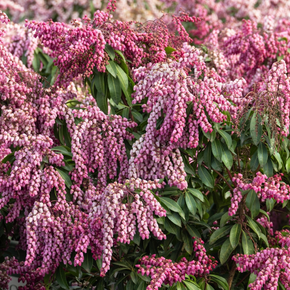
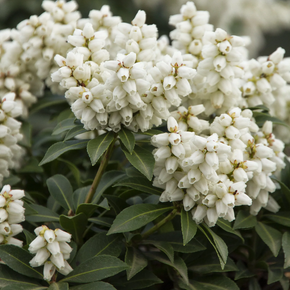
- Spectacular late-winter to early-spring bloomer with prolific, drooping chains of pristine white, urn-shaped flowers that brighten shaded landscapes before most shrubs wake up
- Stunning two-season foliage show: glossy new growth emerges in vivid brick red before maturing to rich, deep evergreen green, providing year-round structure and color
- Exceptional resistance to lace bugs, a common pest of pieris shrubs, making it one of the most low-maintenance and reliable selections available
- Naturally rounded, upright habit stays tidy with minimal pruning, thriving in part shade alongside rhododendrons, azaleas, and camellias in acidic-soil gardens
Enchanted Forest River Nymph Pieris (Pieris japonica 'River Run') is a standout broadleaf evergreen shrub that delivers spectacular multi-season interest in shaded and woodland-style gardens. Part of the Enchanted Forest Collection, this prolific selection was bred by Sven Svenson and earns top marks for its extraordinary spring bloom display, in which heavy, chain-like clusters of pearly white, bell-shaped flowers dangle gracefully from every branch in late winter to early spring, drawing in early-season pollinators including native bees at a time when few other flowering shrubs are active. As the flowers fade, the drama continues as glossy new foliage flushes a rich brick red before transitioning to a deep, lustrous green, giving the plant a two-tone seasonal appeal that rivals even the showiest ornamental shrubs. Growing to a mature size of 5 to 6 feet tall and equally wide, River Nymph forms a dense, rounded, upright mound that integrates beautifully into foundation plantings, mixed shade borders, woodland garden edges, and mass plantings. Its outstanding resistance to lace bugs sets it apart from many other Japanese pieris varieties, reducing the need for pesticide intervention and making it a smart, sustainable choice for Pacific Northwest and Northern California gardens. Hardy in USDA Zones 6 through 8, and thriving in Sunset Zones 2B through 9 and 14 through 17, this deer-resistant, long-lived evergreen is perfectly suited to the mild-winter climates of Southern Oregon and Northern California, where it performs with exceptional reliability in acidic, organically rich, well-drained soil with dappled or partial shade.
Plant Description
Enchanted Forest River Nymph is a dense, multi-stemmed broadleaf evergreen shrub with an upright, rounded growth habit. Its oblong to lance-shaped leaves feature finely serrated edges and a glossy texture that keeps the plant looking polished in every season. The foliage is one of its greatest assets: new leaves emerge in a rich, glossy brick red each spring before gradually transitioning to the deep, lustrous green of the mature leaves. This vivid two-tone seasonal foliage display gives the plant a dynamic, layered appearance that remains attractive from late winter through fall. In late winter to early spring, the shrub erupts into bloom with prolific, heavy, pendulous chains of pristine white, urn-shaped flowers that dangle like strings of tiny bells from every branch tip. Flower buds are visible well before opening, providing additional ornamental interest through the colder months. This is a hybrid selection developed by breeder Sven Svenson and is part of the Enchanted Forest Collection. All parts of this plant are toxic if ingested and should be kept away from children and pets.
Mature Size
| Attribute | Measurement |
|---|---|
| Mature Height | 5 to 6 feet |
| Mature Width | 5 to 6 feet |
| Growth Rate | Slow to moderate |
| Growth Habit | Upright, rounded, dense |
| Lifespan | 40 years or more under ideal conditions |
River Nymph grows at a slow, steady pace, making it ideal for foundation beds, mixed borders, and smaller landscape spaces where a well-behaved, long-lived evergreen is needed. Its naturally tidy form rarely requires significant pruning to maintain an attractive shape.
Hardiness Zones
| Zone System | Applicable Zones |
|---|---|
| USDA Hardiness Zones | 6 through 8 |
| Sunset Zones | 2B through 9, 14 through 17 |
River Nymph Pieris is well suited to the mild-winter, temperate climates of Southern Oregon and Northern California. Its Sunset Zone rating makes it particularly reliable in the diverse microclimates of the Pacific Coast, inland valleys, and foothills of this region. In exposed or windier locations, planting in a sheltered spot will help protect flower buds and foliage from late-winter damage.
Sunlight Requirements
River Nymph Pieris performs best in partial shade to filtered sun, with a preference for morning sun and afternoon shade. This sun exposure pattern encourages robust flowering, the most vivid red new foliage color, and the healthiest, longest-lasting evergreen leaves. In Southern Oregon and Northern California, afternoon shade is especially beneficial during the warmer months to prevent leaf scorch and maintain the deep, glossy green foliage the plant is known for. The shrub will tolerate deeper shade but may produce fewer flowers and less intense foliage color in very low-light conditions. Avoid planting in full, direct afternoon sun, which can cause leaf edges to yellow or scorch, particularly in hot inland locations.
Soil and pH Preferences
Like all members of the heath family (Ericaceae), River Nymph Pieris requires moist, well-drained, organically rich, acidic soil for best performance. The ideal soil pH is between 5.0 and 6.5. In soils that are neutral to alkaline, the plant is prone to chlorosis, a condition in which the foliage turns yellow due to an inability to absorb iron and other nutrients. Before planting, amend native soil with generous amounts of composted bark, leaf mold, or ericaceous compost to improve both drainage and acidity. This shrub will not tolerate standing water or heavy, poorly drained clay. If your garden soil is alkaline or clay-heavy, consider raised bed or container planting with a premium acidic potting mix to ensure long-term success.
Watering Guide
Consistent, even soil moisture is essential for River Nymph Pieris, especially during its first one to two years in the ground while it is establishing a deep root system. During the active growing season, aim to provide approximately one inch of water per week, either through rainfall or supplemental irrigation. Water deeply rather than shallowly to encourage a robust root system. Allow the top inch of soil to approach dryness between waterings, but never allow the root zone to dry out completely, as this can cause bud drop, leaf scorch, and overall decline. Once established, the plant is moderately tolerant of short dry spells in the mild climates of Southern Oregon and Northern California, but will benefit from supplemental watering during extended summer dry periods. Avoid overwatering or planting in areas with poor drainage, as standing water will quickly lead to root rot.
Mulching
Applying a 2 to 3-inch layer of organic mulch over the root zone is one of the best things you can do for River Nymph Pieris. Mulch conserves soil moisture, moderates soil temperature, suppresses weeds, and gradually breaks down to contribute organic matter and mild acidity to the soil. Pine bark, shredded pine needles, shredded leaves, and aged wood chips are all excellent choices. Pine needles are especially beneficial as they release mild acidity as they decompose, naturally supporting the low-pH soil conditions this shrub requires. Always maintain a small gap of a few inches between the mulch layer and the base of the shrub's stems to prevent moisture accumulation against the wood, which can invite fungal disease.
Fertilizing
In organically rich, well-prepared acidic soil, River Nymph Pieris has modest fertilizer needs. Each spring, just as new growth begins to emerge, apply a slow-release granular fertilizer formulated specifically for acid-loving plants, such as those labeled for azaleas, rhododendrons, and camellias. Scatter the fertilizer around the drip line of the shrub according to package directions, then water it in well. Avoid over-fertilizing, especially with high-nitrogen products, as this can promote excessive soft, vegetative growth at the expense of flower production and may make the plant more susceptible to stress in summer. Do not fertilize after midsummer, as late feeding can push tender new growth that may be damaged by early-fall cold snaps. Container-grown plants will need more frequent fertilizing, generally once a month during the active growing season, as nutrients leach out of pots with regular watering.
Pruning and Maintenance
River Nymph Pieris requires very little pruning to maintain its naturally attractive, rounded shape. The most important rule is to prune only after flowering is complete in spring, as this shrub blooms on growth from the previous season. Pruning before bloom will remove the current season's flower buds. After the flowers have faded, lightly trim any wayward or leggy stems to maintain a tidy, compact silhouette. Deadheading spent flower clusters is optional but can improve plant vigor by redirecting energy from seed production back into vegetative growth. Remove any dead, damaged, or crossing branches at any time of year. Avoid making heavy cuts back into old, thick wood, as this shrub recovers slowly from severe pruning. In general, routine light shaping after bloom each spring is all that is needed to keep this plant looking its best for decades.
Planting Instructions
- Select a planting site with partial shade or filtered sun, ideally with morning sun and afternoon shade, and protection from harsh prevailing winds.
- Test soil pH. Amend with sulfur, ericaceous compost, or composted pine bark to bring pH into the 5.0 to 6.5 range if needed.
- Dig a planting hole approximately twice as wide as the root ball and the same depth. Setting the crown slightly above the surrounding soil level helps ensure good drainage.
- Backfill the hole with a blend of native soil and ericaceous compost or composted bark, mixing thoroughly.
- Place the plant in the hole so the top of the root ball is level with or slightly above grade. Backfill, firming the soil gently around the roots to eliminate air pockets.
- Water deeply and thoroughly immediately after planting.
- Apply a 2 to 3-inch layer of organic mulch over the root zone, keeping it a few inches away from the stem base.
- Water deeply once or twice per week during the first growing season, tapering off as the plant becomes established.
- Space multiple plants 5 to 6 feet apart to allow for mature spread and adequate air circulation.
Seasonal Interest
| Season | What to Expect |
|---|---|
| Late Winter | Ornamental flower buds swell and begin to open; early blooms may appear in mild years |
| Early Spring | Peak bloom with prolific, pendulous chains of white, urn-shaped flowers; vivid brick-red new foliage emerges simultaneously |
| Spring into Summer | Red new growth gradually transitions to glossy, deep green; plant fills out with fresh, layered foliage |
| Summer | Rich, deep green evergreen foliage provides clean structure and cool texture in shaded settings |
| Fall | Mature foliage remains a deep, lustrous green; new flower buds begin forming for the next season |
| Winter | Evergreen foliage and developing flower bud clusters provide structure and subtle ornamental interest through the dormant season |
Landscape Uses
- Foundation Plantings: The tidy, rounded habit and evergreen foliage make River Nymph an excellent choice for shaded or north-facing foundation beds, where it provides year-round structure and a refined appearance.
- Woodland Gardens: Pairs naturally with rhododendrons, azaleas, camellias, and ferns in woodland-style borders that mimic the cool, dappled forest-floor conditions this plant thrives in.
- Mixed Shrub Borders: Serves as a reliable mid-height evergreen anchor in mixed borders, bridging the gap between taller background conifers or broad-leaved shrubs and lower perennials or groundcovers.
- Accent or Specimen Planting: The striking combination of white spring flowers and red new foliage makes it a natural focal point near entryways, along walkways, or as a garden specimen.
- Mass Plantings: When planted in groups, the simultaneous flush of red new growth and white flowers creates a bold, cohesive spring display.
- Hedging and Screening: The dense, upright habit and evergreen foliage can be used to create informal low-to-medium screens or hedges in partially shaded areas.
- Container Growing: Thrives in large containers with acidic potting mix on shaded patios, porches, and courtyards, providing year-round evergreen interest and a stunning spring bloom display.
Companion Plants
River Nymph Pieris is a natural companion for other acid-loving, shade-tolerant plants. Its rich green foliage and white spring flowers blend beautifully with a wide range of woodland and part-shade garden partners.
- Rhododendrons and Azaleas: Share the same acidic soil and partial-shade requirements, and their bold flower colors contrast beautifully with River Nymph's white bells and red new growth.
- Camellias: Provide a complementary evergreen backdrop and overlap slightly in bloom time, creating a long season of flower interest in shaded borders.
- Ferns: Japanese painted ferns, Western sword ferns, and autumn ferns create a lush, layered woodland floor beneath and around River Nymph.
- Hostas: Their bold, textured foliage provides a strong contrast to the finer leaves of pieris and fills the shaded understory with summer color.
- Hellebores: Bloom at nearly the same time as pieris, and their nodding flowers in shades of pink, burgundy, and cream create a refined early-spring tableau.
- Enkianthus: A fellow member of the heath family with complementary soil needs, bearing delicate bell-shaped flowers in spring and spectacular fall foliage color.
- Spring Bulbs: Underplanting with daffodils, grape hyacinth, or crocus adds a cheerful burst of early color at the base of the shrub just as it comes into bloom.
- Conifers: Dark-foliaged conifers such as Japanese cedar or dwarf spruce serve as an elegant evergreen backdrop that makes the white flowers and red new growth pop.
Pests and Diseases
One of River Nymph's most valued characteristics is its excellent resistance to lace bugs, which are the most common and destructive insect pest of Japanese pieris. Lace bugs are tiny sap-sucking insects that stipple the upper leaf surface with yellow or silver spots and leave dark excrement on the undersides of leaves. Most standard pieris varieties are highly susceptible, but River Nymph's superior lace bug resistance significantly reduces the need for chemical intervention. Below are additional pests and diseases to be aware of:
- Lace Bugs (Stephanitis pyrioides): Resistance is a key feature of this variety; monitor for any early activity and treat with insecticidal soap or neem oil if infestation occurs.
- Fungal Leaf Spot: Can develop in conditions of poor air circulation or excessive overhead watering. Space plants appropriately and avoid wetting foliage when irrigating.
- Root Rot (Phytophthora): Caused by poorly drained, waterlogged soil. Prevent by planting in well-drained, amended soil and avoiding overwatering.
- Chlorosis: Yellowing of foliage due to alkaline soil or iron deficiency. Correct by lowering soil pH with elemental sulfur and fertilizing with an ericaceous fertilizer containing chelated iron.
- Deer and Rabbits: Generally considered deer resistant due to its unpalatable foliage; rarely browsed except under extreme food pressure.
Container Growing
River Nymph Pieris adapts well to container culture, making it an excellent choice for patios, courtyards, and shaded outdoor living spaces where in-ground planting may not be possible. Choose a container that is at least 18 to 24 inches in diameter with adequate drainage holes. Fill with a high-quality potting mix formulated for acid-loving plants, or blend standard potting mix with perlite and ericaceous amendments to ensure the ideal pH of 5.0 to 6.5. Container-grown plants dry out more quickly than in-ground plants and will need more frequent watering, especially during the warm, dry summers of Southern Oregon and Northern California. Check soil moisture regularly and water when the top inch feels dry. Feed with a liquid or granular fertilizer for acid-loving plants once a month during the growing season. Repot every two to three years into a slightly larger container as the root system expands. In colder areas, move containers to a sheltered location during hard freezes to protect the roots.
Wildlife Value
While River Nymph Pieris is primarily valued as an ornamental shrub, it offers meaningful benefits to local wildlife, particularly in late winter and early spring when food sources are scarce. The abundant, nectar-rich white flowers are an important early-season resource for mason bees, honeybees, and other emerging native pollinators before most other flowering plants have come into bloom. The dense, layered evergreen branches provide protective shelter and potential nesting habitat for small birds throughout the year. The shrub is generally considered deer resistant and is rarely browsed by rabbits, making it a dependable choice in landscapes where wildlife browsing is a concern. Note that all parts of this plant are toxic if ingested by humans, pets, or livestock, so it should not be planted in areas accessible to grazing animals.
- Spectacular late-winter to early-spring bloomer with prolific, drooping chains of pristine white, urn-shaped flowers that brighten shaded landscapes before most shrubs wake up
- Stunning two-season foliage show: glossy new growth emerges in vivid brick red before maturing to rich, deep evergreen green, providing year-round structure and color
- Exceptional resistance to lace bugs, a common pest of pieris shrubs, making it one of the most low-maintenance and reliable selections available
- Naturally rounded, upright habit stays tidy with minimal pruning, thriving in part shade alongside rhododendrons, azaleas, and camellias in acidic-soil gardens
Enchanted Forest River Nymph Pieris (Pieris japonica 'River Run') is a standout broadleaf evergreen shrub that delivers spectacular multi-season interest in shaded and woodland-style gardens. Part of the Enchanted Forest Collection, this prolific selection was bred by Sven Svenson and earns top marks for its extraordinary spring bloom display, in which heavy, chain-like clusters of pearly white, bell-shaped flowers dangle gracefully from every branch in late winter to early spring, drawing in early-season pollinators including native bees at a time when few other flowering shrubs are active. As the flowers fade, the drama continues as glossy new foliage flushes a rich brick red before transitioning to a deep, lustrous green, giving the plant a two-tone seasonal appeal that rivals even the showiest ornamental shrubs. Growing to a mature size of 5 to 6 feet tall and equally wide, River Nymph forms a dense, rounded, upright mound that integrates beautifully into foundation plantings, mixed shade borders, woodland garden edges, and mass plantings. Its outstanding resistance to lace bugs sets it apart from many other Japanese pieris varieties, reducing the need for pesticide intervention and making it a smart, sustainable choice for Pacific Northwest and Northern California gardens. Hardy in USDA Zones 6 through 8, and thriving in Sunset Zones 2B through 9 and 14 through 17, this deer-resistant, long-lived evergreen is perfectly suited to the mild-winter climates of Southern Oregon and Northern California, where it performs with exceptional reliability in acidic, organically rich, well-drained soil with dappled or partial shade.
Plant Description
Enchanted Forest River Nymph is a dense, multi-stemmed broadleaf evergreen shrub with an upright, rounded growth habit. Its oblong to lance-shaped leaves feature finely serrated edges and a glossy texture that keeps the plant looking polished in every season. The foliage is one of its greatest assets: new leaves emerge in a rich, glossy brick red each spring before gradually transitioning to the deep, lustrous green of the mature leaves. This vivid two-tone seasonal foliage display gives the plant a dynamic, layered appearance that remains attractive from late winter through fall. In late winter to early spring, the shrub erupts into bloom with prolific, heavy, pendulous chains of pristine white, urn-shaped flowers that dangle like strings of tiny bells from every branch tip. Flower buds are visible well before opening, providing additional ornamental interest through the colder months. This is a hybrid selection developed by breeder Sven Svenson and is part of the Enchanted Forest Collection. All parts of this plant are toxic if ingested and should be kept away from children and pets.
Mature Size
| Attribute | Measurement |
|---|---|
| Mature Height | 5 to 6 feet |
| Mature Width | 5 to 6 feet |
| Growth Rate | Slow to moderate |
| Growth Habit | Upright, rounded, dense |
| Lifespan | 40 years or more under ideal conditions |
River Nymph grows at a slow, steady pace, making it ideal for foundation beds, mixed borders, and smaller landscape spaces where a well-behaved, long-lived evergreen is needed. Its naturally tidy form rarely requires significant pruning to maintain an attractive shape.
Hardiness Zones
| Zone System | Applicable Zones |
|---|---|
| USDA Hardiness Zones | 6 through 8 |
| Sunset Zones | 2B through 9, 14 through 17 |
River Nymph Pieris is well suited to the mild-winter, temperate climates of Southern Oregon and Northern California. Its Sunset Zone rating makes it particularly reliable in the diverse microclimates of the Pacific Coast, inland valleys, and foothills of this region. In exposed or windier locations, planting in a sheltered spot will help protect flower buds and foliage from late-winter damage.
Sunlight Requirements
River Nymph Pieris performs best in partial shade to filtered sun, with a preference for morning sun and afternoon shade. This sun exposure pattern encourages robust flowering, the most vivid red new foliage color, and the healthiest, longest-lasting evergreen leaves. In Southern Oregon and Northern California, afternoon shade is especially beneficial during the warmer months to prevent leaf scorch and maintain the deep, glossy green foliage the plant is known for. The shrub will tolerate deeper shade but may produce fewer flowers and less intense foliage color in very low-light conditions. Avoid planting in full, direct afternoon sun, which can cause leaf edges to yellow or scorch, particularly in hot inland locations.
Soil and pH Preferences
Like all members of the heath family (Ericaceae), River Nymph Pieris requires moist, well-drained, organically rich, acidic soil for best performance. The ideal soil pH is between 5.0 and 6.5. In soils that are neutral to alkaline, the plant is prone to chlorosis, a condition in which the foliage turns yellow due to an inability to absorb iron and other nutrients. Before planting, amend native soil with generous amounts of composted bark, leaf mold, or ericaceous compost to improve both drainage and acidity. This shrub will not tolerate standing water or heavy, poorly drained clay. If your garden soil is alkaline or clay-heavy, consider raised bed or container planting with a premium acidic potting mix to ensure long-term success.
Watering Guide
Consistent, even soil moisture is essential for River Nymph Pieris, especially during its first one to two years in the ground while it is establishing a deep root system. During the active growing season, aim to provide approximately one inch of water per week, either through rainfall or supplemental irrigation. Water deeply rather than shallowly to encourage a robust root system. Allow the top inch of soil to approach dryness between waterings, but never allow the root zone to dry out completely, as this can cause bud drop, leaf scorch, and overall decline. Once established, the plant is moderately tolerant of short dry spells in the mild climates of Southern Oregon and Northern California, but will benefit from supplemental watering during extended summer dry periods. Avoid overwatering or planting in areas with poor drainage, as standing water will quickly lead to root rot.
Mulching
Applying a 2 to 3-inch layer of organic mulch over the root zone is one of the best things you can do for River Nymph Pieris. Mulch conserves soil moisture, moderates soil temperature, suppresses weeds, and gradually breaks down to contribute organic matter and mild acidity to the soil. Pine bark, shredded pine needles, shredded leaves, and aged wood chips are all excellent choices. Pine needles are especially beneficial as they release mild acidity as they decompose, naturally supporting the low-pH soil conditions this shrub requires. Always maintain a small gap of a few inches between the mulch layer and the base of the shrub's stems to prevent moisture accumulation against the wood, which can invite fungal disease.
Fertilizing
In organically rich, well-prepared acidic soil, River Nymph Pieris has modest fertilizer needs. Each spring, just as new growth begins to emerge, apply a slow-release granular fertilizer formulated specifically for acid-loving plants, such as those labeled for azaleas, rhododendrons, and camellias. Scatter the fertilizer around the drip line of the shrub according to package directions, then water it in well. Avoid over-fertilizing, especially with high-nitrogen products, as this can promote excessive soft, vegetative growth at the expense of flower production and may make the plant more susceptible to stress in summer. Do not fertilize after midsummer, as late feeding can push tender new growth that may be damaged by early-fall cold snaps. Container-grown plants will need more frequent fertilizing, generally once a month during the active growing season, as nutrients leach out of pots with regular watering.
Pruning and Maintenance
River Nymph Pieris requires very little pruning to maintain its naturally attractive, rounded shape. The most important rule is to prune only after flowering is complete in spring, as this shrub blooms on growth from the previous season. Pruning before bloom will remove the current season's flower buds. After the flowers have faded, lightly trim any wayward or leggy stems to maintain a tidy, compact silhouette. Deadheading spent flower clusters is optional but can improve plant vigor by redirecting energy from seed production back into vegetative growth. Remove any dead, damaged, or crossing branches at any time of year. Avoid making heavy cuts back into old, thick wood, as this shrub recovers slowly from severe pruning. In general, routine light shaping after bloom each spring is all that is needed to keep this plant looking its best for decades.
Planting Instructions
- Select a planting site with partial shade or filtered sun, ideally with morning sun and afternoon shade, and protection from harsh prevailing winds.
- Test soil pH. Amend with sulfur, ericaceous compost, or composted pine bark to bring pH into the 5.0 to 6.5 range if needed.
- Dig a planting hole approximately twice as wide as the root ball and the same depth. Setting the crown slightly above the surrounding soil level helps ensure good drainage.
- Backfill the hole with a blend of native soil and ericaceous compost or composted bark, mixing thoroughly.
- Place the plant in the hole so the top of the root ball is level with or slightly above grade. Backfill, firming the soil gently around the roots to eliminate air pockets.
- Water deeply and thoroughly immediately after planting.
- Apply a 2 to 3-inch layer of organic mulch over the root zone, keeping it a few inches away from the stem base.
- Water deeply once or twice per week during the first growing season, tapering off as the plant becomes established.
- Space multiple plants 5 to 6 feet apart to allow for mature spread and adequate air circulation.
Seasonal Interest
| Season | What to Expect |
|---|---|
| Late Winter | Ornamental flower buds swell and begin to open; early blooms may appear in mild years |
| Early Spring | Peak bloom with prolific, pendulous chains of white, urn-shaped flowers; vivid brick-red new foliage emerges simultaneously |
| Spring into Summer | Red new growth gradually transitions to glossy, deep green; plant fills out with fresh, layered foliage |
| Summer | Rich, deep green evergreen foliage provides clean structure and cool texture in shaded settings |
| Fall | Mature foliage remains a deep, lustrous green; new flower buds begin forming for the next season |
| Winter | Evergreen foliage and developing flower bud clusters provide structure and subtle ornamental interest through the dormant season |
Landscape Uses
- Foundation Plantings: The tidy, rounded habit and evergreen foliage make River Nymph an excellent choice for shaded or north-facing foundation beds, where it provides year-round structure and a refined appearance.
- Woodland Gardens: Pairs naturally with rhododendrons, azaleas, camellias, and ferns in woodland-style borders that mimic the cool, dappled forest-floor conditions this plant thrives in.
- Mixed Shrub Borders: Serves as a reliable mid-height evergreen anchor in mixed borders, bridging the gap between taller background conifers or broad-leaved shrubs and lower perennials or groundcovers.
- Accent or Specimen Planting: The striking combination of white spring flowers and red new foliage makes it a natural focal point near entryways, along walkways, or as a garden specimen.
- Mass Plantings: When planted in groups, the simultaneous flush of red new growth and white flowers creates a bold, cohesive spring display.
- Hedging and Screening: The dense, upright habit and evergreen foliage can be used to create informal low-to-medium screens or hedges in partially shaded areas.
- Container Growing: Thrives in large containers with acidic potting mix on shaded patios, porches, and courtyards, providing year-round evergreen interest and a stunning spring bloom display.
Companion Plants
River Nymph Pieris is a natural companion for other acid-loving, shade-tolerant plants. Its rich green foliage and white spring flowers blend beautifully with a wide range of woodland and part-shade garden partners.
- Rhododendrons and Azaleas: Share the same acidic soil and partial-shade requirements, and their bold flower colors contrast beautifully with River Nymph's white bells and red new growth.
- Camellias: Provide a complementary evergreen backdrop and overlap slightly in bloom time, creating a long season of flower interest in shaded borders.
- Ferns: Japanese painted ferns, Western sword ferns, and autumn ferns create a lush, layered woodland floor beneath and around River Nymph.
- Hostas: Their bold, textured foliage provides a strong contrast to the finer leaves of pieris and fills the shaded understory with summer color.
- Hellebores: Bloom at nearly the same time as pieris, and their nodding flowers in shades of pink, burgundy, and cream create a refined early-spring tableau.
- Enkianthus: A fellow member of the heath family with complementary soil needs, bearing delicate bell-shaped flowers in spring and spectacular fall foliage color.
- Spring Bulbs: Underplanting with daffodils, grape hyacinth, or crocus adds a cheerful burst of early color at the base of the shrub just as it comes into bloom.
- Conifers: Dark-foliaged conifers such as Japanese cedar or dwarf spruce serve as an elegant evergreen backdrop that makes the white flowers and red new growth pop.
Pests and Diseases
One of River Nymph's most valued characteristics is its excellent resistance to lace bugs, which are the most common and destructive insect pest of Japanese pieris. Lace bugs are tiny sap-sucking insects that stipple the upper leaf surface with yellow or silver spots and leave dark excrement on the undersides of leaves. Most standard pieris varieties are highly susceptible, but River Nymph's superior lace bug resistance significantly reduces the need for chemical intervention. Below are additional pests and diseases to be aware of:
- Lace Bugs (Stephanitis pyrioides): Resistance is a key feature of this variety; monitor for any early activity and treat with insecticidal soap or neem oil if infestation occurs.
- Fungal Leaf Spot: Can develop in conditions of poor air circulation or excessive overhead watering. Space plants appropriately and avoid wetting foliage when irrigating.
- Root Rot (Phytophthora): Caused by poorly drained, waterlogged soil. Prevent by planting in well-drained, amended soil and avoiding overwatering.
- Chlorosis: Yellowing of foliage due to alkaline soil or iron deficiency. Correct by lowering soil pH with elemental sulfur and fertilizing with an ericaceous fertilizer containing chelated iron.
- Deer and Rabbits: Generally considered deer resistant due to its unpalatable foliage; rarely browsed except under extreme food pressure.
Container Growing
River Nymph Pieris adapts well to container culture, making it an excellent choice for patios, courtyards, and shaded outdoor living spaces where in-ground planting may not be possible. Choose a container that is at least 18 to 24 inches in diameter with adequate drainage holes. Fill with a high-quality potting mix formulated for acid-loving plants, or blend standard potting mix with perlite and ericaceous amendments to ensure the ideal pH of 5.0 to 6.5. Container-grown plants dry out more quickly than in-ground plants and will need more frequent watering, especially during the warm, dry summers of Southern Oregon and Northern California. Check soil moisture regularly and water when the top inch feels dry. Feed with a liquid or granular fertilizer for acid-loving plants once a month during the growing season. Repot every two to three years into a slightly larger container as the root system expands. In colder areas, move containers to a sheltered location during hard freezes to protect the roots.
Wildlife Value
While River Nymph Pieris is primarily valued as an ornamental shrub, it offers meaningful benefits to local wildlife, particularly in late winter and early spring when food sources are scarce. The abundant, nectar-rich white flowers are an important early-season resource for mason bees, honeybees, and other emerging native pollinators before most other flowering plants have come into bloom. The dense, layered evergreen branches provide protective shelter and potential nesting habitat for small birds throughout the year. The shrub is generally considered deer resistant and is rarely browsed by rabbits, making it a dependable choice in landscapes where wildlife browsing is a concern. Note that all parts of this plant are toxic if ingested by humans, pets, or livestock, so it should not be planted in areas accessible to grazing animals.