
Zoom the image with the mouse
Emerald Southern Highbush Blueberry - 2 Gallon
SKU:
2094490
UPC:
014949316801
$39.99
- Produces some of the largest, mildest-flavored berries among all Southern Highbush varieties, ripening early season over an extended harvest window for multiple pickings.
- Exceptionally low chill hour requirement of just 150-200 hours makes it perfectly suited for mild-winter climates in Southern Oregon, Northern California, and similar warm-winter regions.
- A vigorous, rounded, spreading bush with lush, dense foliage that doubles as a beautiful, fruit-producing landscape shrub, hedge, or screen in the edible garden.
- University of Florida-released patented variety (USPP 12,165) with proven high yields — a mature plant can produce 15-20 lbs. of large, firm, medium-blue berries per season.
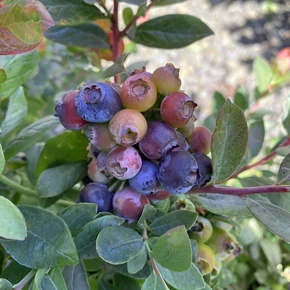
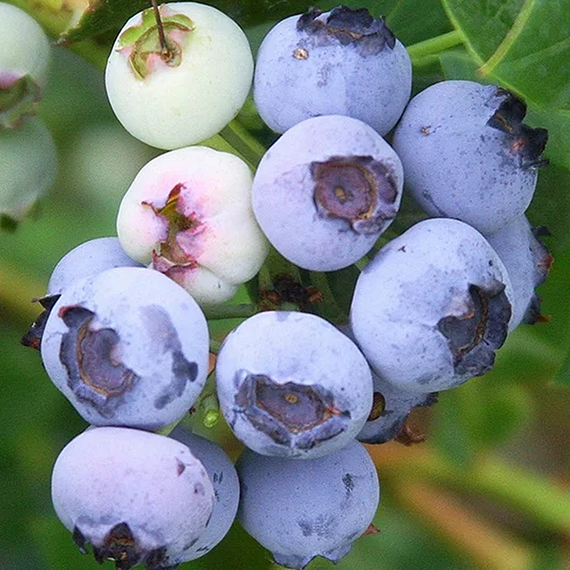
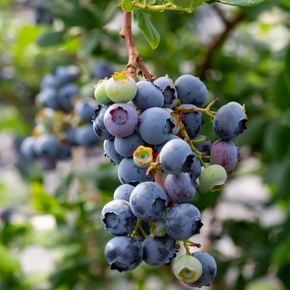
Vaccinium corymbosum 'Emerald' is a standout Southern Highbush blueberry developed and released by the University of Florida, celebrated for delivering some of the largest, most flavorful berries of any southern hybrid cultivar. A patented variety (USPP 12,165), Emerald earns its name with plump, firm, medium-blue berries that offer a mild, sweet blueberry flavor perfect for fresh eating, fruit salads, baking, and preserves. Its remarkably low chill hour requirement of just 150-200 hours makes it one of the best-performing blueberry varieties for mild-winter climates like those found across Southern Oregon and Northern California, while its heat tolerance allows it to thrive where hotter summers might challenge other varieties. Emerald begins bearing early in the season and continues producing over a long harvest period, allowing home gardeners and edible landscapers to enjoy multiple pickings of fresh berries. The vigorous, rounded bush grows 5-6 feet tall with lush, dense foliage that provides multi-season ornamental interest — including attractive white, bell-shaped spring blooms and rich autumn foliage tones — making it as beautiful in the landscape as it is productive in the kitchen. Though self-fertile, pairing Emerald with another early-season Southern Highbush variety significantly boosts yield and berry size, making it an ideal anchor plant for any dedicated blueberry patch or edible garden design.
Plant Description
Emerald is a Southern Highbush hybrid blueberry (Vaccinium corymbosum 'Emerald') developed and released by the University of Florida's blueberry breeding program. It is a patented cultivar (USPP 12,165) recognized as one of the top-performing varieties among southern hybrids for berry size, yield, and overall quality. The bush has a rounded, spreading growth habit with abundant, glossy foliage that creates a full, lush appearance year-round in warmer climates. In spring, clusters of small, urn-shaped white to pale pink bell-like flowers adorn the branches before the foliage fully emerges, offering early-season ornamental charm. The very large, firm, medium-blue berries have a mild, sweet flavor and excellent texture — ideal for fresh eating right off the bush or for use in a wide range of culinary applications. Emerald's combination of exceptional fruit quality, ornamental appeal, and adaptability to low-chill climates has made it one of the most sought-after blueberry varieties for home gardens and edible landscapes in warm-winter regions of the Pacific Coast and beyond.
Mature Size
| Attribute | Measurement |
|---|---|
| Mature Height | 5-6 feet |
| Mature Width / Spread | 4-5 feet |
| Growth Rate | Medium to vigorous |
| Plant Habit | Rounded, spreading, multi-stemmed shrub |
| Hedge Spacing | 3-3.5 feet apart |
| Specimen / Open Spacing | 7 or more feet apart |
Hardiness Zones and Chill Hours
Emerald blueberry is rated hardy in USDA Zones 7-10, making it an excellent choice across a wide range of mild-winter and warm-climate growing regions. It is particularly well-suited to the milder zones of Southern Oregon and Northern California, where winter chilling is adequate but not extreme. Its unusually low chill hour requirement of only 150-200 hours means it will reliably break dormancy and set fruit in areas where winter temperatures dip just slightly below 45°F for brief cumulative periods — far fewer cold hours than most northern highbush varieties require. This low chill requirement also makes it well-adapted to coastal and foothill climates where winters are mild and frost events are infrequent. In warmer areas within its range, Emerald may behave as a semi-evergreen to evergreen shrub, retaining much of its foliage through winter. It can tolerate brief periods of frost down to 0°F when fully dormant, though late spring frosts during bloom can affect fruit set in colder microclimates.
Sunlight Requirements
Emerald blueberry performs best in full sun — a minimum of 6 hours of direct sunlight per day — which promotes the most vigorous growth, the heaviest fruit loads, and the best berry flavor development. In warmer inland climates, light afternoon shade can help reduce heat stress on the foliage and fruit without significantly impacting yield. In coastal and northern California climates, full sun is strongly recommended to ensure adequate fruiting. Insufficient sunlight leads to reduced fruit production, looser growth habits, and increased susceptibility to fungal diseases due to poor air circulation. When selecting a planting site, choose the sunniest available location with good air movement for optimal results.
Soil and pH Preferences
Like all blueberries, Emerald has very specific soil requirements that must be met for the plant to thrive and produce abundant fruit. Blueberries are members of the heath family (Ericaceae) and require an acidic soil environment that most other garden plants do not tolerate. The ideal conditions are as follows:
- Soil pH: 4.5-5.5 (strongly acidic); a pH of 4.8-5.2 is considered optimal. Even a slightly elevated pH of 6.0 or above will cause iron and manganese chlorosis, leading to yellowing leaves and poor growth.
- Soil type: Well-draining loam or sandy loam enriched with generous amounts of organic matter such as aged pine bark, peat moss, or compost.
- Drainage: Consistently moist but never waterlogged; blueberries have shallow, fibrous roots that are highly sensitive to standing water and root rot.
- Organic matter: Blueberries thrive in soils with high organic content, which helps maintain moisture, supports the beneficial mycorrhizal fungi that aid nutrient uptake, and gradually lowers soil pH.
- Soil testing: Always conduct a soil pH test before planting and amend as needed with elemental sulfur to lower pH, or with agricultural lime to raise it. Allow amended soil to stabilize for several weeks before planting.
Watering Guide
Emerald blueberry has average to moderate water needs but requires consistent soil moisture, especially during fruit development and in the summer heat. Because blueberries have a shallow, fibrous root system concentrated in the top 12-18 inches of soil, they are vulnerable to both drought stress and overwatering.
- Frequency: Water deeply once or twice per week during the growing season, adjusting based on rainfall, soil type, and temperature. In hot, dry inland climates, more frequent watering may be necessary during summer.
- Method: Drip irrigation or soaker hoses are ideal, delivering water slowly directly to the root zone while keeping foliage dry, which helps prevent foliar diseases.
- During fruiting: Consistent moisture from bloom through harvest is critical for producing large, plump berries and preventing cracking or shriveling.
- Mulch benefit: A 3-4 inch layer of acidic organic mulch (such as pine bark, pine needles, or wood chips) over the root zone dramatically helps retain soil moisture, regulate soil temperature, and suppress weeds between waterings.
- Winter: Reduce watering frequency during dormancy, but do not allow the root zone to dry out completely, especially in regions without reliable winter rainfall.
Fertilizing
Emerald blueberry benefits from regular fertilization with an acid-forming fertilizer specifically formulated for acid-loving plants such as blueberries, azaleas, and camellias. Do not use standard balanced fertilizers or those containing nitrate-based nitrogen, as these can raise soil pH and harm the plant.
- Fertilizer type: Use an acid fertilizer formulated for blueberries or other ericaceous plants. Ammonium sulfate is a commonly recommended nitrogen source for blueberries as it acidifies the soil while feeding the plant.
- First year: Apply a small amount of fertilizer (about 1 tablespoon of ammonium sulfate or equivalent) in a ring around each plant starting about 6 weeks after planting. Avoid over-fertilizing young plants, which can burn tender roots.
- Established plants: Apply fertilizer in two or three split applications — once in early spring as buds begin to swell, again in late spring after fruit set, and optionally a light third application in early summer. Avoid fertilizing after midsummer, as this can stimulate late-season growth that is susceptible to frost damage.
- Soil pH monitoring: Test soil pH annually and apply elemental sulfur as needed to maintain the optimal pH range of 4.5-5.5. Granular sulfur is a slow-acting amendment that gradually acidifies the soil over time.
- Avoid: High-phosphorus fertilizers, lime, and wood ash, all of which raise soil pH and are detrimental to blueberry health.
Mulching
Mulching is one of the single most important practices for growing healthy, productive Emerald blueberry plants. Because the shallow, fibrous roots sit close to the soil surface, they benefit enormously from the insulating and moisture-retaining properties of a good mulch layer.
- Best mulch materials: Aged pine bark, pine needle mulch (pine straw), wood chips, or shredded oak leaves. These materials are naturally acidic or pH-neutral and break down slowly, enriching the soil with organic matter over time.
- Depth: Apply a 3-4 inch layer around each plant, keeping mulch several inches away from the main stem to prevent crown rot.
- Coverage area: Extend mulch out to the drip line of the plant or slightly beyond to cover the entire root zone.
- Replenishment: Top off mulch annually in early spring as it decomposes, maintaining the 3-4 inch depth throughout the growing season.
- Benefits: Mulch conserves soil moisture, moderates soil temperature, suppresses weeds, gradually acidifies the soil as it decomposes, and protects the shallow roots from physical damage.
Pruning and Maintenance
Proper pruning is essential to maintain a productive, healthy Emerald blueberry plant and ensure consistent, high-quality fruit production year after year. Blueberries bear their best fruit on vigorous one- to three-year-old wood.
- First and second year: Remove all flower buds during the first one to two years after planting to allow the plant to direct its energy into establishing a strong root system and vigorous framework of canes rather than fruiting.
- Timing: Prune in late winter or early spring, just before new growth begins, while the plant is still dormant. This is the easiest time to assess the plant's structure and remove old or unproductive wood.
- What to remove: Cut out any dead, damaged, or diseased branches first. Then remove the oldest, thickest canes (typically more than 5-6 years old) at or near ground level to stimulate the growth of vigorous new canes from the base.
- Tip pruning: Lightly tip-pruning long, whippy shoots encourages lateral branching and more fruit bud formation along the length of the cane.
- Post-harvest: After the summer harvest, you can also prune out any non-fruiting branches or crossing branches to improve light penetration and air circulation within the canopy.
- Goal: Aim to maintain 6-8 healthy, productive canes of various ages on a mature, established plant for the best long-term fruit production.
Planting Instructions
- Site selection: Choose a location with full sun (at least 6 hours per day), good air circulation, and well-draining soil. Avoid low-lying areas prone to frost pockets or standing water.
- Soil preparation: Test soil pH and amend to reach the 4.5-5.5 range before planting. Incorporate a generous 4-6 inch layer of aged pine bark fines or acidic peat moss into the planting area to a depth of 12-18 inches. For heavy clay soils, consider building a raised bed or mounded planting area filled with acidic, organic-rich soil mix.
- Dig the hole: Dig a hole at least twice as wide as the root ball and slightly shallower than its depth, so the plant sits at or just slightly above the surrounding soil grade to promote drainage.
- Planting: Remove the plant from its container and gently loosen any circling roots. Place in the hole so the top of the root ball sits level with or slightly above the surrounding soil surface. Backfill with the amended soil, firming gently around the roots.
- Watering in: Water deeply immediately after planting to settle the soil around the roots and eliminate air pockets.
- Mulching: Apply a 3-4 inch layer of pine bark or pine straw mulch over the root zone, keeping it a few inches away from the stem.
- Spacing: For a hedge or mass planting, space plants 3-3.5 feet apart. For individual specimens with open growing space, allow 7 or more feet between plants.
- Cross-pollination: For maximum yield, plant at least one other early-season Southern Highbush variety such as 'Star', 'Jewel', 'Springhigh', or 'O'Neal' nearby to facilitate cross-pollination.
Pollination and Fruit Production
Emerald blueberry is considered partially self-fertile, meaning it can produce some fruit on its own without a second variety nearby. However, cross-pollination with another compatible Southern Highbush blueberry variety that blooms at the same time will result in dramatically larger berries, heavier crop loads, and a longer harvest season. For best results:
- Plant at least one additional early-season Southern Highbush variety within 50-100 feet of your Emerald plants. Good companions include 'Star', 'Jewel', 'Springhigh', 'Windsor', or 'O'Neal'.
- Bees and other native pollinators are the primary agents of cross-pollination for blueberries. Avoid using insecticides during the bloom period to protect these beneficial insects.
- Blueberry flowers are bell-shaped and primarily pollinated by bumblebees, which use "buzz pollination" (sonication) to release pollen more effectively than honeybees.
- Emerald begins blooming in early spring (typically April in most growing regions) and the fruit ripens early season — generally June to July depending on climate — with harvest extending over several weeks for multiple pickings.
- Mature, well-established Emerald plants can yield an impressive 15-20 pounds of berries per plant in a single season when conditions and cross-pollination are optimized.
Seasonal Interest
Emerald blueberry provides genuine four-season interest in the garden, making it a standout choice for ornamental edible landscapes:
- Spring: Delicate clusters of small, white to pale pink urn-shaped bell flowers emerge in early spring (typically April), attracting native bees and early pollinators. The emerging foliage has an attractive reddish-green flush.
- Early Summer: Developing berries transition from green to pink, then ripen to their characteristic medium-blue color with a powdery bloom. Harvest begins early season and extends over several weeks.
- Summer: Dense, rich green foliage provides a full, lush appearance throughout the summer months. The abundant berries are a prized feature of the kitchen garden.
- Fall: Foliage transitions to stunning shades of red, orange, burgundy, and gold, rivaling ornamental shrubs in fall color intensity. The colorful stem structure is also attractive as leaves drop.
- Winter: In warmer areas within its growing range, Emerald may retain much of its foliage and remain semi-evergreen. The reddish to yellow-green young stems add winter structural interest to the garden.
Landscape Uses
Emerald's ornamental appeal and generous fruiting habit make it one of the most versatile edible landscape shrubs available for mild-climate gardens. Consider these landscape applications:
- Edible hedge or screen: Densely planted in a row at 3-3.5 foot spacing, Emerald forms a lush, productive hedge that provides privacy screening while delivering a seasonal berry harvest.
- Foundation planting: The rounded, spreading form fits naturally into foundation plantings alongside other acid-loving ornamentals such as azaleas, rhododendrons, and camellias.
- Mass planting: A grouping of three or more Emerald plants creates a bold, unified planting that maximizes cross-pollination and fruit production while making a strong visual statement.
- Mixed edible garden: Pairs beautifully with other fruit-producing plants of varying heights to create a layered edible landscape design.
- Pollinator garden: Early spring blooms make it an important early-season nectar source for bees and butterflies before many other flowering plants are in bloom.
- Container gardening: Well-suited to large containers (15-25 gallon or larger) on patios, decks, and balconies, provided acidic potting mix and adequate moisture are maintained.
- Children's garden: The easy-to-pick, sweet berries make Emerald an ideal plant in children's gardens and educational kitchen gardens.
Companion Plants
Because Emerald blueberry requires a very specific acidic soil environment, it is best paired with other acid-loving plants that share its growing preferences. Thoughtful companion planting also enhances pollination, pest management, and overall garden aesthetics:
- Other blueberry varieties: 'Star', 'Jewel', 'Springhigh', 'Windsor', or 'O'Neal' Southern Highbush blueberries — essential for cross-pollination and maximum yields.
- Azaleas and rhododendrons: Share identical soil pH requirements and bloom in a similar season, complementing blueberry plantings beautifully with their showy flowers.
- Camellias: Acid-loving, evergreen companions that provide winter and early spring color alongside blueberry plantings.
- Hollies (Ilex spp.): Many holly species thrive in acidic soils and provide evergreen structure and winter berries for wildlife in the same planting beds.
- Native wildflowers: Planting low-growing wildflowers such as wild strawberry, creeping thyme, or native clovers around blueberry plants attracts and supports the native bees that are the most effective pollinators for blueberries.
- Strawberries: Low-growing, acidic-soil-tolerant groundcover that can be planted beneath and around blueberry bushes to maximize space in the edible garden.
- Herbs: Lavender, thyme, and rosemary grown nearby attract beneficial pollinating insects and deter some pest species.
Pests and Diseases
Emerald blueberry is considered a relatively low-maintenance variety with good overall vigor, but gardeners in Southern Oregon and Northern California should be aware of the following potential issues:
- Birds: The most significant threat to the berry crop. Cover fruiting plants with bird netting just before berries begin to ripen and remove after harvest. Mylar flash tape can also help deter birds.
- Spotted Wing Drosophila (SWD): A small invasive fruit fly whose larvae damage ripening berries. Monitor with yellow sticky traps, harvest berries promptly as they ripen, and refrigerate immediately. Kaolin clay and approved organic sprays can also help manage populations.
- Mummy Berry: A fungal disease (Monilinia vaccinii-corymbosi) that causes berries to shrivel into hard "mummies." Rake and remove fallen debris in fall to destroy overwintering spores. Preventive fungicide applications in spring during bloom can help in areas where the disease is established.
- Botrytis (Gray Mold): A fungal issue during wet, cool spring weather that can cause blossom and twig blight. Promote good air circulation through proper spacing and pruning, and avoid overhead irrigation.
- Root Rot (Phytophthora): Caused by poorly draining or waterlogged soils. Plant in well-draining, raised conditions and avoid overwatering to prevent this serious disease.
- Stem Blight and Cankers: Can affect stressed plants. Prune out affected stems promptly and disinfect pruning tools between cuts with a diluted bleach solution.
- Iron/Manganese Chlorosis: Not a pest or disease, but a common problem when soil pH is too high. Yellowing between leaf veins on new growth is the primary symptom. Correct by lowering soil pH with elemental sulfur.
- Deer: Deer will browse blueberry foliage and twigs, especially in winter when other food sources are scarce. Protect young plants with wire cages or deer-repellent sprays where deer pressure is a concern.
Container Growing
Emerald blueberry adapts well to container culture, making it an excellent option for patios, decks, balconies, and small-space gardens where in-ground planting is not possible or where native soil pH cannot be easily amended.
- Container size: Use a large container — a minimum of 15 gallons, with 20-25 gallons being ideal for long-term productivity. Larger containers retain moisture more evenly and allow for greater root development.
- Potting mix: Use a specially formulated acidic potting mix for blueberries, azaleas, or camellias. Alternatively, blend a standard quality potting mix with perlite and pine bark fines or peat moss to create a well-draining, acidic medium. Target a soil pH of 4.5-5.5 within the container.
- Watering: Container-grown blueberries dry out more quickly than in-ground plants and may require watering every 1-2 days during hot summer weather. Check soil moisture regularly by inserting a finger 2 inches into the mix — water when it feels barely moist.
- Fertilizing: Container plants require more frequent fertilization than in-ground plants, as nutrients leach out with each watering. Apply a diluted liquid acid fertilizer every 2-3 weeks during the active growing season, or use a slow-release granular acid fertilizer per package directions.
- Repotting: Repot into a larger container every 2-3 years, or when roots begin to circle the bottom of the container. Refresh the potting mix at this time as well.
- Overwintering: In USDA Zones 7-8, container plants may need protection in a sheltered location or unheated garage during the coldest winter periods, as exposed container roots are more vulnerable to freeze damage than in-ground roots.
- Cross-pollination tip: For best fruit production, place containers of two different Southern Highbush varieties near each other to facilitate pollinator movement and cross-pollination.
Wildlife Value
Emerald blueberry is an exceptional wildlife-friendly plant that supports a broad range of beneficial species throughout its seasonal cycle, making it a valuable addition to any wildlife or pollinator garden:
- Native bees: The early spring blooms are a critically important nectar and pollen source for native bees, including bumblebees, mining bees (Andrena spp.), and specialist Vaccinium bees such as Habropoda laboriosa, Colletes productus, and Colletes validus, which emerge specifically to forage on blueberry flowers.
- Butterflies and moths: The flowers provide nectar for early-season butterflies. The plant also serves as a larval host for the Brown Elfin butterfly (Callophrys augustinus), whose caterpillars feed on blueberry foliage and flowers.
- Songbirds: Ripe blueberries are eagerly consumed by a wide variety of songbirds, including American Robins, Cedar Waxwings, Eastern Bluebirds, Gray Catbirds, Northern Mockingbirds, Brown Thrashers, Northern Cardinals, and various thrushes and thrashers. Use netting to protect your harvest from birds while still allowing them access to excess fruit.
- Small mammals: Squirrels, chipmunks, foxes, and even black bears are attracted to ripening blueberries, which provide a nutritious, energy-rich food source in summer.
- Deer and rabbits: Browse on twigs and foliage, particularly in winter. This can be a management challenge in high-deer-pressure areas but also contributes to the plant's role as a food source in the broader ecosystem.
Harvest and Storage
One of the most rewarding aspects of growing Emerald blueberry is the generous, high-quality harvest it delivers season after season. Here is how to get the most from your berry crop:
- When to harvest: Berries are ready to pick when they have turned fully medium-blue with a powdery bloom and separate easily from the cluster with a gentle roll of the thumb. Do not be fooled by berries that look blue but are still slightly pink at the attachment point — leave these for another few days, as fully ripe berries are noticeably sweeter.
- Harvest window: Emerald is an early-season variety, with harvest typically beginning in late spring to early summer (May to July depending on your specific climate and microclimate). The extended harvest period allows for multiple pickings over several weeks as different clusters reach peak ripeness.
- Harvesting method: Pick berries by hand, gently rolling them off the stem into a container. Avoid squeezing or pulling, which can damage the fruit and the surrounding cluster.
- Yield: A mature, well-established Emerald plant can produce 15-20 pounds of fruit per season under optimal growing conditions with cross-pollination.
- Fresh storage: Unwashed berries can be stored in the refrigerator for up to 1-2 weeks. Do not wash until just before eating to prevent premature softening.
- Freezing: Emerald berries freeze exceptionally well. Spread unwashed berries in a single layer on a baking sheet, freeze until firm, then transfer to airtight freezer bags or containers. Frozen berries retain their flavor and nutritional value for up to one year.
- Culinary uses: Fresh off the bush for snacking, in fruit salads, smoothies, yogurt, cereals, baked goods (muffins, pies, cobblers, cakes), jams, jellies, and sauces.
- Produces some of the largest, mildest-flavored berries among all Southern Highbush varieties, ripening early season over an extended harvest window for multiple pickings.
- Exceptionally low chill hour requirement of just 150-200 hours makes it perfectly suited for mild-winter climates in Southern Oregon, Northern California, and similar warm-winter regions.
- A vigorous, rounded, spreading bush with lush, dense foliage that doubles as a beautiful, fruit-producing landscape shrub, hedge, or screen in the edible garden.
- University of Florida-released patented variety (USPP 12,165) with proven high yields — a mature plant can produce 15-20 lbs. of large, firm, medium-blue berries per season.
Vaccinium corymbosum 'Emerald' is a standout Southern Highbush blueberry developed and released by the University of Florida, celebrated for delivering some of the largest, most flavorful berries of any southern hybrid cultivar. A patented variety (USPP 12,165), Emerald earns its name with plump, firm, medium-blue berries that offer a mild, sweet blueberry flavor perfect for fresh eating, fruit salads, baking, and preserves. Its remarkably low chill hour requirement of just 150-200 hours makes it one of the best-performing blueberry varieties for mild-winter climates like those found across Southern Oregon and Northern California, while its heat tolerance allows it to thrive where hotter summers might challenge other varieties. Emerald begins bearing early in the season and continues producing over a long harvest period, allowing home gardeners and edible landscapers to enjoy multiple pickings of fresh berries. The vigorous, rounded bush grows 5-6 feet tall with lush, dense foliage that provides multi-season ornamental interest — including attractive white, bell-shaped spring blooms and rich autumn foliage tones — making it as beautiful in the landscape as it is productive in the kitchen. Though self-fertile, pairing Emerald with another early-season Southern Highbush variety significantly boosts yield and berry size, making it an ideal anchor plant for any dedicated blueberry patch or edible garden design.
Plant Description
Emerald is a Southern Highbush hybrid blueberry (Vaccinium corymbosum 'Emerald') developed and released by the University of Florida's blueberry breeding program. It is a patented cultivar (USPP 12,165) recognized as one of the top-performing varieties among southern hybrids for berry size, yield, and overall quality. The bush has a rounded, spreading growth habit with abundant, glossy foliage that creates a full, lush appearance year-round in warmer climates. In spring, clusters of small, urn-shaped white to pale pink bell-like flowers adorn the branches before the foliage fully emerges, offering early-season ornamental charm. The very large, firm, medium-blue berries have a mild, sweet flavor and excellent texture — ideal for fresh eating right off the bush or for use in a wide range of culinary applications. Emerald's combination of exceptional fruit quality, ornamental appeal, and adaptability to low-chill climates has made it one of the most sought-after blueberry varieties for home gardens and edible landscapes in warm-winter regions of the Pacific Coast and beyond.
Mature Size
| Attribute | Measurement |
|---|---|
| Mature Height | 5-6 feet |
| Mature Width / Spread | 4-5 feet |
| Growth Rate | Medium to vigorous |
| Plant Habit | Rounded, spreading, multi-stemmed shrub |
| Hedge Spacing | 3-3.5 feet apart |
| Specimen / Open Spacing | 7 or more feet apart |
Hardiness Zones and Chill Hours
Emerald blueberry is rated hardy in USDA Zones 7-10, making it an excellent choice across a wide range of mild-winter and warm-climate growing regions. It is particularly well-suited to the milder zones of Southern Oregon and Northern California, where winter chilling is adequate but not extreme. Its unusually low chill hour requirement of only 150-200 hours means it will reliably break dormancy and set fruit in areas where winter temperatures dip just slightly below 45°F for brief cumulative periods — far fewer cold hours than most northern highbush varieties require. This low chill requirement also makes it well-adapted to coastal and foothill climates where winters are mild and frost events are infrequent. In warmer areas within its range, Emerald may behave as a semi-evergreen to evergreen shrub, retaining much of its foliage through winter. It can tolerate brief periods of frost down to 0°F when fully dormant, though late spring frosts during bloom can affect fruit set in colder microclimates.
Sunlight Requirements
Emerald blueberry performs best in full sun — a minimum of 6 hours of direct sunlight per day — which promotes the most vigorous growth, the heaviest fruit loads, and the best berry flavor development. In warmer inland climates, light afternoon shade can help reduce heat stress on the foliage and fruit without significantly impacting yield. In coastal and northern California climates, full sun is strongly recommended to ensure adequate fruiting. Insufficient sunlight leads to reduced fruit production, looser growth habits, and increased susceptibility to fungal diseases due to poor air circulation. When selecting a planting site, choose the sunniest available location with good air movement for optimal results.
Soil and pH Preferences
Like all blueberries, Emerald has very specific soil requirements that must be met for the plant to thrive and produce abundant fruit. Blueberries are members of the heath family (Ericaceae) and require an acidic soil environment that most other garden plants do not tolerate. The ideal conditions are as follows:
- Soil pH: 4.5-5.5 (strongly acidic); a pH of 4.8-5.2 is considered optimal. Even a slightly elevated pH of 6.0 or above will cause iron and manganese chlorosis, leading to yellowing leaves and poor growth.
- Soil type: Well-draining loam or sandy loam enriched with generous amounts of organic matter such as aged pine bark, peat moss, or compost.
- Drainage: Consistently moist but never waterlogged; blueberries have shallow, fibrous roots that are highly sensitive to standing water and root rot.
- Organic matter: Blueberries thrive in soils with high organic content, which helps maintain moisture, supports the beneficial mycorrhizal fungi that aid nutrient uptake, and gradually lowers soil pH.
- Soil testing: Always conduct a soil pH test before planting and amend as needed with elemental sulfur to lower pH, or with agricultural lime to raise it. Allow amended soil to stabilize for several weeks before planting.
Watering Guide
Emerald blueberry has average to moderate water needs but requires consistent soil moisture, especially during fruit development and in the summer heat. Because blueberries have a shallow, fibrous root system concentrated in the top 12-18 inches of soil, they are vulnerable to both drought stress and overwatering.
- Frequency: Water deeply once or twice per week during the growing season, adjusting based on rainfall, soil type, and temperature. In hot, dry inland climates, more frequent watering may be necessary during summer.
- Method: Drip irrigation or soaker hoses are ideal, delivering water slowly directly to the root zone while keeping foliage dry, which helps prevent foliar diseases.
- During fruiting: Consistent moisture from bloom through harvest is critical for producing large, plump berries and preventing cracking or shriveling.
- Mulch benefit: A 3-4 inch layer of acidic organic mulch (such as pine bark, pine needles, or wood chips) over the root zone dramatically helps retain soil moisture, regulate soil temperature, and suppress weeds between waterings.
- Winter: Reduce watering frequency during dormancy, but do not allow the root zone to dry out completely, especially in regions without reliable winter rainfall.
Fertilizing
Emerald blueberry benefits from regular fertilization with an acid-forming fertilizer specifically formulated for acid-loving plants such as blueberries, azaleas, and camellias. Do not use standard balanced fertilizers or those containing nitrate-based nitrogen, as these can raise soil pH and harm the plant.
- Fertilizer type: Use an acid fertilizer formulated for blueberries or other ericaceous plants. Ammonium sulfate is a commonly recommended nitrogen source for blueberries as it acidifies the soil while feeding the plant.
- First year: Apply a small amount of fertilizer (about 1 tablespoon of ammonium sulfate or equivalent) in a ring around each plant starting about 6 weeks after planting. Avoid over-fertilizing young plants, which can burn tender roots.
- Established plants: Apply fertilizer in two or three split applications — once in early spring as buds begin to swell, again in late spring after fruit set, and optionally a light third application in early summer. Avoid fertilizing after midsummer, as this can stimulate late-season growth that is susceptible to frost damage.
- Soil pH monitoring: Test soil pH annually and apply elemental sulfur as needed to maintain the optimal pH range of 4.5-5.5. Granular sulfur is a slow-acting amendment that gradually acidifies the soil over time.
- Avoid: High-phosphorus fertilizers, lime, and wood ash, all of which raise soil pH and are detrimental to blueberry health.
Mulching
Mulching is one of the single most important practices for growing healthy, productive Emerald blueberry plants. Because the shallow, fibrous roots sit close to the soil surface, they benefit enormously from the insulating and moisture-retaining properties of a good mulch layer.
- Best mulch materials: Aged pine bark, pine needle mulch (pine straw), wood chips, or shredded oak leaves. These materials are naturally acidic or pH-neutral and break down slowly, enriching the soil with organic matter over time.
- Depth: Apply a 3-4 inch layer around each plant, keeping mulch several inches away from the main stem to prevent crown rot.
- Coverage area: Extend mulch out to the drip line of the plant or slightly beyond to cover the entire root zone.
- Replenishment: Top off mulch annually in early spring as it decomposes, maintaining the 3-4 inch depth throughout the growing season.
- Benefits: Mulch conserves soil moisture, moderates soil temperature, suppresses weeds, gradually acidifies the soil as it decomposes, and protects the shallow roots from physical damage.
Pruning and Maintenance
Proper pruning is essential to maintain a productive, healthy Emerald blueberry plant and ensure consistent, high-quality fruit production year after year. Blueberries bear their best fruit on vigorous one- to three-year-old wood.
- First and second year: Remove all flower buds during the first one to two years after planting to allow the plant to direct its energy into establishing a strong root system and vigorous framework of canes rather than fruiting.
- Timing: Prune in late winter or early spring, just before new growth begins, while the plant is still dormant. This is the easiest time to assess the plant's structure and remove old or unproductive wood.
- What to remove: Cut out any dead, damaged, or diseased branches first. Then remove the oldest, thickest canes (typically more than 5-6 years old) at or near ground level to stimulate the growth of vigorous new canes from the base.
- Tip pruning: Lightly tip-pruning long, whippy shoots encourages lateral branching and more fruit bud formation along the length of the cane.
- Post-harvest: After the summer harvest, you can also prune out any non-fruiting branches or crossing branches to improve light penetration and air circulation within the canopy.
- Goal: Aim to maintain 6-8 healthy, productive canes of various ages on a mature, established plant for the best long-term fruit production.
Planting Instructions
- Site selection: Choose a location with full sun (at least 6 hours per day), good air circulation, and well-draining soil. Avoid low-lying areas prone to frost pockets or standing water.
- Soil preparation: Test soil pH and amend to reach the 4.5-5.5 range before planting. Incorporate a generous 4-6 inch layer of aged pine bark fines or acidic peat moss into the planting area to a depth of 12-18 inches. For heavy clay soils, consider building a raised bed or mounded planting area filled with acidic, organic-rich soil mix.
- Dig the hole: Dig a hole at least twice as wide as the root ball and slightly shallower than its depth, so the plant sits at or just slightly above the surrounding soil grade to promote drainage.
- Planting: Remove the plant from its container and gently loosen any circling roots. Place in the hole so the top of the root ball sits level with or slightly above the surrounding soil surface. Backfill with the amended soil, firming gently around the roots.
- Watering in: Water deeply immediately after planting to settle the soil around the roots and eliminate air pockets.
- Mulching: Apply a 3-4 inch layer of pine bark or pine straw mulch over the root zone, keeping it a few inches away from the stem.
- Spacing: For a hedge or mass planting, space plants 3-3.5 feet apart. For individual specimens with open growing space, allow 7 or more feet between plants.
- Cross-pollination: For maximum yield, plant at least one other early-season Southern Highbush variety such as 'Star', 'Jewel', 'Springhigh', or 'O'Neal' nearby to facilitate cross-pollination.
Pollination and Fruit Production
Emerald blueberry is considered partially self-fertile, meaning it can produce some fruit on its own without a second variety nearby. However, cross-pollination with another compatible Southern Highbush blueberry variety that blooms at the same time will result in dramatically larger berries, heavier crop loads, and a longer harvest season. For best results:
- Plant at least one additional early-season Southern Highbush variety within 50-100 feet of your Emerald plants. Good companions include 'Star', 'Jewel', 'Springhigh', 'Windsor', or 'O'Neal'.
- Bees and other native pollinators are the primary agents of cross-pollination for blueberries. Avoid using insecticides during the bloom period to protect these beneficial insects.
- Blueberry flowers are bell-shaped and primarily pollinated by bumblebees, which use "buzz pollination" (sonication) to release pollen more effectively than honeybees.
- Emerald begins blooming in early spring (typically April in most growing regions) and the fruit ripens early season — generally June to July depending on climate — with harvest extending over several weeks for multiple pickings.
- Mature, well-established Emerald plants can yield an impressive 15-20 pounds of berries per plant in a single season when conditions and cross-pollination are optimized.
Seasonal Interest
Emerald blueberry provides genuine four-season interest in the garden, making it a standout choice for ornamental edible landscapes:
- Spring: Delicate clusters of small, white to pale pink urn-shaped bell flowers emerge in early spring (typically April), attracting native bees and early pollinators. The emerging foliage has an attractive reddish-green flush.
- Early Summer: Developing berries transition from green to pink, then ripen to their characteristic medium-blue color with a powdery bloom. Harvest begins early season and extends over several weeks.
- Summer: Dense, rich green foliage provides a full, lush appearance throughout the summer months. The abundant berries are a prized feature of the kitchen garden.
- Fall: Foliage transitions to stunning shades of red, orange, burgundy, and gold, rivaling ornamental shrubs in fall color intensity. The colorful stem structure is also attractive as leaves drop.
- Winter: In warmer areas within its growing range, Emerald may retain much of its foliage and remain semi-evergreen. The reddish to yellow-green young stems add winter structural interest to the garden.
Landscape Uses
Emerald's ornamental appeal and generous fruiting habit make it one of the most versatile edible landscape shrubs available for mild-climate gardens. Consider these landscape applications:
- Edible hedge or screen: Densely planted in a row at 3-3.5 foot spacing, Emerald forms a lush, productive hedge that provides privacy screening while delivering a seasonal berry harvest.
- Foundation planting: The rounded, spreading form fits naturally into foundation plantings alongside other acid-loving ornamentals such as azaleas, rhododendrons, and camellias.
- Mass planting: A grouping of three or more Emerald plants creates a bold, unified planting that maximizes cross-pollination and fruit production while making a strong visual statement.
- Mixed edible garden: Pairs beautifully with other fruit-producing plants of varying heights to create a layered edible landscape design.
- Pollinator garden: Early spring blooms make it an important early-season nectar source for bees and butterflies before many other flowering plants are in bloom.
- Container gardening: Well-suited to large containers (15-25 gallon or larger) on patios, decks, and balconies, provided acidic potting mix and adequate moisture are maintained.
- Children's garden: The easy-to-pick, sweet berries make Emerald an ideal plant in children's gardens and educational kitchen gardens.
Companion Plants
Because Emerald blueberry requires a very specific acidic soil environment, it is best paired with other acid-loving plants that share its growing preferences. Thoughtful companion planting also enhances pollination, pest management, and overall garden aesthetics:
- Other blueberry varieties: 'Star', 'Jewel', 'Springhigh', 'Windsor', or 'O'Neal' Southern Highbush blueberries — essential for cross-pollination and maximum yields.
- Azaleas and rhododendrons: Share identical soil pH requirements and bloom in a similar season, complementing blueberry plantings beautifully with their showy flowers.
- Camellias: Acid-loving, evergreen companions that provide winter and early spring color alongside blueberry plantings.
- Hollies (Ilex spp.): Many holly species thrive in acidic soils and provide evergreen structure and winter berries for wildlife in the same planting beds.
- Native wildflowers: Planting low-growing wildflowers such as wild strawberry, creeping thyme, or native clovers around blueberry plants attracts and supports the native bees that are the most effective pollinators for blueberries.
- Strawberries: Low-growing, acidic-soil-tolerant groundcover that can be planted beneath and around blueberry bushes to maximize space in the edible garden.
- Herbs: Lavender, thyme, and rosemary grown nearby attract beneficial pollinating insects and deter some pest species.
Pests and Diseases
Emerald blueberry is considered a relatively low-maintenance variety with good overall vigor, but gardeners in Southern Oregon and Northern California should be aware of the following potential issues:
- Birds: The most significant threat to the berry crop. Cover fruiting plants with bird netting just before berries begin to ripen and remove after harvest. Mylar flash tape can also help deter birds.
- Spotted Wing Drosophila (SWD): A small invasive fruit fly whose larvae damage ripening berries. Monitor with yellow sticky traps, harvest berries promptly as they ripen, and refrigerate immediately. Kaolin clay and approved organic sprays can also help manage populations.
- Mummy Berry: A fungal disease (Monilinia vaccinii-corymbosi) that causes berries to shrivel into hard "mummies." Rake and remove fallen debris in fall to destroy overwintering spores. Preventive fungicide applications in spring during bloom can help in areas where the disease is established.
- Botrytis (Gray Mold): A fungal issue during wet, cool spring weather that can cause blossom and twig blight. Promote good air circulation through proper spacing and pruning, and avoid overhead irrigation.
- Root Rot (Phytophthora): Caused by poorly draining or waterlogged soils. Plant in well-draining, raised conditions and avoid overwatering to prevent this serious disease.
- Stem Blight and Cankers: Can affect stressed plants. Prune out affected stems promptly and disinfect pruning tools between cuts with a diluted bleach solution.
- Iron/Manganese Chlorosis: Not a pest or disease, but a common problem when soil pH is too high. Yellowing between leaf veins on new growth is the primary symptom. Correct by lowering soil pH with elemental sulfur.
- Deer: Deer will browse blueberry foliage and twigs, especially in winter when other food sources are scarce. Protect young plants with wire cages or deer-repellent sprays where deer pressure is a concern.
Container Growing
Emerald blueberry adapts well to container culture, making it an excellent option for patios, decks, balconies, and small-space gardens where in-ground planting is not possible or where native soil pH cannot be easily amended.
- Container size: Use a large container — a minimum of 15 gallons, with 20-25 gallons being ideal for long-term productivity. Larger containers retain moisture more evenly and allow for greater root development.
- Potting mix: Use a specially formulated acidic potting mix for blueberries, azaleas, or camellias. Alternatively, blend a standard quality potting mix with perlite and pine bark fines or peat moss to create a well-draining, acidic medium. Target a soil pH of 4.5-5.5 within the container.
- Watering: Container-grown blueberries dry out more quickly than in-ground plants and may require watering every 1-2 days during hot summer weather. Check soil moisture regularly by inserting a finger 2 inches into the mix — water when it feels barely moist.
- Fertilizing: Container plants require more frequent fertilization than in-ground plants, as nutrients leach out with each watering. Apply a diluted liquid acid fertilizer every 2-3 weeks during the active growing season, or use a slow-release granular acid fertilizer per package directions.
- Repotting: Repot into a larger container every 2-3 years, or when roots begin to circle the bottom of the container. Refresh the potting mix at this time as well.
- Overwintering: In USDA Zones 7-8, container plants may need protection in a sheltered location or unheated garage during the coldest winter periods, as exposed container roots are more vulnerable to freeze damage than in-ground roots.
- Cross-pollination tip: For best fruit production, place containers of two different Southern Highbush varieties near each other to facilitate pollinator movement and cross-pollination.
Wildlife Value
Emerald blueberry is an exceptional wildlife-friendly plant that supports a broad range of beneficial species throughout its seasonal cycle, making it a valuable addition to any wildlife or pollinator garden:
- Native bees: The early spring blooms are a critically important nectar and pollen source for native bees, including bumblebees, mining bees (Andrena spp.), and specialist Vaccinium bees such as Habropoda laboriosa, Colletes productus, and Colletes validus, which emerge specifically to forage on blueberry flowers.
- Butterflies and moths: The flowers provide nectar for early-season butterflies. The plant also serves as a larval host for the Brown Elfin butterfly (Callophrys augustinus), whose caterpillars feed on blueberry foliage and flowers.
- Songbirds: Ripe blueberries are eagerly consumed by a wide variety of songbirds, including American Robins, Cedar Waxwings, Eastern Bluebirds, Gray Catbirds, Northern Mockingbirds, Brown Thrashers, Northern Cardinals, and various thrushes and thrashers. Use netting to protect your harvest from birds while still allowing them access to excess fruit.
- Small mammals: Squirrels, chipmunks, foxes, and even black bears are attracted to ripening blueberries, which provide a nutritious, energy-rich food source in summer.
- Deer and rabbits: Browse on twigs and foliage, particularly in winter. This can be a management challenge in high-deer-pressure areas but also contributes to the plant's role as a food source in the broader ecosystem.
Harvest and Storage
One of the most rewarding aspects of growing Emerald blueberry is the generous, high-quality harvest it delivers season after season. Here is how to get the most from your berry crop:
- When to harvest: Berries are ready to pick when they have turned fully medium-blue with a powdery bloom and separate easily from the cluster with a gentle roll of the thumb. Do not be fooled by berries that look blue but are still slightly pink at the attachment point — leave these for another few days, as fully ripe berries are noticeably sweeter.
- Harvest window: Emerald is an early-season variety, with harvest typically beginning in late spring to early summer (May to July depending on your specific climate and microclimate). The extended harvest period allows for multiple pickings over several weeks as different clusters reach peak ripeness.
- Harvesting method: Pick berries by hand, gently rolling them off the stem into a container. Avoid squeezing or pulling, which can damage the fruit and the surrounding cluster.
- Yield: A mature, well-established Emerald plant can produce 15-20 pounds of fruit per season under optimal growing conditions with cross-pollination.
- Fresh storage: Unwashed berries can be stored in the refrigerator for up to 1-2 weeks. Do not wash until just before eating to prevent premature softening.
- Freezing: Emerald berries freeze exceptionally well. Spread unwashed berries in a single layer on a baking sheet, freeze until firm, then transfer to airtight freezer bags or containers. Frozen berries retain their flavor and nutritional value for up to one year.
- Culinary uses: Fresh off the bush for snacking, in fruit salads, smoothies, yogurt, cereals, baked goods (muffins, pies, cobblers, cakes), jams, jellies, and sauces.