

Zoom the image with the mouse
Dwarf Scotch Pine - 5 Gallon
SKU:
195520
$74.99
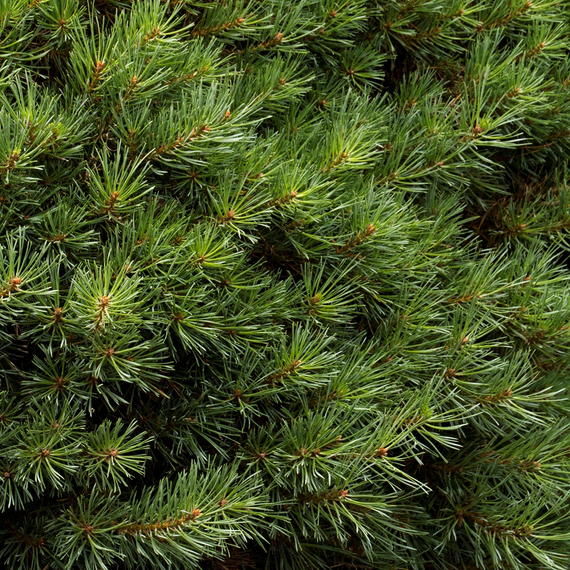
- Striking steel-blue needles and exfoliating orange-brown bark deliver vivid four-season interest in any landscape setting.
- Slow-growing, compact dwarf form stays manageable over decades, maturing to a broad, flat-topped pyramid without crowding neighboring plants.
- Exceptionally tough and adaptable — tolerates poor soils, drought once established, urban pollution, and cold winters down to USDA Zone 3.
- Naturally deer resistant and a proven wildlife haven, attracting birds while requiring very low maintenance year after year.
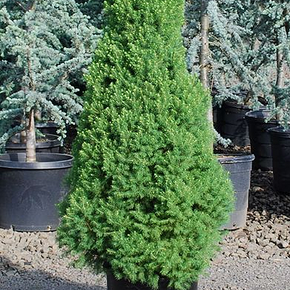
Pinus sylvestris 'Watereri', commonly known as Dwarf Scotch Pine or Dwarf Scots Pine, is a slow-growing, compact cultivar of the classic Scots Pine that was first cultivated in Woking, England in 1865 at Knap Hill Nursery. Unlike its towering wild counterpart, 'Watereri' stays refined and garden-friendly, gradually forming a broad, flat-topped pyramidal crown that matures to roughly 10 to 20 feet tall and 8 to 12 feet wide over many decades. Its twisted, stiff, blue-gray needles held in pairs create a cool-toned, silver-blue texture that stands out in any landscape throughout every season of the year. Adding to its ornamental charm, the upper bark exfoliates to reveal a warm orange-brown tone that glows brilliantly in low winter sunlight, while small, gray-brown cones provide additional visual detail among the foliage. Hardy from USDA Zones 3 through 7, this remarkably adaptable evergreen thrives in full sun and tolerates a wide range of soil types — from lean, rocky, and sandy ground to clay — as long as drainage is adequate. Its resistance to drought, urban air pollution, deer browsing, and verticillium wilt makes it one of the most versatile and low-maintenance conifers available for home landscapes, rock gardens, Asian-inspired garden designs, and specimen planting. The slow-growing, dense branching structure also makes 'Watereri' a prized candidate for bonsai cultivation and artistic shaping, giving it an appeal that extends well beyond the traditional landscape.
Plant Description
Pinus sylvestris 'Watereri' is a needled evergreen conifer in the family Pinaceae and a select cultivar of the Scots Pine. It was first cultivated in 1865 at Knap Hill Nursery in Woking, England by nurseryman John Waterer, for whom the variety is named. Unlike the species tree, which can reach 60 to 100 feet in the wild, 'Watereri' is a genuinely dwarf form that grows slowly into a broad, flat-topped pyramidal shape. Young plants have an upright habit with branch tips directed skyward; with age the form becomes increasingly broad and rounded. The defining ornamental features are its paired, stiff, twisted blue-gray needles measuring 1 to 1.5 inches long, its small gray-brown cones that nestle among the foliage, and its exfoliating bark that transitions from a rich orange in the upper portions of the trunk to a darker red-brown near the base. Together these traits give the plant exceptional year-round interest.
Mature Size
| Characteristic | Detail |
|---|---|
| Mature Height | 10 to 20 feet |
| Mature Width / Spread | 8 to 12 feet |
| Growth Rate | Slow (typically a few inches per year) |
| Growth Habit | Upright pyramidal when young; broad, flat-topped, and rounded with age |
| Plant Type | Large shrub to broad-rounded conical tree |
Because 'Watereri' grows so slowly, it remains a very manageable size for many years after planting, making it an excellent choice for smaller residential lots, foundation plantings, and mixed conifer borders where space is at a premium.
Hardiness Zones
Pinus sylvestris 'Watereri' is rated for USDA Hardiness Zones 3 through 7, reflecting its extraordinary cold tolerance. It can withstand winter temperatures as low as -40 degrees F, making it suitable for gardens across most of the continental United States except the hottest and most humid regions of the deep South. In Southern Oregon and Northern California, it performs best in areas that receive cool to cold winters and moderate summer temperatures. It prefers cool summer climates and may struggle in areas with prolonged intense heat and high humidity. Avoid planting in low-lying frost pockets where standing cold air can collect.
Sunlight Requirements
This cultivar demands full sun for best performance and should receive a minimum of 6 hours of direct, unobstructed sunlight per day. It can tolerate partial shade for a portion of the day, but reduced light leads to a more open, less dense form, slower growth, and weaker foliage color. The striking blue-gray intensity of the needles is most vivid when the plant is grown in full sun. Choose a planting location away from large overhanging trees or structures that would cast significant shade during prime daylight hours.
Soil and pH Preferences
'Watereri' is one of the more adaptable conifers in terms of soil tolerance, thriving in conditions that many ornamental plants find challenging. Key soil requirements include:
- Drainage: Well-drained soil is essential. This cultivar will not tolerate waterlogged or boggy conditions, which can lead to root rot and decline.
- Soil Types: Performs well in sandy, loamy, rocky, gritty, clay (if well-drained), and lean or nutrient-poor soils.
- Soil pH: Prefers slightly acidic to neutral soil in the range of 5.0 to 6.5, though it shows some tolerance of slightly more alkaline conditions.
- Organic Matter: Not required in abundance — this pine naturally thrives in lower-fertility soils and does not need heavily amended ground.
- Compaction: Avoid heavily compacted soils. If clay soil is present, improve drainage by incorporating coarse sand or grit before planting.
Watering Guide
Newly Planted: Water thoroughly and consistently for the first 2 to 3 years while the root system establishes. Provide deep, infrequent watering sessions rather than light, frequent sprinkles to encourage deep root development. During hot, dry summer spells in Southern Oregon and Northern California, check soil moisture regularly and water when the top 2 to 3 inches feel dry.
Established Plants: Once fully established, Pinus sylvestris 'Watereri' is quite drought tolerant and typically only requires supplemental irrigation during prolonged dry periods. Its native range includes many areas with summer drought, making it well-adapted to the Mediterranean-influenced climate of the Pacific Northwest foothills and Northern California.
Overwatering Caution: The roots are sensitive to excess moisture. Always ensure the planting site drains well and never allow water to pool around the base of the trunk. Applying a 2 to 3 inch layer of mulch around the root zone helps retain even soil moisture and moderates soil temperature without encouraging rot.
Fertilizing
Pinus sylvestris 'Watereri' has modest fertility needs and often thrives without regular fertilization, especially when planted in its preferred well-drained soil. Over-fertilizing can cause weak, excessive growth that compromises the plant's naturally dense, compact habit and increases susceptibility to pests and diseases.
- If soil is noticeably nutrient-poor, apply a balanced, slow-release granular fertilizer formulated for conifers or acid-loving plants in early spring, just before new growth begins.
- A fertilizer with an NPK ratio such as 10-10-10 or a product specifically formulated for evergreens works well.
- Avoid fertilizing after midsummer, as late-season fertilization can stimulate tender new growth that is vulnerable to early fall frost damage.
- Topdressing with a thin layer of composted pine bark or acidic organic mulch can gradually improve soil structure and gently supplement nutrients over time.
- Conduct a soil test every few years to identify any specific nutrient deficiencies or pH imbalances before amending.
Pruning and Maintenance
One of the outstanding qualities of 'Watereri' is its naturally tidy, self-maintaining shape that rarely requires significant pruning. However, selective pruning can be used to refine the form or maintain a desired size.
- Best Time to Prune: Late winter to early spring, just before new growth (candles) emerge. Light shaping can also be done in early summer by pinching or cutting back the new candles by one-half to slow growth and encourage denser branching.
- Remove Dead Wood: Prune out any dead, damaged, or diseased branches at any time of year using sharp, clean pruning tools.
- Do Not Remove More Than 25% at Once: Excessive pruning in a single season can stress the tree and stunt recovery.
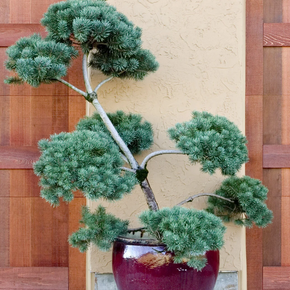
- Bonsai and Artistic Shaping: 'Watereri' is widely recognized as an excellent candidate for bonsai due to its compact habit and slow growth. It can also be limbed up to reveal the decorative multi-colored bark as a landscape feature.
- Avoid Cutting Back to Bare Wood: Like most pines, 'Watereri' will not reliably bud back from old, leafless wood. Always leave some green needles on any branch being pruned.
- Tool Sanitation: Disinfect pruning tools between cuts — especially when removing diseased material — to prevent spreading pathogens.
Planting Instructions
- Select the Site: Choose a location with full sun (6+ hours of direct sun daily), good air circulation, and well-drained soil. Account for the plant's eventual spread of 8 to 12 feet when choosing placement relative to structures, fences, and other plants.
- Prepare the Hole: Dig a hole twice as wide as the root ball and the same depth. Loosen the surrounding soil to allow roots to spread easily. Remove any large rocks, roots, or debris.
- Set the Plant: Place the root ball so the top sits level with or very slightly above the surrounding soil grade. Never plant too deep — burying the trunk flare can suffocate roots and invite disease.
- Backfill: Fill the hole with the native soil, gently tamping as you go to eliminate air pockets. Avoid amending the backfill heavily with compost unless soil quality is very poor.
- Water Thoroughly: Soak the entire root zone immediately after planting to settle the soil and ensure good root-to-soil contact.
- Mulch: Apply a 2 to 3 inch layer of arborist wood chips or bark mulch in a wide ring extending to the drip line. Keep mulch 3 to 4 inches away from the trunk to prevent moisture accumulation and rot.
- Staking: Not typically necessary for young container-grown specimens unless the planting site is exposed to strong prevailing winds.
Seasonal Interest
| Season | Ornamental Features |
|---|---|
| Spring | New candle growth emerges, providing a fresh, lighter green contrast against the mature blue-gray needles; pollen cones add subtle color interest. |
| Summer | Dense, richly textured blue-gray foliage provides a cooling visual anchor in the landscape; young green cones begin to develop. |
| Fall | Cones mature to gray-brown; the evergreen foliage holds its color beautifully as surrounding deciduous trees change color and drop their leaves. |
| Winter | Striking year-round interest with the blue-gray needle mass, exfoliating orange-brown bark that glows in low winter sunlight, and persistent cones contrasting against snow or frost. |
Landscape Uses
Pinus sylvestris 'Watereri' is one of the most versatile ornamental conifers for the home landscape. Its manageable size, unique color, and refined texture make it suitable for a wide range of design applications:
- Specimen Planting: Excellent as a focal point in the lawn, courtyard, or entry garden where its distinctive blue-gray color and bark can be admired up close year-round.
- Rock and Alpine Gardens: Its tolerance for lean, rocky soils and preference for excellent drainage make it a natural fit alongside boulders and ornamental grasses in rock garden settings.
- Asian-Inspired Gardens: The sculptural branching habit, twisted needles, and picturesque bark make it a classic element in Japanese-style and Zen-inspired garden designs.
- Mixed Conifer Border: Combines beautifully with other dwarf conifers to create a low-maintenance, year-round textural planting.
- Foundation Planting: Suitable for corners or anchor plantings near structures thanks to its slow growth and predictable form.
- Slope and Bank Stabilization: Tolerant of lean soils and dry conditions, making it practical for stabilizing well-drained slopes.
- Patio and Walkway Accent: Its compact scale and tidy form work well in structured plantings near hardscaping.
- Bonsai: Highly prized for bonsai cultivation because of its slow growth rate, small needles, and willingness to be shaped and trained.
Companion Plants
The cool blue-gray tones and bold evergreen texture of 'Watereri' pair well with plants that either echo its palette or provide contrasting warmth and softness. Consider these companions:
- Ornamental Grasses: Blue Oat Grass (Helictotrichon sempervirens) and Blue Fescue (Festuca glauca) echo the silver-blue needle color and add graceful movement.
- Heathers and Heaths (Calluna / Erica): Low, mounding companions that thrive in similar acidic, well-drained conditions and bloom in complementary shades of purple, pink, and white.
- Dwarf Conifers: Mugo Pine (Pinus mugo varieties), Dwarf Hinoki Cypress (Chamaecyparis obtusa), and compact spruce cultivars create diverse texture combinations in a mixed evergreen planting.
- Lavender (Lavandula spp.): Shares the preference for full sun and lean, well-drained soils while providing contrasting soft purple color and fragrance.
- Sedums and Stonecrops: Drought-tolerant, low-growing succulents that complement the rock garden aesthetic and tolerate the same lean, fast-draining conditions.
- Dwarf Japanese Maples (Acer palmatum): Provide a striking seasonal color contrast — rich reds and oranges in fall — against the year-round blue-gray of the pine.
- Junipers (Juniperus spp.): Low-growing and spreading junipers in silver or green tones work beautifully as groundcover companions in full-sun, dry-soil landscapes.
Pests and Diseases
Pinus sylvestris 'Watereri' is generally a durable and resilient conifer when properly sited, but there are several pests and diseases to be aware of:
- Sphaeropsis (Diplodia) Tip Blight: A fungal disease that causes new shoots to die back in spring. Most prevalent on stressed trees. Prune and destroy affected shoots and apply preventive fungicide during bud swell in susceptible areas.
- Pine Wilt Nematode: A destructive microscopic roundworm spread by pine sawyer beetles that causes rapid browning, wilting, and death. There is no cure; prevention involves keeping trees healthy and promptly removing and disposing of any affected trees.
- Pine Sawflies: Larvae feed on needles, causing defoliation. Hand-pick small infestations or treat with an appropriate insecticide when larvae are young.
- Pine Bark Adelgid and Scale Insects: Small sap-sucking insects that can colonize bark and stems. Treat with horticultural oil applications in late winter or early spring.
- Pine Needle Scale: Appears as white or gray encrustations on needles. Horticultural oil or insecticidal soap applied at the crawler stage is effective.
- Pine Spittlebug: Produces frothy masses on stems and can weaken growth with repeated infestations. Treat with appropriate insecticides if populations are high.
- Dothistroma Needle Blight: Causes needle browning and premature drop. Prune affected branches and apply copper-based fungicide if necessary.
- Wind Damage: The species can be susceptible to wind throw and branch breakage in severely exposed locations. Shelter from prevailing winds when possible.
Maintaining proper planting site conditions — especially adequate drainage and full sun — and avoiding over-fertilization are the most effective preventive measures for keeping 'Watereri' healthy and pest-free.
Wildlife Value
Pinus sylvestris 'Watereri' provides meaningful ecological value in the garden throughout the year:
- Birds: The seeds within the mature cones are a food source for seed-eating birds, including finches, chickadees, nuthatches, and crossbills. The dense evergreen foliage also provides year-round shelter and nesting habitat.
- Small Mammals: Squirrels and chipmunks collect and cache the seeds as a winter food source.
- Deer Resistance: Rated as deer resistant, making it a reliable choice in landscapes where deer browsing pressure is high.
- Beneficial Insects: The bark crevices and needle litter provide microhabitat for beneficial insects and overwintering arthropods.
Container Growing
The naturally slow growth rate and compact habit of 'Watereri' make it one of the more practical pines for growing in large containers, particularly for patio and courtyard settings or bonsai development.
- Container Size: Use a large, sturdy container with ample drainage holes. A minimum of a 15 to 25 gallon container is recommended for long-term growing, though smaller containers work well for bonsai training.
- Potting Mix: Use a well-draining, slightly acidic potting mix blended with coarse perlite, pumice, or grit to ensure fast drainage. Avoid heavy, moisture-retentive potting mixes.
- Watering: Container-grown plants dry out much faster than in-ground specimens. Check moisture levels regularly and water when the top inch of the potting mix is dry, being careful not to allow the container to sit in standing water.
- Fertilizing: Apply a slow-release granular fertilizer formulated for conifers in early spring. Avoid high-nitrogen formulas that can cause soft growth.
- Overwintering: In climates with severe winters, move containers to an unheated garage or sheltered location to protect the roots from freezing, as containerized roots are more exposed to cold than in-ground roots.
- Repotting: Repot every 3 to 5 years in spring before new growth begins, trimming root-bound roots and refreshing the potting medium.
- Striking steel-blue needles and exfoliating orange-brown bark deliver vivid four-season interest in any landscape setting.
- Slow-growing, compact dwarf form stays manageable over decades, maturing to a broad, flat-topped pyramid without crowding neighboring plants.
- Exceptionally tough and adaptable — tolerates poor soils, drought once established, urban pollution, and cold winters down to USDA Zone 3.
- Naturally deer resistant and a proven wildlife haven, attracting birds while requiring very low maintenance year after year.
Pinus sylvestris 'Watereri', commonly known as Dwarf Scotch Pine or Dwarf Scots Pine, is a slow-growing, compact cultivar of the classic Scots Pine that was first cultivated in Woking, England in 1865 at Knap Hill Nursery. Unlike its towering wild counterpart, 'Watereri' stays refined and garden-friendly, gradually forming a broad, flat-topped pyramidal crown that matures to roughly 10 to 20 feet tall and 8 to 12 feet wide over many decades. Its twisted, stiff, blue-gray needles held in pairs create a cool-toned, silver-blue texture that stands out in any landscape throughout every season of the year. Adding to its ornamental charm, the upper bark exfoliates to reveal a warm orange-brown tone that glows brilliantly in low winter sunlight, while small, gray-brown cones provide additional visual detail among the foliage. Hardy from USDA Zones 3 through 7, this remarkably adaptable evergreen thrives in full sun and tolerates a wide range of soil types — from lean, rocky, and sandy ground to clay — as long as drainage is adequate. Its resistance to drought, urban air pollution, deer browsing, and verticillium wilt makes it one of the most versatile and low-maintenance conifers available for home landscapes, rock gardens, Asian-inspired garden designs, and specimen planting. The slow-growing, dense branching structure also makes 'Watereri' a prized candidate for bonsai cultivation and artistic shaping, giving it an appeal that extends well beyond the traditional landscape.
Plant Description
Pinus sylvestris 'Watereri' is a needled evergreen conifer in the family Pinaceae and a select cultivar of the Scots Pine. It was first cultivated in 1865 at Knap Hill Nursery in Woking, England by nurseryman John Waterer, for whom the variety is named. Unlike the species tree, which can reach 60 to 100 feet in the wild, 'Watereri' is a genuinely dwarf form that grows slowly into a broad, flat-topped pyramidal shape. Young plants have an upright habit with branch tips directed skyward; with age the form becomes increasingly broad and rounded. The defining ornamental features are its paired, stiff, twisted blue-gray needles measuring 1 to 1.5 inches long, its small gray-brown cones that nestle among the foliage, and its exfoliating bark that transitions from a rich orange in the upper portions of the trunk to a darker red-brown near the base. Together these traits give the plant exceptional year-round interest.
Mature Size
| Characteristic | Detail |
|---|---|
| Mature Height | 10 to 20 feet |
| Mature Width / Spread | 8 to 12 feet |
| Growth Rate | Slow (typically a few inches per year) |
| Growth Habit | Upright pyramidal when young; broad, flat-topped, and rounded with age |
| Plant Type | Large shrub to broad-rounded conical tree |
Because 'Watereri' grows so slowly, it remains a very manageable size for many years after planting, making it an excellent choice for smaller residential lots, foundation plantings, and mixed conifer borders where space is at a premium.
Hardiness Zones
Pinus sylvestris 'Watereri' is rated for USDA Hardiness Zones 3 through 7, reflecting its extraordinary cold tolerance. It can withstand winter temperatures as low as -40 degrees F, making it suitable for gardens across most of the continental United States except the hottest and most humid regions of the deep South. In Southern Oregon and Northern California, it performs best in areas that receive cool to cold winters and moderate summer temperatures. It prefers cool summer climates and may struggle in areas with prolonged intense heat and high humidity. Avoid planting in low-lying frost pockets where standing cold air can collect.
Sunlight Requirements
This cultivar demands full sun for best performance and should receive a minimum of 6 hours of direct, unobstructed sunlight per day. It can tolerate partial shade for a portion of the day, but reduced light leads to a more open, less dense form, slower growth, and weaker foliage color. The striking blue-gray intensity of the needles is most vivid when the plant is grown in full sun. Choose a planting location away from large overhanging trees or structures that would cast significant shade during prime daylight hours.
Soil and pH Preferences
'Watereri' is one of the more adaptable conifers in terms of soil tolerance, thriving in conditions that many ornamental plants find challenging. Key soil requirements include:
- Drainage: Well-drained soil is essential. This cultivar will not tolerate waterlogged or boggy conditions, which can lead to root rot and decline.
- Soil Types: Performs well in sandy, loamy, rocky, gritty, clay (if well-drained), and lean or nutrient-poor soils.
- Soil pH: Prefers slightly acidic to neutral soil in the range of 5.0 to 6.5, though it shows some tolerance of slightly more alkaline conditions.
- Organic Matter: Not required in abundance — this pine naturally thrives in lower-fertility soils and does not need heavily amended ground.
- Compaction: Avoid heavily compacted soils. If clay soil is present, improve drainage by incorporating coarse sand or grit before planting.
Watering Guide
Newly Planted: Water thoroughly and consistently for the first 2 to 3 years while the root system establishes. Provide deep, infrequent watering sessions rather than light, frequent sprinkles to encourage deep root development. During hot, dry summer spells in Southern Oregon and Northern California, check soil moisture regularly and water when the top 2 to 3 inches feel dry.
Established Plants: Once fully established, Pinus sylvestris 'Watereri' is quite drought tolerant and typically only requires supplemental irrigation during prolonged dry periods. Its native range includes many areas with summer drought, making it well-adapted to the Mediterranean-influenced climate of the Pacific Northwest foothills and Northern California.
Overwatering Caution: The roots are sensitive to excess moisture. Always ensure the planting site drains well and never allow water to pool around the base of the trunk. Applying a 2 to 3 inch layer of mulch around the root zone helps retain even soil moisture and moderates soil temperature without encouraging rot.
Fertilizing
Pinus sylvestris 'Watereri' has modest fertility needs and often thrives without regular fertilization, especially when planted in its preferred well-drained soil. Over-fertilizing can cause weak, excessive growth that compromises the plant's naturally dense, compact habit and increases susceptibility to pests and diseases.
- If soil is noticeably nutrient-poor, apply a balanced, slow-release granular fertilizer formulated for conifers or acid-loving plants in early spring, just before new growth begins.
- A fertilizer with an NPK ratio such as 10-10-10 or a product specifically formulated for evergreens works well.
- Avoid fertilizing after midsummer, as late-season fertilization can stimulate tender new growth that is vulnerable to early fall frost damage.
- Topdressing with a thin layer of composted pine bark or acidic organic mulch can gradually improve soil structure and gently supplement nutrients over time.
- Conduct a soil test every few years to identify any specific nutrient deficiencies or pH imbalances before amending.
Pruning and Maintenance
One of the outstanding qualities of 'Watereri' is its naturally tidy, self-maintaining shape that rarely requires significant pruning. However, selective pruning can be used to refine the form or maintain a desired size.
- Best Time to Prune: Late winter to early spring, just before new growth (candles) emerge. Light shaping can also be done in early summer by pinching or cutting back the new candles by one-half to slow growth and encourage denser branching.
- Remove Dead Wood: Prune out any dead, damaged, or diseased branches at any time of year using sharp, clean pruning tools.
- Do Not Remove More Than 25% at Once: Excessive pruning in a single season can stress the tree and stunt recovery.
- Bonsai and Artistic Shaping: 'Watereri' is widely recognized as an excellent candidate for bonsai due to its compact habit and slow growth. It can also be limbed up to reveal the decorative multi-colored bark as a landscape feature.
- Avoid Cutting Back to Bare Wood: Like most pines, 'Watereri' will not reliably bud back from old, leafless wood. Always leave some green needles on any branch being pruned.
- Tool Sanitation: Disinfect pruning tools between cuts — especially when removing diseased material — to prevent spreading pathogens.
Planting Instructions
- Select the Site: Choose a location with full sun (6+ hours of direct sun daily), good air circulation, and well-drained soil. Account for the plant's eventual spread of 8 to 12 feet when choosing placement relative to structures, fences, and other plants.
- Prepare the Hole: Dig a hole twice as wide as the root ball and the same depth. Loosen the surrounding soil to allow roots to spread easily. Remove any large rocks, roots, or debris.
- Set the Plant: Place the root ball so the top sits level with or very slightly above the surrounding soil grade. Never plant too deep — burying the trunk flare can suffocate roots and invite disease.
- Backfill: Fill the hole with the native soil, gently tamping as you go to eliminate air pockets. Avoid amending the backfill heavily with compost unless soil quality is very poor.
- Water Thoroughly: Soak the entire root zone immediately after planting to settle the soil and ensure good root-to-soil contact.
- Mulch: Apply a 2 to 3 inch layer of arborist wood chips or bark mulch in a wide ring extending to the drip line. Keep mulch 3 to 4 inches away from the trunk to prevent moisture accumulation and rot.
- Staking: Not typically necessary for young container-grown specimens unless the planting site is exposed to strong prevailing winds.
Seasonal Interest
| Season | Ornamental Features |
|---|---|
| Spring | New candle growth emerges, providing a fresh, lighter green contrast against the mature blue-gray needles; pollen cones add subtle color interest. |
| Summer | Dense, richly textured blue-gray foliage provides a cooling visual anchor in the landscape; young green cones begin to develop. |
| Fall | Cones mature to gray-brown; the evergreen foliage holds its color beautifully as surrounding deciduous trees change color and drop their leaves. |
| Winter | Striking year-round interest with the blue-gray needle mass, exfoliating orange-brown bark that glows in low winter sunlight, and persistent cones contrasting against snow or frost. |
Landscape Uses
Pinus sylvestris 'Watereri' is one of the most versatile ornamental conifers for the home landscape. Its manageable size, unique color, and refined texture make it suitable for a wide range of design applications:
- Specimen Planting: Excellent as a focal point in the lawn, courtyard, or entry garden where its distinctive blue-gray color and bark can be admired up close year-round.
- Rock and Alpine Gardens: Its tolerance for lean, rocky soils and preference for excellent drainage make it a natural fit alongside boulders and ornamental grasses in rock garden settings.
- Asian-Inspired Gardens: The sculptural branching habit, twisted needles, and picturesque bark make it a classic element in Japanese-style and Zen-inspired garden designs.
- Mixed Conifer Border: Combines beautifully with other dwarf conifers to create a low-maintenance, year-round textural planting.
- Foundation Planting: Suitable for corners or anchor plantings near structures thanks to its slow growth and predictable form.
- Slope and Bank Stabilization: Tolerant of lean soils and dry conditions, making it practical for stabilizing well-drained slopes.
- Patio and Walkway Accent: Its compact scale and tidy form work well in structured plantings near hardscaping.
- Bonsai: Highly prized for bonsai cultivation because of its slow growth rate, small needles, and willingness to be shaped and trained.
Companion Plants
The cool blue-gray tones and bold evergreen texture of 'Watereri' pair well with plants that either echo its palette or provide contrasting warmth and softness. Consider these companions:
- Ornamental Grasses: Blue Oat Grass (Helictotrichon sempervirens) and Blue Fescue (Festuca glauca) echo the silver-blue needle color and add graceful movement.
- Heathers and Heaths (Calluna / Erica): Low, mounding companions that thrive in similar acidic, well-drained conditions and bloom in complementary shades of purple, pink, and white.
- Dwarf Conifers: Mugo Pine (Pinus mugo varieties), Dwarf Hinoki Cypress (Chamaecyparis obtusa), and compact spruce cultivars create diverse texture combinations in a mixed evergreen planting.
- Lavender (Lavandula spp.): Shares the preference for full sun and lean, well-drained soils while providing contrasting soft purple color and fragrance.
- Sedums and Stonecrops: Drought-tolerant, low-growing succulents that complement the rock garden aesthetic and tolerate the same lean, fast-draining conditions.
- Dwarf Japanese Maples (Acer palmatum): Provide a striking seasonal color contrast — rich reds and oranges in fall — against the year-round blue-gray of the pine.
- Junipers (Juniperus spp.): Low-growing and spreading junipers in silver or green tones work beautifully as groundcover companions in full-sun, dry-soil landscapes.
Pests and Diseases
Pinus sylvestris 'Watereri' is generally a durable and resilient conifer when properly sited, but there are several pests and diseases to be aware of:
- Sphaeropsis (Diplodia) Tip Blight: A fungal disease that causes new shoots to die back in spring. Most prevalent on stressed trees. Prune and destroy affected shoots and apply preventive fungicide during bud swell in susceptible areas.
- Pine Wilt Nematode: A destructive microscopic roundworm spread by pine sawyer beetles that causes rapid browning, wilting, and death. There is no cure; prevention involves keeping trees healthy and promptly removing and disposing of any affected trees.
- Pine Sawflies: Larvae feed on needles, causing defoliation. Hand-pick small infestations or treat with an appropriate insecticide when larvae are young.
- Pine Bark Adelgid and Scale Insects: Small sap-sucking insects that can colonize bark and stems. Treat with horticultural oil applications in late winter or early spring.
- Pine Needle Scale: Appears as white or gray encrustations on needles. Horticultural oil or insecticidal soap applied at the crawler stage is effective.
- Pine Spittlebug: Produces frothy masses on stems and can weaken growth with repeated infestations. Treat with appropriate insecticides if populations are high.
- Dothistroma Needle Blight: Causes needle browning and premature drop. Prune affected branches and apply copper-based fungicide if necessary.
- Wind Damage: The species can be susceptible to wind throw and branch breakage in severely exposed locations. Shelter from prevailing winds when possible.
Maintaining proper planting site conditions — especially adequate drainage and full sun — and avoiding over-fertilization are the most effective preventive measures for keeping 'Watereri' healthy and pest-free.
Wildlife Value
Pinus sylvestris 'Watereri' provides meaningful ecological value in the garden throughout the year:
- Birds: The seeds within the mature cones are a food source for seed-eating birds, including finches, chickadees, nuthatches, and crossbills. The dense evergreen foliage also provides year-round shelter and nesting habitat.
- Small Mammals: Squirrels and chipmunks collect and cache the seeds as a winter food source.
- Deer Resistance: Rated as deer resistant, making it a reliable choice in landscapes where deer browsing pressure is high.
- Beneficial Insects: The bark crevices and needle litter provide microhabitat for beneficial insects and overwintering arthropods.
Container Growing
The naturally slow growth rate and compact habit of 'Watereri' make it one of the more practical pines for growing in large containers, particularly for patio and courtyard settings or bonsai development.
- Container Size: Use a large, sturdy container with ample drainage holes. A minimum of a 15 to 25 gallon container is recommended for long-term growing, though smaller containers work well for bonsai training.
- Potting Mix: Use a well-draining, slightly acidic potting mix blended with coarse perlite, pumice, or grit to ensure fast drainage. Avoid heavy, moisture-retentive potting mixes.
- Watering: Container-grown plants dry out much faster than in-ground specimens. Check moisture levels regularly and water when the top inch of the potting mix is dry, being careful not to allow the container to sit in standing water.
- Fertilizing: Apply a slow-release granular fertilizer formulated for conifers in early spring. Avoid high-nitrogen formulas that can cause soft growth.
- Overwintering: In climates with severe winters, move containers to an unheated garage or sheltered location to protect the roots from freezing, as containerized roots are more exposed to cold than in-ground roots.
- Repotting: Repot every 3 to 5 years in spring before new growth begins, trimming root-bound roots and refreshing the potting medium.