

Zoom the image with the mouse
Dwarf Japanese White Pine - 5 Gallon
SKU:
106375
UPC:
014949655351
$89.99
- Narrow, compact, upright form with short blue‑green to gray needles for a refined, textural accent.
- Slow‑growing dwarf—about 6–10 ft. tall and 3–5 ft. wide in 10 years, maintaining a trim footprint.
- Easy‑care and waterwise once established; generally deer/rabbit resistant and tolerant of road salt.
- Versatile for containers, bonsai, or as a small landscape specimen; thrives in full sun and well‑drained soils.
Dwarf Japanese White Pine (Pinus parviflora ‘Glauca Nana’) delivers sculptural structure in a space‑saving package. Its naturally narrow, upright habit and short, blue‑green needles read crisp and contemporary year‑round, whether featured as a specimen, trained for bonsai, or massed for textural contrast. Give it full sun and a well‑drained, sandy or gravelly loam; water deeply during establishment, then enjoy a resilient, low‑maintenance evergreen with dependable color and compact stature.
Plant Description
Dense, upright dwarf selection of Japanese white pine with a naturally narrow outline and tidy branching. Suitable for small gardens, courtyards, and architectural plantings where a clean silhouette is desired.
Foliage
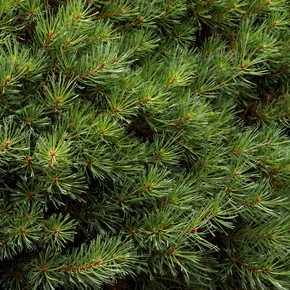
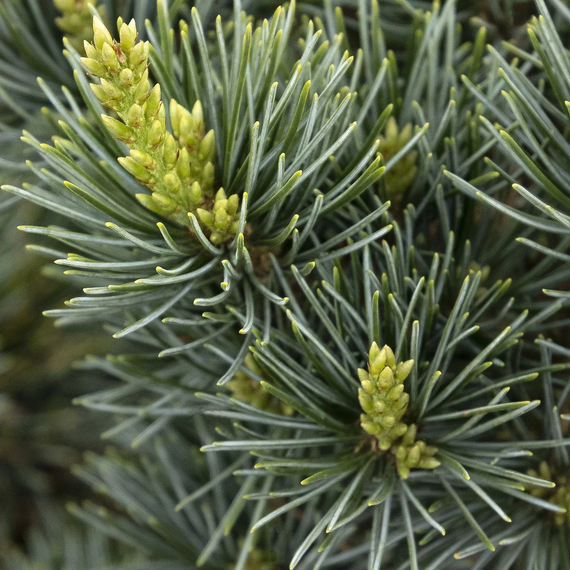
Short needles in soft blue‑green to gray tones create a cool, refined palette and a fine texture that pairs beautifully with broad‑leaf shrubs and Japanese maples.
Sun Requirements
Full sun (6+ hours) for best color, dense growth, and overall vigor.
Watering Needs
Water when the top ~2 inches of soil are dry during the first growing season to establish deep roots; once established, provide deep, occasional soakings and avoid chronically wet sites.
Soil Requirements
Thrives in deep, average, well‑drained, sandy or gravelly loams; avoid poorly drained or soggy soils. A light spring feeding supports steady growth.
Growth & Size
Slow growth; typically reaches about 6–10 ft. tall and 3–5 ft. wide in 10 years, retaining a compact, upright habit that fits tight spaces.
Hardiness
USDA Zones 4–9; a reliable four‑season evergreen in a broad range of climates.
Special Features
Easy‑care and waterwise once established; generally deer and rabbit resistant; tolerant of road salt; compact form needs minimal pruning.
Landscape Uses
Excellent as a small specimen, in pared‑back contemporary borders, for narrow foundation beds, or trained for bonsai. Also effective in large containers for patios and entries.
Care Instructions
Plant at or slightly above grade in well‑drained soil. Water deeply and regularly the first season; reduce frequency as roots establish. Apply a general‑purpose fertilizer before new spring growth. Prune only to remove wayward or damaged tips.
Bonsai & Container Tips
Use a coarse, fast‑draining mix; provide full sun and consistent moisture (never waterlogged). Root‑prune and repot on a multi‑year cycle to maintain size and vigor.
- Narrow, compact, upright form with short blue‑green to gray needles for a refined, textural accent.
- Slow‑growing dwarf—about 6–10 ft. tall and 3–5 ft. wide in 10 years, maintaining a trim footprint.
- Easy‑care and waterwise once established; generally deer/rabbit resistant and tolerant of road salt.
- Versatile for containers, bonsai, or as a small landscape specimen; thrives in full sun and well‑drained soils.
Dwarf Japanese White Pine (Pinus parviflora ‘Glauca Nana’) delivers sculptural structure in a space‑saving package. Its naturally narrow, upright habit and short, blue‑green needles read crisp and contemporary year‑round, whether featured as a specimen, trained for bonsai, or massed for textural contrast. Give it full sun and a well‑drained, sandy or gravelly loam; water deeply during establishment, then enjoy a resilient, low‑maintenance evergreen with dependable color and compact stature.
Plant Description
Dense, upright dwarf selection of Japanese white pine with a naturally narrow outline and tidy branching. Suitable for small gardens, courtyards, and architectural plantings where a clean silhouette is desired.
Foliage
Short needles in soft blue‑green to gray tones create a cool, refined palette and a fine texture that pairs beautifully with broad‑leaf shrubs and Japanese maples.
Sun Requirements
Full sun (6+ hours) for best color, dense growth, and overall vigor.
Watering Needs
Water when the top ~2 inches of soil are dry during the first growing season to establish deep roots; once established, provide deep, occasional soakings and avoid chronically wet sites.
Soil Requirements
Thrives in deep, average, well‑drained, sandy or gravelly loams; avoid poorly drained or soggy soils. A light spring feeding supports steady growth.
Growth & Size
Slow growth; typically reaches about 6–10 ft. tall and 3–5 ft. wide in 10 years, retaining a compact, upright habit that fits tight spaces.
Hardiness
USDA Zones 4–9; a reliable four‑season evergreen in a broad range of climates.
Special Features
Easy‑care and waterwise once established; generally deer and rabbit resistant; tolerant of road salt; compact form needs minimal pruning.
Landscape Uses
Excellent as a small specimen, in pared‑back contemporary borders, for narrow foundation beds, or trained for bonsai. Also effective in large containers for patios and entries.
Care Instructions
Plant at or slightly above grade in well‑drained soil. Water deeply and regularly the first season; reduce frequency as roots establish. Apply a general‑purpose fertilizer before new spring growth. Prune only to remove wayward or damaged tips.
Bonsai & Container Tips
Use a coarse, fast‑draining mix; provide full sun and consistent moisture (never waterlogged). Root‑prune and repot on a multi‑year cycle to maintain size and vigor.