
Zoom the image with the mouse
French Blue Scotch Pine - 5 Gallon
SKU:
203870
$69.99
- Striking silvery blue-green needles hold their intense color year-round, making this pine a standout four-season focal point in any landscape.
- A superior, more uniform and compact-growing cultivar of Scots Pine that is often trained into elegant topiary forms or used as a dramatic specimen tree.
- Exceptionally cold hardy (Zones 2-8), drought tolerant once established, and resistant to deer, rabbits, and urban pollution.
- Versatile landscape performer suited for windbreaks, privacy screens, xeriscapes, accent plantings, and even bonsai or topiary training.
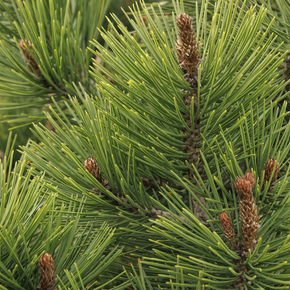
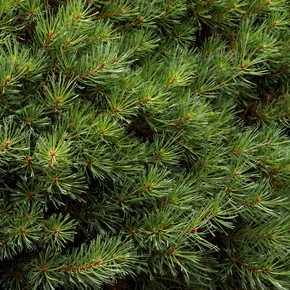
French Blue Scotch Pine (Pinus sylvestris 'French Blue') is a superior cultivar of the classic Scots Pine, selected specifically for its more intense, silvery blue-green needle color and a more uniform, compact growth habit than the straight species. This striking evergreen conifer develops a strong central leader and a broadly upright to pyramidal form, maturing to approximately 40-60 feet tall and 25-35 feet wide, though regular pruning and topiary training can keep it considerably smaller. Its short, stiff, twisted blue-green needles retain their vivid coloration throughout all four seasons, and the tree's exfoliating orange-to-russet bark adds exceptional winter interest and textural beauty. Originating from seed sources in France, this cultivar has earned a devoted following among gardeners and landscape professionals for its picturesque, architectural character, rugged durability across USDA Hardiness Zones 2 through 8, and adaptability to a wide range of soil conditions including poor, sandy, rocky, or acidic soils. Its well-documented drought tolerance once established makes it an outstanding choice for water-wise and xeriscape designs throughout Southern Oregon and Northern California. Equally at home as a bold landscape specimen, a tall privacy screen, a shelterbelt anchor, or a living canvas for topiary artistry, French Blue Scotch Pine delivers lasting beauty and low-maintenance performance that improves with every passing year.
Plant Description
French Blue Scotch Pine is a needled evergreen conifer and a specially selected cultivar of the Scots Pine (Pinus sylvestris), one of the most widely distributed pine species in the world, native across Europe and into Asia. The 'French Blue' selection was chosen for its noticeably more intense silvery-blue to blue-green needle color compared to the standard green of the species. The short, stiff needles are borne in pairs, typically 1.5 to 3 inches long, and have a slightly twisted appearance that adds to the textural richness of the foliage. The needles retain their striking blue-green color even through the coldest winter months, providing ornamental interest when most other plants have gone dormant. As the tree matures, its bark transitions from a smooth, grayish-green on younger growth to a deeply furrowed, plated, orange-to-russet-brown on the lower trunk — one of the most visually distinctive bark textures among all conifers. Small oval cones, typically 1-3 inches long, mature to a grayish-brown and persist on the branches for a season or more, adding further wildlife and ornamental value. The overall character of a mature French Blue Scotch Pine is picturesque and architectural, evoking a rugged, windswept quality that is highly prized in naturalistic and formal garden designs alike.
Mature Size and Growth Rate
| Characteristic | Detail |
|---|---|
| Mature Height | 40 to 60 feet (can be maintained smaller with pruning or topiary training) |
| Mature Spread | 25 to 35 feet |
| Growth Rate | Slow to moderate; approximately 1 to 2 feet per year under good conditions |
| Growth Habit | Upright, broadly conical to pyramidal when young; becomes more open, irregular, and picturesque with age |
| Canopy Clearance | Typically 5 feet from ground at maturity; not recommended for planting under power lines if left unpruned |
| Longevity | 80 years or more under ideal conditions |
Hardiness Zones and Climate Tolerance
French Blue Scotch Pine is one of the hardiest ornamental pines available, rated for USDA Hardiness Zones 2 through 8. This impressive cold tolerance makes it adaptable to nearly all climates across the continental United States, from the frigid northern plains to the mild Pacific Northwest and into warmer temperate regions. It thrives throughout Southern Oregon and Northern California with ease. Beyond cold hardiness, this cultivar also demonstrates strong tolerance of heat, wind, and dry conditions once established. It is notably tolerant of urban pollution and can perform well even in challenging inner-city or roadside environments. It is intolerant of deep, prolonged shade and will not perform well in heavily shaded sites.
Sunlight Requirements
French Blue Scotch Pine requires full sun to thrive and should receive a minimum of 6 hours of direct sunlight each day. Full sun exposure is especially important for preserving the cultivar's signature blue-green needle coloration — reduced light can cause the foliage to appear more green and less vibrant. This tree is shade intolerant and should never be planted in a location where it will be significantly shaded by buildings, fences, or larger trees. When siting this plant, choose an open location with unobstructed southern or western exposure for best results in the Pacific Northwest and Northern California region.
Soil and pH Preferences
French Blue Scotch Pine is remarkably adaptable when it comes to soil conditions and is one of the few ornamental conifers that actively thrives in poor, infertile soils. It performs well in sandy, rocky, gravelly, or loamy soils, and is not fussy about soil pH, tolerating a range from slightly acidic (4.0) to slightly alkaline (up to 7.5-8.0). The most critical soil requirement is excellent drainage — this pine will not tolerate poorly drained or waterlogged conditions and may decline or die if roots sit in standing water. If your site has heavy clay soil, plant on a slight rise or amend the area to improve drainage before planting. It actually performs admirably in lean, dry, or nutrient-poor soils where many other trees struggle, making it a particularly valuable choice for difficult landscape sites.
Watering Guide
During the first two to three years after planting, French Blue Scotch Pine requires consistent watering to allow its root system to establish fully. Provide approximately 1 inch of water per week, either from rainfall or supplemental irrigation, ensuring moisture penetrates deeply into the root zone rather than remaining at the surface. Once well established, this pine is considered drought tolerant and can survive on natural rainfall in most Pacific Northwest and Northern California climates. Avoid overwatering at all times — soggy soil is the primary cause of decline in planted specimens. Deep, infrequent watering is always preferable to frequent shallow watering, as it encourages roots to grow deeper into the soil profile, improving both drought resilience and long-term stability.
Fertilizing
French Blue Scotch Pine is a low-fertility tree by nature and does not require heavy feeding. In fact, overfertilizing — particularly with high-nitrogen products — can lead to rapid, weak growth and may reduce the tree's natural cold hardiness and drought resilience. For best results, apply a slow-release granular fertilizer formulated for conifers or acid-loving trees once per year in early spring, just as new growth begins. Follow package directions carefully and do not exceed recommended rates. Trees planted in naturally poor or sandy soils may benefit from an occasional light application of a balanced fertilizer. Avoid fertilizing in late summer or fall, as this can stimulate tender new growth that may be damaged by early frosts.
Pruning and Maintenance
French Blue Scotch Pine is a low-maintenance tree in a natural landscape setting, but it responds very well to pruning and can be shaped into formal topiary forms with consistent effort. Here are the key pruning guidelines:
- When to prune: For light shaping and candle pinching, prune in late spring when the new growth (candles) are actively elongating but before the needles have fully opened. For removal of dead, diseased, or damaged wood, late winter to early spring (while still semi-dormant) is ideal.
- Candle pinching: To encourage a denser, more compact form, pinch or cut back the new spring candles by one-third to one-half before the needles fully extend. This is the primary technique for shaping and size control.
- Do not cut into old wood: Only trim back into the current season's new growth. Cutting back into older wood that no longer bears needles typically will not result in new bud formation and can leave dead stubs.
- Topiary training: With consistent annual shaping, this cultivar can be trained into globes, spirals, pom-poms, or other formal topiary forms. Begin training when the tree is young for best results.
- Dead wood removal: Remove any dead, broken, or diseased branches at any time of year by cutting just outside the branch collar. Sterilize pruning tools between cuts to prevent disease spread.
- Leader preservation: Avoid removing the central leader unless it is damaged, as this maintains the tree's natural upright form and structural integrity.
- Never remove more than 25% of the living canopy in a single pruning session to avoid stressing the tree.
Planting Instructions
- Choose the right site: Select a location with full sun (6+ hours per day) and well-drained soil. Avoid low spots where water pools after rain.
- Dig the planting hole: Dig a hole 2 to 3 times wider than the root ball but no deeper than the root ball's height. The top of the root ball should sit at or very slightly above the surrounding soil grade to account for settling.
- Remove the container: Carefully remove the tree from its nursery container and gently loosen any circling or compacted roots at the perimeter of the root ball.
- Position the tree: Place the tree in the center of the hole, ensuring the root flare (where the trunk widens at the base) is at or just above ground level. Do not bury the trunk.
- Backfill: Backfill with the native soil removed from the hole, tamping gently to eliminate large air pockets. Do not over-amend with compost or rich soil, as this can create a "bathtub" effect that holds excess moisture.
- Water thoroughly: Water deeply immediately after planting to settle the soil and remove any remaining air pockets.
- Mulch: Apply a 2-to-4-inch layer of coarse mulch (such as wood chips or pine bark) around the base of the tree, keeping it several inches away from the trunk. This conserves moisture, regulates soil temperature, and suppresses weeds.
- Staking: Staking is generally not required unless the planting site is exceptionally windy. If staking is needed, remove stakes after the first growing season to allow the trunk to develop natural strength.
Landscape Uses
French Blue Scotch Pine is one of the most versatile conifers available for landscape design, and its bold blue-green color makes it a standout in nearly any composition. Consider the following applications:
- Specimen or focal point tree: Its striking foliage color and architectural form make it an exceptional standalone specimen in lawn or garden settings.
- Privacy screen or hedge: When planted in rows, its dense branching provides effective year-round visual screening and noise buffering.
- Windbreak or shelterbelt: Its vigorous, deep-rooting habit and excellent wind tolerance make it an outstanding choice for property-line windbreaks.
- Topiary and formal gardens: This cultivar is frequently trained into globes, spirals, pom-pom standards, and cloud-pruned forms for formal or Japanese-inspired garden designs.
- Xeriscape and water-wise gardens: Once established, its exceptional drought tolerance makes it ideal for low-water landscape designs.
- Naturalistic plantings: Its picturesque, slightly irregular form blends beautifully into naturalistic woodland edges and informal mixed borders.
- Accent in mixed conifer plantings: The silvery-blue foliage provides excellent contrast alongside dark green conifers, gold-toned evergreens, or deciduous trees.
- Bonsai: Scots Pine, including the 'French Blue' cultivar, is among the most respected and widely cultivated pine species in the bonsai tradition.
Seasonal Interest
French Blue Scotch Pine earns its keep in the landscape throughout every season of the year:
- Spring: New growth emerges as elongating silver-blue candles in late spring, brightening the whole tree and offering an opportunity for shaping. Small yellow-green male pollen cones appear briefly in March and April.
- Summer: Fully developed needles display their richest blue-green coloration against the backdrop of the warm season garden. The dense canopy provides cooling shade.
- Fall: The blue-green foliage maintains its color as surrounding deciduous plants change and drop their leaves, providing a consistent anchor of color in the autumn landscape.
- Winter: Unlike many other conifers that dull in winter, French Blue Scotch Pine retains its distinctive silvery blue-green needle color even in the coldest months. The shaggy, exfoliating orange-to-russet bark is especially prominent in winter when bare deciduous trees expose it to view, adding outstanding texture and warm color to the dormant garden.
Companion Plants
The silvery blue-green foliage of French Blue Scotch Pine pairs beautifully with a wide range of companion plants. Consider these combinations for year-round interest:
- Ornamental grasses: Blue Oat Grass (Helictotrichon sempervirens) and Blue Fescue (Festuca glauca) echo the cool blue tones of the pine's needles at a smaller scale.
- Gold and chartreuse conifers: Gold Mop Cypress or Golden Arborvitae provide vivid warm-cool contrast alongside the blue foliage.
- Lavender (Lavandula spp.): Shares the pine's love of full sun, excellent drainage, and dry conditions while adding purple color and fragrance.
- Cistus (Rock Rose): Another drought-tolerant Mediterranean companion that thrives in the same lean, sunny, well-drained conditions.
- Upright Junipers: Dark green columnar junipers provide strong vertical contrast alongside the pine's broader, more relaxed form.
- Purple-leaved Smoke Bush (Cotinus coggygria): Deep burgundy foliage creates a bold complementary contrast to the cool blue-green pine needles.
- Boulders and dry-stacked rock walls: The rugged, picturesque character of mature French Blue Scotch Pine is perfectly complemented by natural stone in xeriscape or rock garden settings.
Pests and Diseases
French Blue Scotch Pine is generally a tough, disease-resistant tree, but like all conifers, it can be affected by certain pests and diseases. Being aware of common issues allows for early intervention:
- Pine needle scale: Small white, oyster-shell-shaped scales on the needles can cause yellowing. Treat with horticultural oil in late spring when crawlers are active.
- Aphids: Occasional aphid infestations can cause needle distortion and honeydew deposits. Usually controlled by natural predators; treat with insecticidal soap or a strong water spray if populations are high.
- Nantucket pine tip moth: Larvae tunnel into new shoot tips, causing characteristic "flagging" or dead tips. Timing insecticidal treatments to coincide with adult flight periods in spring is most effective.
- Needlecast diseases: Fungal diseases such as Lophodermium needlecast can cause browning and dropping of older needles, particularly in humid conditions with poor air circulation. Improve air circulation through selective pruning and avoid overhead irrigation.
- Diplodia (Sphaeropsis) tip blight: A fungal canker disease that causes shoot dieback, particularly in stressed trees. Maintain tree vigor through proper watering and avoid wounding the bark.
- Cankers: Various fungal canker diseases can infect stressed trees. Prune out affected branches, sterilizing tools between cuts, and maintain overall tree health to reduce susceptibility.
- Root rot: Caused by overwatering or poor drainage. Prevention through proper site selection is the best strategy; ensure excellent soil drainage at planting time.
In general, trees grown in full sun, well-drained soil, and conditions that match their cultural preferences will be far less susceptible to pest and disease problems than stressed specimens.
Wildlife Value
French Blue Scotch Pine provides meaningful ecological and wildlife value in the landscape throughout the year:
- Birds: The dense evergreen canopy offers excellent shelter and nesting habitat for a wide variety of songbirds, raptors, and cavity-nesting birds. Pine seeds within the cones are a valuable food source for seed-eating birds such as crossbills, nuthatches, chickadees, and finches.
- Small mammals: Squirrels and chipmunks harvest and cache the seeds, while the sheltered base of the tree provides cover for small ground-dwelling mammals.
- Deer and rabbit resistance: This pine is generally avoided by deer and rabbits, making it a reliable choice for landscapes where browsing pressure is a concern. It is also resistant to rodent damage.
- Pollinator value: While not a primary pollinator plant, the pollen produced in spring can be a minor resource for certain insects.
- Wind and erosion protection: The deep, stabilizing root system helps anchor and protect soil, while the dense canopy filters wind and provides microhabitat for a range of beneficial insects.
Topiary and Bonsai Potential
French Blue Scotch Pine has a long tradition of use in both topiary and bonsai cultivation, and its suitability for these art forms is one of the features specifically noted in its cultivar description. The tree responds well to shaping and training when the work is done correctly:
- Topiary: Consistent annual pruning of new candles in late spring can gradually shape this pine into globes, spirals, pom-pom standards, or cloud-pruned forms. Begin training young plants early and maintain a regular pruning schedule. Continued training controls the overall size of what would otherwise become a large tree, making topiary-trained specimens excellent choices for smaller garden spaces, entryway plantings, or formal garden designs.
- Bonsai: Scots Pine (Pinus sylvestris) is one of the most celebrated European pines in the bonsai tradition. The 'French Blue' cultivar, with its distinctive blue needle color, adds an ornamental dimension to classic bonsai styling. It is prized for its rough, interesting bark that develops quickly, its good response to bonsai techniques including needle reduction, branch wiring, and ramification, and its extreme cold hardiness that makes outdoor bonsai culture in most climates straightforward.
Whether grown as a freeform landscape tree, a formally pruned topiary, or a refined bonsai specimen, French Blue Scotch Pine rewards the time and skill invested in its cultivation.
- Striking silvery blue-green needles hold their intense color year-round, making this pine a standout four-season focal point in any landscape.
- A superior, more uniform and compact-growing cultivar of Scots Pine that is often trained into elegant topiary forms or used as a dramatic specimen tree.
- Exceptionally cold hardy (Zones 2-8), drought tolerant once established, and resistant to deer, rabbits, and urban pollution.
- Versatile landscape performer suited for windbreaks, privacy screens, xeriscapes, accent plantings, and even bonsai or topiary training.
French Blue Scotch Pine (Pinus sylvestris 'French Blue') is a superior cultivar of the classic Scots Pine, selected specifically for its more intense, silvery blue-green needle color and a more uniform, compact growth habit than the straight species. This striking evergreen conifer develops a strong central leader and a broadly upright to pyramidal form, maturing to approximately 40-60 feet tall and 25-35 feet wide, though regular pruning and topiary training can keep it considerably smaller. Its short, stiff, twisted blue-green needles retain their vivid coloration throughout all four seasons, and the tree's exfoliating orange-to-russet bark adds exceptional winter interest and textural beauty. Originating from seed sources in France, this cultivar has earned a devoted following among gardeners and landscape professionals for its picturesque, architectural character, rugged durability across USDA Hardiness Zones 2 through 8, and adaptability to a wide range of soil conditions including poor, sandy, rocky, or acidic soils. Its well-documented drought tolerance once established makes it an outstanding choice for water-wise and xeriscape designs throughout Southern Oregon and Northern California. Equally at home as a bold landscape specimen, a tall privacy screen, a shelterbelt anchor, or a living canvas for topiary artistry, French Blue Scotch Pine delivers lasting beauty and low-maintenance performance that improves with every passing year.
Plant Description
French Blue Scotch Pine is a needled evergreen conifer and a specially selected cultivar of the Scots Pine (Pinus sylvestris), one of the most widely distributed pine species in the world, native across Europe and into Asia. The 'French Blue' selection was chosen for its noticeably more intense silvery-blue to blue-green needle color compared to the standard green of the species. The short, stiff needles are borne in pairs, typically 1.5 to 3 inches long, and have a slightly twisted appearance that adds to the textural richness of the foliage. The needles retain their striking blue-green color even through the coldest winter months, providing ornamental interest when most other plants have gone dormant. As the tree matures, its bark transitions from a smooth, grayish-green on younger growth to a deeply furrowed, plated, orange-to-russet-brown on the lower trunk — one of the most visually distinctive bark textures among all conifers. Small oval cones, typically 1-3 inches long, mature to a grayish-brown and persist on the branches for a season or more, adding further wildlife and ornamental value. The overall character of a mature French Blue Scotch Pine is picturesque and architectural, evoking a rugged, windswept quality that is highly prized in naturalistic and formal garden designs alike.
Mature Size and Growth Rate
| Characteristic | Detail |
|---|---|
| Mature Height | 40 to 60 feet (can be maintained smaller with pruning or topiary training) |
| Mature Spread | 25 to 35 feet |
| Growth Rate | Slow to moderate; approximately 1 to 2 feet per year under good conditions |
| Growth Habit | Upright, broadly conical to pyramidal when young; becomes more open, irregular, and picturesque with age |
| Canopy Clearance | Typically 5 feet from ground at maturity; not recommended for planting under power lines if left unpruned |
| Longevity | 80 years or more under ideal conditions |
Hardiness Zones and Climate Tolerance
French Blue Scotch Pine is one of the hardiest ornamental pines available, rated for USDA Hardiness Zones 2 through 8. This impressive cold tolerance makes it adaptable to nearly all climates across the continental United States, from the frigid northern plains to the mild Pacific Northwest and into warmer temperate regions. It thrives throughout Southern Oregon and Northern California with ease. Beyond cold hardiness, this cultivar also demonstrates strong tolerance of heat, wind, and dry conditions once established. It is notably tolerant of urban pollution and can perform well even in challenging inner-city or roadside environments. It is intolerant of deep, prolonged shade and will not perform well in heavily shaded sites.
Sunlight Requirements
French Blue Scotch Pine requires full sun to thrive and should receive a minimum of 6 hours of direct sunlight each day. Full sun exposure is especially important for preserving the cultivar's signature blue-green needle coloration — reduced light can cause the foliage to appear more green and less vibrant. This tree is shade intolerant and should never be planted in a location where it will be significantly shaded by buildings, fences, or larger trees. When siting this plant, choose an open location with unobstructed southern or western exposure for best results in the Pacific Northwest and Northern California region.
Soil and pH Preferences
French Blue Scotch Pine is remarkably adaptable when it comes to soil conditions and is one of the few ornamental conifers that actively thrives in poor, infertile soils. It performs well in sandy, rocky, gravelly, or loamy soils, and is not fussy about soil pH, tolerating a range from slightly acidic (4.0) to slightly alkaline (up to 7.5-8.0). The most critical soil requirement is excellent drainage — this pine will not tolerate poorly drained or waterlogged conditions and may decline or die if roots sit in standing water. If your site has heavy clay soil, plant on a slight rise or amend the area to improve drainage before planting. It actually performs admirably in lean, dry, or nutrient-poor soils where many other trees struggle, making it a particularly valuable choice for difficult landscape sites.
Watering Guide
During the first two to three years after planting, French Blue Scotch Pine requires consistent watering to allow its root system to establish fully. Provide approximately 1 inch of water per week, either from rainfall or supplemental irrigation, ensuring moisture penetrates deeply into the root zone rather than remaining at the surface. Once well established, this pine is considered drought tolerant and can survive on natural rainfall in most Pacific Northwest and Northern California climates. Avoid overwatering at all times — soggy soil is the primary cause of decline in planted specimens. Deep, infrequent watering is always preferable to frequent shallow watering, as it encourages roots to grow deeper into the soil profile, improving both drought resilience and long-term stability.
Fertilizing
French Blue Scotch Pine is a low-fertility tree by nature and does not require heavy feeding. In fact, overfertilizing — particularly with high-nitrogen products — can lead to rapid, weak growth and may reduce the tree's natural cold hardiness and drought resilience. For best results, apply a slow-release granular fertilizer formulated for conifers or acid-loving trees once per year in early spring, just as new growth begins. Follow package directions carefully and do not exceed recommended rates. Trees planted in naturally poor or sandy soils may benefit from an occasional light application of a balanced fertilizer. Avoid fertilizing in late summer or fall, as this can stimulate tender new growth that may be damaged by early frosts.
Pruning and Maintenance
French Blue Scotch Pine is a low-maintenance tree in a natural landscape setting, but it responds very well to pruning and can be shaped into formal topiary forms with consistent effort. Here are the key pruning guidelines:
- When to prune: For light shaping and candle pinching, prune in late spring when the new growth (candles) are actively elongating but before the needles have fully opened. For removal of dead, diseased, or damaged wood, late winter to early spring (while still semi-dormant) is ideal.
- Candle pinching: To encourage a denser, more compact form, pinch or cut back the new spring candles by one-third to one-half before the needles fully extend. This is the primary technique for shaping and size control.
- Do not cut into old wood: Only trim back into the current season's new growth. Cutting back into older wood that no longer bears needles typically will not result in new bud formation and can leave dead stubs.
- Topiary training: With consistent annual shaping, this cultivar can be trained into globes, spirals, pom-poms, or other formal topiary forms. Begin training when the tree is young for best results.
- Dead wood removal: Remove any dead, broken, or diseased branches at any time of year by cutting just outside the branch collar. Sterilize pruning tools between cuts to prevent disease spread.
- Leader preservation: Avoid removing the central leader unless it is damaged, as this maintains the tree's natural upright form and structural integrity.
- Never remove more than 25% of the living canopy in a single pruning session to avoid stressing the tree.
Planting Instructions
- Choose the right site: Select a location with full sun (6+ hours per day) and well-drained soil. Avoid low spots where water pools after rain.
- Dig the planting hole: Dig a hole 2 to 3 times wider than the root ball but no deeper than the root ball's height. The top of the root ball should sit at or very slightly above the surrounding soil grade to account for settling.
- Remove the container: Carefully remove the tree from its nursery container and gently loosen any circling or compacted roots at the perimeter of the root ball.
- Position the tree: Place the tree in the center of the hole, ensuring the root flare (where the trunk widens at the base) is at or just above ground level. Do not bury the trunk.
- Backfill: Backfill with the native soil removed from the hole, tamping gently to eliminate large air pockets. Do not over-amend with compost or rich soil, as this can create a "bathtub" effect that holds excess moisture.
- Water thoroughly: Water deeply immediately after planting to settle the soil and remove any remaining air pockets.
- Mulch: Apply a 2-to-4-inch layer of coarse mulch (such as wood chips or pine bark) around the base of the tree, keeping it several inches away from the trunk. This conserves moisture, regulates soil temperature, and suppresses weeds.
- Staking: Staking is generally not required unless the planting site is exceptionally windy. If staking is needed, remove stakes after the first growing season to allow the trunk to develop natural strength.
Landscape Uses
French Blue Scotch Pine is one of the most versatile conifers available for landscape design, and its bold blue-green color makes it a standout in nearly any composition. Consider the following applications:
- Specimen or focal point tree: Its striking foliage color and architectural form make it an exceptional standalone specimen in lawn or garden settings.
- Privacy screen or hedge: When planted in rows, its dense branching provides effective year-round visual screening and noise buffering.
- Windbreak or shelterbelt: Its vigorous, deep-rooting habit and excellent wind tolerance make it an outstanding choice for property-line windbreaks.
- Topiary and formal gardens: This cultivar is frequently trained into globes, spirals, pom-pom standards, and cloud-pruned forms for formal or Japanese-inspired garden designs.
- Xeriscape and water-wise gardens: Once established, its exceptional drought tolerance makes it ideal for low-water landscape designs.
- Naturalistic plantings: Its picturesque, slightly irregular form blends beautifully into naturalistic woodland edges and informal mixed borders.
- Accent in mixed conifer plantings: The silvery-blue foliage provides excellent contrast alongside dark green conifers, gold-toned evergreens, or deciduous trees.
- Bonsai: Scots Pine, including the 'French Blue' cultivar, is among the most respected and widely cultivated pine species in the bonsai tradition.
Seasonal Interest
French Blue Scotch Pine earns its keep in the landscape throughout every season of the year:
- Spring: New growth emerges as elongating silver-blue candles in late spring, brightening the whole tree and offering an opportunity for shaping. Small yellow-green male pollen cones appear briefly in March and April.
- Summer: Fully developed needles display their richest blue-green coloration against the backdrop of the warm season garden. The dense canopy provides cooling shade.
- Fall: The blue-green foliage maintains its color as surrounding deciduous plants change and drop their leaves, providing a consistent anchor of color in the autumn landscape.
- Winter: Unlike many other conifers that dull in winter, French Blue Scotch Pine retains its distinctive silvery blue-green needle color even in the coldest months. The shaggy, exfoliating orange-to-russet bark is especially prominent in winter when bare deciduous trees expose it to view, adding outstanding texture and warm color to the dormant garden.
Companion Plants
The silvery blue-green foliage of French Blue Scotch Pine pairs beautifully with a wide range of companion plants. Consider these combinations for year-round interest:
- Ornamental grasses: Blue Oat Grass (Helictotrichon sempervirens) and Blue Fescue (Festuca glauca) echo the cool blue tones of the pine's needles at a smaller scale.
- Gold and chartreuse conifers: Gold Mop Cypress or Golden Arborvitae provide vivid warm-cool contrast alongside the blue foliage.
- Lavender (Lavandula spp.): Shares the pine's love of full sun, excellent drainage, and dry conditions while adding purple color and fragrance.
- Cistus (Rock Rose): Another drought-tolerant Mediterranean companion that thrives in the same lean, sunny, well-drained conditions.
- Upright Junipers: Dark green columnar junipers provide strong vertical contrast alongside the pine's broader, more relaxed form.
- Purple-leaved Smoke Bush (Cotinus coggygria): Deep burgundy foliage creates a bold complementary contrast to the cool blue-green pine needles.
- Boulders and dry-stacked rock walls: The rugged, picturesque character of mature French Blue Scotch Pine is perfectly complemented by natural stone in xeriscape or rock garden settings.
Pests and Diseases
French Blue Scotch Pine is generally a tough, disease-resistant tree, but like all conifers, it can be affected by certain pests and diseases. Being aware of common issues allows for early intervention:
- Pine needle scale: Small white, oyster-shell-shaped scales on the needles can cause yellowing. Treat with horticultural oil in late spring when crawlers are active.
- Aphids: Occasional aphid infestations can cause needle distortion and honeydew deposits. Usually controlled by natural predators; treat with insecticidal soap or a strong water spray if populations are high.
- Nantucket pine tip moth: Larvae tunnel into new shoot tips, causing characteristic "flagging" or dead tips. Timing insecticidal treatments to coincide with adult flight periods in spring is most effective.
- Needlecast diseases: Fungal diseases such as Lophodermium needlecast can cause browning and dropping of older needles, particularly in humid conditions with poor air circulation. Improve air circulation through selective pruning and avoid overhead irrigation.
- Diplodia (Sphaeropsis) tip blight: A fungal canker disease that causes shoot dieback, particularly in stressed trees. Maintain tree vigor through proper watering and avoid wounding the bark.
- Cankers: Various fungal canker diseases can infect stressed trees. Prune out affected branches, sterilizing tools between cuts, and maintain overall tree health to reduce susceptibility.
- Root rot: Caused by overwatering or poor drainage. Prevention through proper site selection is the best strategy; ensure excellent soil drainage at planting time.
In general, trees grown in full sun, well-drained soil, and conditions that match their cultural preferences will be far less susceptible to pest and disease problems than stressed specimens.
Wildlife Value
French Blue Scotch Pine provides meaningful ecological and wildlife value in the landscape throughout the year:
- Birds: The dense evergreen canopy offers excellent shelter and nesting habitat for a wide variety of songbirds, raptors, and cavity-nesting birds. Pine seeds within the cones are a valuable food source for seed-eating birds such as crossbills, nuthatches, chickadees, and finches.
- Small mammals: Squirrels and chipmunks harvest and cache the seeds, while the sheltered base of the tree provides cover for small ground-dwelling mammals.
- Deer and rabbit resistance: This pine is generally avoided by deer and rabbits, making it a reliable choice for landscapes where browsing pressure is a concern. It is also resistant to rodent damage.
- Pollinator value: While not a primary pollinator plant, the pollen produced in spring can be a minor resource for certain insects.
- Wind and erosion protection: The deep, stabilizing root system helps anchor and protect soil, while the dense canopy filters wind and provides microhabitat for a range of beneficial insects.
Topiary and Bonsai Potential
French Blue Scotch Pine has a long tradition of use in both topiary and bonsai cultivation, and its suitability for these art forms is one of the features specifically noted in its cultivar description. The tree responds well to shaping and training when the work is done correctly:
- Topiary: Consistent annual pruning of new candles in late spring can gradually shape this pine into globes, spirals, pom-pom standards, or cloud-pruned forms. Begin training young plants early and maintain a regular pruning schedule. Continued training controls the overall size of what would otherwise become a large tree, making topiary-trained specimens excellent choices for smaller garden spaces, entryway plantings, or formal garden designs.
- Bonsai: Scots Pine (Pinus sylvestris) is one of the most celebrated European pines in the bonsai tradition. The 'French Blue' cultivar, with its distinctive blue needle color, adds an ornamental dimension to classic bonsai styling. It is prized for its rough, interesting bark that develops quickly, its good response to bonsai techniques including needle reduction, branch wiring, and ramification, and its extreme cold hardiness that makes outdoor bonsai culture in most climates straightforward.
Whether grown as a freeform landscape tree, a formally pruned topiary, or a refined bonsai specimen, French Blue Scotch Pine rewards the time and skill invested in its cultivation.
Related Products