Zoom the image with the mouse
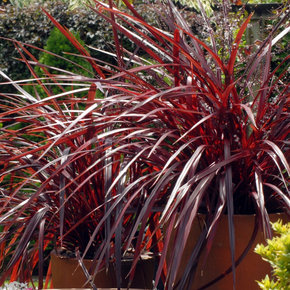
Charlie Boy Cordyline - 1 Gallon
SKU:
2055780
UPC:
014949480779
$24.99
- Award-winning evergreen perennial featuring striking burgundy and pink variegated strap-like foliage that holds its color year-round in the landscape.
- Cold-hardy and wind-resistant with a stable, upright clumping habit — tough enough to stand up to coastal breezes and seasonal weather extremes.
- Compact 2-3 ft. size makes it incredibly versatile — ideal as a bold accent, container specimen, border plant, or mass planting in tropical-style gardens.
- Low-maintenance and easy to grow in full sun to part shade with average watering needs, making it a dependable choice for busy gardeners and professional landscapes alike.
Cordyline australis 'Charlie Boy' (PP20139) is a standout award-winning ornamental perennial that brings bold, year-round color to the garden with its dramatic burgundy and pink variegated, sword-like foliage. A refined cultivar of the New Zealand cabbage tree, Charlie Boy forms a tidy, upright, vase-shaped clump reaching 2-3 feet tall and wide at maturity, making it a perfectly proportioned accent for smaller spaces and containers without sacrificing architectural impact. The richly colored foliage retains exceptional vibrancy through all seasons, and the plant's improved cold-hardiness — tolerating temperatures down to 10-20 degrees F — makes it a reliable performer across USDA Hardiness Zones 8a through 10b. Unlike many ornamental cordylines, Charlie Boy is specifically bred for wind tolerance and structural stability, meaning it maintains an upright, polished appearance even in exposed sites. In summer, mature plants may produce small, fragrant flowers that attract pollinators. Whether used as a landscape focal point, a poolside accent, a mass planting, or a show-stopping patio container, Cordyline 'Charlie Boy' delivers unmatched color, form, and durability with minimal care.
Plant Description
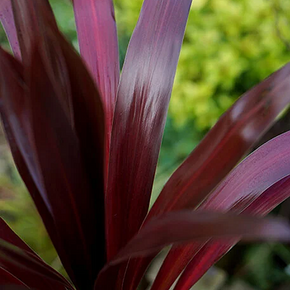
Cordyline australis 'Charlie Boy' is an evergreen ornamental perennial in the Asparagaceae family and a refined cultivar of the New Zealand cabbage tree. It is distinguished by its long, strap-like, sword-shaped leaves that emerge in a rich burgundy base tone overlaid with vivid pink variegation running through the blade. The plant develops a clumping, upright to vase-shaped habit from a central, sturdy stem-like base that resists lodging and wind throw — a trait specifically bred into this variety. The foliage radiates outward in a dramatic, palm-like fountain, giving the plant a bold tropical character that creates year-round visual interest. In summer, mature specimens may produce airy panicles of small, fragrant creamy-white flowers held above the foliage on tall stems. Charlie Boy is an award-winning selection recognized for its superior foliage color, improved cold-hardiness, enhanced disease resistance, and greater wind tolerance compared to standard cordyline varieties.
Mature Size
| Attribute | Measurement |
|---|---|
| Mature Height | 2 - 3 feet |
| Mature Spread | 2 - 3 feet |
| Growth Habit | Upright, clumping, vase-shaped |
| Growth Rate | Moderate |
| Plant Type | Evergreen perennial |
Hardiness Zones and Temperature Tolerance
Charlie Boy Cordyline is rated for USDA Hardiness Zones 8a through 10b, tolerating minimum winter temperatures of approximately 10 to 20 degrees F. This improved cold-hardiness makes it one of the more resilient cordyline selections available for gardens in the Pacific Coast regions, the South, and the lower elevations of the Pacific Northwest. Young or newly planted specimens benefit from a protective layer of mulch around the root zone during the first winter or during unexpected hard freezes. In borderline zones, planting in a sheltered location near a south-facing wall or structure can provide extra warmth and protection. In areas with harsh winters, container-grown plants should be moved to a protected location or unheated garage when temperatures threaten to drop well below the stated minimum.
Sunlight Requirements
For the most vivid and saturated foliage color, plant Charlie Boy Cordyline in a location that receives full sun to part shade — ideally 4 to 6 hours of direct sunlight per day. Full sun exposure produces the richest, most intense burgundy and pink tones in the leaves. Insufficient light can cause the foliage color to become muted or washed out and may slow growth over time. While this cordyline tolerates partial shade reasonably well, deep or consistent shade will diminish the intensity of its distinctive variegation and result in a leggier, less compact plant. In very hot inland gardens, a location with afternoon shade can help prevent leaf scorch while still maintaining strong color.
Soil and pH Preferences
Charlie Boy Cordyline performs best in well-draining, fertile loam or sandy loam soil. Good drainage is critical — consistently waterlogged soil is the leading cause of root rot and poor performance in cordylines. While this plant adapts to a range of soil types including clay, sand, loam, and chalky soils, heavy clay should be amended with compost, perlite, or coarse sand to improve drainage before planting. The ideal soil pH range is 6.0 to 7.0 (slightly acidic to neutral). If the soil pH is too high or too low, it can limit the plant's ability to absorb key nutrients. Amend sandy soils with compost or well-rotted organic matter to help retain some moisture around the root zone without causing saturation.
Watering Guide
Water Charlie Boy Cordyline deeply and consistently, allowing the top inch or two of soil to dry out slightly between waterings. A deep watering once per week is a good general guideline, though this should be adjusted based on local rainfall, temperature, and soil type. This plant tolerates moderate moisture and even occasional wet conditions near a water feature, but it must never be left in standing water. Newly planted specimens require more frequent watering until the root system is well established — typically through the first growing season. Once established, Charlie Boy is moderately drought-tolerant for short periods, though sustained drought will stress the plant and may cause brown leaf tips. Watch for yellowing leaves as a sign of overwatering and brown, crispy leaf tips as a sign of underwatering or low humidity.
Fertilizing
Feed Charlie Boy Cordyline throughout the active growing season — from spring through late summer — to support healthy foliage color and vigorous growth. Apply a balanced, slow-release granular fertilizer with an equal NPK ratio (such as 10-10-10) at the start of spring according to package directions. Supplement with a liquid balanced fertilizer every 4 to 6 weeks during the growing season for best results. Container-grown plants, which exhaust their potting mix nutrients more quickly, benefit from monthly liquid fertilizing during the growing season. Reduce or eliminate fertilizing in fall and winter when the plant's growth naturally slows. Avoid over-fertilizing with high-nitrogen products, which can promote excessive green, soft growth at the expense of foliage color intensity.
Pruning and Maintenance
Charlie Boy Cordyline is exceptionally low-maintenance and requires minimal pruning under normal growing conditions. Routine care consists of removing spent lower leaves as they brown and age naturally — simply pull or cut them cleanly at the base where they meet the stem to keep the plant tidy. Spent flower stalks can be removed after blooming. If the plant becomes slightly unkempt or off-balance, light corrective pruning can be done in mid-spring to improve shape and encourage fresh new growth. Any side shoots or basal offsets (suckers) that appear at ground level can be left to create a fuller multi-stemmed clump or removed if a single-stemmed form is preferred. After any heavy pruning, apply a balanced fertilizer to support recovery and new growth.
Planting Instructions
- Water the plant thoroughly in its container before planting to hydrate the root ball.
- Choose a site with full sun to part shade and well-draining soil. Prepare the area by clearing weeds and debris.
- Dig a planting hole approximately twice the width of the root ball and equal in depth.
- Set the plant so the top of the root ball sits 1-2 inches above the surrounding ground level to encourage drainage away from the crown.
- Backfill with the native soil, firming it gently around the roots to eliminate air pockets. If soil drainage is poor, amend with compost or perlite.
- Water deeply immediately after planting to help settle the soil. Add more soil to fill any depressions that appear.
- Apply a 1-2 inch layer of organic mulch around the plant, keeping it several inches away from the base of the stem to prevent rot and discourage pests.
- Water regularly during the first growing season to establish a strong root system.
Seasonal Interest
Charlie Boy Cordyline is a true four-season performer in gardens where it is hardy. Its bold burgundy and pink variegated foliage is the primary ornamental feature and delivers consistent visual impact throughout the entire year — even in winter when most other perennials have died back. In summer, mature plants produce tall, branching panicles of small, fragrant creamy-white flowers that add a delicate, airy element above the bold foliage. Fall brings no significant change in appearance — the evergreen foliage remains rich and colorful through cooling temperatures. In winter, the plant holds its form and color, providing structure and vibrancy in the garden during the dormant season. This year-round reliability makes it an exceptional anchor plant in mixed borders and container arrangements.
Landscape Uses
Charlie Boy Cordyline is one of the most versatile ornamental perennials available, suited for a wide range of landscape applications. Its bold, architectural foliage and compact size make it appropriate for:
- Focal point or specimen accent in mixed perennial borders and island beds
- Container and patio planting for decks, entryways, and pool surrounds
- Mass planting for dramatic, repeating color effects in large beds
- Edging along pathways, driveways, and garden borders
- Slope and hillside stabilization plantings where erosion control is needed
- Coastal and seaside gardens thanks to its wind and salt-air tolerance
- Tropical and exotic-themed garden designs
- Water garden edges and planting near ponds, streams, or bog areas
- Rock gardens and xeriscape designs once established
- Low-maintenance commercial and municipal landscape installations
Container Growing
Charlie Boy Cordyline is an excellent choice for container culture and is widely used as a patio, deck, and entryway specimen plant. When growing in a container, select a pot with adequate drainage holes that is at least 12 inches in diameter to allow sufficient root development. Use a high-quality, well-draining potting mix — a blend formulated for tropical or ornamental plants works well. Position the root ball so it sits level with the soil surface. Container plants dry out more quickly than in-ground specimens, so monitor soil moisture regularly and water when the top 1-2 inches feel dry. Feed monthly during the growing season with a balanced liquid fertilizer. Repot every 2-3 years or when roots begin to circle the bottom of the container. In colder climates or during unexpected freezes, containers can be moved to a sheltered porch, garage, or indoor location to protect the plant.
Companion Plants
The bold burgundy and pink tones of Charlie Boy Cordyline pair beautifully with a wide range of garden plants that complement or contrast its dramatic coloring and upright architectural form. Consider these companion plant combinations:
- Golden or lime-green ornamental grasses (such as Lomandra 'Platinum Beauty' or Carex 'Everillo') for a vivid color contrast
- Silver-leaved plants like Dusty Miller or Artemisia for a cool, elegant foil to the warm burgundy tones
- Bold tropical perennials such as Canna, Elephant Ear, or Agapanthus for a lush, exotic planting scheme
- Bright annual flowers — orange marigolds, yellow lantana, or red salvia — to amplify the warm color palette of the foliage
- Low-growing succulents or sedum as a textural groundcover beneath the cordyline's arching leaves
- Purple-flowering perennials such as Salvia or Lavender for complementary cool tones against the warm foliage
Pests and Diseases
Charlie Boy Cordyline features improved disease resistance compared to older cordyline varieties, making it a generally trouble-free plant when grown in appropriate conditions. The following issues may occasionally arise:
- Aphids: Small, soft-bodied insects that cluster on new growth, causing curled leaves and sticky honeydew residue. Treat with a strong blast of water, insecticidal soap, or neem oil spray.
- Spider Mites: More common in hot, dry conditions. Look for fine webbing and stippled, dull-looking foliage. Increase humidity and treat with neem oil or insecticidal soap.
- Root Rot: Caused by overwatering or poorly draining soil. Symptoms include wilting, yellowing leaves, and a soft, discolored crown. Improve drainage and reduce watering immediately. Severe cases may require repotting into fresh, well-draining medium.
- Leaf Spot: Fungal spots on foliage, usually brown or black, often caused by overhead watering or poor air circulation. Remove affected leaves and improve airflow around the plant.
- Scale Insects: Small, waxy bumps on stems and leaves. Treat with horticultural oil or neem oil applied thoroughly to all plant surfaces.
In all cases, the best prevention is providing the correct growing conditions — adequate sunlight, well-draining soil, and appropriate watering practices.
Wildlife Value
When in bloom, Charlie Boy Cordyline offers modest but meaningful wildlife value. The fragrant summer flower panicles attract a variety of pollinators, including bees and butterflies, which visit the small blossoms for nectar. In its native New Zealand, cordyline species are known to attract nectar-feeding birds, and in warmer California and Oregon gardens, hummingbirds may occasionally visit the blooms as well. The dense clumping habit of the plant can provide low cover and shelter for small beneficial insects. While this plant is not a primary wildlife food source, its pollinator appeal during the summer bloom period adds an ecological benefit to any garden where it is planted.
Propagation
Charlie Boy Cordyline is a patented plant variety (PP20139) and propagation for resale or commercial purposes is prohibited without a license. For personal garden use, cordylines in general can be propagated by the following methods:
- Basal Offsets (Suckers): In spring, rooted suckers or offsets may emerge at the base of the plant. These can be carefully separated with a clean sharp tool, potted in well-draining potting mix, and kept in a warm, bright location until established.
- Stem Cuttings: Terminal cuttings of approximately 4-6 inches can be taken, treated with rooting hormone, and placed in a mix of potting soil and perlite. Cover with a plastic bag or humidity dome and place in a warm, bright location to root.
Note that plants propagated from cuttings or offsets of patented varieties are intended for personal, non-commercial use only.
- Award-winning evergreen perennial featuring striking burgundy and pink variegated strap-like foliage that holds its color year-round in the landscape.
- Cold-hardy and wind-resistant with a stable, upright clumping habit — tough enough to stand up to coastal breezes and seasonal weather extremes.
- Compact 2-3 ft. size makes it incredibly versatile — ideal as a bold accent, container specimen, border plant, or mass planting in tropical-style gardens.
- Low-maintenance and easy to grow in full sun to part shade with average watering needs, making it a dependable choice for busy gardeners and professional landscapes alike.
Cordyline australis 'Charlie Boy' (PP20139) is a standout award-winning ornamental perennial that brings bold, year-round color to the garden with its dramatic burgundy and pink variegated, sword-like foliage. A refined cultivar of the New Zealand cabbage tree, Charlie Boy forms a tidy, upright, vase-shaped clump reaching 2-3 feet tall and wide at maturity, making it a perfectly proportioned accent for smaller spaces and containers without sacrificing architectural impact. The richly colored foliage retains exceptional vibrancy through all seasons, and the plant's improved cold-hardiness — tolerating temperatures down to 10-20 degrees F — makes it a reliable performer across USDA Hardiness Zones 8a through 10b. Unlike many ornamental cordylines, Charlie Boy is specifically bred for wind tolerance and structural stability, meaning it maintains an upright, polished appearance even in exposed sites. In summer, mature plants may produce small, fragrant flowers that attract pollinators. Whether used as a landscape focal point, a poolside accent, a mass planting, or a show-stopping patio container, Cordyline 'Charlie Boy' delivers unmatched color, form, and durability with minimal care.
Plant Description
Cordyline australis 'Charlie Boy' is an evergreen ornamental perennial in the Asparagaceae family and a refined cultivar of the New Zealand cabbage tree. It is distinguished by its long, strap-like, sword-shaped leaves that emerge in a rich burgundy base tone overlaid with vivid pink variegation running through the blade. The plant develops a clumping, upright to vase-shaped habit from a central, sturdy stem-like base that resists lodging and wind throw — a trait specifically bred into this variety. The foliage radiates outward in a dramatic, palm-like fountain, giving the plant a bold tropical character that creates year-round visual interest. In summer, mature specimens may produce airy panicles of small, fragrant creamy-white flowers held above the foliage on tall stems. Charlie Boy is an award-winning selection recognized for its superior foliage color, improved cold-hardiness, enhanced disease resistance, and greater wind tolerance compared to standard cordyline varieties.
Mature Size
| Attribute | Measurement |
|---|---|
| Mature Height | 2 - 3 feet |
| Mature Spread | 2 - 3 feet |
| Growth Habit | Upright, clumping, vase-shaped |
| Growth Rate | Moderate |
| Plant Type | Evergreen perennial |
Hardiness Zones and Temperature Tolerance
Charlie Boy Cordyline is rated for USDA Hardiness Zones 8a through 10b, tolerating minimum winter temperatures of approximately 10 to 20 degrees F. This improved cold-hardiness makes it one of the more resilient cordyline selections available for gardens in the Pacific Coast regions, the South, and the lower elevations of the Pacific Northwest. Young or newly planted specimens benefit from a protective layer of mulch around the root zone during the first winter or during unexpected hard freezes. In borderline zones, planting in a sheltered location near a south-facing wall or structure can provide extra warmth and protection. In areas with harsh winters, container-grown plants should be moved to a protected location or unheated garage when temperatures threaten to drop well below the stated minimum.
Sunlight Requirements
For the most vivid and saturated foliage color, plant Charlie Boy Cordyline in a location that receives full sun to part shade — ideally 4 to 6 hours of direct sunlight per day. Full sun exposure produces the richest, most intense burgundy and pink tones in the leaves. Insufficient light can cause the foliage color to become muted or washed out and may slow growth over time. While this cordyline tolerates partial shade reasonably well, deep or consistent shade will diminish the intensity of its distinctive variegation and result in a leggier, less compact plant. In very hot inland gardens, a location with afternoon shade can help prevent leaf scorch while still maintaining strong color.
Soil and pH Preferences
Charlie Boy Cordyline performs best in well-draining, fertile loam or sandy loam soil. Good drainage is critical — consistently waterlogged soil is the leading cause of root rot and poor performance in cordylines. While this plant adapts to a range of soil types including clay, sand, loam, and chalky soils, heavy clay should be amended with compost, perlite, or coarse sand to improve drainage before planting. The ideal soil pH range is 6.0 to 7.0 (slightly acidic to neutral). If the soil pH is too high or too low, it can limit the plant's ability to absorb key nutrients. Amend sandy soils with compost or well-rotted organic matter to help retain some moisture around the root zone without causing saturation.
Watering Guide
Water Charlie Boy Cordyline deeply and consistently, allowing the top inch or two of soil to dry out slightly between waterings. A deep watering once per week is a good general guideline, though this should be adjusted based on local rainfall, temperature, and soil type. This plant tolerates moderate moisture and even occasional wet conditions near a water feature, but it must never be left in standing water. Newly planted specimens require more frequent watering until the root system is well established — typically through the first growing season. Once established, Charlie Boy is moderately drought-tolerant for short periods, though sustained drought will stress the plant and may cause brown leaf tips. Watch for yellowing leaves as a sign of overwatering and brown, crispy leaf tips as a sign of underwatering or low humidity.
Fertilizing
Feed Charlie Boy Cordyline throughout the active growing season — from spring through late summer — to support healthy foliage color and vigorous growth. Apply a balanced, slow-release granular fertilizer with an equal NPK ratio (such as 10-10-10) at the start of spring according to package directions. Supplement with a liquid balanced fertilizer every 4 to 6 weeks during the growing season for best results. Container-grown plants, which exhaust their potting mix nutrients more quickly, benefit from monthly liquid fertilizing during the growing season. Reduce or eliminate fertilizing in fall and winter when the plant's growth naturally slows. Avoid over-fertilizing with high-nitrogen products, which can promote excessive green, soft growth at the expense of foliage color intensity.
Pruning and Maintenance
Charlie Boy Cordyline is exceptionally low-maintenance and requires minimal pruning under normal growing conditions. Routine care consists of removing spent lower leaves as they brown and age naturally — simply pull or cut them cleanly at the base where they meet the stem to keep the plant tidy. Spent flower stalks can be removed after blooming. If the plant becomes slightly unkempt or off-balance, light corrective pruning can be done in mid-spring to improve shape and encourage fresh new growth. Any side shoots or basal offsets (suckers) that appear at ground level can be left to create a fuller multi-stemmed clump or removed if a single-stemmed form is preferred. After any heavy pruning, apply a balanced fertilizer to support recovery and new growth.
Planting Instructions
- Water the plant thoroughly in its container before planting to hydrate the root ball.
- Choose a site with full sun to part shade and well-draining soil. Prepare the area by clearing weeds and debris.
- Dig a planting hole approximately twice the width of the root ball and equal in depth.
- Set the plant so the top of the root ball sits 1-2 inches above the surrounding ground level to encourage drainage away from the crown.
- Backfill with the native soil, firming it gently around the roots to eliminate air pockets. If soil drainage is poor, amend with compost or perlite.
- Water deeply immediately after planting to help settle the soil. Add more soil to fill any depressions that appear.
- Apply a 1-2 inch layer of organic mulch around the plant, keeping it several inches away from the base of the stem to prevent rot and discourage pests.
- Water regularly during the first growing season to establish a strong root system.
Seasonal Interest
Charlie Boy Cordyline is a true four-season performer in gardens where it is hardy. Its bold burgundy and pink variegated foliage is the primary ornamental feature and delivers consistent visual impact throughout the entire year — even in winter when most other perennials have died back. In summer, mature plants produce tall, branching panicles of small, fragrant creamy-white flowers that add a delicate, airy element above the bold foliage. Fall brings no significant change in appearance — the evergreen foliage remains rich and colorful through cooling temperatures. In winter, the plant holds its form and color, providing structure and vibrancy in the garden during the dormant season. This year-round reliability makes it an exceptional anchor plant in mixed borders and container arrangements.
Landscape Uses
Charlie Boy Cordyline is one of the most versatile ornamental perennials available, suited for a wide range of landscape applications. Its bold, architectural foliage and compact size make it appropriate for:
- Focal point or specimen accent in mixed perennial borders and island beds
- Container and patio planting for decks, entryways, and pool surrounds
- Mass planting for dramatic, repeating color effects in large beds
- Edging along pathways, driveways, and garden borders
- Slope and hillside stabilization plantings where erosion control is needed
- Coastal and seaside gardens thanks to its wind and salt-air tolerance
- Tropical and exotic-themed garden designs
- Water garden edges and planting near ponds, streams, or bog areas
- Rock gardens and xeriscape designs once established
- Low-maintenance commercial and municipal landscape installations
Container Growing
Charlie Boy Cordyline is an excellent choice for container culture and is widely used as a patio, deck, and entryway specimen plant. When growing in a container, select a pot with adequate drainage holes that is at least 12 inches in diameter to allow sufficient root development. Use a high-quality, well-draining potting mix — a blend formulated for tropical or ornamental plants works well. Position the root ball so it sits level with the soil surface. Container plants dry out more quickly than in-ground specimens, so monitor soil moisture regularly and water when the top 1-2 inches feel dry. Feed monthly during the growing season with a balanced liquid fertilizer. Repot every 2-3 years or when roots begin to circle the bottom of the container. In colder climates or during unexpected freezes, containers can be moved to a sheltered porch, garage, or indoor location to protect the plant.
Companion Plants
The bold burgundy and pink tones of Charlie Boy Cordyline pair beautifully with a wide range of garden plants that complement or contrast its dramatic coloring and upright architectural form. Consider these companion plant combinations:
- Golden or lime-green ornamental grasses (such as Lomandra 'Platinum Beauty' or Carex 'Everillo') for a vivid color contrast
- Silver-leaved plants like Dusty Miller or Artemisia for a cool, elegant foil to the warm burgundy tones
- Bold tropical perennials such as Canna, Elephant Ear, or Agapanthus for a lush, exotic planting scheme
- Bright annual flowers — orange marigolds, yellow lantana, or red salvia — to amplify the warm color palette of the foliage
- Low-growing succulents or sedum as a textural groundcover beneath the cordyline's arching leaves
- Purple-flowering perennials such as Salvia or Lavender for complementary cool tones against the warm foliage
Pests and Diseases
Charlie Boy Cordyline features improved disease resistance compared to older cordyline varieties, making it a generally trouble-free plant when grown in appropriate conditions. The following issues may occasionally arise:
- Aphids: Small, soft-bodied insects that cluster on new growth, causing curled leaves and sticky honeydew residue. Treat with a strong blast of water, insecticidal soap, or neem oil spray.
- Spider Mites: More common in hot, dry conditions. Look for fine webbing and stippled, dull-looking foliage. Increase humidity and treat with neem oil or insecticidal soap.
- Root Rot: Caused by overwatering or poorly draining soil. Symptoms include wilting, yellowing leaves, and a soft, discolored crown. Improve drainage and reduce watering immediately. Severe cases may require repotting into fresh, well-draining medium.
- Leaf Spot: Fungal spots on foliage, usually brown or black, often caused by overhead watering or poor air circulation. Remove affected leaves and improve airflow around the plant.
- Scale Insects: Small, waxy bumps on stems and leaves. Treat with horticultural oil or neem oil applied thoroughly to all plant surfaces.
In all cases, the best prevention is providing the correct growing conditions — adequate sunlight, well-draining soil, and appropriate watering practices.
Wildlife Value
When in bloom, Charlie Boy Cordyline offers modest but meaningful wildlife value. The fragrant summer flower panicles attract a variety of pollinators, including bees and butterflies, which visit the small blossoms for nectar. In its native New Zealand, cordyline species are known to attract nectar-feeding birds, and in warmer California and Oregon gardens, hummingbirds may occasionally visit the blooms as well. The dense clumping habit of the plant can provide low cover and shelter for small beneficial insects. While this plant is not a primary wildlife food source, its pollinator appeal during the summer bloom period adds an ecological benefit to any garden where it is planted.
Propagation
Charlie Boy Cordyline is a patented plant variety (PP20139) and propagation for resale or commercial purposes is prohibited without a license. For personal garden use, cordylines in general can be propagated by the following methods:
- Basal Offsets (Suckers): In spring, rooted suckers or offsets may emerge at the base of the plant. These can be carefully separated with a clean sharp tool, potted in well-draining potting mix, and kept in a warm, bright location until established.
- Stem Cuttings: Terminal cuttings of approximately 4-6 inches can be taken, treated with rooting hormone, and placed in a mix of potting soil and perlite. Cover with a plastic bag or humidity dome and place in a warm, bright location to root.
Note that plants propagated from cuttings or offsets of patented varieties are intended for personal, non-commercial use only.
Related Products