
Zoom the image with the mouse
Lime Passion Cordyline - 1 Gallon
SKU:
2325060
UPC:
014949480182
$24.99
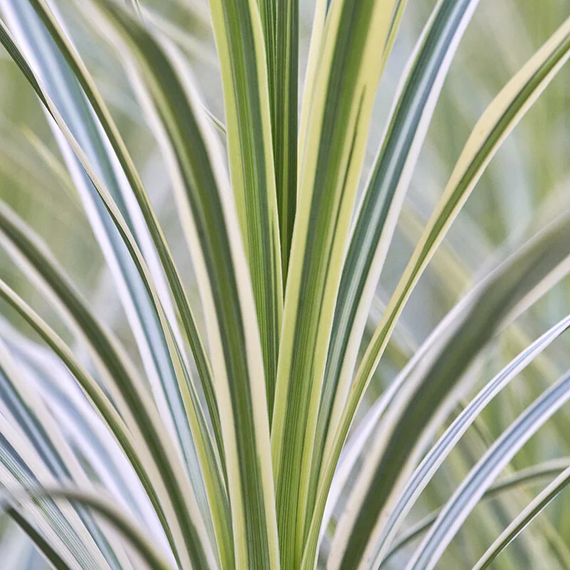
- Stunning variegated sword-shaped foliage with vivid lime green centers and crisp, creamy yellow margins provides bold, year-round color in the garden or on the patio.
- Mature plants produce large, airy panicles of intensely fragrant, ivory-white flowers in late spring to early summer, adding sensory delight to the landscape.
- Heat and drought tolerant once established, making it an excellent low-maintenance choice for water-wise gardens in warm climates.
- Versatile and architectural — equally impressive as a standalone specimen, a focal point in mixed borders, or the star of a large patio container display.
Cordyline 'Lime Passion' (Cordyline 'Alcorlipa', PP #38,841) is a patented, evergreen tropical accent plant that brings an undeniable wow factor to any sunny garden bed or outdoor living space. Its upright, fountain-like habit is adorned with long, narrowly lance-shaped leaves featuring brilliantly bright lime green centers framed by bold, pale creamy yellow margins — one of the most vivid variegations available in the cordyline world. Belonging to the family Asparagaceae, this striking palm-like shrub grows to approximately 4 to 5 feet tall and wide, forming a lush, symmetrical mound that commands attention in any setting. As the plant matures, it rewards gardeners with spectacular panicles of small, intensely fragrant, ivory-white flowers that emerge in late spring through summer, attracting pollinators and filling nearby outdoor areas with sweet perfume. Hardy in USDA Zones 8 through 11, Cordyline 'Lime Passion' thrives in the warm, sunny climates of Southern Oregon and Northern California, performing beautifully in full sun to partial shade in well-draining soil. It is heat and drought tolerant once established, and its evergreen nature ensures standout color from season to season. Whether used as a dramatic specimen, a textural anchor in a mixed tropical planting, or as the centerpiece of a large patio container, Cordyline 'Lime Passion' delivers bold, contemporary style with surprisingly low maintenance demands.
Plant Description
Cordyline 'Lime Passion' is a patented, evergreen, palm-like shrub in the family Asparagaceae. It produces a dense, upright to arching rosette of long, narrowly lance-shaped leaves that showcase one of the brightest variegations available in the genus — brilliant lime green centers edged with bold, pale creamy yellow to ivory margins. The foliage has a clean, crisp appearance that remains vibrant throughout the year, giving the plant a fresh, contemporary tropical look in every season. As the plant matures and develops a woody trunk, it takes on a more sculptural, tree-like form. In late spring to early summer, mature specimens send up large, branching panicles of small, cup-shaped, intensely fragrant ivory-white flowers that are highly attractive to bees and other pollinators. Flowers may be followed by small, round berries. The plant is sold under the cultivar name 'Alcorlipa' and is protected by US Plant Patent #38,841.
Mature Size
| Attribute | Measurement |
|---|---|
| Mature Height | 4 to 5 feet |
| Mature Spread | 4 to 5 feet |
| Growth Habit | Upright, fountain-like, columnar rosette |
| Growth Rate | Moderate; reaches ultimate size in approximately 5 to 10 years |
| Plant Type | Evergreen shrub / palm-like perennial |
Hardiness Zones
Cordyline 'Lime Passion' is hardy in USDA Zones 8 through 11, making it well suited to the warm, mild climates of Southern Oregon and Northern California. In Zone 8, plants may benefit from a sheltered location and a layer of mulch over the root zone during unusually cold spells. In Zones 9 through 11, it can be grown as a reliable, low-maintenance evergreen in the landscape year-round. In colder microclimates or during rare hard freezes, wrapping the foliage crown with breathable frost cloth offers added protection. Container-grown plants can be moved indoors to a bright, frost-free space when temperatures threaten to drop below 20 to 25 degrees Fahrenheit for extended periods.
Sunlight Requirements
For the most vibrant foliage color and best overall performance, plant Cordyline 'Lime Passion' in full sun to partial shade. Full sun — defined as 6 or more hours of direct sunlight per day — brings out the most vivid lime green and cream variegation in the leaves and promotes strong, upright growth. In hotter inland areas of Northern California, light afternoon shade can help prevent leaf scorch during the peak of summer. Partial shade is tolerated and still produces attractive foliage, though variegation may be slightly less intense. Avoid deep or heavy shade, as this will result in weak, leggy growth and significantly diminished foliage color. When grown as a patio container plant, position in the brightest available outdoor location for best results.
Soil and pH Preferences
Cordyline 'Lime Passion' is adaptable to a range of soil types, including loam, sandy, and chalky soils, as long as drainage is adequate. It performs best in moist but well-drained soil and does not tolerate standing water or consistently saturated conditions, which can lead to root rot. A slightly acidic to neutral soil pH in the range of 6.0 to 7.0 is ideal, though the plant tolerates mildly alkaline conditions as well. When planting in heavy clay soils, amend the planting area generously with coarse sand, perlite, or fine bark to improve drainage. For container culture, use a high-quality, well-draining potting mix amended with perlite or coarse sand to ensure excellent aeration and drainage around the roots.
Watering Guide
Water regularly from spring through fall, keeping the soil consistently moist but never waterlogged. Allow the top inch of soil to dry out slightly between waterings to avoid overly wet conditions that can cause root rot. Once established in the landscape, Cordyline 'Lime Passion' develops good drought tolerance and can withstand periods of reduced watering, though it will look its best with regular moisture during the growing season. During extended summer heat, check soil moisture more frequently. In winter, reduce watering significantly — water only when the surface of the soil feels dry. Yellowing leaves can be a sign of overwatering, while browning leaf tips may indicate the soil has been allowed to dry out too much or that indoor humidity is too low. Container plants will need more frequent watering than in-ground plants, as pots dry out faster, especially in warm or windy conditions.
Fertilizing
Feed Cordyline 'Lime Passion' in spring as new growth begins to encourage a full, healthy canopy and vibrant foliage color. A granular, slow-release balanced fertilizer (such as a 10-10-10 or similar formulation) applied once in spring is sufficient for in-ground plants. Alternatively, a balanced liquid fertilizer applied at half-strength every two to four weeks during the active growing season (spring through summer) can promote lush growth. Avoid over-fertilizing, as excessive nitrogen can diminish the intensity of the foliage variegation. Do not fertilize in fall or winter when the plant is not actively growing. For container-grown plants, because nutrients leach out of the soil more quickly with regular watering, apply a balanced, slow-release fertilizer at the start of spring and supplement with a diluted liquid feed monthly through the summer months.
Pruning and Maintenance
Cordyline 'Lime Passion' requires very little pruning to maintain its naturally attractive form. The primary maintenance task is the removal of spent, yellowed, or dead lower leaves as they naturally age and fade over time. Simply peel or cut these away close to the trunk to keep the plant looking tidy and to reveal its handsome trunk as it matures. Spent flower stalks can be removed at the base once blooming is finished if a cleaner appearance is desired. If the plant becomes excessively tall or leggy over many years, the top can be cut back in late winter to encourage the emergence of fresh new growth from the remaining stem. The plant does not require routine shaping or hedging. Overall, maintenance needs are minimal, making this an ideal choice for low-effort, high-impact gardening.
Planting Instructions
- Choose a site with full sun to partial shade and well-draining soil. Avoid low-lying areas where water pools after rain.
- Dig a planting hole approximately twice as wide as the root ball and equal in depth so the top of the root ball sits level with the surrounding soil surface.
- If planting in heavy or poorly draining soil, amend the backfill with coarse sand or fine bark at a ratio of roughly 1 part amendment to 3 parts native soil.
- Remove the plant from its container and gently loosen any circling or compacted roots before placing it in the hole.
- Backfill with the amended soil, firming gently around the root ball to eliminate air pockets. Do not bury the crown of the plant.
- Water thoroughly after planting and keep the root zone evenly moist for the first several weeks until the plant is established.
- Apply a 2- to 3-inch layer of organic mulch around the base of the plant, keeping it several inches away from the trunk, to retain soil moisture and moderate soil temperature.
- Space plants at least 4 to 5 feet apart to allow for mature spread and good air circulation.
Seasonal Interest
Cordyline 'Lime Passion' provides outstanding ornamental interest across all four seasons, making it one of the most reliable year-round performers in the garden. In spring, fresh new foliage unfurls in brilliant lime green and cream, brightening beds and containers after the dormant season. Late spring into summer brings the bonus of large, fragrant flower panicles loaded with small ivory-white blooms that attract bees and other beneficial insects. The bold, sword-like foliage remains vivid and attractive throughout the heat of summer and into autumn, providing consistent color when many other plants begin to fade. In winter, the evergreen leaves continue to contribute structure, form, and color to the landscape, making this plant an especially valuable asset in mixed borders and container arrangements during the cooler months when deciduous plants have lost their leaves.
Landscape Uses
The bold, architectural form and vivid variegated foliage of Cordyline 'Lime Passion' make it a remarkably versatile plant in the landscape. It excels in the following applications:
- Specimen or focal point planting: Use as a standalone feature in a bed or border where its dramatic foliage can be fully appreciated.
- Mixed tropical or subtropical borders: Pairs beautifully with other bold-textured plants to create a lush, resort-style garden feel.
- Coastal gardens: Tolerates exposed coastal conditions and seaside environments well.
- Patio and deck containers: Exceptional as the thriller element in large patio pots and mixed container arrangements.
- City and courtyard gardens: Thrives in the reflected heat of urban settings and adds a sculptural, contemporary quality to small spaces.
- Pool and water feature surrounds: The tropical foliage complements aquatic settings and creates a lush, resort-like ambiance.
- Xeriscape and drought-tolerant gardens: Once established, its drought tolerance makes it a strong candidate for water-wise landscape designs.
Companion Plants
Cordyline 'Lime Passion' pairs exceptionally well with plants that complement or contrast its upright, spiky form and bright lime-and-cream foliage. Consider these winning combinations:
- Ornamental grasses: Soft, flowing grasses such as golden Hakonechloa (Hakonechloa macra 'Aureola') or feather reed grass (Calamagrostis x acutiflora 'Overdam') provide a graceful contrast to the bold, sword-like leaves.
- Dahlias: Deep magenta, orange, or burgundy dahlia varieties create a stunning color contrast against the lime and cream foliage.
- Euphorbia: Low-growing euphorbias such as Euphorbia myrsinites spill attractively around the base of the plant and share similar sun and drainage preferences.
- Fatsia japonica: The large, glossy, palm-like leaves of Fatsia provide a bold textural contrast that enhances the architectural quality of both plants.
- Agapanthus: The strap-like foliage and summer blue or white flower globes of Agapanthus make a classic, complementary pairing.
- Helichrysum 'Limelight': The chartreuse foliage of this low-growing plant echoes the lime tones of the Cordyline for a harmonious, monochromatic combination.
- Phormium (New Zealand Flax): Another bold, spiky-leaved architectural plant that pairs well in tropical-style schemes, especially in contrasting leaf colors.
Container Growing
Cordyline 'Lime Passion' is an outstanding container plant and is widely regarded as one of the best choices for dramatic patio and deck displays. When growing in a container, keep the following in mind:
- Choose a pot that is generously sized — at least 6 inches wider than the root ball — and tall enough to accommodate the plant's developing taproot. Unglazed terra cotta, glazed ceramic, and weather-resistant resin pots all work well.
- Use a premium, well-draining potting mix amended with extra perlite or coarse sand to prevent soggy soil conditions.
- Ensure the container has adequate drainage holes. Elevating the pot slightly on pot feet improves drainage and air circulation beneath the container.
- Container-grown plants dry out faster than in-ground plants, so check soil moisture regularly, especially during warm weather, and water when the top inch feels dry.
- Feed with a balanced, slow-release fertilizer in spring and supplement with a diluted liquid fertilizer monthly through summer.
- In areas that experience occasional hard frosts, containers can be moved to a bright, frost-free garage, sunroom, or covered patio to protect the plant over winter.
- Repot every 1 to 2 years in spring as the root system fills the current container, moving up by one pot size at a time.
Pests and Diseases
Cordyline 'Lime Passion' is relatively resistant to pests and diseases when grown in appropriate conditions, but there are a few issues to watch for:
- Mealybugs: These cottony, soft-bodied insects cluster on leaf bases and stems, feeding on plant sap and causing yellowed, distorted foliage. Treat with insecticidal soap, neem oil, or a cotton swab dipped in rubbing alcohol at first sign of infestation.
- Scale insects: Brown or tan shell-like bumps on stems and leaves that sap plant vigor. Treat with horticultural oil or neem oil applied thoroughly to affected areas.
- Spider mites: More common in hot, dry conditions or on indoor plants. Fine webbing and stippled, pale foliage are telltale signs. Increase humidity and apply insecticidal soap or neem oil as needed.
- Root rot: The most common disease problem, caused by poorly draining or consistently waterlogged soil. Ensure excellent drainage and avoid overwatering to prevent this fatal condition. Signs include wilting, yellowing, and a mushy base.
- Bacterial and fungal leaf spot: Can cause brown or discolored spots on foliage. Improve air circulation around plants and avoid wetting foliage when watering. Remove and dispose of affected leaves.
- Slime flux (bacterial wetwood): An occasional issue in mature specimens, causing weeping, foul-smelling liquid from the trunk. Improve drainage and avoid wounding the plant unnecessarily.
Toxicity and Safety
Cordyline 'Lime Passion' contains saponins, which are toxic compounds that can cause adverse reactions if ingested by people, cats, or dogs. Keep this plant out of reach of young children and pets. Ingestion by cats or dogs can cause vomiting, drooling, loss of appetite, depression, and — in cats — dilated pupils. If ingestion is suspected, contact your veterinarian or the ASPCA Animal Poison Control Center immediately. When handling the plant, particularly when pruning or repotting, wearing gloves is recommended as the sap may cause skin irritation in sensitive individuals. The plant is considered safe for general outdoor landscaping as long as these precautions are observed.
Wildlife Value
Despite its exotic appearance, Cordyline 'Lime Passion' offers genuine ecological value to the garden. The intensely fragrant flowers produced by mature plants are a rich nectar source that is highly attractive to bees, butterflies, and other beneficial pollinators during late spring and summer. The sweet, pervasive fragrance of the flower panicles can be detected from a considerable distance, drawing pollinators from across the garden. After flowering, the small, round berries that form on some plants can provide an additional food source for birds. The dense, upright foliage also provides shelter and nesting habitat for small garden birds. In the mild climates of Southern Oregon and Northern California, its evergreen nature means it continues to offer cover and structure to garden wildlife throughout the winter months.
- Stunning variegated sword-shaped foliage with vivid lime green centers and crisp, creamy yellow margins provides bold, year-round color in the garden or on the patio.
- Mature plants produce large, airy panicles of intensely fragrant, ivory-white flowers in late spring to early summer, adding sensory delight to the landscape.
- Heat and drought tolerant once established, making it an excellent low-maintenance choice for water-wise gardens in warm climates.
- Versatile and architectural — equally impressive as a standalone specimen, a focal point in mixed borders, or the star of a large patio container display.
Cordyline 'Lime Passion' (Cordyline 'Alcorlipa', PP #38,841) is a patented, evergreen tropical accent plant that brings an undeniable wow factor to any sunny garden bed or outdoor living space. Its upright, fountain-like habit is adorned with long, narrowly lance-shaped leaves featuring brilliantly bright lime green centers framed by bold, pale creamy yellow margins — one of the most vivid variegations available in the cordyline world. Belonging to the family Asparagaceae, this striking palm-like shrub grows to approximately 4 to 5 feet tall and wide, forming a lush, symmetrical mound that commands attention in any setting. As the plant matures, it rewards gardeners with spectacular panicles of small, intensely fragrant, ivory-white flowers that emerge in late spring through summer, attracting pollinators and filling nearby outdoor areas with sweet perfume. Hardy in USDA Zones 8 through 11, Cordyline 'Lime Passion' thrives in the warm, sunny climates of Southern Oregon and Northern California, performing beautifully in full sun to partial shade in well-draining soil. It is heat and drought tolerant once established, and its evergreen nature ensures standout color from season to season. Whether used as a dramatic specimen, a textural anchor in a mixed tropical planting, or as the centerpiece of a large patio container, Cordyline 'Lime Passion' delivers bold, contemporary style with surprisingly low maintenance demands.
Plant Description
Cordyline 'Lime Passion' is a patented, evergreen, palm-like shrub in the family Asparagaceae. It produces a dense, upright to arching rosette of long, narrowly lance-shaped leaves that showcase one of the brightest variegations available in the genus — brilliant lime green centers edged with bold, pale creamy yellow to ivory margins. The foliage has a clean, crisp appearance that remains vibrant throughout the year, giving the plant a fresh, contemporary tropical look in every season. As the plant matures and develops a woody trunk, it takes on a more sculptural, tree-like form. In late spring to early summer, mature specimens send up large, branching panicles of small, cup-shaped, intensely fragrant ivory-white flowers that are highly attractive to bees and other pollinators. Flowers may be followed by small, round berries. The plant is sold under the cultivar name 'Alcorlipa' and is protected by US Plant Patent #38,841.
Mature Size
| Attribute | Measurement |
|---|---|
| Mature Height | 4 to 5 feet |
| Mature Spread | 4 to 5 feet |
| Growth Habit | Upright, fountain-like, columnar rosette |
| Growth Rate | Moderate; reaches ultimate size in approximately 5 to 10 years |
| Plant Type | Evergreen shrub / palm-like perennial |
Hardiness Zones
Cordyline 'Lime Passion' is hardy in USDA Zones 8 through 11, making it well suited to the warm, mild climates of Southern Oregon and Northern California. In Zone 8, plants may benefit from a sheltered location and a layer of mulch over the root zone during unusually cold spells. In Zones 9 through 11, it can be grown as a reliable, low-maintenance evergreen in the landscape year-round. In colder microclimates or during rare hard freezes, wrapping the foliage crown with breathable frost cloth offers added protection. Container-grown plants can be moved indoors to a bright, frost-free space when temperatures threaten to drop below 20 to 25 degrees Fahrenheit for extended periods.
Sunlight Requirements
For the most vibrant foliage color and best overall performance, plant Cordyline 'Lime Passion' in full sun to partial shade. Full sun — defined as 6 or more hours of direct sunlight per day — brings out the most vivid lime green and cream variegation in the leaves and promotes strong, upright growth. In hotter inland areas of Northern California, light afternoon shade can help prevent leaf scorch during the peak of summer. Partial shade is tolerated and still produces attractive foliage, though variegation may be slightly less intense. Avoid deep or heavy shade, as this will result in weak, leggy growth and significantly diminished foliage color. When grown as a patio container plant, position in the brightest available outdoor location for best results.
Soil and pH Preferences
Cordyline 'Lime Passion' is adaptable to a range of soil types, including loam, sandy, and chalky soils, as long as drainage is adequate. It performs best in moist but well-drained soil and does not tolerate standing water or consistently saturated conditions, which can lead to root rot. A slightly acidic to neutral soil pH in the range of 6.0 to 7.0 is ideal, though the plant tolerates mildly alkaline conditions as well. When planting in heavy clay soils, amend the planting area generously with coarse sand, perlite, or fine bark to improve drainage. For container culture, use a high-quality, well-draining potting mix amended with perlite or coarse sand to ensure excellent aeration and drainage around the roots.
Watering Guide
Water regularly from spring through fall, keeping the soil consistently moist but never waterlogged. Allow the top inch of soil to dry out slightly between waterings to avoid overly wet conditions that can cause root rot. Once established in the landscape, Cordyline 'Lime Passion' develops good drought tolerance and can withstand periods of reduced watering, though it will look its best with regular moisture during the growing season. During extended summer heat, check soil moisture more frequently. In winter, reduce watering significantly — water only when the surface of the soil feels dry. Yellowing leaves can be a sign of overwatering, while browning leaf tips may indicate the soil has been allowed to dry out too much or that indoor humidity is too low. Container plants will need more frequent watering than in-ground plants, as pots dry out faster, especially in warm or windy conditions.
Fertilizing
Feed Cordyline 'Lime Passion' in spring as new growth begins to encourage a full, healthy canopy and vibrant foliage color. A granular, slow-release balanced fertilizer (such as a 10-10-10 or similar formulation) applied once in spring is sufficient for in-ground plants. Alternatively, a balanced liquid fertilizer applied at half-strength every two to four weeks during the active growing season (spring through summer) can promote lush growth. Avoid over-fertilizing, as excessive nitrogen can diminish the intensity of the foliage variegation. Do not fertilize in fall or winter when the plant is not actively growing. For container-grown plants, because nutrients leach out of the soil more quickly with regular watering, apply a balanced, slow-release fertilizer at the start of spring and supplement with a diluted liquid feed monthly through the summer months.
Pruning and Maintenance
Cordyline 'Lime Passion' requires very little pruning to maintain its naturally attractive form. The primary maintenance task is the removal of spent, yellowed, or dead lower leaves as they naturally age and fade over time. Simply peel or cut these away close to the trunk to keep the plant looking tidy and to reveal its handsome trunk as it matures. Spent flower stalks can be removed at the base once blooming is finished if a cleaner appearance is desired. If the plant becomes excessively tall or leggy over many years, the top can be cut back in late winter to encourage the emergence of fresh new growth from the remaining stem. The plant does not require routine shaping or hedging. Overall, maintenance needs are minimal, making this an ideal choice for low-effort, high-impact gardening.
Planting Instructions
- Choose a site with full sun to partial shade and well-draining soil. Avoid low-lying areas where water pools after rain.
- Dig a planting hole approximately twice as wide as the root ball and equal in depth so the top of the root ball sits level with the surrounding soil surface.
- If planting in heavy or poorly draining soil, amend the backfill with coarse sand or fine bark at a ratio of roughly 1 part amendment to 3 parts native soil.
- Remove the plant from its container and gently loosen any circling or compacted roots before placing it in the hole.
- Backfill with the amended soil, firming gently around the root ball to eliminate air pockets. Do not bury the crown of the plant.
- Water thoroughly after planting and keep the root zone evenly moist for the first several weeks until the plant is established.
- Apply a 2- to 3-inch layer of organic mulch around the base of the plant, keeping it several inches away from the trunk, to retain soil moisture and moderate soil temperature.
- Space plants at least 4 to 5 feet apart to allow for mature spread and good air circulation.
Seasonal Interest
Cordyline 'Lime Passion' provides outstanding ornamental interest across all four seasons, making it one of the most reliable year-round performers in the garden. In spring, fresh new foliage unfurls in brilliant lime green and cream, brightening beds and containers after the dormant season. Late spring into summer brings the bonus of large, fragrant flower panicles loaded with small ivory-white blooms that attract bees and other beneficial insects. The bold, sword-like foliage remains vivid and attractive throughout the heat of summer and into autumn, providing consistent color when many other plants begin to fade. In winter, the evergreen leaves continue to contribute structure, form, and color to the landscape, making this plant an especially valuable asset in mixed borders and container arrangements during the cooler months when deciduous plants have lost their leaves.
Landscape Uses
The bold, architectural form and vivid variegated foliage of Cordyline 'Lime Passion' make it a remarkably versatile plant in the landscape. It excels in the following applications:
- Specimen or focal point planting: Use as a standalone feature in a bed or border where its dramatic foliage can be fully appreciated.
- Mixed tropical or subtropical borders: Pairs beautifully with other bold-textured plants to create a lush, resort-style garden feel.
- Coastal gardens: Tolerates exposed coastal conditions and seaside environments well.
- Patio and deck containers: Exceptional as the thriller element in large patio pots and mixed container arrangements.
- City and courtyard gardens: Thrives in the reflected heat of urban settings and adds a sculptural, contemporary quality to small spaces.
- Pool and water feature surrounds: The tropical foliage complements aquatic settings and creates a lush, resort-like ambiance.
- Xeriscape and drought-tolerant gardens: Once established, its drought tolerance makes it a strong candidate for water-wise landscape designs.
Companion Plants
Cordyline 'Lime Passion' pairs exceptionally well with plants that complement or contrast its upright, spiky form and bright lime-and-cream foliage. Consider these winning combinations:
- Ornamental grasses: Soft, flowing grasses such as golden Hakonechloa (Hakonechloa macra 'Aureola') or feather reed grass (Calamagrostis x acutiflora 'Overdam') provide a graceful contrast to the bold, sword-like leaves.
- Dahlias: Deep magenta, orange, or burgundy dahlia varieties create a stunning color contrast against the lime and cream foliage.
- Euphorbia: Low-growing euphorbias such as Euphorbia myrsinites spill attractively around the base of the plant and share similar sun and drainage preferences.
- Fatsia japonica: The large, glossy, palm-like leaves of Fatsia provide a bold textural contrast that enhances the architectural quality of both plants.
- Agapanthus: The strap-like foliage and summer blue or white flower globes of Agapanthus make a classic, complementary pairing.
- Helichrysum 'Limelight': The chartreuse foliage of this low-growing plant echoes the lime tones of the Cordyline for a harmonious, monochromatic combination.
- Phormium (New Zealand Flax): Another bold, spiky-leaved architectural plant that pairs well in tropical-style schemes, especially in contrasting leaf colors.
Container Growing
Cordyline 'Lime Passion' is an outstanding container plant and is widely regarded as one of the best choices for dramatic patio and deck displays. When growing in a container, keep the following in mind:
- Choose a pot that is generously sized — at least 6 inches wider than the root ball — and tall enough to accommodate the plant's developing taproot. Unglazed terra cotta, glazed ceramic, and weather-resistant resin pots all work well.
- Use a premium, well-draining potting mix amended with extra perlite or coarse sand to prevent soggy soil conditions.
- Ensure the container has adequate drainage holes. Elevating the pot slightly on pot feet improves drainage and air circulation beneath the container.
- Container-grown plants dry out faster than in-ground plants, so check soil moisture regularly, especially during warm weather, and water when the top inch feels dry.
- Feed with a balanced, slow-release fertilizer in spring and supplement with a diluted liquid fertilizer monthly through summer.
- In areas that experience occasional hard frosts, containers can be moved to a bright, frost-free garage, sunroom, or covered patio to protect the plant over winter.
- Repot every 1 to 2 years in spring as the root system fills the current container, moving up by one pot size at a time.
Pests and Diseases
Cordyline 'Lime Passion' is relatively resistant to pests and diseases when grown in appropriate conditions, but there are a few issues to watch for:
- Mealybugs: These cottony, soft-bodied insects cluster on leaf bases and stems, feeding on plant sap and causing yellowed, distorted foliage. Treat with insecticidal soap, neem oil, or a cotton swab dipped in rubbing alcohol at first sign of infestation.
- Scale insects: Brown or tan shell-like bumps on stems and leaves that sap plant vigor. Treat with horticultural oil or neem oil applied thoroughly to affected areas.
- Spider mites: More common in hot, dry conditions or on indoor plants. Fine webbing and stippled, pale foliage are telltale signs. Increase humidity and apply insecticidal soap or neem oil as needed.
- Root rot: The most common disease problem, caused by poorly draining or consistently waterlogged soil. Ensure excellent drainage and avoid overwatering to prevent this fatal condition. Signs include wilting, yellowing, and a mushy base.
- Bacterial and fungal leaf spot: Can cause brown or discolored spots on foliage. Improve air circulation around plants and avoid wetting foliage when watering. Remove and dispose of affected leaves.
- Slime flux (bacterial wetwood): An occasional issue in mature specimens, causing weeping, foul-smelling liquid from the trunk. Improve drainage and avoid wounding the plant unnecessarily.
Toxicity and Safety
Cordyline 'Lime Passion' contains saponins, which are toxic compounds that can cause adverse reactions if ingested by people, cats, or dogs. Keep this plant out of reach of young children and pets. Ingestion by cats or dogs can cause vomiting, drooling, loss of appetite, depression, and — in cats — dilated pupils. If ingestion is suspected, contact your veterinarian or the ASPCA Animal Poison Control Center immediately. When handling the plant, particularly when pruning or repotting, wearing gloves is recommended as the sap may cause skin irritation in sensitive individuals. The plant is considered safe for general outdoor landscaping as long as these precautions are observed.
Wildlife Value
Despite its exotic appearance, Cordyline 'Lime Passion' offers genuine ecological value to the garden. The intensely fragrant flowers produced by mature plants are a rich nectar source that is highly attractive to bees, butterflies, and other beneficial pollinators during late spring and summer. The sweet, pervasive fragrance of the flower panicles can be detected from a considerable distance, drawing pollinators from across the garden. After flowering, the small, round berries that form on some plants can provide an additional food source for birds. The dense, upright foliage also provides shelter and nesting habitat for small garden birds. In the mild climates of Southern Oregon and Northern California, its evergreen nature means it continues to offer cover and structure to garden wildlife throughout the winter months.
Related Products