Zoom the image with the mouse
Bowl of Beauty Herbaceous Peony - 2 Gallon
SKU:
1876700
UPC:
014949018453
$44.99
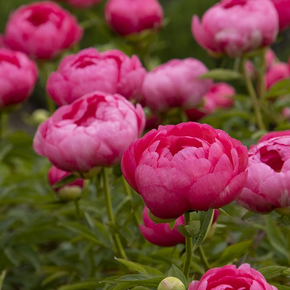
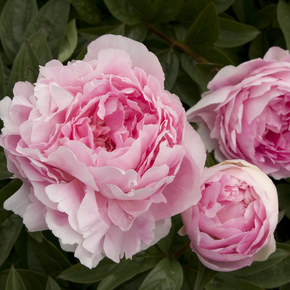
- Spectacular anemone-type blooms up to 8-10 inches wide feature vivid rose-pink outer petals cradling a lush, ruffled center of soft creamy-yellow petaloids, filling the garden with a delightful fragrance each late spring
- Award of Garden Merit recipient from the Royal Horticultural Society, recognized for exceptional garden performance, color stability, and strong resistance to most common pests and diseases
- A long-lived, low-maintenance herbaceous perennial that dies back each fall and re-emerges reliably every spring, with plants known to thrive for 50 years or more when left undisturbed in a well-chosen location
- Outstanding as a cut flower with a vase life of over a week when stems are harvested in bud, and naturally deer and rabbit resistant with foliage that provides lush, glossy appeal from spring through fall
Paeonia lactiflora 'Bowl of Beauty' is one of the most celebrated herbaceous peonies in cultivation, and it is easy to see why this Dutch-bred classic, introduced in 1949 by Aart Hoogendoorn of Boskoop, Netherlands, continues to captivate gardeners across generations. Its magnificent anemone-type blossoms, reaching up to 8-10 inches across on well-established plants, display vivid fuchsia-pink outer guard petals that curve upward to form a natural bowl shape, while the heart of each flower overflows with a dense, ruffled mass of creamy-yellow petaloids — the modified stamens that define the anemone flower form — creating a breathtaking two-toned effect with a sweet, classic peony fragrance. Blooming in the late-spring to early-summer transition, this late midseason variety sits atop strong, upright stems rising from a lush mound of glossy, deep green, divided foliage that remains ornamental all season long and often develops warm amber, orange, and red tones in autumn before dying back cleanly to the ground for winter. Hardy in USDA Zones 3-8, 'Bowl of Beauty' thrives in full sun to light afternoon shade in rich, fertile, well-drained soil and asks for very little once established — making it an ideal choice for perennial borders, cottage gardens, walkway edges, cut flower gardens, and informal hedges throughout Southern Oregon and Northern California. A recipient of the prestigious Royal Horticultural Society Award of Garden Merit, this heirloom peony is deer resistant, rabbit resistant, and a beloved magnet for butterflies, earning its reputation as one of the finest and most enduring flowering perennials available to home gardeners.
Plant Description
'Bowl of Beauty' is a classic herbaceous peony belonging to the species Paeonia lactiflora, also commonly known as Chinese peony or common garden peony, a group native to central Asia from eastern Siberia through Mongolia to northern China. This variety falls into the anemone flower-form classification, distinguished by its broad, cup-shaped ring of large outer guard petals and an inner cluster of narrowed, strap-like petaloids that have evolved from stamens into petal-like structures. The blooms are notably large — typically 8 inches wide under normal conditions and up to 10-12 inches across on mature, well-fed plants — and are held on sturdy stems above the foliage. The fragrance is classic peony: sweet, rich, and pronounced. The foliage is equally attractive, forming a full, rounded mound of glossy, deep green compound leaves that contribute handsomely to the summer border long after the blooms have faded. In autumn, the foliage often develops attractive red, orange, and gold tones before the stems die back to ground level for winter dormancy.
Mature Size
| Attribute | Measurement |
|---|---|
| Mature Height | 24-36 inches (approximately 2-3 feet) |
| Mature Spread | 24-36 inches (approximately 2-3 feet) |
| Recommended Spacing | 30-36 inches on center |
| Growth Rate | Moderate; reaches full size in approximately 3 years |
| Plant Form | Rounded, bushy mound; upright stems with heavy blooms |
Hardiness and Climate
'Bowl of Beauty' is a cold-hardy herbaceous perennial suited to USDA Hardiness Zones 3-8, making it an excellent choice for the full range of climates found across Southern Oregon and Northern California — from the cooler Siskiyou Mountain elevations to the warmer interior valleys. It performs reliably in AHS Heat Zones 1-8. Importantly, this peony requires a period of winter chill to set flower buds; it will not bloom reliably in areas with very mild winters where chilling hours are insufficient. In warmer portions of Zone 8, plants generally benefit from some afternoon shade protection during the hottest summer months to prevent heat stress and premature foliage decline. No special winter protection is needed in Zones 5-8, though a light mulch around the crown may help newly planted roots in colder zones. Do not over-mulch, as peonies actually require cold temperatures to initiate blooming and heavy insulating mulch can reduce bud set.
Sunlight Requirements
For the best flower production, plant 'Bowl of Beauty' in a location that receives a minimum of 6 hours of direct sun each day. Full sun is ideal in most climates and will produce the most abundant bloom display. In regions with intense summer heat — such as the hotter inland valleys of Northern California — light afternoon shade can be beneficial, helping to protect both the blooms and foliage from heat scorch while still allowing the plant enough light to perform well. Avoid deeply shaded spots or positions under large trees; insufficient light reduces bloom quantity, slows plant maturity, and increases susceptibility to fungal diseases by limiting air circulation. As a general rule, the more sun, the more flowers.
Soil and pH Preferences
'Bowl of Beauty' performs best in rich, fertile, well-drained soil with a near-neutral pH. It adapts to a variety of soil types including loam, clay, sand, and chalk, but drainage is critical — peonies cannot tolerate waterlogged or consistently wet conditions, which quickly leads to root rot. Amend heavy clay soils with compost and coarse grit or sand to improve drainage before planting. In sandy or fast-draining soils, work in generous amounts of compost to improve moisture retention and add nutrients. The ideal soil pH range is 6.5-7.0 (neutral). Slightly acidic to slightly alkaline soils are acceptable. Have your soil tested before planting if you are unsure of its composition; your local agricultural extension office can provide low-cost testing and amendment recommendations tailored to your specific area.
Watering Guide
Consistent, moderate moisture is the key to healthy 'Bowl of Beauty' plants, especially during the active growing season. Aim to provide approximately 1 inch of water per week through a combination of rainfall and supplemental irrigation. Water deeply and at the base of the plant rather than overhead — wet foliage promotes fungal diseases such as botrytis. Newly planted peonies should be watered regularly throughout their first growing season to help them establish a strong root system. Once fully established, these plants are relatively drought-tolerant, though they should not be allowed to dry out completely during bud development and bloom, as this can reduce flower size and count. Reduce watering frequency in fall as the plant prepares for dormancy, and avoid standing water around the crown at any time of year.
Fertilizing
Proper fertilizing fuels the remarkable bloom display that 'Bowl of Beauty' is known for. Follow these general guidelines for best results:
- At planting: Incorporate generous amounts of compost into the planting hole and backfill soil. A small amount of bone meal or balanced slow-release granular fertilizer worked into the bottom of the planting hole provides a strong start.
- Early spring: Apply a balanced slow-release granular fertilizer or a top-dressing of compost around the drip line as soon as new red shoots emerge from the ground. Avoid placing fertilizer directly on the crown.
- Post-bloom: A light application of a low-nitrogen, phosphorus-rich fertilizer (such as a 5-10-10 formulation) after flowering encourages root development and helps set up next year's blooms.
- Avoid excess nitrogen: High-nitrogen fertilizers promote lush leafy growth at the expense of flowers and can weaken stem strength.
- Compost top-dressing: A thin layer of compost applied around the plant (but not over the crown) two to three times per year improves soil structure and provides a gentle, balanced nutrient supply.
Planting Instructions
- Choose the right location: Select a site with at least 6 hours of full sun, good air circulation, excellent drainage, and away from tree and shrub roots that compete for moisture and nutrients.
- Timing: Early fall is the preferred planting time, allowing roots to establish before winter. Spring planting from potted plants is also successful when handled with care.
- Prepare the hole: Dig a hole approximately 12 inches deep and 12-18 inches wide. Amend the removed soil with compost and ensure the base of the hole is firm to prevent settling.
- Planting depth — critical: The eyes (buds) on the crown should be positioned no more than 1-2 inches below the soil surface. In warmer climates (Zones 7-8), plant with eyes only 1/2 to 1 inch deep. Planting too deeply is the single most common reason peonies fail to bloom.
- Backfill and firm: Fill in around the roots with amended soil, firming gently to remove air pockets while keeping the crown at the correct depth.
- Water thoroughly: Water deeply immediately after planting to settle the soil around the roots.
- Spacing: Space multiple plants 30-36 inches apart on center to allow for mature spread and adequate air circulation.
- Patience: Do not be alarmed if blooms are sparse or absent the first one to two years. Peonies invest energy in root development early on and typically reach their full blooming potential by the third year.
Pruning and Maintenance
'Bowl of Beauty' is a genuinely low-maintenance perennial once established, but a few seasonal tasks keep it looking its best and help prevent disease:
- Staking: Install peony grow-through rings or wire supports over the crown in early spring before growth begins. The plant will grow up through the support, keeping heavy blooms from drooping or collapsing after rain. Remove stakes after blooming to improve air circulation.
- Deadheading: Remove spent flowers promptly as they fade to keep the plant tidy, prevent seed formation, and reduce the weight of decaying blooms on the stems.
- Summer care: Leave the foliage intact throughout summer — it continues to photosynthesize and nourish the roots for next year's blooms. Do not cut back green stems.
- Fall cutback: After the first hard frost kills the foliage and it has turned brown, cut all stems down to within 2-3 inches of the ground. Remove and discard all cut material from the garden (do not compost it) to eliminate overwintering fungal spores.
- Division: Peonies do not need dividing and generally resent disturbance. They can be left undisturbed for decades. If division becomes necessary, do so in early fall, ensuring each division retains at least 3-5 healthy eyes.
- Mulching: A light mulch of compost around the base (not over the crown) helps moderate soil temperature and moisture. Avoid heavy mulching, which can insulate the crown from the winter cold that peonies need to bloom.
Bloom Season and Cutting
'Bowl of Beauty' is a late-midseason bloomer, typically flowering in late spring to early summer — generally from May into early June depending on your local climate and elevation. Each individual bloom lasts approximately 7-10 days on the plant. The entire blooming window for any single plant spans roughly the same period, though you can extend your overall peony season by planting early, mid, and late-blooming cultivars alongside one another for up to 6 weeks of continuous bloom in the garden.
For use as cut flowers, harvest stems when buds are showing color and are just beginning to open (the "marshmallow" stage — soft but not yet fully open). Cut stems with a sharp, clean blade early in the morning, place immediately in cool water, and store in a cool location out of direct sunlight. Blooms cut at this stage can last over a week in a vase. Change the water every 1-2 days and re-cut stems at an angle to maximize vase life. Peony bouquets are beloved by florists and are a natural choice for wedding and event arrangements.
Landscape Uses
'Bowl of Beauty' is a versatile and impactful landscape plant suited to a wide variety of design applications:
- Perennial and mixed borders: Excellent as a mid-border or back-of-border specimen, providing a bold focal point in late spring and attractive, lush foliage through the summer and fall.
- Cottage and informal gardens: A natural fit for romantic, informal plantings where its exuberant blooms feel right at home.
- Walkway and driveway borders: The upright habit and showy flowers create a stunning corridor planting, especially when massed in groups of three or five.
- Informal hedges: A row of 'Bowl of Beauty' plants spaced 30-36 inches apart creates a soft, seasonal flowering hedge that is handsome even when not in bloom.
- Background planting: Use as a background for spring bulbs such as tulips and alliums, whose bloom times overlap beautifully with the peony's late-spring flowering.
- Cut flower garden: One of the finest cutting peonies available, ideal for dedicated cut flower beds.
- Specimen planting: A single well-established plant makes a stunning focal point in a smaller garden or courtyard setting.
Companion Plants
Pairing 'Bowl of Beauty' with thoughtfully chosen companions creates a layered, multi-season garden display. Consider these excellent partners:
- Bearded Iris (Iris germanica): Bloom times overlap perfectly; blue, purple, and white iris varieties create a classic and stunning contrast with the rose-pink peony blooms.
- Alliums (Allium 'Globemaster' or 'Purple Sensation'): Tall, spherical purple allium flower heads rise above the peony foliage and create dramatic textural contrast during the same bloom window.
- Cranesbill Geranium (Geranium x magnificum or G. 'Ann Folkard'): Low-growing, sprawling geraniums fill in at the feet of the peony, hiding bare lower stems and providing a carpet of color before and after peony bloom.
- Lupine (Lupinus): Tall spires in shades of blue, purple, and white harmonize beautifully with the pink peony and add vertical interest to the bed.
- Peach-Leaved Bellflower (Campanula persicifolia): Delicate blue or white bell-shaped flowers on tall stems complement the bold peony blooms and continue the flowering display after peonies fade.
- Roses: Old garden and shrub roses in white, soft pink, or deep red make timeless companions that carry the romantic mood of the garden from early summer onward.
- Catmint (Nepeta): The soft blue-purple haze of catmint weaving around the base of peony clumps provides a complementary color echo and fills in beautifully when peonies are between bloom flushes.
Pests and Diseases
'Bowl of Beauty' is generally a robust, pest-resistant plant. However, a few issues may occasionally arise:
- Botrytis blight (gray mold): The most common peony disease, caused by the fungus Botrytis paeoniae. Symptoms include blackened, wilted shoots in spring and gray fuzzy mold on buds and stems. It is most prevalent in cool, wet springs. Prevention is key: ensure excellent air circulation, avoid overhead watering, and remove and dispose of all plant debris in fall. Treat with an appropriate fungicide at first sign of symptoms if needed.
- Powdery mildew: May appear on foliage in late summer, especially in dry conditions with warm days and cool nights. 'Bowl of Beauty' shows moderate resistance. Improve air circulation and avoid drought stress to minimize occurrence.
- Leaf spot: Various fungal leaf spots can cause brown or tan spots on foliage. Usually cosmetic and not life-threatening. Remove affected leaves and dispose of them.
- Honey fungus (Armillaria): A soil-borne fungus that can affect peonies in heavily infested soils. Avoid planting in sites with a known history of honey fungus.
- Ants: Ants are commonly seen on peony buds, attracted by nectar. They do not harm the plant and do not need to be controlled.
- Root rot: Caused by poorly drained, waterlogged soils. Prevent by ensuring excellent drainage at the planting site. 'Bowl of Beauty' shows moderate resistance but is not immune.
Wildlife Value
'Bowl of Beauty' provides meaningful value to the garden's local ecosystem while remaining resistant to browsing pressure from larger animals:
- Butterflies: The large, fragrant, nectar-rich blooms are attractive to butterflies, adding pollinator activity to the spring garden.
- Bees: Bees, including native bumblebees and honeybees, are drawn to the open bloom structure of the anemone-type flower, which provides accessible nectar and pollen.
- Deer resistant: Peonies are generally unpalatable to deer, making 'Bowl of Beauty' a reliable choice for gardens in deer-pressure areas common throughout Southern Oregon and Northern California.
- Rabbit resistant: Similarly, rabbits tend to leave peonies alone, adding to their reliability in areas with moderate to heavy rabbit activity.
- Toxicity note: All parts of the plant may cause stomach discomfort if ingested by humans. The plant is considered toxic to dogs, cats, and horses. Keep pets away from the planting area and consult a veterinarian if ingestion is suspected.
Fall and Winter Interest
While 'Bowl of Beauty' is primarily celebrated for its spring blooms, it continues to contribute to the garden through multiple seasons. Throughout summer, the rounded mound of rich, glossy green compound foliage remains lush and attractive, providing an excellent backdrop for later-blooming perennials. As temperatures drop in autumn, the foliage often develops warm tones of dark gold, orange, and brilliant red before the stems die back to the ground with the first hard frosts. After cutting back the stems in fall, the crown becomes dormant underground, where the root system continues to develop and store energy for the following season's spectacular floral display. The bare ground over the crown in winter can be lightly top-dressed with compost to nourish the soil, but should not be deeply mulched in order to allow the cold exposure the plant requires to initiate next year's buds.
- Spectacular anemone-type blooms up to 8-10 inches wide feature vivid rose-pink outer petals cradling a lush, ruffled center of soft creamy-yellow petaloids, filling the garden with a delightful fragrance each late spring
- Award of Garden Merit recipient from the Royal Horticultural Society, recognized for exceptional garden performance, color stability, and strong resistance to most common pests and diseases
- A long-lived, low-maintenance herbaceous perennial that dies back each fall and re-emerges reliably every spring, with plants known to thrive for 50 years or more when left undisturbed in a well-chosen location
- Outstanding as a cut flower with a vase life of over a week when stems are harvested in bud, and naturally deer and rabbit resistant with foliage that provides lush, glossy appeal from spring through fall
Paeonia lactiflora 'Bowl of Beauty' is one of the most celebrated herbaceous peonies in cultivation, and it is easy to see why this Dutch-bred classic, introduced in 1949 by Aart Hoogendoorn of Boskoop, Netherlands, continues to captivate gardeners across generations. Its magnificent anemone-type blossoms, reaching up to 8-10 inches across on well-established plants, display vivid fuchsia-pink outer guard petals that curve upward to form a natural bowl shape, while the heart of each flower overflows with a dense, ruffled mass of creamy-yellow petaloids — the modified stamens that define the anemone flower form — creating a breathtaking two-toned effect with a sweet, classic peony fragrance. Blooming in the late-spring to early-summer transition, this late midseason variety sits atop strong, upright stems rising from a lush mound of glossy, deep green, divided foliage that remains ornamental all season long and often develops warm amber, orange, and red tones in autumn before dying back cleanly to the ground for winter. Hardy in USDA Zones 3-8, 'Bowl of Beauty' thrives in full sun to light afternoon shade in rich, fertile, well-drained soil and asks for very little once established — making it an ideal choice for perennial borders, cottage gardens, walkway edges, cut flower gardens, and informal hedges throughout Southern Oregon and Northern California. A recipient of the prestigious Royal Horticultural Society Award of Garden Merit, this heirloom peony is deer resistant, rabbit resistant, and a beloved magnet for butterflies, earning its reputation as one of the finest and most enduring flowering perennials available to home gardeners.
Plant Description
'Bowl of Beauty' is a classic herbaceous peony belonging to the species Paeonia lactiflora, also commonly known as Chinese peony or common garden peony, a group native to central Asia from eastern Siberia through Mongolia to northern China. This variety falls into the anemone flower-form classification, distinguished by its broad, cup-shaped ring of large outer guard petals and an inner cluster of narrowed, strap-like petaloids that have evolved from stamens into petal-like structures. The blooms are notably large — typically 8 inches wide under normal conditions and up to 10-12 inches across on mature, well-fed plants — and are held on sturdy stems above the foliage. The fragrance is classic peony: sweet, rich, and pronounced. The foliage is equally attractive, forming a full, rounded mound of glossy, deep green compound leaves that contribute handsomely to the summer border long after the blooms have faded. In autumn, the foliage often develops attractive red, orange, and gold tones before the stems die back to ground level for winter dormancy.
Mature Size
| Attribute | Measurement |
|---|---|
| Mature Height | 24-36 inches (approximately 2-3 feet) |
| Mature Spread | 24-36 inches (approximately 2-3 feet) |
| Recommended Spacing | 30-36 inches on center |
| Growth Rate | Moderate; reaches full size in approximately 3 years |
| Plant Form | Rounded, bushy mound; upright stems with heavy blooms |
Hardiness and Climate
'Bowl of Beauty' is a cold-hardy herbaceous perennial suited to USDA Hardiness Zones 3-8, making it an excellent choice for the full range of climates found across Southern Oregon and Northern California — from the cooler Siskiyou Mountain elevations to the warmer interior valleys. It performs reliably in AHS Heat Zones 1-8. Importantly, this peony requires a period of winter chill to set flower buds; it will not bloom reliably in areas with very mild winters where chilling hours are insufficient. In warmer portions of Zone 8, plants generally benefit from some afternoon shade protection during the hottest summer months to prevent heat stress and premature foliage decline. No special winter protection is needed in Zones 5-8, though a light mulch around the crown may help newly planted roots in colder zones. Do not over-mulch, as peonies actually require cold temperatures to initiate blooming and heavy insulating mulch can reduce bud set.
Sunlight Requirements
For the best flower production, plant 'Bowl of Beauty' in a location that receives a minimum of 6 hours of direct sun each day. Full sun is ideal in most climates and will produce the most abundant bloom display. In regions with intense summer heat — such as the hotter inland valleys of Northern California — light afternoon shade can be beneficial, helping to protect both the blooms and foliage from heat scorch while still allowing the plant enough light to perform well. Avoid deeply shaded spots or positions under large trees; insufficient light reduces bloom quantity, slows plant maturity, and increases susceptibility to fungal diseases by limiting air circulation. As a general rule, the more sun, the more flowers.
Soil and pH Preferences
'Bowl of Beauty' performs best in rich, fertile, well-drained soil with a near-neutral pH. It adapts to a variety of soil types including loam, clay, sand, and chalk, but drainage is critical — peonies cannot tolerate waterlogged or consistently wet conditions, which quickly leads to root rot. Amend heavy clay soils with compost and coarse grit or sand to improve drainage before planting. In sandy or fast-draining soils, work in generous amounts of compost to improve moisture retention and add nutrients. The ideal soil pH range is 6.5-7.0 (neutral). Slightly acidic to slightly alkaline soils are acceptable. Have your soil tested before planting if you are unsure of its composition; your local agricultural extension office can provide low-cost testing and amendment recommendations tailored to your specific area.
Watering Guide
Consistent, moderate moisture is the key to healthy 'Bowl of Beauty' plants, especially during the active growing season. Aim to provide approximately 1 inch of water per week through a combination of rainfall and supplemental irrigation. Water deeply and at the base of the plant rather than overhead — wet foliage promotes fungal diseases such as botrytis. Newly planted peonies should be watered regularly throughout their first growing season to help them establish a strong root system. Once fully established, these plants are relatively drought-tolerant, though they should not be allowed to dry out completely during bud development and bloom, as this can reduce flower size and count. Reduce watering frequency in fall as the plant prepares for dormancy, and avoid standing water around the crown at any time of year.
Fertilizing
Proper fertilizing fuels the remarkable bloom display that 'Bowl of Beauty' is known for. Follow these general guidelines for best results:
- At planting: Incorporate generous amounts of compost into the planting hole and backfill soil. A small amount of bone meal or balanced slow-release granular fertilizer worked into the bottom of the planting hole provides a strong start.
- Early spring: Apply a balanced slow-release granular fertilizer or a top-dressing of compost around the drip line as soon as new red shoots emerge from the ground. Avoid placing fertilizer directly on the crown.
- Post-bloom: A light application of a low-nitrogen, phosphorus-rich fertilizer (such as a 5-10-10 formulation) after flowering encourages root development and helps set up next year's blooms.
- Avoid excess nitrogen: High-nitrogen fertilizers promote lush leafy growth at the expense of flowers and can weaken stem strength.
- Compost top-dressing: A thin layer of compost applied around the plant (but not over the crown) two to three times per year improves soil structure and provides a gentle, balanced nutrient supply.
Planting Instructions
- Choose the right location: Select a site with at least 6 hours of full sun, good air circulation, excellent drainage, and away from tree and shrub roots that compete for moisture and nutrients.
- Timing: Early fall is the preferred planting time, allowing roots to establish before winter. Spring planting from potted plants is also successful when handled with care.
- Prepare the hole: Dig a hole approximately 12 inches deep and 12-18 inches wide. Amend the removed soil with compost and ensure the base of the hole is firm to prevent settling.
- Planting depth — critical: The eyes (buds) on the crown should be positioned no more than 1-2 inches below the soil surface. In warmer climates (Zones 7-8), plant with eyes only 1/2 to 1 inch deep. Planting too deeply is the single most common reason peonies fail to bloom.
- Backfill and firm: Fill in around the roots with amended soil, firming gently to remove air pockets while keeping the crown at the correct depth.
- Water thoroughly: Water deeply immediately after planting to settle the soil around the roots.
- Spacing: Space multiple plants 30-36 inches apart on center to allow for mature spread and adequate air circulation.
- Patience: Do not be alarmed if blooms are sparse or absent the first one to two years. Peonies invest energy in root development early on and typically reach their full blooming potential by the third year.
Pruning and Maintenance
'Bowl of Beauty' is a genuinely low-maintenance perennial once established, but a few seasonal tasks keep it looking its best and help prevent disease:
- Staking: Install peony grow-through rings or wire supports over the crown in early spring before growth begins. The plant will grow up through the support, keeping heavy blooms from drooping or collapsing after rain. Remove stakes after blooming to improve air circulation.
- Deadheading: Remove spent flowers promptly as they fade to keep the plant tidy, prevent seed formation, and reduce the weight of decaying blooms on the stems.
- Summer care: Leave the foliage intact throughout summer — it continues to photosynthesize and nourish the roots for next year's blooms. Do not cut back green stems.
- Fall cutback: After the first hard frost kills the foliage and it has turned brown, cut all stems down to within 2-3 inches of the ground. Remove and discard all cut material from the garden (do not compost it) to eliminate overwintering fungal spores.
- Division: Peonies do not need dividing and generally resent disturbance. They can be left undisturbed for decades. If division becomes necessary, do so in early fall, ensuring each division retains at least 3-5 healthy eyes.
- Mulching: A light mulch of compost around the base (not over the crown) helps moderate soil temperature and moisture. Avoid heavy mulching, which can insulate the crown from the winter cold that peonies need to bloom.
Bloom Season and Cutting
'Bowl of Beauty' is a late-midseason bloomer, typically flowering in late spring to early summer — generally from May into early June depending on your local climate and elevation. Each individual bloom lasts approximately 7-10 days on the plant. The entire blooming window for any single plant spans roughly the same period, though you can extend your overall peony season by planting early, mid, and late-blooming cultivars alongside one another for up to 6 weeks of continuous bloom in the garden.
For use as cut flowers, harvest stems when buds are showing color and are just beginning to open (the "marshmallow" stage — soft but not yet fully open). Cut stems with a sharp, clean blade early in the morning, place immediately in cool water, and store in a cool location out of direct sunlight. Blooms cut at this stage can last over a week in a vase. Change the water every 1-2 days and re-cut stems at an angle to maximize vase life. Peony bouquets are beloved by florists and are a natural choice for wedding and event arrangements.
Landscape Uses
'Bowl of Beauty' is a versatile and impactful landscape plant suited to a wide variety of design applications:
- Perennial and mixed borders: Excellent as a mid-border or back-of-border specimen, providing a bold focal point in late spring and attractive, lush foliage through the summer and fall.
- Cottage and informal gardens: A natural fit for romantic, informal plantings where its exuberant blooms feel right at home.
- Walkway and driveway borders: The upright habit and showy flowers create a stunning corridor planting, especially when massed in groups of three or five.
- Informal hedges: A row of 'Bowl of Beauty' plants spaced 30-36 inches apart creates a soft, seasonal flowering hedge that is handsome even when not in bloom.
- Background planting: Use as a background for spring bulbs such as tulips and alliums, whose bloom times overlap beautifully with the peony's late-spring flowering.
- Cut flower garden: One of the finest cutting peonies available, ideal for dedicated cut flower beds.
- Specimen planting: A single well-established plant makes a stunning focal point in a smaller garden or courtyard setting.
Companion Plants
Pairing 'Bowl of Beauty' with thoughtfully chosen companions creates a layered, multi-season garden display. Consider these excellent partners:
- Bearded Iris (Iris germanica): Bloom times overlap perfectly; blue, purple, and white iris varieties create a classic and stunning contrast with the rose-pink peony blooms.
- Alliums (Allium 'Globemaster' or 'Purple Sensation'): Tall, spherical purple allium flower heads rise above the peony foliage and create dramatic textural contrast during the same bloom window.
- Cranesbill Geranium (Geranium x magnificum or G. 'Ann Folkard'): Low-growing, sprawling geraniums fill in at the feet of the peony, hiding bare lower stems and providing a carpet of color before and after peony bloom.
- Lupine (Lupinus): Tall spires in shades of blue, purple, and white harmonize beautifully with the pink peony and add vertical interest to the bed.
- Peach-Leaved Bellflower (Campanula persicifolia): Delicate blue or white bell-shaped flowers on tall stems complement the bold peony blooms and continue the flowering display after peonies fade.
- Roses: Old garden and shrub roses in white, soft pink, or deep red make timeless companions that carry the romantic mood of the garden from early summer onward.
- Catmint (Nepeta): The soft blue-purple haze of catmint weaving around the base of peony clumps provides a complementary color echo and fills in beautifully when peonies are between bloom flushes.
Pests and Diseases
'Bowl of Beauty' is generally a robust, pest-resistant plant. However, a few issues may occasionally arise:
- Botrytis blight (gray mold): The most common peony disease, caused by the fungus Botrytis paeoniae. Symptoms include blackened, wilted shoots in spring and gray fuzzy mold on buds and stems. It is most prevalent in cool, wet springs. Prevention is key: ensure excellent air circulation, avoid overhead watering, and remove and dispose of all plant debris in fall. Treat with an appropriate fungicide at first sign of symptoms if needed.
- Powdery mildew: May appear on foliage in late summer, especially in dry conditions with warm days and cool nights. 'Bowl of Beauty' shows moderate resistance. Improve air circulation and avoid drought stress to minimize occurrence.
- Leaf spot: Various fungal leaf spots can cause brown or tan spots on foliage. Usually cosmetic and not life-threatening. Remove affected leaves and dispose of them.
- Honey fungus (Armillaria): A soil-borne fungus that can affect peonies in heavily infested soils. Avoid planting in sites with a known history of honey fungus.
- Ants: Ants are commonly seen on peony buds, attracted by nectar. They do not harm the plant and do not need to be controlled.
- Root rot: Caused by poorly drained, waterlogged soils. Prevent by ensuring excellent drainage at the planting site. 'Bowl of Beauty' shows moderate resistance but is not immune.
Wildlife Value
'Bowl of Beauty' provides meaningful value to the garden's local ecosystem while remaining resistant to browsing pressure from larger animals:
- Butterflies: The large, fragrant, nectar-rich blooms are attractive to butterflies, adding pollinator activity to the spring garden.
- Bees: Bees, including native bumblebees and honeybees, are drawn to the open bloom structure of the anemone-type flower, which provides accessible nectar and pollen.
- Deer resistant: Peonies are generally unpalatable to deer, making 'Bowl of Beauty' a reliable choice for gardens in deer-pressure areas common throughout Southern Oregon and Northern California.
- Rabbit resistant: Similarly, rabbits tend to leave peonies alone, adding to their reliability in areas with moderate to heavy rabbit activity.
- Toxicity note: All parts of the plant may cause stomach discomfort if ingested by humans. The plant is considered toxic to dogs, cats, and horses. Keep pets away from the planting area and consult a veterinarian if ingestion is suspected.
Fall and Winter Interest
While 'Bowl of Beauty' is primarily celebrated for its spring blooms, it continues to contribute to the garden through multiple seasons. Throughout summer, the rounded mound of rich, glossy green compound foliage remains lush and attractive, providing an excellent backdrop for later-blooming perennials. As temperatures drop in autumn, the foliage often develops warm tones of dark gold, orange, and brilliant red before the stems die back to the ground with the first hard frosts. After cutting back the stems in fall, the crown becomes dormant underground, where the root system continues to develop and store energy for the following season's spectacular floral display. The bare ground over the crown in winter can be lightly top-dressed with compost to nourish the soil, but should not be deeply mulched in order to allow the cold exposure the plant requires to initiate next year's buds.
Related Products