Zoom the image with the mouse
Belle Toulousaine Itoh Peony - 5 Gallon
SKU:
2012875
UPC:
014949468067
$99.99
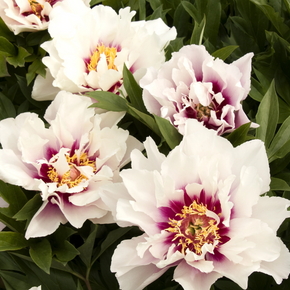
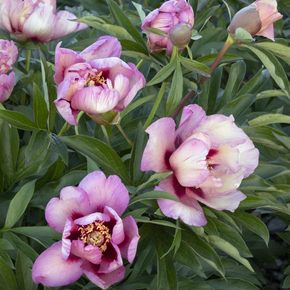
- Spectacular fully double, vibrant pink blooms with a lush, full-petaled form and mild sweet fragrance — perfect for cutting and long-lasting fresh arrangements
- Vigorous intersectional hybrid with strong, self-supporting stems that never need staking, combined with outstanding disease resistance and rich, deeply lobed dark green foliage
- Extended mid-season bloom period with multiple buds per stem that open in succession, delivering weeks of garden color in late spring through early summer
- Exceptionally cold-hardy perennial suited to a wide range of climates (USDA Zones 3-9), dying back gracefully each autumn and returning reliably year after year
Belle Toulousaine Itoh Peony (Paeonia x 'RTPIV789-06', PP #26,908) is a breathtaking intersectional hybrid that masterfully unites the best traits of herbaceous and tree peonies into one extraordinary garden perennial. Its large, fully double blooms arrive in shades of vibrant pink with layers of lush, ruffled petals and a delicate, pleasing fragrance that makes it equally at home in the cutting garden as it is in the landscape. Rising on strong, upright stems above a dense mound of deeply lobed, rich dark green foliage, this Itoh peony blooms in mid-season — right as the classic herbaceous peonies begin to fade — and continues producing flowers in succession for weeks thanks to multiple side buds per stem. Unlike its herbaceous cousins, Belle Toulousaine requires no staking, boasts superior resistance to fungal diseases, and maintains its attractive foliage all the way through fall before dying cleanly back to the ground for winter. Hardy from USDA Zones 3 to 9, it is a versatile performer across Southern Oregon and Northern California gardens, thriving in sunny perennial borders, cottage-style beds, and even as a refined specimen planting. With each established plant capable of producing 50 or more dinner-plate-sized flowers at peak maturity, Belle Toulousaine Itoh Peony is an heirloom-quality investment that rewards gardeners with decades of spectacular seasonal beauty.
Plant Description
Belle Toulousaine is a patented intersectional (Itoh) peony hybrid — a cross between an herbaceous garden peony (Paeonia lactiflora) and a tree peony (Paeonia suffruticosa). The result is a plant that inherits the enormous, showy flowers of tree peonies along with the hardy, die-back habit and vigorous constitution of herbaceous peonies. The blooms are fully double, densely petaled, and displayed in a rich, vibrant pink with a mild, sweet fragrance. Flowers can reach impressive sizes — up to 8 inches across — and are held upright on thick, sturdy stems that require no staking. The foliage is notably attractive: deeply lobed and rich dark green, denser and more finely textured than typical herbaceous peony foliage, providing visual interest well beyond the bloom period. Each stem produces a primary bud plus several side buds, which open in succession to extend the display over multiple weeks. Plants form a well-branched, symmetrical mound with excellent foliage coverage from the base to the top.
Mature Size
| Attribute | Measurement |
|---|---|
| Mature Height | 24-36 inches (approximately 2-3 feet) |
| Mature Spread | 36-48 inches (3-4 feet wide at full maturity) |
| Bloom Size | Up to 8 inches in diameter |
| Bloom Quantity (mature plant) | 50 or more flowers per season |
| Growth Rate | Moderate; reaches full maturity in approximately 3 years |
| Plant Form | Compact, well-branched mound; no staking required |
Hardiness Zones and Climate
Belle Toulousaine Itoh Peony is hardy in USDA Zones 3 through 9, making it one of the most climate-adaptable peonies available. It tolerates the cold winters of Zone 3 down to -40°F and also handles the warmer conditions of Zone 9 better than traditional herbaceous peonies. In hotter summer climates, afternoon shade is beneficial to protect blooms and keep the plant stress-free. Ideal growing temperatures during the active season are daytime highs of 70-80°F with cooler nights around 55-60°F. The plant requires a period of winter chilling to set buds and flower reliably — a requirement well-met across Southern Oregon and Northern California. In Zones 7-9, plant the crown slightly shallower (about 1/2 inch below the soil surface) and provide some afternoon shade to help the plant manage summer heat.
Sunlight Requirements
Belle Toulousaine performs best in a full sun location receiving at least 6 to 8 hours of direct sunlight per day. More sun directly translates to more flowers, stronger stems, and a more compact plant habit. In partial shade (3-6 hours of sun), the plant will still grow and bloom but may produce fewer flowers, develop a more open or leggy form, and take longer to reach full maturity. In climates with intense summer heat, such as the interior valleys of Northern California, providing light afternoon shade helps prolong individual bloom longevity and reduces heat stress on the plant. Avoid deep or dense shade, which will significantly reduce flowering and increase the risk of fungal problems from poor air circulation.
Soil and pH Preferences
This Itoh peony thrives in rich, well-drained soil with a slightly acidic to neutral pH between 6.5 and 7.0. The ideal texture is a friable loam — a balanced mix of sand, clay, and organic matter that drains freely while retaining adequate moisture and nutrients. Poor drainage is the primary cause of root rot and plant decline, so avoid planting in low-lying areas or anywhere that water pools after rain. Heavy clay soils should be amended with generous amounts of compost and coarse sand to improve drainage and aeration. Sandy soils, which drain too quickly and leach nutrients, should receive liberal additions of compost and benefit from regular topdressing throughout the season. At planting time, prepare the soil to a depth of at least 12 inches, incorporating 2-4 inches of aged compost or well-rotted manure. Avoid planting near large trees or competitive shrub roots, which will out-compete the peony for moisture and nutrients.
Planting Instructions
- Select a sunny, well-drained site with rich loamy soil. Prepare the planting hole 12 inches deep and 18 inches wide, incorporating compost thoroughly into the backfill soil.
- When planting a nursery-grown potted specimen, set the crown level with the soil surface as it sits in the container — do not bury the crown deeper than 1 to 2 inches below the soil surface. Planting too deeply is the most common reason peonies fail to bloom.
- Planting depth can be slightly adjusted by zone: in Zones 7-9, keep the crown at about 1/2 inch below the soil surface; in Zones 5-6, plant at 1 inch deep; in Zones 3-4, plant at up to 2 inches deep.
- Space plants 3 to 4 feet apart on center, and at least 18 inches from any border edge, to allow for mature spread and good air circulation.
- Backfill with amended soil, pressing firmly to eliminate air pockets around the roots.
- Water deeply and thoroughly after planting to settle the soil around the root system.
- Apply a 2-3 inch layer of organic mulch (shredded bark or straw) around the base of the plant — but not directly over the crown — to conserve moisture and moderate soil temperature.
- Choose a permanent location. Peonies are long-lived perennials that do not respond well to transplanting and establish best when left undisturbed for many years.
Watering Guide
Belle Toulousaine requires consistent moisture, especially during its first growing season when the root system is actively establishing. During the first year, water deeply once per week, providing a thorough soaking rather than frequent light irrigation. This encourages roots to grow deep into the soil. Established plants are more drought-tolerant but still benefit from supplemental watering during dry spells — approximately 1 inch of water per week from rain or irrigation is ideal during the active growing season. Water at the base of the plant using drip irrigation or a soaker hose, directing moisture out toward the drip line of the foliage rather than directly over the crown. Avoid overhead watering and frequent shallow irrigation, both of which promote fungal disease and shallow rooting. Do not allow the soil to remain saturated; excellent drainage is essential to prevent crown rot. Reduce watering naturally in fall as the plant enters dormancy.
Fertilizing
Peonies planted in organically rich, well-amended soil require relatively modest fertilization. Feed Belle Toulousaine lightly three times per year for best results:
- Early Spring (as new shoots emerge): Apply a low-nitrogen, phosphorus-rich slow-release granular fertilizer such as a 5-10-10 or 5-20-20 formula to encourage bud development and root growth without promoting excessive leaf and stem production at the expense of flowers.
- Early Summer (after blooming): A light application of a balanced organic fertilizer — compost topdressing, fish and seaweed emulsion, or worm castings — helps replenish nutrients and supports energy storage in the root system for next season's blooms.
- Fall (garden cleanup time): Apply a thin layer of compost or a low-grade 5-10-10 formula at the drip line to nourish the plant heading into dormancy. Apply at the drip line — not directly over the crown — to avoid burying the plant too deeply over time.
Avoid high-nitrogen fertilizers, which encourage leafy growth at the expense of flowers. Liquid fertilizers such as kelp or fish emulsion can also be used as foliar feeds during bud set in early spring for an additional boost.
Pruning and Seasonal Maintenance
Spring: Clear away any remaining dead stems and leaves from the previous season before new shoots emerge. Check crown planting depth and correct if frost heaving has displaced the root. Watch for emerging shoots and protect from hard late frosts by covering loosely with cloth or frost fabric (do not let covering touch foliage directly).
During Bloom: Deadhead spent flowers as they fade to maintain a tidy appearance, encourage the plant to direct energy toward developing remaining buds, and prevent any disease spores from lingering on decaying petals. Be careful not to remove any unopened side buds when removing spent flowers.
Summer: Monitor for signs of disease or stress. Water during dry spells and weed around the base to reduce competition. No staking is needed — a key advantage of the Itoh type.
Fall: After the first heavy frost causes the foliage to die back, cut all stems and foliage down to just above the woody base or to ground level if no woody stem is present. Remove all cut material from the garden and dispose of it — do not compost, as this can harbor fungal spores that may reinfect the plant the following season. Mulch lightly for winter insulation where needed.
Bloom Season and Seasonal Interest
Belle Toulousaine is a mid-season bloomer, flowering in late spring to early summer — typically after most classic herbaceous peonies have finished their display. This timing makes it an excellent choice for extending the peony season in the garden. Each stem produces a primary bud and multiple side buds that open sequentially, giving the plant a bloom window of 3 to 4 weeks rather than the shorter burst typical of single-bud herbaceous types. The vibrant pink, fully double flowers are highly fragrant and stunning as cut flowers. After blooms fade, the deeply lobed, rich dark green foliage remains attractive and lush throughout the entire growing season — a notable advantage over some herbaceous peonies whose foliage can look ragged by late summer. In autumn, the foliage may take on warm golden to russet tones before dying back cleanly to the ground with the first heavy frost, providing a tidy seasonal close.
Landscape Uses
Belle Toulousaine Itoh Peony is a versatile landscape plant with a range of uses in both formal and informal garden styles:
- Perennial Border Anchor: Its compact, rounded mound form (2-3 feet tall, 3-4 feet wide) makes it an ideal mid-border or front-of-border specimen that provides structure, foliage interest, and show-stopping bloom without requiring staking or extensive maintenance.
- Cottage Garden Feature: The large, ruffled pink blooms and lush foliage are a natural fit in cottage-style and English-inspired garden designs.
- Low Informal Hedge or Mass Planting: When planted in groups of 3 or more at 3-4 foot intervals, Itoh peonies form a stunning low seasonal hedge with uniform form and simultaneous bloom.
- Cutting Garden: The strong stems and long vase life of fully double blooms make this an outstanding cut flower variety.
- Mixed Shrub and Perennial Bed: Pairs beautifully with ornamental grasses, roses, salvias, and late-season perennials to provide multi-season interest in the same bed.
- Specimen Planting: A single established plant in full bloom is a showstopping garden focal point that attracts compliments season after season.
Companion Plants
Belle Toulousaine's vibrant pink, mid-season blooms and rich green foliage pair beautifully with a wide range of garden plants. Consider these combinations for a layered, multi-season display:
- Salvia (Salvia spp.): Deep purple or blue spikes provide striking color contrast with the pink peony blooms and share the same full-sun preference.
- Bearded Iris (Iris germanica): Blooms just before or simultaneously with peonies; the architectural foliage of iris contrasts beautifully with the rounded peony mound.
- Allium: Tall purple globe flowers emerge as the peony blooms; the alliums' fading foliage is easily hidden by the dense peony leaves.
- Delphinium / Larkspur: Classic English cottage pairing — tall blue or purple spikes rise behind the peony and continue the show after blooms fade.
- Coneflower (Echinacea spp.): Blooms in mid-to-late summer when peonies have finished, keeping color in the border after the peony's main show.
- Roses: Compatible in both sun requirements and aesthetic sensibility; combine with pink or white shrub roses for an extended romantic display.
- Columbine (Aquilegia spp.): Self-seeds among peonies, adding spring color and contrasting spurred flowers with the lush peony foliage.
- Catmint (Nepeta spp.): Low-growing blue-lavender flowers edging a peony planting soften the border and echo the cool tones in the pink blooms.
Pests and Diseases
Belle Toulousaine Itoh Peony benefits from the superior disease resistance characteristic of intersectional hybrids — it is notably more resistant to fungal problems than traditional herbaceous peonies. However, the following issues may occasionally arise:
- Botrytis Blight (Gray Mold): The most common peony disease, caused by the fungus Botrytis cinerea. It presents as brown, water-soaked spots on stems, buds, or leaves, often with a fuzzy gray mold. It is most common in cool, wet spring conditions with poor air circulation. Prevent by spacing plants properly, watering at the base (not overhead), and removing all plant debris in fall. Treat early infections by removing affected plant parts immediately and disposing of them away from the garden.
- Powdery Mildew: Appears as a grayish-white powdery coating on leaves, stems, or buds — typically in warm days with cool nights and high humidity. Improve air circulation and avoid wetting foliage. Horticultural neem oil or a diluted baking soda solution can treat mild cases caught early.
- Ants: Ants are frequently seen on peony buds, attracted by sweet exuded nectar. They are entirely harmless to the plant and do not need to be treated. They may even discourage other insect pests.
- Root Rot: Caused by poor drainage or overwatering. Ensure the planting site drains freely and never allow water to pool around the crown.
- Leaf Spot (Non-fungal): Intersectional peonies can sometimes develop leaf spots that are not the result of fungal infection but rather a genetic expression due to the hybrid nature of the plant. These are cosmetic and do not harm the plant.
Wildlife and Pollinator Value
Belle Toulousaine Itoh Peony is a welcome addition to a pollinator-friendly garden. The large, open flowers attract bees — particularly native bumblebees and honeybees — which are drawn to the nectar and pollen available as the blooms fully open. Ants are also common and beneficial visitors to the buds, feeding on nectar secreted by extrafloral nectaries on the bud surface; their presence is harmless and may deter other pest insects. The dense, mounded foliage provides low-level shelter for ground-dwelling beneficial insects throughout the growing season. It should be noted that peonies are mildly toxic to dogs and cats if ingested, so placement should be considered in households with curious pets. Deer and rabbits generally avoid peonies due to their scent and taste, making this an excellent choice for gardens in areas with wildlife pressure.
Cut Flower Use
Belle Toulousaine is an outstanding cut flower peony, prized by both home gardeners and professional florists. Its fully double, ruffled blooms, strong upright stems, and mild sweet fragrance make it one of the most desirable cutting garden perennials available. For the longest vase life, cut stems when the buds are just beginning to show color and feel soft like a marshmallow — not fully open. Strip all leaves from the lower two-thirds of the stem, and place immediately in a bucket of cool, clean water. Recut stems at an angle under water before arranging. Blooms cut at the correct stage can last 7-10 days in a vase. For storage, wrapped (not submerged) stems can be refrigerated for several days, making it possible to time a sequence of cuts for a special occasion. The extended bloom season — thanks to primary and secondary side buds — means multiple cuts can be made from a single established plant over the course of several weeks each season.
- Spectacular fully double, vibrant pink blooms with a lush, full-petaled form and mild sweet fragrance — perfect for cutting and long-lasting fresh arrangements
- Vigorous intersectional hybrid with strong, self-supporting stems that never need staking, combined with outstanding disease resistance and rich, deeply lobed dark green foliage
- Extended mid-season bloom period with multiple buds per stem that open in succession, delivering weeks of garden color in late spring through early summer
- Exceptionally cold-hardy perennial suited to a wide range of climates (USDA Zones 3-9), dying back gracefully each autumn and returning reliably year after year
Belle Toulousaine Itoh Peony (Paeonia x 'RTPIV789-06', PP #26,908) is a breathtaking intersectional hybrid that masterfully unites the best traits of herbaceous and tree peonies into one extraordinary garden perennial. Its large, fully double blooms arrive in shades of vibrant pink with layers of lush, ruffled petals and a delicate, pleasing fragrance that makes it equally at home in the cutting garden as it is in the landscape. Rising on strong, upright stems above a dense mound of deeply lobed, rich dark green foliage, this Itoh peony blooms in mid-season — right as the classic herbaceous peonies begin to fade — and continues producing flowers in succession for weeks thanks to multiple side buds per stem. Unlike its herbaceous cousins, Belle Toulousaine requires no staking, boasts superior resistance to fungal diseases, and maintains its attractive foliage all the way through fall before dying cleanly back to the ground for winter. Hardy from USDA Zones 3 to 9, it is a versatile performer across Southern Oregon and Northern California gardens, thriving in sunny perennial borders, cottage-style beds, and even as a refined specimen planting. With each established plant capable of producing 50 or more dinner-plate-sized flowers at peak maturity, Belle Toulousaine Itoh Peony is an heirloom-quality investment that rewards gardeners with decades of spectacular seasonal beauty.
Plant Description
Belle Toulousaine is a patented intersectional (Itoh) peony hybrid — a cross between an herbaceous garden peony (Paeonia lactiflora) and a tree peony (Paeonia suffruticosa). The result is a plant that inherits the enormous, showy flowers of tree peonies along with the hardy, die-back habit and vigorous constitution of herbaceous peonies. The blooms are fully double, densely petaled, and displayed in a rich, vibrant pink with a mild, sweet fragrance. Flowers can reach impressive sizes — up to 8 inches across — and are held upright on thick, sturdy stems that require no staking. The foliage is notably attractive: deeply lobed and rich dark green, denser and more finely textured than typical herbaceous peony foliage, providing visual interest well beyond the bloom period. Each stem produces a primary bud plus several side buds, which open in succession to extend the display over multiple weeks. Plants form a well-branched, symmetrical mound with excellent foliage coverage from the base to the top.
Mature Size
| Attribute | Measurement |
|---|---|
| Mature Height | 24-36 inches (approximately 2-3 feet) |
| Mature Spread | 36-48 inches (3-4 feet wide at full maturity) |
| Bloom Size | Up to 8 inches in diameter |
| Bloom Quantity (mature plant) | 50 or more flowers per season |
| Growth Rate | Moderate; reaches full maturity in approximately 3 years |
| Plant Form | Compact, well-branched mound; no staking required |
Hardiness Zones and Climate
Belle Toulousaine Itoh Peony is hardy in USDA Zones 3 through 9, making it one of the most climate-adaptable peonies available. It tolerates the cold winters of Zone 3 down to -40°F and also handles the warmer conditions of Zone 9 better than traditional herbaceous peonies. In hotter summer climates, afternoon shade is beneficial to protect blooms and keep the plant stress-free. Ideal growing temperatures during the active season are daytime highs of 70-80°F with cooler nights around 55-60°F. The plant requires a period of winter chilling to set buds and flower reliably — a requirement well-met across Southern Oregon and Northern California. In Zones 7-9, plant the crown slightly shallower (about 1/2 inch below the soil surface) and provide some afternoon shade to help the plant manage summer heat.
Sunlight Requirements
Belle Toulousaine performs best in a full sun location receiving at least 6 to 8 hours of direct sunlight per day. More sun directly translates to more flowers, stronger stems, and a more compact plant habit. In partial shade (3-6 hours of sun), the plant will still grow and bloom but may produce fewer flowers, develop a more open or leggy form, and take longer to reach full maturity. In climates with intense summer heat, such as the interior valleys of Northern California, providing light afternoon shade helps prolong individual bloom longevity and reduces heat stress on the plant. Avoid deep or dense shade, which will significantly reduce flowering and increase the risk of fungal problems from poor air circulation.
Soil and pH Preferences
This Itoh peony thrives in rich, well-drained soil with a slightly acidic to neutral pH between 6.5 and 7.0. The ideal texture is a friable loam — a balanced mix of sand, clay, and organic matter that drains freely while retaining adequate moisture and nutrients. Poor drainage is the primary cause of root rot and plant decline, so avoid planting in low-lying areas or anywhere that water pools after rain. Heavy clay soils should be amended with generous amounts of compost and coarse sand to improve drainage and aeration. Sandy soils, which drain too quickly and leach nutrients, should receive liberal additions of compost and benefit from regular topdressing throughout the season. At planting time, prepare the soil to a depth of at least 12 inches, incorporating 2-4 inches of aged compost or well-rotted manure. Avoid planting near large trees or competitive shrub roots, which will out-compete the peony for moisture and nutrients.
Planting Instructions
- Select a sunny, well-drained site with rich loamy soil. Prepare the planting hole 12 inches deep and 18 inches wide, incorporating compost thoroughly into the backfill soil.
- When planting a nursery-grown potted specimen, set the crown level with the soil surface as it sits in the container — do not bury the crown deeper than 1 to 2 inches below the soil surface. Planting too deeply is the most common reason peonies fail to bloom.
- Planting depth can be slightly adjusted by zone: in Zones 7-9, keep the crown at about 1/2 inch below the soil surface; in Zones 5-6, plant at 1 inch deep; in Zones 3-4, plant at up to 2 inches deep.
- Space plants 3 to 4 feet apart on center, and at least 18 inches from any border edge, to allow for mature spread and good air circulation.
- Backfill with amended soil, pressing firmly to eliminate air pockets around the roots.
- Water deeply and thoroughly after planting to settle the soil around the root system.
- Apply a 2-3 inch layer of organic mulch (shredded bark or straw) around the base of the plant — but not directly over the crown — to conserve moisture and moderate soil temperature.
- Choose a permanent location. Peonies are long-lived perennials that do not respond well to transplanting and establish best when left undisturbed for many years.
Watering Guide
Belle Toulousaine requires consistent moisture, especially during its first growing season when the root system is actively establishing. During the first year, water deeply once per week, providing a thorough soaking rather than frequent light irrigation. This encourages roots to grow deep into the soil. Established plants are more drought-tolerant but still benefit from supplemental watering during dry spells — approximately 1 inch of water per week from rain or irrigation is ideal during the active growing season. Water at the base of the plant using drip irrigation or a soaker hose, directing moisture out toward the drip line of the foliage rather than directly over the crown. Avoid overhead watering and frequent shallow irrigation, both of which promote fungal disease and shallow rooting. Do not allow the soil to remain saturated; excellent drainage is essential to prevent crown rot. Reduce watering naturally in fall as the plant enters dormancy.
Fertilizing
Peonies planted in organically rich, well-amended soil require relatively modest fertilization. Feed Belle Toulousaine lightly three times per year for best results:
- Early Spring (as new shoots emerge): Apply a low-nitrogen, phosphorus-rich slow-release granular fertilizer such as a 5-10-10 or 5-20-20 formula to encourage bud development and root growth without promoting excessive leaf and stem production at the expense of flowers.
- Early Summer (after blooming): A light application of a balanced organic fertilizer — compost topdressing, fish and seaweed emulsion, or worm castings — helps replenish nutrients and supports energy storage in the root system for next season's blooms.
- Fall (garden cleanup time): Apply a thin layer of compost or a low-grade 5-10-10 formula at the drip line to nourish the plant heading into dormancy. Apply at the drip line — not directly over the crown — to avoid burying the plant too deeply over time.
Avoid high-nitrogen fertilizers, which encourage leafy growth at the expense of flowers. Liquid fertilizers such as kelp or fish emulsion can also be used as foliar feeds during bud set in early spring for an additional boost.
Pruning and Seasonal Maintenance
Spring: Clear away any remaining dead stems and leaves from the previous season before new shoots emerge. Check crown planting depth and correct if frost heaving has displaced the root. Watch for emerging shoots and protect from hard late frosts by covering loosely with cloth or frost fabric (do not let covering touch foliage directly).
During Bloom: Deadhead spent flowers as they fade to maintain a tidy appearance, encourage the plant to direct energy toward developing remaining buds, and prevent any disease spores from lingering on decaying petals. Be careful not to remove any unopened side buds when removing spent flowers.
Summer: Monitor for signs of disease or stress. Water during dry spells and weed around the base to reduce competition. No staking is needed — a key advantage of the Itoh type.
Fall: After the first heavy frost causes the foliage to die back, cut all stems and foliage down to just above the woody base or to ground level if no woody stem is present. Remove all cut material from the garden and dispose of it — do not compost, as this can harbor fungal spores that may reinfect the plant the following season. Mulch lightly for winter insulation where needed.
Bloom Season and Seasonal Interest
Belle Toulousaine is a mid-season bloomer, flowering in late spring to early summer — typically after most classic herbaceous peonies have finished their display. This timing makes it an excellent choice for extending the peony season in the garden. Each stem produces a primary bud and multiple side buds that open sequentially, giving the plant a bloom window of 3 to 4 weeks rather than the shorter burst typical of single-bud herbaceous types. The vibrant pink, fully double flowers are highly fragrant and stunning as cut flowers. After blooms fade, the deeply lobed, rich dark green foliage remains attractive and lush throughout the entire growing season — a notable advantage over some herbaceous peonies whose foliage can look ragged by late summer. In autumn, the foliage may take on warm golden to russet tones before dying back cleanly to the ground with the first heavy frost, providing a tidy seasonal close.
Landscape Uses
Belle Toulousaine Itoh Peony is a versatile landscape plant with a range of uses in both formal and informal garden styles:
- Perennial Border Anchor: Its compact, rounded mound form (2-3 feet tall, 3-4 feet wide) makes it an ideal mid-border or front-of-border specimen that provides structure, foliage interest, and show-stopping bloom without requiring staking or extensive maintenance.
- Cottage Garden Feature: The large, ruffled pink blooms and lush foliage are a natural fit in cottage-style and English-inspired garden designs.
- Low Informal Hedge or Mass Planting: When planted in groups of 3 or more at 3-4 foot intervals, Itoh peonies form a stunning low seasonal hedge with uniform form and simultaneous bloom.
- Cutting Garden: The strong stems and long vase life of fully double blooms make this an outstanding cut flower variety.
- Mixed Shrub and Perennial Bed: Pairs beautifully with ornamental grasses, roses, salvias, and late-season perennials to provide multi-season interest in the same bed.
- Specimen Planting: A single established plant in full bloom is a showstopping garden focal point that attracts compliments season after season.
Companion Plants
Belle Toulousaine's vibrant pink, mid-season blooms and rich green foliage pair beautifully with a wide range of garden plants. Consider these combinations for a layered, multi-season display:
- Salvia (Salvia spp.): Deep purple or blue spikes provide striking color contrast with the pink peony blooms and share the same full-sun preference.
- Bearded Iris (Iris germanica): Blooms just before or simultaneously with peonies; the architectural foliage of iris contrasts beautifully with the rounded peony mound.
- Allium: Tall purple globe flowers emerge as the peony blooms; the alliums' fading foliage is easily hidden by the dense peony leaves.
- Delphinium / Larkspur: Classic English cottage pairing — tall blue or purple spikes rise behind the peony and continue the show after blooms fade.
- Coneflower (Echinacea spp.): Blooms in mid-to-late summer when peonies have finished, keeping color in the border after the peony's main show.
- Roses: Compatible in both sun requirements and aesthetic sensibility; combine with pink or white shrub roses for an extended romantic display.
- Columbine (Aquilegia spp.): Self-seeds among peonies, adding spring color and contrasting spurred flowers with the lush peony foliage.
- Catmint (Nepeta spp.): Low-growing blue-lavender flowers edging a peony planting soften the border and echo the cool tones in the pink blooms.
Pests and Diseases
Belle Toulousaine Itoh Peony benefits from the superior disease resistance characteristic of intersectional hybrids — it is notably more resistant to fungal problems than traditional herbaceous peonies. However, the following issues may occasionally arise:
- Botrytis Blight (Gray Mold): The most common peony disease, caused by the fungus Botrytis cinerea. It presents as brown, water-soaked spots on stems, buds, or leaves, often with a fuzzy gray mold. It is most common in cool, wet spring conditions with poor air circulation. Prevent by spacing plants properly, watering at the base (not overhead), and removing all plant debris in fall. Treat early infections by removing affected plant parts immediately and disposing of them away from the garden.
- Powdery Mildew: Appears as a grayish-white powdery coating on leaves, stems, or buds — typically in warm days with cool nights and high humidity. Improve air circulation and avoid wetting foliage. Horticultural neem oil or a diluted baking soda solution can treat mild cases caught early.
- Ants: Ants are frequently seen on peony buds, attracted by sweet exuded nectar. They are entirely harmless to the plant and do not need to be treated. They may even discourage other insect pests.
- Root Rot: Caused by poor drainage or overwatering. Ensure the planting site drains freely and never allow water to pool around the crown.
- Leaf Spot (Non-fungal): Intersectional peonies can sometimes develop leaf spots that are not the result of fungal infection but rather a genetic expression due to the hybrid nature of the plant. These are cosmetic and do not harm the plant.
Wildlife and Pollinator Value
Belle Toulousaine Itoh Peony is a welcome addition to a pollinator-friendly garden. The large, open flowers attract bees — particularly native bumblebees and honeybees — which are drawn to the nectar and pollen available as the blooms fully open. Ants are also common and beneficial visitors to the buds, feeding on nectar secreted by extrafloral nectaries on the bud surface; their presence is harmless and may deter other pest insects. The dense, mounded foliage provides low-level shelter for ground-dwelling beneficial insects throughout the growing season. It should be noted that peonies are mildly toxic to dogs and cats if ingested, so placement should be considered in households with curious pets. Deer and rabbits generally avoid peonies due to their scent and taste, making this an excellent choice for gardens in areas with wildlife pressure.
Cut Flower Use
Belle Toulousaine is an outstanding cut flower peony, prized by both home gardeners and professional florists. Its fully double, ruffled blooms, strong upright stems, and mild sweet fragrance make it one of the most desirable cutting garden perennials available. For the longest vase life, cut stems when the buds are just beginning to show color and feel soft like a marshmallow — not fully open. Strip all leaves from the lower two-thirds of the stem, and place immediately in a bucket of cool, clean water. Recut stems at an angle under water before arranging. Blooms cut at the correct stage can last 7-10 days in a vase. For storage, wrapped (not submerged) stems can be refrigerated for several days, making it possible to time a sequence of cuts for a special occasion. The extended bloom season — thanks to primary and secondary side buds — means multiple cuts can be made from a single established plant over the course of several weeks each season.