Zoom the image with the mouse
Red Sunset Maple - 5 Gallon
SKU:
105534
UPC:
757316148048
$79.99
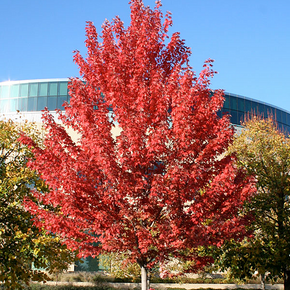
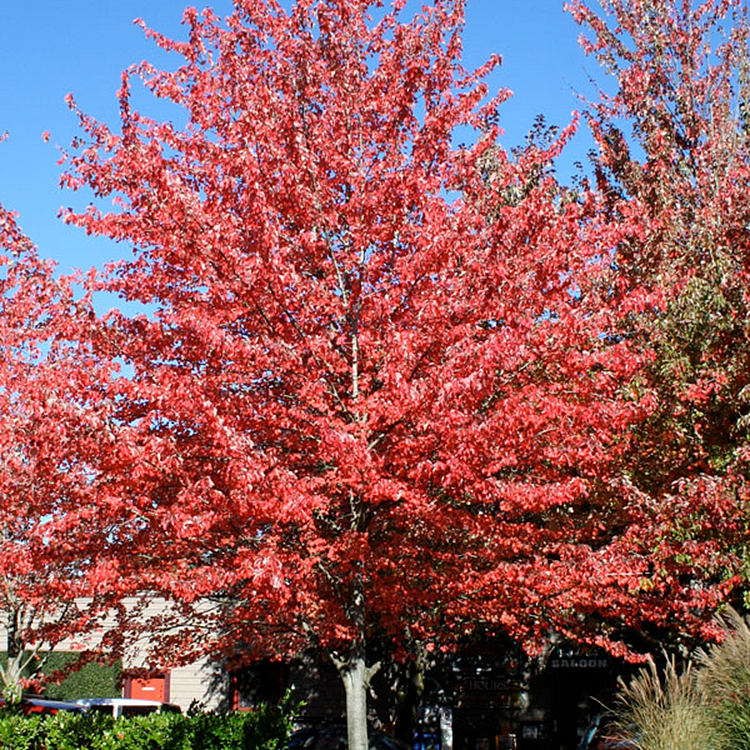
- Spectacular fall foliage show — glossy dark green summer leaves transform into brilliant shades of orange-red and deep red among the earliest and most reliable of any red maple selection
- Strong, symmetrical, upright-oval form with vigorous growth and a sturdy branching structure — a benchmark shade tree trusted by landscape professionals for decades
- Exceptionally adaptable and cold-hardy to USDA Zone 4, tolerating a wide range of soil types including clay, moist, and occasionally wet sites
- Outstanding multi-season interest with ornamental red flower clusters in late winter to early spring, attractive winged samaras, and dense summer shade canopy
Red Sunset Maple (Acer rubrum 'Franksred') is widely regarded as the gold standard among red maple cultivars — a title it has earned through decades of consistent, exceptional performance in landscapes across North America. This vigorous, deciduous shade tree develops a handsome upright-oval crown reaching approximately 45 feet tall and 35 feet wide at maturity, making it an ideal choice for spacious residential yards, parks, streetscapes, and large commercial properties. Through spring and summer, the canopy is blanketed in lustrous, dark green, palmately lobed foliage that provides dense, cooling shade. But it is autumn when Red Sunset Maple truly earns its name — the foliage ignites in brilliant shades of orange-red and deep red, consistently delivering one of the most vivid and reliable fall color displays of any deciduous tree. Even before fall arrives, the show begins in late winter when clusters of small, ornamental red flowers emerge on bare branches, providing an early nectar source for bees and other pollinators. Adaptable to a broad range of soil conditions — from moist loams to clay and periodically wet sites — and cold-hardy down to USDA Zone 4, Red Sunset Maple is an enduring landscape investment that rewards gardeners with year-round seasonal beauty and structural elegance.
Plant Description
Red Sunset Maple is a cultivated selection of the native red maple (Acer rubrum), carrying the patented cultivar name 'Franksred'. It is a deciduous shade tree prized above all for its consistency — both in growth habit and in the reliability of its spectacular fall color display. Unlike seedling-grown red maples, whose fall color can be unpredictable, Red Sunset Maple delivers outstanding orange-red to deep red autumn foliage season after season. The leaves are palmately lobed with 3 to 5 principal triangular lobes, medium to dark glossy green on the upper surface and pale to grayish beneath, measuring roughly 3 to 6 inches in length and width. The tree's overall form is a neat, upright-oval silhouette with strong, well-angled branching — a structural quality that sets it apart from less-uniform red maple seedlings. Small, fragrant red flowers appear in drooping clusters along the bare branches in late winter to early spring, well before the foliage emerges, followed by paired winged samaras (helicopter seeds) that ripen in spring. The bark is smooth and light gray on young trees, gradually becoming darker and developing narrow vertical ridges and plate-like scales as the tree ages.
Mature Size
| Attribute | Measurement |
|---|---|
| Mature Height | 40 to 45 feet |
| Mature Spread | 30 to 35 feet |
| Growth Rate | Fast; typically 1.5 to 2+ feet per year under good conditions |
| Canopy Form | Upright-oval to broadly rounded |
| Root System | Moderately shallow and spreading; avoid planting within 10 feet of sidewalks, driveways, or foundations |
Hardiness Zones
Red Sunset Maple is rated for USDA Plant Hardiness Zones 4 through 9, making it one of the most broadly adaptable shade trees available for temperate gardens. It thrives across a wide geographic range — from cold northern climates where winter temperatures can drop well below 0 degrees F, to the warmer conditions experienced throughout Southern Oregon and Northern California. In the Pacific Northwest and Northern California, its fast growth rate and dependable fall color make it a top performer for residential and commercial landscapes alike. For best fall color development, the tree benefits from regions with distinct temperature swings between warm days and cool nights in autumn — a characteristic common throughout the Siskiyou, Rogue Valley, and similar foothill and valley climates of the region.
Sunlight Requirements
Red Sunset Maple performs best in full sun, defined as 6 or more hours of direct sunlight per day. Adequate sunlight promotes the most vigorous growth, densest canopy, and most vivid fall foliage color. The tree is also tolerant of partial shade (2 to 6 hours of direct sun), though color intensity and overall growth rate may be somewhat reduced under lower light conditions. For planting sites in Southern Oregon and Northern California, a full-sun location with some afternoon protection from the most intense summer heat — such as eastern or northern exposure — can be beneficial for maintaining foliage quality during hot, dry summers.
Soil and pH Preferences
Red Sunset Maple is remarkably adaptable when it comes to soil. It grows well in a wide range of soil textures — including clay, loam, and sandy soils — though it develops most vigorously in moist, fertile, well-drained loamy soils with high organic content. It tolerates occasionally wet or seasonally flooded conditions, making it suitable for low-lying areas or sites with periodic standing water. The tree strongly prefers slightly acidic soil conditions and performs best at a pH between 4.5 and 6.5. In alkaline soils (pH above 7.0), it can develop manganese or iron chlorosis, which presents as yellowing leaves with green veins. If your soil tends toward alkalinity — as can occur in some valley and foothill locations — amending with sulfur or planting in a naturally acidic site will yield better long-term results. Avoid poorly drained, compacted, or chronically dry soils when possible.
Watering Guide
Consistent moisture is key to establishing Red Sunset Maple and maintaining its health and vigor throughout its life. Follow these general watering guidelines:
- At planting: Water thoroughly at the time of planting to settle the soil and eliminate air pockets around the root ball.
- First growing season: Water deeply 2 to 3 times per week during the first summer, especially during warm or dry spells. The goal is to keep the root zone consistently moist but not waterlogged.
- Established trees (years 2 and beyond): Once established, Red Sunset Maple is moderately drought tolerant but benefits from supplemental watering during prolonged dry periods, particularly in the hot, dry summers typical of Southern Oregon and Northern California.
- Deep watering method: Apply water slowly and deeply at the drip line of the canopy — not directly against the trunk — to encourage deep root development.
- Mulching: Maintain a 3- to 4-inch layer of organic mulch (wood chips, shredded bark) in a wide ring around the base of the tree, keeping mulch a few inches away from the trunk, to retain soil moisture and moderate soil temperature.
Fertilizing
Red Sunset Maple is a moderately heavy feeder that responds well to balanced fertilization, especially during its establishment years. A soil test is the best guide to determining specific nutrient needs, but the following general approach works well for most home landscapes:
- Apply a slow-release, balanced fertilizer (such as a 10-10-10 or similar formulation) in early spring before new growth begins, following package directions based on the tree's trunk diameter or canopy spread.
- Alternatively, a fertilizer formulated for acid-loving trees and shrubs — which typically provides iron and manganese in addition to nitrogen, phosphorus, and potassium — is an excellent choice, especially in soils that trend toward neutral or alkaline pH.
- Avoid fertilizing after mid-summer, as late-season growth can be more susceptible to frost damage in areas with early fall freezes.
- Well-established, mature trees growing in healthy soil often require little to no supplemental fertilizing. If leaf color is a deep, healthy green and growth is adequate, fertilizer may not be needed annually.
- Do not over-fertilize with high-nitrogen products, as this can promote excessive, weak growth and reduce fall color intensity.
Planting Instructions
- Choose the right location: Select a site with full sun, adequate space for the tree's mature canopy spread of 30 to 35 feet, and well away from underground utilities, building foundations, and hard surfaces.
- Dig the hole: Dig a hole 2 to 3 times wider than the root ball but no deeper than the root ball's height. The top of the root ball should sit at or slightly above the surrounding soil grade to allow for settling.
- Inspect and prepare the root ball: Remove any container, burlap, or wire basket materials. Gently loosen or score circling roots before planting.
- Backfill: Use the native soil removed from the hole to backfill. Amendments are generally not recommended for the backfill of large trees, as they can discourage roots from extending into the native soil.
- Water in thoroughly: Fill the hole halfway, water deeply to settle, then finish backfilling and water again.
- Mulch: Apply a 3- to 4-inch layer of organic mulch over the root zone in a ring extending to or beyond the drip line, keeping mulch away from direct contact with the trunk.
- Staking (if needed): Stake only if necessary for stability in windy locations. Use soft ties and remove stakes after the first growing season to avoid girdling.
- Best planting times: Fall or early spring are ideal in Southern Oregon and Northern California, when temperatures are mild and soil moisture is naturally higher.
Pruning and Maintenance
Red Sunset Maple requires relatively low maintenance once established, but benefits from periodic pruning to maintain its attractive form and long-term structural integrity.
- Best time to prune: Prune in late fall to early winter (after the tree is fully dormant) or in mid-summer. Avoid pruning in early spring when sap flow is high, as maple trees will "bleed" sap from fresh cuts during this period — this is not harmful to the tree but can be unsightly and messy.
- Remove dead, damaged, or crossing branches as needed at any time of year to maintain tree health and reduce the risk of disease entry.
- Young trees: In the first few years, selectively remove any competing leaders or narrow, weak branch angles to develop a single, strong central leader and well-spaced scaffold branches.
- Mature trees: Established Red Sunset Maples generally need only occasional crown cleaning to remove deadwood and improve air circulation through the canopy.
- Avoid heavy topping or severe pruning, which can weaken the tree's structure, leave large wounds susceptible to decay, and destroy the naturally attractive oval form that makes this tree so desirable.
- Clean and sterilize pruning tools between cuts, especially when removing diseased wood, to prevent spreading pathogens.
Seasonal Interest
| Season | Ornamental Features |
|---|---|
| Late Winter / Early Spring | Small clusters of ornamental red flowers appear on bare branches before foliage emerges, providing early color and an important early nectar source for pollinators |
| Spring | Fresh, bright green foliage unfurls; attractive paired red or pink winged samaras (helicopter seeds) ripen and disperse |
| Summer | Dense canopy of lustrous, dark glossy green leaves provides heavy shade and a clean, elegant silhouette |
| Fall | Among the earliest and most reliable red maples to turn color; foliage blazes in vivid shades of orange-red to deep scarlet, often one of the first trees to announce the fall season |
| Winter | Attractive branch structure and gray-furrowed bark provide visual interest; red buds visible on twigs add subtle winter color |
Landscape Uses
Red Sunset Maple is one of the most versatile and widely used shade trees in North American landscaping. Its strong form, reliable fall color, and adaptability make it suitable for a broad range of applications:
- Lawn and specimen tree: A stunning focal point when planted as a standalone specimen in a large lawn or open yard, where the full canopy and fall color can be fully appreciated.
- Street tree: Its strong branching structure and tolerance of urban conditions, including compacted soils and pollution, make it a popular street and boulevard tree.
- Shade tree: Ideal for shading patios, decks, play areas, and the south or west sides of homes to reduce cooling costs during warm summers.
- Park and municipal plantings: A reliable, long-lived choice for parks, campuses, and public spaces where low maintenance and seasonal beauty are priorities.
- Riparian and rain garden sites: Tolerates moist, periodically wet soils — well suited to sites near water features, retention areas, or seasonally wet low-lying areas.
- Buffer and screening: When planted in rows or groupings, the dense canopy can serve as a visual screen or windbreak.
- Note: Allow ample space from sidewalks and driveways, as the moderately shallow root system can eventually lift or crack nearby hard surfaces if planted too close.
Companion Plants
Red Sunset Maple pairs beautifully with plants that complement its seasonal display and thrive in similar moist, slightly acidic soil conditions. Consider the following companions for a cohesive and layered landscape design:
- Flowering understory trees: Serviceberry (Amelanchier spp.), Dogwood (Cornus florida or C. kousa), and Eastern Redbud (Cercis canadensis) offer spring flower interest at a lower canopy layer beneath the maple.
- Shrubs: Oakleaf Hydrangea (Hydrangea quercifolia), Fothergilla (Fothergilla spp.), and Blueberry (Vaccinium spp.) all thrive in acidic, moist soils and provide excellent fall color companions.
- Ornamental grasses: Maiden Grass (Miscanthus sinensis) and Switchgrass (Panicum virgatum) add texture and movement in the landscape, with their own attractive fall plumes and foliage tones echoing the maple's color palette.
- Perennials: Shade-tolerant perennials such as Astilbe, Hostas, and Ferns work well at the base of mature trees where the canopy casts dappled shade, though the dense surface root system of established maples may require extra soil preparation for underplanting.
- Bulbs: Spring-blooming bulbs such as daffodils and tulips can naturalize in the lawn around the tree's drip line, providing color before the maple leafs out fully.
Pests and Diseases
Red Sunset Maple is generally a robust, healthy tree when grown in appropriate conditions, but like all maples it can be susceptible to certain pests and diseases. Awareness and early intervention are the best defenses.
- Aphids: Small, soft-bodied insects that cluster on new growth and the undersides of leaves. They can cause leaf curling and produce sticky honeydew. Treat with a strong stream of water or insecticidal soap for minor infestations; natural predators such as ladybugs often control populations on their own.
- Scale insects: Armored or soft scales can colonize stems and branches, causing yellowing and decline. Dormant oil sprays in late winter are effective preventively.
- Borers (including maple callus borer and Columbian timber borer): These wood-boring insects target stressed or wounded trees. Maintaining tree health through proper watering and avoiding mechanical damage to the trunk are the best preventive measures.
- Leafhoppers and caterpillars: Occasional feeding damage may occur but rarely causes serious long-term harm to healthy trees.
- Verticillium wilt: A serious soil-borne fungal disease that invades the vascular system, causing wilting, branch dieback, and potentially tree death. There is no cure; remove and destroy affected wood. Plant in well-drained soil and avoid planting in sites with a history of this disease.
- Tar spot (fungal leaf spot): Causes distinctive black or brown spots on leaves in late summer. Primarily cosmetic and rarely causes serious harm; rake and dispose of fallen leaves in autumn to reduce spore load.
- Chlorosis: Yellowing leaves with green veins indicate a nutrient deficiency (typically iron or manganese) associated with alkaline soil. Correct by lowering soil pH or applying chelated micronutrient treatments.
- Canker diseases and root rots: Can occur in trees under stress or in sites with chronically poor drainage. Avoid overwatering, mechanical trunk damage, and planting in compacted or waterlogged soils.
- Toxicity note: Red maple foliage — particularly wilted or dried leaves — is toxic to horses and cattle. Avoid planting in pastures or areas accessible to these animals.
Wildlife Value
Red Sunset Maple is a valuable wildlife tree that supports a wide range of species throughout all four seasons:
- Pollinators: The early red flowers that bloom in late winter to early spring are among the first nectar and pollen sources available each year, providing a critical food resource for emerging bees and other early pollinators when little else is in bloom.
- Birds: The winged samaras (seeds) produced in spring are readily consumed by a variety of songbirds. Mature trees with their developing bark texture also provide nesting sites and foraging habitat for cavity-nesting birds such as woodpeckers.
- Small mammals: Gray squirrels and other small mammals feed on the buds and fruit of red maples, particularly in late winter and early spring when other food sources are scarce.
- Butterflies and moths: Red maple serves as a larval host plant for several moth species, including the striking Imperial Moth (Eacles imperialis). The dense canopy also provides protective cover for butterflies and other insects.
- Deer: Young sprouts and leaves are browsed by white-tailed deer, though established trees are generally resistant to serious deer damage due to their size and bark texture.
- Spectacular fall foliage show — glossy dark green summer leaves transform into brilliant shades of orange-red and deep red among the earliest and most reliable of any red maple selection
- Strong, symmetrical, upright-oval form with vigorous growth and a sturdy branching structure — a benchmark shade tree trusted by landscape professionals for decades
- Exceptionally adaptable and cold-hardy to USDA Zone 4, tolerating a wide range of soil types including clay, moist, and occasionally wet sites
- Outstanding multi-season interest with ornamental red flower clusters in late winter to early spring, attractive winged samaras, and dense summer shade canopy
Red Sunset Maple (Acer rubrum 'Franksred') is widely regarded as the gold standard among red maple cultivars — a title it has earned through decades of consistent, exceptional performance in landscapes across North America. This vigorous, deciduous shade tree develops a handsome upright-oval crown reaching approximately 45 feet tall and 35 feet wide at maturity, making it an ideal choice for spacious residential yards, parks, streetscapes, and large commercial properties. Through spring and summer, the canopy is blanketed in lustrous, dark green, palmately lobed foliage that provides dense, cooling shade. But it is autumn when Red Sunset Maple truly earns its name — the foliage ignites in brilliant shades of orange-red and deep red, consistently delivering one of the most vivid and reliable fall color displays of any deciduous tree. Even before fall arrives, the show begins in late winter when clusters of small, ornamental red flowers emerge on bare branches, providing an early nectar source for bees and other pollinators. Adaptable to a broad range of soil conditions — from moist loams to clay and periodically wet sites — and cold-hardy down to USDA Zone 4, Red Sunset Maple is an enduring landscape investment that rewards gardeners with year-round seasonal beauty and structural elegance.
Plant Description
Red Sunset Maple is a cultivated selection of the native red maple (Acer rubrum), carrying the patented cultivar name 'Franksred'. It is a deciduous shade tree prized above all for its consistency — both in growth habit and in the reliability of its spectacular fall color display. Unlike seedling-grown red maples, whose fall color can be unpredictable, Red Sunset Maple delivers outstanding orange-red to deep red autumn foliage season after season. The leaves are palmately lobed with 3 to 5 principal triangular lobes, medium to dark glossy green on the upper surface and pale to grayish beneath, measuring roughly 3 to 6 inches in length and width. The tree's overall form is a neat, upright-oval silhouette with strong, well-angled branching — a structural quality that sets it apart from less-uniform red maple seedlings. Small, fragrant red flowers appear in drooping clusters along the bare branches in late winter to early spring, well before the foliage emerges, followed by paired winged samaras (helicopter seeds) that ripen in spring. The bark is smooth and light gray on young trees, gradually becoming darker and developing narrow vertical ridges and plate-like scales as the tree ages.
Mature Size
| Attribute | Measurement |
|---|---|
| Mature Height | 40 to 45 feet |
| Mature Spread | 30 to 35 feet |
| Growth Rate | Fast; typically 1.5 to 2+ feet per year under good conditions |
| Canopy Form | Upright-oval to broadly rounded |
| Root System | Moderately shallow and spreading; avoid planting within 10 feet of sidewalks, driveways, or foundations |
Hardiness Zones
Red Sunset Maple is rated for USDA Plant Hardiness Zones 4 through 9, making it one of the most broadly adaptable shade trees available for temperate gardens. It thrives across a wide geographic range — from cold northern climates where winter temperatures can drop well below 0 degrees F, to the warmer conditions experienced throughout Southern Oregon and Northern California. In the Pacific Northwest and Northern California, its fast growth rate and dependable fall color make it a top performer for residential and commercial landscapes alike. For best fall color development, the tree benefits from regions with distinct temperature swings between warm days and cool nights in autumn — a characteristic common throughout the Siskiyou, Rogue Valley, and similar foothill and valley climates of the region.
Sunlight Requirements
Red Sunset Maple performs best in full sun, defined as 6 or more hours of direct sunlight per day. Adequate sunlight promotes the most vigorous growth, densest canopy, and most vivid fall foliage color. The tree is also tolerant of partial shade (2 to 6 hours of direct sun), though color intensity and overall growth rate may be somewhat reduced under lower light conditions. For planting sites in Southern Oregon and Northern California, a full-sun location with some afternoon protection from the most intense summer heat — such as eastern or northern exposure — can be beneficial for maintaining foliage quality during hot, dry summers.
Soil and pH Preferences
Red Sunset Maple is remarkably adaptable when it comes to soil. It grows well in a wide range of soil textures — including clay, loam, and sandy soils — though it develops most vigorously in moist, fertile, well-drained loamy soils with high organic content. It tolerates occasionally wet or seasonally flooded conditions, making it suitable for low-lying areas or sites with periodic standing water. The tree strongly prefers slightly acidic soil conditions and performs best at a pH between 4.5 and 6.5. In alkaline soils (pH above 7.0), it can develop manganese or iron chlorosis, which presents as yellowing leaves with green veins. If your soil tends toward alkalinity — as can occur in some valley and foothill locations — amending with sulfur or planting in a naturally acidic site will yield better long-term results. Avoid poorly drained, compacted, or chronically dry soils when possible.
Watering Guide
Consistent moisture is key to establishing Red Sunset Maple and maintaining its health and vigor throughout its life. Follow these general watering guidelines:
- At planting: Water thoroughly at the time of planting to settle the soil and eliminate air pockets around the root ball.
- First growing season: Water deeply 2 to 3 times per week during the first summer, especially during warm or dry spells. The goal is to keep the root zone consistently moist but not waterlogged.
- Established trees (years 2 and beyond): Once established, Red Sunset Maple is moderately drought tolerant but benefits from supplemental watering during prolonged dry periods, particularly in the hot, dry summers typical of Southern Oregon and Northern California.
- Deep watering method: Apply water slowly and deeply at the drip line of the canopy — not directly against the trunk — to encourage deep root development.
- Mulching: Maintain a 3- to 4-inch layer of organic mulch (wood chips, shredded bark) in a wide ring around the base of the tree, keeping mulch a few inches away from the trunk, to retain soil moisture and moderate soil temperature.
Fertilizing
Red Sunset Maple is a moderately heavy feeder that responds well to balanced fertilization, especially during its establishment years. A soil test is the best guide to determining specific nutrient needs, but the following general approach works well for most home landscapes:
- Apply a slow-release, balanced fertilizer (such as a 10-10-10 or similar formulation) in early spring before new growth begins, following package directions based on the tree's trunk diameter or canopy spread.
- Alternatively, a fertilizer formulated for acid-loving trees and shrubs — which typically provides iron and manganese in addition to nitrogen, phosphorus, and potassium — is an excellent choice, especially in soils that trend toward neutral or alkaline pH.
- Avoid fertilizing after mid-summer, as late-season growth can be more susceptible to frost damage in areas with early fall freezes.
- Well-established, mature trees growing in healthy soil often require little to no supplemental fertilizing. If leaf color is a deep, healthy green and growth is adequate, fertilizer may not be needed annually.
- Do not over-fertilize with high-nitrogen products, as this can promote excessive, weak growth and reduce fall color intensity.
Planting Instructions
- Choose the right location: Select a site with full sun, adequate space for the tree's mature canopy spread of 30 to 35 feet, and well away from underground utilities, building foundations, and hard surfaces.
- Dig the hole: Dig a hole 2 to 3 times wider than the root ball but no deeper than the root ball's height. The top of the root ball should sit at or slightly above the surrounding soil grade to allow for settling.
- Inspect and prepare the root ball: Remove any container, burlap, or wire basket materials. Gently loosen or score circling roots before planting.
- Backfill: Use the native soil removed from the hole to backfill. Amendments are generally not recommended for the backfill of large trees, as they can discourage roots from extending into the native soil.
- Water in thoroughly: Fill the hole halfway, water deeply to settle, then finish backfilling and water again.
- Mulch: Apply a 3- to 4-inch layer of organic mulch over the root zone in a ring extending to or beyond the drip line, keeping mulch away from direct contact with the trunk.
- Staking (if needed): Stake only if necessary for stability in windy locations. Use soft ties and remove stakes after the first growing season to avoid girdling.
- Best planting times: Fall or early spring are ideal in Southern Oregon and Northern California, when temperatures are mild and soil moisture is naturally higher.
Pruning and Maintenance
Red Sunset Maple requires relatively low maintenance once established, but benefits from periodic pruning to maintain its attractive form and long-term structural integrity.
- Best time to prune: Prune in late fall to early winter (after the tree is fully dormant) or in mid-summer. Avoid pruning in early spring when sap flow is high, as maple trees will "bleed" sap from fresh cuts during this period — this is not harmful to the tree but can be unsightly and messy.
- Remove dead, damaged, or crossing branches as needed at any time of year to maintain tree health and reduce the risk of disease entry.
- Young trees: In the first few years, selectively remove any competing leaders or narrow, weak branch angles to develop a single, strong central leader and well-spaced scaffold branches.
- Mature trees: Established Red Sunset Maples generally need only occasional crown cleaning to remove deadwood and improve air circulation through the canopy.
- Avoid heavy topping or severe pruning, which can weaken the tree's structure, leave large wounds susceptible to decay, and destroy the naturally attractive oval form that makes this tree so desirable.
- Clean and sterilize pruning tools between cuts, especially when removing diseased wood, to prevent spreading pathogens.
Seasonal Interest
| Season | Ornamental Features |
|---|---|
| Late Winter / Early Spring | Small clusters of ornamental red flowers appear on bare branches before foliage emerges, providing early color and an important early nectar source for pollinators |
| Spring | Fresh, bright green foliage unfurls; attractive paired red or pink winged samaras (helicopter seeds) ripen and disperse |
| Summer | Dense canopy of lustrous, dark glossy green leaves provides heavy shade and a clean, elegant silhouette |
| Fall | Among the earliest and most reliable red maples to turn color; foliage blazes in vivid shades of orange-red to deep scarlet, often one of the first trees to announce the fall season |
| Winter | Attractive branch structure and gray-furrowed bark provide visual interest; red buds visible on twigs add subtle winter color |
Landscape Uses
Red Sunset Maple is one of the most versatile and widely used shade trees in North American landscaping. Its strong form, reliable fall color, and adaptability make it suitable for a broad range of applications:
- Lawn and specimen tree: A stunning focal point when planted as a standalone specimen in a large lawn or open yard, where the full canopy and fall color can be fully appreciated.
- Street tree: Its strong branching structure and tolerance of urban conditions, including compacted soils and pollution, make it a popular street and boulevard tree.
- Shade tree: Ideal for shading patios, decks, play areas, and the south or west sides of homes to reduce cooling costs during warm summers.
- Park and municipal plantings: A reliable, long-lived choice for parks, campuses, and public spaces where low maintenance and seasonal beauty are priorities.
- Riparian and rain garden sites: Tolerates moist, periodically wet soils — well suited to sites near water features, retention areas, or seasonally wet low-lying areas.
- Buffer and screening: When planted in rows or groupings, the dense canopy can serve as a visual screen or windbreak.
- Note: Allow ample space from sidewalks and driveways, as the moderately shallow root system can eventually lift or crack nearby hard surfaces if planted too close.
Companion Plants
Red Sunset Maple pairs beautifully with plants that complement its seasonal display and thrive in similar moist, slightly acidic soil conditions. Consider the following companions for a cohesive and layered landscape design:
- Flowering understory trees: Serviceberry (Amelanchier spp.), Dogwood (Cornus florida or C. kousa), and Eastern Redbud (Cercis canadensis) offer spring flower interest at a lower canopy layer beneath the maple.
- Shrubs: Oakleaf Hydrangea (Hydrangea quercifolia), Fothergilla (Fothergilla spp.), and Blueberry (Vaccinium spp.) all thrive in acidic, moist soils and provide excellent fall color companions.
- Ornamental grasses: Maiden Grass (Miscanthus sinensis) and Switchgrass (Panicum virgatum) add texture and movement in the landscape, with their own attractive fall plumes and foliage tones echoing the maple's color palette.
- Perennials: Shade-tolerant perennials such as Astilbe, Hostas, and Ferns work well at the base of mature trees where the canopy casts dappled shade, though the dense surface root system of established maples may require extra soil preparation for underplanting.
- Bulbs: Spring-blooming bulbs such as daffodils and tulips can naturalize in the lawn around the tree's drip line, providing color before the maple leafs out fully.
Pests and Diseases
Red Sunset Maple is generally a robust, healthy tree when grown in appropriate conditions, but like all maples it can be susceptible to certain pests and diseases. Awareness and early intervention are the best defenses.
- Aphids: Small, soft-bodied insects that cluster on new growth and the undersides of leaves. They can cause leaf curling and produce sticky honeydew. Treat with a strong stream of water or insecticidal soap for minor infestations; natural predators such as ladybugs often control populations on their own.
- Scale insects: Armored or soft scales can colonize stems and branches, causing yellowing and decline. Dormant oil sprays in late winter are effective preventively.
- Borers (including maple callus borer and Columbian timber borer): These wood-boring insects target stressed or wounded trees. Maintaining tree health through proper watering and avoiding mechanical damage to the trunk are the best preventive measures.
- Leafhoppers and caterpillars: Occasional feeding damage may occur but rarely causes serious long-term harm to healthy trees.
- Verticillium wilt: A serious soil-borne fungal disease that invades the vascular system, causing wilting, branch dieback, and potentially tree death. There is no cure; remove and destroy affected wood. Plant in well-drained soil and avoid planting in sites with a history of this disease.
- Tar spot (fungal leaf spot): Causes distinctive black or brown spots on leaves in late summer. Primarily cosmetic and rarely causes serious harm; rake and dispose of fallen leaves in autumn to reduce spore load.
- Chlorosis: Yellowing leaves with green veins indicate a nutrient deficiency (typically iron or manganese) associated with alkaline soil. Correct by lowering soil pH or applying chelated micronutrient treatments.
- Canker diseases and root rots: Can occur in trees under stress or in sites with chronically poor drainage. Avoid overwatering, mechanical trunk damage, and planting in compacted or waterlogged soils.
- Toxicity note: Red maple foliage — particularly wilted or dried leaves — is toxic to horses and cattle. Avoid planting in pastures or areas accessible to these animals.
Wildlife Value
Red Sunset Maple is a valuable wildlife tree that supports a wide range of species throughout all four seasons:
- Pollinators: The early red flowers that bloom in late winter to early spring are among the first nectar and pollen sources available each year, providing a critical food resource for emerging bees and other early pollinators when little else is in bloom.
- Birds: The winged samaras (seeds) produced in spring are readily consumed by a variety of songbirds. Mature trees with their developing bark texture also provide nesting sites and foraging habitat for cavity-nesting birds such as woodpeckers.
- Small mammals: Gray squirrels and other small mammals feed on the buds and fruit of red maples, particularly in late winter and early spring when other food sources are scarce.
- Butterflies and moths: Red maple serves as a larval host plant for several moth species, including the striking Imperial Moth (Eacles imperialis). The dense canopy also provides protective cover for butterflies and other insects.
- Deer: Young sprouts and leaves are browsed by white-tailed deer, though established trees are generally resistant to serious deer damage due to their size and bark texture.