Zoom the image with the mouse
California Sunset Pomegranate - 5 Gallon
SKU:
1933395
UPC:
014949673751
$66.99
- Stunning creamy white blooms boldly striped with coral-red grace the fountain-like, arching branches from spring all the way through summer, delivering months of eye-catching color.
- A naturally tough, waterwise performer that is both deer resistant and rabbit resistant, making it an exceptional low-maintenance choice for warm, sunny landscapes.
- Highly versatile in the garden — grow it as a graceful multi-stemmed shrub, train it into a small patio tree, or espalier it against a wall for dramatic architectural interest.
- Thrives in hot, challenging conditions and suits Mediterranean, xeriscape, and courtyard garden styles with equal ease across USDA Zones 7 through 10.
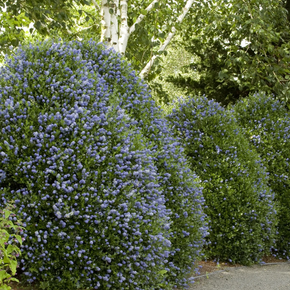
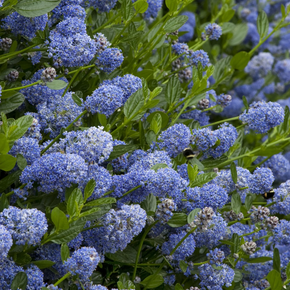
California Sunset Pomegranate (Punica granatum 'California Sunset') is a show-stopping ornamental shrub that brings the warmth and vibrancy of a Pacific sunset right into your garden. From late spring through summer, its graceful, fountain-like branches erupt in a profusion of large, crepe-paper-textured blooms that open creamy white and are dramatically streaked with vivid coral-red stripes — a color combination as unique as its name suggests. Unlike fruiting pomegranate varieties, California Sunset is grown purely for its exceptional ornamental beauty, allowing the plant to channel all of its energy into an extraordinary, season-long floral display. Moderate in its growth rate, it reaches a rounded form of about 10 feet tall and wide at maturity, offering bold structure to borders, courtyards, and mixed shrub beds. Its lustrous, dark green, lance-shaped foliage turns soft yellow in autumn before the plant goes dormant for winter, adding yet another season of interest to the landscape. Naturally drought tolerant once established, it excels in the hot, dry summers of Southern Oregon and Northern California, thriving in well-drained soils with full to partial sun. Resistant to browsing by deer and rabbits, California Sunset Pomegranate is the ideal choice for gardeners seeking a heat-loving, low-maintenance, multi-season focal point with unmistakable Mediterranean flair.
Plant Description
California Sunset Pomegranate is a deciduous, ornamental shrub belonging to the Lythraceae family. Its botanical name is Punica granatum 'California Sunset'. It features a distinctly upright, fountain-like branching habit with arching stems that give the plant an elegant, flowing silhouette. The blooms are the star attraction: large, ruffled, crepe-paper-textured flowers that display a striking combination of creamy white petals boldly striped with bright coral-red, creating an effect reminiscent of a warm California sunset. This variety is grown strictly as an ornamental and does not produce edible fruit, though it may form small decorative pomegranate-shaped structures that add interest into the fall season. The glossy, narrow green leaves emerge with a bronzy flush in spring and transition to a warm golden yellow in autumn before the plant drops its foliage for winter. The overall effect across all seasons — spring bronze, summer flowers, autumn gold — makes this a truly four-season garden asset.
Mature Size
| Characteristic | Detail |
|---|---|
| Mature Height | Approximately 10 feet |
| Mature Width | Approximately 10 feet |
| Growth Rate | Moderate |
| Habit | Upright, fountain-like, multi-stemmed, rounded |
| Years to Maturity | 3 to 5 years under optimal conditions |
Hardiness Zones
California Sunset Pomegranate is hardy in USDA Plant Hardiness Zones 7 through 10. This range covers a broad swath of the western United States, including virtually all of Southern Oregon and Northern California, where it performs exceptionally well in the long, hot, dry summers and mild winters typical of those regions. In Zone 7, plants may experience some dieback of top growth during unusually cold winters but will typically regenerate vigorously from the roots come spring. In Zones 8 through 10, it performs at its best, producing the most abundant and prolonged floral displays when heat accumulation is high. It is not recommended for regions where winter temperatures regularly drop below 0 degrees Fahrenheit for extended periods.
Sunlight Requirements
For the best floral performance and most vigorous growth, plant California Sunset Pomegranate in a location that receives full sun — defined as 6 or more hours of direct sunlight per day. It will also tolerate partial sun (4 to 6 hours of direct light), though blooming may be slightly reduced and growth somewhat less dense. In hotter inland climates, a site with morning sun and light afternoon shade can help prevent excessive leaf scorch, while still providing enough light energy for excellent flower production. Avoid deeply shaded locations, as insufficient light leads to sparse blooming, leggy growth, and reduced overall vigor.
Soil and pH Preferences
California Sunset Pomegranate is notably adaptable when it comes to soil. It performs well across a wide range of soil types — including sandy, loamy, and even heavy clay soils — as long as drainage is adequate. Consistently waterlogged or poorly drained soils are the primary concern, as prolonged root saturation can lead to root rot and general decline. In terms of soil pH, it thrives in a broad range from mildly acidic to mildly alkaline (approximately pH 5.5 to 8.0), making it well-suited to the variable soils found throughout Southern Oregon and Northern California. Amending heavy clay soils with coarse sand or grit prior to planting will significantly improve drainage and establishment success. A 2 to 3 inch layer of organic mulch around the root zone helps retain soil moisture, moderate temperature extremes, and gradually enrich the soil as it decomposes.
Watering Guide
During the first two to three growing seasons after planting, water deeply and regularly to help California Sunset Pomegranate establish an extensive root system. Deep, infrequent watering is far more effective than frequent shallow watering, as it encourages roots to grow downward and seek moisture at depth, building long-term drought resilience. A general guideline is to water when the top 2 inches of soil have dried out. Once fully established, the plant is moderately drought tolerant and requires significantly less supplemental irrigation, though some water during extended dry periods — particularly during the bloom season — will help sustain the best possible floral display. Avoid overhead watering on the foliage, especially in humid conditions, as wet leaves can encourage foliar fungal issues. Drip irrigation or soaker hoses at the root zone are ideal.
Fertilizing
Feed California Sunset Pomegranate once in early spring, just before new growth begins to emerge. A balanced, slow-release granular fertilizer — such as a 10-10-10 or similar formulation — applied according to the package rate for the shrub's size is appropriate. Avoid over-fertilizing, particularly with high-nitrogen products, as excessive nitrogen promotes lush leafy growth at the expense of flowers. A light top-dressing of well-aged compost worked lightly into the soil around the drip line each spring is an excellent supplement that improves soil structure and feeds beneficial microbial life. In subsequent growing seasons, established plants in good soil are quite self-sufficient and may only need one light annual feeding. Avoid fertilizing after midsummer, as late-season fertilization can stimulate tender new growth that may be damaged by early cold snaps.
Pruning and Maintenance
California Sunset Pomegranate benefits from an annual pruning session in late winter to early spring, before new growth begins. Key pruning goals include:
- Removing any dead, damaged, or crossing branches to improve air circulation and reduce disease pressure.
- Thinning out crowded interior growth to allow light to penetrate to the center of the shrub.
- Removing basal suckers that emerge from the base of the plant, which can divert energy from the main framework and alter the plant's shape.
- Shaping the overall silhouette to maintain the desirable fountain-like, arching habit.
Because pomegranates flower on the tips of the current season's new growth, avoid heavy midsummer pruning, which will remove developing flower buds and reduce the bloom display. Light tidying to remove spent flower clusters or stray branches is fine throughout the growing season. If training as a small single-trunk tree or espalier, begin formative pruning in the first two to three years, gradually selecting and developing the desired framework of primary branches.
Planting Instructions
- Choose a planting site with full to partial sun and well-drained soil. Avoid low-lying areas that collect standing water.
- Dig a planting hole two to three times wider than the root ball and approximately the same depth. This wide, shallow hole encourages lateral root development.
- Remove the plant from its container and gently loosen any circling or compacted roots at the outer edge of the root ball.
- Set the plant in the hole so the top of the root ball is level with or very slightly above the surrounding soil grade — never plant too deep.
- Backfill with the native soil, tamping lightly to eliminate air pockets. In very poor or compacted soils, blend in a modest amount of compost (no more than 25% of the backfill volume).
- Water thoroughly immediately after planting to settle the soil around the roots.
- Apply a 2 to 3 inch layer of organic mulch (wood chips, bark, or compost) over the root zone, keeping mulch a few inches away from the base of the trunk to prevent crown rot.
- For best spacing in a landscape bed, allow at least 8 to 10 feet between plants and structures to accommodate the mature 10-foot spread.
Bloom Time and Seasonal Interest
California Sunset Pomegranate delivers outstanding multi-season interest throughout the year:
- Spring: New foliage emerges with a warm bronze tint, offering a beautiful contrast to the awakening landscape. Flower buds begin to form at the tips of new growth.
- Late Spring through Summer: The primary bloom season begins. Large, ruffled, creamy white flowers with vivid coral-red stripes open in succession across the arching branches, creating a prolonged display that can last from late spring through late summer.
- Fall: The glossy green foliage transitions to warm shades of golden yellow before the plant goes fully dormant. Decorative pomegranate-shaped structures may persist on the branches, adding rustic textural interest.
- Winter: The plant is deciduous and loses its leaves, but the sculptural branching structure and attractive coppery-brown bark offer quiet winter garden interest, especially when planted against a wall or fence.
Landscape Uses and Design Ideas
California Sunset Pomegranate is remarkably versatile in the garden and suits a wide range of landscape applications:
- Courtyard or Patio Specimen: Its bold flowers and manageable size make it a standout focal point in enclosed outdoor living spaces.
- Mixed Shrub Border: Use it as a mid-border anchor plant alongside drought-tolerant perennials, ornamental grasses, and Mediterranean shrubs.
- Espalier: Train it flat against a sun-drenched wall or fence to create a dramatic architectural statement that saves space and shows off the flowers beautifully.
- Small Patio Tree: With selective pruning, it can be trained into a graceful single- or multi-trunk small tree ideal for framing an entrance or shading a seating area.
- Xeriscape and Waterwise Gardens: Once established, its drought tolerance makes it an excellent fit for low-water landscape designs.
- Mediterranean and Cottage Garden Styles: The warm flower colors and classic pomegranate form complement both formal and informal Mediterranean-inspired plantings.
- Containers: It can be grown in large containers on patios and decks, provided the pot is at least 18 to 24 inches wide and has excellent drainage.
Companion Plants
California Sunset Pomegranate pairs beautifully with other plants that share its love of heat, sun, and well-drained soil. Excellent companion plants include:
- Russian Sage (Perovskia atriplicifolia): Airy lavender-blue spikes provide a stunning color contrast to the coral and cream blooms.
- Rosemary (Salvia rosmarinus): A classic Mediterranean companion with similar water requirements and fragrant foliage.
- Lavender (Lavandula spp.): Shares the same sun and drainage preferences and creates a harmonious, fragrant planting.
- Ornamental Grasses (Pennisetum, Muhlenbergia): Feathery grass textures contrast beautifully with the bold pomegranate foliage and flowers.
- Agave or Aloe: Structural succulents add bold year-round form to complement the seasonal flowering shrub.
- Salvia (Salvia spp.): Long-blooming salvias in blue, purple, or red tones make excellent mid-border companions that extend the season of color.
- Crepe Myrtle (Lagerstroemia spp.): Shares the same heat tolerance and summer flowering season, creating a layered display of warm-toned blooms.
Pests and Diseases
California Sunset Pomegranate is generally robust and not prone to serious pest or disease problems under good growing conditions. However, gardeners in Southern Oregon and Northern California should be aware of the following:
- Aphids: Occasional aphid infestations may occur on new growth in spring. A strong jet of water or an application of insecticidal soap is usually sufficient to control them.
- Whiteflies: Can be problematic in warm, sheltered locations. Yellow sticky traps and insecticidal soap sprays are effective management tools.
- Scale Insects: Soft scales and other scale insects may colonize stems. Horticultural oil applied in late winter or early spring (before bud break) is an effective preventative treatment.
- Leaffooted Bug: A common pomegranate pest in California that feeds on developing fruit and plant tissue. Hand-picking and removal in small gardens is effective; insecticides may be needed in heavy infestations.
- Alternaria and Botrytis: Fungal issues can develop in wet, humid conditions. Ensure good air circulation through proper pruning and avoid overhead irrigation to minimize disease risk.
- Root Rot (Phytophthora): Caused by consistently waterlogged soils. Plant in well-drained soil and avoid overwatering to prevent this condition entirely.
Container Growing
California Sunset Pomegranate adapts well to life in a large container, making it an excellent choice for patio gardens, courtyards, and decks where in-ground planting is not possible. Follow these guidelines for success:
- Select a container at least 18 to 24 inches in diameter with multiple large drainage holes to prevent waterlogging.
- Use a high-quality, fast-draining potting mix. Blending standard potting soil with 20 to 25% perlite or coarse grit improves drainage and aeration around the roots.
- Position the container in the sunniest location available, ideally receiving 6 or more hours of direct sun per day.
- Container-grown plants dry out more quickly than in-ground plants and will need more frequent watering — check the top 2 inches of soil and water when dry.
- Feed container plants with a balanced slow-release fertilizer in early spring and again in early summer for sustained vigor.
- Repot every 2 to 3 years into a slightly larger container as the root ball fills the pot, or root prune and refresh the potting mix to rejuvenate the plant in the same container.
- In Zone 7 gardens, move containers to a protected location near a south-facing wall or into an unheated garage during the coldest winter months to protect the roots from freezing.
Wildlife Value
The vivid, nectar-rich flowers of California Sunset Pomegranate are a valuable resource for pollinators throughout the long summer blooming season. The tubular, cup-shaped flowers are particularly attractive to hummingbirds, which are drawn to the warm coral and orange tones and readily visit the blooms for nectar. Bees — including honeybees and native bumblebees — also actively forage on the flowers for both nectar and pollen, making this an excellent supporting plant for a pollinator-friendly garden. Butterflies may also visit the blooms. The dense, branching structure of the shrub provides shelter and potential nesting habitat for small songbirds. Its natural deer and rabbit resistance further adds to its practical value in wildlife-rich landscapes where browsing pressure from large mammals can be a persistent challenge for gardeners.
Historical and Cultural Lore
The pomegranate is one of humanity's oldest cultivated plants, with a rich and fascinating history stretching back more than 5,000 years. Native to the region spanning northeastern Turkey through Afghanistan and into the western Himalayas, the pomegranate spread throughout the ancient Mediterranean world and Middle East, becoming a profound cultural and religious symbol in dozens of civilizations. The botanical genus name Punica derives from "Punicum" — the Roman name for Carthage in North Africa — reflecting the fruit's strong association with that ancient civilization. The species name granatum comes from the Latin word for "seeded," a reference to the fruit's hundreds of jewel-like arils. Spanish missionaries introduced the pomegranate to the Americas in the late 16th century, and it arrived in California by 1769 with the founding of the mission system — making it a deeply rooted part of California's horticultural heritage. Across cultures, the pomegranate has symbolized fertility, abundance, prosperity, and eternal life. It appears prominently in ancient Greek mythology, Islamic art, Jewish religious tradition, and the art and architecture of the Byzantine Empire. Today, the pomegranate is celebrated globally not only for its cultural legacy but also for its extraordinary nutritional profile, including high levels of antioxidant polyphenols, Vitamins C and K, potassium, and folate.
- Stunning creamy white blooms boldly striped with coral-red grace the fountain-like, arching branches from spring all the way through summer, delivering months of eye-catching color.
- A naturally tough, waterwise performer that is both deer resistant and rabbit resistant, making it an exceptional low-maintenance choice for warm, sunny landscapes.
- Highly versatile in the garden — grow it as a graceful multi-stemmed shrub, train it into a small patio tree, or espalier it against a wall for dramatic architectural interest.
- Thrives in hot, challenging conditions and suits Mediterranean, xeriscape, and courtyard garden styles with equal ease across USDA Zones 7 through 10.
California Sunset Pomegranate (Punica granatum 'California Sunset') is a show-stopping ornamental shrub that brings the warmth and vibrancy of a Pacific sunset right into your garden. From late spring through summer, its graceful, fountain-like branches erupt in a profusion of large, crepe-paper-textured blooms that open creamy white and are dramatically streaked with vivid coral-red stripes — a color combination as unique as its name suggests. Unlike fruiting pomegranate varieties, California Sunset is grown purely for its exceptional ornamental beauty, allowing the plant to channel all of its energy into an extraordinary, season-long floral display. Moderate in its growth rate, it reaches a rounded form of about 10 feet tall and wide at maturity, offering bold structure to borders, courtyards, and mixed shrub beds. Its lustrous, dark green, lance-shaped foliage turns soft yellow in autumn before the plant goes dormant for winter, adding yet another season of interest to the landscape. Naturally drought tolerant once established, it excels in the hot, dry summers of Southern Oregon and Northern California, thriving in well-drained soils with full to partial sun. Resistant to browsing by deer and rabbits, California Sunset Pomegranate is the ideal choice for gardeners seeking a heat-loving, low-maintenance, multi-season focal point with unmistakable Mediterranean flair.
Plant Description
California Sunset Pomegranate is a deciduous, ornamental shrub belonging to the Lythraceae family. Its botanical name is Punica granatum 'California Sunset'. It features a distinctly upright, fountain-like branching habit with arching stems that give the plant an elegant, flowing silhouette. The blooms are the star attraction: large, ruffled, crepe-paper-textured flowers that display a striking combination of creamy white petals boldly striped with bright coral-red, creating an effect reminiscent of a warm California sunset. This variety is grown strictly as an ornamental and does not produce edible fruit, though it may form small decorative pomegranate-shaped structures that add interest into the fall season. The glossy, narrow green leaves emerge with a bronzy flush in spring and transition to a warm golden yellow in autumn before the plant drops its foliage for winter. The overall effect across all seasons — spring bronze, summer flowers, autumn gold — makes this a truly four-season garden asset.
Mature Size
| Characteristic | Detail |
|---|---|
| Mature Height | Approximately 10 feet |
| Mature Width | Approximately 10 feet |
| Growth Rate | Moderate |
| Habit | Upright, fountain-like, multi-stemmed, rounded |
| Years to Maturity | 3 to 5 years under optimal conditions |
Hardiness Zones
California Sunset Pomegranate is hardy in USDA Plant Hardiness Zones 7 through 10. This range covers a broad swath of the western United States, including virtually all of Southern Oregon and Northern California, where it performs exceptionally well in the long, hot, dry summers and mild winters typical of those regions. In Zone 7, plants may experience some dieback of top growth during unusually cold winters but will typically regenerate vigorously from the roots come spring. In Zones 8 through 10, it performs at its best, producing the most abundant and prolonged floral displays when heat accumulation is high. It is not recommended for regions where winter temperatures regularly drop below 0 degrees Fahrenheit for extended periods.
Sunlight Requirements
For the best floral performance and most vigorous growth, plant California Sunset Pomegranate in a location that receives full sun — defined as 6 or more hours of direct sunlight per day. It will also tolerate partial sun (4 to 6 hours of direct light), though blooming may be slightly reduced and growth somewhat less dense. In hotter inland climates, a site with morning sun and light afternoon shade can help prevent excessive leaf scorch, while still providing enough light energy for excellent flower production. Avoid deeply shaded locations, as insufficient light leads to sparse blooming, leggy growth, and reduced overall vigor.
Soil and pH Preferences
California Sunset Pomegranate is notably adaptable when it comes to soil. It performs well across a wide range of soil types — including sandy, loamy, and even heavy clay soils — as long as drainage is adequate. Consistently waterlogged or poorly drained soils are the primary concern, as prolonged root saturation can lead to root rot and general decline. In terms of soil pH, it thrives in a broad range from mildly acidic to mildly alkaline (approximately pH 5.5 to 8.0), making it well-suited to the variable soils found throughout Southern Oregon and Northern California. Amending heavy clay soils with coarse sand or grit prior to planting will significantly improve drainage and establishment success. A 2 to 3 inch layer of organic mulch around the root zone helps retain soil moisture, moderate temperature extremes, and gradually enrich the soil as it decomposes.
Watering Guide
During the first two to three growing seasons after planting, water deeply and regularly to help California Sunset Pomegranate establish an extensive root system. Deep, infrequent watering is far more effective than frequent shallow watering, as it encourages roots to grow downward and seek moisture at depth, building long-term drought resilience. A general guideline is to water when the top 2 inches of soil have dried out. Once fully established, the plant is moderately drought tolerant and requires significantly less supplemental irrigation, though some water during extended dry periods — particularly during the bloom season — will help sustain the best possible floral display. Avoid overhead watering on the foliage, especially in humid conditions, as wet leaves can encourage foliar fungal issues. Drip irrigation or soaker hoses at the root zone are ideal.
Fertilizing
Feed California Sunset Pomegranate once in early spring, just before new growth begins to emerge. A balanced, slow-release granular fertilizer — such as a 10-10-10 or similar formulation — applied according to the package rate for the shrub's size is appropriate. Avoid over-fertilizing, particularly with high-nitrogen products, as excessive nitrogen promotes lush leafy growth at the expense of flowers. A light top-dressing of well-aged compost worked lightly into the soil around the drip line each spring is an excellent supplement that improves soil structure and feeds beneficial microbial life. In subsequent growing seasons, established plants in good soil are quite self-sufficient and may only need one light annual feeding. Avoid fertilizing after midsummer, as late-season fertilization can stimulate tender new growth that may be damaged by early cold snaps.
Pruning and Maintenance
California Sunset Pomegranate benefits from an annual pruning session in late winter to early spring, before new growth begins. Key pruning goals include:
- Removing any dead, damaged, or crossing branches to improve air circulation and reduce disease pressure.
- Thinning out crowded interior growth to allow light to penetrate to the center of the shrub.
- Removing basal suckers that emerge from the base of the plant, which can divert energy from the main framework and alter the plant's shape.
- Shaping the overall silhouette to maintain the desirable fountain-like, arching habit.
Because pomegranates flower on the tips of the current season's new growth, avoid heavy midsummer pruning, which will remove developing flower buds and reduce the bloom display. Light tidying to remove spent flower clusters or stray branches is fine throughout the growing season. If training as a small single-trunk tree or espalier, begin formative pruning in the first two to three years, gradually selecting and developing the desired framework of primary branches.
Planting Instructions
- Choose a planting site with full to partial sun and well-drained soil. Avoid low-lying areas that collect standing water.
- Dig a planting hole two to three times wider than the root ball and approximately the same depth. This wide, shallow hole encourages lateral root development.
- Remove the plant from its container and gently loosen any circling or compacted roots at the outer edge of the root ball.
- Set the plant in the hole so the top of the root ball is level with or very slightly above the surrounding soil grade — never plant too deep.
- Backfill with the native soil, tamping lightly to eliminate air pockets. In very poor or compacted soils, blend in a modest amount of compost (no more than 25% of the backfill volume).
- Water thoroughly immediately after planting to settle the soil around the roots.
- Apply a 2 to 3 inch layer of organic mulch (wood chips, bark, or compost) over the root zone, keeping mulch a few inches away from the base of the trunk to prevent crown rot.
- For best spacing in a landscape bed, allow at least 8 to 10 feet between plants and structures to accommodate the mature 10-foot spread.
Bloom Time and Seasonal Interest
California Sunset Pomegranate delivers outstanding multi-season interest throughout the year:
- Spring: New foliage emerges with a warm bronze tint, offering a beautiful contrast to the awakening landscape. Flower buds begin to form at the tips of new growth.
- Late Spring through Summer: The primary bloom season begins. Large, ruffled, creamy white flowers with vivid coral-red stripes open in succession across the arching branches, creating a prolonged display that can last from late spring through late summer.
- Fall: The glossy green foliage transitions to warm shades of golden yellow before the plant goes fully dormant. Decorative pomegranate-shaped structures may persist on the branches, adding rustic textural interest.
- Winter: The plant is deciduous and loses its leaves, but the sculptural branching structure and attractive coppery-brown bark offer quiet winter garden interest, especially when planted against a wall or fence.
Landscape Uses and Design Ideas
California Sunset Pomegranate is remarkably versatile in the garden and suits a wide range of landscape applications:
- Courtyard or Patio Specimen: Its bold flowers and manageable size make it a standout focal point in enclosed outdoor living spaces.
- Mixed Shrub Border: Use it as a mid-border anchor plant alongside drought-tolerant perennials, ornamental grasses, and Mediterranean shrubs.
- Espalier: Train it flat against a sun-drenched wall or fence to create a dramatic architectural statement that saves space and shows off the flowers beautifully.
- Small Patio Tree: With selective pruning, it can be trained into a graceful single- or multi-trunk small tree ideal for framing an entrance or shading a seating area.
- Xeriscape and Waterwise Gardens: Once established, its drought tolerance makes it an excellent fit for low-water landscape designs.
- Mediterranean and Cottage Garden Styles: The warm flower colors and classic pomegranate form complement both formal and informal Mediterranean-inspired plantings.
- Containers: It can be grown in large containers on patios and decks, provided the pot is at least 18 to 24 inches wide and has excellent drainage.
Companion Plants
California Sunset Pomegranate pairs beautifully with other plants that share its love of heat, sun, and well-drained soil. Excellent companion plants include:
- Russian Sage (Perovskia atriplicifolia): Airy lavender-blue spikes provide a stunning color contrast to the coral and cream blooms.
- Rosemary (Salvia rosmarinus): A classic Mediterranean companion with similar water requirements and fragrant foliage.
- Lavender (Lavandula spp.): Shares the same sun and drainage preferences and creates a harmonious, fragrant planting.
- Ornamental Grasses (Pennisetum, Muhlenbergia): Feathery grass textures contrast beautifully with the bold pomegranate foliage and flowers.
- Agave or Aloe: Structural succulents add bold year-round form to complement the seasonal flowering shrub.
- Salvia (Salvia spp.): Long-blooming salvias in blue, purple, or red tones make excellent mid-border companions that extend the season of color.
- Crepe Myrtle (Lagerstroemia spp.): Shares the same heat tolerance and summer flowering season, creating a layered display of warm-toned blooms.
Pests and Diseases
California Sunset Pomegranate is generally robust and not prone to serious pest or disease problems under good growing conditions. However, gardeners in Southern Oregon and Northern California should be aware of the following:
- Aphids: Occasional aphid infestations may occur on new growth in spring. A strong jet of water or an application of insecticidal soap is usually sufficient to control them.
- Whiteflies: Can be problematic in warm, sheltered locations. Yellow sticky traps and insecticidal soap sprays are effective management tools.
- Scale Insects: Soft scales and other scale insects may colonize stems. Horticultural oil applied in late winter or early spring (before bud break) is an effective preventative treatment.
- Leaffooted Bug: A common pomegranate pest in California that feeds on developing fruit and plant tissue. Hand-picking and removal in small gardens is effective; insecticides may be needed in heavy infestations.
- Alternaria and Botrytis: Fungal issues can develop in wet, humid conditions. Ensure good air circulation through proper pruning and avoid overhead irrigation to minimize disease risk.
- Root Rot (Phytophthora): Caused by consistently waterlogged soils. Plant in well-drained soil and avoid overwatering to prevent this condition entirely.
Container Growing
California Sunset Pomegranate adapts well to life in a large container, making it an excellent choice for patio gardens, courtyards, and decks where in-ground planting is not possible. Follow these guidelines for success:
- Select a container at least 18 to 24 inches in diameter with multiple large drainage holes to prevent waterlogging.
- Use a high-quality, fast-draining potting mix. Blending standard potting soil with 20 to 25% perlite or coarse grit improves drainage and aeration around the roots.
- Position the container in the sunniest location available, ideally receiving 6 or more hours of direct sun per day.
- Container-grown plants dry out more quickly than in-ground plants and will need more frequent watering — check the top 2 inches of soil and water when dry.
- Feed container plants with a balanced slow-release fertilizer in early spring and again in early summer for sustained vigor.
- Repot every 2 to 3 years into a slightly larger container as the root ball fills the pot, or root prune and refresh the potting mix to rejuvenate the plant in the same container.
- In Zone 7 gardens, move containers to a protected location near a south-facing wall or into an unheated garage during the coldest winter months to protect the roots from freezing.
Wildlife Value
The vivid, nectar-rich flowers of California Sunset Pomegranate are a valuable resource for pollinators throughout the long summer blooming season. The tubular, cup-shaped flowers are particularly attractive to hummingbirds, which are drawn to the warm coral and orange tones and readily visit the blooms for nectar. Bees — including honeybees and native bumblebees — also actively forage on the flowers for both nectar and pollen, making this an excellent supporting plant for a pollinator-friendly garden. Butterflies may also visit the blooms. The dense, branching structure of the shrub provides shelter and potential nesting habitat for small songbirds. Its natural deer and rabbit resistance further adds to its practical value in wildlife-rich landscapes where browsing pressure from large mammals can be a persistent challenge for gardeners.
Historical and Cultural Lore
The pomegranate is one of humanity's oldest cultivated plants, with a rich and fascinating history stretching back more than 5,000 years. Native to the region spanning northeastern Turkey through Afghanistan and into the western Himalayas, the pomegranate spread throughout the ancient Mediterranean world and Middle East, becoming a profound cultural and religious symbol in dozens of civilizations. The botanical genus name Punica derives from "Punicum" — the Roman name for Carthage in North Africa — reflecting the fruit's strong association with that ancient civilization. The species name granatum comes from the Latin word for "seeded," a reference to the fruit's hundreds of jewel-like arils. Spanish missionaries introduced the pomegranate to the Americas in the late 16th century, and it arrived in California by 1769 with the founding of the mission system — making it a deeply rooted part of California's horticultural heritage. Across cultures, the pomegranate has symbolized fertility, abundance, prosperity, and eternal life. It appears prominently in ancient Greek mythology, Islamic art, Jewish religious tradition, and the art and architecture of the Byzantine Empire. Today, the pomegranate is celebrated globally not only for its cultural legacy but also for its extraordinary nutritional profile, including high levels of antioxidant polyphenols, Vitamins C and K, potassium, and folate.
Related Products