Zoom the image with the mouse
Zestful Lollipop Grape - 2 Gallon
SKU:
2060490
UPC:
014949429983
$39.99
- Vigorous, fast-growing deciduous vine producing large, abundant clusters of deep red, crisp, seedless grapes perfect for fresh eating or drying into raisins
- Self-fruitful variety — no second plant needed for pollination — making it an ideal choice for home edible gardens of any size
- Striking bold, deep green textured foliage transforms into a brilliant show of warm fall color before leaves drop for winter
- Thrives in the warm climates of Southern Oregon and Northern California, excelling on arbors, trellises, pergolas, and fences as a productive landscape focal point
Zestful Lollipop Grape (Vitis hybrid 'IFG Twenty-seven' PP #29,963) is a standout patented hybrid grape vine that delivers an exceptional combination of ornamental beauty and delicious, bountiful fruit in the home garden. This vigorous, fast-growing deciduous climber produces generous clusters of deep red, seedless table grapes in summer that are celebrated for their crisp texture and rich, sweet flavor — equally enjoyed fresh off the vine or dried into plump, homemade raisins. The boldly textured, deep green foliage drapes elegantly over arbors, pergolas, and trellises throughout the growing season before erupting into brilliant fall color, extending the vine's visual appeal well into autumn. Suited to USDA Hardiness Zones 7–9, Zestful Lollipop Grape is ideally matched to the warm, sun-drenched summers of Southern Oregon and Northern California, where it can be expected to perform at its very best. A self-fruitful variety, it requires no companion plant for pollination, making it a low-fuss yet high-reward addition to any sunny backyard, edible landscape, or food garden. Annual late-winter pruning keeps this vigorous grower in balance and ensures a consistently productive harvest year after year.
Plant Description
Zestful Lollipop Grape is a patented deciduous hybrid grape vine notable for both its ornamental qualities and its exceptional fruit production. The vine grows with remarkable vigor, producing stout, woody canes clothed in large, boldly textured, deep green leaves that create a dense, lush canopy. In summer, the vine bears full, generous clusters of deep red, seedless grapes with a satisfyingly crisp bite and intensely sweet, fruity flavor. The fruit is excellent eaten fresh at peak ripeness and dries beautifully into raisins. Come fall, the foliage shifts to spectacular warm tones before the vine enters dormancy, revealing an attractive architectural framework of canes ideal for winter garden interest. This vine is self-fruitful, meaning a single plant will set a full crop without requiring a pollination partner nearby.
Mature Size and Growth Habit
| Characteristic | Detail |
|---|---|
| Mature Height | 10 to 25 feet |
| Spread | 10 to 25 feet, width varies with support structure |
| Growth Habit | Spreading and climbing |
| Growth Rate | Fast |
| Plant Type | Deciduous vine |
The ultimate size of this vine is largely determined by the support structure it is trained on and by the frequency and severity of annual pruning. On a large pergola or arbor, mature vines can easily reach the upper end of the size range. With more disciplined pruning and a smaller trellis, growth can be kept more compact and manageable.
Hardiness Zones and Climate
Zestful Lollipop Grape is rated for USDA Hardiness Zones 7 through 9, making it an excellent fit for the warm, Mediterranean-influenced climates of Southern Oregon and Northern California. It is ideally suited to regions with long, hot summers that allow the deep red fruit to ripen fully and develop its characteristic sweetness. As a relatively new variety, its performance at the colder edges of Zone 7 is still being evaluated, so gardeners in areas with severe or unpredictable winters should provide some cold protection for young plants in their first season. In the warm valleys and foothills typical of the region, this vine is expected to thrive with minimal winter protection once established.
Sunlight Requirements
Zestful Lollipop Grape demands full sun for best performance. A minimum of 6 to 8 hours of direct sunlight per day is required for healthy vine growth, adequate flowering, and the full development of ripe, flavorful fruit. Sites that receive reflected heat from a south- or west-facing wall or fence are particularly favorable, as the additional warmth accelerates fruit ripening and improves overall sweetness. Insufficient sunlight will result in reduced fruit production, poorer fruit flavor, and increased susceptibility to fungal diseases due to poor air circulation and slow drying of the foliage.
Soil and pH Preferences
This grape thrives in well-draining, enriched, sandy or loamy soil. Good drainage is essential — the vine will not tolerate waterlogged or consistently soggy soil, which promotes root disease and can be fatal to established plants. The preferred soil pH range for optimum nutrient availability and vine health is 6.0 to 6.5, which is slightly acidic to near neutral. Before planting, it is beneficial to work organic matter such as compost into the planting area to improve soil structure, water retention, and nutrient content. In heavier clay soils, amending generously with compost and coarse sand will help create the drainage conditions this vine requires.
Watering Guide
Zestful Lollipop Grape has moderate water needs. During the first growing season after planting, water consistently and deeply to encourage establishment of a strong root system, targeting deep, infrequent irrigation rather than frequent shallow watering. Once established, the vine becomes relatively drought-tolerant between waterings but benefits from regular, deep irrigation during the critical fruit-development period in summer. Drip irrigation or soaker hoses at the root zone are preferred over overhead watering, which can promote foliar fungal diseases. Reduce irrigation in late summer as fruit approaches maturity to concentrate sugars and improve flavor. Avoid overwatering — allow the top few inches of soil to dry slightly between deep waterings.
Fertilizing
- Early Spring (before new growth begins): Apply a balanced, all-purpose granular fertilizer to the root zone to support healthy shoot and leaf development at bud break.
- Midsummer: Apply a second feeding with a balanced or slightly potassium-rich fertilizer to encourage strong fruit development and ripening.
- Avoid late-season feeding: Do not fertilize after midsummer, as excess nitrogen late in the season stimulates soft, frost-vulnerable new growth and can delay or diminish fruit ripening.
- Organic options: Compost mulched around the root zone in early spring provides a slow, steady nutrient release and improves soil health without the risk of over-fertilization.
- Newly planted vines: Use a starter fertilizer or root-stimulating formula at planting to encourage early root establishment.
Pruning and Maintenance
Annual pruning is essential for maintaining the health, shape, and productivity of Zestful Lollipop Grape. The goal of pruning is to balance vegetative growth with fruit production — vines that are not pruned regularly will produce excessive leafy growth at the expense of fruit quality and quantity.
- Timing: Prune in late winter or very early spring before new buds begin to swell and break. This is typically between January and early March in Southern Oregon and Northern California.
- Cane or spur pruning: Select strong, healthy one-year-old canes to retain for the upcoming season's fruiting. Remove weak, thin, or crossing canes entirely. Fruiting canes are those that grew the previous season.
- Young vine establishment (years 1-2): Focus on building the main framework of the vine. Remove flower clusters in the first two years to direct energy into root and structural development.
- Third year and beyond: Allow fruit production to increase gradually as the vine matures and becomes fully established on its support structure.
- Summer maintenance: Tuck or tie new shoots to the support structure as needed, and remove any shoots growing in undesirable directions to maintain good airflow through the canopy.
- Tools: Always use sharp, clean bypass pruners to make smooth cuts and minimize the risk of disease introduction.
Planting Instructions
- Choose a site with full sun exposure and excellent soil drainage. Avoid low-lying areas or spots where water pools after rain.
- Install your trellis, arbor, pergola, or wire support system before planting to avoid disturbing roots later.
- Dig a planting hole approximately twice as wide as the root ball and at the same depth. In heavier soils, mix in generous amounts of compost to improve drainage and fertility.
- Remove the plant carefully from its container and gently loosen any circling roots before placing it in the hole.
- Set the vine so the top of the root ball sits level with or slightly above the surrounding soil surface.
- Backfill with the amended native soil, gently firming as you go to eliminate air pockets.
- Water thoroughly immediately after planting to settle the soil and hydrate the roots.
- Apply a 2 to 3 inch layer of organic mulch — such as wood chips or composted bark — around the base of the vine, keeping it a few inches away from the main stem to prevent rot.
- Loosely tie the main stem to the support structure to begin guiding its initial growth direction.
- Plant in early spring for best establishment results in the Southern Oregon and Northern California climate.
Trellis and Support
Because Zestful Lollipop Grape is a vigorous climbing vine capable of reaching 10 to 25 feet, a strong and durable support structure is non-negotiable. Install the support before planting to avoid disrupting the root system later. Suitable options include:
- Wooden or metal arbor: Provides an attractive garden focal point and allows the vine to spread naturally overhead, creating shaded seating areas beneath.
- Pergola: Ideal for larger spaces and offers ample room for the vine to reach its mature spread while framing outdoor living areas.
- Horizontal wire trellis: Attach heavy-gauge galvanized wire horizontally between sturdy posts or along a south-facing fence or wall, spacing wires about 12 to 18 inches apart vertically.
- Fan trellis: Works well against walls and fences, allowing the vine to be trained into an attractive fan shape that maximizes sun exposure to the fruiting canes.
Tie new shoots loosely to the support using soft garden twine or flexible vine ties, and re-train as needed during the growing season to maintain good canopy structure and airflow.
Seasonal Interest and Harvest
| Season | What to Expect |
|---|---|
| Spring | New shoots and leaves emerge rapidly, unfurling from dormant buds. Small flower clusters develop, eventually setting fruit with minimal intervention needed for this self-fruitful variety. |
| Summer | Deep green, boldly textured foliage matures into a lush canopy. Large clusters of deep red, seedless grapes ripen to crisp, sweet perfection for fresh eating or drying. |
| Fall | Foliage transitions to warm, spectacular fall colors before leaf drop. Any remaining fruit can be harvested and dried into raisins. |
| Winter | Vine is fully dormant. The architectural cane structure adds winter texture to the garden and this is the ideal season for annual pruning. |
Harvest grapes when they have fully deepened to a rich red color and taste sweet and crisp. Taste-test individual berries rather than relying solely on color, as full sugar development requires adequate ripening time on the vine.
Landscape Uses
- Trained over an arbor or pergola to create a shaded, fruit-producing outdoor living canopy
- Grown along a south- or west-facing fence or wall for a productive and ornamental edible screen
- Planted as a dramatic vertical accent in an edible or mixed garden landscape
- Used to provide seasonal shade to a patio, deck, or seating area when trained overhead
- Incorporated into a kitchen garden or food forest alongside other fruiting plants for a diverse, multi-harvest edible landscape
- Grown along a property boundary for a living privacy screen with seasonal interest from foliage, fruit, and fall color
Wildlife Value
Zestful Lollipop Grape offers meaningful wildlife benefits in the home garden. The ripening fruit is highly attractive to birds, including robins, cedar waxwings, orioles, and mockingbirds, making it a natural draw for birdwatchers. The dense, leafy canopy provides nesting cover and shelter for a variety of backyard birds throughout the growing season. The vine's flowers, though small, attract beneficial pollinators including bees, which will visit the flower clusters in spring. Gardeners wishing to maximize their personal harvest should consider netting individual clusters as they approach ripeness, while leaving a few clusters accessible to visiting wildlife for a shared harvest approach.
Companion Plants
Choosing the right companion plants around Zestful Lollipop Grape can enhance its productivity, visual appeal, and overall garden ecosystem. Excellent companions include:
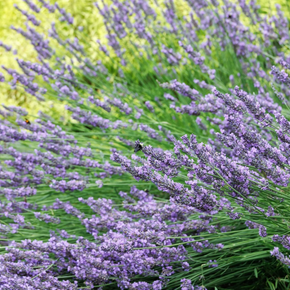
- Lavender (Lavandula spp.): Planted at the base of the vine's support, lavender repels certain pests, attracts beneficial pollinators, and thrives in the same well-drained, sunny conditions.
- Rosemary (Salvia rosmarinus): A drought-tolerant herb that pairs beautifully in sunny, well-drained edible garden beds and may help deter certain insect pests.
- Ornamental onions (Allium spp.): Known to help deter aphids and other soft-bodied pests that can trouble grapevines when planted nearby.
- Raspberries and blackberries: Other fruiting vines and canes that share similar sun, soil, and water requirements, creating a cohesive edible garden with sequential harvests throughout summer.
- Comfrey (Symphytum officinale): A deep-rooted dynamic accumulator that draws nutrients up from the subsoil and can be cut and used as a nutrient-rich mulch around the grape's root zone.
- Native ornamental grasses: Planted at the feet of the trellis to add textural contrast and movement without competing significantly for resources.
Pests and Diseases
Zestful Lollipop Grape is a vigorous grower, but like all grapevines, it benefits from attentive monitoring and good cultural practices to stay healthy. Common issues to watch for include:
- Powdery mildew: A fungal disease appearing as a white, powdery coating on leaves and young shoots. Prevent with good airflow through the canopy by regular pruning, and avoid overhead irrigation. Treat with horticultural oil or sulfur-based fungicides at the first sign of infection.
- Botrytis (gray mold): A fungal rot that targets dense grape clusters in humid conditions. Thin clusters if they appear overcrowded, and ensure the canopy is well pruned for airflow.
- Aphids: Can cluster on young shoot tips in spring. Knock off with a strong stream of water, or treat with insecticidal soap if populations become problematic.
- Grape leafhoppers: Tiny insects that cause stippling damage on leaves. Encourage natural predator populations and treat with insecticidal soap if damage is significant.
- Spider mites: More prevalent during hot, dry summers. Maintain adequate moisture and treat with miticide or insecticidal soap as needed.
- Birds: As harvest approaches, birds may strip clusters quickly. Draping clusters or the vine with bird netting is the most effective deterrent.
The best overall defense is maintaining good cultural practices: full sun siting, excellent soil drainage, consistent pruning for airflow, and avoiding excessive nitrogen fertilization that promotes dense, pest-prone growth.
Container Growing
While Zestful Lollipop Grape is most commonly grown in the ground, it can be cultivated in a large container when garden space is limited. To grow successfully in a container:
- Choose the largest pot available — at minimum 24 to 30 inches in diameter and depth — to accommodate the vigorous root system.
- Use a high-quality, well-draining potting mix blended with coarse perlite or pumice to ensure excellent drainage.
- Provide a sturdy trellis or support structure within or immediately adjacent to the container from the start.
- Water more frequently than in-ground plants, as containers dry out faster, especially during hot Southern Oregon and Northern California summers.
- Fertilize regularly throughout the growing season with a balanced liquid fertilizer, as nutrients leach more quickly from containers with regular irrigation.
- Repot every two to three years into a slightly larger container to refresh the growing medium and give the expanding root system more room.
- Apply aggressive annual pruning to keep the vine's size proportionate to the container and manageable in a smaller space.
- Vigorous, fast-growing deciduous vine producing large, abundant clusters of deep red, crisp, seedless grapes perfect for fresh eating or drying into raisins
- Self-fruitful variety — no second plant needed for pollination — making it an ideal choice for home edible gardens of any size
- Striking bold, deep green textured foliage transforms into a brilliant show of warm fall color before leaves drop for winter
- Thrives in the warm climates of Southern Oregon and Northern California, excelling on arbors, trellises, pergolas, and fences as a productive landscape focal point
Zestful Lollipop Grape (Vitis hybrid 'IFG Twenty-seven' PP #29,963) is a standout patented hybrid grape vine that delivers an exceptional combination of ornamental beauty and delicious, bountiful fruit in the home garden. This vigorous, fast-growing deciduous climber produces generous clusters of deep red, seedless table grapes in summer that are celebrated for their crisp texture and rich, sweet flavor — equally enjoyed fresh off the vine or dried into plump, homemade raisins. The boldly textured, deep green foliage drapes elegantly over arbors, pergolas, and trellises throughout the growing season before erupting into brilliant fall color, extending the vine's visual appeal well into autumn. Suited to USDA Hardiness Zones 7–9, Zestful Lollipop Grape is ideally matched to the warm, sun-drenched summers of Southern Oregon and Northern California, where it can be expected to perform at its very best. A self-fruitful variety, it requires no companion plant for pollination, making it a low-fuss yet high-reward addition to any sunny backyard, edible landscape, or food garden. Annual late-winter pruning keeps this vigorous grower in balance and ensures a consistently productive harvest year after year.
Plant Description
Zestful Lollipop Grape is a patented deciduous hybrid grape vine notable for both its ornamental qualities and its exceptional fruit production. The vine grows with remarkable vigor, producing stout, woody canes clothed in large, boldly textured, deep green leaves that create a dense, lush canopy. In summer, the vine bears full, generous clusters of deep red, seedless grapes with a satisfyingly crisp bite and intensely sweet, fruity flavor. The fruit is excellent eaten fresh at peak ripeness and dries beautifully into raisins. Come fall, the foliage shifts to spectacular warm tones before the vine enters dormancy, revealing an attractive architectural framework of canes ideal for winter garden interest. This vine is self-fruitful, meaning a single plant will set a full crop without requiring a pollination partner nearby.
Mature Size and Growth Habit
| Characteristic | Detail |
|---|---|
| Mature Height | 10 to 25 feet |
| Spread | 10 to 25 feet, width varies with support structure |
| Growth Habit | Spreading and climbing |
| Growth Rate | Fast |
| Plant Type | Deciduous vine |
The ultimate size of this vine is largely determined by the support structure it is trained on and by the frequency and severity of annual pruning. On a large pergola or arbor, mature vines can easily reach the upper end of the size range. With more disciplined pruning and a smaller trellis, growth can be kept more compact and manageable.
Hardiness Zones and Climate
Zestful Lollipop Grape is rated for USDA Hardiness Zones 7 through 9, making it an excellent fit for the warm, Mediterranean-influenced climates of Southern Oregon and Northern California. It is ideally suited to regions with long, hot summers that allow the deep red fruit to ripen fully and develop its characteristic sweetness. As a relatively new variety, its performance at the colder edges of Zone 7 is still being evaluated, so gardeners in areas with severe or unpredictable winters should provide some cold protection for young plants in their first season. In the warm valleys and foothills typical of the region, this vine is expected to thrive with minimal winter protection once established.
Sunlight Requirements
Zestful Lollipop Grape demands full sun for best performance. A minimum of 6 to 8 hours of direct sunlight per day is required for healthy vine growth, adequate flowering, and the full development of ripe, flavorful fruit. Sites that receive reflected heat from a south- or west-facing wall or fence are particularly favorable, as the additional warmth accelerates fruit ripening and improves overall sweetness. Insufficient sunlight will result in reduced fruit production, poorer fruit flavor, and increased susceptibility to fungal diseases due to poor air circulation and slow drying of the foliage.
Soil and pH Preferences
This grape thrives in well-draining, enriched, sandy or loamy soil. Good drainage is essential — the vine will not tolerate waterlogged or consistently soggy soil, which promotes root disease and can be fatal to established plants. The preferred soil pH range for optimum nutrient availability and vine health is 6.0 to 6.5, which is slightly acidic to near neutral. Before planting, it is beneficial to work organic matter such as compost into the planting area to improve soil structure, water retention, and nutrient content. In heavier clay soils, amending generously with compost and coarse sand will help create the drainage conditions this vine requires.
Watering Guide
Zestful Lollipop Grape has moderate water needs. During the first growing season after planting, water consistently and deeply to encourage establishment of a strong root system, targeting deep, infrequent irrigation rather than frequent shallow watering. Once established, the vine becomes relatively drought-tolerant between waterings but benefits from regular, deep irrigation during the critical fruit-development period in summer. Drip irrigation or soaker hoses at the root zone are preferred over overhead watering, which can promote foliar fungal diseases. Reduce irrigation in late summer as fruit approaches maturity to concentrate sugars and improve flavor. Avoid overwatering — allow the top few inches of soil to dry slightly between deep waterings.
Fertilizing
- Early Spring (before new growth begins): Apply a balanced, all-purpose granular fertilizer to the root zone to support healthy shoot and leaf development at bud break.
- Midsummer: Apply a second feeding with a balanced or slightly potassium-rich fertilizer to encourage strong fruit development and ripening.
- Avoid late-season feeding: Do not fertilize after midsummer, as excess nitrogen late in the season stimulates soft, frost-vulnerable new growth and can delay or diminish fruit ripening.
- Organic options: Compost mulched around the root zone in early spring provides a slow, steady nutrient release and improves soil health without the risk of over-fertilization.
- Newly planted vines: Use a starter fertilizer or root-stimulating formula at planting to encourage early root establishment.
Pruning and Maintenance
Annual pruning is essential for maintaining the health, shape, and productivity of Zestful Lollipop Grape. The goal of pruning is to balance vegetative growth with fruit production — vines that are not pruned regularly will produce excessive leafy growth at the expense of fruit quality and quantity.
- Timing: Prune in late winter or very early spring before new buds begin to swell and break. This is typically between January and early March in Southern Oregon and Northern California.
- Cane or spur pruning: Select strong, healthy one-year-old canes to retain for the upcoming season's fruiting. Remove weak, thin, or crossing canes entirely. Fruiting canes are those that grew the previous season.
- Young vine establishment (years 1-2): Focus on building the main framework of the vine. Remove flower clusters in the first two years to direct energy into root and structural development.
- Third year and beyond: Allow fruit production to increase gradually as the vine matures and becomes fully established on its support structure.
- Summer maintenance: Tuck or tie new shoots to the support structure as needed, and remove any shoots growing in undesirable directions to maintain good airflow through the canopy.
- Tools: Always use sharp, clean bypass pruners to make smooth cuts and minimize the risk of disease introduction.
Planting Instructions
- Choose a site with full sun exposure and excellent soil drainage. Avoid low-lying areas or spots where water pools after rain.
- Install your trellis, arbor, pergola, or wire support system before planting to avoid disturbing roots later.
- Dig a planting hole approximately twice as wide as the root ball and at the same depth. In heavier soils, mix in generous amounts of compost to improve drainage and fertility.
- Remove the plant carefully from its container and gently loosen any circling roots before placing it in the hole.
- Set the vine so the top of the root ball sits level with or slightly above the surrounding soil surface.
- Backfill with the amended native soil, gently firming as you go to eliminate air pockets.
- Water thoroughly immediately after planting to settle the soil and hydrate the roots.
- Apply a 2 to 3 inch layer of organic mulch — such as wood chips or composted bark — around the base of the vine, keeping it a few inches away from the main stem to prevent rot.
- Loosely tie the main stem to the support structure to begin guiding its initial growth direction.
- Plant in early spring for best establishment results in the Southern Oregon and Northern California climate.
Trellis and Support
Because Zestful Lollipop Grape is a vigorous climbing vine capable of reaching 10 to 25 feet, a strong and durable support structure is non-negotiable. Install the support before planting to avoid disrupting the root system later. Suitable options include:
- Wooden or metal arbor: Provides an attractive garden focal point and allows the vine to spread naturally overhead, creating shaded seating areas beneath.
- Pergola: Ideal for larger spaces and offers ample room for the vine to reach its mature spread while framing outdoor living areas.
- Horizontal wire trellis: Attach heavy-gauge galvanized wire horizontally between sturdy posts or along a south-facing fence or wall, spacing wires about 12 to 18 inches apart vertically.
- Fan trellis: Works well against walls and fences, allowing the vine to be trained into an attractive fan shape that maximizes sun exposure to the fruiting canes.
Tie new shoots loosely to the support using soft garden twine or flexible vine ties, and re-train as needed during the growing season to maintain good canopy structure and airflow.
Seasonal Interest and Harvest
| Season | What to Expect |
|---|---|
| Spring | New shoots and leaves emerge rapidly, unfurling from dormant buds. Small flower clusters develop, eventually setting fruit with minimal intervention needed for this self-fruitful variety. |
| Summer | Deep green, boldly textured foliage matures into a lush canopy. Large clusters of deep red, seedless grapes ripen to crisp, sweet perfection for fresh eating or drying. |
| Fall | Foliage transitions to warm, spectacular fall colors before leaf drop. Any remaining fruit can be harvested and dried into raisins. |
| Winter | Vine is fully dormant. The architectural cane structure adds winter texture to the garden and this is the ideal season for annual pruning. |
Harvest grapes when they have fully deepened to a rich red color and taste sweet and crisp. Taste-test individual berries rather than relying solely on color, as full sugar development requires adequate ripening time on the vine.
Landscape Uses
- Trained over an arbor or pergola to create a shaded, fruit-producing outdoor living canopy
- Grown along a south- or west-facing fence or wall for a productive and ornamental edible screen
- Planted as a dramatic vertical accent in an edible or mixed garden landscape
- Used to provide seasonal shade to a patio, deck, or seating area when trained overhead
- Incorporated into a kitchen garden or food forest alongside other fruiting plants for a diverse, multi-harvest edible landscape
- Grown along a property boundary for a living privacy screen with seasonal interest from foliage, fruit, and fall color
Wildlife Value
Zestful Lollipop Grape offers meaningful wildlife benefits in the home garden. The ripening fruit is highly attractive to birds, including robins, cedar waxwings, orioles, and mockingbirds, making it a natural draw for birdwatchers. The dense, leafy canopy provides nesting cover and shelter for a variety of backyard birds throughout the growing season. The vine's flowers, though small, attract beneficial pollinators including bees, which will visit the flower clusters in spring. Gardeners wishing to maximize their personal harvest should consider netting individual clusters as they approach ripeness, while leaving a few clusters accessible to visiting wildlife for a shared harvest approach.
Companion Plants
Choosing the right companion plants around Zestful Lollipop Grape can enhance its productivity, visual appeal, and overall garden ecosystem. Excellent companions include:
- Lavender (Lavandula spp.): Planted at the base of the vine's support, lavender repels certain pests, attracts beneficial pollinators, and thrives in the same well-drained, sunny conditions.
- Rosemary (Salvia rosmarinus): A drought-tolerant herb that pairs beautifully in sunny, well-drained edible garden beds and may help deter certain insect pests.
- Ornamental onions (Allium spp.): Known to help deter aphids and other soft-bodied pests that can trouble grapevines when planted nearby.
- Raspberries and blackberries: Other fruiting vines and canes that share similar sun, soil, and water requirements, creating a cohesive edible garden with sequential harvests throughout summer.
- Comfrey (Symphytum officinale): A deep-rooted dynamic accumulator that draws nutrients up from the subsoil and can be cut and used as a nutrient-rich mulch around the grape's root zone.
- Native ornamental grasses: Planted at the feet of the trellis to add textural contrast and movement without competing significantly for resources.
Pests and Diseases
Zestful Lollipop Grape is a vigorous grower, but like all grapevines, it benefits from attentive monitoring and good cultural practices to stay healthy. Common issues to watch for include:
- Powdery mildew: A fungal disease appearing as a white, powdery coating on leaves and young shoots. Prevent with good airflow through the canopy by regular pruning, and avoid overhead irrigation. Treat with horticultural oil or sulfur-based fungicides at the first sign of infection.
- Botrytis (gray mold): A fungal rot that targets dense grape clusters in humid conditions. Thin clusters if they appear overcrowded, and ensure the canopy is well pruned for airflow.
- Aphids: Can cluster on young shoot tips in spring. Knock off with a strong stream of water, or treat with insecticidal soap if populations become problematic.
- Grape leafhoppers: Tiny insects that cause stippling damage on leaves. Encourage natural predator populations and treat with insecticidal soap if damage is significant.
- Spider mites: More prevalent during hot, dry summers. Maintain adequate moisture and treat with miticide or insecticidal soap as needed.
- Birds: As harvest approaches, birds may strip clusters quickly. Draping clusters or the vine with bird netting is the most effective deterrent.
The best overall defense is maintaining good cultural practices: full sun siting, excellent soil drainage, consistent pruning for airflow, and avoiding excessive nitrogen fertilization that promotes dense, pest-prone growth.
Container Growing
While Zestful Lollipop Grape is most commonly grown in the ground, it can be cultivated in a large container when garden space is limited. To grow successfully in a container:
- Choose the largest pot available — at minimum 24 to 30 inches in diameter and depth — to accommodate the vigorous root system.
- Use a high-quality, well-draining potting mix blended with coarse perlite or pumice to ensure excellent drainage.
- Provide a sturdy trellis or support structure within or immediately adjacent to the container from the start.
- Water more frequently than in-ground plants, as containers dry out faster, especially during hot Southern Oregon and Northern California summers.
- Fertilize regularly throughout the growing season with a balanced liquid fertilizer, as nutrients leach more quickly from containers with regular irrigation.
- Repot every two to three years into a slightly larger container to refresh the growing medium and give the expanding root system more room.
- Apply aggressive annual pruning to keep the vine's size proportionate to the container and manageable in a smaller space.
Related Products