

Zoom the image with the mouse
Lollipop Verbena - 1 Gallon
SKU:
2098955
UPC:
014949461426
$13.99
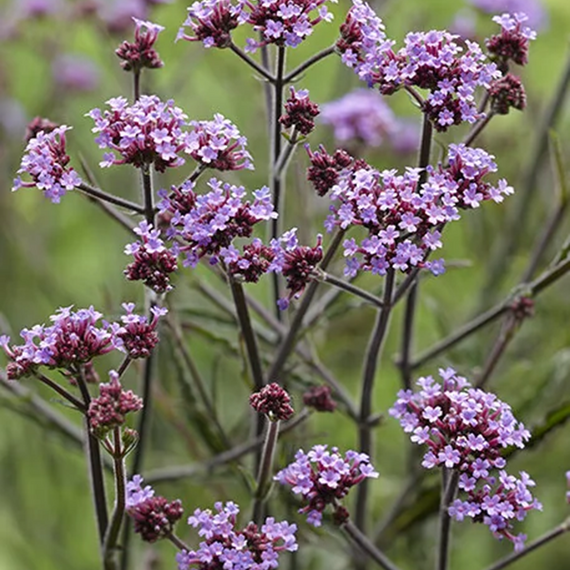
- Dense, globe-shaped clusters of lavender-violet flowers bloom continuously from early summer through the first frost, providing months of vibrant color in the garden.
- Compact dwarf habit reaching just 1-2 feet tall and wide makes it a perfect front-of-border accent, pollinator garden staple, or stunning container specimen.
- A magnet for butterflies, bees, and hummingbirds, yet reliably resistant to deer and rabbits - beautiful wildlife value with minimal hassle.
- Heat, drought, and humidity tolerant once established, with a low-maintenance nature that suits busy gardeners and water-wise landscapes alike.
Verbena bonariensis 'Lollipop' is a charming dwarf cultivar of the beloved Brazilian Verbena, offering all the airy elegance of the cottage garden classic in a tidy, compact package perfectly suited to smaller spaces and mixed plantings. From early summer until frost, this free-flowering perennial produces an abundance of dense, rounded clusters of small five-petaled flowers in rich shades of lavender to violet, held aloft on slender, upright stems clad in dark green, toothed foliage. Unlike the taller species, 'Lollipop' forms a neat, bushy mound just 1-2 feet tall and wide, making it an outstanding choice for the front of perennial borders, cottage-style garden beds, pollinator gardens, patio containers, and even fresh or dried cut flower arrangements. Its remarkable tolerance for summer heat, drought, and humidity ensures non-stop blooms through the most challenging growing seasons, while its deer and rabbit resistance makes it a dependable performer in gardens throughout Southern Oregon and Northern California. Hardy as a perennial in USDA Zones 7-10 and easily grown as a prolific annual in cooler climates, Lollipop Verbena is an irresistible, low-maintenance addition to any sunny garden space seeking season-long color and exceptional wildlife appeal.
Plant Description
Verbena bonariensis 'Lollipop' is a dwarf, free-flowering cultivar of Brazilian Verbena (Purpletop Vervain) in the family Verbenaceae. It was selected for its notably compact, bushy, mounded growth habit - a significant departure from the tall, open, airy form of the straight species. Plants produce slender, upright stems densely clothed in dark green, oblong to lance-shaped leaves with toothed margins. At the tips of each stem, tight, dome-shaped clusters (corymbs) of small, five-petaled flowers open in vivid shades of lavender to violet-purple. The overall effect is that of cheerful lollipops bobbing in the breeze, perfectly matching the cultivar name. Unlike its parent species, which can reach 4-6 feet in height, 'Lollipop' stays neatly proportioned at 1-2 feet, making it far more versatile in the modern garden. The plant is native to South America and has naturalized in many temperate regions of the world.
Mature Size
| Attribute | Measurement |
|---|---|
| Mature Height | 1-2 feet (12-24 inches) |
| Mature Spread | 1-2 feet (12-24 inches) |
| Growth Habit | Compact, mounded, clumping |
| Recommended Spacing | 18-24 inches on center |
The dwarf, mounded form of 'Lollipop' keeps it well within the front-of-border scale and makes it one of the most container-friendly verbenas available. Its compact stature is a key improvement over the straight species, which can easily overtop neighboring plants.
Hardiness Zones
Verbena bonariensis 'Lollipop' is reliably hardy as a perennial in USDA Hardiness Zones 7 through 10. In Zone 7, a light layer of dry mulch applied over the root zone in late fall can help protect the crown through colder winters. In mild-winter climates such as those found across much of Southern Oregon (Zones 7-9) and Northern California (Zones 8-10), 'Lollipop' typically behaves as a true perennial, dying back to the crown in winter and re-emerging in spring. In Zones 6 and colder, it is best treated as a warm-season annual and replanted each spring after frost danger has passed. The plant also has the ability to self-seed in mild climates, meaning new volunteer seedlings may appear in the garden year after year even in areas at the edge of its hardiness range.
Sunlight Requirements
'Lollipop' Verbena performs best in full sun, receiving a minimum of 6-8 hours of direct sunlight per day. Full sun exposure promotes the most prolific flowering, sturdiest stems, and greatest resistance to fungal diseases. It will tolerate partial sun (4-6 hours of direct light), particularly in hotter inland climates where afternoon shade can prevent heat stress, but expect somewhat reduced bloom density in shadier conditions. For the most abundant and continuous flowering display from early summer through frost, a south- or west-facing location with unobstructed sun is ideal.
Soil and pH Preferences
'Lollipop' Verbena is adaptable to a wide range of soil types, thriving in chalk, loam, sand, and even clay as long as drainage is adequate. The single most important soil requirement is good drainage - soggy or waterlogged soils can lead to root rot and rapid plant decline. It grows well across a broad pH range, performing reliably in acidic, neutral, and mildly alkaline soils. For best results, aim for a pH between 6.0 and 7.5. Soils of average to moderate fertility are preferred; overly rich, high-nitrogen soils may promote excessive foliage growth at the expense of flowering. Amending planting beds with compost to improve drainage and structure is beneficial, especially in heavy clay soils.
Watering Guide
While 'Lollipop' Verbena is notably drought tolerant once established, consistent moisture during the establishment period - typically the first growing season - is important for developing a strong root system. Follow these general guidelines:
- Newly planted: Water deeply and regularly, keeping the soil evenly moist but never waterlogged. Check soil moisture every 2-3 days during warm, dry weather.
- Established plants: Water when the top inch of soil dries out. Deep, infrequent watering encourages deep root development and drought tolerance.
- During drought: Even drought-tolerant plants benefit from supplemental watering during extended dry spells to maintain peak flower production.
- Container plants: Water more frequently than in-ground plants, as containers dry out faster. Check containers daily in summer heat.
- Overwatering: Avoid waterlogged conditions at all costs. Allow soil to partially dry between waterings to prevent root rot and powdery mildew.
Fertilizing
Lollipop Verbena thrives with minimal fertilization, as excessively rich soil tends to promote lush foliage growth at the expense of flowers. A balanced approach works best:
- In-ground plants: Apply a balanced, slow-release granular fertilizer (such as 10-10-10) at planting time and once more at mid-summer to support continued bloom production. A light side dressing of compost in spring is also beneficial.
- Container plants: Feed every two weeks throughout the growing season with a balanced liquid fertilizer diluted to half strength. Containers require more frequent feeding because nutrients leach out with regular watering.
- Avoid excess nitrogen: High-nitrogen fertilizers encourage leafy, vegetative growth and can significantly reduce flowering.
- Fall and winter: Discontinue fertilizing as temperatures cool and the plant prepares for dormancy.
Pruning and Maintenance
'Lollipop' Verbena is a low-maintenance plant, but a few simple pruning practices will keep it looking its best and blooming at maximum capacity throughout the season.
- Deadheading: Regularly remove spent flower clusters throughout the season to encourage continuous bloom production and prevent unwanted self-seeding. Pinch or clip back to a set of healthy leaves or lateral bud.
- Mid-season trim: If plants become leggy or growth slows mid-summer, a light trim cutting back by one-third can stimulate a fresh flush of bushy growth and renewed flowering.
- Spring cutback (perennial zones): In Zones 7-10, wait until new growth begins to emerge at the base in early spring before cutting old stems back to just above ground level. This protects the crown from late frosts and provides overwintering habitat for beneficial insects.
- Fall cleanup (annual zones): After the first killing frost, plants can be removed from beds and containers. Collect seed heads if you wish to save seeds for the following season.
- Self-seeding: 'Lollipop' can self-seed in favorable climates. To manage this, deadhead consistently or remove unwanted seedlings while small.
Planting Instructions
- Timing: Plant outdoors after all danger of frost has passed in spring, or in early fall in mild-winter climates (Zones 8-10).
- Site selection: Choose a location with full sun (6-8+ hours daily) and well-drained soil. Avoid low spots where water collects.
- Soil preparation: Loosen the soil to a depth of 12 inches and work in 2-3 inches of compost to improve structure and drainage if needed.
- Digging the hole: Dig a hole twice as wide as the root ball and equal in depth. The crown of the plant should sit at or slightly above the surrounding soil level to prevent crown rot.
- Planting: Gently remove the plant from its container, lightly tease apart any circling roots, and set it in the hole. Backfill with native soil, firming gently around the roots.
- Watering in: Water thoroughly after planting to settle the soil and eliminate air pockets around the root zone.
- Mulching: Apply a 2-3 inch layer of organic mulch around the plant (keeping it a few inches away from the crown) to conserve moisture, moderate soil temperature, and suppress weeds.
- Spacing: Space plants 18-24 inches apart for borders, or use 3 plants per large (12-14 inch) patio container for a full, lush display.
Seasonal Interest
'Lollipop' Verbena is a true multi-season performer, delivering garden interest from late spring well into fall:
- Spring: Fresh, dark green foliage emerges from the base, forming a tidy mound. Flower buds begin to set on young stems as temperatures warm.
- Early Summer: The first wave of lavender-violet flower clusters opens, signaling the start of a months-long bloom season. Pollinators arrive in force.
- Mid to Late Summer: Peak flowering season. Plants are covered in vibrant lollipop-shaped flower heads and buzz with butterfly, bee, and hummingbird activity even through intense summer heat.
- Fall: Flowering continues right up until the first frost, providing valuable late-season color and nectar when few other plants are still blooming. Dried seed heads left on the plant offer winter texture and food for seed-eating birds.
- Winter (perennial zones): Plants die back to the crown but re-emerge reliably in spring. Dried stems can provide some structural interest in the winter garden.
Landscape Uses
The versatility of 'Lollipop' Verbena makes it a valuable plant for a wide variety of garden styles and applications:
- Perennial and mixed borders: Excellent as a front-of-border accent or middle-of-border mass planting, providing color from summer through frost.
- Cottage and informal gardens: Its airy, naturalistic flower clusters and long bloom period make it a classic cottage garden plant.
- Pollinator and wildlife gardens: One of the top nectar plants available, drawing butterflies, bees, and hummingbirds in remarkable numbers all season long.
- Container gardens: Outstanding in patio containers, window boxes, and mixed planters. Pairs beautifully with ornamental grasses, trailing petunias, or salvias.
- Prairie and meadow plantings: Naturalistic planting schemes benefit from the airy, upright flower clusters and self-seeding tendency.
- Coastal gardens: Tolerates coastal conditions and salt-laden breezes well.
- Gravel and rock gardens: Well-drained gravel garden settings suit its drought tolerance and preference for excellent drainage.
- Cut flower gardens: Blooms are excellent for fresh-cut and dried floral arrangements, adding a delicate, wispy texture and soft violet color.
- Mass plantings: Planted en masse, the uniform globe-shaped flower clusters create a stunning, continuous carpet of color.
Companion Plants
'Lollipop' Verbena pairs beautifully with a wide range of sun-loving perennials and annuals. Its soft lavender-violet tones complement both warm and cool color palettes:
- Ornamental Grasses (Pennisetum, Stipa, Miscanthus): Feathery grass textures contrast perfectly with the bold, rounded flower clusters of 'Lollipop', adding movement and softness to the planting.
- Echinacea (Coneflower): The bold, daisy-like blooms of coneflowers in shades of pink, orange, and white create a stunning color combination with lavender verbena.
- Salvia: Blue and purple salvias echo the cool color tones of 'Lollipop' while extending the pollinator-friendly nature of the planting.
- Rudbeckia (Black-Eyed Susan): Warm golden-yellow rudbeckia creates a vibrant, complementary contrast against the cool violet verbena blooms.
- Lantana: Fellow heat- and drought-tolerant lantana in orange, yellow, or red tones provides bold color contrast for bold summer displays.
- Japanese Anemone: For fall continuity, the soft white and pink flowers of anemones carry the border forward as verbena winds down.
- Sedum (Stonecrop): The bold, flat-topped flower heads of fall-blooming sedums pair naturally with 'Lollipop' in late-season pollinator gardens.
- Calibrachoa or Trailing Petunia: Trailing annuals spill beautifully over container edges to complement the upright, globe-flowered verbena in patio pots.
Wildlife Value
'Lollipop' Verbena is widely recognized as one of the finest nectar plants available for the summer and fall garden. Its dense flower clusters are rich in easily accessible nectar, attracting a remarkable diversity of wildlife:
- Butterflies: One of the top butterfly-attracting plants in cultivation. Monarchs, swallowtails, skippers, painted ladies, and many other species are drawn to the abundant nectar.
- Bees: Both honeybees and native bees, including bumblebees and mason bees, visit the flowers heavily throughout the blooming season.
- Hummingbirds: The tubular floral structure and nectar-rich blooms make 'Lollipop' a reliable hummingbird garden plant through summer and fall.
- Seed-eating birds: If some flower heads are allowed to go to seed in fall, the resulting seeds attract finches and other small seed-eating birds.
- Deer and rabbit resistant: The aromatic foliage is generally unappealing to deer and rabbits, making it a reliable choice in landscapes where these animals are a challenge.
Container Growing
'Lollipop' Verbena is an outstanding container plant, well-suited to patio pots, deck planters, window boxes, and mixed container arrangements. Follow these tips for success:
- Container size: Use a container at least 10-12 inches in diameter with adequate drainage holes. Larger containers retain moisture more evenly and reduce the need for frequent watering.
- Potting mix: Use a high-quality, well-draining potting mix. Adding perlite or coarse sand (about 20% by volume) improves drainage and prevents waterlogging.
- Watering: Check containers daily during hot summer weather. Water thoroughly when the top inch of the mix feels dry, and ensure water flows freely from drainage holes.
- Fertilizing: Container plants require more frequent feeding than in-ground plants. Apply a balanced liquid fertilizer every two weeks through the growing season.
- Placement: Position containers in a spot receiving at least 6 hours of direct sun daily for best flowering. Morning sun with light afternoon shade is acceptable in hot inland locations.
- Overwintering containers: In Zone 7, bring containers into a cool, frost-free space (garage, shed) for the winter, reducing water to a bare minimum until new growth appears in spring.
- Companion container plants: 'Lollipop' combines beautifully with trailing calibrachoa, sweet potato vine, upright salvias, or ornamental grasses in mixed patio arrangements.
Pests and Diseases
'Lollipop' Verbena is generally a tough, resilient plant with few serious pest or disease problems. Good cultural practices - especially adequate spacing, full sun, and well-drained soil - prevent most issues.
- Aphids: Small, soft-bodied insects may cluster on new growth and flower buds, causing distortion and sticky honeydew residue. Knock off with a strong spray of water or treat with insecticidal soap.
- Spider Mites: Tiny mites may attack foliage during hot, dry conditions, causing a stippled, bronzed appearance. Improve air circulation and treat with insecticidal soap or horticultural oil if infestations are severe.
- Thrips: Thrips feeding can cause silvery streaking on foliage and flower distortion. Treat with insecticidal soap or neem oil at first sign.
- Leafhoppers: These fast-moving insects can cause stippling on leaves. Healthy, well-maintained plants usually tolerate minor leafhopper feeding without significant damage.
- Whiteflies: Occasionally an issue, particularly on container plants. Yellow sticky traps and insecticidal soap are effective controls.
- Powdery Mildew: The most common disease concern. A fungal condition that causes a white, powdery coating on leaves, typically triggered by poor air circulation, overhead watering, or prolonged humid conditions. Prevent by spacing plants properly, watering at the base, and choosing a sunny, airy location. Treat with a sulfur-based fungicide or neem oil at early onset.
- Root Rot: Caused by overwatering or poorly drained soils. Ensure excellent drainage and allow soil to partially dry between waterings to prevent this potentially fatal condition.
Propagation
'Lollipop' Verbena can be propagated by several methods, making it easy to expand your planting or share with fellow gardeners:
- Softwood cuttings (recommended): Take 3-4 inch tip cuttings from healthy, non-flowering stems in spring or early summer. Remove lower leaves, dip the cut end in rooting hormone, and insert into a moist, well-draining propagation medium. Place in bright indirect light and maintain humidity until roots develop (typically 2-3 weeks).
- Seed: Start seeds indoors 8-10 weeks before the last expected frost date. Sow in a well-draining seed-starting mix, lightly covering seeds (they need some light to germinate). Maintain soil temperatures of 70-75 degrees F. Germination typically occurs in 14-21 days. Harden off seedlings before transplanting outdoors.
- Self-seeding: In mild climates (Zones 7-10), 'Lollipop' may naturally self-seed in the garden if some flower heads are allowed to mature and drop seed. Volunteer seedlings can be transplanted to desired locations when small. Note that seedlings from the cultivar may not always be true-to-type.
- Division: Established clumps can be carefully divided in early spring as new growth emerges. Replant divisions immediately and water well to establish.
- Dense, globe-shaped clusters of lavender-violet flowers bloom continuously from early summer through the first frost, providing months of vibrant color in the garden.
- Compact dwarf habit reaching just 1-2 feet tall and wide makes it a perfect front-of-border accent, pollinator garden staple, or stunning container specimen.
- A magnet for butterflies, bees, and hummingbirds, yet reliably resistant to deer and rabbits - beautiful wildlife value with minimal hassle.
- Heat, drought, and humidity tolerant once established, with a low-maintenance nature that suits busy gardeners and water-wise landscapes alike.
Verbena bonariensis 'Lollipop' is a charming dwarf cultivar of the beloved Brazilian Verbena, offering all the airy elegance of the cottage garden classic in a tidy, compact package perfectly suited to smaller spaces and mixed plantings. From early summer until frost, this free-flowering perennial produces an abundance of dense, rounded clusters of small five-petaled flowers in rich shades of lavender to violet, held aloft on slender, upright stems clad in dark green, toothed foliage. Unlike the taller species, 'Lollipop' forms a neat, bushy mound just 1-2 feet tall and wide, making it an outstanding choice for the front of perennial borders, cottage-style garden beds, pollinator gardens, patio containers, and even fresh or dried cut flower arrangements. Its remarkable tolerance for summer heat, drought, and humidity ensures non-stop blooms through the most challenging growing seasons, while its deer and rabbit resistance makes it a dependable performer in gardens throughout Southern Oregon and Northern California. Hardy as a perennial in USDA Zones 7-10 and easily grown as a prolific annual in cooler climates, Lollipop Verbena is an irresistible, low-maintenance addition to any sunny garden space seeking season-long color and exceptional wildlife appeal.
Plant Description
Verbena bonariensis 'Lollipop' is a dwarf, free-flowering cultivar of Brazilian Verbena (Purpletop Vervain) in the family Verbenaceae. It was selected for its notably compact, bushy, mounded growth habit - a significant departure from the tall, open, airy form of the straight species. Plants produce slender, upright stems densely clothed in dark green, oblong to lance-shaped leaves with toothed margins. At the tips of each stem, tight, dome-shaped clusters (corymbs) of small, five-petaled flowers open in vivid shades of lavender to violet-purple. The overall effect is that of cheerful lollipops bobbing in the breeze, perfectly matching the cultivar name. Unlike its parent species, which can reach 4-6 feet in height, 'Lollipop' stays neatly proportioned at 1-2 feet, making it far more versatile in the modern garden. The plant is native to South America and has naturalized in many temperate regions of the world.
Mature Size
| Attribute | Measurement |
|---|---|
| Mature Height | 1-2 feet (12-24 inches) |
| Mature Spread | 1-2 feet (12-24 inches) |
| Growth Habit | Compact, mounded, clumping |
| Recommended Spacing | 18-24 inches on center |
The dwarf, mounded form of 'Lollipop' keeps it well within the front-of-border scale and makes it one of the most container-friendly verbenas available. Its compact stature is a key improvement over the straight species, which can easily overtop neighboring plants.
Hardiness Zones
Verbena bonariensis 'Lollipop' is reliably hardy as a perennial in USDA Hardiness Zones 7 through 10. In Zone 7, a light layer of dry mulch applied over the root zone in late fall can help protect the crown through colder winters. In mild-winter climates such as those found across much of Southern Oregon (Zones 7-9) and Northern California (Zones 8-10), 'Lollipop' typically behaves as a true perennial, dying back to the crown in winter and re-emerging in spring. In Zones 6 and colder, it is best treated as a warm-season annual and replanted each spring after frost danger has passed. The plant also has the ability to self-seed in mild climates, meaning new volunteer seedlings may appear in the garden year after year even in areas at the edge of its hardiness range.
Sunlight Requirements
'Lollipop' Verbena performs best in full sun, receiving a minimum of 6-8 hours of direct sunlight per day. Full sun exposure promotes the most prolific flowering, sturdiest stems, and greatest resistance to fungal diseases. It will tolerate partial sun (4-6 hours of direct light), particularly in hotter inland climates where afternoon shade can prevent heat stress, but expect somewhat reduced bloom density in shadier conditions. For the most abundant and continuous flowering display from early summer through frost, a south- or west-facing location with unobstructed sun is ideal.
Soil and pH Preferences
'Lollipop' Verbena is adaptable to a wide range of soil types, thriving in chalk, loam, sand, and even clay as long as drainage is adequate. The single most important soil requirement is good drainage - soggy or waterlogged soils can lead to root rot and rapid plant decline. It grows well across a broad pH range, performing reliably in acidic, neutral, and mildly alkaline soils. For best results, aim for a pH between 6.0 and 7.5. Soils of average to moderate fertility are preferred; overly rich, high-nitrogen soils may promote excessive foliage growth at the expense of flowering. Amending planting beds with compost to improve drainage and structure is beneficial, especially in heavy clay soils.
Watering Guide
While 'Lollipop' Verbena is notably drought tolerant once established, consistent moisture during the establishment period - typically the first growing season - is important for developing a strong root system. Follow these general guidelines:
- Newly planted: Water deeply and regularly, keeping the soil evenly moist but never waterlogged. Check soil moisture every 2-3 days during warm, dry weather.
- Established plants: Water when the top inch of soil dries out. Deep, infrequent watering encourages deep root development and drought tolerance.
- During drought: Even drought-tolerant plants benefit from supplemental watering during extended dry spells to maintain peak flower production.
- Container plants: Water more frequently than in-ground plants, as containers dry out faster. Check containers daily in summer heat.
- Overwatering: Avoid waterlogged conditions at all costs. Allow soil to partially dry between waterings to prevent root rot and powdery mildew.
Fertilizing
Lollipop Verbena thrives with minimal fertilization, as excessively rich soil tends to promote lush foliage growth at the expense of flowers. A balanced approach works best:
- In-ground plants: Apply a balanced, slow-release granular fertilizer (such as 10-10-10) at planting time and once more at mid-summer to support continued bloom production. A light side dressing of compost in spring is also beneficial.
- Container plants: Feed every two weeks throughout the growing season with a balanced liquid fertilizer diluted to half strength. Containers require more frequent feeding because nutrients leach out with regular watering.
- Avoid excess nitrogen: High-nitrogen fertilizers encourage leafy, vegetative growth and can significantly reduce flowering.
- Fall and winter: Discontinue fertilizing as temperatures cool and the plant prepares for dormancy.
Pruning and Maintenance
'Lollipop' Verbena is a low-maintenance plant, but a few simple pruning practices will keep it looking its best and blooming at maximum capacity throughout the season.
- Deadheading: Regularly remove spent flower clusters throughout the season to encourage continuous bloom production and prevent unwanted self-seeding. Pinch or clip back to a set of healthy leaves or lateral bud.
- Mid-season trim: If plants become leggy or growth slows mid-summer, a light trim cutting back by one-third can stimulate a fresh flush of bushy growth and renewed flowering.
- Spring cutback (perennial zones): In Zones 7-10, wait until new growth begins to emerge at the base in early spring before cutting old stems back to just above ground level. This protects the crown from late frosts and provides overwintering habitat for beneficial insects.
- Fall cleanup (annual zones): After the first killing frost, plants can be removed from beds and containers. Collect seed heads if you wish to save seeds for the following season.
- Self-seeding: 'Lollipop' can self-seed in favorable climates. To manage this, deadhead consistently or remove unwanted seedlings while small.
Planting Instructions
- Timing: Plant outdoors after all danger of frost has passed in spring, or in early fall in mild-winter climates (Zones 8-10).
- Site selection: Choose a location with full sun (6-8+ hours daily) and well-drained soil. Avoid low spots where water collects.
- Soil preparation: Loosen the soil to a depth of 12 inches and work in 2-3 inches of compost to improve structure and drainage if needed.
- Digging the hole: Dig a hole twice as wide as the root ball and equal in depth. The crown of the plant should sit at or slightly above the surrounding soil level to prevent crown rot.
- Planting: Gently remove the plant from its container, lightly tease apart any circling roots, and set it in the hole. Backfill with native soil, firming gently around the roots.
- Watering in: Water thoroughly after planting to settle the soil and eliminate air pockets around the root zone.
- Mulching: Apply a 2-3 inch layer of organic mulch around the plant (keeping it a few inches away from the crown) to conserve moisture, moderate soil temperature, and suppress weeds.
- Spacing: Space plants 18-24 inches apart for borders, or use 3 plants per large (12-14 inch) patio container for a full, lush display.
Seasonal Interest
'Lollipop' Verbena is a true multi-season performer, delivering garden interest from late spring well into fall:
- Spring: Fresh, dark green foliage emerges from the base, forming a tidy mound. Flower buds begin to set on young stems as temperatures warm.
- Early Summer: The first wave of lavender-violet flower clusters opens, signaling the start of a months-long bloom season. Pollinators arrive in force.
- Mid to Late Summer: Peak flowering season. Plants are covered in vibrant lollipop-shaped flower heads and buzz with butterfly, bee, and hummingbird activity even through intense summer heat.
- Fall: Flowering continues right up until the first frost, providing valuable late-season color and nectar when few other plants are still blooming. Dried seed heads left on the plant offer winter texture and food for seed-eating birds.
- Winter (perennial zones): Plants die back to the crown but re-emerge reliably in spring. Dried stems can provide some structural interest in the winter garden.
Landscape Uses
The versatility of 'Lollipop' Verbena makes it a valuable plant for a wide variety of garden styles and applications:
- Perennial and mixed borders: Excellent as a front-of-border accent or middle-of-border mass planting, providing color from summer through frost.
- Cottage and informal gardens: Its airy, naturalistic flower clusters and long bloom period make it a classic cottage garden plant.
- Pollinator and wildlife gardens: One of the top nectar plants available, drawing butterflies, bees, and hummingbirds in remarkable numbers all season long.
- Container gardens: Outstanding in patio containers, window boxes, and mixed planters. Pairs beautifully with ornamental grasses, trailing petunias, or salvias.
- Prairie and meadow plantings: Naturalistic planting schemes benefit from the airy, upright flower clusters and self-seeding tendency.
- Coastal gardens: Tolerates coastal conditions and salt-laden breezes well.
- Gravel and rock gardens: Well-drained gravel garden settings suit its drought tolerance and preference for excellent drainage.
- Cut flower gardens: Blooms are excellent for fresh-cut and dried floral arrangements, adding a delicate, wispy texture and soft violet color.
- Mass plantings: Planted en masse, the uniform globe-shaped flower clusters create a stunning, continuous carpet of color.
Companion Plants
'Lollipop' Verbena pairs beautifully with a wide range of sun-loving perennials and annuals. Its soft lavender-violet tones complement both warm and cool color palettes:
- Ornamental Grasses (Pennisetum, Stipa, Miscanthus): Feathery grass textures contrast perfectly with the bold, rounded flower clusters of 'Lollipop', adding movement and softness to the planting.
- Echinacea (Coneflower): The bold, daisy-like blooms of coneflowers in shades of pink, orange, and white create a stunning color combination with lavender verbena.
- Salvia: Blue and purple salvias echo the cool color tones of 'Lollipop' while extending the pollinator-friendly nature of the planting.
- Rudbeckia (Black-Eyed Susan): Warm golden-yellow rudbeckia creates a vibrant, complementary contrast against the cool violet verbena blooms.
- Lantana: Fellow heat- and drought-tolerant lantana in orange, yellow, or red tones provides bold color contrast for bold summer displays.
- Japanese Anemone: For fall continuity, the soft white and pink flowers of anemones carry the border forward as verbena winds down.
- Sedum (Stonecrop): The bold, flat-topped flower heads of fall-blooming sedums pair naturally with 'Lollipop' in late-season pollinator gardens.
- Calibrachoa or Trailing Petunia: Trailing annuals spill beautifully over container edges to complement the upright, globe-flowered verbena in patio pots.
Wildlife Value
'Lollipop' Verbena is widely recognized as one of the finest nectar plants available for the summer and fall garden. Its dense flower clusters are rich in easily accessible nectar, attracting a remarkable diversity of wildlife:
- Butterflies: One of the top butterfly-attracting plants in cultivation. Monarchs, swallowtails, skippers, painted ladies, and many other species are drawn to the abundant nectar.
- Bees: Both honeybees and native bees, including bumblebees and mason bees, visit the flowers heavily throughout the blooming season.
- Hummingbirds: The tubular floral structure and nectar-rich blooms make 'Lollipop' a reliable hummingbird garden plant through summer and fall.
- Seed-eating birds: If some flower heads are allowed to go to seed in fall, the resulting seeds attract finches and other small seed-eating birds.
- Deer and rabbit resistant: The aromatic foliage is generally unappealing to deer and rabbits, making it a reliable choice in landscapes where these animals are a challenge.
Container Growing
'Lollipop' Verbena is an outstanding container plant, well-suited to patio pots, deck planters, window boxes, and mixed container arrangements. Follow these tips for success:
- Container size: Use a container at least 10-12 inches in diameter with adequate drainage holes. Larger containers retain moisture more evenly and reduce the need for frequent watering.
- Potting mix: Use a high-quality, well-draining potting mix. Adding perlite or coarse sand (about 20% by volume) improves drainage and prevents waterlogging.
- Watering: Check containers daily during hot summer weather. Water thoroughly when the top inch of the mix feels dry, and ensure water flows freely from drainage holes.
- Fertilizing: Container plants require more frequent feeding than in-ground plants. Apply a balanced liquid fertilizer every two weeks through the growing season.
- Placement: Position containers in a spot receiving at least 6 hours of direct sun daily for best flowering. Morning sun with light afternoon shade is acceptable in hot inland locations.
- Overwintering containers: In Zone 7, bring containers into a cool, frost-free space (garage, shed) for the winter, reducing water to a bare minimum until new growth appears in spring.
- Companion container plants: 'Lollipop' combines beautifully with trailing calibrachoa, sweet potato vine, upright salvias, or ornamental grasses in mixed patio arrangements.
Pests and Diseases
'Lollipop' Verbena is generally a tough, resilient plant with few serious pest or disease problems. Good cultural practices - especially adequate spacing, full sun, and well-drained soil - prevent most issues.
- Aphids: Small, soft-bodied insects may cluster on new growth and flower buds, causing distortion and sticky honeydew residue. Knock off with a strong spray of water or treat with insecticidal soap.
- Spider Mites: Tiny mites may attack foliage during hot, dry conditions, causing a stippled, bronzed appearance. Improve air circulation and treat with insecticidal soap or horticultural oil if infestations are severe.
- Thrips: Thrips feeding can cause silvery streaking on foliage and flower distortion. Treat with insecticidal soap or neem oil at first sign.
- Leafhoppers: These fast-moving insects can cause stippling on leaves. Healthy, well-maintained plants usually tolerate minor leafhopper feeding without significant damage.
- Whiteflies: Occasionally an issue, particularly on container plants. Yellow sticky traps and insecticidal soap are effective controls.
- Powdery Mildew: The most common disease concern. A fungal condition that causes a white, powdery coating on leaves, typically triggered by poor air circulation, overhead watering, or prolonged humid conditions. Prevent by spacing plants properly, watering at the base, and choosing a sunny, airy location. Treat with a sulfur-based fungicide or neem oil at early onset.
- Root Rot: Caused by overwatering or poorly drained soils. Ensure excellent drainage and allow soil to partially dry between waterings to prevent this potentially fatal condition.
Propagation
'Lollipop' Verbena can be propagated by several methods, making it easy to expand your planting or share with fellow gardeners:
- Softwood cuttings (recommended): Take 3-4 inch tip cuttings from healthy, non-flowering stems in spring or early summer. Remove lower leaves, dip the cut end in rooting hormone, and insert into a moist, well-draining propagation medium. Place in bright indirect light and maintain humidity until roots develop (typically 2-3 weeks).
- Seed: Start seeds indoors 8-10 weeks before the last expected frost date. Sow in a well-draining seed-starting mix, lightly covering seeds (they need some light to germinate). Maintain soil temperatures of 70-75 degrees F. Germination typically occurs in 14-21 days. Harden off seedlings before transplanting outdoors.
- Self-seeding: In mild climates (Zones 7-10), 'Lollipop' may naturally self-seed in the garden if some flower heads are allowed to mature and drop seed. Volunteer seedlings can be transplanted to desired locations when small. Note that seedlings from the cultivar may not always be true-to-type.
- Division: Established clumps can be carefully divided in early spring as new growth emerges. Replant divisions immediately and water well to establish.
Related Products