
Zoom the image with the mouse
Hi Fire Hydrangea - 2 Gallon
SKU:
2153160
UPC:
014949073124
$44.99
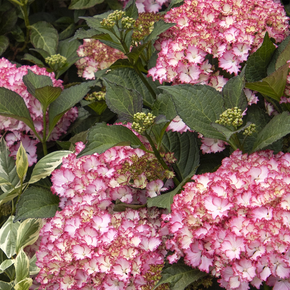
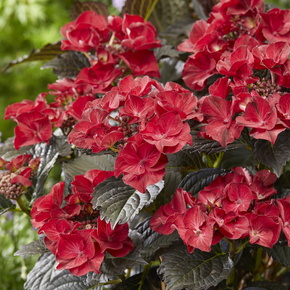
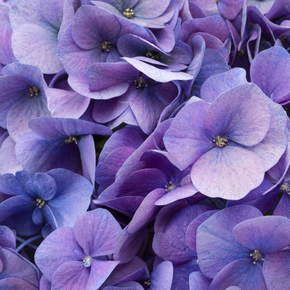
- Deeply saturated mophead blooms shift from vivid red in alkaline soil to rich purple with a striking blue eye in acidic soil, offering a personalized color show all season long
- Exceptionally strong, sturdy stems keep large flower heads upright without drooping, making Hi Fire an outstanding choice for fresh-cut and dried floral arrangements
- A true rebloomer that produces waves of color from early summer through fall, bringing months of continuous interest to borders, containers, and cottage-style gardens
- Compact, upright mounding habit reaching 3 to 5 feet tall is easy to fit into mixed beds, foundation plantings, or large patio containers in USDA Zones 6 through 9
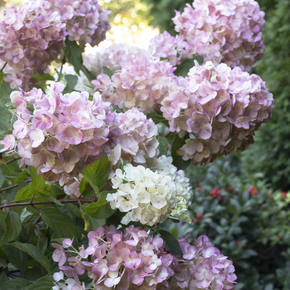
Hi Fire Hydrangea (Hydrangea macrophylla) is a showstopping reblooming mophead hydrangea that brings deeply saturated, large-headed blooms to the summer and fall garden with a dramatic color-changing quality that is unique among bigleaf hydrangeas. Blooms emerge with a hint of soft lime green before maturing into intensely colored mopheads that display rich red tones in alkaline soils and vivid purple with a bright blue eye in acidic soils, allowing gardeners to dial in their preferred palette through simple soil amendments. Unlike many bigleaf hydrangeas whose heavy blooms cause flopping, Hi Fire features exceptionally sturdy stems that hold the large flower clusters proudly upright through wind and rain. The upright, mounding deciduous shrub reaches a manageable 3 to 5 feet tall and 4 to 5 feet wide, fitting beautifully into mixed borders, foundation plantings, informal hedges, and large decorative containers. Hardy in USDA Zones 6 through 9, Hi Fire thrives in partial to full sun with consistently moist, fertile, well-drained soil, and its reblooming habit ensures a long season of cottage-garden charm from early summer until the first frosts of autumn.
Plant Description
Hi Fire Hydrangea is a bigleaf or mophead hydrangea (Hydrangea macrophylla) distinguished by its deeply saturated, large, ball-shaped flower heads and remarkably strong stem structure. Blooms open with a soft lime-green blush before transitioning to intensely colored mopheads whose final hue is determined by soil pH — producing vivid reds in alkaline conditions and rich purples with a brilliant blue eye in acidic soils. The broad, dark green leaves provide a lush, dense backdrop that showcases the bold blooms throughout summer and into fall. As a reblooming variety, Hi Fire produces multiple flushes of flowers on both new and old wood, extending the display far beyond what traditional single-flush hydrangeas offer. Its upright, mounded growth habit and compact footprint make it one of the most versatile and garden-friendly mophead hydrangeas available, while the cottage-garden aesthetic of its lavish blooms suits both formal and informal planting schemes equally well.
Mature Size and Growth Habit
| Attribute | Details |
|---|---|
| Mature Height | 3 to 5 feet |
| Mature Spread | 4 to 5 feet |
| Growth Habit | Upright, mounding |
| Growth Rate | Moderate |
| Plant Type | Deciduous flowering shrub |
| Recommended Spacing | 4 to 5 feet on center |
Hardiness and Climate
Hi Fire Hydrangea is hardy in USDA Plant Hardiness Zones 6 through 9, making it an excellent choice for the diverse climates of Southern Oregon and Northern California. It tolerates summer heat well when given proper moisture and some afternoon shade during the hottest periods. In Zone 6 gardens, a 2 to 3 inch layer of mulch over the root zone in late fall helps protect roots and overwintering flower buds from hard freezes. In the warmest part of Zone 9, afternoon shade during peak summer heat reduces moisture stress and preserves the richness of bloom color. Because Hi Fire is a reblooming variety with buds forming on both old and new wood, even partial winter bud loss will not eliminate flowering for the season — new wood buds will still produce blooms reliably each year.
Sunlight Requirements
Hi Fire Hydrangea performs best in partial sun to full sun, ideally receiving at least 5 to 6 hours of direct sunlight per day. Morning sun with afternoon shade is the ideal exposure in hot inland climates, as it encourages the richest bloom color and reduces wilting stress on the large leaves. In cooler coastal climates, full sun all day is well tolerated and results in the strongest stem growth and most abundant flowering. Avoid deep shade, which results in few flowers, weak and leggy stems, and poor overall plant vigor. A location with dappled light under an open tree canopy can also work well as long as adequate light levels are maintained.
Soil and pH Preferences
Hi Fire Hydrangea thrives in fertile, consistently moist, and well-drained soil. It adapts to a range of soil types including loam, clay-loam, and amended sandy soils, but it does not tolerate waterlogged or poorly drained conditions, which can cause root rot. Enrich planting areas with compost or well-rotted organic matter before planting to improve both soil structure and moisture retention.
Unlike most flowering shrubs, the bloom color of this mophead hydrangea is directly influenced by soil pH and aluminum availability:
- Acidic soil (pH 5.0 to 5.5): Encourages aluminum uptake, resulting in rich purple blooms with a striking bright blue eye
- Alkaline soil (pH 6.5 and above): Limits aluminum availability, producing deeply saturated red to rose-red blooms
- Neutral soil (pH 5.5 to 6.5): May yield mixed or transitional shades of pink-purple
To acidify soil, apply aluminum sulfate according to package directions in spring. To increase alkalinity and encourage red tones, add garden lime in fall. Always perform a soil test before amending to avoid over-correction.
Watering Guide
Hi Fire Hydrangea requires consistently moist soil throughout the growing season. The large leaves of bigleaf hydrangeas lose significant moisture through transpiration, making adequate and regular watering critical to plant health and flower quality. During the first growing season after planting, water deeply two to three times per week to encourage deep root establishment. Once established, water deeply at least once per week, increasing to two to three times per week during hot, dry spells or heat waves. Always water at the base of the plant rather than overhead to keep foliage dry and reduce the risk of fungal disease. Drooping or wilting leaves in the morning are a reliable sign the plant needs immediate water. Applying a 2 to 3 inch layer of organic mulch around the base of the plant significantly reduces moisture loss between waterings. Plants grown in containers require more frequent watering than those grown in the ground, as container soil dries out much faster.
Fertilizing
For the strongest growth and most prolific blooms, fertilize Hi Fire Hydrangea with a balanced granular fertilizer or one formulated for acid-loving flowering shrubs. Apply once in early spring as new growth begins to emerge, and again in early summer to support ongoing bloom production. Avoid high-nitrogen fertilizers, which encourage lush leafy growth at the expense of flowers and can also weaken stems. A slow-release fertilizer with roughly equal NPK ratios — such as a 10-10-10 formula — works well as a general-purpose option. If you are aiming for blue-purple blooms, choose a fertilizer designed for acid-loving plants and avoid lime or alkaline soil additives. Do not fertilize after late summer, as late-season feeding stimulates tender new growth that is vulnerable to early frost damage and may compromise next year's overwintering flower buds.
Pruning and Maintenance
Because Hi Fire is a reblooming variety, it produces flower buds on both old (previous season's) wood and new (current season's) wood. This means pruning timing requires more care than with strictly new-wood bloomers. Follow these guidelines for best results:
- Light deadheading: Remove spent flower heads throughout the growing season by cutting back to a healthy pair of buds just below the old bloom. This encourages reblooming flushes without removing next year's overwintering bud wood.
- Main annual pruning: Perform light shaping in early spring just as new buds begin to swell. Remove any dead, damaged, or crossing branches back to healthy wood. Avoid removing more than one-third of the total plant at once.
- Avoid heavy fall pruning: Hard pruning in fall removes the overwintering buds set on old wood that will provide early blooms the following year. Limit fall work to removing spent flowers only.
- Rejuvenation: For overgrown plants, a gradual renovation over two to three years by removing the oldest stems at the base each spring will refresh the plant without sacrificing all flowering.
Always use clean, sharp pruning shears to make smooth cuts and reduce the risk of disease transmission. Wipe blades with a diluted bleach solution between cuts if disease is suspected.
Planting Instructions
- Choose a site with partial to full sun and well-drained soil with room for a mature spread of 4 to 5 feet.
- Before planting, soak the root ball thoroughly by submerging the container in a bucket of water until air bubbles stop rising, then allow it to drain.
- Dig a planting hole twice as wide as the root ball and equal to its depth. Loosen the soil at the bottom and sides of the hole to aid root penetration.
- Mix compost or well-rotted organic matter into the excavated soil at a 1:1 ratio to improve fertility and drainage.
- Set the plant in the hole so the top of the root ball sits level with or very slightly above the surrounding soil grade. Planting too deep can suffocate roots and cause crown rot.
- Backfill with the amended soil, pressing gently in layers to eliminate air pockets. Do not compact the soil heavily around the roots.
- Water thoroughly and deeply immediately after planting to settle the soil and eliminate remaining air gaps.
- Apply a 2 to 3 inch layer of organic mulch — such as shredded bark, compost, or leaf mold — over the root zone, keeping it a few inches away from the base of the stems to prevent crown rot.
- Continue to water consistently for the first full growing season until the plant is well established.
Seasonal Interest
Hi Fire Hydrangea delivers multi-season interest throughout the garden year:
- Spring: Fresh, bright green foliage emerges, bringing life back to the border. Early overwintered buds on old wood begin to swell and develop.
- Early to Mid Summer: Large mophead blooms open with a soft, chartreuse-to-cream blush before rapidly deepening into their saturated seasonal color. Multiple flushes of blooming begin.
- Late Summer into Fall: Bloom color reaches full intensity — deep red in alkaline soils, vivid purple with a bright blue eye in acidic soils. Continued reblooming extends the floral display well into autumn.
- Winter: Dried flower heads in parchment and bronze tones persist on the stems through winter, providing subtle texture and structure in the dormant garden. The woody branching framework adds architectural interest after leaf drop.
Landscape Uses
The compact size, strong stems, vivid color, and reblooming nature of Hi Fire Hydrangea make it exceptionally versatile in the home landscape. Consider the following uses:
- Mixed borders: Plant as a bold mid-border specimen surrounded by perennials and ornamental grasses for a layered, cottage-garden effect
- Foundation plantings: The tidy mounding habit fits neatly into foundation beds along home and building perimeters
- Informal hedges and screens: Space plants 4 feet apart in a row for a low, flowering summer privacy screen or garden room divider
- Specimen or focal point: Use as a standalone statement plant in a prominent garden bed or at a pathway entrance
- Large containers and patio pots: Plant in a generously sized container on a patio, deck, or entryway for months of bold color
- Cut flower garden: Grow in a dedicated cutting garden; blooms are exceptional both fresh and dried
- Cottage-style gardens: The lush, voluptuous mophead form is quintessentially cottage in character, pairing beautifully with roses, lavender, and ornamental grasses
Companion Plants
Hi Fire Hydrangea pairs beautifully with plants that share its preference for moist, fertile, well-drained soil and partial to full sun conditions. Consider the following companions to complement its bold summer blooms:
- Lavender (Lavandula spp.): The silvery foliage and purple spikes of lavender contrast beautifully with Hi Fire's large flower heads and echo the blue-purple tones produced in acidic soil
- Astilbe: Feathery plumes in pink, white, or red complement the rounded mophead blooms and thrive in similar moist, partially shaded conditions
- Coral Bells (Heuchera spp.): Bold foliage in burgundy, caramel, or lime green provides striking contrast at the feet of the hydrangea
- Coneflower (Echinacea purpurea): Daisy-like blooms in purple, pink, or white harmonize beautifully with both the red and blue-purple forms of Hi Fire
- Ornamental Grasses (Hakonechloa, Pennisetum): Flowing grass forms provide textural contrast and a graceful foil for the bold, rounded blooms
- Russian Sage (Perovskia atriplicifolia): The airy, silver-blue flower spikes complement the deep red tones of Hi Fire in alkaline-soil gardens
- Roses: Climbing or shrub roses in white, soft pink, or crimson are classic cottage-garden partners that bloom in complementary color palettes
Pests and Diseases
Hi Fire Hydrangea is a robust grower with good general resistance to serious pest and disease problems. However, monitoring and prompt action will keep plants looking their best.
Common Pests:
- Aphids: Soft-bodied insects that cluster on new growth and undersides of leaves. Dislodge with a strong stream of water from a hose or treat with insecticidal soap.
- Spider mites: Tiny mites that cause stippled, bronzed foliage in hot, dry conditions. Increase watering, improve air circulation, and apply neem oil or insecticidal soap if needed.
- Japanese beetles: Adults skeletonize leaves in midsummer. Hand-pick into soapy water or use an approved beetle control product.
- Deer: Hydrangeas are not reliably deer resistant. Consider physical barriers or deer repellent sprays in areas with high deer pressure.
Common Diseases:
- Powdery mildew: White powdery coating on leaves in humid, low-airflow conditions. Improve air circulation, avoid overhead watering, and apply a fungicide if severe.
- Leaf spot (Cercospora or Botrytis): Circular brown or purple-edged spots on foliage. Remove affected leaves, keep the area free of fallen debris, and avoid wetting foliage.
- Root rot (Phytophthora): Results from poorly drained or waterlogged soil. Ensure adequate drainage at planting time and do not overwater.
Note: All parts of Hydrangea macrophylla are considered toxic if ingested by humans, dogs, and cats. Plant in areas inaccessible to curious pets and children.
Container Growing
Hi Fire Hydrangea is an excellent candidate for large decorative containers on patios, decks, and entryways. Follow these guidelines for success in containers:
- Container size: Choose a container at least 18 to 24 inches in diameter with ample drainage holes. Larger containers retain moisture more evenly and reduce the frequency of watering.
- Potting mix: Use a high-quality, well-draining potting mix amended with compost. A moisture-retentive but not water-retaining mix is ideal. Avoid using native garden soil in containers, as it compacts and drains poorly.
- Watering: Container-grown plants dry out much faster than in-ground plants. Check soil moisture daily during warm weather and water thoroughly whenever the top inch of soil feels dry. In peak summer heat, daily watering may be necessary.
- Fertilizing: Feed container plants with a balanced slow-release fertilizer at planting and supplement with a liquid fertilizer every 3 to 4 weeks through the bloom season to compensate for nutrients leached by frequent watering.
- Winter care: In Zone 6, move containers to an unheated garage or sheltered location in winter to protect roots from freezing, which can be fatal in exposed containers. In Zones 7 to 9, containers can remain outdoors in a sheltered spot.
- Repotting: Repot into a slightly larger container every 2 to 3 years as the plant matures to maintain vigor and prevent the plant from becoming root-bound.
Wildlife and Pollinator Value
The abundant, richly colored blooms of Hi Fire Hydrangea provide meaningful ecological value in the home garden. The large flower heads attract butterflies, including swallowtails and skippers, which visit the fertile florets within the mophead for nectar. Bees — including native bumblebees and honeybees — are regular visitors throughout the long bloom season, supporting local pollinator populations. The dense, mounded shrub structure also provides nesting cover and perching habitat for small birds during the warmer months. Dried flower heads left on the plant through winter add subtle structure to the garden landscape during the dormant season while providing shelter for overwintering beneficial insects. To maximize pollinator benefit, avoid applying insecticides during peak bloom periods and opt for targeted, low-impact treatments when pest control is necessary.
Cut and Dried Flower Use
One of the standout features of Hi Fire Hydrangea is the exceptional quality of its blooms for both fresh-cut and dried arrangements. The unusually strong stems resist bending and drooping under the weight of the large flower heads, making it far superior to many other mophead hydrangeas in a vase.
Fresh-cut flowers: Harvest stems in the morning when temperatures are cool. Choose blooms that are fully open and at peak color. Cut stems at a 45-degree angle and immediately place in a bucket of cool water. Re-cut stems and change water every one to two days to extend vase life. Adding a small amount of floral preservative extends longevity significantly.
Drying blooms: Allow flowers to mature fully on the plant into late summer or fall before harvesting for drying. Cut stems when the blooms feel slightly papery to the touch. Hang bunches upside down in a warm, dry, well-ventilated location out of direct sunlight for two to three weeks. Alternatively, stand stems loosely in a vase with a small amount of water and allow to air-dry slowly in place — this method preserves the shape particularly well. Dried Hi Fire blooms retain their deep color beautifully and are ideal for wreaths, dried bouquets, and home decor.
- Deeply saturated mophead blooms shift from vivid red in alkaline soil to rich purple with a striking blue eye in acidic soil, offering a personalized color show all season long
- Exceptionally strong, sturdy stems keep large flower heads upright without drooping, making Hi Fire an outstanding choice for fresh-cut and dried floral arrangements
- A true rebloomer that produces waves of color from early summer through fall, bringing months of continuous interest to borders, containers, and cottage-style gardens
- Compact, upright mounding habit reaching 3 to 5 feet tall is easy to fit into mixed beds, foundation plantings, or large patio containers in USDA Zones 6 through 9
Hi Fire Hydrangea (Hydrangea macrophylla) is a showstopping reblooming mophead hydrangea that brings deeply saturated, large-headed blooms to the summer and fall garden with a dramatic color-changing quality that is unique among bigleaf hydrangeas. Blooms emerge with a hint of soft lime green before maturing into intensely colored mopheads that display rich red tones in alkaline soils and vivid purple with a bright blue eye in acidic soils, allowing gardeners to dial in their preferred palette through simple soil amendments. Unlike many bigleaf hydrangeas whose heavy blooms cause flopping, Hi Fire features exceptionally sturdy stems that hold the large flower clusters proudly upright through wind and rain. The upright, mounding deciduous shrub reaches a manageable 3 to 5 feet tall and 4 to 5 feet wide, fitting beautifully into mixed borders, foundation plantings, informal hedges, and large decorative containers. Hardy in USDA Zones 6 through 9, Hi Fire thrives in partial to full sun with consistently moist, fertile, well-drained soil, and its reblooming habit ensures a long season of cottage-garden charm from early summer until the first frosts of autumn.
Plant Description
Hi Fire Hydrangea is a bigleaf or mophead hydrangea (Hydrangea macrophylla) distinguished by its deeply saturated, large, ball-shaped flower heads and remarkably strong stem structure. Blooms open with a soft lime-green blush before transitioning to intensely colored mopheads whose final hue is determined by soil pH — producing vivid reds in alkaline conditions and rich purples with a brilliant blue eye in acidic soils. The broad, dark green leaves provide a lush, dense backdrop that showcases the bold blooms throughout summer and into fall. As a reblooming variety, Hi Fire produces multiple flushes of flowers on both new and old wood, extending the display far beyond what traditional single-flush hydrangeas offer. Its upright, mounded growth habit and compact footprint make it one of the most versatile and garden-friendly mophead hydrangeas available, while the cottage-garden aesthetic of its lavish blooms suits both formal and informal planting schemes equally well.
Mature Size and Growth Habit
| Attribute | Details |
|---|---|
| Mature Height | 3 to 5 feet |
| Mature Spread | 4 to 5 feet |
| Growth Habit | Upright, mounding |
| Growth Rate | Moderate |
| Plant Type | Deciduous flowering shrub |
| Recommended Spacing | 4 to 5 feet on center |
Hardiness and Climate
Hi Fire Hydrangea is hardy in USDA Plant Hardiness Zones 6 through 9, making it an excellent choice for the diverse climates of Southern Oregon and Northern California. It tolerates summer heat well when given proper moisture and some afternoon shade during the hottest periods. In Zone 6 gardens, a 2 to 3 inch layer of mulch over the root zone in late fall helps protect roots and overwintering flower buds from hard freezes. In the warmest part of Zone 9, afternoon shade during peak summer heat reduces moisture stress and preserves the richness of bloom color. Because Hi Fire is a reblooming variety with buds forming on both old and new wood, even partial winter bud loss will not eliminate flowering for the season — new wood buds will still produce blooms reliably each year.
Sunlight Requirements
Hi Fire Hydrangea performs best in partial sun to full sun, ideally receiving at least 5 to 6 hours of direct sunlight per day. Morning sun with afternoon shade is the ideal exposure in hot inland climates, as it encourages the richest bloom color and reduces wilting stress on the large leaves. In cooler coastal climates, full sun all day is well tolerated and results in the strongest stem growth and most abundant flowering. Avoid deep shade, which results in few flowers, weak and leggy stems, and poor overall plant vigor. A location with dappled light under an open tree canopy can also work well as long as adequate light levels are maintained.
Soil and pH Preferences
Hi Fire Hydrangea thrives in fertile, consistently moist, and well-drained soil. It adapts to a range of soil types including loam, clay-loam, and amended sandy soils, but it does not tolerate waterlogged or poorly drained conditions, which can cause root rot. Enrich planting areas with compost or well-rotted organic matter before planting to improve both soil structure and moisture retention.
Unlike most flowering shrubs, the bloom color of this mophead hydrangea is directly influenced by soil pH and aluminum availability:
- Acidic soil (pH 5.0 to 5.5): Encourages aluminum uptake, resulting in rich purple blooms with a striking bright blue eye
- Alkaline soil (pH 6.5 and above): Limits aluminum availability, producing deeply saturated red to rose-red blooms
- Neutral soil (pH 5.5 to 6.5): May yield mixed or transitional shades of pink-purple
To acidify soil, apply aluminum sulfate according to package directions in spring. To increase alkalinity and encourage red tones, add garden lime in fall. Always perform a soil test before amending to avoid over-correction.
Watering Guide
Hi Fire Hydrangea requires consistently moist soil throughout the growing season. The large leaves of bigleaf hydrangeas lose significant moisture through transpiration, making adequate and regular watering critical to plant health and flower quality. During the first growing season after planting, water deeply two to three times per week to encourage deep root establishment. Once established, water deeply at least once per week, increasing to two to three times per week during hot, dry spells or heat waves. Always water at the base of the plant rather than overhead to keep foliage dry and reduce the risk of fungal disease. Drooping or wilting leaves in the morning are a reliable sign the plant needs immediate water. Applying a 2 to 3 inch layer of organic mulch around the base of the plant significantly reduces moisture loss between waterings. Plants grown in containers require more frequent watering than those grown in the ground, as container soil dries out much faster.
Fertilizing
For the strongest growth and most prolific blooms, fertilize Hi Fire Hydrangea with a balanced granular fertilizer or one formulated for acid-loving flowering shrubs. Apply once in early spring as new growth begins to emerge, and again in early summer to support ongoing bloom production. Avoid high-nitrogen fertilizers, which encourage lush leafy growth at the expense of flowers and can also weaken stems. A slow-release fertilizer with roughly equal NPK ratios — such as a 10-10-10 formula — works well as a general-purpose option. If you are aiming for blue-purple blooms, choose a fertilizer designed for acid-loving plants and avoid lime or alkaline soil additives. Do not fertilize after late summer, as late-season feeding stimulates tender new growth that is vulnerable to early frost damage and may compromise next year's overwintering flower buds.
Pruning and Maintenance
Because Hi Fire is a reblooming variety, it produces flower buds on both old (previous season's) wood and new (current season's) wood. This means pruning timing requires more care than with strictly new-wood bloomers. Follow these guidelines for best results:
- Light deadheading: Remove spent flower heads throughout the growing season by cutting back to a healthy pair of buds just below the old bloom. This encourages reblooming flushes without removing next year's overwintering bud wood.
- Main annual pruning: Perform light shaping in early spring just as new buds begin to swell. Remove any dead, damaged, or crossing branches back to healthy wood. Avoid removing more than one-third of the total plant at once.
- Avoid heavy fall pruning: Hard pruning in fall removes the overwintering buds set on old wood that will provide early blooms the following year. Limit fall work to removing spent flowers only.
- Rejuvenation: For overgrown plants, a gradual renovation over two to three years by removing the oldest stems at the base each spring will refresh the plant without sacrificing all flowering.
Always use clean, sharp pruning shears to make smooth cuts and reduce the risk of disease transmission. Wipe blades with a diluted bleach solution between cuts if disease is suspected.
Planting Instructions
- Choose a site with partial to full sun and well-drained soil with room for a mature spread of 4 to 5 feet.
- Before planting, soak the root ball thoroughly by submerging the container in a bucket of water until air bubbles stop rising, then allow it to drain.
- Dig a planting hole twice as wide as the root ball and equal to its depth. Loosen the soil at the bottom and sides of the hole to aid root penetration.
- Mix compost or well-rotted organic matter into the excavated soil at a 1:1 ratio to improve fertility and drainage.
- Set the plant in the hole so the top of the root ball sits level with or very slightly above the surrounding soil grade. Planting too deep can suffocate roots and cause crown rot.
- Backfill with the amended soil, pressing gently in layers to eliminate air pockets. Do not compact the soil heavily around the roots.
- Water thoroughly and deeply immediately after planting to settle the soil and eliminate remaining air gaps.
- Apply a 2 to 3 inch layer of organic mulch — such as shredded bark, compost, or leaf mold — over the root zone, keeping it a few inches away from the base of the stems to prevent crown rot.
- Continue to water consistently for the first full growing season until the plant is well established.
Seasonal Interest
Hi Fire Hydrangea delivers multi-season interest throughout the garden year:
- Spring: Fresh, bright green foliage emerges, bringing life back to the border. Early overwintered buds on old wood begin to swell and develop.
- Early to Mid Summer: Large mophead blooms open with a soft, chartreuse-to-cream blush before rapidly deepening into their saturated seasonal color. Multiple flushes of blooming begin.
- Late Summer into Fall: Bloom color reaches full intensity — deep red in alkaline soils, vivid purple with a bright blue eye in acidic soils. Continued reblooming extends the floral display well into autumn.
- Winter: Dried flower heads in parchment and bronze tones persist on the stems through winter, providing subtle texture and structure in the dormant garden. The woody branching framework adds architectural interest after leaf drop.
Landscape Uses
The compact size, strong stems, vivid color, and reblooming nature of Hi Fire Hydrangea make it exceptionally versatile in the home landscape. Consider the following uses:
- Mixed borders: Plant as a bold mid-border specimen surrounded by perennials and ornamental grasses for a layered, cottage-garden effect
- Foundation plantings: The tidy mounding habit fits neatly into foundation beds along home and building perimeters
- Informal hedges and screens: Space plants 4 feet apart in a row for a low, flowering summer privacy screen or garden room divider
- Specimen or focal point: Use as a standalone statement plant in a prominent garden bed or at a pathway entrance
- Large containers and patio pots: Plant in a generously sized container on a patio, deck, or entryway for months of bold color
- Cut flower garden: Grow in a dedicated cutting garden; blooms are exceptional both fresh and dried
- Cottage-style gardens: The lush, voluptuous mophead form is quintessentially cottage in character, pairing beautifully with roses, lavender, and ornamental grasses
Companion Plants
Hi Fire Hydrangea pairs beautifully with plants that share its preference for moist, fertile, well-drained soil and partial to full sun conditions. Consider the following companions to complement its bold summer blooms:
- Lavender (Lavandula spp.): The silvery foliage and purple spikes of lavender contrast beautifully with Hi Fire's large flower heads and echo the blue-purple tones produced in acidic soil
- Astilbe: Feathery plumes in pink, white, or red complement the rounded mophead blooms and thrive in similar moist, partially shaded conditions
- Coral Bells (Heuchera spp.): Bold foliage in burgundy, caramel, or lime green provides striking contrast at the feet of the hydrangea
- Coneflower (Echinacea purpurea): Daisy-like blooms in purple, pink, or white harmonize beautifully with both the red and blue-purple forms of Hi Fire
- Ornamental Grasses (Hakonechloa, Pennisetum): Flowing grass forms provide textural contrast and a graceful foil for the bold, rounded blooms
- Russian Sage (Perovskia atriplicifolia): The airy, silver-blue flower spikes complement the deep red tones of Hi Fire in alkaline-soil gardens
- Roses: Climbing or shrub roses in white, soft pink, or crimson are classic cottage-garden partners that bloom in complementary color palettes
Pests and Diseases
Hi Fire Hydrangea is a robust grower with good general resistance to serious pest and disease problems. However, monitoring and prompt action will keep plants looking their best.
Common Pests:
- Aphids: Soft-bodied insects that cluster on new growth and undersides of leaves. Dislodge with a strong stream of water from a hose or treat with insecticidal soap.
- Spider mites: Tiny mites that cause stippled, bronzed foliage in hot, dry conditions. Increase watering, improve air circulation, and apply neem oil or insecticidal soap if needed.
- Japanese beetles: Adults skeletonize leaves in midsummer. Hand-pick into soapy water or use an approved beetle control product.
- Deer: Hydrangeas are not reliably deer resistant. Consider physical barriers or deer repellent sprays in areas with high deer pressure.
Common Diseases:
- Powdery mildew: White powdery coating on leaves in humid, low-airflow conditions. Improve air circulation, avoid overhead watering, and apply a fungicide if severe.
- Leaf spot (Cercospora or Botrytis): Circular brown or purple-edged spots on foliage. Remove affected leaves, keep the area free of fallen debris, and avoid wetting foliage.
- Root rot (Phytophthora): Results from poorly drained or waterlogged soil. Ensure adequate drainage at planting time and do not overwater.
Note: All parts of Hydrangea macrophylla are considered toxic if ingested by humans, dogs, and cats. Plant in areas inaccessible to curious pets and children.
Container Growing
Hi Fire Hydrangea is an excellent candidate for large decorative containers on patios, decks, and entryways. Follow these guidelines for success in containers:
- Container size: Choose a container at least 18 to 24 inches in diameter with ample drainage holes. Larger containers retain moisture more evenly and reduce the frequency of watering.
- Potting mix: Use a high-quality, well-draining potting mix amended with compost. A moisture-retentive but not water-retaining mix is ideal. Avoid using native garden soil in containers, as it compacts and drains poorly.
- Watering: Container-grown plants dry out much faster than in-ground plants. Check soil moisture daily during warm weather and water thoroughly whenever the top inch of soil feels dry. In peak summer heat, daily watering may be necessary.
- Fertilizing: Feed container plants with a balanced slow-release fertilizer at planting and supplement with a liquid fertilizer every 3 to 4 weeks through the bloom season to compensate for nutrients leached by frequent watering.
- Winter care: In Zone 6, move containers to an unheated garage or sheltered location in winter to protect roots from freezing, which can be fatal in exposed containers. In Zones 7 to 9, containers can remain outdoors in a sheltered spot.
- Repotting: Repot into a slightly larger container every 2 to 3 years as the plant matures to maintain vigor and prevent the plant from becoming root-bound.
Wildlife and Pollinator Value
The abundant, richly colored blooms of Hi Fire Hydrangea provide meaningful ecological value in the home garden. The large flower heads attract butterflies, including swallowtails and skippers, which visit the fertile florets within the mophead for nectar. Bees — including native bumblebees and honeybees — are regular visitors throughout the long bloom season, supporting local pollinator populations. The dense, mounded shrub structure also provides nesting cover and perching habitat for small birds during the warmer months. Dried flower heads left on the plant through winter add subtle structure to the garden landscape during the dormant season while providing shelter for overwintering beneficial insects. To maximize pollinator benefit, avoid applying insecticides during peak bloom periods and opt for targeted, low-impact treatments when pest control is necessary.
Cut and Dried Flower Use
One of the standout features of Hi Fire Hydrangea is the exceptional quality of its blooms for both fresh-cut and dried arrangements. The unusually strong stems resist bending and drooping under the weight of the large flower heads, making it far superior to many other mophead hydrangeas in a vase.
Fresh-cut flowers: Harvest stems in the morning when temperatures are cool. Choose blooms that are fully open and at peak color. Cut stems at a 45-degree angle and immediately place in a bucket of cool water. Re-cut stems and change water every one to two days to extend vase life. Adding a small amount of floral preservative extends longevity significantly.
Drying blooms: Allow flowers to mature fully on the plant into late summer or fall before harvesting for drying. Cut stems when the blooms feel slightly papery to the touch. Hang bunches upside down in a warm, dry, well-ventilated location out of direct sunlight for two to three weeks. Alternatively, stand stems loosely in a vase with a small amount of water and allow to air-dry slowly in place — this method preserves the shape particularly well. Dried Hi Fire blooms retain their deep color beautifully and are ideal for wreaths, dried bouquets, and home decor.