

Zoom the image with the mouse
Pink 'N Pretty Hydrangea - 2 Gallon
SKU:
2054315
UPC:
014949064528
$37.99
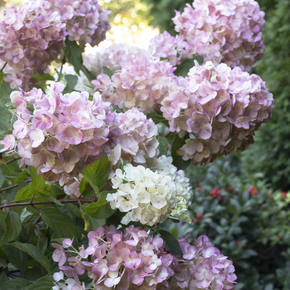
- Spectacular violet-pink mophead blooms up to 10 inches across appear in abundance each summer, creating a bold, show-stopping display in the landscape.
- Handsome, glossy deep green foliage on a boldly branched, naturally mounded form provides attractive structure from spring through fall.
- Blooms are outstanding as fresh-cut flowers and dry beautifully for long-lasting floral arrangements indoors or out.
- A versatile, deciduous shrub well-suited for perennial borders, woodland gardens, mass plantings, containers, and coastal garden settings.
Pink 'N Pretty Hydrangea (Hydrangea macrophylla 'Monink') is a stunning deciduous flowering shrub prized for its lavish, violet-pink mophead flower clusters that command attention from early to midsummer. Each oversized, globe-shaped bloom can reach impressive proportions and is held above a dense canopy of large, rich, glossy green leaves that give the plant a lush, full-bodied presence throughout the growing season. The naturally mounded, boldly branched form requires little shaping to look polished, making Pink 'N Pretty an excellent low-maintenance choice for homeowners seeking high-impact color with minimal effort. As a classic bigleaf hydrangea, this cultivar blooms on old wood, meaning the flower buds are set the previous season, so thoughtful pruning and winter care are key to consistent annual blooming. Like all mophead hydrangeas, the flower color is influenced by soil pH — the violet-pink tones intensify in slightly alkaline to neutral soils, while more acidic conditions can shift blooms toward purple-blue. Hardy in USDA zones 5 through 9, Pink 'N Pretty thrives in the Pacific Northwest and Northern California climates, where it rewards gardeners year after year with one of the most romantic floral displays any shrub can offer. Whether used as a specimen, massed along a shaded border, planted in a cottage-style perennial bed, or grown in a large decorative container on a patio or deck, this classic hydrangea is an enduring garden treasure beloved by pollinators, gardeners, and floral designers alike.
Plant Description
Pink 'N Pretty Hydrangea is a deciduous bigleaf hydrangea (Hydrangea macrophylla 'Monink') belonging to the classic mophead group, also known as French hydrangeas or hortensias. It produces large, rounded, globe-shaped flower clusters in a rich violet-pink hue that emerge in summer over a foundation of bold, glossy, dark green leaves. The foliage is large and dinner-plate-sized on vigorous stems, giving the plant a lush, tropical feel during the growing season. The shrub takes on a tidy, mounded habit naturally and drops its leaves in fall, revealing an attractive branching structure that adds winter interest to the garden. Blooms transition through attractive stages — from fresh violet-pink in early summer to antique tones of dusty rose and mauve as they age — and can be left on the plant through fall and winter as dried ornamental interest before being cut back in early spring.
Mature Size
| Characteristic | Measurement |
|---|---|
| Mature Height | Up to 6 feet |
| Mature Width | Up to 4 feet |
| Growth Rate | Medium |
| Plant Form | Mounded, multi-stemmed deciduous shrub |
Pink 'N Pretty grows at a moderate pace and will reach its mature dimensions in a few seasons under good growing conditions. Its naturally mounded, upright-spreading form means it typically requires little structural pruning to maintain an attractive shape. Allow adequate spacing at planting time — at least 4 to 5 feet from neighboring plants and structures — to accommodate mature size and encourage good airflow.
Hardiness Zones and Climate
Pink 'N Pretty Hydrangea is rated for USDA Hardiness Zones 5a through 9, making it suitable for a wide range of climates across the United States, including the mild coastal and inland valleys of Northern California and Southern Oregon. It thrives where winters are cold enough to provide the necessary dormancy period but not so extreme that flower buds are repeatedly killed by severe late-spring frosts. In regions with hot summers, afternoon shade is especially important to protect blooms and foliage from heat stress and premature browning. In the mildest parts of its range (zones 8-9), the plant may experience a shortened dormancy, which can still support healthy repeat blooming. Because Pink 'N Pretty blooms on old wood — meaning buds are set on last year's stems — it performs most reliably in climates where those stems are not routinely damaged by hard late-spring freezes.
Sunlight Requirements
Pink 'N Pretty Hydrangea performs best in partial shade, ideally receiving bright morning sun with protection from hot afternoon sun. A site that gets 3 to 4 hours of direct morning sunlight followed by dappled or full afternoon shade is ideal in most climates. In cooler coastal gardens or areas with consistently overcast summers, the plant can tolerate more sun exposure. In hot inland areas and during heat waves, full afternoon shade becomes critical to prevent wilting, leaf scorch, and bloom fade. Avoid planting in deep, dense shade, as too little sunlight reduces flowering significantly. The east-facing side of a building, beneath the filtered canopy of high-branched deciduous trees, or on the north side of a fence are all excellent placement options for maximizing bloom performance and plant health.
Soil and pH Preferences
This hydrangea grows best in rich, well-draining soil that retains consistent moisture without becoming waterlogged. Amend clay-heavy soils with compost or aged organic matter to improve drainage and aeration. Sandy soils benefit from the addition of compost or leaf mold to improve water retention and fertility. A soil pH between 6.0 and 7.0 will encourage and intensify the signature violet-pink bloom color of Pink 'N Pretty. Soil pH is the primary driver of flower color in mophead hydrangeas:
- Slightly alkaline to neutral pH (6.0 to 7.0+): Promotes warm pink to violet-pink tones.
- Slightly acidic pH (5.5 to 6.0): May shift blooms toward purple or lilac tones.
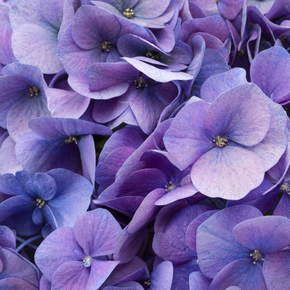
- Strongly acidic pH (below 5.5): Can produce blue flowers as aluminum becomes more available in the soil.
If you wish to maintain the pink coloration, test your soil pH annually and add garden lime as needed to keep it near neutral. A reliable soil test kit is an excellent investment before planting or when adjusting bloom color.
Watering Guide
Consistent moisture is essential to keeping Pink 'N Pretty looking its best. Hydrangeas have a high water demand and are among the first plants to show drought stress — wilting leaves on a hot afternoon can be a normal temporary response, but chronic underwatering leads to poor flowering and leaf scorch. Follow these watering guidelines for best results:
- First growing season: Water deeply and regularly — at least once or twice per week — to help establish a strong root system.
- Established plants: Water deeply two to three times per week during the growing season, or whenever the top inch of soil feels dry. Aim to deliver approximately 1 inch of water per week.
- Hot and dry spells: Increase watering frequency. Container-grown plants may need daily watering during heat waves.
- Watering method: Water at the base of the plant using a soaker hose or drip irrigation to keep foliage and blooms dry, which helps prevent fungal diseases.
- Mulching: Apply a 2- to 3-inch layer of organic mulch around the base of the plant (but not against the crown) to retain soil moisture, moderate soil temperature, and reduce watering frequency.
Fertilizing
Pink 'N Pretty benefits from regular but moderate feeding through the growing season. Over-fertilizing — especially with high-nitrogen formulas — encourages lush leafy growth at the expense of flowers. Follow these guidelines for healthy blooms and vigorous growth:
- Early spring (March): Apply a balanced, slow-release granular fertilizer or a fertilizer formulated specifically for flowering shrubs and hydrangeas. This feeds the plant as it breaks dormancy and supports bud development.
- Late spring to early summer (May to June): Apply a second light feeding with a balanced or bloom-boosting fertilizer (higher in phosphorus) to support flowering.
- Late summer and fall: Do not fertilize after late July or early August. Late feeding stimulates tender new growth that is vulnerable to frost damage and can reduce the number of flower buds set for the following year.
- Soil amendment: Work compost into the soil around the base of the plant each spring as a gentle, natural nutrient source that also improves soil structure.
If you want to maintain or enhance the pink flower color, avoid acidifying fertilizers and instead use a product formulated to keep soil pH near neutral.
Pruning and Maintenance
Pink 'N Pretty blooms on old wood — meaning its flower buds form on the previous season's stems during late summer and fall. Pruning at the wrong time is the most common reason mophead hydrangeas fail to bloom. Follow these guidelines to protect your blooms and keep the plant healthy:
- When to prune: Prune only immediately after flowering, typically in mid- to late summer. This gives the plant time to produce and harden off new growth with fresh flower buds before fall.
- Do not prune in fall, winter, or spring: Cutting stems during these times removes the flower buds that are already set, eliminating the next season's blooms.
- Deadheading: Leave spent mophead blooms on the plant through fall and winter — they provide ornamental interest and help protect the buds below. Clip them off in early spring, cutting just above the first healthy pair of buds.
- Rejuvenation pruning: If the shrub becomes overgrown or produces few blooms, cut one or two of the oldest, thickest stems down to the base in summer after flowering to encourage vigorous new growth from the crown.
- Dead wood removal: In early spring, remove any stems that were killed by frost by cutting them back to where live growth begins, identifiable by green tissue or swelling buds.
Planting Instructions
Follow these steps for a successful planting that sets your Pink 'N Pretty Hydrangea up for years of vigorous blooming:
- Timing: Plant in early spring after the last frost or in early fall, at least 6 weeks before the first expected frost. Avoid planting during the hottest summer months.
- Site selection: Choose a location that receives morning sun and afternoon shade, with good airflow and well-draining soil. Avoid low-lying areas where water pools.
- Soil preparation: Dig the planting hole 2 to 3 times wider than the root ball and equal in depth. Mix generous amounts of compost or aged organic matter into the backfill to enrich the soil.
- Inspect the roots: Gently remove the plant from its nursery container. If the roots are circling or compacted, loosen or lightly score the root ball before planting.
- Planting depth: Set the plant so the top of the root ball is level with the surrounding soil surface. Avoid burying the crown, which can cause rot.
- Backfill and firm: Fill the hole halfway with amended soil, water thoroughly, and allow it to settle. Fill the remainder of the hole and firm the soil gently around the base of the plant.
- Initial watering: Water deeply immediately after planting and continue to water regularly for the first full growing season to establish roots.
- Mulching: Apply a 2- to 3-inch layer of shredded bark or wood chip mulch around the root zone, keeping it a few inches away from the stem.
Bloom Color and Soil pH
One of the most fascinating characteristics of Pink 'N Pretty — and mophead hydrangeas in general — is that bloom color can be influenced and adjusted by changing the soil pH. The cultivar 'Monink' is named for its signature violet-pink blooms, which are best expressed in neutral to slightly alkaline soil conditions. Here is a general guide to how pH affects color:
| Soil pH | Expected Bloom Color |
|---|---|
| Below 5.5 (strongly acidic) | Blue to blue-purple |
| 5.5 to 6.0 (slightly acidic) | Purple to violet |
| 6.0 to 7.0 (near neutral) | Violet-pink (the signature color of this variety) |
| Above 7.0 (alkaline) | Clear pink |
To maintain the beautiful violet-pink color, keep soil pH near neutral. To shift toward clearer pink tones, add garden lime to raise pH. To shift toward blue or purple, lower pH by adding elemental sulfur or an acidifying fertilizer. Note that color shifts take several weeks to months and should not be attempted on plants less than 2 years old. White-flowered hydrangeas do not change color with pH.
Seasonal Interest
- Spring: Fresh bright green foliage emerges on sturdy, bold stems, bringing the plant back to life as it breaks winter dormancy. Growth is vigorous and the large leaves quickly fill in the mounded form.
- Summer: The main season of glory — large, rounded violet-pink mophead blooms open in succession from early through midsummer, creating a spectacular display that lasts for weeks.
- Late Summer to Fall: Blooms gradually age and transition to antique dusty rose, mauve, and eventually parchment tones, providing beautiful dried-flower interest right on the plant. Foliage remains lush and green before transitioning to yellow-green tones in fall.
- Winter: After leaf drop, the sculptural, branching stems and persistent dried bloom heads provide understated texture and structure in the winter garden. The papery, antique blooms can remain attractive throughout winter before being cut back in early spring.
Landscape Uses
Pink 'N Pretty Hydrangea is an exceptionally versatile shrub that suits a wide range of landscape design applications:
- Specimen planting: Use as a focal point in a mixed shrub bed or perennial border where its bold blooms and lush form can be fully appreciated.
- Mass planting: Plant multiple shrubs in groups for dramatic sweeps of color along property lines, fence rows, or in large borders.
- Woodland garden: Perfectly at home beneath the dappled canopy of high-branched trees, where it receives the filtered light it prefers.
- Cottage garden: A classic element of informal cottage-style planting designs, paired beautifully with roses, peonies, and perennial borders.
- Cutting garden: Grow in a dedicated cutting garden for an abundant supply of fresh and dried blooms for floral arrangements.
- Container gardening: Excellent in large decorative pots or planters on patios, decks, and entryways.
- Coastal gardens: Tolerates coastal exposure well, making it suitable for gardens near the Pacific coast in Northern California and Southern Oregon.
- Firescaping: Listed as a firewise-compatible plant, appropriate for use in fire-aware landscape designs in applicable regions.
Container Growing
Pink 'N Pretty Hydrangea grows beautifully in large containers and makes a dramatic statement on patios, decks, and entryways. Follow these tips for healthy container-grown plants:
- Container size: Choose a pot at least 18 to 24 inches wide and deep. Larger is better, as the roots need room to expand and the extra soil volume helps retain moisture and regulate temperature.
- Drainage: Ensure the container has drainage holes. Hydrangeas cannot tolerate soggy, waterlogged roots.
- Potting mix: Use a high-quality, well-draining potting mix. Avoid using garden soil, which becomes too dense and compacted in containers.
- Watering: Container-grown plants dry out much faster than those in the ground. Check the top inch of soil daily in warm weather and water whenever it feels dry. During heat waves, daily watering may be necessary.
- Fertilizing: Apply a balanced or bloom-booster fertilizer in spring and again in early summer. Stop feeding by late July.
- Overwintering containers: In areas with freezing temperatures, move containers to an unheated garage or shed to protect roots from hard freezes. Terra cotta and ceramic pots can crack in hard freezes. Allow the plant to complete dormancy before bringing it back outdoors in spring after frost risk has passed.
- Repotting: Every 2 to 3 years, repot into a slightly larger container with fresh potting mix to maintain vigor.
Companion Plants
Pink 'N Pretty Hydrangea pairs beautifully with a variety of shade-tolerant and partial-shade plants that share similar soil moisture and light requirements. Consider these companions for a cohesive and attractive planting design:
- Azaleas and Rhododendrons: Share the preference for dappled shade, organic-rich soil, and mulching. Spring-blooming azaleas extend the seasonal flower interest before the hydrangea takes center stage in summer.
- Hostas: The bold, textured foliage of hostas complements the large blooms of the hydrangea beautifully. Both thrive in partial shade and moist, fertile soil.
- Heuchera (Coral Bells): The colorful foliage in shades of burgundy, lime, and copper provides striking contrast in front of the hydrangea all season long.
- Astilbe: Feathery plumes in pink, red, and white bloom alongside the hydrangea in summer and share the same preference for moisture and partial shade.
- Ferns: The delicate, lacy texture of ferns offers beautiful contrast to the bold hydrangea leaves and blooms in a shaded bed.
- Boxwood: Use clipped boxwood as a formal hedge or edging element to frame informal hydrangea plantings with structure and year-round green.
- Japanese Forest Grass (Hakonechloa): The cascading variegated foliage adds graceful movement and golden tones that complement pink and violet blooms.
- Veronica Speedwell: Slender flower spikes in blue or pink add vertical contrast when planted in front of the mounding hydrangea form.
Pests and Diseases
Pink 'N Pretty Hydrangea is generally a robust, trouble-free shrub when grown in the right conditions. Most problems can be avoided with good cultural practices such as proper spacing for airflow, watering at the base, and avoiding overly wet soils. Common issues to watch for include:
- Powdery mildew: A white, dusty coating on the foliage that appears in humid conditions or where airflow is poor. Improve spacing and airflow, and avoid overhead watering. Treat with appropriate fungicide if needed.
- Botrytis blight (gray mold): A gray fuzzy mold that can affect blooms and foliage in cool, wet conditions. Remove and dispose of affected plant material and ensure good air circulation.
- Cercospora leaf spot: Circular purple or brown spots on leaves, typically appearing in midsummer. Usually cosmetic. Remove badly affected leaves and water at the base of the plant.
- Phytophthora root rot: Caused by waterlogged soil. Plant in well-draining soil and avoid overwatering. Ensure good soil drainage at planting time.
- Aphids: Small soft-bodied insects that cluster on tender new growth. Knock off with a strong stream of water or treat with insecticidal soap.
- Spider mites: Fine webbing and stippled foliage may appear during hot, dry periods. Increase humidity around plants and treat with insecticidal soap or miticide if necessary.
Deer may browse on hydrangeas, especially in rural and semi-rural settings. Using deer deterrent sprays and planting deer-resistant companion plants nearby can help reduce browsing pressure.
Wildlife Value
While the large, showy sterile florets of mophead hydrangeas like Pink 'N Pretty provide limited direct nectar access for pollinators compared to lacecap types, they still offer meaningful wildlife benefits in the garden:
- Bees and butterflies: Bees and butterflies visit the blooms and are drawn to gardens where hydrangeas are planted alongside other pollinator-friendly plants.
- Birds: The dense, layered branching structure provides shelter and nesting habitat for small songbirds. Dried seed heads left on the plant into winter can also provide modest food value.
- Garden habitat: The broad, dense canopy of leaves creates cool, moist microclimates at ground level that are beneficial to beetles, ground-dwelling insects, and other small garden wildlife.
For maximum pollinator support, consider pairing Pink 'N Pretty with nearby lacecap hydrangeas, native plants, or other nectar-rich flowering companions to extend the season-long food supply for beneficial insects.
Cutting and Drying Flowers
Pink 'N Pretty is an outstanding cut flower hydrangea, and the large, lush blooms are a favorite of floral designers and home arrangers alike. Here are tips for getting the most from your blooms both fresh and dried:
- Cutting for fresh arrangements: Cut stems in the early morning after the plant has been watered, when blooms are fully open but still fresh. Use clean, sharp pruners to make a clean cut at a 45-degree angle on a woody stem. Immediately plunge the cut end into cold water. Recut stems underwater to remove any air pockets that impede water uptake. Remove all leaves below the waterline in the vase.
- Vase life: Fresh blooms last approximately 5 to 10 days in a vase with clean water changed every 1 to 2 days. Mist the blooms lightly with water to keep them fresh. Revive wilting blooms by briefly soaking the entire flower head in cool water for 10 to 15 minutes.
- Drying blooms: For best dried results, allow blooms to age and develop a papery consistency on the plant in late summer or early fall before cutting. Remove leaves from the stems and hang upside down in a warm, dry, dark, well-ventilated space for 2 to 3 weeks until completely dry. Alternatively, stand stems upright in a vase with just 1 to 2 inches of water and allow to air-dry in place as the water evaporates. Dried blooms retain their antique rose and mauve tones beautifully and can be used in wreaths, dried arrangements, and home decor.
- Spectacular violet-pink mophead blooms up to 10 inches across appear in abundance each summer, creating a bold, show-stopping display in the landscape.
- Handsome, glossy deep green foliage on a boldly branched, naturally mounded form provides attractive structure from spring through fall.
- Blooms are outstanding as fresh-cut flowers and dry beautifully for long-lasting floral arrangements indoors or out.
- A versatile, deciduous shrub well-suited for perennial borders, woodland gardens, mass plantings, containers, and coastal garden settings.
Pink 'N Pretty Hydrangea (Hydrangea macrophylla 'Monink') is a stunning deciduous flowering shrub prized for its lavish, violet-pink mophead flower clusters that command attention from early to midsummer. Each oversized, globe-shaped bloom can reach impressive proportions and is held above a dense canopy of large, rich, glossy green leaves that give the plant a lush, full-bodied presence throughout the growing season. The naturally mounded, boldly branched form requires little shaping to look polished, making Pink 'N Pretty an excellent low-maintenance choice for homeowners seeking high-impact color with minimal effort. As a classic bigleaf hydrangea, this cultivar blooms on old wood, meaning the flower buds are set the previous season, so thoughtful pruning and winter care are key to consistent annual blooming. Like all mophead hydrangeas, the flower color is influenced by soil pH — the violet-pink tones intensify in slightly alkaline to neutral soils, while more acidic conditions can shift blooms toward purple-blue. Hardy in USDA zones 5 through 9, Pink 'N Pretty thrives in the Pacific Northwest and Northern California climates, where it rewards gardeners year after year with one of the most romantic floral displays any shrub can offer. Whether used as a specimen, massed along a shaded border, planted in a cottage-style perennial bed, or grown in a large decorative container on a patio or deck, this classic hydrangea is an enduring garden treasure beloved by pollinators, gardeners, and floral designers alike.
Plant Description
Pink 'N Pretty Hydrangea is a deciduous bigleaf hydrangea (Hydrangea macrophylla 'Monink') belonging to the classic mophead group, also known as French hydrangeas or hortensias. It produces large, rounded, globe-shaped flower clusters in a rich violet-pink hue that emerge in summer over a foundation of bold, glossy, dark green leaves. The foliage is large and dinner-plate-sized on vigorous stems, giving the plant a lush, tropical feel during the growing season. The shrub takes on a tidy, mounded habit naturally and drops its leaves in fall, revealing an attractive branching structure that adds winter interest to the garden. Blooms transition through attractive stages — from fresh violet-pink in early summer to antique tones of dusty rose and mauve as they age — and can be left on the plant through fall and winter as dried ornamental interest before being cut back in early spring.
Mature Size
| Characteristic | Measurement |
|---|---|
| Mature Height | Up to 6 feet |
| Mature Width | Up to 4 feet |
| Growth Rate | Medium |
| Plant Form | Mounded, multi-stemmed deciduous shrub |
Pink 'N Pretty grows at a moderate pace and will reach its mature dimensions in a few seasons under good growing conditions. Its naturally mounded, upright-spreading form means it typically requires little structural pruning to maintain an attractive shape. Allow adequate spacing at planting time — at least 4 to 5 feet from neighboring plants and structures — to accommodate mature size and encourage good airflow.
Hardiness Zones and Climate
Pink 'N Pretty Hydrangea is rated for USDA Hardiness Zones 5a through 9, making it suitable for a wide range of climates across the United States, including the mild coastal and inland valleys of Northern California and Southern Oregon. It thrives where winters are cold enough to provide the necessary dormancy period but not so extreme that flower buds are repeatedly killed by severe late-spring frosts. In regions with hot summers, afternoon shade is especially important to protect blooms and foliage from heat stress and premature browning. In the mildest parts of its range (zones 8-9), the plant may experience a shortened dormancy, which can still support healthy repeat blooming. Because Pink 'N Pretty blooms on old wood — meaning buds are set on last year's stems — it performs most reliably in climates where those stems are not routinely damaged by hard late-spring freezes.
Sunlight Requirements
Pink 'N Pretty Hydrangea performs best in partial shade, ideally receiving bright morning sun with protection from hot afternoon sun. A site that gets 3 to 4 hours of direct morning sunlight followed by dappled or full afternoon shade is ideal in most climates. In cooler coastal gardens or areas with consistently overcast summers, the plant can tolerate more sun exposure. In hot inland areas and during heat waves, full afternoon shade becomes critical to prevent wilting, leaf scorch, and bloom fade. Avoid planting in deep, dense shade, as too little sunlight reduces flowering significantly. The east-facing side of a building, beneath the filtered canopy of high-branched deciduous trees, or on the north side of a fence are all excellent placement options for maximizing bloom performance and plant health.
Soil and pH Preferences
This hydrangea grows best in rich, well-draining soil that retains consistent moisture without becoming waterlogged. Amend clay-heavy soils with compost or aged organic matter to improve drainage and aeration. Sandy soils benefit from the addition of compost or leaf mold to improve water retention and fertility. A soil pH between 6.0 and 7.0 will encourage and intensify the signature violet-pink bloom color of Pink 'N Pretty. Soil pH is the primary driver of flower color in mophead hydrangeas:
- Slightly alkaline to neutral pH (6.0 to 7.0+): Promotes warm pink to violet-pink tones.
- Slightly acidic pH (5.5 to 6.0): May shift blooms toward purple or lilac tones.
- Strongly acidic pH (below 5.5): Can produce blue flowers as aluminum becomes more available in the soil.
If you wish to maintain the pink coloration, test your soil pH annually and add garden lime as needed to keep it near neutral. A reliable soil test kit is an excellent investment before planting or when adjusting bloom color.
Watering Guide
Consistent moisture is essential to keeping Pink 'N Pretty looking its best. Hydrangeas have a high water demand and are among the first plants to show drought stress — wilting leaves on a hot afternoon can be a normal temporary response, but chronic underwatering leads to poor flowering and leaf scorch. Follow these watering guidelines for best results:
- First growing season: Water deeply and regularly — at least once or twice per week — to help establish a strong root system.
- Established plants: Water deeply two to three times per week during the growing season, or whenever the top inch of soil feels dry. Aim to deliver approximately 1 inch of water per week.
- Hot and dry spells: Increase watering frequency. Container-grown plants may need daily watering during heat waves.
- Watering method: Water at the base of the plant using a soaker hose or drip irrigation to keep foliage and blooms dry, which helps prevent fungal diseases.
- Mulching: Apply a 2- to 3-inch layer of organic mulch around the base of the plant (but not against the crown) to retain soil moisture, moderate soil temperature, and reduce watering frequency.
Fertilizing
Pink 'N Pretty benefits from regular but moderate feeding through the growing season. Over-fertilizing — especially with high-nitrogen formulas — encourages lush leafy growth at the expense of flowers. Follow these guidelines for healthy blooms and vigorous growth:
- Early spring (March): Apply a balanced, slow-release granular fertilizer or a fertilizer formulated specifically for flowering shrubs and hydrangeas. This feeds the plant as it breaks dormancy and supports bud development.
- Late spring to early summer (May to June): Apply a second light feeding with a balanced or bloom-boosting fertilizer (higher in phosphorus) to support flowering.
- Late summer and fall: Do not fertilize after late July or early August. Late feeding stimulates tender new growth that is vulnerable to frost damage and can reduce the number of flower buds set for the following year.
- Soil amendment: Work compost into the soil around the base of the plant each spring as a gentle, natural nutrient source that also improves soil structure.
If you want to maintain or enhance the pink flower color, avoid acidifying fertilizers and instead use a product formulated to keep soil pH near neutral.
Pruning and Maintenance
Pink 'N Pretty blooms on old wood — meaning its flower buds form on the previous season's stems during late summer and fall. Pruning at the wrong time is the most common reason mophead hydrangeas fail to bloom. Follow these guidelines to protect your blooms and keep the plant healthy:
- When to prune: Prune only immediately after flowering, typically in mid- to late summer. This gives the plant time to produce and harden off new growth with fresh flower buds before fall.
- Do not prune in fall, winter, or spring: Cutting stems during these times removes the flower buds that are already set, eliminating the next season's blooms.
- Deadheading: Leave spent mophead blooms on the plant through fall and winter — they provide ornamental interest and help protect the buds below. Clip them off in early spring, cutting just above the first healthy pair of buds.
- Rejuvenation pruning: If the shrub becomes overgrown or produces few blooms, cut one or two of the oldest, thickest stems down to the base in summer after flowering to encourage vigorous new growth from the crown.
- Dead wood removal: In early spring, remove any stems that were killed by frost by cutting them back to where live growth begins, identifiable by green tissue or swelling buds.
Planting Instructions
Follow these steps for a successful planting that sets your Pink 'N Pretty Hydrangea up for years of vigorous blooming:
- Timing: Plant in early spring after the last frost or in early fall, at least 6 weeks before the first expected frost. Avoid planting during the hottest summer months.
- Site selection: Choose a location that receives morning sun and afternoon shade, with good airflow and well-draining soil. Avoid low-lying areas where water pools.
- Soil preparation: Dig the planting hole 2 to 3 times wider than the root ball and equal in depth. Mix generous amounts of compost or aged organic matter into the backfill to enrich the soil.
- Inspect the roots: Gently remove the plant from its nursery container. If the roots are circling or compacted, loosen or lightly score the root ball before planting.
- Planting depth: Set the plant so the top of the root ball is level with the surrounding soil surface. Avoid burying the crown, which can cause rot.
- Backfill and firm: Fill the hole halfway with amended soil, water thoroughly, and allow it to settle. Fill the remainder of the hole and firm the soil gently around the base of the plant.
- Initial watering: Water deeply immediately after planting and continue to water regularly for the first full growing season to establish roots.
- Mulching: Apply a 2- to 3-inch layer of shredded bark or wood chip mulch around the root zone, keeping it a few inches away from the stem.
Bloom Color and Soil pH
One of the most fascinating characteristics of Pink 'N Pretty — and mophead hydrangeas in general — is that bloom color can be influenced and adjusted by changing the soil pH. The cultivar 'Monink' is named for its signature violet-pink blooms, which are best expressed in neutral to slightly alkaline soil conditions. Here is a general guide to how pH affects color:
| Soil pH | Expected Bloom Color |
|---|---|
| Below 5.5 (strongly acidic) | Blue to blue-purple |
| 5.5 to 6.0 (slightly acidic) | Purple to violet |
| 6.0 to 7.0 (near neutral) | Violet-pink (the signature color of this variety) |
| Above 7.0 (alkaline) | Clear pink |
To maintain the beautiful violet-pink color, keep soil pH near neutral. To shift toward clearer pink tones, add garden lime to raise pH. To shift toward blue or purple, lower pH by adding elemental sulfur or an acidifying fertilizer. Note that color shifts take several weeks to months and should not be attempted on plants less than 2 years old. White-flowered hydrangeas do not change color with pH.
Seasonal Interest
- Spring: Fresh bright green foliage emerges on sturdy, bold stems, bringing the plant back to life as it breaks winter dormancy. Growth is vigorous and the large leaves quickly fill in the mounded form.
- Summer: The main season of glory — large, rounded violet-pink mophead blooms open in succession from early through midsummer, creating a spectacular display that lasts for weeks.
- Late Summer to Fall: Blooms gradually age and transition to antique dusty rose, mauve, and eventually parchment tones, providing beautiful dried-flower interest right on the plant. Foliage remains lush and green before transitioning to yellow-green tones in fall.
- Winter: After leaf drop, the sculptural, branching stems and persistent dried bloom heads provide understated texture and structure in the winter garden. The papery, antique blooms can remain attractive throughout winter before being cut back in early spring.
Landscape Uses
Pink 'N Pretty Hydrangea is an exceptionally versatile shrub that suits a wide range of landscape design applications:
- Specimen planting: Use as a focal point in a mixed shrub bed or perennial border where its bold blooms and lush form can be fully appreciated.
- Mass planting: Plant multiple shrubs in groups for dramatic sweeps of color along property lines, fence rows, or in large borders.
- Woodland garden: Perfectly at home beneath the dappled canopy of high-branched trees, where it receives the filtered light it prefers.
- Cottage garden: A classic element of informal cottage-style planting designs, paired beautifully with roses, peonies, and perennial borders.
- Cutting garden: Grow in a dedicated cutting garden for an abundant supply of fresh and dried blooms for floral arrangements.
- Container gardening: Excellent in large decorative pots or planters on patios, decks, and entryways.
- Coastal gardens: Tolerates coastal exposure well, making it suitable for gardens near the Pacific coast in Northern California and Southern Oregon.
- Firescaping: Listed as a firewise-compatible plant, appropriate for use in fire-aware landscape designs in applicable regions.
Container Growing
Pink 'N Pretty Hydrangea grows beautifully in large containers and makes a dramatic statement on patios, decks, and entryways. Follow these tips for healthy container-grown plants:
- Container size: Choose a pot at least 18 to 24 inches wide and deep. Larger is better, as the roots need room to expand and the extra soil volume helps retain moisture and regulate temperature.
- Drainage: Ensure the container has drainage holes. Hydrangeas cannot tolerate soggy, waterlogged roots.
- Potting mix: Use a high-quality, well-draining potting mix. Avoid using garden soil, which becomes too dense and compacted in containers.
- Watering: Container-grown plants dry out much faster than those in the ground. Check the top inch of soil daily in warm weather and water whenever it feels dry. During heat waves, daily watering may be necessary.
- Fertilizing: Apply a balanced or bloom-booster fertilizer in spring and again in early summer. Stop feeding by late July.
- Overwintering containers: In areas with freezing temperatures, move containers to an unheated garage or shed to protect roots from hard freezes. Terra cotta and ceramic pots can crack in hard freezes. Allow the plant to complete dormancy before bringing it back outdoors in spring after frost risk has passed.
- Repotting: Every 2 to 3 years, repot into a slightly larger container with fresh potting mix to maintain vigor.
Companion Plants
Pink 'N Pretty Hydrangea pairs beautifully with a variety of shade-tolerant and partial-shade plants that share similar soil moisture and light requirements. Consider these companions for a cohesive and attractive planting design:
- Azaleas and Rhododendrons: Share the preference for dappled shade, organic-rich soil, and mulching. Spring-blooming azaleas extend the seasonal flower interest before the hydrangea takes center stage in summer.
- Hostas: The bold, textured foliage of hostas complements the large blooms of the hydrangea beautifully. Both thrive in partial shade and moist, fertile soil.
- Heuchera (Coral Bells): The colorful foliage in shades of burgundy, lime, and copper provides striking contrast in front of the hydrangea all season long.
- Astilbe: Feathery plumes in pink, red, and white bloom alongside the hydrangea in summer and share the same preference for moisture and partial shade.
- Ferns: The delicate, lacy texture of ferns offers beautiful contrast to the bold hydrangea leaves and blooms in a shaded bed.
- Boxwood: Use clipped boxwood as a formal hedge or edging element to frame informal hydrangea plantings with structure and year-round green.
- Japanese Forest Grass (Hakonechloa): The cascading variegated foliage adds graceful movement and golden tones that complement pink and violet blooms.
- Veronica Speedwell: Slender flower spikes in blue or pink add vertical contrast when planted in front of the mounding hydrangea form.
Pests and Diseases
Pink 'N Pretty Hydrangea is generally a robust, trouble-free shrub when grown in the right conditions. Most problems can be avoided with good cultural practices such as proper spacing for airflow, watering at the base, and avoiding overly wet soils. Common issues to watch for include:
- Powdery mildew: A white, dusty coating on the foliage that appears in humid conditions or where airflow is poor. Improve spacing and airflow, and avoid overhead watering. Treat with appropriate fungicide if needed.
- Botrytis blight (gray mold): A gray fuzzy mold that can affect blooms and foliage in cool, wet conditions. Remove and dispose of affected plant material and ensure good air circulation.
- Cercospora leaf spot: Circular purple or brown spots on leaves, typically appearing in midsummer. Usually cosmetic. Remove badly affected leaves and water at the base of the plant.
- Phytophthora root rot: Caused by waterlogged soil. Plant in well-draining soil and avoid overwatering. Ensure good soil drainage at planting time.
- Aphids: Small soft-bodied insects that cluster on tender new growth. Knock off with a strong stream of water or treat with insecticidal soap.
- Spider mites: Fine webbing and stippled foliage may appear during hot, dry periods. Increase humidity around plants and treat with insecticidal soap or miticide if necessary.
Deer may browse on hydrangeas, especially in rural and semi-rural settings. Using deer deterrent sprays and planting deer-resistant companion plants nearby can help reduce browsing pressure.
Wildlife Value
While the large, showy sterile florets of mophead hydrangeas like Pink 'N Pretty provide limited direct nectar access for pollinators compared to lacecap types, they still offer meaningful wildlife benefits in the garden:
- Bees and butterflies: Bees and butterflies visit the blooms and are drawn to gardens where hydrangeas are planted alongside other pollinator-friendly plants.
- Birds: The dense, layered branching structure provides shelter and nesting habitat for small songbirds. Dried seed heads left on the plant into winter can also provide modest food value.
- Garden habitat: The broad, dense canopy of leaves creates cool, moist microclimates at ground level that are beneficial to beetles, ground-dwelling insects, and other small garden wildlife.
For maximum pollinator support, consider pairing Pink 'N Pretty with nearby lacecap hydrangeas, native plants, or other nectar-rich flowering companions to extend the season-long food supply for beneficial insects.
Cutting and Drying Flowers
Pink 'N Pretty is an outstanding cut flower hydrangea, and the large, lush blooms are a favorite of floral designers and home arrangers alike. Here are tips for getting the most from your blooms both fresh and dried:
- Cutting for fresh arrangements: Cut stems in the early morning after the plant has been watered, when blooms are fully open but still fresh. Use clean, sharp pruners to make a clean cut at a 45-degree angle on a woody stem. Immediately plunge the cut end into cold water. Recut stems underwater to remove any air pockets that impede water uptake. Remove all leaves below the waterline in the vase.
- Vase life: Fresh blooms last approximately 5 to 10 days in a vase with clean water changed every 1 to 2 days. Mist the blooms lightly with water to keep them fresh. Revive wilting blooms by briefly soaking the entire flower head in cool water for 10 to 15 minutes.
- Drying blooms: For best dried results, allow blooms to age and develop a papery consistency on the plant in late summer or early fall before cutting. Remove leaves from the stems and hang upside down in a warm, dry, dark, well-ventilated space for 2 to 3 weeks until completely dry. Alternatively, stand stems upright in a vase with just 1 to 2 inches of water and allow to air-dry in place as the water evaporates. Dried blooms retain their antique rose and mauve tones beautifully and can be used in wreaths, dried arrangements, and home decor.