

Zoom the image with the mouse
Moonshadow Rosita Hardy Hibiscus - 2 Gallon
SKU:
2319270
UPC:
014949069127
$39.99
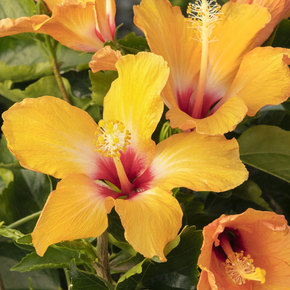
- Massive blush-pink blooms with a swirling deep rose-red center and buttery yellow stamens bloom from summer through fall, emerging 2 to 3 weeks earlier than other hardy hibiscus varieties for an extended season of color.
- Striking dark purple-black to mocha-brown foliage provides bold, season-long contrast that makes this plant an eye-catching focal point even when not in flower.
- A dense, compact, upright habit reaching approximately 4 feet tall and 3 feet wide fits neatly into perennial borders, mixed beds, poolside plantings, and large containers without sprawling.
- Improved tolerance to Japanese beetles and sawfly larvae, reduced viable seed set, and reliable cold hardiness in USDA Zones 4 through 9 make this one of the toughest and most low-maintenance hardy hibiscus selections available.
Hibiscus MoonShadow Rosita (Hibiscus moscheutos 'Rosita' USPPAF) is a spectacular herbaceous perennial that delivers undeniable tropical drama with all the cold-hardy reliability of a true garden workhorse. Each bloom is a stunning bi-color display — pale baby-pink petals that radiate outward from a rich, spiraling rosita-red center threaded with deep veining, all surrounding a cluster of creamy yellow stamens — and dinner-plate-sized flowers open in generous succession from mid-summer deep into fall. What truly sets MoonShadow Rosita apart from other hardy hibiscus is its remarkable dark foliage, which shifts in tone from deep mocha brown to near violet-black depending on sunlight and temperature, creating a bold, high-contrast backdrop that electrifies any garden composition from the moment growth emerges in spring. Because MoonShadow breaks dormancy 3 to 4 weeks earlier than competing varieties and initiates blooms 2 to 3 weeks ahead of the pack, gardeners get a noticeably longer season of interest without sacrificing the tough perennial performance that Hibiscus moscheutos is known for. The plant forms a densely branched, compact upright mound — roughly 4 feet tall and 3 feet wide — that maintains a tidy, intentional shape throughout the season. Improved resistance to Japanese beetles and sawfly larvae keeps the foliage looking clean with minimal intervention, and the plant produces a reduced viable seed set, which means energy stays focused on flowering rather than seed development. Hardy to -30 degrees F (USDA Zone 4), MoonShadow Rosita is an outstanding choice for perennial borders, cottage gardens, pollinator plantings, waterside features, and large patio containers throughout Southern Oregon and Northern California, delivering a bold, lush, nearly tropical effect in a reliably cold-hardy, repeat-blooming package that hummingbirds, butterflies, and bees simply cannot resist.
Plant Description
Hibiscus MoonShadow Rosita is a herbaceous perennial in the Malvaceae (mallow) family, belonging to the species Hibiscus moscheutos — commonly called rose mallow or dinner-plate hibiscus. The MoonShadow series is an improved, trademarked line bred specifically for earlier dormancy break, extended bloom, compact habit, and improved insect tolerance. The 'Rosita' selection is distinguished by its bi-color blossoms featuring pale blush-pink petals with deep rose-red to crimson veining that spirals outward from a vivid rosita-red center, accented by a cluster of pale buttery-yellow stamens. Blooms are dinner-plate-sized — up to 10 to 12 inches across — and open one to several at a time across a long succession from summer through frost. The foliage is bold and deeply lobed, emerging in rich dark tones ranging from chocolate-mocha to near violet-black, shifting with available light and growing temperatures. The overall plant is densely branched with a naturally upright, rounded mound habit. Like all hardy hibiscus, it is fully herbaceous — dying back completely to the ground each winter and re-emerging from the roots each spring, often later than most perennials, which is perfectly normal behavior for this genus.
Mature Size and Growth Habit
| Characteristic | Detail |
|---|---|
| Mature Height | 3 to 4 feet |
| Mature Spread | 3 feet |
| Growth Rate | Fast (seasonal); reaches mature height within a single growing season once established |
| Habit | Upright, densely branched, compact mound |
| Plant Type | Herbaceous perennial; dies back to the ground in winter and returns from roots in spring |
| Recommended Spacing | 3 feet on center |
Compared to many older hardy hibiscus varieties that can become large and floppy, MoonShadow Rosita maintains a tidier, more compact form that integrates well into mixed borders without staking under normal conditions. The dense branching ensures a well-clothed plant from base to tip throughout the growing season.
Hardiness Zones and Temperature Tolerance
Hibiscus MoonShadow Rosita is rated hardy in USDA Plant Hardiness Zones 4 through 9, tolerating winter lows down to approximately -30 degrees F (-34 degrees C). This broad cold hardiness makes it suitable across a wide range of climates, from the frigid Upper Midwest to the warm-summer regions of Southern Oregon and Northern California. In Zones 4 and 5, the plant dies back fully to the ground each fall and returns reliably from the crown and roots the following spring. In warmer Zone 8 and 9 gardens, it may retain some woody base tissue but is typically treated as an herbaceous perennial for pruning purposes. The MoonShadow series is specifically noted for breaking dormancy 3 to 4 weeks earlier in spring than other hardy hibiscus varieties on the market, which is a significant advantage in climates with shorter growing seasons. Despite its earlier emergence, it maintains the same cold hardiness as traditional varieties.
Sunlight Requirements
MoonShadow Rosita performs best in full sun, meaning at least 6 hours of direct sunlight per day. Adequate sun exposure is essential for the richest foliage color, the most abundant flower production, and the most compact, self-supporting growth habit. In hot inland climates of Southern Oregon and Northern California, the plant handles full sun exposure well, especially when soil moisture is consistently maintained. In areas with intense afternoon heat, some light afternoon dappled shade may reduce moisture stress without significantly reducing flower production, but it may cause the foliage color to be slightly less dramatic and growth to become a touch more open or leaning. Deeply shaded locations will result in reduced blooming, stretched stems, and less vivid foliage coloration and are not recommended.
Soil and pH Preferences
MoonShadow Rosita thrives in rich, well-drained soil amended generously with organic matter such as compost. The ideal soil pH range is 6.0 to 7.0 (slightly acidic to neutral). While Hibiscus moscheutos naturally colonizes moist, low-lying areas in the wild, garden cultivars like MoonShadow Rosita adapt to a broader range of moisture conditions once established, performing well in average to consistently moist garden soils. The most important factor is that the soil not become fully waterlogged or compacted for extended periods during the growing season, as this can lead to root rot and crown issues. Improving clay soils with organic matter and raised planting beds improves drainage and encourages vigorous establishment. Sandy soils benefit from added compost to improve moisture and nutrient retention. Mulching around the root zone helps buffer soil temperature extremes and maintain consistent moisture levels throughout the growing season.
Watering Guide
Hardy hibiscus is a moisture-loving plant, and consistent watering is one of the most important factors in achieving large, plentiful blooms. During the active growing season, MoonShadow Rosita benefits from regular, deep watering, particularly during dry or hot spells. Aim to keep the soil evenly moist but not saturated. During peak summer heat, which is common in Southern Oregon and Northern California valleys, deep watering two to three times per week may be necessary if rainfall is minimal. Allow the top inch or two of soil to begin to dry slightly between waterings to avoid overwatering, but do not let the plant wilt consistently, as moisture stress directly reduces flower size and quantity. Newly planted specimens require more frequent monitoring and irrigation during their first growing season while the root system establishes. Applying a 2 to 3 inch layer of organic mulch over the root zone significantly reduces the need for supplemental watering by retaining soil moisture.
Fertilizing
For the best flower production and foliage color, feed MoonShadow Rosita with a balanced, slow-release granular fertilizer (such as a 10-10-10 or 12-12-12 formulation) applied in early spring just as new growth begins to emerge. A second application of a bloom-boosting fertilizer with a higher middle number (phosphorus) in early to mid-summer can encourage heavier bud set and more vibrant flower color. Avoid over-fertilizing with high-nitrogen products, as excess nitrogen promotes lush leafy growth at the expense of flowers. A light top-dressing of compost worked into the soil around the plant each spring is an excellent complement to any fertilizer regimen, improving both soil structure and long-term nutrient availability. Container-grown specimens benefit from regular applications of a water-soluble balanced fertilizer every two to three weeks throughout the growing season, as nutrients leach from containers more rapidly than from in-ground plantings.
Pruning and Maintenance
Hardy hibiscus is generally low-maintenance once established, but a few seasonal care practices keep MoonShadow Rosita looking its best year after year.
- Spring: Be patient — hardy hibiscus is one of the last perennials to emerge in spring, often well into May even in mild climates. Wait until you see clear signs of new growth at the base before assuming the plant has not survived winter. Once new growth is confirmed, cut old stems back to 3 to 6 inches above ground level if they were not already cut in fall.
- Early Season Pinching: Pinching growing tips once or twice in late spring or early summer (while plants are under 18 inches tall) encourages a more branched, bushy habit and can increase the number of flowering stems.
- During the Season: Individual blooms last only one to two days, but MoonShadow Rosita produces a continuous succession of new buds. Spent flowers naturally drop on their own. Removing old flowers before they form seed heads can help direct energy back into the plant for continued bloom production. Deadheading is optional but beneficial for overall tidiness.
- Fall: After hard frost kills the foliage, cut stems back to 3 to 6 inches above ground level. Clear away all plant debris from the area to reduce overwintering sites for pests and disease spores. Apply a light layer of mulch over the crown for added winter protection, particularly in Zone 4 and 5 gardens.
Planting Instructions
- Choose a location with at least 6 hours of direct sun per day and well-drained, organically rich soil.
- Dig a planting hole two to three times as wide as the root ball and approximately the same depth. Loosen the soil at the bottom and sides of the hole to encourage root spread.
- Amend the backfill soil with compost at a ratio of roughly one part compost to two parts native soil if the existing soil is poor, clay-heavy, or very sandy.
- Remove the plant from its container and gently loosen any circling roots at the outer edges of the root ball.
- Set the plant in the hole so the top of the root ball sits level with or very slightly above the surrounding soil grade. Do not bury the crown deeply.
- Backfill with the amended soil, firming gently around the roots to eliminate large air pockets. Do not compact heavily.
- Water thoroughly immediately after planting to settle the soil around the roots.
- Apply a 2 to 3 inch layer of organic mulch (shredded bark, wood chips, or compost) around the plant, keeping mulch a few inches away from direct contact with the base stems to prevent rot.
- Water consistently throughout the first growing season while the root system establishes. Once established, the plant becomes more tolerant of variable moisture conditions.
Bloom Time and Seasonal Interest
One of the most significant selling points of MoonShadow Rosita is its extended season of interest compared to standard hardy hibiscus varieties. The MoonShadow series breaks dormancy 3 to 4 weeks earlier in spring than competing selections, delivering bold, dark foliage color well ahead of bloom time. Flowering typically begins in early to mid-summer — 2 to 3 weeks earlier than other Hibiscus moscheutos types — and continues with a heavy, continuous flush of blooms all the way through fall until frost. In the mild-summer and warm-fall climates of Southern Oregon and Northern California, this translates to an exceptionally long flowering window. The dark, near-black to mocha foliage provides dramatic color interest from first emergence through fall frost even on non-blooming days, ensuring the plant earns its garden space across all three seasons of the growing year. In winter, the plant is dormant with no visible above-ground presence.
Landscape Uses
MoonShadow Rosita is a highly versatile landscape plant that functions equally well as a bold specimen or as part of a layered planting composition. Suggested uses include:
- Perennial and Mixed Borders: Use as a mid-to-back-of-border focal point, where its height, bold foliage, and large blooms anchor the planting and provide vertical structure.
- Cottage and Informal Gardens: The large, showy flowers and relaxed, lush texture fit naturally into cottage-style plantings.
- Pollinator Gardens: An outstanding addition to wildlife-focused plantings, attracting hummingbirds, butterflies, and bees in abundance throughout summer and fall.
- Waterside and Rain Garden Plantings: Hibiscus moscheutos naturally tolerates moist, low-lying soils, making MoonShadow Rosita a great choice near water features, pond edges, rain gardens, and areas with seasonal moisture.
- Poolside and Patio Settings: The tropical look of the plant pairs beautifully with outdoor living spaces where a lush, resort-like atmosphere is desired.
- Container Plantings: Excellent in large patio containers where its size and dramatic color can be prominently featured and easily moved if needed.
- Privacy Screens and Seasonal Hedging: When planted in groups at 3-foot spacing, the dense, bushy plants create an effective seasonal privacy screen from summer through fall.
Companion Plants
MoonShadow Rosita's dramatic dark foliage and blush-pink blooms pair beautifully with a wide range of perennials, grasses, and shrubs. Consider the following companions for a cohesive and visually dynamic planting:
- Ornamental Grasses such as Karl Foerster feather reed grass or Purple Fountain grass provide fine-textured contrast to the bold hibiscus foliage and move gracefully in summer breezes.
- Rudbeckia (Black-Eyed Susan) — the golden-yellow blooms of black-eyed Susan echo the yellow stamens in the hibiscus flower and create a cheerful warm-toned pairing.
- Agastache (Hyssop) — tall, airy spikes in purple, blue, or orange complement the hibiscus at mid-border and attract the same pollinator audiences.
- Coneflowers (Echinacea) — rose, white, or deep magenta coneflowers bloom in tandem with the hibiscus, reinforcing a cottage-pollinator garden theme.
- Salvia nemorosa — compact lavender-blue salvia in the foreground sets off the dark hibiscus foliage and pink blooms strikingly.
- Joe-Pye Weed (Eutrochium) — a tall native perennial with dusty-rose blooms that blooms alongside the hibiscus and shares its preference for moist soils.
- Dark-leaved Cannas or Elephant Ears — repeated dark foliage themes create a bold, tropical design palette in summer container or bed displays.
- Catmint (Nepeta) — low-growing lavender-blue catmint edges a planting beautifully and helps define the front of a border while repeating cool-toned color from the hibiscus blooms.
Pests and Diseases
One of the standout improvements of the MoonShadow series is its demonstrated increased tolerance to Japanese beetles and sawfly larvae — two of the most problematic insect pests of Hibiscus moscheutos. While no plant is completely immune, MoonShadow Rosita shows significantly less damage from these pests than older varieties under comparable conditions. Other potential issues to be aware of include:
- Aphids: Clusters of small soft-bodied insects may appear on tender new growth. A strong spray of water or an application of insecticidal soap will control most infestations without harming beneficial insects.
- Whiteflies: Particularly in warm, protected settings; treat with insecticidal soap or neem oil if populations are problematic.
- Leaf Spots (Fungal): Occasional fungal leaf spotting can occur during periods of high humidity or overhead irrigation. Improving air circulation, avoiding wetting foliage late in the day, and removing infected leaves and plant debris typically provide adequate control.
- Southern Stem Blight: Rare, but can occur in warm, humid conditions. Keep mulch pulled back several inches from the base of the stems to reduce risk.
- Root Rot: Caused by consistently waterlogged soil. Ensure good drainage and avoid overwatering to prevent this issue entirely.
General garden hygiene — including clearing debris from around the plant each fall, rotating mulch annually, and monitoring plants early in the season — goes a long way toward preventing most pest and disease issues on MoonShadow Rosita.
Container Growing
MoonShadow Rosita makes a spectacular container specimen for large patios, decks, poolside settings, and entryways. To grow successfully in a container, follow these guidelines:
- Choose a container at least 20 to 24 inches wide and deep to accommodate the root system and support the plant's top growth through the season.
- Use a high-quality, well-draining potting mix amended with compost. Ensure the container has adequate drainage holes.
- Container plantings dry out much faster than in-ground plants, especially during the heat of summer. Check soil moisture frequently and water deeply when the top inch or two of potting mix becomes dry.
- Fertilize container-grown plants with a balanced water-soluble fertilizer every 2 to 3 weeks throughout the growing season, as nutrients leach from containers with regular watering.
- In climates with winters colder than Zone 7, containerized plants may need additional protection. Move containers to a sheltered, unheated garage or shed once the plant goes dormant in fall, or bury the container in a mulched bed for the winter. Resume watering sparingly when new growth emerges in spring.
- Re-pot every 2 to 3 years or when the plant becomes rootbound, moving up one pot size to keep the root system healthy and vigorous.
Wildlife Value
MoonShadow Rosita is an outstanding plant for supporting local wildlife and pollinators throughout its long bloom season. The enormous, open-faced flowers are easily accessible to a wide variety of beneficial insects and animals, including:
- Hummingbirds: The bold, deep-colored centers of the blooms are highly attractive to hummingbirds, which are drawn to the rich nectar produced. In Southern Oregon and Northern California, both resident Anna's Hummingbirds and migrating Rufous Hummingbirds will visit regularly throughout summer and fall.
- Butterflies: Many species of butterflies, including swallowtails, painted ladies, and skippers, visit the large open blooms for nectar throughout the season.
- Native Bees: Bumblebees and other large native bees are frequent visitors, and the plant supports multiple species of specialist bees that prefer plants in the mallow family.
- Honeybees: The accessible floral structure makes MoonShadow Rosita an excellent resource for honeybees during late summer and fall when many other plants have finished blooming.
The reduced viable seed set of MoonShadow Rosita means it is less likely to volunteer aggressively into garden beds compared to straight species plants, making it a responsible and tidy choice for managed pollinator gardens.
- Massive blush-pink blooms with a swirling deep rose-red center and buttery yellow stamens bloom from summer through fall, emerging 2 to 3 weeks earlier than other hardy hibiscus varieties for an extended season of color.
- Striking dark purple-black to mocha-brown foliage provides bold, season-long contrast that makes this plant an eye-catching focal point even when not in flower.
- A dense, compact, upright habit reaching approximately 4 feet tall and 3 feet wide fits neatly into perennial borders, mixed beds, poolside plantings, and large containers without sprawling.
- Improved tolerance to Japanese beetles and sawfly larvae, reduced viable seed set, and reliable cold hardiness in USDA Zones 4 through 9 make this one of the toughest and most low-maintenance hardy hibiscus selections available.
Hibiscus MoonShadow Rosita (Hibiscus moscheutos 'Rosita' USPPAF) is a spectacular herbaceous perennial that delivers undeniable tropical drama with all the cold-hardy reliability of a true garden workhorse. Each bloom is a stunning bi-color display — pale baby-pink petals that radiate outward from a rich, spiraling rosita-red center threaded with deep veining, all surrounding a cluster of creamy yellow stamens — and dinner-plate-sized flowers open in generous succession from mid-summer deep into fall. What truly sets MoonShadow Rosita apart from other hardy hibiscus is its remarkable dark foliage, which shifts in tone from deep mocha brown to near violet-black depending on sunlight and temperature, creating a bold, high-contrast backdrop that electrifies any garden composition from the moment growth emerges in spring. Because MoonShadow breaks dormancy 3 to 4 weeks earlier than competing varieties and initiates blooms 2 to 3 weeks ahead of the pack, gardeners get a noticeably longer season of interest without sacrificing the tough perennial performance that Hibiscus moscheutos is known for. The plant forms a densely branched, compact upright mound — roughly 4 feet tall and 3 feet wide — that maintains a tidy, intentional shape throughout the season. Improved resistance to Japanese beetles and sawfly larvae keeps the foliage looking clean with minimal intervention, and the plant produces a reduced viable seed set, which means energy stays focused on flowering rather than seed development. Hardy to -30 degrees F (USDA Zone 4), MoonShadow Rosita is an outstanding choice for perennial borders, cottage gardens, pollinator plantings, waterside features, and large patio containers throughout Southern Oregon and Northern California, delivering a bold, lush, nearly tropical effect in a reliably cold-hardy, repeat-blooming package that hummingbirds, butterflies, and bees simply cannot resist.
Plant Description
Hibiscus MoonShadow Rosita is a herbaceous perennial in the Malvaceae (mallow) family, belonging to the species Hibiscus moscheutos — commonly called rose mallow or dinner-plate hibiscus. The MoonShadow series is an improved, trademarked line bred specifically for earlier dormancy break, extended bloom, compact habit, and improved insect tolerance. The 'Rosita' selection is distinguished by its bi-color blossoms featuring pale blush-pink petals with deep rose-red to crimson veining that spirals outward from a vivid rosita-red center, accented by a cluster of pale buttery-yellow stamens. Blooms are dinner-plate-sized — up to 10 to 12 inches across — and open one to several at a time across a long succession from summer through frost. The foliage is bold and deeply lobed, emerging in rich dark tones ranging from chocolate-mocha to near violet-black, shifting with available light and growing temperatures. The overall plant is densely branched with a naturally upright, rounded mound habit. Like all hardy hibiscus, it is fully herbaceous — dying back completely to the ground each winter and re-emerging from the roots each spring, often later than most perennials, which is perfectly normal behavior for this genus.
Mature Size and Growth Habit
| Characteristic | Detail |
|---|---|
| Mature Height | 3 to 4 feet |
| Mature Spread | 3 feet |
| Growth Rate | Fast (seasonal); reaches mature height within a single growing season once established |
| Habit | Upright, densely branched, compact mound |
| Plant Type | Herbaceous perennial; dies back to the ground in winter and returns from roots in spring |
| Recommended Spacing | 3 feet on center |
Compared to many older hardy hibiscus varieties that can become large and floppy, MoonShadow Rosita maintains a tidier, more compact form that integrates well into mixed borders without staking under normal conditions. The dense branching ensures a well-clothed plant from base to tip throughout the growing season.
Hardiness Zones and Temperature Tolerance
Hibiscus MoonShadow Rosita is rated hardy in USDA Plant Hardiness Zones 4 through 9, tolerating winter lows down to approximately -30 degrees F (-34 degrees C). This broad cold hardiness makes it suitable across a wide range of climates, from the frigid Upper Midwest to the warm-summer regions of Southern Oregon and Northern California. In Zones 4 and 5, the plant dies back fully to the ground each fall and returns reliably from the crown and roots the following spring. In warmer Zone 8 and 9 gardens, it may retain some woody base tissue but is typically treated as an herbaceous perennial for pruning purposes. The MoonShadow series is specifically noted for breaking dormancy 3 to 4 weeks earlier in spring than other hardy hibiscus varieties on the market, which is a significant advantage in climates with shorter growing seasons. Despite its earlier emergence, it maintains the same cold hardiness as traditional varieties.
Sunlight Requirements
MoonShadow Rosita performs best in full sun, meaning at least 6 hours of direct sunlight per day. Adequate sun exposure is essential for the richest foliage color, the most abundant flower production, and the most compact, self-supporting growth habit. In hot inland climates of Southern Oregon and Northern California, the plant handles full sun exposure well, especially when soil moisture is consistently maintained. In areas with intense afternoon heat, some light afternoon dappled shade may reduce moisture stress without significantly reducing flower production, but it may cause the foliage color to be slightly less dramatic and growth to become a touch more open or leaning. Deeply shaded locations will result in reduced blooming, stretched stems, and less vivid foliage coloration and are not recommended.
Soil and pH Preferences
MoonShadow Rosita thrives in rich, well-drained soil amended generously with organic matter such as compost. The ideal soil pH range is 6.0 to 7.0 (slightly acidic to neutral). While Hibiscus moscheutos naturally colonizes moist, low-lying areas in the wild, garden cultivars like MoonShadow Rosita adapt to a broader range of moisture conditions once established, performing well in average to consistently moist garden soils. The most important factor is that the soil not become fully waterlogged or compacted for extended periods during the growing season, as this can lead to root rot and crown issues. Improving clay soils with organic matter and raised planting beds improves drainage and encourages vigorous establishment. Sandy soils benefit from added compost to improve moisture and nutrient retention. Mulching around the root zone helps buffer soil temperature extremes and maintain consistent moisture levels throughout the growing season.
Watering Guide
Hardy hibiscus is a moisture-loving plant, and consistent watering is one of the most important factors in achieving large, plentiful blooms. During the active growing season, MoonShadow Rosita benefits from regular, deep watering, particularly during dry or hot spells. Aim to keep the soil evenly moist but not saturated. During peak summer heat, which is common in Southern Oregon and Northern California valleys, deep watering two to three times per week may be necessary if rainfall is minimal. Allow the top inch or two of soil to begin to dry slightly between waterings to avoid overwatering, but do not let the plant wilt consistently, as moisture stress directly reduces flower size and quantity. Newly planted specimens require more frequent monitoring and irrigation during their first growing season while the root system establishes. Applying a 2 to 3 inch layer of organic mulch over the root zone significantly reduces the need for supplemental watering by retaining soil moisture.
Fertilizing
For the best flower production and foliage color, feed MoonShadow Rosita with a balanced, slow-release granular fertilizer (such as a 10-10-10 or 12-12-12 formulation) applied in early spring just as new growth begins to emerge. A second application of a bloom-boosting fertilizer with a higher middle number (phosphorus) in early to mid-summer can encourage heavier bud set and more vibrant flower color. Avoid over-fertilizing with high-nitrogen products, as excess nitrogen promotes lush leafy growth at the expense of flowers. A light top-dressing of compost worked into the soil around the plant each spring is an excellent complement to any fertilizer regimen, improving both soil structure and long-term nutrient availability. Container-grown specimens benefit from regular applications of a water-soluble balanced fertilizer every two to three weeks throughout the growing season, as nutrients leach from containers more rapidly than from in-ground plantings.
Pruning and Maintenance
Hardy hibiscus is generally low-maintenance once established, but a few seasonal care practices keep MoonShadow Rosita looking its best year after year.
- Spring: Be patient — hardy hibiscus is one of the last perennials to emerge in spring, often well into May even in mild climates. Wait until you see clear signs of new growth at the base before assuming the plant has not survived winter. Once new growth is confirmed, cut old stems back to 3 to 6 inches above ground level if they were not already cut in fall.
- Early Season Pinching: Pinching growing tips once or twice in late spring or early summer (while plants are under 18 inches tall) encourages a more branched, bushy habit and can increase the number of flowering stems.
- During the Season: Individual blooms last only one to two days, but MoonShadow Rosita produces a continuous succession of new buds. Spent flowers naturally drop on their own. Removing old flowers before they form seed heads can help direct energy back into the plant for continued bloom production. Deadheading is optional but beneficial for overall tidiness.
- Fall: After hard frost kills the foliage, cut stems back to 3 to 6 inches above ground level. Clear away all plant debris from the area to reduce overwintering sites for pests and disease spores. Apply a light layer of mulch over the crown for added winter protection, particularly in Zone 4 and 5 gardens.
Planting Instructions
- Choose a location with at least 6 hours of direct sun per day and well-drained, organically rich soil.
- Dig a planting hole two to three times as wide as the root ball and approximately the same depth. Loosen the soil at the bottom and sides of the hole to encourage root spread.
- Amend the backfill soil with compost at a ratio of roughly one part compost to two parts native soil if the existing soil is poor, clay-heavy, or very sandy.
- Remove the plant from its container and gently loosen any circling roots at the outer edges of the root ball.
- Set the plant in the hole so the top of the root ball sits level with or very slightly above the surrounding soil grade. Do not bury the crown deeply.
- Backfill with the amended soil, firming gently around the roots to eliminate large air pockets. Do not compact heavily.
- Water thoroughly immediately after planting to settle the soil around the roots.
- Apply a 2 to 3 inch layer of organic mulch (shredded bark, wood chips, or compost) around the plant, keeping mulch a few inches away from direct contact with the base stems to prevent rot.
- Water consistently throughout the first growing season while the root system establishes. Once established, the plant becomes more tolerant of variable moisture conditions.
Bloom Time and Seasonal Interest
One of the most significant selling points of MoonShadow Rosita is its extended season of interest compared to standard hardy hibiscus varieties. The MoonShadow series breaks dormancy 3 to 4 weeks earlier in spring than competing selections, delivering bold, dark foliage color well ahead of bloom time. Flowering typically begins in early to mid-summer — 2 to 3 weeks earlier than other Hibiscus moscheutos types — and continues with a heavy, continuous flush of blooms all the way through fall until frost. In the mild-summer and warm-fall climates of Southern Oregon and Northern California, this translates to an exceptionally long flowering window. The dark, near-black to mocha foliage provides dramatic color interest from first emergence through fall frost even on non-blooming days, ensuring the plant earns its garden space across all three seasons of the growing year. In winter, the plant is dormant with no visible above-ground presence.
Landscape Uses
MoonShadow Rosita is a highly versatile landscape plant that functions equally well as a bold specimen or as part of a layered planting composition. Suggested uses include:
- Perennial and Mixed Borders: Use as a mid-to-back-of-border focal point, where its height, bold foliage, and large blooms anchor the planting and provide vertical structure.
- Cottage and Informal Gardens: The large, showy flowers and relaxed, lush texture fit naturally into cottage-style plantings.
- Pollinator Gardens: An outstanding addition to wildlife-focused plantings, attracting hummingbirds, butterflies, and bees in abundance throughout summer and fall.
- Waterside and Rain Garden Plantings: Hibiscus moscheutos naturally tolerates moist, low-lying soils, making MoonShadow Rosita a great choice near water features, pond edges, rain gardens, and areas with seasonal moisture.
- Poolside and Patio Settings: The tropical look of the plant pairs beautifully with outdoor living spaces where a lush, resort-like atmosphere is desired.
- Container Plantings: Excellent in large patio containers where its size and dramatic color can be prominently featured and easily moved if needed.
- Privacy Screens and Seasonal Hedging: When planted in groups at 3-foot spacing, the dense, bushy plants create an effective seasonal privacy screen from summer through fall.
Companion Plants
MoonShadow Rosita's dramatic dark foliage and blush-pink blooms pair beautifully with a wide range of perennials, grasses, and shrubs. Consider the following companions for a cohesive and visually dynamic planting:
- Ornamental Grasses such as Karl Foerster feather reed grass or Purple Fountain grass provide fine-textured contrast to the bold hibiscus foliage and move gracefully in summer breezes.
- Rudbeckia (Black-Eyed Susan) — the golden-yellow blooms of black-eyed Susan echo the yellow stamens in the hibiscus flower and create a cheerful warm-toned pairing.
- Agastache (Hyssop) — tall, airy spikes in purple, blue, or orange complement the hibiscus at mid-border and attract the same pollinator audiences.
- Coneflowers (Echinacea) — rose, white, or deep magenta coneflowers bloom in tandem with the hibiscus, reinforcing a cottage-pollinator garden theme.
- Salvia nemorosa — compact lavender-blue salvia in the foreground sets off the dark hibiscus foliage and pink blooms strikingly.
- Joe-Pye Weed (Eutrochium) — a tall native perennial with dusty-rose blooms that blooms alongside the hibiscus and shares its preference for moist soils.
- Dark-leaved Cannas or Elephant Ears — repeated dark foliage themes create a bold, tropical design palette in summer container or bed displays.
- Catmint (Nepeta) — low-growing lavender-blue catmint edges a planting beautifully and helps define the front of a border while repeating cool-toned color from the hibiscus blooms.
Pests and Diseases
One of the standout improvements of the MoonShadow series is its demonstrated increased tolerance to Japanese beetles and sawfly larvae — two of the most problematic insect pests of Hibiscus moscheutos. While no plant is completely immune, MoonShadow Rosita shows significantly less damage from these pests than older varieties under comparable conditions. Other potential issues to be aware of include:
- Aphids: Clusters of small soft-bodied insects may appear on tender new growth. A strong spray of water or an application of insecticidal soap will control most infestations without harming beneficial insects.
- Whiteflies: Particularly in warm, protected settings; treat with insecticidal soap or neem oil if populations are problematic.
- Leaf Spots (Fungal): Occasional fungal leaf spotting can occur during periods of high humidity or overhead irrigation. Improving air circulation, avoiding wetting foliage late in the day, and removing infected leaves and plant debris typically provide adequate control.
- Southern Stem Blight: Rare, but can occur in warm, humid conditions. Keep mulch pulled back several inches from the base of the stems to reduce risk.
- Root Rot: Caused by consistently waterlogged soil. Ensure good drainage and avoid overwatering to prevent this issue entirely.
General garden hygiene — including clearing debris from around the plant each fall, rotating mulch annually, and monitoring plants early in the season — goes a long way toward preventing most pest and disease issues on MoonShadow Rosita.
Container Growing
MoonShadow Rosita makes a spectacular container specimen for large patios, decks, poolside settings, and entryways. To grow successfully in a container, follow these guidelines:
- Choose a container at least 20 to 24 inches wide and deep to accommodate the root system and support the plant's top growth through the season.
- Use a high-quality, well-draining potting mix amended with compost. Ensure the container has adequate drainage holes.
- Container plantings dry out much faster than in-ground plants, especially during the heat of summer. Check soil moisture frequently and water deeply when the top inch or two of potting mix becomes dry.
- Fertilize container-grown plants with a balanced water-soluble fertilizer every 2 to 3 weeks throughout the growing season, as nutrients leach from containers with regular watering.
- In climates with winters colder than Zone 7, containerized plants may need additional protection. Move containers to a sheltered, unheated garage or shed once the plant goes dormant in fall, or bury the container in a mulched bed for the winter. Resume watering sparingly when new growth emerges in spring.
- Re-pot every 2 to 3 years or when the plant becomes rootbound, moving up one pot size to keep the root system healthy and vigorous.
Wildlife Value
MoonShadow Rosita is an outstanding plant for supporting local wildlife and pollinators throughout its long bloom season. The enormous, open-faced flowers are easily accessible to a wide variety of beneficial insects and animals, including:
- Hummingbirds: The bold, deep-colored centers of the blooms are highly attractive to hummingbirds, which are drawn to the rich nectar produced. In Southern Oregon and Northern California, both resident Anna's Hummingbirds and migrating Rufous Hummingbirds will visit regularly throughout summer and fall.
- Butterflies: Many species of butterflies, including swallowtails, painted ladies, and skippers, visit the large open blooms for nectar throughout the season.
- Native Bees: Bumblebees and other large native bees are frequent visitors, and the plant supports multiple species of specialist bees that prefer plants in the mallow family.
- Honeybees: The accessible floral structure makes MoonShadow Rosita an excellent resource for honeybees during late summer and fall when many other plants have finished blooming.
The reduced viable seed set of MoonShadow Rosita means it is less likely to volunteer aggressively into garden beds compared to straight species plants, making it a responsible and tidy choice for managed pollinator gardens.