Zoom the image with the mouse
Jazzy Jewel Amber Hibiscus - 5 Gallon
SKU:
1932280
UPC:
014949465295
$49.99
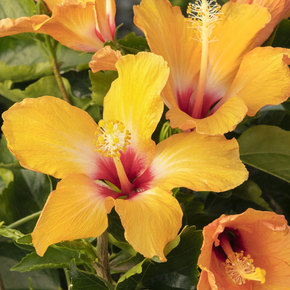
- Prolific, large soft-orange blooms with a deep crimson eye and light halo overlay light up the garden from late spring through fall, with near year-round flowering in frost-free climates
- Lush, glossy dark-green foliage provides a rich tropical backdrop, complementing an upright, mounding form that reaches up to 5 feet tall and wide at maturity
- A magnet for hummingbirds and butterflies, this deer-resistant, pet-safe evergreen shrub delivers bold exotic color in warm, sunny gardens, patios, and courtyards
- Versatile as a landscape specimen, informal hedge, or showstopping patio container "thriller" — easy to grow and maintain with moderate, regular care
Jazzy Jewel Amber Hibiscus (Hibiscus rosa-sinensis 'RH-05') is a stunning tropical evergreen shrub that delivers a season-long parade of large, soft-orange blooms accented by a deep crimson eye and a delicate light halo overlay, all set against an abundant backdrop of lustrous, dark-green glossy foliage. Part of the compact Jazzy Jewel series, this patented selection has been bred for prolific bud production and long-lasting color, making it one of the most dramatic and rewarding tropical hibiscus choices available. Growing to a well-proportioned 5 feet tall and wide, Jazzy Jewel Amber maintains a naturally tidy, upright-spreading habit that integrates beautifully into Southern Oregon and Northern California landscapes — thriving in the long warm summers that make our region ideal hibiscus country. Hardy outdoors year-round in USDA zones 9-11, it performs as a frost-tender specimen in cooler inland gardens and is easily overwintered as a container plant in areas that experience occasional frosts. Whether massed along a sunny border for a vivid hedge effect, planted as a bold focal point in a mixed tropical bed, or showcased in a large decorative container on a patio or courtyard, Jazzy Jewel Amber Hibiscus consistently delivers that lush, resort-style ambiance that tropical garden enthusiasts love.
Plant Description
Jazzy Jewel Amber Hibiscus is a frost-tender evergreen tropical shrub in the family Malvaceae, bred from the species Hibiscus rosa-sinensis — commonly known as tropical hibiscus, Chinese hibiscus, or Hawaiian hibiscus. This patented cultivar (Plant Patent PP34,662) belongs to the compact Jazzy Jewel series and is distinguished by its exceptionally prolific flowering habit and distinctively colored blooms. Each large, funnel-shaped blossom displays soft amber-orange petals with a light halo overlay radiating outward from a bold deep crimson eye at the center, finished with a showy extended stamen column that adds further tropical drama. While individual blooms last just one to a few days, the plant continuously sets new buds throughout the growing season, ensuring a near-constant display of color. The glossy, dark-green, toothed leaves retain their rich appearance year-round in frost-free settings, giving the plant strong ornamental value even between bloom cycles. Its naturally upright-spreading, multi-stemmed growth habit forms a full, lush mound that is as attractive in the landscape as it is in a large container planting.
Mature Size
| Characteristic | Measurement |
|---|---|
| Mature Height | 4 to 5 feet |
| Mature Width | 4 to 5 feet |
| Growth Rate | Moderate (up to 2 feet of new growth per season) |
| Growth Habit | Upright, mounding, multi-stemmed |
| Plant Type | Evergreen tropical shrub |
Hardiness Zones and Temperature
Jazzy Jewel Amber Hibiscus is hardy outdoors year-round in USDA Hardiness Zones 9 through 11, making it a natural fit for the warmer valleys and coastal areas of Northern California and the lower-elevation portions of Southern Oregon. It performs best when temperatures remain consistently between 55°F and 85°F. Temperatures above 90–95°F may cause bud drop, while exposure to temperatures below 50°F can stress or damage the plant. Even a brief frost can cause significant injury or death to foliage and stems. In areas that experience occasional frosts, growing Jazzy Jewel Amber in a container allows it to be moved to a protected or indoor location when cold weather threatens. When overwintering indoors, place the plant in the brightest available location receiving at least 2 to 3 hours of direct sunlight per day, reduce watering frequency, and mist foliage occasionally to maintain some humidity. Return plants outdoors in spring once nighttime temperatures consistently remain above 50°F.
Sunlight Requirements
For the best flowering performance, plant Jazzy Jewel Amber Hibiscus in a location that receives a minimum of 6 hours of direct sunlight each day. Full sun exposure encourages the most prolific bud set and the deepest, most vibrant bloom color. The plant can tolerate partial shade — particularly appreciated as afternoon protection during the hottest summer months in inland gardens — but reduced light will result in fewer flowers and potentially leggier growth. Avoid placing the plant in deep or prolonged shade, as this dramatically reduces blooming and can weaken the plant's overall vigor. A south- or west-facing exposure is ideal in most garden situations.
Soil and pH Preferences
Jazzy Jewel Amber Hibiscus thrives in rich, well-drained soil that retains consistent moisture without becoming waterlogged. Amend native soils generously with compost or other organic matter before planting to improve both fertility and drainage. The plant prefers a slightly acidic to neutral soil pH in the range of 6.0 to 7.0, with an optimal target of around 6.5 to 6.8. Highly compacted, heavy clay soils should be loosened and amended to ensure adequate drainage, as roots sitting in saturated soil are highly prone to root rot. For container planting, use a high-quality all-purpose potting mix; adding a portion of perlite to the mix will improve aeration and drainage. Apply a 2- to 3-inch layer of organic mulch over the root zone to help retain soil moisture, moderate soil temperature, and gradually improve soil fertility as it breaks down — keeping mulch a few inches away from the base of the stems.
Watering Guide
Consistent, regular moisture is essential for healthy growth and continuous blooming in Jazzy Jewel Amber Hibiscus. Water deeply and thoroughly during the first growing season after planting to help establish a strong, extensive root system. Once established, the plant still benefits from regular watering, especially during the warm summer months when it is actively growing and blooming. As a general guideline, provide approximately 1 to 2 inches of water per week, adjusting upward during periods of intense heat or drought. The soil should remain evenly moist — never allow it to dry out completely between waterings, as drought stress can cause bud drop and yellowing of the foliage. At the same time, never allow roots to sit in standing water, as this quickly leads to root rot. Container-grown plants dry out faster than in-ground plants and may require watering daily during hot weather. Yellow leaves in the lower or middle portions of the plant are often a signal of overwatering; if the soil is bone dry and leaves are yellowing, the plant is under-watered.
Fertilizing
Regular fertilization is key to sustaining the prolific blooming that makes Jazzy Jewel Amber Hibiscus so impressive. Begin fertilizing in early spring just before new growth emerges, using a balanced, slow-release granular fertilizer worked into the soil around the root zone. During the active growing season — spring through summer — supplement with a liquid fertilizer applied every one to two weeks. Choose a formula designed for tropical flowering plants, ideally one with a higher nitrogen and potassium content and a lower phosphorus level, such as a ratio similar to 10-4-12 or 9-3-13. Avoid fertilizers with an unusually high phosphorus (middle number) content, as this can paradoxically inhibit flowering and cause foliage yellowing in tropical hibiscus. Cease fertilizing in late fall when plant growth naturally slows. For container plants, because regular watering leaches nutrients from the potting mix more rapidly, feeding at the lower end of the weekly range throughout the growing season helps maintain vigor and bloom output.
Pruning and Maintenance
Jazzy Jewel Amber Hibiscus flowers on new growth produced in the current season, so regular pruning directly encourages a more abundant floral display. In frost-free gardens, a light to moderate pruning can be performed in late fall after the main flowering period winds down — remove any dead, damaged, or crossing branches, and shape the plant as desired. A harder cutback of up to one-third of the plant's overall size in early spring, just as new growth begins to emerge, will stimulate vigorous branching and maximize the number of flowering stems going into the warm season. Always use clean, sharp pruning shears to make smooth cuts just above a leaf node or outward-facing bud. Remove any discolored or diseased foliage throughout the season as needed. Deadheading spent blooms is not strictly necessary since flowers are largely self-cleaning, but removing faded blossoms can encourage the plant to redirect energy into producing new buds. For a formal, tidy appearance, lightly shear the plant to shape after each major flush of bloom.
Planting Instructions
- Select a planting site with at least 6 hours of direct sun, good air circulation, and shelter from strong winds.
- Wait until nighttime temperatures are consistently above 50°F before planting outdoors.
- Loosen the soil in the planting area to a depth of 12 to 18 inches and incorporate a generous amount of compost or aged organic matter to improve fertility and drainage.
- Dig a planting hole twice as wide as the root ball and the same depth — avoid planting too deep.
- Remove the plant from its nursery container and gently loosen any circling or compacted roots.
- Set the plant in the hole so the top of the root ball sits level with or very slightly above the surrounding soil grade.
- Backfill with amended soil, firming it gently around the roots to eliminate air pockets.
- Water thoroughly and deeply immediately after planting.
- Apply a 2- to 3-inch layer of organic mulch over the root zone, keeping it a few inches away from the base of the stems.
- Space multiple plants approximately 4 to 5 feet apart to allow for mature spread and good air circulation.
Container Growing
Jazzy Jewel Amber Hibiscus is exceptionally well-suited to container cultivation and is a showstopping "thriller" element in large patio pots and courtyard plantings. Choose a sturdy container at least 18 inches in diameter with multiple drainage holes — good drainage is non-negotiable for healthy roots. Fill with a high-quality, well-draining all-purpose potting mix, optionally blended with a portion of perlite for added aeration. Situate the container in the sunniest available location, ideally where it will receive 6 or more hours of direct sun. Container plants dry out significantly faster than in-ground plantings, so daily watering may be necessary during warm summer weather — check soil moisture by inserting a finger 1 to 2 inches into the mix and water when it feels dry at that depth. Fertilize container-grown plants regularly throughout the growing season using a liquid tropical plant fertilizer. Repot every 1 to 2 years into a container 2 inches larger in diameter, refreshing the potting mix at the same time. In areas with cold winters, move containers indoors before the first frost, placing the plant in a bright, warm location and reducing watering frequency until spring.
Seasonal Interest
Jazzy Jewel Amber Hibiscus provides strong ornamental interest across multiple seasons. From late spring onward, the plant begins setting its distinctive amber-orange blooms with deep crimson eyes, and in warm coastal and valley gardens it continues flowering prolifically through summer and well into fall. In frost-free zones 10 and above, flowering can continue virtually year-round, with only a brief seasonal slowdown during the coolest months. Even during short rest periods between bloom cycles, the dense, glossy, dark-green evergreen foliage maintains a lush, tropical appearance that enhances any planting. The vibrant flowers are at their most dramatic during the warm months of late spring, summer, and early fall, providing a reliable and eye-catching display precisely during the peak outdoor entertaining and garden-enjoyment season in Southern Oregon and Northern California.
Landscape Uses
The versatility of Jazzy Jewel Amber Hibiscus makes it a valuable addition to a wide range of landscape settings. Its upright, mounding habit and bold, tropical flower color work well in the following applications:
- Specimen or Focal Point: Plant as a dramatic standalone feature in a bed, border, or large container to create an immediate visual anchor.
- Informal Hedge or Screen: Mass-plant along fences, property lines, or pool surrounds for a lush, colorful, living screen in frost-free areas.
- Mixed Tropical Border: Combine with cannas, elephant ears, gingers, and ornamental grasses for a layered, resort-inspired tropical display.
- Patio and Courtyard Container: Use as the "thriller" centerpiece in a large decorative pot, surrounded by compact and trailing companion plants.
- Foundation Planting: Incorporate into mixed foundation borders for season-long flowering color alongside other flowering and foliage shrubs.
- Poolside Planting: Pair with bird of paradise, palms, and alocasia to evoke a lush, tropical resort aesthetic around a pool or spa.
- Coastal Gardens: Tolerates urban and coastal conditions well and thrives in the mild, sunny climates of the Northern California coast.
Companion Plants
Jazzy Jewel Amber Hibiscus pairs beautifully with other sun-loving tropical and subtropical plants that share its preference for warm temperatures, consistent moisture, and fertile, well-drained soil. Consider the following companion plants to create dynamic, layered compositions:
- Canna Lily — bold, upright foliage and vivid blooms in complementary warm tones echo the tropical theme
- Elephant Ears (Alocasia / Colocasia) — giant, architectural foliage provides dramatic contrast in texture and scale
- Bird of Paradise (Strelitzia reginae) — structural form and exotic orange-and-blue blooms pair naturally with the hibiscus color palette
- Mandevilla — a trailing or climbing companion with showy trumpet flowers that complements containers beautifully
- Lantana — heat-loving and a similar pollinator magnet; warm-colored varieties echo the amber-orange bloom tones
- Coleus — richly colored foliage varieties in bronze, red, or orange provide a lush, colorful skirt beneath taller hibiscus plants
- Sweet Potato Vine — fast-growing trailing foliage in chartreuse or deep purple provides excellent "spiller" contrast in containers
- Ginger Lily (Hedychium) — fragrant, tropical blooms and lush foliage complement the hibiscus for a full tropical-garden effect
- Plumeria — another warm-climate favorite with fragrant flowers that pairs well in poolside or courtyard tropical plantings
Pests and Diseases
When grown in optimal conditions, Jazzy Jewel Amber Hibiscus is generally resilient and not prone to serious pest or disease problems. However, gardeners should be aware of the following potential issues:
- Aphids: Small, soft-bodied insects that cluster on new growth and undersides of leaves, sucking plant sap. Dislodge with a strong jet of water or treat with insecticidal soap or neem oil spray.
- Mealybugs: White, cottony pests that congregate in leaf axils and on stems. Treat with insecticidal soap, neem oil, or dabbing with isopropyl alcohol on a cotton swab for small infestations.
- Spider Mites: Tiny mites that thrive in hot, dry conditions, causing stippled, dull foliage. Increase humidity, wash foliage with water, and apply neem oil or miticide if infestations persist.
- Scale Insects: Flat, shell-like insects that adhere to stems and foliage. Treat with horticultural oil during the appropriate seasonal window.
- Whiteflies and Thrips: Small flying or crawling insects that can cause foliage distortion and reduced vigor; yellow sticky traps and insecticidal soap are effective controls.
- Root Rot: Caused by overwatering or poor drainage. Prevent by ensuring excellent soil drainage and never allowing roots to sit in standing water. Affected plants may show yellowing, wilting, and bud drop.
- Powdery Mildew: A white, dusty fungal coating on foliage, typically triggered by poor air circulation or overhead watering. Improve airflow, water at the base, and treat with a diluted milk-and-water spray or an appropriate fungicide.
- Bud Drop: Often caused by sudden temperature swings, drought stress, or overwatering rather than pests. Maintain consistent growing conditions to minimize bud loss.
Wildlife Value
Jazzy Jewel Amber Hibiscus is a notable wildlife-friendly plant that adds ecological value to any garden. The large, showy, brightly colored blooms with their prominent, extended stamen columns are highly attractive to hummingbirds, which are drawn to the tubular flower shape and abundant nectar. Butterflies are also frequent visitors, making this hibiscus a valuable addition to pollinator gardens in warm-climate regions. The plant is considered deer resistant — deer generally avoid it in favor of more palatable alternatives, though hungry deer may browse any plant. Importantly, Hibiscus rosa-sinensis is non-toxic to cats and dogs, making it a pet-safe choice for households with animals that have access to the garden or patio. The dense evergreen foliage also provides sheltered perching spots for small birds.
- Prolific, large soft-orange blooms with a deep crimson eye and light halo overlay light up the garden from late spring through fall, with near year-round flowering in frost-free climates
- Lush, glossy dark-green foliage provides a rich tropical backdrop, complementing an upright, mounding form that reaches up to 5 feet tall and wide at maturity
- A magnet for hummingbirds and butterflies, this deer-resistant, pet-safe evergreen shrub delivers bold exotic color in warm, sunny gardens, patios, and courtyards
- Versatile as a landscape specimen, informal hedge, or showstopping patio container "thriller" — easy to grow and maintain with moderate, regular care
Jazzy Jewel Amber Hibiscus (Hibiscus rosa-sinensis 'RH-05') is a stunning tropical evergreen shrub that delivers a season-long parade of large, soft-orange blooms accented by a deep crimson eye and a delicate light halo overlay, all set against an abundant backdrop of lustrous, dark-green glossy foliage. Part of the compact Jazzy Jewel series, this patented selection has been bred for prolific bud production and long-lasting color, making it one of the most dramatic and rewarding tropical hibiscus choices available. Growing to a well-proportioned 5 feet tall and wide, Jazzy Jewel Amber maintains a naturally tidy, upright-spreading habit that integrates beautifully into Southern Oregon and Northern California landscapes — thriving in the long warm summers that make our region ideal hibiscus country. Hardy outdoors year-round in USDA zones 9-11, it performs as a frost-tender specimen in cooler inland gardens and is easily overwintered as a container plant in areas that experience occasional frosts. Whether massed along a sunny border for a vivid hedge effect, planted as a bold focal point in a mixed tropical bed, or showcased in a large decorative container on a patio or courtyard, Jazzy Jewel Amber Hibiscus consistently delivers that lush, resort-style ambiance that tropical garden enthusiasts love.
Plant Description
Jazzy Jewel Amber Hibiscus is a frost-tender evergreen tropical shrub in the family Malvaceae, bred from the species Hibiscus rosa-sinensis — commonly known as tropical hibiscus, Chinese hibiscus, or Hawaiian hibiscus. This patented cultivar (Plant Patent PP34,662) belongs to the compact Jazzy Jewel series and is distinguished by its exceptionally prolific flowering habit and distinctively colored blooms. Each large, funnel-shaped blossom displays soft amber-orange petals with a light halo overlay radiating outward from a bold deep crimson eye at the center, finished with a showy extended stamen column that adds further tropical drama. While individual blooms last just one to a few days, the plant continuously sets new buds throughout the growing season, ensuring a near-constant display of color. The glossy, dark-green, toothed leaves retain their rich appearance year-round in frost-free settings, giving the plant strong ornamental value even between bloom cycles. Its naturally upright-spreading, multi-stemmed growth habit forms a full, lush mound that is as attractive in the landscape as it is in a large container planting.
Mature Size
| Characteristic | Measurement |
|---|---|
| Mature Height | 4 to 5 feet |
| Mature Width | 4 to 5 feet |
| Growth Rate | Moderate (up to 2 feet of new growth per season) |
| Growth Habit | Upright, mounding, multi-stemmed |
| Plant Type | Evergreen tropical shrub |
Hardiness Zones and Temperature
Jazzy Jewel Amber Hibiscus is hardy outdoors year-round in USDA Hardiness Zones 9 through 11, making it a natural fit for the warmer valleys and coastal areas of Northern California and the lower-elevation portions of Southern Oregon. It performs best when temperatures remain consistently between 55°F and 85°F. Temperatures above 90–95°F may cause bud drop, while exposure to temperatures below 50°F can stress or damage the plant. Even a brief frost can cause significant injury or death to foliage and stems. In areas that experience occasional frosts, growing Jazzy Jewel Amber in a container allows it to be moved to a protected or indoor location when cold weather threatens. When overwintering indoors, place the plant in the brightest available location receiving at least 2 to 3 hours of direct sunlight per day, reduce watering frequency, and mist foliage occasionally to maintain some humidity. Return plants outdoors in spring once nighttime temperatures consistently remain above 50°F.
Sunlight Requirements
For the best flowering performance, plant Jazzy Jewel Amber Hibiscus in a location that receives a minimum of 6 hours of direct sunlight each day. Full sun exposure encourages the most prolific bud set and the deepest, most vibrant bloom color. The plant can tolerate partial shade — particularly appreciated as afternoon protection during the hottest summer months in inland gardens — but reduced light will result in fewer flowers and potentially leggier growth. Avoid placing the plant in deep or prolonged shade, as this dramatically reduces blooming and can weaken the plant's overall vigor. A south- or west-facing exposure is ideal in most garden situations.
Soil and pH Preferences
Jazzy Jewel Amber Hibiscus thrives in rich, well-drained soil that retains consistent moisture without becoming waterlogged. Amend native soils generously with compost or other organic matter before planting to improve both fertility and drainage. The plant prefers a slightly acidic to neutral soil pH in the range of 6.0 to 7.0, with an optimal target of around 6.5 to 6.8. Highly compacted, heavy clay soils should be loosened and amended to ensure adequate drainage, as roots sitting in saturated soil are highly prone to root rot. For container planting, use a high-quality all-purpose potting mix; adding a portion of perlite to the mix will improve aeration and drainage. Apply a 2- to 3-inch layer of organic mulch over the root zone to help retain soil moisture, moderate soil temperature, and gradually improve soil fertility as it breaks down — keeping mulch a few inches away from the base of the stems.
Watering Guide
Consistent, regular moisture is essential for healthy growth and continuous blooming in Jazzy Jewel Amber Hibiscus. Water deeply and thoroughly during the first growing season after planting to help establish a strong, extensive root system. Once established, the plant still benefits from regular watering, especially during the warm summer months when it is actively growing and blooming. As a general guideline, provide approximately 1 to 2 inches of water per week, adjusting upward during periods of intense heat or drought. The soil should remain evenly moist — never allow it to dry out completely between waterings, as drought stress can cause bud drop and yellowing of the foliage. At the same time, never allow roots to sit in standing water, as this quickly leads to root rot. Container-grown plants dry out faster than in-ground plants and may require watering daily during hot weather. Yellow leaves in the lower or middle portions of the plant are often a signal of overwatering; if the soil is bone dry and leaves are yellowing, the plant is under-watered.
Fertilizing
Regular fertilization is key to sustaining the prolific blooming that makes Jazzy Jewel Amber Hibiscus so impressive. Begin fertilizing in early spring just before new growth emerges, using a balanced, slow-release granular fertilizer worked into the soil around the root zone. During the active growing season — spring through summer — supplement with a liquid fertilizer applied every one to two weeks. Choose a formula designed for tropical flowering plants, ideally one with a higher nitrogen and potassium content and a lower phosphorus level, such as a ratio similar to 10-4-12 or 9-3-13. Avoid fertilizers with an unusually high phosphorus (middle number) content, as this can paradoxically inhibit flowering and cause foliage yellowing in tropical hibiscus. Cease fertilizing in late fall when plant growth naturally slows. For container plants, because regular watering leaches nutrients from the potting mix more rapidly, feeding at the lower end of the weekly range throughout the growing season helps maintain vigor and bloom output.
Pruning and Maintenance
Jazzy Jewel Amber Hibiscus flowers on new growth produced in the current season, so regular pruning directly encourages a more abundant floral display. In frost-free gardens, a light to moderate pruning can be performed in late fall after the main flowering period winds down — remove any dead, damaged, or crossing branches, and shape the plant as desired. A harder cutback of up to one-third of the plant's overall size in early spring, just as new growth begins to emerge, will stimulate vigorous branching and maximize the number of flowering stems going into the warm season. Always use clean, sharp pruning shears to make smooth cuts just above a leaf node or outward-facing bud. Remove any discolored or diseased foliage throughout the season as needed. Deadheading spent blooms is not strictly necessary since flowers are largely self-cleaning, but removing faded blossoms can encourage the plant to redirect energy into producing new buds. For a formal, tidy appearance, lightly shear the plant to shape after each major flush of bloom.
Planting Instructions
- Select a planting site with at least 6 hours of direct sun, good air circulation, and shelter from strong winds.
- Wait until nighttime temperatures are consistently above 50°F before planting outdoors.
- Loosen the soil in the planting area to a depth of 12 to 18 inches and incorporate a generous amount of compost or aged organic matter to improve fertility and drainage.
- Dig a planting hole twice as wide as the root ball and the same depth — avoid planting too deep.
- Remove the plant from its nursery container and gently loosen any circling or compacted roots.
- Set the plant in the hole so the top of the root ball sits level with or very slightly above the surrounding soil grade.
- Backfill with amended soil, firming it gently around the roots to eliminate air pockets.
- Water thoroughly and deeply immediately after planting.
- Apply a 2- to 3-inch layer of organic mulch over the root zone, keeping it a few inches away from the base of the stems.
- Space multiple plants approximately 4 to 5 feet apart to allow for mature spread and good air circulation.
Container Growing
Jazzy Jewel Amber Hibiscus is exceptionally well-suited to container cultivation and is a showstopping "thriller" element in large patio pots and courtyard plantings. Choose a sturdy container at least 18 inches in diameter with multiple drainage holes — good drainage is non-negotiable for healthy roots. Fill with a high-quality, well-draining all-purpose potting mix, optionally blended with a portion of perlite for added aeration. Situate the container in the sunniest available location, ideally where it will receive 6 or more hours of direct sun. Container plants dry out significantly faster than in-ground plantings, so daily watering may be necessary during warm summer weather — check soil moisture by inserting a finger 1 to 2 inches into the mix and water when it feels dry at that depth. Fertilize container-grown plants regularly throughout the growing season using a liquid tropical plant fertilizer. Repot every 1 to 2 years into a container 2 inches larger in diameter, refreshing the potting mix at the same time. In areas with cold winters, move containers indoors before the first frost, placing the plant in a bright, warm location and reducing watering frequency until spring.
Seasonal Interest
Jazzy Jewel Amber Hibiscus provides strong ornamental interest across multiple seasons. From late spring onward, the plant begins setting its distinctive amber-orange blooms with deep crimson eyes, and in warm coastal and valley gardens it continues flowering prolifically through summer and well into fall. In frost-free zones 10 and above, flowering can continue virtually year-round, with only a brief seasonal slowdown during the coolest months. Even during short rest periods between bloom cycles, the dense, glossy, dark-green evergreen foliage maintains a lush, tropical appearance that enhances any planting. The vibrant flowers are at their most dramatic during the warm months of late spring, summer, and early fall, providing a reliable and eye-catching display precisely during the peak outdoor entertaining and garden-enjoyment season in Southern Oregon and Northern California.
Landscape Uses
The versatility of Jazzy Jewel Amber Hibiscus makes it a valuable addition to a wide range of landscape settings. Its upright, mounding habit and bold, tropical flower color work well in the following applications:
- Specimen or Focal Point: Plant as a dramatic standalone feature in a bed, border, or large container to create an immediate visual anchor.
- Informal Hedge or Screen: Mass-plant along fences, property lines, or pool surrounds for a lush, colorful, living screen in frost-free areas.
- Mixed Tropical Border: Combine with cannas, elephant ears, gingers, and ornamental grasses for a layered, resort-inspired tropical display.
- Patio and Courtyard Container: Use as the "thriller" centerpiece in a large decorative pot, surrounded by compact and trailing companion plants.
- Foundation Planting: Incorporate into mixed foundation borders for season-long flowering color alongside other flowering and foliage shrubs.
- Poolside Planting: Pair with bird of paradise, palms, and alocasia to evoke a lush, tropical resort aesthetic around a pool or spa.
- Coastal Gardens: Tolerates urban and coastal conditions well and thrives in the mild, sunny climates of the Northern California coast.
Companion Plants
Jazzy Jewel Amber Hibiscus pairs beautifully with other sun-loving tropical and subtropical plants that share its preference for warm temperatures, consistent moisture, and fertile, well-drained soil. Consider the following companion plants to create dynamic, layered compositions:
- Canna Lily — bold, upright foliage and vivid blooms in complementary warm tones echo the tropical theme
- Elephant Ears (Alocasia / Colocasia) — giant, architectural foliage provides dramatic contrast in texture and scale
- Bird of Paradise (Strelitzia reginae) — structural form and exotic orange-and-blue blooms pair naturally with the hibiscus color palette
- Mandevilla — a trailing or climbing companion with showy trumpet flowers that complements containers beautifully
- Lantana — heat-loving and a similar pollinator magnet; warm-colored varieties echo the amber-orange bloom tones
- Coleus — richly colored foliage varieties in bronze, red, or orange provide a lush, colorful skirt beneath taller hibiscus plants
- Sweet Potato Vine — fast-growing trailing foliage in chartreuse or deep purple provides excellent "spiller" contrast in containers
- Ginger Lily (Hedychium) — fragrant, tropical blooms and lush foliage complement the hibiscus for a full tropical-garden effect
- Plumeria — another warm-climate favorite with fragrant flowers that pairs well in poolside or courtyard tropical plantings
Pests and Diseases
When grown in optimal conditions, Jazzy Jewel Amber Hibiscus is generally resilient and not prone to serious pest or disease problems. However, gardeners should be aware of the following potential issues:
- Aphids: Small, soft-bodied insects that cluster on new growth and undersides of leaves, sucking plant sap. Dislodge with a strong jet of water or treat with insecticidal soap or neem oil spray.
- Mealybugs: White, cottony pests that congregate in leaf axils and on stems. Treat with insecticidal soap, neem oil, or dabbing with isopropyl alcohol on a cotton swab for small infestations.
- Spider Mites: Tiny mites that thrive in hot, dry conditions, causing stippled, dull foliage. Increase humidity, wash foliage with water, and apply neem oil or miticide if infestations persist.
- Scale Insects: Flat, shell-like insects that adhere to stems and foliage. Treat with horticultural oil during the appropriate seasonal window.
- Whiteflies and Thrips: Small flying or crawling insects that can cause foliage distortion and reduced vigor; yellow sticky traps and insecticidal soap are effective controls.
- Root Rot: Caused by overwatering or poor drainage. Prevent by ensuring excellent soil drainage and never allowing roots to sit in standing water. Affected plants may show yellowing, wilting, and bud drop.
- Powdery Mildew: A white, dusty fungal coating on foliage, typically triggered by poor air circulation or overhead watering. Improve airflow, water at the base, and treat with a diluted milk-and-water spray or an appropriate fungicide.
- Bud Drop: Often caused by sudden temperature swings, drought stress, or overwatering rather than pests. Maintain consistent growing conditions to minimize bud loss.
Wildlife Value
Jazzy Jewel Amber Hibiscus is a notable wildlife-friendly plant that adds ecological value to any garden. The large, showy, brightly colored blooms with their prominent, extended stamen columns are highly attractive to hummingbirds, which are drawn to the tubular flower shape and abundant nectar. Butterflies are also frequent visitors, making this hibiscus a valuable addition to pollinator gardens in warm-climate regions. The plant is considered deer resistant — deer generally avoid it in favor of more palatable alternatives, though hungry deer may browse any plant. Importantly, Hibiscus rosa-sinensis is non-toxic to cats and dogs, making it a pet-safe choice for households with animals that have access to the garden or patio. The dense evergreen foliage also provides sheltered perching spots for small birds.