
Zoom the image with the mouse
Paseo Rancho Cedros Island Verbena - 1 Gallon
SKU:
2232950
UPC:
014949378762
$13.99
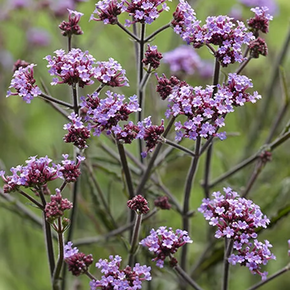
- Sweetly fragrant, light pink star-shaped flowers with purple stamens bloom from early spring through fall, hovering above delicate, finely dissected mid-green foliage on slender stalks
- A drought-tolerant, low-water California native selection with a naturally tidy mounding habit, ideal for water-wise and mediterranean-climate gardens in Southern Oregon and Northern California
- Exceptional pollinator magnet -- butterflies, bees, and beneficial insects flock to the nearly continuous blooms throughout the growing season
- Introduced by the California Botanic Garden, 'Paseo Rancho' is notably larger and more robust than other Cedros Island Verbena cultivars, with bigger leaves and more intensely fragrant blush-pink flowers
Paseo Rancho Cedros Island Verbena (Verbena lilacina 'Paseo Rancho') is a standout drought-tolerant perennial subshrub prized for its long season of sweetly fragrant, light pink star-shaped flowers accented by deep purple stamens. Originating from the wind-swept coastal bluffs of Cedros Island off the Pacific coast of Baja California -- squarely within the California Floristic Province -- this exceptional cultivar was introduced by the California Botanic Garden (formerly Rancho Santa Ana Botanic Garden) and is recognized for its larger stature, broader leaves, and more intensely fragrant blossoms compared to other selections of the species. Growing into a graceful, spreading mound of airy, finely dissected mid-green foliage, 'Paseo Rancho' produces flower stalks that rise 8 inches above the plant to create a soft, shimmering floral display from early spring through summer and well into fall. Adapted to the demands of Western gardens, it thrives in full sun to part shade, performs beautifully in dry borders, parking strips, slope plantings, butterfly gardens, and containers, and earns its place as a reliable, low-maintenance cornerstone of any California-style or native plant landscape.
Plant Description
Verbena lilacina 'Paseo Rancho', known as Paseo Rancho Cedros Island Verbena, is a semi-evergreen to evergreen herbaceous subshrub with a naturally tidy, mounding growth habit. The foliage is mid-green, delicately and finely dissected, giving the plant a feathery, fern-like texture that remains attractive throughout the growing season. Flower clusters are carried on upright stalks that rise roughly 8 inches above the canopy, presenting sweetly fragrant, light pink star-shaped blooms with contrasting purple stamens. The flowers are notably larger and the fragrance more intense in this cultivar compared to the related 'De La Mina' selection. The species epithet lilacina means "lilac-colored," referencing the typical lavender-to-pink tones of the blooms. 'Paseo Rancho' was selected for its larger overall size, bigger leaf surface, and particularly robust, pink-toned flower display. It is also sometimes listed under the synonym Glandularia lilacina.
Mature Size
| Dimension | Measurement |
|---|---|
| Mature Height | 2 to 4 feet |
| Mature Width / Spread | 4 to 6 feet |
| Flower Stalk Height Above Canopy | Approximately 8 inches |
| Growth Rate | Moderate to fast; can fill a large space within 1 to 2 seasons |
'Paseo Rancho' is notably larger than the species standard and the 'De La Mina' cultivar, making it an excellent spreading groundcover or border filler. Allow adequate horizontal space when planting to accommodate its naturally wide, mounding spread.
Hardiness Zones
| Zone System | Rating |
|---|---|
| USDA Hardiness Zones | 8 to 11 |
| Sunset Climate Zones | 8 to 24 |
| Minimum Temperature Tolerance | Approximately 20 to 25 degrees F |
This plant is well suited to the mild, mediterranean climates of Southern Oregon and Northern California. It is semi-evergreen and may experience light frost damage in colder winters, but typically recovers quickly with the arrival of spring warmth. In areas at the colder margins of its hardiness range, planting in a sheltered, south-facing location helps ensure winter survival.
Sunlight Requirements
Paseo Rancho Cedros Island Verbena performs best in full sun to part shade, and sunlight needs vary slightly depending on your location:
- Coastal and cool-summer sites: Full sun is ideal, encouraging the most prolific and long-lasting bloom display.
- Inland and hot-summer sites: Light afternoon shade is beneficial, helping protect the foliage and extend flowering into the warmer months.
- Deep shade: Not recommended. Insufficient light reduces flowering dramatically and increases susceptibility to powdery mildew.
A minimum of 6 hours of direct sunlight per day is recommended for best performance in most garden settings.
Watering Guide
'Paseo Rancho' is a drought-tolerant plant once established, but benefits from supplemental irrigation during the dry summer months to maintain lush, attractive foliage and continuous flowering. Follow these general guidelines:
- Establishment period (first 1 to 2 seasons): Water regularly, approximately every 7 to 10 days, to help develop a deep, robust root system.
- Established plants -- spring through fall: A deep watering approximately once per month from late spring through the first fall rains is sufficient to keep the plant looking lush and blooming continuously.
- Established plants -- winter: Rely primarily on natural rainfall. Supplemental irrigation is rarely needed during the cool, wet season.
- Overwatering caution: Excess moisture, particularly in poorly draining soils, encourages powdery mildew and root problems. Always allow the soil to dry between waterings.
This plant can endure extended dry periods once established, making it an excellent choice for low-irrigation landscapes, parking strips, and slopes where regular watering is difficult.
Soil and pH Preferences
One of the most forgiving aspects of 'Paseo Rancho' is its adaptability to a wide range of soil conditions:
- Preferred soil type: Sandy, coarse-grained, or other fast-draining soils are ideal. The plant originates from the rocky, well-drained coastal bluffs of Cedros Island and thrives in lean conditions.
- Acceptable soil types: Average garden loam and even clay soils are tolerated, provided drainage is adequate and the plant is not overwatered.
- Soil pH: Adaptable; performs well across a broad pH range, generally 6.0 to 8.0.
- Soil amendments: Avoid heavy organic amendments or rich, fertile soils, which can promote excessive leafy growth at the expense of flowers and reduce drought tolerance.
- Drainage: Good drainage is the single most important soil requirement. Avoid planting in areas prone to standing water or waterlogged conditions.
Fertilizing
As a California native adapted to lean, nutrient-poor soils, Paseo Rancho Cedros Island Verbena requires very little fertilizing compared to most ornamental garden plants:
- General rule: In most native or low-fertility garden soils, no regular fertilizing is necessary. Over-fertilizing with nitrogen-rich products can lead to excessive vegetative growth, reduced flowering, and decreased drought hardiness.
- If desired: A light application of a low-nitrogen, slow-release fertilizer formulated for blooming plants (such as a 3-1-2 ratio) can be applied in early spring to encourage vigorous flowering.
- Organic options: A light top-dressing of compost in early spring is a gentle way to provide nutrients without overstimulating growth.
- Avoid: High-nitrogen fertilizers, which promote dense foliage at the expense of blooms and can reduce the plant's characteristic drought tolerance.
Pruning and Maintenance
'Paseo Rancho' is a low-maintenance plant, but light pruning keeps it looking tidy and promotes the most abundant, sustained flowering:
- Annual shearing: Shear back the outer 4 to 6 inches of the plant each winter (or more aggressively if needed) to prevent the plant from becoming woody and open in the center. This encourages dense new growth and prolific spring blooming.
- Deadheading: As spent flower heads accumulate, flower production slows. Removing spent blooms regularly during the growing season encourages the plant to continue setting new flower buds and extends the blooming season.
- Hard rejuvenation pruning: If the plant becomes overgrown or leggy, a more severe cutback in late winter or early spring can rejuvenate older plants. Most specimens recover vigorously.
- General tidying: Remove any dead or frost-damaged stems in late winter before new growth emerges to keep the plant neat and encourage vigorous regrowth.
Planting Instructions
- Choose the right site: Select a location with full sun to part shade and well-draining soil. Avoid areas where water tends to pool or collect.
- Timing: Plant in fall or early spring for best establishment results. Fall planting in mild-winter climates allows roots to establish before summer heat and drought.
- Prepare the planting hole: Dig a hole twice as wide as the root ball and at the same depth. In heavy clay soils, consider incorporating coarse sand or decomposed granite to improve drainage.
- Do not amend heavily: Avoid adding large amounts of rich compost or fertilizer to the planting hole, as this plant thrives in lean soils.
- Spacing: Space plants at least 4 to 5 feet apart to allow for the plant's naturally wide, spreading habit at maturity.
- Planting depth: Set the plant at the same soil level as it was growing in its nursery container. Avoid burying the crown.
- Backfill and water in: Firm the soil gently around the root ball and water thoroughly to settle the soil and eliminate air pockets.
- Mulching: Apply a 2 to 3-inch layer of mulch around the base of the plant (keeping mulch away from the crown) to conserve moisture and suppress weeds during establishment.
- Post-planting care: Water regularly for the first season. Once established, reduce irrigation to the low-water schedule described in the Watering Guide.
Seasonal Interest
| Season | What to Expect |
|---|---|
| Spring | Peak bloom season; the plant is covered in abundant fragrant pink flower clusters, making it one of the showiest plants in the garden. New foliage growth is fresh and vibrant green. |
| Summer | Continued heavy bloom production. With monthly deep watering, flowering remains lush and consistent. The finely dissected foliage stays attractive and airy in the heat. |
| Fall | Flowers continue into fall, gradually tapering as temperatures cool and day length shortens. Foliage remains evergreen and appealing. |
| Winter | Semi-evergreen; foliage persists through mild winters. The plant rests before the next spring bloom cycle. Light frost may nip foliage but does not typically damage the plant permanently. |
Landscape Uses
'Paseo Rancho' is a versatile landscape plant that excels in a wide variety of garden situations:
- Dry borders and mixed perennial beds: Combines beautifully with other drought-tolerant mediterranean and California native plants.
- Butterfly and pollinator gardens: One of the best long-season nectar sources for butterflies, bees, and other beneficial insects.
- Slopes and erosion control: The spreading, mounding habit and deep root system make it effective at stabilizing slopes and banks.
- Parking strips and roadside plantings: Tolerates the harsh, dry conditions of parking strip plantings and areas where regular irrigation is difficult.
- Walkway and pathway borders: The fragrant flowers positioned along a path create a sensory garden experience as you pass by.
- Groundcover: Its wide, spreading habit fills large open spaces with attractive foliage and color.
- Container specimen: Works exceptionally well as a focal plant in a large patio container or decorative pot.
- Moon gardens: The soft, light pink and lavender flowers shimmer beautifully in evening light, making it a natural choice for moon or night garden plantings.
- Fire-wise gardens: Its low water needs and lean growth habit make it suitable for fire-wise or defensible space plantings in fire-prone regions of Southern Oregon and Northern California.
Companion Plants
Paseo Rancho Cedros Island Verbena pairs naturally with plants that share its preference for well-drained soils, low water, full sun, and a mediterranean climate aesthetic. Consider combining it with:
- Salvias (Salvia spp.): Native and ornamental sages complement the pink verbena blooms with contrasting blue, purple, or red flower spikes and share its drought tolerance.
- California Buckwheat (Eriogonum spp.): The soft gray-green to silver foliage of buckwheats creates a beautiful textural contrast with the finely cut green foliage of 'Paseo Rancho'.
- Lavender (Lavandula spp.): Aromatic, drought-tolerant lavender varieties share the same cultural requirements and create a stunning fragrant combination in the border.
- Monardella (Monardella spp.): Low-growing native mints offer complementary purple flowers and are superb pollinator plants alongside verbena.
- Ceanothus (Ceanothus spp.): California lilac serves as a taller backdrop shrub with complementary blue-to-purple spring flowers that echo the pink tones of 'Paseo Rancho'.
- Penstemon (Penstemon spp.): Tubular penstemon flowers attract hummingbirds while verbena attracts butterflies, together creating a multi-pollinator garden planting.
- Ornamental grasses: Fine-textured grasses such as blue fescue (Festuca glauca) provide contrasting blue-gray foliage color and form.
Pests and Diseases
Paseo Rancho Cedros Island Verbena is generally a tough, pest- and disease-resistant plant when grown in the right conditions. The most common issues are directly related to overwatering or poor air circulation:
- Powdery mildew: The most commonly encountered issue, particularly when plants are overwatered, grown in too much shade, or where air circulation is poor. Ensure good drainage, plant in appropriate sun exposure, and avoid overhead irrigation to minimize this issue. If mildew appears, reduce watering and improve airflow. Organic sulfur-based fungicide sprays can help in persistent cases.
- Slugs and snails: These pests may damage tender new foliage, especially if the surrounding soil is kept moist. Reduce habitat by avoiding overwatering, remove debris near plants, and use organic iron phosphate-based slug bait if needed.
- Aphids: Occasionally aphids may appear on new growth. Ladybugs and other beneficial insects typically keep populations in check. A strong spray of water or insecticidal soap can address heavier infestations.
- Deer resistance: Notably deer-resistant, making it a good choice for gardens in areas with heavy deer pressure in the foothills and rural areas of Southern Oregon and Northern California.
- Root rot: Can occur in poorly draining soils or with excessive irrigation. Always plant in well-drained soil and avoid overwatering to prevent this problem.
Wildlife Value
Paseo Rancho Cedros Island Verbena is a genuine wildlife powerhouse and one of the most valuable pollinator plants available for Western gardens:
- Butterflies: The sweet, nectar-rich flowers are a powerful magnet for a wide variety of butterfly species, including swallowtails, skippers, painted ladies, and sulphurs. It is consistently recognized as one of the top butterfly nectar plants for California and Pacific Coast gardens.
- Bees: Native bees, honeybees, and bumblebees are frequent visitors throughout the long bloom season, making 'Paseo Rancho' a meaningful addition to any pollinator garden.
- Beneficial insects: The open, clustered flower structure attracts a variety of beneficial predatory and parasitoid insects that help keep garden pest populations in balance.
- Hummingbirds: While not a primary hummingbird plant, hummingbirds will occasionally visit the flowers, particularly when planted near other hummingbird-attracting species.
- Deer resistance: The plant is notably resistant to deer browsing, which is particularly valuable for gardeners in rural and foothill areas of Southern Oregon and Northern California.
Container Growing
'Paseo Rancho' adapts beautifully to container culture and makes a stunning, long-blooming patio or deck specimen. Follow these tips for success in containers:
- Container size: Choose a large container (at least 14 to 18 inches in diameter) to accommodate the plant's spreading habit and substantial root system.
- Potting mix: Use a well-draining potting mix. Blend standard potting soil with coarse perlite or decomposed granite (roughly 1 part amendment to 3 parts mix) to ensure fast drainage and avoid root rot.
- Watering in containers: Containers dry out more quickly than garden beds. Check soil moisture regularly and water when the top 1 to 2 inches of the mix are dry. Do not allow the container to sit in standing water.
- Fertilizing in containers: Container-grown plants benefit from occasional light feeding with a low-nitrogen, slow-release bloom fertilizer applied in early spring and again in midsummer.
- Sunlight: Position containers where they receive at least 6 hours of direct sun daily for the most prolific blooming.
- Winter care: In areas at the colder margins of its hardiness range, move containers to a sheltered location or against a south-facing wall during hard frost periods.
- Pruning in containers: Shear back by one-third in late winter to promote a full, tidy shape and encourage an abundance of fresh spring blooms.
- Sweetly fragrant, light pink star-shaped flowers with purple stamens bloom from early spring through fall, hovering above delicate, finely dissected mid-green foliage on slender stalks
- A drought-tolerant, low-water California native selection with a naturally tidy mounding habit, ideal for water-wise and mediterranean-climate gardens in Southern Oregon and Northern California
- Exceptional pollinator magnet -- butterflies, bees, and beneficial insects flock to the nearly continuous blooms throughout the growing season
- Introduced by the California Botanic Garden, 'Paseo Rancho' is notably larger and more robust than other Cedros Island Verbena cultivars, with bigger leaves and more intensely fragrant blush-pink flowers
Paseo Rancho Cedros Island Verbena (Verbena lilacina 'Paseo Rancho') is a standout drought-tolerant perennial subshrub prized for its long season of sweetly fragrant, light pink star-shaped flowers accented by deep purple stamens. Originating from the wind-swept coastal bluffs of Cedros Island off the Pacific coast of Baja California -- squarely within the California Floristic Province -- this exceptional cultivar was introduced by the California Botanic Garden (formerly Rancho Santa Ana Botanic Garden) and is recognized for its larger stature, broader leaves, and more intensely fragrant blossoms compared to other selections of the species. Growing into a graceful, spreading mound of airy, finely dissected mid-green foliage, 'Paseo Rancho' produces flower stalks that rise 8 inches above the plant to create a soft, shimmering floral display from early spring through summer and well into fall. Adapted to the demands of Western gardens, it thrives in full sun to part shade, performs beautifully in dry borders, parking strips, slope plantings, butterfly gardens, and containers, and earns its place as a reliable, low-maintenance cornerstone of any California-style or native plant landscape.
Plant Description
Verbena lilacina 'Paseo Rancho', known as Paseo Rancho Cedros Island Verbena, is a semi-evergreen to evergreen herbaceous subshrub with a naturally tidy, mounding growth habit. The foliage is mid-green, delicately and finely dissected, giving the plant a feathery, fern-like texture that remains attractive throughout the growing season. Flower clusters are carried on upright stalks that rise roughly 8 inches above the canopy, presenting sweetly fragrant, light pink star-shaped blooms with contrasting purple stamens. The flowers are notably larger and the fragrance more intense in this cultivar compared to the related 'De La Mina' selection. The species epithet lilacina means "lilac-colored," referencing the typical lavender-to-pink tones of the blooms. 'Paseo Rancho' was selected for its larger overall size, bigger leaf surface, and particularly robust, pink-toned flower display. It is also sometimes listed under the synonym Glandularia lilacina.
Mature Size
| Dimension | Measurement |
|---|---|
| Mature Height | 2 to 4 feet |
| Mature Width / Spread | 4 to 6 feet |
| Flower Stalk Height Above Canopy | Approximately 8 inches |
| Growth Rate | Moderate to fast; can fill a large space within 1 to 2 seasons |
'Paseo Rancho' is notably larger than the species standard and the 'De La Mina' cultivar, making it an excellent spreading groundcover or border filler. Allow adequate horizontal space when planting to accommodate its naturally wide, mounding spread.
Hardiness Zones
| Zone System | Rating |
|---|---|
| USDA Hardiness Zones | 8 to 11 |
| Sunset Climate Zones | 8 to 24 |
| Minimum Temperature Tolerance | Approximately 20 to 25 degrees F |
This plant is well suited to the mild, mediterranean climates of Southern Oregon and Northern California. It is semi-evergreen and may experience light frost damage in colder winters, but typically recovers quickly with the arrival of spring warmth. In areas at the colder margins of its hardiness range, planting in a sheltered, south-facing location helps ensure winter survival.
Sunlight Requirements
Paseo Rancho Cedros Island Verbena performs best in full sun to part shade, and sunlight needs vary slightly depending on your location:
- Coastal and cool-summer sites: Full sun is ideal, encouraging the most prolific and long-lasting bloom display.
- Inland and hot-summer sites: Light afternoon shade is beneficial, helping protect the foliage and extend flowering into the warmer months.
- Deep shade: Not recommended. Insufficient light reduces flowering dramatically and increases susceptibility to powdery mildew.
A minimum of 6 hours of direct sunlight per day is recommended for best performance in most garden settings.
Watering Guide
'Paseo Rancho' is a drought-tolerant plant once established, but benefits from supplemental irrigation during the dry summer months to maintain lush, attractive foliage and continuous flowering. Follow these general guidelines:
- Establishment period (first 1 to 2 seasons): Water regularly, approximately every 7 to 10 days, to help develop a deep, robust root system.
- Established plants -- spring through fall: A deep watering approximately once per month from late spring through the first fall rains is sufficient to keep the plant looking lush and blooming continuously.
- Established plants -- winter: Rely primarily on natural rainfall. Supplemental irrigation is rarely needed during the cool, wet season.
- Overwatering caution: Excess moisture, particularly in poorly draining soils, encourages powdery mildew and root problems. Always allow the soil to dry between waterings.
This plant can endure extended dry periods once established, making it an excellent choice for low-irrigation landscapes, parking strips, and slopes where regular watering is difficult.
Soil and pH Preferences
One of the most forgiving aspects of 'Paseo Rancho' is its adaptability to a wide range of soil conditions:
- Preferred soil type: Sandy, coarse-grained, or other fast-draining soils are ideal. The plant originates from the rocky, well-drained coastal bluffs of Cedros Island and thrives in lean conditions.
- Acceptable soil types: Average garden loam and even clay soils are tolerated, provided drainage is adequate and the plant is not overwatered.
- Soil pH: Adaptable; performs well across a broad pH range, generally 6.0 to 8.0.
- Soil amendments: Avoid heavy organic amendments or rich, fertile soils, which can promote excessive leafy growth at the expense of flowers and reduce drought tolerance.
- Drainage: Good drainage is the single most important soil requirement. Avoid planting in areas prone to standing water or waterlogged conditions.
Fertilizing
As a California native adapted to lean, nutrient-poor soils, Paseo Rancho Cedros Island Verbena requires very little fertilizing compared to most ornamental garden plants:
- General rule: In most native or low-fertility garden soils, no regular fertilizing is necessary. Over-fertilizing with nitrogen-rich products can lead to excessive vegetative growth, reduced flowering, and decreased drought hardiness.
- If desired: A light application of a low-nitrogen, slow-release fertilizer formulated for blooming plants (such as a 3-1-2 ratio) can be applied in early spring to encourage vigorous flowering.
- Organic options: A light top-dressing of compost in early spring is a gentle way to provide nutrients without overstimulating growth.
- Avoid: High-nitrogen fertilizers, which promote dense foliage at the expense of blooms and can reduce the plant's characteristic drought tolerance.
Pruning and Maintenance
'Paseo Rancho' is a low-maintenance plant, but light pruning keeps it looking tidy and promotes the most abundant, sustained flowering:
- Annual shearing: Shear back the outer 4 to 6 inches of the plant each winter (or more aggressively if needed) to prevent the plant from becoming woody and open in the center. This encourages dense new growth and prolific spring blooming.
- Deadheading: As spent flower heads accumulate, flower production slows. Removing spent blooms regularly during the growing season encourages the plant to continue setting new flower buds and extends the blooming season.
- Hard rejuvenation pruning: If the plant becomes overgrown or leggy, a more severe cutback in late winter or early spring can rejuvenate older plants. Most specimens recover vigorously.
- General tidying: Remove any dead or frost-damaged stems in late winter before new growth emerges to keep the plant neat and encourage vigorous regrowth.
Planting Instructions
- Choose the right site: Select a location with full sun to part shade and well-draining soil. Avoid areas where water tends to pool or collect.
- Timing: Plant in fall or early spring for best establishment results. Fall planting in mild-winter climates allows roots to establish before summer heat and drought.
- Prepare the planting hole: Dig a hole twice as wide as the root ball and at the same depth. In heavy clay soils, consider incorporating coarse sand or decomposed granite to improve drainage.
- Do not amend heavily: Avoid adding large amounts of rich compost or fertilizer to the planting hole, as this plant thrives in lean soils.
- Spacing: Space plants at least 4 to 5 feet apart to allow for the plant's naturally wide, spreading habit at maturity.
- Planting depth: Set the plant at the same soil level as it was growing in its nursery container. Avoid burying the crown.
- Backfill and water in: Firm the soil gently around the root ball and water thoroughly to settle the soil and eliminate air pockets.
- Mulching: Apply a 2 to 3-inch layer of mulch around the base of the plant (keeping mulch away from the crown) to conserve moisture and suppress weeds during establishment.
- Post-planting care: Water regularly for the first season. Once established, reduce irrigation to the low-water schedule described in the Watering Guide.
Seasonal Interest
| Season | What to Expect |
|---|---|
| Spring | Peak bloom season; the plant is covered in abundant fragrant pink flower clusters, making it one of the showiest plants in the garden. New foliage growth is fresh and vibrant green. |
| Summer | Continued heavy bloom production. With monthly deep watering, flowering remains lush and consistent. The finely dissected foliage stays attractive and airy in the heat. |
| Fall | Flowers continue into fall, gradually tapering as temperatures cool and day length shortens. Foliage remains evergreen and appealing. |
| Winter | Semi-evergreen; foliage persists through mild winters. The plant rests before the next spring bloom cycle. Light frost may nip foliage but does not typically damage the plant permanently. |
Landscape Uses
'Paseo Rancho' is a versatile landscape plant that excels in a wide variety of garden situations:
- Dry borders and mixed perennial beds: Combines beautifully with other drought-tolerant mediterranean and California native plants.
- Butterfly and pollinator gardens: One of the best long-season nectar sources for butterflies, bees, and other beneficial insects.
- Slopes and erosion control: The spreading, mounding habit and deep root system make it effective at stabilizing slopes and banks.
- Parking strips and roadside plantings: Tolerates the harsh, dry conditions of parking strip plantings and areas where regular irrigation is difficult.
- Walkway and pathway borders: The fragrant flowers positioned along a path create a sensory garden experience as you pass by.
- Groundcover: Its wide, spreading habit fills large open spaces with attractive foliage and color.
- Container specimen: Works exceptionally well as a focal plant in a large patio container or decorative pot.
- Moon gardens: The soft, light pink and lavender flowers shimmer beautifully in evening light, making it a natural choice for moon or night garden plantings.
- Fire-wise gardens: Its low water needs and lean growth habit make it suitable for fire-wise or defensible space plantings in fire-prone regions of Southern Oregon and Northern California.
Companion Plants
Paseo Rancho Cedros Island Verbena pairs naturally with plants that share its preference for well-drained soils, low water, full sun, and a mediterranean climate aesthetic. Consider combining it with:
- Salvias (Salvia spp.): Native and ornamental sages complement the pink verbena blooms with contrasting blue, purple, or red flower spikes and share its drought tolerance.
- California Buckwheat (Eriogonum spp.): The soft gray-green to silver foliage of buckwheats creates a beautiful textural contrast with the finely cut green foliage of 'Paseo Rancho'.
- Lavender (Lavandula spp.): Aromatic, drought-tolerant lavender varieties share the same cultural requirements and create a stunning fragrant combination in the border.
- Monardella (Monardella spp.): Low-growing native mints offer complementary purple flowers and are superb pollinator plants alongside verbena.
- Ceanothus (Ceanothus spp.): California lilac serves as a taller backdrop shrub with complementary blue-to-purple spring flowers that echo the pink tones of 'Paseo Rancho'.
- Penstemon (Penstemon spp.): Tubular penstemon flowers attract hummingbirds while verbena attracts butterflies, together creating a multi-pollinator garden planting.
- Ornamental grasses: Fine-textured grasses such as blue fescue (Festuca glauca) provide contrasting blue-gray foliage color and form.
Pests and Diseases
Paseo Rancho Cedros Island Verbena is generally a tough, pest- and disease-resistant plant when grown in the right conditions. The most common issues are directly related to overwatering or poor air circulation:
- Powdery mildew: The most commonly encountered issue, particularly when plants are overwatered, grown in too much shade, or where air circulation is poor. Ensure good drainage, plant in appropriate sun exposure, and avoid overhead irrigation to minimize this issue. If mildew appears, reduce watering and improve airflow. Organic sulfur-based fungicide sprays can help in persistent cases.
- Slugs and snails: These pests may damage tender new foliage, especially if the surrounding soil is kept moist. Reduce habitat by avoiding overwatering, remove debris near plants, and use organic iron phosphate-based slug bait if needed.
- Aphids: Occasionally aphids may appear on new growth. Ladybugs and other beneficial insects typically keep populations in check. A strong spray of water or insecticidal soap can address heavier infestations.
- Deer resistance: Notably deer-resistant, making it a good choice for gardens in areas with heavy deer pressure in the foothills and rural areas of Southern Oregon and Northern California.
- Root rot: Can occur in poorly draining soils or with excessive irrigation. Always plant in well-drained soil and avoid overwatering to prevent this problem.
Wildlife Value
Paseo Rancho Cedros Island Verbena is a genuine wildlife powerhouse and one of the most valuable pollinator plants available for Western gardens:
- Butterflies: The sweet, nectar-rich flowers are a powerful magnet for a wide variety of butterfly species, including swallowtails, skippers, painted ladies, and sulphurs. It is consistently recognized as one of the top butterfly nectar plants for California and Pacific Coast gardens.
- Bees: Native bees, honeybees, and bumblebees are frequent visitors throughout the long bloom season, making 'Paseo Rancho' a meaningful addition to any pollinator garden.
- Beneficial insects: The open, clustered flower structure attracts a variety of beneficial predatory and parasitoid insects that help keep garden pest populations in balance.
- Hummingbirds: While not a primary hummingbird plant, hummingbirds will occasionally visit the flowers, particularly when planted near other hummingbird-attracting species.
- Deer resistance: The plant is notably resistant to deer browsing, which is particularly valuable for gardeners in rural and foothill areas of Southern Oregon and Northern California.
Container Growing
'Paseo Rancho' adapts beautifully to container culture and makes a stunning, long-blooming patio or deck specimen. Follow these tips for success in containers:
- Container size: Choose a large container (at least 14 to 18 inches in diameter) to accommodate the plant's spreading habit and substantial root system.
- Potting mix: Use a well-draining potting mix. Blend standard potting soil with coarse perlite or decomposed granite (roughly 1 part amendment to 3 parts mix) to ensure fast drainage and avoid root rot.
- Watering in containers: Containers dry out more quickly than garden beds. Check soil moisture regularly and water when the top 1 to 2 inches of the mix are dry. Do not allow the container to sit in standing water.
- Fertilizing in containers: Container-grown plants benefit from occasional light feeding with a low-nitrogen, slow-release bloom fertilizer applied in early spring and again in midsummer.
- Sunlight: Position containers where they receive at least 6 hours of direct sun daily for the most prolific blooming.
- Winter care: In areas at the colder margins of its hardiness range, move containers to a sheltered location or against a south-facing wall during hard frost periods.
- Pruning in containers: Shear back by one-third in late winter to promote a full, tidy shape and encourage an abundance of fresh spring blooms.