
Zoom the image with the mouse
Green Spire Euonymus - 1 Gallon
SKU:
195750
UPC:
541537552124
$12.99
- Striking narrow, columnar form reaches up to 8 feet tall and just 2 feet wide, delivering bold vertical structure without consuming valuable garden space.
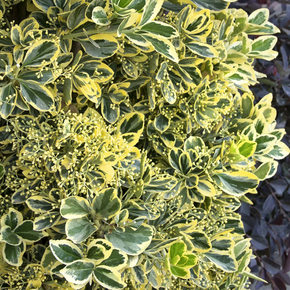
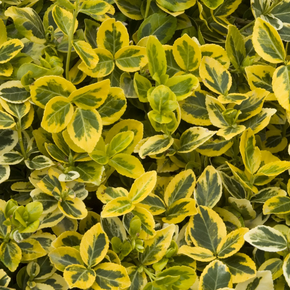
- Dense, glossy dark green evergreen foliage provides rich, year-round color and an elegant, formal appearance in any landscape setting.
- Exceptionally adaptable and low-maintenance — tolerates a wide range of soils, drought conditions, coastal salt spray, and even black walnut toxicity.
- Ideal for tight spaces, formal hedges, privacy screens, or striking accent columns in both landscape beds and large containers.
Green Spire Euonymus (Euonymus japonicus 'Green Spire') is a standout columnar evergreen shrub prized for its refined upright silhouette and lustrous, deep green foliage. This narrow, densely branched cultivar of Japanese euonymus grows to approximately 8 feet tall while maintaining a remarkably compact spread of only about 2 feet, making it an outstanding choice wherever vertical interest is needed without sacrificing precious space. The waxy, leathery leaves are rich dark green, held opposite along the stems and retained year-round for consistent, four-season beauty. Native to the forests and coastal areas of Korea and Japan, this tough broadleaf evergreen thrives across USDA Hardiness Zones 6 through 9b, performing exceptionally well in the mild climates of Southern Oregon and Northern California. Green Spire Euonymus is highly adaptable to a broad range of soil types — including clay, loam, and sandy soils — and tolerates drought, moderate salt spray, and even the allelopathic effects of black walnut roots. Whether used as a sentinel accent, a formal privacy hedge, a foundation anchor, or a container specimen, this versatile and elegant shrub delivers architectural impact with minimal upkeep, making it one of the most reliable columnar evergreens available for Western gardeners.
Plant Description
Green Spire Euonymus is a narrow, columnar selection of Japanese euonymus (Euonymus japonicus), a broadleaf evergreen shrub in the Celastraceae (bittersweet) family. Its defining characteristic is its strongly upright, pillar-like growth habit, densely clothed from base to top in glossy, waxy, dark green leaves. The leaves are simple, opposite, leathery in texture, and elliptical to obovate in shape with finely serrated margins, measuring 1 to 3 inches in length. Foliage is lustrous dark green on the upper surface and slightly lighter beneath. In early summer, small, inconspicuous greenish-white flowers appear in axillary clusters, occasionally followed by reddish-pink capsule fruits in fall that split open to reveal orange-red seeds — adding a subtle seasonal ornamental bonus. The overall texture is medium and the plant maintains a formal, tidy appearance with minimal pruning throughout the year.
Mature Size
| Characteristic | Measurement |
|---|---|
| Mature Height | Up to 8 feet |
| Mature Spread | Approximately 2 feet |
| Growth Rate | Medium (approximately 13 to 24 inches per year) |
| Growth Habit | Narrow, columnar, densely upright |
| Plant Type | Broadleaf evergreen shrub |
Hardiness Zones
Green Spire Euonymus is reliably cold hardy in USDA Hardiness Zones 6a through 9b. This range makes it well suited to a wide variety of climates, including the mild winters and warm summers typical of Southern Oregon and Northern California. It performs best where winters are not severely cold and where summer heat is not extreme without some afternoon shade. Plants are particularly noted for their tolerance of coastal conditions, including moderate salt spray, making them a strong choice for gardens near the Pacific coast. In areas at the cooler end of Zone 6, providing a sheltered planting location and a layer of protective mulch over the root zone will help plants establish and overwinter successfully.
Sunlight Requirements
Green Spire Euonymus is highly adaptable to a wide range of light conditions. For the most dense, compact growth habit and the richest foliage color, plant in a location that receives full sun (6 or more hours of direct sunlight per day). In the warmer inland valleys of Southern Oregon and Northern California, a site with morning sun and light afternoon shade is beneficial, as it prevents leaf scorch and keeps foliage looking its best during the hottest months. This cultivar also grows well in partial shade (2 to 6 hours of direct sun), though plants in shadier conditions may be slightly more open in form. It tolerates dappled shade throughout the day, though full, heavy shade should be avoided for optimal growth density and foliage quality.
Soil and pH Preferences
One of the great strengths of Green Spire Euonymus is its adaptability to a wide variety of soil types. It grows well in clay, loam, and sandy soils, provided drainage is adequate. It does not tolerate waterlogged or consistently soggy conditions, which can lead to root rot and decline. This cultivar is pH adaptable and performs well in acidic soils (below 6.0), neutral soils (6.0 to 8.0), and even mildly alkaline soils (above 8.0), giving it exceptional versatility across the diverse soil types found in Southern Oregon and Northern California landscapes. It is also notably tolerant of the allelopathic compounds produced by black walnut trees (Juglans nigra), a trait that makes it one of relatively few ornamental shrubs that can be successfully planted near or beneath black walnuts.
Watering Guide
Once established, Green Spire Euonymus is moderately drought tolerant, but consistent moisture promotes the healthiest growth and most attractive foliage. Follow these general watering guidelines:
- At planting: Water deeply and thoroughly at the time of planting to settle the soil around the roots.
- First growing season: Water regularly — approximately once or twice per week — allowing the soil to dry slightly between waterings. Deep, infrequent watering encourages deep root development.
- Established plants: Once established (typically after the first full growing season), plants are quite drought tolerant. Water deeply every 1 to 2 weeks during hot, dry summer periods.
- Mulching: Apply a 2- to 3-inch layer of organic mulch around the base of the plant (kept a few inches away from the main stem) to conserve soil moisture, moderate soil temperature, and reduce watering frequency.
- Avoid: Overwatering or planting in areas with poor drainage, as consistently wet roots are the primary cause of decline in this species.
Fertilizing
Green Spire Euonymus is not a heavy feeder, but a modest annual fertilization program supports vigorous, healthy growth and rich foliage color. Apply a balanced, slow-release granular fertilizer formulated for shrubs and trees — such as a 10-10-10 or similar balanced formula — once in early spring as new growth begins to emerge. Work the fertilizer lightly into the soil surface around the drip line of the plant and water in thoroughly. Avoid applying fertilizer in late summer or fall, as this can stimulate tender new growth that may be damaged by early frosts in colder parts of the growing range. Avoid over-fertilizing with high-nitrogen products, which can promote lush, soft growth that is more susceptible to pest pressure. A light top-dressing of compost in spring also improves soil health and provides a gentle, slow-release nutrient boost.
Pruning and Maintenance
Green Spire Euonymus is naturally tidy and columnar, requiring minimal pruning to maintain its attractive upright form. It responds very well to pruning and shearing, however, which makes it an excellent candidate for formal hedges and topiary. Follow these guidelines for best results:
- Timing: Prune or shear in late winter to early spring before new growth emerges, or lightly in early summer after the first flush of growth has hardened off. Avoid heavy pruning in late summer or fall.
- Formal shaping: For a crisp, formal hedge or pillar, shear lightly once or twice per year to maintain the desired shape. The columnar habit naturally lends itself to minimal corrective pruning.
- Removing dead wood: Remove any dead, damaged, or crossing branches at any time of year using clean, sharp pruning shears.
- Rejuvenation: This species tolerates very heavy pruning if a plant needs to be cut back significantly, and it will regenerate vigorously from old wood.
- Tools: Always use sharp, clean tools and sterilize blades between cuts when disease is present, particularly if crown gall is a concern.
Planting Instructions
- Choose the site: Select a location with full sun to partial shade and well-drained soil. Avoid low-lying areas where water pools after rain.
- Timing: Plant in early spring or fall for best root establishment. Spring planting is preferred in cooler climates at the edge of the hardiness range.
- Dig the hole: Dig a hole two to three times as wide as the root ball but only as deep as the root ball's height. Setting the plant too deep is a common cause of failure.
- Prepare the root ball: Remove any burlap, wire baskets, or container material. Gently loosen circling roots before placing the plant in the hole.
- Backfill: Refill the hole with the native soil. Amendments are generally not necessary unless the soil is severely compacted or poorly structured.
- Water in: Water deeply immediately after planting to eliminate air pockets around the roots.
- Mulch: Apply a 2- to 3-inch layer of organic mulch in a wide ring around the plant, keeping mulch several inches away from the base of the stem to prevent rot and pest issues.
- Spacing for hedges: For a formal hedge or screen, space plants 18 to 24 inches apart on center to allow the columnar forms to grow together over time while maintaining airflow.
Landscape Uses
The narrow, columnar habit of Green Spire Euonymus makes it one of the most versatile and useful evergreen shrubs for a wide range of landscape applications. Suggested uses include:
- Formal hedges and privacy screens: Plant in a row to create a dense, narrow evergreen hedge that provides year-round privacy without requiring excessive horizontal space.
- Vertical accent or specimen plant: Use as a bold architectural focal point in a mixed border, entryway, or foundation planting where a strong vertical element is desired.
- Framing and flanking: Pair two plants on either side of a doorway, gate, pathway entrance, or garden structure to create a formal, symmetrical effect.
- Narrow or tight spaces: Perfect for planting in narrow side yards, along fences, or in other confined areas where wider shrubs would quickly outgrow the space.
- Foundation planting: Its upright form and evergreen foliage make it an excellent anchor plant in foundation beds alongside buildings.
- Asian-inspired and formal garden themes: Its clean lines and glossy foliage complement formal, Japanese, and contemporary garden styles beautifully.
- Container growing: Works well in large planters or urns on patios, decks, and entryways, providing year-round evergreen structure.
Container Growing
Green Spire Euonymus is well suited to growing in large containers, making it a popular choice for patio, deck, and entryway displays. When growing in containers, keep the following points in mind:
- Container size: Choose a large, sturdy container with ample drainage holes — at least 15 to 20 gallons in volume — to accommodate the plant's root system and provide stability against wind.
- Potting mix: Use a high-quality, well-draining potting mix. Avoid using straight native soil in containers, as it can become compacted and poorly drained.
- Watering: Container plants dry out more quickly than those in the ground. Check moisture levels frequently and water when the top inch or two of soil feels dry. Ensure water drains freely from the container bottom.
- Fertilizing: Feed container-grown plants with a slow-release balanced fertilizer in spring, and supplement with a diluted liquid fertilizer monthly during the active growing season.
- Winter care: In areas at the cooler edge of the hardiness zone, move containers to a sheltered location such as a covered porch or unheated garage during hard freezes to protect the root zone.
- Repotting: Repot every 2 to 3 years or when the plant becomes visibly root-bound, stepping up to the next container size.
Pests and Diseases
Common Pests:
- Euonymus scale (Unaspis euonymi): The most serious pest of this species. Female scales are dark and oyster-shaped; males form white, elongated coverings visible on stems and leaf undersides. Heavy infestations cause yellowing foliage, branch dieback, and potentially plant death. Treat crawlers in spring with horticultural oil sprays or targeted insecticides. Dormant-season horticultural oil applications at a 3% to 4% rate are also effective.
- Aphids: May cluster on new growth in spring. Typically managed with a strong stream of water or insecticidal soap.
- Spider mites: Can occur during hot, dry weather. Improve air circulation and treat with horticultural oil or miticide if needed.
- Leaf miners and mealybugs: Occasional pests; typically managed with systemic insecticides or horticultural oil.
Common Diseases:
- Powdery mildew: White to gray powdery coating on leaf surfaces, most common in humid conditions or where air circulation is poor. Avoid overhead watering, do not overcrowd plants, and treat with fungicides such as myclobutanil or horticultural oil when necessary.
- Crown gall: Corky galls at the base of the plant caused by a soil bacterium. Prune out affected tissue below the gall and sterilize tools between cuts. Severely infected plants should be removed and the area replanted with resistant species.
- Cercospora leaf spot and anthracnose: Fungal leaf spots that can cause irregular brown markings and defoliation in wet conditions. Rake up and destroy fallen leaves; apply appropriate fungicide if necessary.
Prevention Tips: Maintain good air circulation by avoiding overcrowding, water at the base of the plant rather than overhead, keep plants well-nourished and properly irrigated to reduce stress, and inspect plants regularly for early signs of pest or disease activity.
Toxicity and Safety
All parts of Euonymus japonicus, including the bark, flowers, fruits, leaves, roots, seeds, and stems, are considered toxic if ingested. The toxic principle is not fully identified but is possibly a glycoside. Ingestion — particularly of the fruits and seeds — can cause symptoms including vomiting, diarrhea, weakness, chills, and in severe cases, more serious systemic effects. This plant does not cause contact dermatitis and is safe to handle with bare hands during normal gardening activities. Keep children and pets away from the berries and seeds. This plant is not considered a food source and should never be consumed. If accidental ingestion occurs, contact a poison control center or medical professional promptly.
Seasonal Interest
Green Spire Euonymus provides consistent visual interest throughout all four seasons, with the bulk of its ornamental value coming from its bold evergreen foliage and architectural form:
- Spring: Fresh new growth emerges with a slightly brighter, lighter green sheen before maturing to deep glossy dark green. Small, inconspicuous greenish-white flowers may appear in early summer.
- Summer: Foliage is at its most lush and deeply colored. The dense, upright column provides reliable structure and cooling greenery in the landscape.
- Fall: Small reddish-pink to ivory seed capsules may develop, splitting to reveal orange-red seeds — a subtle but attractive ornamental feature that also provides modest food value for birds.
- Winter: The rich, glossy evergreen foliage remains bold and attractive through the coldest months, providing essential structure and color in the winter landscape when deciduous plants have dropped their leaves.
Companion Plants
Green Spire Euonymus pairs beautifully with a wide variety of plants thanks to its upright form, glossy dark foliage, and neutral green coloring. Consider the following companions:
- Japanese maples (Acer palmatum): The lacy, colorful foliage of Japanese maples provides a striking textural and color contrast to the bold, glossy uprights of Green Spire.
- Ornamental grasses (Miscanthus, Calamagrostis): Soft, arching grass forms create a pleasing contrast against the stiff, columnar structure of this euonymus.
- Boxwood (Buxus spp.): Both plants share a formal aesthetic and evergreen character, making them natural partners in formal garden designs and foundation plantings.
- Lavender (Lavandula spp.): The silvery foliage and fragrant flowers of lavender provide a beautiful, aromatic contrast at the base of taller Green Spire columns in sunny beds.
- Camellias: Another broadleaf evergreen that thrives in the same zones, camellias provide winter and spring flower color alongside the bold structure of Green Spire.
- Nandina (Nandina domestica): Complementary upright evergreen habit with seasonal red berry color that contrasts nicely with the dark green foliage.
- Hellebores (Helleborus spp.): Shade-tolerant and evergreen, hellebores make excellent low-growing companions beneath or alongside Green Spire in part-shade locations.
- Striking narrow, columnar form reaches up to 8 feet tall and just 2 feet wide, delivering bold vertical structure without consuming valuable garden space.
- Dense, glossy dark green evergreen foliage provides rich, year-round color and an elegant, formal appearance in any landscape setting.
- Exceptionally adaptable and low-maintenance — tolerates a wide range of soils, drought conditions, coastal salt spray, and even black walnut toxicity.
- Ideal for tight spaces, formal hedges, privacy screens, or striking accent columns in both landscape beds and large containers.
Green Spire Euonymus (Euonymus japonicus 'Green Spire') is a standout columnar evergreen shrub prized for its refined upright silhouette and lustrous, deep green foliage. This narrow, densely branched cultivar of Japanese euonymus grows to approximately 8 feet tall while maintaining a remarkably compact spread of only about 2 feet, making it an outstanding choice wherever vertical interest is needed without sacrificing precious space. The waxy, leathery leaves are rich dark green, held opposite along the stems and retained year-round for consistent, four-season beauty. Native to the forests and coastal areas of Korea and Japan, this tough broadleaf evergreen thrives across USDA Hardiness Zones 6 through 9b, performing exceptionally well in the mild climates of Southern Oregon and Northern California. Green Spire Euonymus is highly adaptable to a broad range of soil types — including clay, loam, and sandy soils — and tolerates drought, moderate salt spray, and even the allelopathic effects of black walnut roots. Whether used as a sentinel accent, a formal privacy hedge, a foundation anchor, or a container specimen, this versatile and elegant shrub delivers architectural impact with minimal upkeep, making it one of the most reliable columnar evergreens available for Western gardeners.
Plant Description
Green Spire Euonymus is a narrow, columnar selection of Japanese euonymus (Euonymus japonicus), a broadleaf evergreen shrub in the Celastraceae (bittersweet) family. Its defining characteristic is its strongly upright, pillar-like growth habit, densely clothed from base to top in glossy, waxy, dark green leaves. The leaves are simple, opposite, leathery in texture, and elliptical to obovate in shape with finely serrated margins, measuring 1 to 3 inches in length. Foliage is lustrous dark green on the upper surface and slightly lighter beneath. In early summer, small, inconspicuous greenish-white flowers appear in axillary clusters, occasionally followed by reddish-pink capsule fruits in fall that split open to reveal orange-red seeds — adding a subtle seasonal ornamental bonus. The overall texture is medium and the plant maintains a formal, tidy appearance with minimal pruning throughout the year.
Mature Size
| Characteristic | Measurement |
|---|---|
| Mature Height | Up to 8 feet |
| Mature Spread | Approximately 2 feet |
| Growth Rate | Medium (approximately 13 to 24 inches per year) |
| Growth Habit | Narrow, columnar, densely upright |
| Plant Type | Broadleaf evergreen shrub |
Hardiness Zones
Green Spire Euonymus is reliably cold hardy in USDA Hardiness Zones 6a through 9b. This range makes it well suited to a wide variety of climates, including the mild winters and warm summers typical of Southern Oregon and Northern California. It performs best where winters are not severely cold and where summer heat is not extreme without some afternoon shade. Plants are particularly noted for their tolerance of coastal conditions, including moderate salt spray, making them a strong choice for gardens near the Pacific coast. In areas at the cooler end of Zone 6, providing a sheltered planting location and a layer of protective mulch over the root zone will help plants establish and overwinter successfully.
Sunlight Requirements
Green Spire Euonymus is highly adaptable to a wide range of light conditions. For the most dense, compact growth habit and the richest foliage color, plant in a location that receives full sun (6 or more hours of direct sunlight per day). In the warmer inland valleys of Southern Oregon and Northern California, a site with morning sun and light afternoon shade is beneficial, as it prevents leaf scorch and keeps foliage looking its best during the hottest months. This cultivar also grows well in partial shade (2 to 6 hours of direct sun), though plants in shadier conditions may be slightly more open in form. It tolerates dappled shade throughout the day, though full, heavy shade should be avoided for optimal growth density and foliage quality.
Soil and pH Preferences
One of the great strengths of Green Spire Euonymus is its adaptability to a wide variety of soil types. It grows well in clay, loam, and sandy soils, provided drainage is adequate. It does not tolerate waterlogged or consistently soggy conditions, which can lead to root rot and decline. This cultivar is pH adaptable and performs well in acidic soils (below 6.0), neutral soils (6.0 to 8.0), and even mildly alkaline soils (above 8.0), giving it exceptional versatility across the diverse soil types found in Southern Oregon and Northern California landscapes. It is also notably tolerant of the allelopathic compounds produced by black walnut trees (Juglans nigra), a trait that makes it one of relatively few ornamental shrubs that can be successfully planted near or beneath black walnuts.
Watering Guide
Once established, Green Spire Euonymus is moderately drought tolerant, but consistent moisture promotes the healthiest growth and most attractive foliage. Follow these general watering guidelines:
- At planting: Water deeply and thoroughly at the time of planting to settle the soil around the roots.
- First growing season: Water regularly — approximately once or twice per week — allowing the soil to dry slightly between waterings. Deep, infrequent watering encourages deep root development.
- Established plants: Once established (typically after the first full growing season), plants are quite drought tolerant. Water deeply every 1 to 2 weeks during hot, dry summer periods.
- Mulching: Apply a 2- to 3-inch layer of organic mulch around the base of the plant (kept a few inches away from the main stem) to conserve soil moisture, moderate soil temperature, and reduce watering frequency.
- Avoid: Overwatering or planting in areas with poor drainage, as consistently wet roots are the primary cause of decline in this species.
Fertilizing
Green Spire Euonymus is not a heavy feeder, but a modest annual fertilization program supports vigorous, healthy growth and rich foliage color. Apply a balanced, slow-release granular fertilizer formulated for shrubs and trees — such as a 10-10-10 or similar balanced formula — once in early spring as new growth begins to emerge. Work the fertilizer lightly into the soil surface around the drip line of the plant and water in thoroughly. Avoid applying fertilizer in late summer or fall, as this can stimulate tender new growth that may be damaged by early frosts in colder parts of the growing range. Avoid over-fertilizing with high-nitrogen products, which can promote lush, soft growth that is more susceptible to pest pressure. A light top-dressing of compost in spring also improves soil health and provides a gentle, slow-release nutrient boost.
Pruning and Maintenance
Green Spire Euonymus is naturally tidy and columnar, requiring minimal pruning to maintain its attractive upright form. It responds very well to pruning and shearing, however, which makes it an excellent candidate for formal hedges and topiary. Follow these guidelines for best results:
- Timing: Prune or shear in late winter to early spring before new growth emerges, or lightly in early summer after the first flush of growth has hardened off. Avoid heavy pruning in late summer or fall.
- Formal shaping: For a crisp, formal hedge or pillar, shear lightly once or twice per year to maintain the desired shape. The columnar habit naturally lends itself to minimal corrective pruning.
- Removing dead wood: Remove any dead, damaged, or crossing branches at any time of year using clean, sharp pruning shears.
- Rejuvenation: This species tolerates very heavy pruning if a plant needs to be cut back significantly, and it will regenerate vigorously from old wood.
- Tools: Always use sharp, clean tools and sterilize blades between cuts when disease is present, particularly if crown gall is a concern.
Planting Instructions
- Choose the site: Select a location with full sun to partial shade and well-drained soil. Avoid low-lying areas where water pools after rain.
- Timing: Plant in early spring or fall for best root establishment. Spring planting is preferred in cooler climates at the edge of the hardiness range.
- Dig the hole: Dig a hole two to three times as wide as the root ball but only as deep as the root ball's height. Setting the plant too deep is a common cause of failure.
- Prepare the root ball: Remove any burlap, wire baskets, or container material. Gently loosen circling roots before placing the plant in the hole.
- Backfill: Refill the hole with the native soil. Amendments are generally not necessary unless the soil is severely compacted or poorly structured.
- Water in: Water deeply immediately after planting to eliminate air pockets around the roots.
- Mulch: Apply a 2- to 3-inch layer of organic mulch in a wide ring around the plant, keeping mulch several inches away from the base of the stem to prevent rot and pest issues.
- Spacing for hedges: For a formal hedge or screen, space plants 18 to 24 inches apart on center to allow the columnar forms to grow together over time while maintaining airflow.
Landscape Uses
The narrow, columnar habit of Green Spire Euonymus makes it one of the most versatile and useful evergreen shrubs for a wide range of landscape applications. Suggested uses include:
- Formal hedges and privacy screens: Plant in a row to create a dense, narrow evergreen hedge that provides year-round privacy without requiring excessive horizontal space.
- Vertical accent or specimen plant: Use as a bold architectural focal point in a mixed border, entryway, or foundation planting where a strong vertical element is desired.
- Framing and flanking: Pair two plants on either side of a doorway, gate, pathway entrance, or garden structure to create a formal, symmetrical effect.
- Narrow or tight spaces: Perfect for planting in narrow side yards, along fences, or in other confined areas where wider shrubs would quickly outgrow the space.
- Foundation planting: Its upright form and evergreen foliage make it an excellent anchor plant in foundation beds alongside buildings.
- Asian-inspired and formal garden themes: Its clean lines and glossy foliage complement formal, Japanese, and contemporary garden styles beautifully.
- Container growing: Works well in large planters or urns on patios, decks, and entryways, providing year-round evergreen structure.
Container Growing
Green Spire Euonymus is well suited to growing in large containers, making it a popular choice for patio, deck, and entryway displays. When growing in containers, keep the following points in mind:
- Container size: Choose a large, sturdy container with ample drainage holes — at least 15 to 20 gallons in volume — to accommodate the plant's root system and provide stability against wind.
- Potting mix: Use a high-quality, well-draining potting mix. Avoid using straight native soil in containers, as it can become compacted and poorly drained.
- Watering: Container plants dry out more quickly than those in the ground. Check moisture levels frequently and water when the top inch or two of soil feels dry. Ensure water drains freely from the container bottom.
- Fertilizing: Feed container-grown plants with a slow-release balanced fertilizer in spring, and supplement with a diluted liquid fertilizer monthly during the active growing season.
- Winter care: In areas at the cooler edge of the hardiness zone, move containers to a sheltered location such as a covered porch or unheated garage during hard freezes to protect the root zone.
- Repotting: Repot every 2 to 3 years or when the plant becomes visibly root-bound, stepping up to the next container size.
Pests and Diseases
Common Pests:
- Euonymus scale (Unaspis euonymi): The most serious pest of this species. Female scales are dark and oyster-shaped; males form white, elongated coverings visible on stems and leaf undersides. Heavy infestations cause yellowing foliage, branch dieback, and potentially plant death. Treat crawlers in spring with horticultural oil sprays or targeted insecticides. Dormant-season horticultural oil applications at a 3% to 4% rate are also effective.
- Aphids: May cluster on new growth in spring. Typically managed with a strong stream of water or insecticidal soap.
- Spider mites: Can occur during hot, dry weather. Improve air circulation and treat with horticultural oil or miticide if needed.
- Leaf miners and mealybugs: Occasional pests; typically managed with systemic insecticides or horticultural oil.
Common Diseases:
- Powdery mildew: White to gray powdery coating on leaf surfaces, most common in humid conditions or where air circulation is poor. Avoid overhead watering, do not overcrowd plants, and treat with fungicides such as myclobutanil or horticultural oil when necessary.
- Crown gall: Corky galls at the base of the plant caused by a soil bacterium. Prune out affected tissue below the gall and sterilize tools between cuts. Severely infected plants should be removed and the area replanted with resistant species.
- Cercospora leaf spot and anthracnose: Fungal leaf spots that can cause irregular brown markings and defoliation in wet conditions. Rake up and destroy fallen leaves; apply appropriate fungicide if necessary.
Prevention Tips: Maintain good air circulation by avoiding overcrowding, water at the base of the plant rather than overhead, keep plants well-nourished and properly irrigated to reduce stress, and inspect plants regularly for early signs of pest or disease activity.
Toxicity and Safety
All parts of Euonymus japonicus, including the bark, flowers, fruits, leaves, roots, seeds, and stems, are considered toxic if ingested. The toxic principle is not fully identified but is possibly a glycoside. Ingestion — particularly of the fruits and seeds — can cause symptoms including vomiting, diarrhea, weakness, chills, and in severe cases, more serious systemic effects. This plant does not cause contact dermatitis and is safe to handle with bare hands during normal gardening activities. Keep children and pets away from the berries and seeds. This plant is not considered a food source and should never be consumed. If accidental ingestion occurs, contact a poison control center or medical professional promptly.
Seasonal Interest
Green Spire Euonymus provides consistent visual interest throughout all four seasons, with the bulk of its ornamental value coming from its bold evergreen foliage and architectural form:
- Spring: Fresh new growth emerges with a slightly brighter, lighter green sheen before maturing to deep glossy dark green. Small, inconspicuous greenish-white flowers may appear in early summer.
- Summer: Foliage is at its most lush and deeply colored. The dense, upright column provides reliable structure and cooling greenery in the landscape.
- Fall: Small reddish-pink to ivory seed capsules may develop, splitting to reveal orange-red seeds — a subtle but attractive ornamental feature that also provides modest food value for birds.
- Winter: The rich, glossy evergreen foliage remains bold and attractive through the coldest months, providing essential structure and color in the winter landscape when deciduous plants have dropped their leaves.
Companion Plants
Green Spire Euonymus pairs beautifully with a wide variety of plants thanks to its upright form, glossy dark foliage, and neutral green coloring. Consider the following companions:
- Japanese maples (Acer palmatum): The lacy, colorful foliage of Japanese maples provides a striking textural and color contrast to the bold, glossy uprights of Green Spire.
- Ornamental grasses (Miscanthus, Calamagrostis): Soft, arching grass forms create a pleasing contrast against the stiff, columnar structure of this euonymus.
- Boxwood (Buxus spp.): Both plants share a formal aesthetic and evergreen character, making them natural partners in formal garden designs and foundation plantings.
- Lavender (Lavandula spp.): The silvery foliage and fragrant flowers of lavender provide a beautiful, aromatic contrast at the base of taller Green Spire columns in sunny beds.
- Camellias: Another broadleaf evergreen that thrives in the same zones, camellias provide winter and spring flower color alongside the bold structure of Green Spire.
- Nandina (Nandina domestica): Complementary upright evergreen habit with seasonal red berry color that contrasts nicely with the dark green foliage.
- Hellebores (Helleborus spp.): Shade-tolerant and evergreen, hellebores make excellent low-growing companions beneath or alongside Green Spire in part-shade locations.
Related Products