Zoom the image with the mouse
Wayne Roderick Seaside Daisy - 1 Gallon
SKU:
2325020
UPC:
014949045244
$13.99
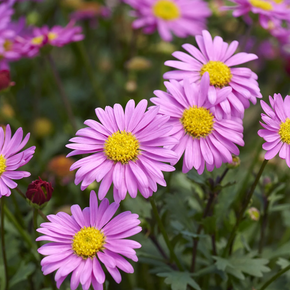
- A naturally occurring California native hybrid perennial blanketed in large lavender-blue daisies with bright yellow centers from late spring through fall — one of the longest bloom seasons of any coastal wildflower.
- Exceptionally tough and low-maintenance: deer resistant, drought tolerant once established, and unfazed by salt spray, coastal winds, and heavy clay soils.
- Low, spreading habit reaches only 10-12 inches tall and spreads up to 2-3 feet wide, making it ideal as a weed-suppressing groundcover, border edging, rock garden accent, or container specimen.
- A certified pollinator magnet — the nectar-rich blooms draw native bees, butterflies, and other beneficial insects throughout the extended growing season.
Erigeron glaucus 'Wayne Roderick' is a celebrated selection of the California native Seaside Daisy, named in honor of the legendary California native plant authority Wayne Roderick. This naturally occurring hybrid between the true coastal seaside daisy and a related Erigeron species brings together the best of both parents: the beloved lavender-blue daisy flowers and blue-green foliage of its coastal lineage paired with notably improved heat tolerance that allows it to thrive well beyond the immediate shoreline. From late spring through fall, slender stems rise 10-12 inches above tidy rosettes of spoon-shaped, blue-green leaves and are topped with 1-2 inch wide daisy flowers featuring soft lavender-blue ray petals radiating outward from vivid golden-yellow centers. The plant forms a low, spreading, semi-evergreen mound — typically staying under a foot tall while spreading 18-36 inches wide — making it one of the most versatile and refined low-growing perennials for gardens across the Pacific Coast and beyond. Hardy in USDA Zones 5-10 and virtually pest and disease free, 'Wayne Roderick' thrives in well-drained soils ranging from sandy loam to clay, tolerates mild drought once established, and shrugs off salt spray and coastal winds with ease, making it as tough as it is beautiful.
Plant Description
Wayne Roderick Seaside Daisy (Erigeron glaucus 'Wayne Roderick') is a low-growing, semi-evergreen to evergreen perennial in the Asteraceae (daisy) family, native to the coastal bluffs, beaches, and dunes of California and southern Oregon. This garden selection is a naturally occurring hybrid noted especially for its enhanced heat tolerance compared to straight Erigeron glaucus species. The plant forms a tidy, spreading mound of succulent-textured, spoon-shaped to lance-shaped leaves in a soft blue-green to gray-green hue. From late spring through fall, an abundance of cheerful, 1-2 inch wide daisy-like flower heads emerge on wiry stems above the foliage. Each bloom features soft lavender-blue ray petals encircling a prominent, sunny yellow center disk — a classic daisy look that draws pollinators and gardeners alike. The foliage remains attractive year-round in mild-winter climates, giving the planting structure and ground-covering density even outside of the bloom period. This cultivar was named in honor of Wayne Roderick, a highly respected California native plant authority, collector, and horticulturist affiliated with the University of California Botanical Garden.
Mature Size
| Characteristic | Measurement |
|---|---|
| Mature Height | 10-12 inches (25-30 cm), including flower stems |
| Mature Spread | 18-36 inches (45-90 cm) |
| Growth Rate | Moderate |
| Spacing Recommendation | 24 inches (60 cm) on center |
| Growth Habit | Low, spreading, clump-forming mound |
| Plant Form | Semi-evergreen to evergreen perennial |
Hardiness and Climate
Wayne Roderick Seaside Daisy is a broadly adaptable perennial suited to a wide range of Western climates. While it originates from coastal environments, the enhanced heat tolerance of this selection makes it a strong performer in inland gardens as well as coastal ones.
- USDA Hardiness Zones: 5-10 (some sources note 6-10 for optimal performance)
- AHS Heat Zones: 5-8
- Sunset Climate Zones: 4, 5, 6, 15, 16, 17, 22, 23, 24 — particularly well-suited to the coastal and inland valleys of California and Oregon
- Ideal Temperature Range: 60-70 degrees F for peak performance; tolerates heat well as long as drainage is excellent
- Cold Tolerance: Handles moderate frost; foliage may die back in harder freezes but typically regrows from the base in spring
- Coastal Tolerance: Excellent — naturally adapted to salt spray, wind, and sandy coastal soils
Sunlight Requirements
This plant performs best with plenty of direct sunlight and should be sited thoughtfully to maximize bloom output while protecting it from the harshest afternoon heat in inland gardens.
- Full Sun (preferred): At least 6 hours of direct sunlight per day produces the most abundant blooms and the most compact, tidy growth habit.
- Partial Shade (tolerated): The plant will grow and flower in light or dappled shade, especially in hot inland areas where some afternoon shade protection is beneficial.
- Afternoon Sun Caution: In very hot, dry inland climates, protection from intense afternoon sun helps prevent foliage scorch. Morning sun with afternoon shade is a good compromise in those conditions.
- Coastal Gardens: Full sun all day is ideal along the coast, where temperatures remain moderate and bright light triggers the longest, most prolific bloom season.
Soil and pH Preferences
One of the most adaptable aspects of Wayne Roderick Seaside Daisy is its tolerance of a wide range of soil types and pH levels. The one non-negotiable requirement is good drainage.
- Soil Types: Thrives in chalk, loam, sandy loam, and even heavy clay — a remarkable range for a California native perennial
- Drainage: Well-drained to moist but well-drained; will not tolerate soggy, waterlogged conditions, which can cause crown rot
- Soil pH: Adaptable across acid, neutral, and alkaline soils; ideal range is approximately 6.5-7.5
- Fertility: Prefers moderately fertile soil; excessively rich soils can cause overly lush, floppy growth at the expense of flowers
- Coastal Soils: Perfectly adapted to the nutrient-lean, fast-draining sandy soils of coastal dunes and bluffs
- Amendment Tip: In heavy clay gardens, improve drainage by incorporating coarse sand or gravel and a small amount of compost into the planting area before installing
Watering Guide
Once established, Wayne Roderick Seaside Daisy is quite drought tolerant and requires very little supplemental irrigation in coastal climates. Consistent overwatering is one of the most common mistakes and should be avoided.
- Newly Planted: Water regularly during the first growing season (roughly once or twice per week depending on heat and soil type) to help establish a strong root system
- Established Plants: Reduce watering significantly once established — deep, infrequent watering (approximately once every 1-2 weeks in summer) is preferable to frequent shallow irrigation
- Coastal Gardens: Little to no supplemental water is needed in cool, foggy coastal gardens once plants are established
- Inland/Hot Gardens: Water more frequently during peak summer heat, but always allow the top few inches of soil to dry between waterings
- Overwatering Warning: Yellowing foliage, soggy soil, and crown or root rot are signs of too much water; always ensure excellent drainage before planting
- Mulch: A 2-3 inch layer of coarse mulch (kept away from the crown) helps conserve soil moisture and regulate root temperature
Fertilizing
Wayne Roderick Seaside Daisy is not a heavy feeder and performs admirably in lean to moderately fertile soils. Overfertilizing — particularly with high-nitrogen products — can reduce flowering and create overly lush, weak growth.
- Frequency: Feed once in early spring as new growth emerges, and optionally once more in early summer to support the bloom season
- Fertilizer Type: Use a balanced, low-nitrogen, water-soluble or slow-release granular fertilizer (such as a 5-5-5 or 6-6-6 formula); avoid high-nitrogen products that promote leaf growth over flowers
- Application Rate: Dilute water-soluble formulas to half the recommended strength to avoid root burn and nutrient overload in this modestly-demanding native plant
- Native-Friendly Option: A light topdressing of compost in early spring is often all this plant needs and supports soil health without the risk of over-fertilization
- Avoid in Fall/Winter: Do not fertilize in late summer or fall, as this can stimulate tender growth susceptible to frost damage
Pruning and Maintenance
Wayne Roderick Seaside Daisy is one of the lower-maintenance perennials available for Western gardens. A minimal pruning routine keeps it looking tidy, encourages rebloom, and prolongs the life and vigor of the plant.
- Deadheading: Regularly remove spent flower heads throughout the bloom season to encourage continuous bud formation, prevent self-seeding, and keep the plant looking neat
- Mid-Season Shearing: If the plant begins to look leggy or tired in midsummer, a light shearing — cutting back by roughly one-third — will rejuvenate the foliage and often trigger a fresh flush of blooms in late summer and fall
- End-of-Season Cutback: In autumn or early spring, cut the entire plant back close to ground level to remove old or frost-damaged stems and encourage vigorous new growth from the base
- Division: Every 2-3 years, divide crowded clumps in early spring to reinvigorate growth, improve air circulation, and propagate new plants
- Overall Maintenance Level: Low — this plant does not require staking, heavy pruning, or intensive seasonal care
Planting Instructions
- Timing: Plant in fall or early spring for best establishment results. Fall planting in mild-winter climates of Southern Oregon and Northern California allows roots to establish during the cool, wet season before summer heat arrives.
- Site Selection: Choose a location with full sun (or morning sun with afternoon shade in hot inland areas) and well-drained soil. Avoid low spots where water pools after rain.
- Soil Preparation: Loosen the soil to a depth of 12 inches. In heavy clay or very sandy soils, incorporate a moderate amount of compost and, if needed, coarse gravel or perlite to improve drainage structure.
- Planting Hole: Dig a hole twice as wide as the root ball and approximately the same depth. Position the crown of the plant at or just slightly above the surrounding soil level to promote drainage away from the crown.
- Backfill and Firm: Backfill with the amended native soil, firm gently around the root ball to eliminate air pockets, and water in thoroughly.
- Spacing: Space plants approximately 24 inches apart for groundcover use, or 18 inches apart for a quicker-filling effect along borders or slopes.
- Mulch: Apply a 2-3 inch layer of coarse mulch around — but not directly touching — the crown to conserve moisture and suppress weeds.
- Establishment Watering: Water regularly for the first 4-6 weeks, then gradually reduce frequency as the plant establishes.
Seasonal Interest
| Season | What to Expect |
|---|---|
| Spring | Fresh blue-green foliage emerges vigorously; flower buds appear from late spring onward and the first lavender-blue blooms open — often the most prolific flush of the year |
| Summer | Continuous flowering through early, mid, and late summer; deadhead regularly to sustain the display; a mid-season shear can refresh the plant and extend flowering |
| Fall | Flowering continues into fall, slowing as temperatures drop; foliage remains attractive and provides low groundcover interest as other plants fade |
| Winter | Semi-evergreen in mild coastal climates of Southern Oregon and Northern California; foliage holds through mild winters, providing year-round texture and groundcover coverage; may die back to the crown in harder freezes |
Landscape Uses
Wayne Roderick Seaside Daisy is one of the most versatile low-growing perennials for Western gardens. Its spreading habit, long bloom season, and multi-season foliage make it suitable for a wide range of landscape applications:
- Groundcover: An excellent low-water groundcover for slopes, sunny banks, and open areas — suppresses weeds and reduces erosion once established
- Border Edging: Its tidy, low mounding habit makes it a natural front-of-border plant along pathways, driveways, and garden beds
- Rock Gardens and Gravel Gardens: Thrives in the fast-draining conditions of rock gardens; the blue-green foliage contrasts beautifully with stone
- Coastal Gardens: Naturally adapted to coastal conditions — an ideal choice for seaside homes and gardens subject to salt spray and wind
- Container Growing: Works well in pots, planters, and window boxes where its spreading habit can spill gracefully over the edges
- Retaining Walls: Stunning cascading over the face of a dry-stacked or mortared retaining wall
- Paving and Path Crevices: Can be tucked into gaps between pavers or flagstone for a naturalistic, cottage-garden effect
- Cottage and Informal Gardens: A classic choice for relaxed, naturalistic planting designs
- Water-Wise and Xeriscape Gardens: An excellent performer in low-water landscape schemes once established
- Pollinator Gardens: A valuable addition to any wildlife habitat or pollinator garden planting palette
Companion Plants
Wayne Roderick Seaside Daisy pairs beautifully with other low-water, sun-loving perennials and California natives that share its preference for well-drained soil and full sun. Consider the following companions:
- Lavender (Lavandula spp.): Shares drought tolerance and a love of full sun; the soft purple flower spikes complement the lavender-blue daisies perfectly while also attracting pollinators
- Blue Chalk Sticks (Senecio mandraliscae): The silvery blue-gray succulent foliage provides striking textural contrast and echoes the blue-green tones of the Seaside Daisy leaves
- Yarrow (Achillea spp.): Tough, drought-tolerant companion with flat-topped flower clusters in white, yellow, or pink that contrast with the daisy form; attracts similar pollinators
- Coreopsis (Coreopsis spp.): Bright yellow daisy-form flowers harmonize with the lavender of Erigeron and extend the season; similar cultural requirements
- Coral Aloe (Aloe striata): Bold, architectural succulent that provides dramatic form contrast alongside the soft mounding daisies
- Sedum / Stonecrop (Sedum spp.): Low-growing, drought-tolerant succulents that fill in between Seaside Daisies with complementary foliage color and texture
- Licorice Plant (Helichrysum petiolare): Soft, silvery foliage acts as a foil to highlight the lavender blooms; both tolerate coastal conditions well
- California Fescue (Festuca californica): A graceful native grass that adds airy, fine-textured contrast and completes a drought-tolerant California native planting scheme
Wildlife Value
Wayne Roderick Seaside Daisy is a highly valuable plant for pollinators and beneficial insects, earning recognition as an RHS Plants for Pollinators selection. Its long bloom season — spanning late spring through fall — provides an extended and reliable food source during periods when many other plants are not in flower.
- Native Bees: The open, accessible flower structure of Erigeron daisy blooms is perfectly suited to a wide range of native bees, including bumble bees, sweat bees, and mining bees
- Honey Bees: Readily visited by honey bees foraging for both nectar and pollen
- Butterflies: The flat-faced flowers serve as ideal landing pads for many butterfly species including skippers and small tortoiseshells
- Beneficial Insects: Attracts beneficial predatory insects such as hoverflies and parasitic wasps that help control garden pest populations
- Deer Resistance: Strongly deer resistant — an important trait for gardens in Southern Oregon and Northern California where deer pressure is common
- Birds: While not a primary bird food source, the plant provides low-growing cover habitat for ground-foraging birds
Pests and Diseases
Wayne Roderick Seaside Daisy is considered one of the more trouble-free perennials for Western gardens. Under appropriate growing conditions — especially with good drainage and adequate air circulation — pest and disease problems are rare.
- Pests: Generally pest-free; aphids may occasionally appear on young stems and flower buds but are rarely a serious problem and are easily controlled with a strong blast of water or an application of insecticidal soap
- Powdery Mildew: The most commonly noted disease issue; can occur in humid conditions with poor air circulation; best prevented by siting plants with good spacing and avoiding overhead irrigation
- Root Rot / Crown Rot: The most serious risk, caused by overwatering or planting in poorly drained soil; prevent by ensuring excellent drainage and avoiding waterlogged conditions, especially in winter
- Spider Mites: Possible in very hot, dry conditions; can be managed by maintaining adequate soil moisture and occasional foliage rinsing during dry periods
- Prevention: Proper siting with well-drained soil, appropriate spacing for air circulation, and avoiding overhead watering are the most effective preventive measures for keeping this plant healthy and problem-free
Container Growing
Wayne Roderick Seaside Daisy adapts well to container culture and makes a charming and long-blooming addition to patios, decks, and entryways. Its spreading habit allows it to cascade attractively over the edges of pots and planters.
- Container Size: Use a container at least 10-12 inches in diameter and depth to accommodate the spreading root system; wider, shallower pots suit its low, mounding growth habit
- Drainage: Drainage holes are essential; never allow containers to sit in standing water — root rot is the most common cause of failure in potted Erigeron
- Potting Mix: Use a fast-draining potting mix blended with perlite or coarse sand (approximately 1 part perlite to 3 parts potting mix) to ensure excellent aeration
- Watering in Containers: Containers dry out faster than garden beds; check soil moisture every 2-3 days in summer heat and water when the top inch of soil is dry
- Fertilizing in Containers: Feed with a diluted balanced liquid fertilizer every 3-4 weeks during the growing season, as nutrients leach more quickly from containers with regular watering
- Repotting: Repot every 2-3 years in spring when roots begin to crowd the container, moving up one pot size to allow continued healthy growth
- Overwintering Containers: In climates with hard freezes, move containers to a sheltered location or unheated garage to protect roots from extended freezing temperatures
Propagation
Wayne Roderick Seaside Daisy can be propagated by several methods. Division and stem cuttings are the most reliable ways to produce plants that are true to the parent cultivar.
- Division (Recommended): Divide established clumps in early spring just as new growth begins; carefully dig up the plant, separate the root mass into healthy sections each containing roots and growing shoots, and replant immediately at the same depth; water in well and keep moist until established
- Stem Cuttings: Take 3-4 inch softwood cuttings in spring or early summer; remove lower leaves, dip the cut end in rooting hormone powder, and insert into a moistened mix of perlite and coarse sand or a cactus/succulent potting mix; keep in bright indirect light and maintain consistent moisture until roots develop (typically 3-4 weeks)
- Seed: The species can be grown from seed, though seedlings may not be identical to the parent cultivar; surface sow seeds in spring in a well-drained seedling mix and keep moist until germination
- Best Time: Spring is the ideal season for all propagation methods, taking advantage of the plant's natural growth surge and giving new divisions or cuttings a full growing season to establish before winter
Toxicity and Pet Safety
Gardeners with pets or young children should be aware that Seaside Daisy is considered mildly toxic if ingested, and precautions should be taken to prevent accidental consumption.
- Toxic to Dogs: Yes — ingestion of any part of the plant can cause gastrointestinal distress including vomiting and diarrhea in dogs; seek veterinary attention if ingestion is suspected
- Toxic to Cats: Yes — the plant presents a toxicity risk to cats; contact a veterinarian promptly if a cat ingests any part of the plant
- Toxic to Horses: Yes — considered toxic to horses; do not plant in areas accessible to equines
- Humans: The plant presents mild toxicity concerns if ingested, with possible symptoms including nausea, oral irritation, and gastrointestinal discomfort; keep away from small children
- Safe Handling: The plant is safe to handle and does not cause skin irritation in most people; standard gardening gloves are sufficient for routine maintenance
- A naturally occurring California native hybrid perennial blanketed in large lavender-blue daisies with bright yellow centers from late spring through fall — one of the longest bloom seasons of any coastal wildflower.
- Exceptionally tough and low-maintenance: deer resistant, drought tolerant once established, and unfazed by salt spray, coastal winds, and heavy clay soils.
- Low, spreading habit reaches only 10-12 inches tall and spreads up to 2-3 feet wide, making it ideal as a weed-suppressing groundcover, border edging, rock garden accent, or container specimen.
- A certified pollinator magnet — the nectar-rich blooms draw native bees, butterflies, and other beneficial insects throughout the extended growing season.
Erigeron glaucus 'Wayne Roderick' is a celebrated selection of the California native Seaside Daisy, named in honor of the legendary California native plant authority Wayne Roderick. This naturally occurring hybrid between the true coastal seaside daisy and a related Erigeron species brings together the best of both parents: the beloved lavender-blue daisy flowers and blue-green foliage of its coastal lineage paired with notably improved heat tolerance that allows it to thrive well beyond the immediate shoreline. From late spring through fall, slender stems rise 10-12 inches above tidy rosettes of spoon-shaped, blue-green leaves and are topped with 1-2 inch wide daisy flowers featuring soft lavender-blue ray petals radiating outward from vivid golden-yellow centers. The plant forms a low, spreading, semi-evergreen mound — typically staying under a foot tall while spreading 18-36 inches wide — making it one of the most versatile and refined low-growing perennials for gardens across the Pacific Coast and beyond. Hardy in USDA Zones 5-10 and virtually pest and disease free, 'Wayne Roderick' thrives in well-drained soils ranging from sandy loam to clay, tolerates mild drought once established, and shrugs off salt spray and coastal winds with ease, making it as tough as it is beautiful.
Plant Description
Wayne Roderick Seaside Daisy (Erigeron glaucus 'Wayne Roderick') is a low-growing, semi-evergreen to evergreen perennial in the Asteraceae (daisy) family, native to the coastal bluffs, beaches, and dunes of California and southern Oregon. This garden selection is a naturally occurring hybrid noted especially for its enhanced heat tolerance compared to straight Erigeron glaucus species. The plant forms a tidy, spreading mound of succulent-textured, spoon-shaped to lance-shaped leaves in a soft blue-green to gray-green hue. From late spring through fall, an abundance of cheerful, 1-2 inch wide daisy-like flower heads emerge on wiry stems above the foliage. Each bloom features soft lavender-blue ray petals encircling a prominent, sunny yellow center disk — a classic daisy look that draws pollinators and gardeners alike. The foliage remains attractive year-round in mild-winter climates, giving the planting structure and ground-covering density even outside of the bloom period. This cultivar was named in honor of Wayne Roderick, a highly respected California native plant authority, collector, and horticulturist affiliated with the University of California Botanical Garden.
Mature Size
| Characteristic | Measurement |
|---|---|
| Mature Height | 10-12 inches (25-30 cm), including flower stems |
| Mature Spread | 18-36 inches (45-90 cm) |
| Growth Rate | Moderate |
| Spacing Recommendation | 24 inches (60 cm) on center |
| Growth Habit | Low, spreading, clump-forming mound |
| Plant Form | Semi-evergreen to evergreen perennial |
Hardiness and Climate
Wayne Roderick Seaside Daisy is a broadly adaptable perennial suited to a wide range of Western climates. While it originates from coastal environments, the enhanced heat tolerance of this selection makes it a strong performer in inland gardens as well as coastal ones.
- USDA Hardiness Zones: 5-10 (some sources note 6-10 for optimal performance)
- AHS Heat Zones: 5-8
- Sunset Climate Zones: 4, 5, 6, 15, 16, 17, 22, 23, 24 — particularly well-suited to the coastal and inland valleys of California and Oregon
- Ideal Temperature Range: 60-70 degrees F for peak performance; tolerates heat well as long as drainage is excellent
- Cold Tolerance: Handles moderate frost; foliage may die back in harder freezes but typically regrows from the base in spring
- Coastal Tolerance: Excellent — naturally adapted to salt spray, wind, and sandy coastal soils
Sunlight Requirements
This plant performs best with plenty of direct sunlight and should be sited thoughtfully to maximize bloom output while protecting it from the harshest afternoon heat in inland gardens.
- Full Sun (preferred): At least 6 hours of direct sunlight per day produces the most abundant blooms and the most compact, tidy growth habit.
- Partial Shade (tolerated): The plant will grow and flower in light or dappled shade, especially in hot inland areas where some afternoon shade protection is beneficial.
- Afternoon Sun Caution: In very hot, dry inland climates, protection from intense afternoon sun helps prevent foliage scorch. Morning sun with afternoon shade is a good compromise in those conditions.
- Coastal Gardens: Full sun all day is ideal along the coast, where temperatures remain moderate and bright light triggers the longest, most prolific bloom season.
Soil and pH Preferences
One of the most adaptable aspects of Wayne Roderick Seaside Daisy is its tolerance of a wide range of soil types and pH levels. The one non-negotiable requirement is good drainage.
- Soil Types: Thrives in chalk, loam, sandy loam, and even heavy clay — a remarkable range for a California native perennial
- Drainage: Well-drained to moist but well-drained; will not tolerate soggy, waterlogged conditions, which can cause crown rot
- Soil pH: Adaptable across acid, neutral, and alkaline soils; ideal range is approximately 6.5-7.5
- Fertility: Prefers moderately fertile soil; excessively rich soils can cause overly lush, floppy growth at the expense of flowers
- Coastal Soils: Perfectly adapted to the nutrient-lean, fast-draining sandy soils of coastal dunes and bluffs
- Amendment Tip: In heavy clay gardens, improve drainage by incorporating coarse sand or gravel and a small amount of compost into the planting area before installing
Watering Guide
Once established, Wayne Roderick Seaside Daisy is quite drought tolerant and requires very little supplemental irrigation in coastal climates. Consistent overwatering is one of the most common mistakes and should be avoided.
- Newly Planted: Water regularly during the first growing season (roughly once or twice per week depending on heat and soil type) to help establish a strong root system
- Established Plants: Reduce watering significantly once established — deep, infrequent watering (approximately once every 1-2 weeks in summer) is preferable to frequent shallow irrigation
- Coastal Gardens: Little to no supplemental water is needed in cool, foggy coastal gardens once plants are established
- Inland/Hot Gardens: Water more frequently during peak summer heat, but always allow the top few inches of soil to dry between waterings
- Overwatering Warning: Yellowing foliage, soggy soil, and crown or root rot are signs of too much water; always ensure excellent drainage before planting
- Mulch: A 2-3 inch layer of coarse mulch (kept away from the crown) helps conserve soil moisture and regulate root temperature
Fertilizing
Wayne Roderick Seaside Daisy is not a heavy feeder and performs admirably in lean to moderately fertile soils. Overfertilizing — particularly with high-nitrogen products — can reduce flowering and create overly lush, weak growth.
- Frequency: Feed once in early spring as new growth emerges, and optionally once more in early summer to support the bloom season
- Fertilizer Type: Use a balanced, low-nitrogen, water-soluble or slow-release granular fertilizer (such as a 5-5-5 or 6-6-6 formula); avoid high-nitrogen products that promote leaf growth over flowers
- Application Rate: Dilute water-soluble formulas to half the recommended strength to avoid root burn and nutrient overload in this modestly-demanding native plant
- Native-Friendly Option: A light topdressing of compost in early spring is often all this plant needs and supports soil health without the risk of over-fertilization
- Avoid in Fall/Winter: Do not fertilize in late summer or fall, as this can stimulate tender growth susceptible to frost damage
Pruning and Maintenance
Wayne Roderick Seaside Daisy is one of the lower-maintenance perennials available for Western gardens. A minimal pruning routine keeps it looking tidy, encourages rebloom, and prolongs the life and vigor of the plant.
- Deadheading: Regularly remove spent flower heads throughout the bloom season to encourage continuous bud formation, prevent self-seeding, and keep the plant looking neat
- Mid-Season Shearing: If the plant begins to look leggy or tired in midsummer, a light shearing — cutting back by roughly one-third — will rejuvenate the foliage and often trigger a fresh flush of blooms in late summer and fall
- End-of-Season Cutback: In autumn or early spring, cut the entire plant back close to ground level to remove old or frost-damaged stems and encourage vigorous new growth from the base
- Division: Every 2-3 years, divide crowded clumps in early spring to reinvigorate growth, improve air circulation, and propagate new plants
- Overall Maintenance Level: Low — this plant does not require staking, heavy pruning, or intensive seasonal care
Planting Instructions
- Timing: Plant in fall or early spring for best establishment results. Fall planting in mild-winter climates of Southern Oregon and Northern California allows roots to establish during the cool, wet season before summer heat arrives.
- Site Selection: Choose a location with full sun (or morning sun with afternoon shade in hot inland areas) and well-drained soil. Avoid low spots where water pools after rain.
- Soil Preparation: Loosen the soil to a depth of 12 inches. In heavy clay or very sandy soils, incorporate a moderate amount of compost and, if needed, coarse gravel or perlite to improve drainage structure.
- Planting Hole: Dig a hole twice as wide as the root ball and approximately the same depth. Position the crown of the plant at or just slightly above the surrounding soil level to promote drainage away from the crown.
- Backfill and Firm: Backfill with the amended native soil, firm gently around the root ball to eliminate air pockets, and water in thoroughly.
- Spacing: Space plants approximately 24 inches apart for groundcover use, or 18 inches apart for a quicker-filling effect along borders or slopes.
- Mulch: Apply a 2-3 inch layer of coarse mulch around — but not directly touching — the crown to conserve moisture and suppress weeds.
- Establishment Watering: Water regularly for the first 4-6 weeks, then gradually reduce frequency as the plant establishes.
Seasonal Interest
| Season | What to Expect |
|---|---|
| Spring | Fresh blue-green foliage emerges vigorously; flower buds appear from late spring onward and the first lavender-blue blooms open — often the most prolific flush of the year |
| Summer | Continuous flowering through early, mid, and late summer; deadhead regularly to sustain the display; a mid-season shear can refresh the plant and extend flowering |
| Fall | Flowering continues into fall, slowing as temperatures drop; foliage remains attractive and provides low groundcover interest as other plants fade |
| Winter | Semi-evergreen in mild coastal climates of Southern Oregon and Northern California; foliage holds through mild winters, providing year-round texture and groundcover coverage; may die back to the crown in harder freezes |
Landscape Uses
Wayne Roderick Seaside Daisy is one of the most versatile low-growing perennials for Western gardens. Its spreading habit, long bloom season, and multi-season foliage make it suitable for a wide range of landscape applications:
- Groundcover: An excellent low-water groundcover for slopes, sunny banks, and open areas — suppresses weeds and reduces erosion once established
- Border Edging: Its tidy, low mounding habit makes it a natural front-of-border plant along pathways, driveways, and garden beds
- Rock Gardens and Gravel Gardens: Thrives in the fast-draining conditions of rock gardens; the blue-green foliage contrasts beautifully with stone
- Coastal Gardens: Naturally adapted to coastal conditions — an ideal choice for seaside homes and gardens subject to salt spray and wind
- Container Growing: Works well in pots, planters, and window boxes where its spreading habit can spill gracefully over the edges
- Retaining Walls: Stunning cascading over the face of a dry-stacked or mortared retaining wall
- Paving and Path Crevices: Can be tucked into gaps between pavers or flagstone for a naturalistic, cottage-garden effect
- Cottage and Informal Gardens: A classic choice for relaxed, naturalistic planting designs
- Water-Wise and Xeriscape Gardens: An excellent performer in low-water landscape schemes once established
- Pollinator Gardens: A valuable addition to any wildlife habitat or pollinator garden planting palette
Companion Plants
Wayne Roderick Seaside Daisy pairs beautifully with other low-water, sun-loving perennials and California natives that share its preference for well-drained soil and full sun. Consider the following companions:
- Lavender (Lavandula spp.): Shares drought tolerance and a love of full sun; the soft purple flower spikes complement the lavender-blue daisies perfectly while also attracting pollinators
- Blue Chalk Sticks (Senecio mandraliscae): The silvery blue-gray succulent foliage provides striking textural contrast and echoes the blue-green tones of the Seaside Daisy leaves
- Yarrow (Achillea spp.): Tough, drought-tolerant companion with flat-topped flower clusters in white, yellow, or pink that contrast with the daisy form; attracts similar pollinators
- Coreopsis (Coreopsis spp.): Bright yellow daisy-form flowers harmonize with the lavender of Erigeron and extend the season; similar cultural requirements
- Coral Aloe (Aloe striata): Bold, architectural succulent that provides dramatic form contrast alongside the soft mounding daisies
- Sedum / Stonecrop (Sedum spp.): Low-growing, drought-tolerant succulents that fill in between Seaside Daisies with complementary foliage color and texture
- Licorice Plant (Helichrysum petiolare): Soft, silvery foliage acts as a foil to highlight the lavender blooms; both tolerate coastal conditions well
- California Fescue (Festuca californica): A graceful native grass that adds airy, fine-textured contrast and completes a drought-tolerant California native planting scheme
Wildlife Value
Wayne Roderick Seaside Daisy is a highly valuable plant for pollinators and beneficial insects, earning recognition as an RHS Plants for Pollinators selection. Its long bloom season — spanning late spring through fall — provides an extended and reliable food source during periods when many other plants are not in flower.
- Native Bees: The open, accessible flower structure of Erigeron daisy blooms is perfectly suited to a wide range of native bees, including bumble bees, sweat bees, and mining bees
- Honey Bees: Readily visited by honey bees foraging for both nectar and pollen
- Butterflies: The flat-faced flowers serve as ideal landing pads for many butterfly species including skippers and small tortoiseshells
- Beneficial Insects: Attracts beneficial predatory insects such as hoverflies and parasitic wasps that help control garden pest populations
- Deer Resistance: Strongly deer resistant — an important trait for gardens in Southern Oregon and Northern California where deer pressure is common
- Birds: While not a primary bird food source, the plant provides low-growing cover habitat for ground-foraging birds
Pests and Diseases
Wayne Roderick Seaside Daisy is considered one of the more trouble-free perennials for Western gardens. Under appropriate growing conditions — especially with good drainage and adequate air circulation — pest and disease problems are rare.
- Pests: Generally pest-free; aphids may occasionally appear on young stems and flower buds but are rarely a serious problem and are easily controlled with a strong blast of water or an application of insecticidal soap
- Powdery Mildew: The most commonly noted disease issue; can occur in humid conditions with poor air circulation; best prevented by siting plants with good spacing and avoiding overhead irrigation
- Root Rot / Crown Rot: The most serious risk, caused by overwatering or planting in poorly drained soil; prevent by ensuring excellent drainage and avoiding waterlogged conditions, especially in winter
- Spider Mites: Possible in very hot, dry conditions; can be managed by maintaining adequate soil moisture and occasional foliage rinsing during dry periods
- Prevention: Proper siting with well-drained soil, appropriate spacing for air circulation, and avoiding overhead watering are the most effective preventive measures for keeping this plant healthy and problem-free
Container Growing
Wayne Roderick Seaside Daisy adapts well to container culture and makes a charming and long-blooming addition to patios, decks, and entryways. Its spreading habit allows it to cascade attractively over the edges of pots and planters.
- Container Size: Use a container at least 10-12 inches in diameter and depth to accommodate the spreading root system; wider, shallower pots suit its low, mounding growth habit
- Drainage: Drainage holes are essential; never allow containers to sit in standing water — root rot is the most common cause of failure in potted Erigeron
- Potting Mix: Use a fast-draining potting mix blended with perlite or coarse sand (approximately 1 part perlite to 3 parts potting mix) to ensure excellent aeration
- Watering in Containers: Containers dry out faster than garden beds; check soil moisture every 2-3 days in summer heat and water when the top inch of soil is dry
- Fertilizing in Containers: Feed with a diluted balanced liquid fertilizer every 3-4 weeks during the growing season, as nutrients leach more quickly from containers with regular watering
- Repotting: Repot every 2-3 years in spring when roots begin to crowd the container, moving up one pot size to allow continued healthy growth
- Overwintering Containers: In climates with hard freezes, move containers to a sheltered location or unheated garage to protect roots from extended freezing temperatures
Propagation
Wayne Roderick Seaside Daisy can be propagated by several methods. Division and stem cuttings are the most reliable ways to produce plants that are true to the parent cultivar.
- Division (Recommended): Divide established clumps in early spring just as new growth begins; carefully dig up the plant, separate the root mass into healthy sections each containing roots and growing shoots, and replant immediately at the same depth; water in well and keep moist until established
- Stem Cuttings: Take 3-4 inch softwood cuttings in spring or early summer; remove lower leaves, dip the cut end in rooting hormone powder, and insert into a moistened mix of perlite and coarse sand or a cactus/succulent potting mix; keep in bright indirect light and maintain consistent moisture until roots develop (typically 3-4 weeks)
- Seed: The species can be grown from seed, though seedlings may not be identical to the parent cultivar; surface sow seeds in spring in a well-drained seedling mix and keep moist until germination
- Best Time: Spring is the ideal season for all propagation methods, taking advantage of the plant's natural growth surge and giving new divisions or cuttings a full growing season to establish before winter
Toxicity and Pet Safety
Gardeners with pets or young children should be aware that Seaside Daisy is considered mildly toxic if ingested, and precautions should be taken to prevent accidental consumption.
- Toxic to Dogs: Yes — ingestion of any part of the plant can cause gastrointestinal distress including vomiting and diarrhea in dogs; seek veterinary attention if ingestion is suspected
- Toxic to Cats: Yes — the plant presents a toxicity risk to cats; contact a veterinarian promptly if a cat ingests any part of the plant
- Toxic to Horses: Yes — considered toxic to horses; do not plant in areas accessible to equines
- Humans: The plant presents mild toxicity concerns if ingested, with possible symptoms including nausea, oral irritation, and gastrointestinal discomfort; keep away from small children
- Safe Handling: The plant is safe to handle and does not cause skin irritation in most people; standard gardening gloves are sufficient for routine maintenance