Zoom the image with the mouse
Kismet Red Coneflower - 1 Gallon
SKU:
2071635
UPC:
014949481110
$12.99
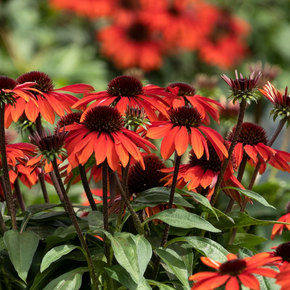
- Brilliant scarlet-red blooms with striking chocolate-brown central cones bloom earlier than most coneflowers and continue non-stop from early summer all the way to the first hard frost.
- Naturally compact and upright dwarf habit reaches just 16-18 inches tall, making it a perfect front-of-border perennial, rock garden accent, or patio container star.
- Tough, low-maintenance, and drought tolerant once established, with exceptional deer resistance and outstanding heat and humidity tolerance for a wide range of garden settings.
- A magnet for pollinators — bees, butterflies, and hummingbirds flock to the blooms all season, while finches and other seed-eating birds feast on the sculptural seed heads in winter.
Echinacea Kismet Red (Coneflower) — botanically known as Echinacea hybrid 'TNECHKRD' (PP#29,743) — is a standout compact perennial that delivers an extraordinary abundance of large, vivid red daisy-like flowers, each accented by a rich chocolate-brown central cone that deepens beautifully as the season progresses. Part of the elite Kismet Series, this award-worthy cultivar is bred to bloom earlier than nearly all other coneflower varieties, launching its dazzling floral display in early summer and reblooming continuously until frost without missing a beat. Its naturally dwarf, upright, mounding habit stays tidy at just 16-18 inches tall and up to 24 inches wide, making it as versatile in a patio container as it is massed along sunny borders, meadow plantings, cottage gardens, prairie-style landscapes, or rock gardens. Hardy in USDA Zones 4-9, Kismet Red thrives in full sun with average, well-drained soil and demonstrates remarkable drought tolerance once established, requiring little supplemental water or fertilizer to perform beautifully. Its deep red flowers are outstanding as fresh-cut bouquet stems or dried arrangements, and its seed heads provide exceptional wildlife value deep into the winter months. With native coneflower genetics in its lineage, this cultivar brings the rugged adaptability and pollinator appeal of a wildflower together with the refined color and compactness of a modern garden hybrid — a truly exceptional perennial for the low-maintenance, high-impact garden.
Plant Description
Kismet Red is a hybrid dwarf coneflower belonging to the Asteraceae (aster) family. It produces a generous flush of large, single, daisy-form flowers with pure, vivid red ray petals that radiate outward from a prominent, domed, chocolate-brown central cone. The ray petals are held nearly horizontally, creating a bold, eye-catching display. Flowers are notably large relative to the plant's compact size and each individual bloom is exceptionally long-lasting, retaining deep, rich color for weeks. The foliage is medium green, coarse-textured, and lance-shaped — typical of the Echinacea genus — forming a dense, tidy mound from which the flower stems emerge in an upright, free-flowering habit. This cultivar is distinguished from other red coneflowers by its sheer flower count, earlier bloom onset, and its extremely consistent compact growth that never requires staking or cutting back mid-season to maintain its form.
Mature Size
| Attribute | Measurement |
|---|---|
| Mature Height | 16-18 inches |
| Flower Stem Height | Approximately 18 inches |
| Mature Spread | 20-24 inches |
| Recommended Spacing | 24 inches on center |
| Growth Habit | Upright, compact mounding |
| Growth Rate | Medium to fast |
Hardiness and Climate
Kismet Red Coneflower is hardy in USDA Plant Hardiness Zones 4 through 9, making it exceptionally adaptable to a broad range of North American climates. It thrives in the variable conditions of Southern Oregon and Northern California, performing well in both the hot, dry summers of inland valleys and the milder conditions of coastal gardens. It tolerates summer heat and humidity with ease and is cold-hardy enough to survive harsh winters throughout much of the continental United States. Its heat tolerance is rated for AHS Heat Zones 1-9. The plant is deciduous, dying back to the ground in winter and re-emerging reliably in spring from its established root system, making it a true, long-lived perennial in the garden.
Sunlight Requirements
Kismet Red performs best in full sun, defined as a minimum of 6 hours of direct sunlight per day. In regions with intense summer heat — such as the inland valleys of Southern Oregon and Northern California — a location that receives some very light afternoon shade can help prolong the life of individual flowers and keep colors vibrant without reducing overall bloom performance. However, insufficient sun will result in leggier stems, fewer flowers, and a less compact habit, so a predominantly sunny exposure is strongly recommended. Avoid planting in locations with dense shade or significant competition from overhead tree canopies.
Soil and pH Preferences
This coneflower is adaptable to a wide range of soil types, including sandy loam, chalk, and even moderately heavy clay soils, as long as drainage is adequate. Waterlogged or consistently soggy soils are the primary cultural concern, as standing water invites root rot. The ideal soil is average to slightly lean and well-draining; rich, heavily amended soils can actually produce lush, floppy growth and reduced flowering. Kismet Red tolerates both acidic and slightly alkaline soil conditions, thriving in a pH range of approximately 5.8 to 7.3. A soil that is too acidic (below 5.5) can be problematic, so if planting in a very acidic garden, consider incorporating a small amount of garden lime to bring pH into the preferred range before planting.
Watering Guide
Once established in the garden — typically after one full growing season — Kismet Red Coneflower is notably drought tolerant and requires only average to low supplemental irrigation. During the establishment period of the first season, water regularly to keep the root zone consistently moist but never waterlogged, allowing the soil to partially dry between waterings to encourage deep root development. In subsequent years, deep, infrequent watering is far preferable to frequent shallow irrigation. During prolonged summer drought, a deep soak every one to two weeks is generally sufficient. Container-grown plants require more consistent watering than in-ground plants, as pots dry out more rapidly. Always allow the top inch or two of container soil to dry before rewatering. Avoid overhead watering late in the day, as foliage that remains wet overnight is more susceptible to fungal issues.
Fertilizing
Kismet Red is a naturally low-fertility plant that thrives on minimal supplemental feeding. Over-fertilizing — especially with high-nitrogen products — will produce overly lush, floppy foliage at the expense of flowers. For in-ground plantings, a single application of a balanced, slow-release granular fertilizer (such as a 10-10-10 or similar formulation) worked into the soil at planting time, or applied in early spring as new growth emerges, is typically all that is needed. In poor or very sandy soils, a light top-dressing of compost in spring can also provide adequate nutrients. For container-grown plants, a light application of a balanced, slow-release fertilizer at the start of the growing season, with occasional supplemental liquid feeding at reduced rates during active bloom, will support the best performance. Avoid applying slow-release fertilizers late in the season, as this can encourage tender new growth that is vulnerable to frost damage.
Pruning and Maintenance
Kismet Red is a genuinely low-maintenance perennial that requires very little intervention to look its best. During the blooming season, deadheading spent flowers — removing the old flower head by cutting the stem back to a lateral bud or basal leaf — will encourage the plant to produce additional flower buds and extend the overall blooming period further into fall. In late fall or early winter, you have two options: leave the seed heads standing through the winter to provide food for finches and other seed-eating birds and to add structural interest to the dormant garden; or cut plants back to within a few inches of the ground after a hard frost. In early spring, remove any remaining dead foliage before new growth begins to emerge. Clumps can be divided every 3-4 years in spring or fall to rejuvenate the plant and increase your stock.
Planting Instructions
- Choose a full-sun location with well-draining soil. Avoid low-lying areas where water pools after rain.
- Dig a hole twice as wide as the root ball and equal in depth. It is critical not to plant too deeply — the crown of the plant (where the stems meet the roots) must sit at or slightly above the surrounding soil level, as burying the crown is the most common cause of failure with Echinacea.
- If your soil is heavy clay or very compacted, amend the backfill with coarse sand or perlite to improve drainage. Avoid excessive organic matter, which can retain too much moisture.
- Set the plant in the hole so the root ball's top surface is flush with the surrounding grade. Backfill with the native soil, firming gently to eliminate air pockets.
- Water thoroughly at planting to settle the soil around the roots.
- Apply a 2-inch layer of mulch around (but not directly against) the crown to retain moisture and moderate soil temperature during establishment.
- For mass plantings or border groups, space plants 24 inches on center to allow for mature spread.
- Spring planting is preferred, though fall planting is also successful if plants are given adequate time to establish before the first hard frost.
Seasonal Interest
Kismet Red provides outstanding multi-season garden interest. In spring, the basal rosette of dark green, textured foliage emerges and grows rapidly, forming a neat, attractive mound. By early June, flower buds begin to appear — earlier than most other coneflower cultivars — and the first brilliant red blooms open to kick off a continuous display that persists through July, August, September, and October, right up to the first hard frost. As individual flowers age, the chocolate-brown central cones become more prominent and sculptural. In fall, the fading petals drop and the spiky cones harden into striking architectural seed heads that persist through winter, turning a rich dark brown and providing both visual structure and a valuable food source for birds in the garden's quiet months. The plant goes dormant in winter, retreating underground before reliably returning in spring.
Landscape Uses
- Front-of-border accent in perennial and mixed beds — its compact height keeps it from obscuring taller neighbors.
- Mass plantings in drifts for a bold sweep of summer color in sunny landscapes.
- Cottage garden and informal border designs where its naturalistic form fits perfectly.
- Prairie and meadow-style plantings alongside ornamental grasses and native wildflowers.
- Rock gardens and gravel gardens, where its drought tolerance and neat habit are assets.
- Patio and deck container plantings as a seasonal or multi-season specimen.
- Low-water and drought-tolerant landscape designs.
- Pollinator gardens and wildlife habitat plantings.
- Cut flower gardens — the blooms are long-lasting in fresh arrangements and also dry beautifully for dried bouquets.
- Edging along pathways and garden borders due to its naturally tidy, non-invasive habit.
Container Growing
Kismet Red's compact, mounding habit makes it an excellent choice for container culture on patios, decks, and in courtyard gardens. Use a generously sized pot — at least 12-14 inches in diameter — with adequate drainage holes to prevent waterlogging. Fill with a high-quality, well-draining potting mix; avoid moisture-retentive mixes designed for tropical plants. Position the container in a location that receives at least 6 hours of direct sun daily. Container plants dry out more quickly than in-ground plants and will require more frequent watering, especially during hot weather — check the soil every 1-2 days and water when the top inch or two feels dry. Apply a balanced slow-release fertilizer at the start of the season, with occasional supplemental liquid feeding during peak bloom. In USDA Zones 4-6, containerized plants may need extra winter protection, such as moving the container to an unheated garage or covering with insulating material, to protect the roots from hard freezes, as containers are more vulnerable to extreme cold than in-ground plantings.
Companion Plants
Kismet Red pairs beautifully with plants that share its preference for full sun, average to dry, well-drained soil, and low-maintenance culture. Consider these excellent companions for a harmonious, season-long display:
- Black-Eyed Susan (Rudbeckia hirta) — Golden yellow daisy blooms in summer and fall create a bold warm-toned contrast to the deep red of Kismet Red.
- Salvia (Salvia spp.) — Spikes of blue, purple, or red flowers add vertical texture and are equally attractive to pollinators.
- Yarrow (Achillea spp.) — Flat-topped flower clusters in yellow, gold, or red complement the coneflower's form and share identical sun and drought tolerances.
- Lavender (Lavandula spp.) — Fragrant silver-blue spikes provide a striking color contrast and a similar affinity for lean, well-drained soils.
- Catmint (Nepeta spp.) — Long-blooming lavender-blue spikes tumble attractively in front of or beside the upright coneflower form.
- Ornamental Grasses (Pennisetum, Panicum, Schizachyrium) — Fine-textured foliage and seed plumes provide airy contrast to the bold daisy blooms.
- Blazing Star (Liatris spicata) — Upright purple bottle-brush spikes in midsummer add strong vertical drama alongside the horizontal daisy form of Kismet Red.
- Bee Balm (Monarda spp.) — Shaggy red or purple blooms complement Kismet Red's bold color and are equally beloved by hummingbirds and bees.
- Coreopsis (Coreopsis spp.) — Delicate golden or red-toned tickseed flowers bloom on similar timelines and thrive in the same full-sun, well-drained conditions.
Pests and Diseases
Kismet Red Coneflower is generally a robust and trouble-free perennial with no serious pest or disease problems when grown in appropriate conditions. However, gardeners should be aware of the following potential concerns:
- Powdery Mildew: This cultivar has moderate resistance to powdery mildew, though it can occur in conditions of poor air circulation or prolonged humidity. Ensure adequate spacing and avoid overhead watering to minimize risk.
- Leaf Spot: Fungal leaf spot diseases can occur, particularly in wet conditions. Remove and dispose of affected foliage and water at the base of the plant rather than overhead.
- Root Rot (Pythium/Phytophthora): The most significant disease risk is root rot caused by overwatering or poorly draining soils. Ensuring excellent drainage is the most effective prevention.
- Botrytis (Gray Mold): Can occur in cool, damp conditions with inadequate air circulation. Water in the morning and maintain proper plant spacing.
- Thrips: Small thrips may occasionally feed on flower buds and petals as plants come into bloom. Monitor regularly and treat with an appropriate insecticidal soap or spinosad product if populations warrant control.
- Aphids: Occasional aphid infestations may appear on new growth; these are generally controlled by beneficial insects or a strong spray of water.
- Deer and Rabbits: Kismet Red is notably deer resistant, though no plant is completely deer-proof under extreme pressure. Rabbits may occasionally browse young plants in spring.
Wildlife Value
Kismet Red Coneflower is an exceptional wildlife plant that supports a diverse community of garden visitors across all seasons. During the blooming season from early summer through fall, the large, pollen- and nectar-rich flowers are irresistible to a wide range of pollinators, including honeybees, native bumble bees, sweat bees, skippers, swallowtail butterflies, fritillaries, monarchs, and many other butterfly species. Hummingbirds are also frequent visitors to the blooms. Because Kismet Red has Echinacea's native North American parentage, it provides highly nutritious pollen that is especially valuable to specialist native bees. In fall and winter, after the petals drop, the persistent spiky seed heads become a critical food source for American goldfinches, chickadees, sparrows, and other seed-eating birds. Leaving the seed heads standing through winter is strongly encouraged — it supports bird populations during the lean months and adds beautiful sculptural structure to the winter garden simultaneously.
Cut Flower and Dried Arrangement Use
Kismet Red is an outstanding cut flower, producing an exceptional abundance of long-lasting blooms throughout the season. For the best vase life, cut stems in the morning when temperatures are cooler, selecting flowers that have just fully opened or are slightly past bud stage. Cut stems at an angle and place immediately in a bucket of cool water. Recut the stems and transfer to a clean vase with fresh water and a floral preservative. The vibrant red petals hold their color well in arrangements and individual blooms can last one to two weeks in a vase when stems are refreshed regularly. For dried arrangements, allow the flowers to fully mature on the plant until the ray petals begin to naturally drop and the central cone has hardened. Harvest the cones on their stems, bundle loosely, and hang upside down in a cool, dry, well-ventilated location for two to three weeks. The dried dark-brown cones are striking in autumn and winter arrangements and wreaths.
- Brilliant scarlet-red blooms with striking chocolate-brown central cones bloom earlier than most coneflowers and continue non-stop from early summer all the way to the first hard frost.
- Naturally compact and upright dwarf habit reaches just 16-18 inches tall, making it a perfect front-of-border perennial, rock garden accent, or patio container star.
- Tough, low-maintenance, and drought tolerant once established, with exceptional deer resistance and outstanding heat and humidity tolerance for a wide range of garden settings.
- A magnet for pollinators — bees, butterflies, and hummingbirds flock to the blooms all season, while finches and other seed-eating birds feast on the sculptural seed heads in winter.
Echinacea Kismet Red (Coneflower) — botanically known as Echinacea hybrid 'TNECHKRD' (PP#29,743) — is a standout compact perennial that delivers an extraordinary abundance of large, vivid red daisy-like flowers, each accented by a rich chocolate-brown central cone that deepens beautifully as the season progresses. Part of the elite Kismet Series, this award-worthy cultivar is bred to bloom earlier than nearly all other coneflower varieties, launching its dazzling floral display in early summer and reblooming continuously until frost without missing a beat. Its naturally dwarf, upright, mounding habit stays tidy at just 16-18 inches tall and up to 24 inches wide, making it as versatile in a patio container as it is massed along sunny borders, meadow plantings, cottage gardens, prairie-style landscapes, or rock gardens. Hardy in USDA Zones 4-9, Kismet Red thrives in full sun with average, well-drained soil and demonstrates remarkable drought tolerance once established, requiring little supplemental water or fertilizer to perform beautifully. Its deep red flowers are outstanding as fresh-cut bouquet stems or dried arrangements, and its seed heads provide exceptional wildlife value deep into the winter months. With native coneflower genetics in its lineage, this cultivar brings the rugged adaptability and pollinator appeal of a wildflower together with the refined color and compactness of a modern garden hybrid — a truly exceptional perennial for the low-maintenance, high-impact garden.
Plant Description
Kismet Red is a hybrid dwarf coneflower belonging to the Asteraceae (aster) family. It produces a generous flush of large, single, daisy-form flowers with pure, vivid red ray petals that radiate outward from a prominent, domed, chocolate-brown central cone. The ray petals are held nearly horizontally, creating a bold, eye-catching display. Flowers are notably large relative to the plant's compact size and each individual bloom is exceptionally long-lasting, retaining deep, rich color for weeks. The foliage is medium green, coarse-textured, and lance-shaped — typical of the Echinacea genus — forming a dense, tidy mound from which the flower stems emerge in an upright, free-flowering habit. This cultivar is distinguished from other red coneflowers by its sheer flower count, earlier bloom onset, and its extremely consistent compact growth that never requires staking or cutting back mid-season to maintain its form.
Mature Size
| Attribute | Measurement |
|---|---|
| Mature Height | 16-18 inches |
| Flower Stem Height | Approximately 18 inches |
| Mature Spread | 20-24 inches |
| Recommended Spacing | 24 inches on center |
| Growth Habit | Upright, compact mounding |
| Growth Rate | Medium to fast |
Hardiness and Climate
Kismet Red Coneflower is hardy in USDA Plant Hardiness Zones 4 through 9, making it exceptionally adaptable to a broad range of North American climates. It thrives in the variable conditions of Southern Oregon and Northern California, performing well in both the hot, dry summers of inland valleys and the milder conditions of coastal gardens. It tolerates summer heat and humidity with ease and is cold-hardy enough to survive harsh winters throughout much of the continental United States. Its heat tolerance is rated for AHS Heat Zones 1-9. The plant is deciduous, dying back to the ground in winter and re-emerging reliably in spring from its established root system, making it a true, long-lived perennial in the garden.
Sunlight Requirements
Kismet Red performs best in full sun, defined as a minimum of 6 hours of direct sunlight per day. In regions with intense summer heat — such as the inland valleys of Southern Oregon and Northern California — a location that receives some very light afternoon shade can help prolong the life of individual flowers and keep colors vibrant without reducing overall bloom performance. However, insufficient sun will result in leggier stems, fewer flowers, and a less compact habit, so a predominantly sunny exposure is strongly recommended. Avoid planting in locations with dense shade or significant competition from overhead tree canopies.
Soil and pH Preferences
This coneflower is adaptable to a wide range of soil types, including sandy loam, chalk, and even moderately heavy clay soils, as long as drainage is adequate. Waterlogged or consistently soggy soils are the primary cultural concern, as standing water invites root rot. The ideal soil is average to slightly lean and well-draining; rich, heavily amended soils can actually produce lush, floppy growth and reduced flowering. Kismet Red tolerates both acidic and slightly alkaline soil conditions, thriving in a pH range of approximately 5.8 to 7.3. A soil that is too acidic (below 5.5) can be problematic, so if planting in a very acidic garden, consider incorporating a small amount of garden lime to bring pH into the preferred range before planting.
Watering Guide
Once established in the garden — typically after one full growing season — Kismet Red Coneflower is notably drought tolerant and requires only average to low supplemental irrigation. During the establishment period of the first season, water regularly to keep the root zone consistently moist but never waterlogged, allowing the soil to partially dry between waterings to encourage deep root development. In subsequent years, deep, infrequent watering is far preferable to frequent shallow irrigation. During prolonged summer drought, a deep soak every one to two weeks is generally sufficient. Container-grown plants require more consistent watering than in-ground plants, as pots dry out more rapidly. Always allow the top inch or two of container soil to dry before rewatering. Avoid overhead watering late in the day, as foliage that remains wet overnight is more susceptible to fungal issues.
Fertilizing
Kismet Red is a naturally low-fertility plant that thrives on minimal supplemental feeding. Over-fertilizing — especially with high-nitrogen products — will produce overly lush, floppy foliage at the expense of flowers. For in-ground plantings, a single application of a balanced, slow-release granular fertilizer (such as a 10-10-10 or similar formulation) worked into the soil at planting time, or applied in early spring as new growth emerges, is typically all that is needed. In poor or very sandy soils, a light top-dressing of compost in spring can also provide adequate nutrients. For container-grown plants, a light application of a balanced, slow-release fertilizer at the start of the growing season, with occasional supplemental liquid feeding at reduced rates during active bloom, will support the best performance. Avoid applying slow-release fertilizers late in the season, as this can encourage tender new growth that is vulnerable to frost damage.
Pruning and Maintenance
Kismet Red is a genuinely low-maintenance perennial that requires very little intervention to look its best. During the blooming season, deadheading spent flowers — removing the old flower head by cutting the stem back to a lateral bud or basal leaf — will encourage the plant to produce additional flower buds and extend the overall blooming period further into fall. In late fall or early winter, you have two options: leave the seed heads standing through the winter to provide food for finches and other seed-eating birds and to add structural interest to the dormant garden; or cut plants back to within a few inches of the ground after a hard frost. In early spring, remove any remaining dead foliage before new growth begins to emerge. Clumps can be divided every 3-4 years in spring or fall to rejuvenate the plant and increase your stock.
Planting Instructions
- Choose a full-sun location with well-draining soil. Avoid low-lying areas where water pools after rain.
- Dig a hole twice as wide as the root ball and equal in depth. It is critical not to plant too deeply — the crown of the plant (where the stems meet the roots) must sit at or slightly above the surrounding soil level, as burying the crown is the most common cause of failure with Echinacea.
- If your soil is heavy clay or very compacted, amend the backfill with coarse sand or perlite to improve drainage. Avoid excessive organic matter, which can retain too much moisture.
- Set the plant in the hole so the root ball's top surface is flush with the surrounding grade. Backfill with the native soil, firming gently to eliminate air pockets.
- Water thoroughly at planting to settle the soil around the roots.
- Apply a 2-inch layer of mulch around (but not directly against) the crown to retain moisture and moderate soil temperature during establishment.
- For mass plantings or border groups, space plants 24 inches on center to allow for mature spread.
- Spring planting is preferred, though fall planting is also successful if plants are given adequate time to establish before the first hard frost.
Seasonal Interest
Kismet Red provides outstanding multi-season garden interest. In spring, the basal rosette of dark green, textured foliage emerges and grows rapidly, forming a neat, attractive mound. By early June, flower buds begin to appear — earlier than most other coneflower cultivars — and the first brilliant red blooms open to kick off a continuous display that persists through July, August, September, and October, right up to the first hard frost. As individual flowers age, the chocolate-brown central cones become more prominent and sculptural. In fall, the fading petals drop and the spiky cones harden into striking architectural seed heads that persist through winter, turning a rich dark brown and providing both visual structure and a valuable food source for birds in the garden's quiet months. The plant goes dormant in winter, retreating underground before reliably returning in spring.
Landscape Uses
- Front-of-border accent in perennial and mixed beds — its compact height keeps it from obscuring taller neighbors.
- Mass plantings in drifts for a bold sweep of summer color in sunny landscapes.
- Cottage garden and informal border designs where its naturalistic form fits perfectly.
- Prairie and meadow-style plantings alongside ornamental grasses and native wildflowers.
- Rock gardens and gravel gardens, where its drought tolerance and neat habit are assets.
- Patio and deck container plantings as a seasonal or multi-season specimen.
- Low-water and drought-tolerant landscape designs.
- Pollinator gardens and wildlife habitat plantings.
- Cut flower gardens — the blooms are long-lasting in fresh arrangements and also dry beautifully for dried bouquets.
- Edging along pathways and garden borders due to its naturally tidy, non-invasive habit.
Container Growing
Kismet Red's compact, mounding habit makes it an excellent choice for container culture on patios, decks, and in courtyard gardens. Use a generously sized pot — at least 12-14 inches in diameter — with adequate drainage holes to prevent waterlogging. Fill with a high-quality, well-draining potting mix; avoid moisture-retentive mixes designed for tropical plants. Position the container in a location that receives at least 6 hours of direct sun daily. Container plants dry out more quickly than in-ground plants and will require more frequent watering, especially during hot weather — check the soil every 1-2 days and water when the top inch or two feels dry. Apply a balanced slow-release fertilizer at the start of the season, with occasional supplemental liquid feeding during peak bloom. In USDA Zones 4-6, containerized plants may need extra winter protection, such as moving the container to an unheated garage or covering with insulating material, to protect the roots from hard freezes, as containers are more vulnerable to extreme cold than in-ground plantings.
Companion Plants
Kismet Red pairs beautifully with plants that share its preference for full sun, average to dry, well-drained soil, and low-maintenance culture. Consider these excellent companions for a harmonious, season-long display:
- Black-Eyed Susan (Rudbeckia hirta) — Golden yellow daisy blooms in summer and fall create a bold warm-toned contrast to the deep red of Kismet Red.
- Salvia (Salvia spp.) — Spikes of blue, purple, or red flowers add vertical texture and are equally attractive to pollinators.
- Yarrow (Achillea spp.) — Flat-topped flower clusters in yellow, gold, or red complement the coneflower's form and share identical sun and drought tolerances.
- Lavender (Lavandula spp.) — Fragrant silver-blue spikes provide a striking color contrast and a similar affinity for lean, well-drained soils.
- Catmint (Nepeta spp.) — Long-blooming lavender-blue spikes tumble attractively in front of or beside the upright coneflower form.
- Ornamental Grasses (Pennisetum, Panicum, Schizachyrium) — Fine-textured foliage and seed plumes provide airy contrast to the bold daisy blooms.
- Blazing Star (Liatris spicata) — Upright purple bottle-brush spikes in midsummer add strong vertical drama alongside the horizontal daisy form of Kismet Red.
- Bee Balm (Monarda spp.) — Shaggy red or purple blooms complement Kismet Red's bold color and are equally beloved by hummingbirds and bees.
- Coreopsis (Coreopsis spp.) — Delicate golden or red-toned tickseed flowers bloom on similar timelines and thrive in the same full-sun, well-drained conditions.
Pests and Diseases
Kismet Red Coneflower is generally a robust and trouble-free perennial with no serious pest or disease problems when grown in appropriate conditions. However, gardeners should be aware of the following potential concerns:
- Powdery Mildew: This cultivar has moderate resistance to powdery mildew, though it can occur in conditions of poor air circulation or prolonged humidity. Ensure adequate spacing and avoid overhead watering to minimize risk.
- Leaf Spot: Fungal leaf spot diseases can occur, particularly in wet conditions. Remove and dispose of affected foliage and water at the base of the plant rather than overhead.
- Root Rot (Pythium/Phytophthora): The most significant disease risk is root rot caused by overwatering or poorly draining soils. Ensuring excellent drainage is the most effective prevention.
- Botrytis (Gray Mold): Can occur in cool, damp conditions with inadequate air circulation. Water in the morning and maintain proper plant spacing.
- Thrips: Small thrips may occasionally feed on flower buds and petals as plants come into bloom. Monitor regularly and treat with an appropriate insecticidal soap or spinosad product if populations warrant control.
- Aphids: Occasional aphid infestations may appear on new growth; these are generally controlled by beneficial insects or a strong spray of water.
- Deer and Rabbits: Kismet Red is notably deer resistant, though no plant is completely deer-proof under extreme pressure. Rabbits may occasionally browse young plants in spring.
Wildlife Value
Kismet Red Coneflower is an exceptional wildlife plant that supports a diverse community of garden visitors across all seasons. During the blooming season from early summer through fall, the large, pollen- and nectar-rich flowers are irresistible to a wide range of pollinators, including honeybees, native bumble bees, sweat bees, skippers, swallowtail butterflies, fritillaries, monarchs, and many other butterfly species. Hummingbirds are also frequent visitors to the blooms. Because Kismet Red has Echinacea's native North American parentage, it provides highly nutritious pollen that is especially valuable to specialist native bees. In fall and winter, after the petals drop, the persistent spiky seed heads become a critical food source for American goldfinches, chickadees, sparrows, and other seed-eating birds. Leaving the seed heads standing through winter is strongly encouraged — it supports bird populations during the lean months and adds beautiful sculptural structure to the winter garden simultaneously.
Cut Flower and Dried Arrangement Use
Kismet Red is an outstanding cut flower, producing an exceptional abundance of long-lasting blooms throughout the season. For the best vase life, cut stems in the morning when temperatures are cooler, selecting flowers that have just fully opened or are slightly past bud stage. Cut stems at an angle and place immediately in a bucket of cool water. Recut the stems and transfer to a clean vase with fresh water and a floral preservative. The vibrant red petals hold their color well in arrangements and individual blooms can last one to two weeks in a vase when stems are refreshed regularly. For dried arrangements, allow the flowers to fully mature on the plant until the ray petals begin to naturally drop and the central cone has hardened. Harvest the cones on their stems, bundle loosely, and hang upside down in a cool, dry, well-ventilated location for two to three weeks. The dried dark-brown cones are striking in autumn and winter arrangements and wreaths.