Zoom the image with the mouse
Wide Brim Hosta - 2 Gallon
SKU:
2154545
UPC:
014949418529
$32.99
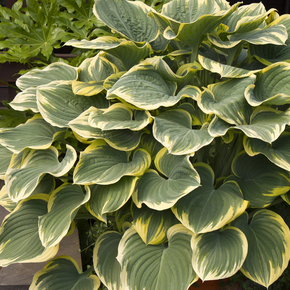
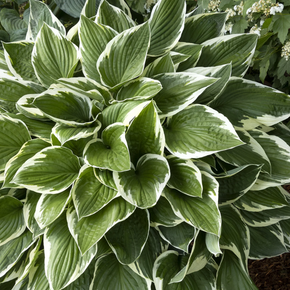
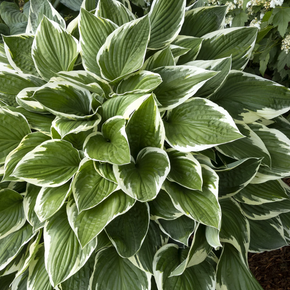
- Striking variegated foliage features broadly heart-shaped, blue-green puckered leaves dramatically edged with wide, irregular margins of buttery yellow to creamy white — one of the most popular and recognizable hostas ever introduced.
- A recipient of the Royal Horticultural Society's Award of Garden Merit, 'Wide Brim' is a vigorous, low-maintenance herbaceous perennial that thrives in shady spots where most plants struggle to perform.
- In mid to late summer, tall 24-inch scapes rise above the dense foliage mound and carry funnel-shaped, pale lavender flowers striped with violet — a welcome bonus for the shade garden and a magnet for hummingbirds.
- Extremely cold-hardy through USDA Zone 3 and adaptable through Zone 9, 'Wide Brim' is an easy-to-grow shade perennial that works beautifully as a border specimen, mass planting, groundcover, container plant, or cut-foliage accent.
Hosta 'Wide Brim' (Plantain Lily) is a standout medium-sized shade perennial celebrated for its bold, dome-shaped mound of broadly heart-shaped, rugose, blue-green leaves adorned with strikingly wide, irregular margins of buttery yellow that gradually transition to a rich creamy white as the season progresses. Introduced by Aden in 1979 and honored with the Royal Horticultural Society's Award of Garden Merit in 1993, this vigorous and easy-to-grow cultivar has earned its place as one of the most beloved variegated hostas of all time. Growing to approximately 16 to 24 inches tall and spreading 24 to 40 inches wide, 'Wide Brim' forms a lush, weed-suppressing mound of foliage that lights up shaded borders, woodland gardens, and container plantings from spring through fall. In mid to late summer, elegant 24-inch naked scapes emerge above the canopy bearing dense racemes of funnel-shaped, pale lavender blooms with delicate violet striping, attracting hummingbirds and adding a refined floral display to the shade landscape. Hardy in USDA Zones 3 through 9, this adaptable perennial thrives in part shade to full shade in organically rich, consistently moist, well-drained soil, and its thick, heavily textured leaves make it notably resilient compared to thinner-leafed varieties. Whether planted as a bold specimen, massed as a groundcover, used to conceal fading spring bulb foliage, or featured in a mixed shade border alongside ferns, astilbes, and heucheras, Hosta 'Wide Brim' delivers season-long interest, dependable hardiness, and effortless elegance year after year.
Plant Description
Hosta 'Wide Brim' is a medium-sized, clump-forming herbaceous perennial prized primarily for its spectacular variegated foliage. The broadly heart-shaped (cordate) leaves are wide-oval with a prominently puckered (rugose) texture and cuspidate (pointed) tips, measuring up to 8 inches long by 6 inches wide. The leaf centers are a rich dark green with a distinct blue cast, while wide, irregular margins — reaching up to 1.5 inches across — emerge a vivid buttery or chartreuse yellow in spring and gradually soften to a warm creamy white by midsummer. This seasonal color shift gives the plant a dynamic, evolving presence in the garden. The foliage arranges itself in a neat, symmetrical dome-shaped mound. In mid to late summer, slender, leafless scapes rise to 24 inches above the foliage and carry dense, one-sided racemes of funnel-shaped, pale lavender flowers that open from pale lavender-gray buds and feature delicate violet striping. The cultivar was introduced by Paul Aden in 1979 and is derived from crosses involving 'Bold One' and 'Bold Ribbons.' It has since become one of the most widely recognized and award-winning hostas in cultivation.
Mature Size
| Attribute | Measurement |
|---|---|
| Foliage Height | 16 to 24 inches tall |
| Spread (Width) | 24 to 40 inches wide |
| Flower Scape Height | Up to 24 inches above foliage |
| Individual Leaf Size | Up to 8 inches long x 6 inches wide |
| Leaf Margin Width | Up to 1.5 inches |
| Growth Rate | Medium |
| Plant Form | Dome-shaped, rounded mound |
Hardiness and Climate
Hosta 'Wide Brim' is exceptionally cold-hardy and widely adaptable, making it suitable for a broad range of North American gardens.
- USDA Hardiness Zones: 3 through 9 — tolerates harsh winters as cold as Zone 3 and summer heat through Zone 9.
- AHS Heat Zones: 1 through 9.
- Cold Tolerance: Fully dormant in winter; the crown survives well below freezing. In colder zones (3 and 4), applying a 2 to 3 inch layer of organic mulch in late fall helps insulate the crown and prevent frost heaving.
- Heat Tolerance: Performs reliably in warm climates when given adequate shade and consistent moisture. In hotter regions, afternoon shade is essential to prevent leaf scorch.
- Wind: Best planted in a location sheltered from strong, drying winds, which can desiccate the large leaves and cause browning along the margins.
Sunlight Requirements
'Wide Brim' performs best in part shade to full shade. Providing some morning sun and protecting the plant from harsh afternoon rays is the ideal approach for achieving the most vibrant foliage color and healthiest growth.
- Ideal Exposure: Dappled or filtered light, or direct morning sun for 2 to 4 hours followed by afternoon shade.
- Part Shade (4 to 6 hours of sun): Excellent performance; morning sun helps intensify the yellow-to-cream margin color and the blue-green leaf center contrast.
- Full Shade (fewer than 4 hours of direct sun): Tolerated well; the plant will still thrive, though color contrast may be slightly less intense.
- Full Afternoon Sun: Not recommended — hot, direct afternoon sun will scorch the leaves and cause significant browning, especially during summer heat.
- Tip: In Southern Oregon and Northern California climates, siting 'Wide Brim' on the north or east side of structures, fences, or under deciduous trees provides the ideal light balance throughout the growing season.
Soil and pH Preferences
Like most hostas, 'Wide Brim' thrives in rich, organically amended soil with reliable moisture and good drainage. Soil quality has a significant impact on the plant's vigor, leaf size, and overall appearance.
- Preferred Soil Type: Fertile, loamy, or sandy loam soil with high organic matter content. Sandy loam is preferable to heavy clay because it provides better root aeration.
- Soil Drainage: Moist but well-drained. Soggy, waterlogged soils promote crown rot and should be avoided.
- Soil pH: Adaptable from 5.5 to 7.5 (acidic to neutral). Slightly acidic soil in the 6.0 to 6.5 range is considered optimal for nutrient uptake.
- Soil Amendments: Work generous amounts of compost, well-rotted manure, or leaf mold into the planting area before installation to improve both drainage and moisture retention.
- Tolerance: Tolerant of clay soils if drainage is improved; also tolerates air pollution, making it well-suited to urban and courtyard gardens.
Watering Guide
Consistent soil moisture is one of the most important factors in keeping 'Wide Brim' looking its best. While established plants have some tolerance for brief dry periods, prolonged drought will stress the plant and reduce leaf quality.
- Newly Planted: Water thoroughly at planting and keep soil consistently moist during the first growing season to encourage deep root establishment.
- Established Plants: Water deeply approximately once per week. During hot or dry periods, increase to twice per week as needed.
- Watering Method: Apply water directly to the soil at the base of the plant rather than overhead. Wet foliage promotes fungal leaf spot diseases.
- Avoid Overwatering: Soils that stay waterlogged can cause root and crown rot. Ensure planting sites have adequate drainage.
- Drought: Extended drought can force the plant into early dormancy and reduce leaf size the following growing season. Mulching helps conserve soil moisture between waterings.
- Dormant Season: Water requirements drop significantly once the plant goes dormant in fall and winter. Little to no supplemental irrigation is needed until new growth emerges in spring.
Fertilizing
'Wide Brim' responds well to regular but moderate fertilization. The goal is to promote lush, healthy foliage growth without overstimulating soft growth that is prone to pest damage or disease.
- Best Fertilizer Type: A balanced, slow-release granular fertilizer or a well-composted organic amendment such as compost or aged manure. Formulations higher in nitrogen support strong foliage development.
- Spring Application: Apply a balanced fertilizer (such as 10-10-10 or a slow-release formulation) in early spring as new growth begins to emerge. This is the most important feeding of the year.
- Liquid Fertilizer: A light application of liquid fertilizer (e.g., a balanced 20-10-20 formula) in early spring can give the plant a quick start. Avoid excessive applications, as overfeeding can cause root damage.
- Fall: Reduce or eliminate nitrogen-heavy fertilizer applications in late summer and fall to allow the plant to naturally harden off and enter dormancy.
- Caution: Keep granular fertilizers away from the crown of the plant to prevent burning the growing points. Liquid feeding or top-dressing around the drip line is the safest approach.
- Organic Option: Working a 2 to 3 inch layer of compost into the soil around the plant each spring serves as both a fertilizer and a mulch, improving soil structure over time.
Planting Instructions
- Choose the Right Site: Select a location with part shade to full shade and protection from harsh afternoon sun. Ensure the site has adequate drainage and is sheltered from strong winds.
- Prepare the Soil: Loosen soil to a depth of at least 12 inches. Amend generously with compost or well-rotted organic matter to create a rich, moisture-retentive but well-draining planting bed.
- Dig the Hole: Dig a hole approximately twice as wide as the root ball and just as deep. The plant's crown — where the roots meet the base of the leaves — should sit at or just slightly below the soil surface.
- Plant and Backfill: Gently remove the plant from its container and fan out the roots. Position in the hole and backfill with amended soil, firming gently around the roots to eliminate air pockets.
- Water Thoroughly: Water deeply immediately after planting to settle the soil and hydrate the roots.
- Mulch: Apply a 2 to 3 inch layer of shredded bark, leaf mold, or other organic mulch around the plant, keeping mulch a couple of inches away from the crown to prevent rot and discourage slug harborage directly against the stem.
- Spacing: Space plants approximately 36 to 40 inches apart (on center) to allow for mature spread and good air circulation.
Pruning and Maintenance
Hosta 'Wide Brim' is considered a low-maintenance perennial. Routine care is minimal and focused primarily on seasonal cleanup and aesthetic tidying.
- Deadheading: After the lavender flower scapes finish blooming, cut them back to the base of the plant to redirect energy into foliage and root development. This also keeps the planting looking tidy.
- Damaged Leaves: Remove any leaves that are discolored, slug-damaged, or affected by disease by cutting the petiole cleanly back to the base. Do not leave damaged foliage on the plant, as it can harbor pests and disease.
- Fall Cleanup: After frost kills back the foliage in autumn, remove all dead leaves from around the base of the plant. Clearing spent foliage eliminates overwintering sites for slug eggs and other leaf-eating insects.
- Division: Divide plants every 3 to 5 years, or when the clumps become crowded and production of healthy leaves begins to decline. Division is easiest in early spring before leaves fully unfurl, or in early fall after the heat of summer has passed. Each division should include at least 3 growing eyes (buds) to ensure vigorous re-establishment.
- Winter Mulching: In colder climates, apply a fresh layer of mulch over the crown in late fall to protect against freeze-thaw cycles and frost heaving.
Seasonal Interest
'Wide Brim' provides multi-season garden interest from the moment it emerges in spring until it goes dormant in fall.
- Early Spring: Tightly rolled, pointed shoots push up from the crown in a vivid chartreuse-yellow and dark green, providing an exciting early-season display as the mound unfurls.
- Late Spring through Early Summer: The full foliage mound is at peak contrast — bold dark blue-green leaf centers framed by wide, bright yellow margins. This is one of the most visually striking periods for the plant.
- Midsummer: Yellow margins gradually transition to a rich creamy white, offering a softer, elegant two-tone effect. Tall flower scapes emerge in July and August, bearing pale lavender, violet-striped blooms on 24-inch stems.
- Late Summer to Fall: Foliage remains lush and attractive well into autumn. The creamy white margins and blue-green centers continue to brighten shady areas as surrounding garden plants begin to fade.
- Winter: The plant is fully dormant and the foliage dies back. The bare crown rests underground, ready to re-emerge the following spring.
Landscape Uses
Hosta 'Wide Brim' is one of the most versatile shade perennials available and suits a wide range of garden styles and design applications.
- Shade and Woodland Gardens: A natural fit under deciduous trees and in woodland-inspired plantings, where dappled light showcases the variegated foliage beautifully.
- Mixed Shade Borders: Combines excellently with other shade-tolerant perennials to create layered, textured plantings with contrasting foliage colors and forms.
- Groundcover: When massed, the broad, spreading mounds create an effective and attractive groundcover that suppresses weeds in shaded areas.
- Specimen or Focal Point: The bold, dome-shaped form and dramatic variegation make 'Wide Brim' an excellent specimen plant at a border corner, pathway edge, or garden focal point.
- Edging: Effective as a large-scale edging plant along shaded walkways, driveways, or woodland garden paths.
- Container Planting: Grows well in large containers on shaded patios, decks, and courtyards, where the striking foliage can be appreciated up close.
- Bulb Concealment: The large, spreading leaves are ideal for covering the dying foliage of spring-blooming bulbs such as tulips and daffodils.
- Cut Foliage: The boldly variegated leaves are popular with floral designers and are frequently used in larger floral arrangements for their dramatic outline, pleasing texture, and distinctive wide margin.
- Urban and Courtyard Gardens: Tolerant of air pollution, making it a reliable choice in city and suburban settings.
Companion Plants
Hosta 'Wide Brim' pairs beautifully with a wide variety of shade-tolerant plants. The key is to select companions that contrast or complement its bold, broad, variegated foliage in texture, color, and form.
- Astilbe: Feathery, upright plumes in pink, red, or white provide striking vertical contrast to the broad, mounding hosta leaves.
- Ferns (e.g., Ostrich Fern, Japanese Painted Fern): Fine, lacy fronds complement the bold, coarse leaf texture of 'Wide Brim' and share similar moisture and shade preferences.
- Heuchera (Coral Bells): Low-growing, colorful foliage mounds in burgundy, caramel, or lime green provide a stunning color contrast at the border edge.
- Bleeding Heart (Dicentra): Delicate, arching stems with heart-shaped flowers create an elegant spring pairing before the hosta fully leafs out.
- Woodland Phlox (Phlox divaricata): Low, spreading growth with soft lavender-blue spring flowers harmonizes naturally in a woodland or shade garden setting.
- Japanese Primrose (Primula japonica): Bold, candelabra-style flower spikes in shades of pink and red create a dramatic early-season display alongside emerging hosta foliage.
- Epimedium: A tough, low-growing groundcover that fills in gaps under trees and complements the larger mounds of 'Wide Brim.'
- Carex (Ornamental Sedges): Fine-textured, arching grass-like foliage adds movement and textural contrast to the bold hosta leaves.
- Rhododendrons and Azaleas: Larger shrub companions that provide a canopy of shade and a stunning spring bloom display above and behind the hosta mounds.
Pests and Diseases
Hosta 'Wide Brim' is generally a robust and resilient plant, but like all hostas, it is susceptible to a few common pests and diseases. Early identification and prevention are the best strategies.
- Slugs and Snails: The most common and damaging pest. They chew ragged, irregular holes in the leaves — often most visible in the center of the mound where moisture accumulates. Apply iron phosphate or other approved slug bait in early spring when new shoots emerge. Removing mulch from directly around the crown after establishment eliminates prime slug hiding spots. Cleaning up all dead foliage in fall removes overwintering egg masses.
- Deer and Rabbits: Hostas are highly palatable to deer and rabbits, which can cause severe defoliation. Consider deer-resistant companion planting, physical barriers, or repellent sprays in areas with significant wildlife pressure.
- Aphids: Particularly attracted to soft new growth in spring. Heavy infestations can distort unfurling leaves. Treat with insecticidal soap or neem oil, or knock off with a strong stream of water.
- Foliar Nematodes: Feed within leaf tissue, causing distinctive interveinal browning streaks between the leaf veins. Affected leaves cannot be cured; remove and destroy them. Avoid overhead watering to reduce spread.
- Leaf Spot (Fungal): Appears as small, dark lesions on leaves, often caused by excessive moisture or poor air circulation. Water at the base, not overhead, and ensure good spacing between plants.
- Crown Rot: Results from overly wet or poorly drained soils, causing yellowing, wilting, and collapse at the base. Ensure excellent drainage at planting time.
- Hosta Virus X (HVX): A serious viral disease causing mottled, ink-bleed, or distorted patterning on leaves that does not match the cultivar's normal variegation. There is no cure; infected plants must be immediately removed and destroyed. Never divide or share tools used on infected plants without sterilizing them first.
- Voles and Mice: Can feed on the fleshy roots and crowns, especially in winter. Bait stations or traps placed near the garden can help manage populations.
Container Growing
Hosta 'Wide Brim' adapts well to container culture, making it an outstanding choice for shaded patios, decks, entryways, and courtyards. Its bold, variegated foliage makes a dramatic statement even in a single large pot.
- Container Size: Choose a large container — at least 16 to 20 inches in diameter — to accommodate the plant's mature spread and provide ample root space for vigorous growth.
- Potting Mix: Use a high-quality, well-draining potting mix rich in organic matter. A bark-based, soilless mix with added compost or perlite for drainage works well.
- Drainage: Ensure the container has adequate drainage holes. Never allow the pot to sit in standing water, as this leads to root and crown rot.
- Watering: Containers dry out more quickly than in-ground plantings. Check soil moisture regularly and water when the top inch of soil feels dry. During summer heat, daily watering may be necessary.
- Fertilizing: Container-grown plants benefit from regular fertilization with a balanced, slow-release granular fertilizer applied in spring, supplemented with occasional liquid feedings through the growing season.
- Light: Position in a sheltered spot with morning light or bright, indirect light. Protect from hot afternoon sun, which is even more damaging to container-grown hostas due to increased root zone temperatures.
- Overwintering Containers: In cold climates, move pots to an unheated garage, shed, or covered area where temperatures stay above hard-freezing to prevent the container from cracking and protect the crown through winter dormancy. Resume normal care in spring when new growth appears.
Wildlife Value
While Hosta 'Wide Brim' is not a native North American plant, it does provide some meaningful wildlife interactions in the shade garden.
- Hummingbirds: The funnel-shaped lavender flowers produced in mid to late summer are attractive to hummingbirds, which are drawn to tubular blooms. Planting 'Wide Brim' in combination with other hummingbird favorites extends the seasonal value for these pollinators.
- Bees and Butterflies: The summer flowers provide a modest nectar source for bees and butterflies visiting shaded garden areas.
- Deer and Rabbits: Both are strongly attracted to hosta foliage and will readily browse on the leaves. In areas with heavy wildlife pressure, protective measures such as repellent sprays, fencing, or companion planting with deer-resistant species may be necessary.
- Toxicity: Hosta 'Wide Brim' is considered toxic to dogs, cats, and horses if ingested. Saponins in the plant can cause vomiting, diarrhea, and lethargy in pets. Plant in areas inaccessible to pets, or choose alternative plants for high-traffic pet areas.
- Striking variegated foliage features broadly heart-shaped, blue-green puckered leaves dramatically edged with wide, irregular margins of buttery yellow to creamy white — one of the most popular and recognizable hostas ever introduced.
- A recipient of the Royal Horticultural Society's Award of Garden Merit, 'Wide Brim' is a vigorous, low-maintenance herbaceous perennial that thrives in shady spots where most plants struggle to perform.
- In mid to late summer, tall 24-inch scapes rise above the dense foliage mound and carry funnel-shaped, pale lavender flowers striped with violet — a welcome bonus for the shade garden and a magnet for hummingbirds.
- Extremely cold-hardy through USDA Zone 3 and adaptable through Zone 9, 'Wide Brim' is an easy-to-grow shade perennial that works beautifully as a border specimen, mass planting, groundcover, container plant, or cut-foliage accent.
Hosta 'Wide Brim' (Plantain Lily) is a standout medium-sized shade perennial celebrated for its bold, dome-shaped mound of broadly heart-shaped, rugose, blue-green leaves adorned with strikingly wide, irregular margins of buttery yellow that gradually transition to a rich creamy white as the season progresses. Introduced by Aden in 1979 and honored with the Royal Horticultural Society's Award of Garden Merit in 1993, this vigorous and easy-to-grow cultivar has earned its place as one of the most beloved variegated hostas of all time. Growing to approximately 16 to 24 inches tall and spreading 24 to 40 inches wide, 'Wide Brim' forms a lush, weed-suppressing mound of foliage that lights up shaded borders, woodland gardens, and container plantings from spring through fall. In mid to late summer, elegant 24-inch naked scapes emerge above the canopy bearing dense racemes of funnel-shaped, pale lavender blooms with delicate violet striping, attracting hummingbirds and adding a refined floral display to the shade landscape. Hardy in USDA Zones 3 through 9, this adaptable perennial thrives in part shade to full shade in organically rich, consistently moist, well-drained soil, and its thick, heavily textured leaves make it notably resilient compared to thinner-leafed varieties. Whether planted as a bold specimen, massed as a groundcover, used to conceal fading spring bulb foliage, or featured in a mixed shade border alongside ferns, astilbes, and heucheras, Hosta 'Wide Brim' delivers season-long interest, dependable hardiness, and effortless elegance year after year.
Plant Description
Hosta 'Wide Brim' is a medium-sized, clump-forming herbaceous perennial prized primarily for its spectacular variegated foliage. The broadly heart-shaped (cordate) leaves are wide-oval with a prominently puckered (rugose) texture and cuspidate (pointed) tips, measuring up to 8 inches long by 6 inches wide. The leaf centers are a rich dark green with a distinct blue cast, while wide, irregular margins — reaching up to 1.5 inches across — emerge a vivid buttery or chartreuse yellow in spring and gradually soften to a warm creamy white by midsummer. This seasonal color shift gives the plant a dynamic, evolving presence in the garden. The foliage arranges itself in a neat, symmetrical dome-shaped mound. In mid to late summer, slender, leafless scapes rise to 24 inches above the foliage and carry dense, one-sided racemes of funnel-shaped, pale lavender flowers that open from pale lavender-gray buds and feature delicate violet striping. The cultivar was introduced by Paul Aden in 1979 and is derived from crosses involving 'Bold One' and 'Bold Ribbons.' It has since become one of the most widely recognized and award-winning hostas in cultivation.
Mature Size
| Attribute | Measurement |
|---|---|
| Foliage Height | 16 to 24 inches tall |
| Spread (Width) | 24 to 40 inches wide |
| Flower Scape Height | Up to 24 inches above foliage |
| Individual Leaf Size | Up to 8 inches long x 6 inches wide |
| Leaf Margin Width | Up to 1.5 inches |
| Growth Rate | Medium |
| Plant Form | Dome-shaped, rounded mound |
Hardiness and Climate
Hosta 'Wide Brim' is exceptionally cold-hardy and widely adaptable, making it suitable for a broad range of North American gardens.
- USDA Hardiness Zones: 3 through 9 — tolerates harsh winters as cold as Zone 3 and summer heat through Zone 9.
- AHS Heat Zones: 1 through 9.
- Cold Tolerance: Fully dormant in winter; the crown survives well below freezing. In colder zones (3 and 4), applying a 2 to 3 inch layer of organic mulch in late fall helps insulate the crown and prevent frost heaving.
- Heat Tolerance: Performs reliably in warm climates when given adequate shade and consistent moisture. In hotter regions, afternoon shade is essential to prevent leaf scorch.
- Wind: Best planted in a location sheltered from strong, drying winds, which can desiccate the large leaves and cause browning along the margins.
Sunlight Requirements
'Wide Brim' performs best in part shade to full shade. Providing some morning sun and protecting the plant from harsh afternoon rays is the ideal approach for achieving the most vibrant foliage color and healthiest growth.
- Ideal Exposure: Dappled or filtered light, or direct morning sun for 2 to 4 hours followed by afternoon shade.
- Part Shade (4 to 6 hours of sun): Excellent performance; morning sun helps intensify the yellow-to-cream margin color and the blue-green leaf center contrast.
- Full Shade (fewer than 4 hours of direct sun): Tolerated well; the plant will still thrive, though color contrast may be slightly less intense.
- Full Afternoon Sun: Not recommended — hot, direct afternoon sun will scorch the leaves and cause significant browning, especially during summer heat.
- Tip: In Southern Oregon and Northern California climates, siting 'Wide Brim' on the north or east side of structures, fences, or under deciduous trees provides the ideal light balance throughout the growing season.
Soil and pH Preferences
Like most hostas, 'Wide Brim' thrives in rich, organically amended soil with reliable moisture and good drainage. Soil quality has a significant impact on the plant's vigor, leaf size, and overall appearance.
- Preferred Soil Type: Fertile, loamy, or sandy loam soil with high organic matter content. Sandy loam is preferable to heavy clay because it provides better root aeration.
- Soil Drainage: Moist but well-drained. Soggy, waterlogged soils promote crown rot and should be avoided.
- Soil pH: Adaptable from 5.5 to 7.5 (acidic to neutral). Slightly acidic soil in the 6.0 to 6.5 range is considered optimal for nutrient uptake.
- Soil Amendments: Work generous amounts of compost, well-rotted manure, or leaf mold into the planting area before installation to improve both drainage and moisture retention.
- Tolerance: Tolerant of clay soils if drainage is improved; also tolerates air pollution, making it well-suited to urban and courtyard gardens.
Watering Guide
Consistent soil moisture is one of the most important factors in keeping 'Wide Brim' looking its best. While established plants have some tolerance for brief dry periods, prolonged drought will stress the plant and reduce leaf quality.
- Newly Planted: Water thoroughly at planting and keep soil consistently moist during the first growing season to encourage deep root establishment.
- Established Plants: Water deeply approximately once per week. During hot or dry periods, increase to twice per week as needed.
- Watering Method: Apply water directly to the soil at the base of the plant rather than overhead. Wet foliage promotes fungal leaf spot diseases.
- Avoid Overwatering: Soils that stay waterlogged can cause root and crown rot. Ensure planting sites have adequate drainage.
- Drought: Extended drought can force the plant into early dormancy and reduce leaf size the following growing season. Mulching helps conserve soil moisture between waterings.
- Dormant Season: Water requirements drop significantly once the plant goes dormant in fall and winter. Little to no supplemental irrigation is needed until new growth emerges in spring.
Fertilizing
'Wide Brim' responds well to regular but moderate fertilization. The goal is to promote lush, healthy foliage growth without overstimulating soft growth that is prone to pest damage or disease.
- Best Fertilizer Type: A balanced, slow-release granular fertilizer or a well-composted organic amendment such as compost or aged manure. Formulations higher in nitrogen support strong foliage development.
- Spring Application: Apply a balanced fertilizer (such as 10-10-10 or a slow-release formulation) in early spring as new growth begins to emerge. This is the most important feeding of the year.
- Liquid Fertilizer: A light application of liquid fertilizer (e.g., a balanced 20-10-20 formula) in early spring can give the plant a quick start. Avoid excessive applications, as overfeeding can cause root damage.
- Fall: Reduce or eliminate nitrogen-heavy fertilizer applications in late summer and fall to allow the plant to naturally harden off and enter dormancy.
- Caution: Keep granular fertilizers away from the crown of the plant to prevent burning the growing points. Liquid feeding or top-dressing around the drip line is the safest approach.
- Organic Option: Working a 2 to 3 inch layer of compost into the soil around the plant each spring serves as both a fertilizer and a mulch, improving soil structure over time.
Planting Instructions
- Choose the Right Site: Select a location with part shade to full shade and protection from harsh afternoon sun. Ensure the site has adequate drainage and is sheltered from strong winds.
- Prepare the Soil: Loosen soil to a depth of at least 12 inches. Amend generously with compost or well-rotted organic matter to create a rich, moisture-retentive but well-draining planting bed.
- Dig the Hole: Dig a hole approximately twice as wide as the root ball and just as deep. The plant's crown — where the roots meet the base of the leaves — should sit at or just slightly below the soil surface.
- Plant and Backfill: Gently remove the plant from its container and fan out the roots. Position in the hole and backfill with amended soil, firming gently around the roots to eliminate air pockets.
- Water Thoroughly: Water deeply immediately after planting to settle the soil and hydrate the roots.
- Mulch: Apply a 2 to 3 inch layer of shredded bark, leaf mold, or other organic mulch around the plant, keeping mulch a couple of inches away from the crown to prevent rot and discourage slug harborage directly against the stem.
- Spacing: Space plants approximately 36 to 40 inches apart (on center) to allow for mature spread and good air circulation.
Pruning and Maintenance
Hosta 'Wide Brim' is considered a low-maintenance perennial. Routine care is minimal and focused primarily on seasonal cleanup and aesthetic tidying.
- Deadheading: After the lavender flower scapes finish blooming, cut them back to the base of the plant to redirect energy into foliage and root development. This also keeps the planting looking tidy.
- Damaged Leaves: Remove any leaves that are discolored, slug-damaged, or affected by disease by cutting the petiole cleanly back to the base. Do not leave damaged foliage on the plant, as it can harbor pests and disease.
- Fall Cleanup: After frost kills back the foliage in autumn, remove all dead leaves from around the base of the plant. Clearing spent foliage eliminates overwintering sites for slug eggs and other leaf-eating insects.
- Division: Divide plants every 3 to 5 years, or when the clumps become crowded and production of healthy leaves begins to decline. Division is easiest in early spring before leaves fully unfurl, or in early fall after the heat of summer has passed. Each division should include at least 3 growing eyes (buds) to ensure vigorous re-establishment.
- Winter Mulching: In colder climates, apply a fresh layer of mulch over the crown in late fall to protect against freeze-thaw cycles and frost heaving.
Seasonal Interest
'Wide Brim' provides multi-season garden interest from the moment it emerges in spring until it goes dormant in fall.
- Early Spring: Tightly rolled, pointed shoots push up from the crown in a vivid chartreuse-yellow and dark green, providing an exciting early-season display as the mound unfurls.
- Late Spring through Early Summer: The full foliage mound is at peak contrast — bold dark blue-green leaf centers framed by wide, bright yellow margins. This is one of the most visually striking periods for the plant.
- Midsummer: Yellow margins gradually transition to a rich creamy white, offering a softer, elegant two-tone effect. Tall flower scapes emerge in July and August, bearing pale lavender, violet-striped blooms on 24-inch stems.
- Late Summer to Fall: Foliage remains lush and attractive well into autumn. The creamy white margins and blue-green centers continue to brighten shady areas as surrounding garden plants begin to fade.
- Winter: The plant is fully dormant and the foliage dies back. The bare crown rests underground, ready to re-emerge the following spring.
Landscape Uses
Hosta 'Wide Brim' is one of the most versatile shade perennials available and suits a wide range of garden styles and design applications.
- Shade and Woodland Gardens: A natural fit under deciduous trees and in woodland-inspired plantings, where dappled light showcases the variegated foliage beautifully.
- Mixed Shade Borders: Combines excellently with other shade-tolerant perennials to create layered, textured plantings with contrasting foliage colors and forms.
- Groundcover: When massed, the broad, spreading mounds create an effective and attractive groundcover that suppresses weeds in shaded areas.
- Specimen or Focal Point: The bold, dome-shaped form and dramatic variegation make 'Wide Brim' an excellent specimen plant at a border corner, pathway edge, or garden focal point.
- Edging: Effective as a large-scale edging plant along shaded walkways, driveways, or woodland garden paths.
- Container Planting: Grows well in large containers on shaded patios, decks, and courtyards, where the striking foliage can be appreciated up close.
- Bulb Concealment: The large, spreading leaves are ideal for covering the dying foliage of spring-blooming bulbs such as tulips and daffodils.
- Cut Foliage: The boldly variegated leaves are popular with floral designers and are frequently used in larger floral arrangements for their dramatic outline, pleasing texture, and distinctive wide margin.
- Urban and Courtyard Gardens: Tolerant of air pollution, making it a reliable choice in city and suburban settings.
Companion Plants
Hosta 'Wide Brim' pairs beautifully with a wide variety of shade-tolerant plants. The key is to select companions that contrast or complement its bold, broad, variegated foliage in texture, color, and form.
- Astilbe: Feathery, upright plumes in pink, red, or white provide striking vertical contrast to the broad, mounding hosta leaves.
- Ferns (e.g., Ostrich Fern, Japanese Painted Fern): Fine, lacy fronds complement the bold, coarse leaf texture of 'Wide Brim' and share similar moisture and shade preferences.
- Heuchera (Coral Bells): Low-growing, colorful foliage mounds in burgundy, caramel, or lime green provide a stunning color contrast at the border edge.
- Bleeding Heart (Dicentra): Delicate, arching stems with heart-shaped flowers create an elegant spring pairing before the hosta fully leafs out.
- Woodland Phlox (Phlox divaricata): Low, spreading growth with soft lavender-blue spring flowers harmonizes naturally in a woodland or shade garden setting.
- Japanese Primrose (Primula japonica): Bold, candelabra-style flower spikes in shades of pink and red create a dramatic early-season display alongside emerging hosta foliage.
- Epimedium: A tough, low-growing groundcover that fills in gaps under trees and complements the larger mounds of 'Wide Brim.'
- Carex (Ornamental Sedges): Fine-textured, arching grass-like foliage adds movement and textural contrast to the bold hosta leaves.
- Rhododendrons and Azaleas: Larger shrub companions that provide a canopy of shade and a stunning spring bloom display above and behind the hosta mounds.
Pests and Diseases
Hosta 'Wide Brim' is generally a robust and resilient plant, but like all hostas, it is susceptible to a few common pests and diseases. Early identification and prevention are the best strategies.
- Slugs and Snails: The most common and damaging pest. They chew ragged, irregular holes in the leaves — often most visible in the center of the mound where moisture accumulates. Apply iron phosphate or other approved slug bait in early spring when new shoots emerge. Removing mulch from directly around the crown after establishment eliminates prime slug hiding spots. Cleaning up all dead foliage in fall removes overwintering egg masses.
- Deer and Rabbits: Hostas are highly palatable to deer and rabbits, which can cause severe defoliation. Consider deer-resistant companion planting, physical barriers, or repellent sprays in areas with significant wildlife pressure.
- Aphids: Particularly attracted to soft new growth in spring. Heavy infestations can distort unfurling leaves. Treat with insecticidal soap or neem oil, or knock off with a strong stream of water.
- Foliar Nematodes: Feed within leaf tissue, causing distinctive interveinal browning streaks between the leaf veins. Affected leaves cannot be cured; remove and destroy them. Avoid overhead watering to reduce spread.
- Leaf Spot (Fungal): Appears as small, dark lesions on leaves, often caused by excessive moisture or poor air circulation. Water at the base, not overhead, and ensure good spacing between plants.
- Crown Rot: Results from overly wet or poorly drained soils, causing yellowing, wilting, and collapse at the base. Ensure excellent drainage at planting time.
- Hosta Virus X (HVX): A serious viral disease causing mottled, ink-bleed, or distorted patterning on leaves that does not match the cultivar's normal variegation. There is no cure; infected plants must be immediately removed and destroyed. Never divide or share tools used on infected plants without sterilizing them first.
- Voles and Mice: Can feed on the fleshy roots and crowns, especially in winter. Bait stations or traps placed near the garden can help manage populations.
Container Growing
Hosta 'Wide Brim' adapts well to container culture, making it an outstanding choice for shaded patios, decks, entryways, and courtyards. Its bold, variegated foliage makes a dramatic statement even in a single large pot.
- Container Size: Choose a large container — at least 16 to 20 inches in diameter — to accommodate the plant's mature spread and provide ample root space for vigorous growth.
- Potting Mix: Use a high-quality, well-draining potting mix rich in organic matter. A bark-based, soilless mix with added compost or perlite for drainage works well.
- Drainage: Ensure the container has adequate drainage holes. Never allow the pot to sit in standing water, as this leads to root and crown rot.
- Watering: Containers dry out more quickly than in-ground plantings. Check soil moisture regularly and water when the top inch of soil feels dry. During summer heat, daily watering may be necessary.
- Fertilizing: Container-grown plants benefit from regular fertilization with a balanced, slow-release granular fertilizer applied in spring, supplemented with occasional liquid feedings through the growing season.
- Light: Position in a sheltered spot with morning light or bright, indirect light. Protect from hot afternoon sun, which is even more damaging to container-grown hostas due to increased root zone temperatures.
- Overwintering Containers: In cold climates, move pots to an unheated garage, shed, or covered area where temperatures stay above hard-freezing to prevent the container from cracking and protect the crown through winter dormancy. Resume normal care in spring when new growth appears.
Wildlife Value
While Hosta 'Wide Brim' is not a native North American plant, it does provide some meaningful wildlife interactions in the shade garden.
- Hummingbirds: The funnel-shaped lavender flowers produced in mid to late summer are attractive to hummingbirds, which are drawn to tubular blooms. Planting 'Wide Brim' in combination with other hummingbird favorites extends the seasonal value for these pollinators.
- Bees and Butterflies: The summer flowers provide a modest nectar source for bees and butterflies visiting shaded garden areas.
- Deer and Rabbits: Both are strongly attracted to hosta foliage and will readily browse on the leaves. In areas with heavy wildlife pressure, protective measures such as repellent sprays, fencing, or companion planting with deer-resistant species may be necessary.
- Toxicity: Hosta 'Wide Brim' is considered toxic to dogs, cats, and horses if ingested. Saponins in the plant can cause vomiting, diarrhea, and lethargy in pets. Plant in areas inaccessible to pets, or choose alternative plants for high-traffic pet areas.
Related Products