Zoom the image with the mouse
White Bigleaf Hydrangea - 5 Gallon
SKU:
1832905
UPC:
014949421055
$44.99
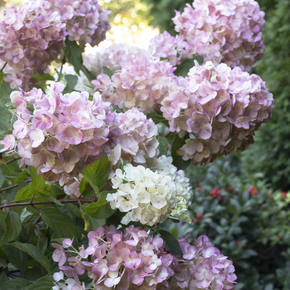
- Spectacular pure white mophead blooms in large, globe-shaped clusters light up the summer garden from early to mid-season, holding their color regardless of soil pH.
- Lush, bold, glossy dark green foliage provides a handsome backdrop all season long, and dried flower heads persist into winter for extended interest.
- A versatile, mounded deciduous shrub perfectly suited for shaded borders, foundation plantings, mixed beds, informal hedges, or statement container displays.
- Low-maintenance and easy to grow in USDA Zones 6-9, thriving with morning sun, afternoon shade, and consistently moist, well-drained soil.
The White Bigleaf Hydrangea (Hydrangea macrophylla) is a stunning deciduous shrub celebrated for its splendid, large, globe-shaped flower clusters of pristine white that illuminate the summer garden with timeless elegance. Unlike colored bigleaf hydrangea varieties, the white blooms of this classic mophead type remain a pure, consistent white regardless of soil pH, making it one of the most reliable and predictable performers in the landscape. Growing in a naturally mounded, boldly branched habit typically reaching 4 to 6 feet tall and wide, it features handsome, oversized, glossy deep green leaves that create a lush, full backdrop for its showstopping blooms. The flowers emerge in early to mid-summer and are exceptionally long-lasting, fading gracefully through soft chartreuse and parchment tones as the season progresses, and the dried heads cling to the branches well into winter for added seasonal structure. Perfectly at home in semi-shaded garden areas, this white bigleaf hydrangea excels as a showy specimen plant, massed in borders, used as an informal hedge or screen, or grown in a large container on a patio or entryway. Hardy in USDA Zones 6 through 9, it thrives in the mild, moist climates of the Pacific Coast, making it an ideal choice for gardens throughout Southern Oregon and Northern California where its needs for partial shade and consistent moisture are easily met.
Plant Description
The White Bigleaf Hydrangea is a classic deciduous shrub belonging to the family Hydrangeaceae, native to the woodlands, stream banks, and coastal mountain areas of Japan. It grows in a rounded, mounded form with stout, boldly branched stems that give it a sturdy, substantial presence in the landscape. Its large, opposite leaves are oval to broadly ovate with serrated edges, pronounced veining, and a glossy, deep green surface that contributes to the plant's lush appearance throughout the growing season. The defining feature is its flower type: a true mophead, producing densely packed, globe-shaped flower heads composed entirely of large, showy sterile florets that create the iconic rounded, full-headed appearance. Blooms are pure white and uniquely unaffected by soil chemistry, maintaining their color from summer through fall. As the season progresses, the blooms age gracefully, taking on soft green and parchment tones. The dried flower heads remain ornamental on the shrub well into winter, providing structure and interest in the off-season.
Mature Size
| Characteristic | Typical Range |
|---|---|
| Mature Height | 4 to 6 feet |
| Mature Width/Spread | 4 to 6 feet |
| Growth Habit | Rounded, mounded, multi-stemmed |
| Growth Rate | Moderate to fast |
| Plant Type | Deciduous shrub |
When siting this shrub, allow adequate room for it to reach its full spread without the need for heavy pruning, which can reduce or eliminate flowering. Choosing a location that accommodates the plant's natural mature size is one of the most important steps to long-term success with bigleaf hydrangeas.
Hardiness Zones and Climate
White Bigleaf Hydrangea is cold-hardy in USDA Zones 6 through 9, and heat-tolerant through Zone 9. It is native to mild coastal regions of Japan, which explains why it thrives so well in maritime and Mediterranean-influenced climates like those of Southern Oregon and Northern California. The plant itself is quite durable in cold conditions, but the flower buds - which form on old wood (the previous year's stems) and remain on the plant through winter - can be vulnerable to damage from late frosts or extreme cold. In Zone 6, siting the plant in a sheltered location protected from harsh westerly winds, such as on the east side of a structure or against a wall, will dramatically improve blooming success. In warmer zones (8-9), the main concern is summer heat stress, which can be managed with afternoon shade and consistent moisture. The mild, moist winters and warm summers of the Rogue Valley and Northern California coastal foothills make this an excellent region for growing bigleaf hydrangeas reliably.
Sunlight Requirements
White Bigleaf Hydrangea performs best in partial shade. The ideal exposure is bright morning sun with protection from intense afternoon sun, which can scorch the large leaves and cause the blooms to fade prematurely. In cooler climates or those with consistent soil moisture, the plant can tolerate up to 4 to 6 hours of direct sun per day. In warmer inland areas, 2 to 3 hours of morning sun or dappled all-day light is preferred, with shade during the hottest part of the afternoon being essential to prevent leaf scald and wilting. Too much dense shade, on the other hand, will reduce flowering. A balance of filtered light or a half-day of direct morning sun will produce the strongest stems, richest green foliage, and most abundant flower clusters.
Soil and pH Preferences
Bigleaf hydrangeas grow best in organically rich, medium-moisture, well-draining soil. They prefer a slightly acidic to neutral soil pH, generally between 5.5 and 7.0, though they can adapt to mildly alkaline conditions up to around pH 7.5. An important and unique characteristic of this white-flowering variety is that its bloom color is not affected by soil pH at all - the flowers will remain pure white in acidic, neutral, or alkaline soil alike. This makes it especially easy to grow and plan around compared to blue or pink bigleaf varieties. Amend heavy clay soils generously with compost to improve drainage, aeration, and moisture retention. Sandy soils should also be amended with compost to boost water-holding capacity and fertility. A consistent 2 to 3 inch layer of organic mulch over the root zone helps maintain even soil moisture and moderates soil temperature year-round.
Watering Guide
White Bigleaf Hydrangea is one of the thirstiest of all hydrangea types. Its large leaves lose moisture rapidly through transpiration, and the plant will wilt quickly during periods of heat or drought. Consistent, even moisture is essential for healthy growth and abundant flowering. Aim to provide approximately 1 to 2 inches of water per week, increasing frequency during hot spells or prolonged dry periods. Water deeply at the base of the plant rather than overhead to minimize the risk of spreading fungal diseases and leaf spot. Morning watering is preferred so that any moisture on the foliage has time to dry before evening. Drip irrigation or soaker hoses are ideal delivery methods. To check moisture levels, insert a finger 1 to 2 inches into the soil - water when it feels dry at that depth, but hold off if it still feels moist. Container-grown plants dry out significantly faster than those in the ground and may need daily checking in summer heat. Reduce watering frequency in fall as the plant approaches dormancy, but continue to water until the ground freezes to help prepare roots for winter.
Fertilizing
White Bigleaf Hydrangea benefits from a light fertilizing program to support vigorous growth and prolific flowering. Apply a balanced, slow-release granular fertilizer (such as a 10-10-10 formula) or one specifically formulated for flowering shrubs in early spring as new growth begins to emerge. A second application in May helps boost bloom production as buds develop. A third, lighter application in June or early July can encourage healthy growth through the remainder of the growing season. Because the goal is flowering rather than lush leafy growth, avoid high-nitrogen fertilizers that may produce lots of foliage at the expense of blooms. Cease all fertilizing by late July - feeding later in the season stimulates soft new growth that will not harden before winter, making the plant more susceptible to cold damage. Incorporating compost into the soil each spring or fall is an excellent way to provide gentle, slow-release nutrition while improving overall soil health. For container plants, use a diluted liquid fertilizer every four to six weeks from spring through mid-summer.
Pruning and Maintenance
White Bigleaf Hydrangea blooms on old wood - meaning flower buds are formed on the previous season's stems in late summer and fall, and remain on the plant through winter. For this reason, pruning should be kept to an absolute minimum. Heavy or mistimed pruning is the most common reason bigleaf hydrangeas fail to bloom. Follow these guidelines for best results:
- Avoid any significant pruning in fall, winter, or spring, as this removes the buds that will produce the current season's flowers.
- If light shaping is desired, do so immediately after the plant finishes blooming in summer, cutting stems back to just above a healthy set of leaves.
- Never remove more than one-third of the plant's total growth in a single pruning session.
- In late winter or early spring, remove only clearly dead, damaged, or crossing branches by cutting them off at the base - do not cut back living stems.
- Spent flower heads can be removed for tidiness or left in place through winter for ornamental interest and to help insulate the buds below.
- Apply a fresh 2 to 3 inch layer of organic mulch each spring to suppress weeds, conserve moisture, and insulate roots.
Planting Instructions
For the best establishment and long-term health of your White Bigleaf Hydrangea, follow these planting steps:
- Choose a planting site with morning sun and afternoon shade, and enough space to accommodate the plant at its full mature size of 4 to 6 feet in all directions.
- Plant in spring or fall during mild weather to minimize transplant stress. Avoid planting during periods of extreme heat or frost.
- Dig a hole 2 to 3 times wider than the root ball and approximately the same depth, so the top of the root ball sits level with or just slightly above the surrounding soil grade.
- Amend the native soil generously with compost or aged organic matter and backfill the hole, tamping gently to eliminate air pockets.
- Water thoroughly immediately after planting. Keep the soil consistently moist for the first growing season while the root system establishes.
- Apply a 2 to 3 inch layer of organic mulch over the root zone, keeping it a few inches away from the main stems to prevent rot.
- Hold off on fertilizing until the following spring after a fall planting, to allow the plant to settle into dormancy naturally.
Seasonal Interest
| Season | Garden Interest |
|---|---|
| Spring | Fresh, glossy dark green foliage emerges on sturdy stems; plant takes on its full, rounded form |
| Early to Mid-Summer | Peak bloom: large, globe-shaped pure white mophead flower clusters appear in abundance |
| Late Summer to Fall | Blooms age gracefully to soft chartreuse and parchment tones; foliage may develop subtle bronze-burgundy tints |
| Winter | Dried, papery flower heads persist on bare branches, providing delicate structural interest in the dormant garden |
Landscape Uses
The White Bigleaf Hydrangea is one of the most versatile flowering shrubs available for temperate gardens. Its clean white blooms pair beautifully with virtually any color palette and fit seamlessly into a wide range of garden styles, from cottage and woodland to formal and contemporary. Consider these landscape applications:
- Specimen or focal point: Plant singly in a prominent location where its bold flower clusters can be admired up close.
- Mixed shrub borders: Use as a mid-to-back-of-border anchor plant alongside other shade-loving shrubs and perennials.
- Foundation plantings: Soften building foundations and entryways with its lush foliage and showy summer blooms.
- Informal hedging or screening: Mass-plant several specimens along a fence line, property boundary, or slope for a beautiful seasonal screen.
- Shade garden anchor: Pair with hostas, ferns, and astilbe under a tree canopy for a classic woodland garden look.
- Cut flower garden: Grow near a cutting garden to harvest fresh mophead blooms for indoor arrangements, or dry them for long-lasting displays.
- Containers and patios: Grow in a large decorative container for a dramatic entryway, deck, or patio statement.
Companion Plants
White Bigleaf Hydrangea combines beautifully with other shade-loving and partial-shade plants that share its preference for moist, organically rich soil. The pure white blooms act as a neutral anchor that complements virtually any color in the garden. Consider these companion plant pairings:
- Hosta: Bold hosta foliage in green, gold, or blue-gray provides a stunning textural contrast to the hydrangea's large white flower clusters and works well in the same moist, shaded conditions.
- Astilbe: Feathery plumes in pink, red, or white bloom in similar partial shade conditions and create a soft, layered look alongside the mophead blooms.
- Japanese Ferns and Wood Ferns: Delicate, arching fronds add fine texture and a lush, woodland feel that beautifully offsets the hydrangea's bold form.
- Coral Bells (Heuchera): Richly colored foliage in burgundy, caramel, or lime provides striking color contrast at the base of the shrub.
- Bleeding Heart (Lamprocapnos spectabilis): Spring-blooming companion that fills the garden before the hydrangea reaches peak bloom, with fern-like foliage that persists into summer.
- Boxwood: Evergreen structure and fine texture create a year-round backdrop that makes white hydrangea blooms pop in summer.
- Japanese Anemone: Tall, airy fall blooms extend the season of interest alongside the aging hydrangea flower heads.
- Tiarella (Foamflower): Low-growing groundcover that thrives in the same moist shade and adds spring bloom interest and attractive foliage contrast.
Pests and Diseases
White Bigleaf Hydrangea is generally resistant to serious pest and disease problems when grown in appropriate conditions. The best prevention is proper siting, consistent watering at the base of the plant, good air circulation, and healthy soil. Here are the most common issues to watch for:
- Powdery Mildew: A fungal disease that appears as a gray-white powdery coating on leaves, particularly in humid conditions with poor air circulation. Manage by avoiding overhead watering, cleaning up fallen leaves in autumn, and ensuring plants are not overcrowded.
- Cercospora and Alternaria Leaf Spot: Brownish-purple spots on leaves, typically appearing in late summer, especially on stressed plants. Improve air circulation and water management to reduce occurrence.
- Botrytis Blight: A gray mold that can affect flowers and foliage in cool, wet conditions. Remove affected plant material promptly.
- Root Rot (Phytophthora): Caused by consistently waterlogged soil. Ensure the planting site has excellent drainage and avoid overwatering.
- Aphids: Occasional sap-sucking insects that cluster on new growth. Dislodge with a strong stream of water or treat with insecticidal soap or neem oil if populations are heavy.
- Slugs and Snails: Can damage leaves close to the ground, especially in moist, shaded settings. Trap or use approved bait products as needed.
- Deer: Deer are attracted to the tender flower buds and foliage of bigleaf hydrangeas. In deer-prone areas, use repellent sprays or protective netting, particularly in spring when buds are forming.
Container Growing
White Bigleaf Hydrangea makes an outstanding container specimen and can be grown on patios, decks, and entryways in regions where winter temperatures do not drop too far below Zone 6. Follow these guidelines for success in containers:
- Select a large, sturdy container with multiple drainage holes - at least 18 to 24 inches in diameter to accommodate the root system and provide stability for the mature plant.
- Use a high-quality, well-draining potting mix rather than native garden soil, which can compact and impede drainage in containers.
- Plant the shrub so the crown sits at least 2 inches below the rim of the pot to allow for adequate watering.
- Container plants dry out far more quickly than in-ground plants - check soil moisture daily during summer heat and water as soon as the top inch feels dry.
- Fertilize container-grown plants with a diluted balanced liquid fertilizer every 4 to 6 weeks from spring through mid-summer.
- In winter, move containers to a sheltered location such as an unheated garage or covered porch to protect roots from freezing, as container root systems are significantly more vulnerable to cold than in-ground plantings.
- Repot every 2 to 3 years, or when roots begin to emerge from the drainage holes, into the next container size up.
Cut and Dried Flowers
One of the most beloved qualities of White Bigleaf Hydrangea is the exceptional value of its blooms for both fresh-cut and dried floral arrangements. The large, globe-shaped white mophead clusters are showstopping on their own and pair beautifully with roses, peonies, and greenery in bouquets and centerpieces.
- Cutting for fresh arrangements: Harvest stems in the morning when temperatures are cool. Cut stems back to just above a healthy pair of leaf buds. Immediately plunge stems into a bucket of cool water. For longest vase life, recut stems at an angle before arranging and change the water every two days.
- Drying for preserved arrangements: Wait until the blooms begin to age and take on papery texture (usually late summer to fall) before cutting for drying. Hang stems upside down in a warm, dry, well-ventilated area out of direct sunlight for 2 to 3 weeks. Alternatively, place stems in a vase with a small amount of water and allow them to dry slowly in place - this method often produces the most natural-looking dried blooms.
- Dried white hydrangea heads hold their shape and creamy color for months and are a popular choice for wreaths, dried floral arrangements, and holiday decorations.
- Spectacular pure white mophead blooms in large, globe-shaped clusters light up the summer garden from early to mid-season, holding their color regardless of soil pH.
- Lush, bold, glossy dark green foliage provides a handsome backdrop all season long, and dried flower heads persist into winter for extended interest.
- A versatile, mounded deciduous shrub perfectly suited for shaded borders, foundation plantings, mixed beds, informal hedges, or statement container displays.
- Low-maintenance and easy to grow in USDA Zones 6-9, thriving with morning sun, afternoon shade, and consistently moist, well-drained soil.
The White Bigleaf Hydrangea (Hydrangea macrophylla) is a stunning deciduous shrub celebrated for its splendid, large, globe-shaped flower clusters of pristine white that illuminate the summer garden with timeless elegance. Unlike colored bigleaf hydrangea varieties, the white blooms of this classic mophead type remain a pure, consistent white regardless of soil pH, making it one of the most reliable and predictable performers in the landscape. Growing in a naturally mounded, boldly branched habit typically reaching 4 to 6 feet tall and wide, it features handsome, oversized, glossy deep green leaves that create a lush, full backdrop for its showstopping blooms. The flowers emerge in early to mid-summer and are exceptionally long-lasting, fading gracefully through soft chartreuse and parchment tones as the season progresses, and the dried heads cling to the branches well into winter for added seasonal structure. Perfectly at home in semi-shaded garden areas, this white bigleaf hydrangea excels as a showy specimen plant, massed in borders, used as an informal hedge or screen, or grown in a large container on a patio or entryway. Hardy in USDA Zones 6 through 9, it thrives in the mild, moist climates of the Pacific Coast, making it an ideal choice for gardens throughout Southern Oregon and Northern California where its needs for partial shade and consistent moisture are easily met.
Plant Description
The White Bigleaf Hydrangea is a classic deciduous shrub belonging to the family Hydrangeaceae, native to the woodlands, stream banks, and coastal mountain areas of Japan. It grows in a rounded, mounded form with stout, boldly branched stems that give it a sturdy, substantial presence in the landscape. Its large, opposite leaves are oval to broadly ovate with serrated edges, pronounced veining, and a glossy, deep green surface that contributes to the plant's lush appearance throughout the growing season. The defining feature is its flower type: a true mophead, producing densely packed, globe-shaped flower heads composed entirely of large, showy sterile florets that create the iconic rounded, full-headed appearance. Blooms are pure white and uniquely unaffected by soil chemistry, maintaining their color from summer through fall. As the season progresses, the blooms age gracefully, taking on soft green and parchment tones. The dried flower heads remain ornamental on the shrub well into winter, providing structure and interest in the off-season.
Mature Size
| Characteristic | Typical Range |
|---|---|
| Mature Height | 4 to 6 feet |
| Mature Width/Spread | 4 to 6 feet |
| Growth Habit | Rounded, mounded, multi-stemmed |
| Growth Rate | Moderate to fast |
| Plant Type | Deciduous shrub |
When siting this shrub, allow adequate room for it to reach its full spread without the need for heavy pruning, which can reduce or eliminate flowering. Choosing a location that accommodates the plant's natural mature size is one of the most important steps to long-term success with bigleaf hydrangeas.
Hardiness Zones and Climate
White Bigleaf Hydrangea is cold-hardy in USDA Zones 6 through 9, and heat-tolerant through Zone 9. It is native to mild coastal regions of Japan, which explains why it thrives so well in maritime and Mediterranean-influenced climates like those of Southern Oregon and Northern California. The plant itself is quite durable in cold conditions, but the flower buds - which form on old wood (the previous year's stems) and remain on the plant through winter - can be vulnerable to damage from late frosts or extreme cold. In Zone 6, siting the plant in a sheltered location protected from harsh westerly winds, such as on the east side of a structure or against a wall, will dramatically improve blooming success. In warmer zones (8-9), the main concern is summer heat stress, which can be managed with afternoon shade and consistent moisture. The mild, moist winters and warm summers of the Rogue Valley and Northern California coastal foothills make this an excellent region for growing bigleaf hydrangeas reliably.
Sunlight Requirements
White Bigleaf Hydrangea performs best in partial shade. The ideal exposure is bright morning sun with protection from intense afternoon sun, which can scorch the large leaves and cause the blooms to fade prematurely. In cooler climates or those with consistent soil moisture, the plant can tolerate up to 4 to 6 hours of direct sun per day. In warmer inland areas, 2 to 3 hours of morning sun or dappled all-day light is preferred, with shade during the hottest part of the afternoon being essential to prevent leaf scald and wilting. Too much dense shade, on the other hand, will reduce flowering. A balance of filtered light or a half-day of direct morning sun will produce the strongest stems, richest green foliage, and most abundant flower clusters.
Soil and pH Preferences
Bigleaf hydrangeas grow best in organically rich, medium-moisture, well-draining soil. They prefer a slightly acidic to neutral soil pH, generally between 5.5 and 7.0, though they can adapt to mildly alkaline conditions up to around pH 7.5. An important and unique characteristic of this white-flowering variety is that its bloom color is not affected by soil pH at all - the flowers will remain pure white in acidic, neutral, or alkaline soil alike. This makes it especially easy to grow and plan around compared to blue or pink bigleaf varieties. Amend heavy clay soils generously with compost to improve drainage, aeration, and moisture retention. Sandy soils should also be amended with compost to boost water-holding capacity and fertility. A consistent 2 to 3 inch layer of organic mulch over the root zone helps maintain even soil moisture and moderates soil temperature year-round.
Watering Guide
White Bigleaf Hydrangea is one of the thirstiest of all hydrangea types. Its large leaves lose moisture rapidly through transpiration, and the plant will wilt quickly during periods of heat or drought. Consistent, even moisture is essential for healthy growth and abundant flowering. Aim to provide approximately 1 to 2 inches of water per week, increasing frequency during hot spells or prolonged dry periods. Water deeply at the base of the plant rather than overhead to minimize the risk of spreading fungal diseases and leaf spot. Morning watering is preferred so that any moisture on the foliage has time to dry before evening. Drip irrigation or soaker hoses are ideal delivery methods. To check moisture levels, insert a finger 1 to 2 inches into the soil - water when it feels dry at that depth, but hold off if it still feels moist. Container-grown plants dry out significantly faster than those in the ground and may need daily checking in summer heat. Reduce watering frequency in fall as the plant approaches dormancy, but continue to water until the ground freezes to help prepare roots for winter.
Fertilizing
White Bigleaf Hydrangea benefits from a light fertilizing program to support vigorous growth and prolific flowering. Apply a balanced, slow-release granular fertilizer (such as a 10-10-10 formula) or one specifically formulated for flowering shrubs in early spring as new growth begins to emerge. A second application in May helps boost bloom production as buds develop. A third, lighter application in June or early July can encourage healthy growth through the remainder of the growing season. Because the goal is flowering rather than lush leafy growth, avoid high-nitrogen fertilizers that may produce lots of foliage at the expense of blooms. Cease all fertilizing by late July - feeding later in the season stimulates soft new growth that will not harden before winter, making the plant more susceptible to cold damage. Incorporating compost into the soil each spring or fall is an excellent way to provide gentle, slow-release nutrition while improving overall soil health. For container plants, use a diluted liquid fertilizer every four to six weeks from spring through mid-summer.
Pruning and Maintenance
White Bigleaf Hydrangea blooms on old wood - meaning flower buds are formed on the previous season's stems in late summer and fall, and remain on the plant through winter. For this reason, pruning should be kept to an absolute minimum. Heavy or mistimed pruning is the most common reason bigleaf hydrangeas fail to bloom. Follow these guidelines for best results:
- Avoid any significant pruning in fall, winter, or spring, as this removes the buds that will produce the current season's flowers.
- If light shaping is desired, do so immediately after the plant finishes blooming in summer, cutting stems back to just above a healthy set of leaves.
- Never remove more than one-third of the plant's total growth in a single pruning session.
- In late winter or early spring, remove only clearly dead, damaged, or crossing branches by cutting them off at the base - do not cut back living stems.
- Spent flower heads can be removed for tidiness or left in place through winter for ornamental interest and to help insulate the buds below.
- Apply a fresh 2 to 3 inch layer of organic mulch each spring to suppress weeds, conserve moisture, and insulate roots.
Planting Instructions
For the best establishment and long-term health of your White Bigleaf Hydrangea, follow these planting steps:
- Choose a planting site with morning sun and afternoon shade, and enough space to accommodate the plant at its full mature size of 4 to 6 feet in all directions.
- Plant in spring or fall during mild weather to minimize transplant stress. Avoid planting during periods of extreme heat or frost.
- Dig a hole 2 to 3 times wider than the root ball and approximately the same depth, so the top of the root ball sits level with or just slightly above the surrounding soil grade.
- Amend the native soil generously with compost or aged organic matter and backfill the hole, tamping gently to eliminate air pockets.
- Water thoroughly immediately after planting. Keep the soil consistently moist for the first growing season while the root system establishes.
- Apply a 2 to 3 inch layer of organic mulch over the root zone, keeping it a few inches away from the main stems to prevent rot.
- Hold off on fertilizing until the following spring after a fall planting, to allow the plant to settle into dormancy naturally.
Seasonal Interest
| Season | Garden Interest |
|---|---|
| Spring | Fresh, glossy dark green foliage emerges on sturdy stems; plant takes on its full, rounded form |
| Early to Mid-Summer | Peak bloom: large, globe-shaped pure white mophead flower clusters appear in abundance |
| Late Summer to Fall | Blooms age gracefully to soft chartreuse and parchment tones; foliage may develop subtle bronze-burgundy tints |
| Winter | Dried, papery flower heads persist on bare branches, providing delicate structural interest in the dormant garden |
Landscape Uses
The White Bigleaf Hydrangea is one of the most versatile flowering shrubs available for temperate gardens. Its clean white blooms pair beautifully with virtually any color palette and fit seamlessly into a wide range of garden styles, from cottage and woodland to formal and contemporary. Consider these landscape applications:
- Specimen or focal point: Plant singly in a prominent location where its bold flower clusters can be admired up close.
- Mixed shrub borders: Use as a mid-to-back-of-border anchor plant alongside other shade-loving shrubs and perennials.
- Foundation plantings: Soften building foundations and entryways with its lush foliage and showy summer blooms.
- Informal hedging or screening: Mass-plant several specimens along a fence line, property boundary, or slope for a beautiful seasonal screen.
- Shade garden anchor: Pair with hostas, ferns, and astilbe under a tree canopy for a classic woodland garden look.
- Cut flower garden: Grow near a cutting garden to harvest fresh mophead blooms for indoor arrangements, or dry them for long-lasting displays.
- Containers and patios: Grow in a large decorative container for a dramatic entryway, deck, or patio statement.
Companion Plants
White Bigleaf Hydrangea combines beautifully with other shade-loving and partial-shade plants that share its preference for moist, organically rich soil. The pure white blooms act as a neutral anchor that complements virtually any color in the garden. Consider these companion plant pairings:
- Hosta: Bold hosta foliage in green, gold, or blue-gray provides a stunning textural contrast to the hydrangea's large white flower clusters and works well in the same moist, shaded conditions.
- Astilbe: Feathery plumes in pink, red, or white bloom in similar partial shade conditions and create a soft, layered look alongside the mophead blooms.
- Japanese Ferns and Wood Ferns: Delicate, arching fronds add fine texture and a lush, woodland feel that beautifully offsets the hydrangea's bold form.
- Coral Bells (Heuchera): Richly colored foliage in burgundy, caramel, or lime provides striking color contrast at the base of the shrub.
- Bleeding Heart (Lamprocapnos spectabilis): Spring-blooming companion that fills the garden before the hydrangea reaches peak bloom, with fern-like foliage that persists into summer.
- Boxwood: Evergreen structure and fine texture create a year-round backdrop that makes white hydrangea blooms pop in summer.
- Japanese Anemone: Tall, airy fall blooms extend the season of interest alongside the aging hydrangea flower heads.
- Tiarella (Foamflower): Low-growing groundcover that thrives in the same moist shade and adds spring bloom interest and attractive foliage contrast.
Pests and Diseases
White Bigleaf Hydrangea is generally resistant to serious pest and disease problems when grown in appropriate conditions. The best prevention is proper siting, consistent watering at the base of the plant, good air circulation, and healthy soil. Here are the most common issues to watch for:
- Powdery Mildew: A fungal disease that appears as a gray-white powdery coating on leaves, particularly in humid conditions with poor air circulation. Manage by avoiding overhead watering, cleaning up fallen leaves in autumn, and ensuring plants are not overcrowded.
- Cercospora and Alternaria Leaf Spot: Brownish-purple spots on leaves, typically appearing in late summer, especially on stressed plants. Improve air circulation and water management to reduce occurrence.
- Botrytis Blight: A gray mold that can affect flowers and foliage in cool, wet conditions. Remove affected plant material promptly.
- Root Rot (Phytophthora): Caused by consistently waterlogged soil. Ensure the planting site has excellent drainage and avoid overwatering.
- Aphids: Occasional sap-sucking insects that cluster on new growth. Dislodge with a strong stream of water or treat with insecticidal soap or neem oil if populations are heavy.
- Slugs and Snails: Can damage leaves close to the ground, especially in moist, shaded settings. Trap or use approved bait products as needed.
- Deer: Deer are attracted to the tender flower buds and foliage of bigleaf hydrangeas. In deer-prone areas, use repellent sprays or protective netting, particularly in spring when buds are forming.
Container Growing
White Bigleaf Hydrangea makes an outstanding container specimen and can be grown on patios, decks, and entryways in regions where winter temperatures do not drop too far below Zone 6. Follow these guidelines for success in containers:
- Select a large, sturdy container with multiple drainage holes - at least 18 to 24 inches in diameter to accommodate the root system and provide stability for the mature plant.
- Use a high-quality, well-draining potting mix rather than native garden soil, which can compact and impede drainage in containers.
- Plant the shrub so the crown sits at least 2 inches below the rim of the pot to allow for adequate watering.
- Container plants dry out far more quickly than in-ground plants - check soil moisture daily during summer heat and water as soon as the top inch feels dry.
- Fertilize container-grown plants with a diluted balanced liquid fertilizer every 4 to 6 weeks from spring through mid-summer.
- In winter, move containers to a sheltered location such as an unheated garage or covered porch to protect roots from freezing, as container root systems are significantly more vulnerable to cold than in-ground plantings.
- Repot every 2 to 3 years, or when roots begin to emerge from the drainage holes, into the next container size up.
Cut and Dried Flowers
One of the most beloved qualities of White Bigleaf Hydrangea is the exceptional value of its blooms for both fresh-cut and dried floral arrangements. The large, globe-shaped white mophead clusters are showstopping on their own and pair beautifully with roses, peonies, and greenery in bouquets and centerpieces.
- Cutting for fresh arrangements: Harvest stems in the morning when temperatures are cool. Cut stems back to just above a healthy pair of leaf buds. Immediately plunge stems into a bucket of cool water. For longest vase life, recut stems at an angle before arranging and change the water every two days.
- Drying for preserved arrangements: Wait until the blooms begin to age and take on papery texture (usually late summer to fall) before cutting for drying. Hang stems upside down in a warm, dry, well-ventilated area out of direct sunlight for 2 to 3 weeks. Alternatively, place stems in a vase with a small amount of water and allow them to dry slowly in place - this method often produces the most natural-looking dried blooms.
- Dried white hydrangea heads hold their shape and creamy color for months and are a popular choice for wreaths, dried floral arrangements, and holiday decorations.