Zoom the image with the mouse
Pink Splendor Hydrangea - 5 Gallon
SKU:
1932835
UPC:
014949423738
$49.99
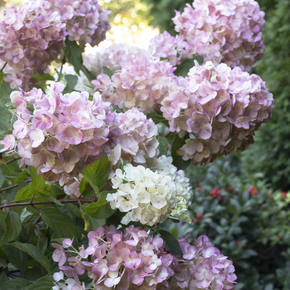
- Compact, repeat-blooming mophead hydrangea producing large, vibrant pink flower clusters from spring through summer on a tidy, mounded form
- Extra-dark, glossy green foliage provides a rich backdrop that makes the bold pink blooms pop throughout the season
- Exceptionally hardy for a bigleaf hydrangea — thrives reliably across USDA Zones 4-9 and stays a manageable 4 feet tall by 4 feet wide
- Fresh-cut blooms last beautifully in floral arrangements and flower heads can also be dried for long-lasting decorative use indoors
Pink Splendor Hydrangea (Hydrangea macrophylla 'MonPKSP') is a standout deciduous shrub prized for its generous, repeat-blooming nature and impressively compact, mounded habit that makes it one of the most versatile and garden-friendly mophead hydrangeas available. From spring and continuing through summer, this vigorous shrub produces a succession of large, rounded, pom-pom flower heads in a rich, warm pink — each bloom set off beautifully against a backdrop of exceptionally dark, lustrous green foliage that retains its deep color throughout the growing season. Hardy across a wide range of climates in USDA Zones 4-9, Pink Splendor Hydrangea grows to a tidy 4 feet tall and 4 feet wide, making it perfectly suited to foundation plantings, mixed shrub borders, cottage-style garden beds, and low informal hedges without the need for heavy pruning or aggressive maintenance. Like all bigleaf hydrangeas, the flower color of Pink Splendor is influenced by soil pH — alkaline to near-neutral soil conditions encourage and maintain those signature vivid pink blooms, while increasingly acidic soils can shift flowers toward lavender or soft blue tones. Whether planted as a focal point specimen, massed together for a bold seasonal display, or used to anchor a mixed border with long-season color, Pink Splendor Hydrangea delivers dependable, eye-catching performance year after year with minimal effort.
Plant Description
Pink Splendor Hydrangea is a deciduous, mophead-type bigleaf hydrangea (Hydrangea macrophylla) known for its compact, symmetrical, mounded growth habit and outstanding repeat-blooming performance. The large, rounded flower heads — often called "mopheads" — are composed of clusters of showy, pink sterile florets that create a full, cabbage-like appearance. Each bloom head can reach several inches across, making an impressive floral statement from late spring through the height of summer. The foliage is particularly noteworthy: extra-dark, deep green, and glossy, the broad leaves create a lush, dense texture that serves as a striking contrast to the vibrant blooms and remains attractive even when the plant is not in flower. Like all mophead hydrangeas, Pink Splendor is sensitive to soil pH changes, which can shift flower color from rich pink in alkaline to neutral soils toward purple or even soft blue in acidic conditions. This is a true garden workhorse — hardy, compact, and reliably floriferous — suitable for a wide range of landscape applications across much of the United States.
Mature Size
| Attribute | Measurement |
|---|---|
| Mature Height | 4 feet |
| Mature Spread | 4 feet |
| Growth Habit | Compact, rounded, mounded |
| Growth Rate | Moderate to fast |
| Plant Type | Deciduous flowering shrub |
Hardiness Zones
Pink Splendor Hydrangea is hardy in USDA Plant Hardiness Zones 4-9, making it one of the more cold-tolerant bigleaf hydrangeas available. It performs reliably across a broad swath of the country, from cooler northern climates through warm coastal and southern regions. In the warmer end of its range (Zones 8-9), some afternoon shade protection during the hottest months is beneficial. In the cooler zones (4-5), protecting the shrub's stems from harsh winter temperatures — such as with a burlap wrap or a cage filled with dry leaves — helps preserve the old-wood flower buds and ensures the fullest bloom display the following spring. In Southern Oregon and Northern California, Pink Splendor thrives exceptionally well within its ideal mid-range zones, delivering consistent seasonal bloom and vigor with minimal cold-weather intervention needed.
Sunlight Requirements
Pink Splendor Hydrangea performs best in a site with morning sun and afternoon shade. This combination provides enough direct light to encourage robust flowering while protecting the large blooms and leaves from the stress of intense afternoon heat. In cooler, coastal, or overcast climates, more sun exposure — up to full sun — can be tolerated, particularly when the soil is kept consistently moist. In hotter inland areas, afternoon shade becomes more critical to prevent leaf scorch and wilting. A minimum of 3 hours of direct sun per day is recommended to ensure good bloom production. Avoid deep, full shade, which will significantly reduce the number and quality of flowers produced.
Soil and pH Preferences
Pink Splendor Hydrangea grows best in rich, medium-moisture, well-draining soil. It is adaptable to a range of soil textures but does not tolerate waterlogged or persistently soggy conditions, which can lead to root rot. Amending the planting area with compost or aged organic matter before planting improves both drainage and moisture retention — particularly important in sandy or clay-heavy soils.
Soil pH has a direct and fascinating effect on flower color for this bigleaf hydrangea variety:
- Alkaline to neutral soil (pH 6.0 and above): Produces the signature rich pink blooms Pink Splendor is named for
- Neutral to slightly acidic soil (pH 5.5-6.0): Blooms may shift toward purple or mauve tones
- Acidic soil (pH below 5.5): Blooms may shift toward lavender or soft blue tones
To encourage and maintain vivid pink flowers, add garden lime to raise the soil pH if it tests too acidic. A soil test is strongly recommended before making any pH amendments to ensure accurate adjustments.
Watering Guide
Hydrangeas in general — and Pink Splendor in particular — have a high moisture requirement, especially during the establishment period and peak summer heat. The name "hydrangea" itself derives from the Greek words for "water vessel," a fitting nod to this plant's thirst. Follow these watering guidelines for best results:
- Newly planted shrubs: Water deeply at least once per week for the first two growing seasons to establish a strong, deep root system
- Established plants: Water deeply 2-3 times per week during dry spells; approximately 1 inch of water per week throughout the growing season is ideal
- Watering method: Use a soaker hose or drip irrigation to deliver moisture directly to the root zone while keeping foliage and flowers dry — this reduces the risk of fungal diseases
- Timing: Morning watering is preferred so any moisture on leaves has time to evaporate during the day
- Mulching: Apply a 2-3 inch layer of organic mulch (such as shredded bark or wood chips) around the root zone to conserve soil moisture, moderate soil temperature, and reduce watering frequency
Watch for wilting foliage — a reliable indicator that the plant needs water. Chronically dry conditions will stress the shrub and reduce bloom quality and quantity.
Fertilizing
Pink Splendor Hydrangea benefits from regular but moderate feeding to support healthy foliage growth and prolific repeat blooming. Over-fertilizing — particularly with high-nitrogen products — tends to promote excessive leafy growth at the expense of flowers. Follow these guidelines for the best results:
- Soil test first: A soil test is the best starting point to identify any nutrient deficiencies and determine your soil pH before selecting a fertilizer
- Fertilizer type: Use a balanced, slow-release granular fertilizer (such as 10-10-10 or 15-10-10) or a product formulated specifically for flowering shrubs
- Application schedule: Apply light feedings in early spring (March), late spring (May), and again in early summer (June) to support the plant through its active bloom cycle; avoid fertilizing after midsummer as this can stimulate tender new growth that is vulnerable to early frost
- Color adjustment: To maintain or deepen pink blooms, add garden lime to raise soil pH or use a fertilizer higher in phosphorus and lower in potassium; to shift blooms toward blue, use a soil acidifier or aluminum sulfate to lower pH
- Organic option: Gently working compost into the soil around the drip line each spring is an excellent low-impact way to improve fertility and soil structure
Pruning and Maintenance
Pink Splendor Hydrangea is a bigleaf (Hydrangea macrophylla) mophead variety that blooms on old wood — meaning the flower buds for the coming season form on the previous year's stems in late summer and fall. This is the single most important pruning consideration for this plant:
- When to prune: Prune immediately after flowering ends in summer — ideally no later than August 1st — to avoid inadvertently removing next year's developing buds
- What to remove: Cut away dead or damaged stems at the base; remove one-third of the oldest canes to encourage vigorous new growth and maintain a tidy, open form
- Do NOT prune in fall, winter, or spring: Pruning during these seasons removes the buds set during the previous growing season and will result in significantly reduced or no blooms the following year
- Deadheading: It is generally best to leave old flower heads on the plant through winter — they provide visual interest and offer some insulating protection to the buds below; remove them by cutting back to the first healthy pair of buds in early spring
- Rejuvenation pruning: For an older or overgrown plant, all canes can be cut to the base — with the understanding that flowering will be minimal the following season while the plant rebounds
- General maintenance: This shrub is naturally compact and requires very little pruning to maintain its tidy mounded form; otherwise, routine care consists of monitoring moisture, applying mulch, and feeding appropriately
Planting Instructions
- Select a planting site with morning sun and afternoon shade, and well-draining soil with good organic content
- Plant in fall before the first frost or in spring after the last frost — both shoulder seasons allow the root system to establish before temperature extremes; avoid planting in the heat of summer if possible
- Dig a hole as deep as the root ball and 2 to 3 times as wide to encourage lateral root expansion
- Remove the plant from its container and gently loosen the roots if they appear circling or pot-bound; trim away any dead or rotting root sections
- Set the plant in the hole so the base of the stem sits level with — or very slightly above — the surrounding soil grade to prevent crown rot
- Backfill halfway with native soil, water thoroughly, allow the water to absorb, then fill the remainder of the hole and water again to eliminate air pockets
- Apply a 2-3 inch layer of organic mulch in a ring around the plant, keeping the mulch several inches away from the main stem to prevent rot
- Water deeply and consistently during the first growing season; do not allow the root zone to dry out while the plant is establishing
- Space multiple plants 4 feet apart (center to center) for foundation borders or informal hedges, matching the plant's expected mature spread
Seasonal Interest
Pink Splendor Hydrangea delivers meaningful ornamental interest across multiple seasons:
- Spring: Fresh, deep green foliage emerges on sturdy stems, and the first flush of large, vibrant pink mophead blooms opens in late spring — often ahead of many other hydrangea types
- Summer: The plant continues its repeat-blooming cycle throughout summer, producing a succession of large pink flower heads that maintain their color and beauty through the heat; the rich, dark foliage remains lush and full
- Fall: As temperatures cool, fading flower heads transition to soft, antique parchment and rose tones; dried flower heads left on the plant provide lingering texture and subtle color into autumn
- Winter: The bare, upright canes remain visible after leaf drop; leaving dried flower heads intact over winter adds structural interest to the dormant garden and provides some natural protection to developing buds on the old wood
Landscape Uses
Thanks to its compact size, tidy habit, and long season of color, Pink Splendor Hydrangea is one of the most versatile landscape shrubs available for home gardens. Suggested uses include:
- Foundation plantings: The uniform 4x4 foot size makes it ideal for anchoring corners and softening the base of structures without outgrowing its space
- Mixed shrub borders: Pairs beautifully with other flowering shrubs, ornamental grasses, and perennials for layered, multi-season interest
- Informal hedges and mass plantings: When spaced closely, multiple plants create a stunning flowering hedge or bold seasonal display along walkways or property edges
- Cottage and English-style gardens: The abundant, romantic pink blooms are a natural fit for informal, cottage-style planting schemes
- Specimen plantings: Performs well as a standalone focal point in island beds or courtyard gardens
- Cut flower gardens: Large, long-lasting blooms are excellent for fresh-cut arrangements and can be air-dried for permanent floral decor
- Container gardening: Can be grown in large patio containers (15 gallons or more) where its manageable size and bold blooms create impressive seasonal displays
Companion Plants
Pink Splendor Hydrangea pairs well with a wide range of plants that share its preference for moist, well-draining soil and part-sun conditions. Consider these companions for a cohesive, multi-season planting:
- Hostas: Their bold, textured foliage in shades of green, gold, and blue-green contrasts beautifully with the hydrangea's blooms and fills in the lower garden layer
- Astilbe: Feathery pink, red, or white plumes complement the mophead blooms and thrive in similar moist, partly shaded conditions
- Japanese Forest Grass (Hakonechloa macra): The graceful, arching golden or variegated foliage adds movement and a soft contrast to the deep green hydrangea leaves
- Ferns (various): Shade-tolerant ferns provide airy, fine-textured foliage that sets off the hydrangea's bold form
- Heuchera (Coral Bells): Colorful foliage in burgundy, caramel, or lime tones creates striking contrast at the base of the hydrangea
- Camellia: Tall camellias provide winter and early spring color while creating a backdrop that complements the summer hydrangea blooms
- Knockout Roses or Drift Roses: Long-blooming roses in pink or red tones echo the hydrangea's warm color palette and extend seasonal interest
- Japanese Maple: The deeply cut, colorful foliage of a Japanese maple creates a striking structural backdrop for the soft, rounded mophead flowers
Pests and Diseases
Pink Splendor Hydrangea is generally a robust and trouble-free shrub when sited and cared for correctly. However, gardeners should be aware of the following potential issues:
- Powdery mildew: A fungal disease that appears as white, powdery coating on leaves; most common in humid conditions with poor air circulation — avoid overhead watering and ensure plants are not crowded
- Botrytis blight (gray mold): Can affect flowers and foliage in cool, damp conditions; remove and dispose of affected plant material promptly
- Cercospora leaf spot: Causes brown or purple spots on foliage; water at the base of the plant and avoid wetting the leaves to minimize risk
- Phytophthora root rot: Results from poorly drained or waterlogged soil; ensure good drainage at planting time and do not overwater
- Aphids: Small, soft-bodied insects that cluster on new growth and undersides of leaves; a strong spray of water or insecticidal soap is usually sufficient for control
- Spider mites: Most problematic during hot, dry conditions; maintain consistent moisture and treat with insecticidal soap or horticultural oil if needed
- Deer: Hydrangeas can be browsed by deer in some areas; deer repellent sprays or physical barriers may be needed in high-pressure locations
The best prevention for most issues is good cultural practice: appropriate siting, consistent moisture management, good air circulation, and avoiding overhead irrigation.
Container Growing
Pink Splendor Hydrangea's compact and manageable size makes it a strong candidate for large container culture on patios, decks, and entryways. Keep these tips in mind for success:
- Container size: Choose a container with a minimum capacity of 15-25 gallons with adequate drainage holes; larger containers retain moisture longer and provide more root space for a healthier, longer-lived plant
- Potting mix: Use a high-quality, well-draining potting mix amended with compost; avoid dense, heavy garden soil which can compact and restrict drainage in containers
- Watering: Containers dry out much faster than garden soil — check moisture daily in warm weather and water as soon as the top inch of soil feels dry; hydrangeas in containers are highly susceptible to drought stress
- Fertilizing: Container-grown plants benefit from more frequent, light feeding with a balanced slow-release fertilizer in spring and a light liquid feed in early summer
- Winter protection: In colder zones, move containers to a sheltered, unheated garage or shed for winter to protect the roots and old-wood buds from freeze-thaw damage
- Repotting: Repot every 2-3 years or when roots begin emerging from drainage holes, stepping up to the next container size to maintain vigor
Cutting and Drying Flowers
One of the great joys of growing Pink Splendor Hydrangea is the abundance of large, beautiful blooms available for fresh and dried floral arrangements. Follow these tips for the best results:
- Fresh-cut flowers: Harvest blooms in the morning after the plant has been watered; cut stems at a 45-degree angle and immediately place in cold water to prevent wilting; recut stems under water and remove any lower foliage before arranging
- Vase life: Fresh hydrangea blooms typically last 7-14 days in a vase when stems are recut regularly and water is changed every 1-2 days; misting blooms lightly can revive minor wilting
- Best time to cut for drying: For dried arrangements, harvest blooms after they have fully matured and begin to develop a slightly papery texture — late summer or early fall is typically ideal
- Drying method: Remove leaves from stems and hang bunches upside down in a warm, dry, dark, and well-ventilated space for 2-3 weeks until completely dry; alternatively, place stems in a vase with a small amount of water and allow them to air-dry naturally as the water evaporates
- Storage: Store dried blooms away from direct sunlight to preserve color; dried Pink Splendor flower heads hold their soft, antique pink and parchment tones beautifully for months
Wildlife Value
Pink Splendor Hydrangea offers meaningful value to beneficial garden wildlife, particularly pollinators. The large mophead flower clusters attract bees — including native bumblebees and honeybees — as well as butterflies that visit for nectar. While the densely packed sterile florets of mophead hydrangeas provide less accessible nectar than the flat lacecap types, pollinators are still regularly drawn to the blooms throughout the summer season. The dense, mounded foliage also provides shelter and nesting habitat for small birds. Planting Pink Splendor Hydrangea alongside companion plants that offer additional pollen and nectar sources — such as coneflowers, native salvias, or lavender — creates a more complete and wildlife-friendly garden environment.
- Compact, repeat-blooming mophead hydrangea producing large, vibrant pink flower clusters from spring through summer on a tidy, mounded form
- Extra-dark, glossy green foliage provides a rich backdrop that makes the bold pink blooms pop throughout the season
- Exceptionally hardy for a bigleaf hydrangea — thrives reliably across USDA Zones 4-9 and stays a manageable 4 feet tall by 4 feet wide
- Fresh-cut blooms last beautifully in floral arrangements and flower heads can also be dried for long-lasting decorative use indoors
Pink Splendor Hydrangea (Hydrangea macrophylla 'MonPKSP') is a standout deciduous shrub prized for its generous, repeat-blooming nature and impressively compact, mounded habit that makes it one of the most versatile and garden-friendly mophead hydrangeas available. From spring and continuing through summer, this vigorous shrub produces a succession of large, rounded, pom-pom flower heads in a rich, warm pink — each bloom set off beautifully against a backdrop of exceptionally dark, lustrous green foliage that retains its deep color throughout the growing season. Hardy across a wide range of climates in USDA Zones 4-9, Pink Splendor Hydrangea grows to a tidy 4 feet tall and 4 feet wide, making it perfectly suited to foundation plantings, mixed shrub borders, cottage-style garden beds, and low informal hedges without the need for heavy pruning or aggressive maintenance. Like all bigleaf hydrangeas, the flower color of Pink Splendor is influenced by soil pH — alkaline to near-neutral soil conditions encourage and maintain those signature vivid pink blooms, while increasingly acidic soils can shift flowers toward lavender or soft blue tones. Whether planted as a focal point specimen, massed together for a bold seasonal display, or used to anchor a mixed border with long-season color, Pink Splendor Hydrangea delivers dependable, eye-catching performance year after year with minimal effort.
Plant Description
Pink Splendor Hydrangea is a deciduous, mophead-type bigleaf hydrangea (Hydrangea macrophylla) known for its compact, symmetrical, mounded growth habit and outstanding repeat-blooming performance. The large, rounded flower heads — often called "mopheads" — are composed of clusters of showy, pink sterile florets that create a full, cabbage-like appearance. Each bloom head can reach several inches across, making an impressive floral statement from late spring through the height of summer. The foliage is particularly noteworthy: extra-dark, deep green, and glossy, the broad leaves create a lush, dense texture that serves as a striking contrast to the vibrant blooms and remains attractive even when the plant is not in flower. Like all mophead hydrangeas, Pink Splendor is sensitive to soil pH changes, which can shift flower color from rich pink in alkaline to neutral soils toward purple or even soft blue in acidic conditions. This is a true garden workhorse — hardy, compact, and reliably floriferous — suitable for a wide range of landscape applications across much of the United States.
Mature Size
| Attribute | Measurement |
|---|---|
| Mature Height | 4 feet |
| Mature Spread | 4 feet |
| Growth Habit | Compact, rounded, mounded |
| Growth Rate | Moderate to fast |
| Plant Type | Deciduous flowering shrub |
Hardiness Zones
Pink Splendor Hydrangea is hardy in USDA Plant Hardiness Zones 4-9, making it one of the more cold-tolerant bigleaf hydrangeas available. It performs reliably across a broad swath of the country, from cooler northern climates through warm coastal and southern regions. In the warmer end of its range (Zones 8-9), some afternoon shade protection during the hottest months is beneficial. In the cooler zones (4-5), protecting the shrub's stems from harsh winter temperatures — such as with a burlap wrap or a cage filled with dry leaves — helps preserve the old-wood flower buds and ensures the fullest bloom display the following spring. In Southern Oregon and Northern California, Pink Splendor thrives exceptionally well within its ideal mid-range zones, delivering consistent seasonal bloom and vigor with minimal cold-weather intervention needed.
Sunlight Requirements
Pink Splendor Hydrangea performs best in a site with morning sun and afternoon shade. This combination provides enough direct light to encourage robust flowering while protecting the large blooms and leaves from the stress of intense afternoon heat. In cooler, coastal, or overcast climates, more sun exposure — up to full sun — can be tolerated, particularly when the soil is kept consistently moist. In hotter inland areas, afternoon shade becomes more critical to prevent leaf scorch and wilting. A minimum of 3 hours of direct sun per day is recommended to ensure good bloom production. Avoid deep, full shade, which will significantly reduce the number and quality of flowers produced.
Soil and pH Preferences
Pink Splendor Hydrangea grows best in rich, medium-moisture, well-draining soil. It is adaptable to a range of soil textures but does not tolerate waterlogged or persistently soggy conditions, which can lead to root rot. Amending the planting area with compost or aged organic matter before planting improves both drainage and moisture retention — particularly important in sandy or clay-heavy soils.
Soil pH has a direct and fascinating effect on flower color for this bigleaf hydrangea variety:
- Alkaline to neutral soil (pH 6.0 and above): Produces the signature rich pink blooms Pink Splendor is named for
- Neutral to slightly acidic soil (pH 5.5-6.0): Blooms may shift toward purple or mauve tones
- Acidic soil (pH below 5.5): Blooms may shift toward lavender or soft blue tones
To encourage and maintain vivid pink flowers, add garden lime to raise the soil pH if it tests too acidic. A soil test is strongly recommended before making any pH amendments to ensure accurate adjustments.
Watering Guide
Hydrangeas in general — and Pink Splendor in particular — have a high moisture requirement, especially during the establishment period and peak summer heat. The name "hydrangea" itself derives from the Greek words for "water vessel," a fitting nod to this plant's thirst. Follow these watering guidelines for best results:
- Newly planted shrubs: Water deeply at least once per week for the first two growing seasons to establish a strong, deep root system
- Established plants: Water deeply 2-3 times per week during dry spells; approximately 1 inch of water per week throughout the growing season is ideal
- Watering method: Use a soaker hose or drip irrigation to deliver moisture directly to the root zone while keeping foliage and flowers dry — this reduces the risk of fungal diseases
- Timing: Morning watering is preferred so any moisture on leaves has time to evaporate during the day
- Mulching: Apply a 2-3 inch layer of organic mulch (such as shredded bark or wood chips) around the root zone to conserve soil moisture, moderate soil temperature, and reduce watering frequency
Watch for wilting foliage — a reliable indicator that the plant needs water. Chronically dry conditions will stress the shrub and reduce bloom quality and quantity.
Fertilizing
Pink Splendor Hydrangea benefits from regular but moderate feeding to support healthy foliage growth and prolific repeat blooming. Over-fertilizing — particularly with high-nitrogen products — tends to promote excessive leafy growth at the expense of flowers. Follow these guidelines for the best results:
- Soil test first: A soil test is the best starting point to identify any nutrient deficiencies and determine your soil pH before selecting a fertilizer
- Fertilizer type: Use a balanced, slow-release granular fertilizer (such as 10-10-10 or 15-10-10) or a product formulated specifically for flowering shrubs
- Application schedule: Apply light feedings in early spring (March), late spring (May), and again in early summer (June) to support the plant through its active bloom cycle; avoid fertilizing after midsummer as this can stimulate tender new growth that is vulnerable to early frost
- Color adjustment: To maintain or deepen pink blooms, add garden lime to raise soil pH or use a fertilizer higher in phosphorus and lower in potassium; to shift blooms toward blue, use a soil acidifier or aluminum sulfate to lower pH
- Organic option: Gently working compost into the soil around the drip line each spring is an excellent low-impact way to improve fertility and soil structure
Pruning and Maintenance
Pink Splendor Hydrangea is a bigleaf (Hydrangea macrophylla) mophead variety that blooms on old wood — meaning the flower buds for the coming season form on the previous year's stems in late summer and fall. This is the single most important pruning consideration for this plant:
- When to prune: Prune immediately after flowering ends in summer — ideally no later than August 1st — to avoid inadvertently removing next year's developing buds
- What to remove: Cut away dead or damaged stems at the base; remove one-third of the oldest canes to encourage vigorous new growth and maintain a tidy, open form
- Do NOT prune in fall, winter, or spring: Pruning during these seasons removes the buds set during the previous growing season and will result in significantly reduced or no blooms the following year
- Deadheading: It is generally best to leave old flower heads on the plant through winter — they provide visual interest and offer some insulating protection to the buds below; remove them by cutting back to the first healthy pair of buds in early spring
- Rejuvenation pruning: For an older or overgrown plant, all canes can be cut to the base — with the understanding that flowering will be minimal the following season while the plant rebounds
- General maintenance: This shrub is naturally compact and requires very little pruning to maintain its tidy mounded form; otherwise, routine care consists of monitoring moisture, applying mulch, and feeding appropriately
Planting Instructions
- Select a planting site with morning sun and afternoon shade, and well-draining soil with good organic content
- Plant in fall before the first frost or in spring after the last frost — both shoulder seasons allow the root system to establish before temperature extremes; avoid planting in the heat of summer if possible
- Dig a hole as deep as the root ball and 2 to 3 times as wide to encourage lateral root expansion
- Remove the plant from its container and gently loosen the roots if they appear circling or pot-bound; trim away any dead or rotting root sections
- Set the plant in the hole so the base of the stem sits level with — or very slightly above — the surrounding soil grade to prevent crown rot
- Backfill halfway with native soil, water thoroughly, allow the water to absorb, then fill the remainder of the hole and water again to eliminate air pockets
- Apply a 2-3 inch layer of organic mulch in a ring around the plant, keeping the mulch several inches away from the main stem to prevent rot
- Water deeply and consistently during the first growing season; do not allow the root zone to dry out while the plant is establishing
- Space multiple plants 4 feet apart (center to center) for foundation borders or informal hedges, matching the plant's expected mature spread
Seasonal Interest
Pink Splendor Hydrangea delivers meaningful ornamental interest across multiple seasons:
- Spring: Fresh, deep green foliage emerges on sturdy stems, and the first flush of large, vibrant pink mophead blooms opens in late spring — often ahead of many other hydrangea types
- Summer: The plant continues its repeat-blooming cycle throughout summer, producing a succession of large pink flower heads that maintain their color and beauty through the heat; the rich, dark foliage remains lush and full
- Fall: As temperatures cool, fading flower heads transition to soft, antique parchment and rose tones; dried flower heads left on the plant provide lingering texture and subtle color into autumn
- Winter: The bare, upright canes remain visible after leaf drop; leaving dried flower heads intact over winter adds structural interest to the dormant garden and provides some natural protection to developing buds on the old wood
Landscape Uses
Thanks to its compact size, tidy habit, and long season of color, Pink Splendor Hydrangea is one of the most versatile landscape shrubs available for home gardens. Suggested uses include:
- Foundation plantings: The uniform 4x4 foot size makes it ideal for anchoring corners and softening the base of structures without outgrowing its space
- Mixed shrub borders: Pairs beautifully with other flowering shrubs, ornamental grasses, and perennials for layered, multi-season interest
- Informal hedges and mass plantings: When spaced closely, multiple plants create a stunning flowering hedge or bold seasonal display along walkways or property edges
- Cottage and English-style gardens: The abundant, romantic pink blooms are a natural fit for informal, cottage-style planting schemes
- Specimen plantings: Performs well as a standalone focal point in island beds or courtyard gardens
- Cut flower gardens: Large, long-lasting blooms are excellent for fresh-cut arrangements and can be air-dried for permanent floral decor
- Container gardening: Can be grown in large patio containers (15 gallons or more) where its manageable size and bold blooms create impressive seasonal displays
Companion Plants
Pink Splendor Hydrangea pairs well with a wide range of plants that share its preference for moist, well-draining soil and part-sun conditions. Consider these companions for a cohesive, multi-season planting:
- Hostas: Their bold, textured foliage in shades of green, gold, and blue-green contrasts beautifully with the hydrangea's blooms and fills in the lower garden layer
- Astilbe: Feathery pink, red, or white plumes complement the mophead blooms and thrive in similar moist, partly shaded conditions
- Japanese Forest Grass (Hakonechloa macra): The graceful, arching golden or variegated foliage adds movement and a soft contrast to the deep green hydrangea leaves
- Ferns (various): Shade-tolerant ferns provide airy, fine-textured foliage that sets off the hydrangea's bold form
- Heuchera (Coral Bells): Colorful foliage in burgundy, caramel, or lime tones creates striking contrast at the base of the hydrangea
- Camellia: Tall camellias provide winter and early spring color while creating a backdrop that complements the summer hydrangea blooms
- Knockout Roses or Drift Roses: Long-blooming roses in pink or red tones echo the hydrangea's warm color palette and extend seasonal interest
- Japanese Maple: The deeply cut, colorful foliage of a Japanese maple creates a striking structural backdrop for the soft, rounded mophead flowers
Pests and Diseases
Pink Splendor Hydrangea is generally a robust and trouble-free shrub when sited and cared for correctly. However, gardeners should be aware of the following potential issues:
- Powdery mildew: A fungal disease that appears as white, powdery coating on leaves; most common in humid conditions with poor air circulation — avoid overhead watering and ensure plants are not crowded
- Botrytis blight (gray mold): Can affect flowers and foliage in cool, damp conditions; remove and dispose of affected plant material promptly
- Cercospora leaf spot: Causes brown or purple spots on foliage; water at the base of the plant and avoid wetting the leaves to minimize risk
- Phytophthora root rot: Results from poorly drained or waterlogged soil; ensure good drainage at planting time and do not overwater
- Aphids: Small, soft-bodied insects that cluster on new growth and undersides of leaves; a strong spray of water or insecticidal soap is usually sufficient for control
- Spider mites: Most problematic during hot, dry conditions; maintain consistent moisture and treat with insecticidal soap or horticultural oil if needed
- Deer: Hydrangeas can be browsed by deer in some areas; deer repellent sprays or physical barriers may be needed in high-pressure locations
The best prevention for most issues is good cultural practice: appropriate siting, consistent moisture management, good air circulation, and avoiding overhead irrigation.
Container Growing
Pink Splendor Hydrangea's compact and manageable size makes it a strong candidate for large container culture on patios, decks, and entryways. Keep these tips in mind for success:
- Container size: Choose a container with a minimum capacity of 15-25 gallons with adequate drainage holes; larger containers retain moisture longer and provide more root space for a healthier, longer-lived plant
- Potting mix: Use a high-quality, well-draining potting mix amended with compost; avoid dense, heavy garden soil which can compact and restrict drainage in containers
- Watering: Containers dry out much faster than garden soil — check moisture daily in warm weather and water as soon as the top inch of soil feels dry; hydrangeas in containers are highly susceptible to drought stress
- Fertilizing: Container-grown plants benefit from more frequent, light feeding with a balanced slow-release fertilizer in spring and a light liquid feed in early summer
- Winter protection: In colder zones, move containers to a sheltered, unheated garage or shed for winter to protect the roots and old-wood buds from freeze-thaw damage
- Repotting: Repot every 2-3 years or when roots begin emerging from drainage holes, stepping up to the next container size to maintain vigor
Cutting and Drying Flowers
One of the great joys of growing Pink Splendor Hydrangea is the abundance of large, beautiful blooms available for fresh and dried floral arrangements. Follow these tips for the best results:
- Fresh-cut flowers: Harvest blooms in the morning after the plant has been watered; cut stems at a 45-degree angle and immediately place in cold water to prevent wilting; recut stems under water and remove any lower foliage before arranging
- Vase life: Fresh hydrangea blooms typically last 7-14 days in a vase when stems are recut regularly and water is changed every 1-2 days; misting blooms lightly can revive minor wilting
- Best time to cut for drying: For dried arrangements, harvest blooms after they have fully matured and begin to develop a slightly papery texture — late summer or early fall is typically ideal
- Drying method: Remove leaves from stems and hang bunches upside down in a warm, dry, dark, and well-ventilated space for 2-3 weeks until completely dry; alternatively, place stems in a vase with a small amount of water and allow them to air-dry naturally as the water evaporates
- Storage: Store dried blooms away from direct sunlight to preserve color; dried Pink Splendor flower heads hold their soft, antique pink and parchment tones beautifully for months
Wildlife Value
Pink Splendor Hydrangea offers meaningful value to beneficial garden wildlife, particularly pollinators. The large mophead flower clusters attract bees — including native bumblebees and honeybees — as well as butterflies that visit for nectar. While the densely packed sterile florets of mophead hydrangeas provide less accessible nectar than the flat lacecap types, pollinators are still regularly drawn to the blooms throughout the summer season. The dense, mounded foliage also provides shelter and nesting habitat for small birds. Planting Pink Splendor Hydrangea alongside companion plants that offer additional pollen and nectar sources — such as coneflowers, native salvias, or lavender — creates a more complete and wildlife-friendly garden environment.