
Zoom the image with the mouse
Sweet Sensation Peach - 7 Gallon
SKU:
2232980
UPC:
014949081839
$169.99
- Naturally narrow, columnar habit reaches just 10 feet tall by 4-5 feet wide — the ideal full-sized fruit tree for small yards, urban gardens, and patio containers
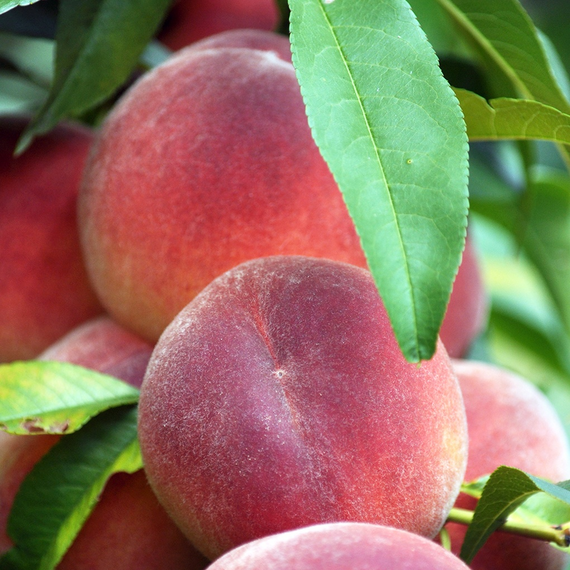
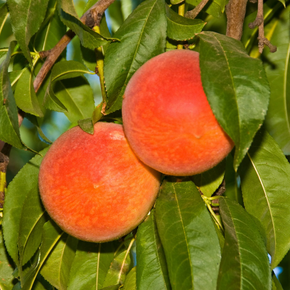
- Bears large, nearly fuzz-free freestone peaches with brilliant red-blushed skin, sweet juicy yellow flesh, and a perfectly balanced sugar-acid flavor in mid-to-late summer
- Self-pollinating with a low winter chill requirement of 400-600 hours, making it an outstanding choice for the mild-winter climates of Southern Oregon and Northern California
- Delivers four seasons of ornamental interest — spectacular pink spring blossoms, lush summer foliage, stunning red-and-yellow fruit at harvest, and attractive winter silhouette
The Sweet Sensation Peach (Prunus persica 'Burpeach43') is a revolutionary columnar fruit tree that proves you don't need a sprawling backyard orchard to enjoy homegrown, full-flavored peaches. Part of the Fruit Snacks® collection, this deciduous tree grows in a tight, naturally upright pillar — reaching approximately 10 feet tall while staying just 4 to 5 feet wide — making it one of the most space-efficient fruiting trees available to home gardeners today. In spring, it erupts in a breathtaking canopy of bright pink blossoms that rival even the most celebrated ornamental flowering trees, drawing pollinators and admiring glances alike. Those blooms give way to large, showstopping peaches dressed in vivid red skin with golden-yellow flesh underneath. Unlike many traditional peach varieties, Sweet Sensation fruit is nearly fuzz-free with a freestone pit that slips cleanly away from the flesh, making fresh eating and kitchen prep a genuine pleasure. The flavor is rich, sweet, and juicy — appealing to both discerning foodies and enthusiastic young snackers. Because it requires only 400 to 600 chill hours to break dormancy and set fruit, this self-pollinating cultivar is exceptionally well-suited to the warmer winters of USDA Zones 6 through 9, including the Rogue Valley and Shasta Cascade regions. Whether planted as a striking vertical accent along a patio, trained into a productive fruit hedge with other columnar varieties, or grown solo in a large container on a deck, Sweet Sensation Peach delivers extraordinary ornamental and edible value in the smallest of footprints.
Plant Description
Sweet Sensation Peach is a deciduous columnar fruit tree belonging to the Rosaceae family. Its cultivar name, 'Burpeach43', was developed by Burchell Nursery as part of the Fruit Snacks® series — a line of compact, high-performance fruit trees designed for modern, space-limited gardens. Unlike traditional spreading peach trees, Sweet Sensation maintains a naturally narrow, upright pillar form without the need for aggressive shaping or corrective pruning. The lance-shaped, glossy green leaves emerge after the spring flower display and provide a lush, dense canopy through the growing season. In late summer the tree becomes a living fruit display, its branches laden with large, vividly colored peaches. Come winter, the bare architectural silhouette adds structure and interest to the garden landscape. The fruit is classified as a freestone yellow peach — the flesh separates cleanly and easily from the pit — and its minimal fuzz makes it especially approachable for fresh eating straight from the tree.
Mature Size
| Characteristic | Measurement |
|---|---|
| Mature Height | Approximately 10 feet |
| Mature Width | 4 to 5 feet |
| Growth Rate | Moderate |
| Tree Form | Columnar / upright pillar |
| Deciduous or Evergreen | Deciduous |
The tight columnar habit is a natural characteristic of this cultivar, not the result of pruning. This makes it one of the narrowest full-fruiting peach trees available, fitting comfortably in spaces as slim as 5 feet wide. Its slender profile makes it a standout choice for planting in rows, along fences, beside structures, or in large patio containers where a traditional peach tree would be far too wide.
Hardiness Zones and Chill Hours
Sweet Sensation Peach is recommended for USDA Hardiness Zones 6 through 9, making it a superb fit for the mild-to-moderate climates of Southern Oregon and Northern California. It is cold-hardy down to approximately 0 degrees Fahrenheit and tolerates the heat of warmer inland valleys equally well.
One of the most notable attributes of this variety is its low winter chill requirement. Most traditional peach varieties need 700 to 1,000 hours of temperatures at or below 45 degrees Fahrenheit to properly break dormancy and set fruit. Sweet Sensation has been documented setting fruit reliably with as few as 400 chill hours, with optimal performance in the 400 to 600 hour range. This makes it an outstanding choice for gardeners in warmer low-elevation areas of the Pacific Coast and inland valleys where high-chill varieties often underperform or fail to fruit altogether.
Sunlight Requirements
Sweet Sensation Peach thrives in full sun and performs best with a minimum of 6 to 8 hours of direct sunlight each day. Morning sun is particularly beneficial — it dries overnight dew off the foliage quickly, which reduces the risk of fungal disease development on leaves and fruit. Insufficient sunlight leads to reduced flower bud formation, diminished fruit size and sweetness, weaker branch structure, and increased vulnerability to pest and disease pressure. When selecting a planting location, avoid areas shaded by buildings, fences, or large trees during the main sunlight hours of the day. A south- or west-facing exposure is ideal in most Pacific Northwest and Northern California garden settings.
Soil and pH Preferences
This peach tree adapts to a wide range of soil types as long as the soil drains freely after rain or irrigation. It performs best in fertile, well-drained loam with a slightly acidic to neutral soil pH in the range of 6.0 to 7.0. Heavy clay soils that retain moisture around the root zone are the most common cause of poor performance and premature tree decline, as waterlogged conditions promote root rot and fungal disease.
If your native soil is heavy or poorly draining, consider one of the following approaches:
- Build a raised planting mound 12 to 18 inches high and at least 3 feet wide, and plant the tree in the elevated soil to keep the crown above standing water
- Amend the planting bed generously with compost or other organic matter to improve soil structure and drainage
- For container growing, use a high-quality well-draining potting mix formulated for fruit trees
Apply a 3-inch layer of organic mulch over the root zone, extending at least 3 feet out from the trunk, to conserve soil moisture, moderate soil temperature, and suppress weed competition. Keep mulch pulled back a few inches from direct contact with the trunk to prevent bark rot.
Watering Guide
Consistent, deep watering is critical during the first two to three growing seasons while Sweet Sensation establishes its root system. Young trees benefit from regular deep irrigation that encourages roots to grow downward rather than remaining shallow. Once established, the tree is moderately drought-tolerant but produces significantly better fruit with consistent moisture throughout the growing season, particularly during fruit swell in late spring and early summer.
- Young trees (first 2 years): Water deeply 2 to 3 times per week during warm, dry weather; reduce frequency during cool or wet periods
- Established trees: Water when the top 2 inches of soil feel dry; deep, infrequent watering encourages deeper rooting and drought resilience
- During fruit development: Maintain even soil moisture to prevent stress-related fruit drop and to maximize fruit size and flavor
- Late summer and fall: Begin tapering off irrigation as temperatures cool and the tree approaches dormancy
Avoid both chronic overwatering and extreme drought stress. Overwatering is the leading cause of root rot; allow the soil to partially dry between waterings. Drip irrigation or soaker hoses at the base of the tree are more efficient and healthier than overhead watering, which wets the foliage and encourages fungal issues.
Fertilizing
Peach trees are moderately heavy feeders, and Sweet Sensation benefits from a regular fertility program to support vigorous growth and a strong fruit crop.
- Late winter / early spring: Apply a balanced fertilizer (such as a 10-10-10 granular formula or a product formulated specifically for fruit trees) just before buds begin to swell. This is the single most important feeding of the year.
- Early summer: A second, lighter application of a balanced or low-nitrogen fertilizer can support fruit development after the spring flush of growth settles.
- Late summer and fall: Do not fertilize after midsummer. Late-season nitrogen applications push soft, frost-susceptible new growth at a time when the tree should be hardening off for winter dormancy.
Young trees in their first year of establishment benefit from a lighter application of fertilizer to avoid burning sensitive new roots. Always water fertilizer in thoroughly after application. For organic gardeners, compost, aged manure, or fish-based fertilizers are excellent alternatives that also improve long-term soil health. A soil test every few years is a wise investment to confirm nutrient levels and pH and to guide fertilizer choices precisely.
Pruning and Maintenance
Because Sweet Sensation's columnar habit is a natural growth characteristic, it requires far less corrective pruning than traditional spreading peach trees. However, some annual pruning is still beneficial and important for long-term tree health and fruit quality.
- When to prune: Prune annually in late winter or very early spring, just as flower buds begin to swell but before they fully open. Avoid pruning during full dormancy, as this can reduce cold hardiness.
- What to remove: Remove any dead, damaged, or crossing branches. Cut out any shoots that are growing horizontally outward and would compromise the narrow columnar silhouette.
- Size control: If you wish to keep the tree at a more manageable harvest height, light summer pruning after fruit set can limit upward growth. Many home gardeners choose to maintain Sweet Sensation below 8 feet for easy fruit picking.
- Fruit thinning: This is one of the most important maintenance tasks for peach quality. When young fruits are about the size of a marble in late spring, thin them so that individual peaches are spaced 6 to 8 inches apart along each branch. This dramatically improves the size, sweetness, and overall quality of the remaining fruit and reduces the risk of branch breakage under a heavy crop load.
- Sanitation: Remove and dispose of any fallen fruit or leaves at the end of the season to reduce overwintering fungal spores and pest populations.
Planting Instructions
For the best start, follow these planting guidelines:
- Timing: Plant in late winter or early spring while the tree is still dormant, or in fall in mild-winter areas of Southern Oregon and Northern California. Container-grown trees can be planted throughout the growing season with extra attention to watering.
- Site selection: Choose a full-sun location with well-draining soil, protected if possible from late spring frost pockets. Slightly elevated ground or south-facing slopes are ideal.
- Hole preparation: Dig a hole two to three times as wide as the root ball and no deeper than the height of the root ball. Backfill with the native soil — avoid amending the hole with rich compost, which can discourage roots from spreading outward into surrounding soil.
- Planting depth: Set the tree so that the bud union (the slight swelling near the base of the trunk where the tree was grafted) sits 2 to 3 inches above the final soil line. Never bury the bud union.
- Backfill and water: Firm the soil gently around the roots, eliminating air pockets. Water deeply immediately after planting.
- Mulch: Apply a 3-inch layer of organic mulch over the root zone, keeping it pulled back several inches from the trunk.
- Spacing: For hedgerow planting with other columnar fruit varieties, space trees approximately 5 feet apart on center. For isolated specimen plantings, allow at least 4 to 5 feet of clearance on all sides.
Fruit Details and Harvest
Sweet Sensation produces large, full-sized freestone peaches with a distinctive and highly ornamental appearance. The fruit's brilliant red-blushed skin over a golden-yellow base makes it as visually striking as it is delicious. The flesh is juicy, yellow, and nearly fuzz-free — an especially appealing trait for fresh eating. The freestone pit separates cleanly from the flesh, making it easy to slice, pit, and prepare for cooking or preserving.
| Fruit Characteristic | Detail |
|---|---|
| Skin color | Bright red blush over yellow-gold base |
| Flesh color | Yellow, juicy |
| Fuzz level | Nearly fuzz-free (low-fuzz variety) |
| Stone type | Freestone |
| Flavor profile | Sweet with well-balanced acidity |
| Harvest season | Mid to late summer |
| Pollination | Self-fruitful — no second tree required |
Peaches are ripe when they yield slightly to gentle pressure and emit a sweet, fragrant aroma at the stem end. For the best flavor, allow fruit to ripen fully on the tree rather than harvesting early. Handle carefully to avoid bruising. Freshly harvested peaches can be held at room temperature for 1 to 2 days, or refrigerated for up to one week. They freeze, can, dry, and preserve beautifully, making them excellent for pies, cobblers, crisps, jams, salsas, and grilled dishes.
Seasonal Interest
- Late Winter / Early Spring: Showy pink blossoms cover the bare branches before the leaves emerge, creating a spectacular early-season floral display that rivals ornamental flowering cherries. Blooms attract early-season pollinators including bees.
- Spring / Early Summer: Bright green lance-shaped leaves emerge and fill out the columnar canopy. Small developing fruits become visible after petal drop and grow steadily through the season.
- Mid to Late Summer: The tree becomes a stunning edible ornamental as large, vivid red-and-gold peaches ripen and hang heavily from the branches, creating a striking harvest display.
- Fall: Foliage transitions through warm yellow tones before dropping for winter, adding gentle seasonal color to the landscape.
- Winter: The clean, narrow upright silhouette of the bare branches provides architectural structure in the winter garden and makes the columnar form clearly visible.
Landscape Uses
The naturally columnar form of Sweet Sensation Peach opens up a wide range of landscape design applications that traditional spreading peach trees simply cannot fill:
- Patio accent tree: Plant singly or in pairs in large containers flanking a doorway, gate, or patio seating area for a dramatic vertical focal point
- Small-space edible landscape: Fits into narrow side yards, urban garden plots, and suburban lots where a standard fruit tree would overwhelm the space
- Columnar fruit hedgerow: Plant multiple trees 5 feet apart with other columnar fruit varieties — such as a columnar nectarine or white-fleshed peach — to create a productive, staggered-harvest privacy screen or edible border
- Formal garden element: The tight upright habit lends a refined, architectural quality suited to formal garden designs, meditation gardens, or symmetrical entryway plantings
- Mixed border anchor: Use as a vertical accent repeated across the back of a sunny ornamental or kitchen garden border
- Container growing on decks and rooftops: One of the best full-fruiting fruit trees available for large patio pots and deck container gardens
Container Growing
Sweet Sensation is one of the most container-friendly full-fruiting peach trees available, making it an excellent choice for deck gardens, patios, rooftop spaces, and apartment balconies with full sun exposure.
- Container size: Start in a minimum 15- to 20-gallon container. Upgrade to a 25- to 30-gallon pot as the tree matures to support root development and fruit production. Whiskey barrel-style planters work beautifully.
- Potting mix: Use a high-quality, well-draining potting mix formulated for fruit trees or a mix of premium potting soil, perlite, and a small amount of coarse bark for drainage.
- Watering: Container trees dry out significantly faster than in-ground trees and will need more frequent monitoring and watering, especially during hot summer weather. Check soil moisture daily during peak heat.
- Fertilizing: Container-grown peaches benefit from regular feeding with a balanced slow-release fruit tree fertilizer in spring and a light supplemental liquid feeding during fruit development.
- Overwintering in containers: In areas with hard freezes, move containers to a sheltered but unheated location such as a garage or covered porch for winter protection. The tree needs some cold exposure to fulfill its chill hour requirement, but the pot and roots benefit from protection against hard freezes.
- Repotting: Every 2 to 3 years, refresh the potting mix or step up to a slightly larger container to maintain vigorous growth.
Pests and Diseases
Sweet Sensation Peach has been noted for good disease resistance, but like all peaches, it can be affected by common issues. Preventive care and good sanitation are the most effective tools.
- Peach leaf curl (Taphrina deformans): The most common fungal disease of peaches in the Pacific Northwest and Northern California. It causes red, puckered, distorted leaves in spring. Prevent it with a single application of a copper-based fungicide or lime sulfur spray in late fall after leaf drop, or again in late winter before bud swell. Once the buds open, spraying is no longer effective for that season.
- Brown rot (Monilinia fructicola): A fungal disease that causes rapidly spreading brown rot on ripening fruit, often after periods of rain or high humidity near harvest. Remove and destroy affected fruit immediately. Fungicide applications starting at petal fall and continuing through harvest can protect the crop in problem years.
- Peach tree borers (Synanthedon exitiosa): Larvae tunnel into the base of the trunk, causing gummy resin and sawdust-like frass to ooze near the soil line. Inspect the trunk base each year and address infestations with appropriate treatments. Keeping the base free of mulch and debris reduces borer habitat.
- Aphids: Can colonize new shoot tips in spring. A strong blast of water or an application of insecticidal soap controls light infestations without harming beneficial insects.
- Oriental fruit moth: Larvae bore into growing shoot tips in spring and into fruit as it develops. Monitor with pheromone traps and treat if populations are high.
- Spider mites: Can become problematic during hot, dry summers. Adequate irrigation and occasional overhead misting help deter mite populations. Insecticidal soap or horticultural oil treats active infestations.
Companion Plants
When designing a planting around Sweet Sensation Peach, consider companions that offer pollinator support, ground-level interest, and complementary growing requirements without competing aggressively for moisture and nutrients in the root zone:
- Other columnar fruit trees (columnar nectarine, white-fleshed columnar peach) — create a diverse, staggered-harvest fruit hedgerow that maximizes production in minimal space
- Lavender (Lavandula spp.) — thrives in similar full-sun, well-drained conditions; attracts pollinators that improve fruit set and repels some pest insects
- Garlic and chives (Allium spp.) — planted around the drip line, alliums are thought to deter borers and other pests and are a traditional orchard companion planting
- Comfrey (Symphytum officinale) — deep-rooted dynamic accumulator that can be cut and used as a mulch and nutrient source around fruit trees
- Marigolds (Tagetes spp.) — planted at the base to deter nematodes and attract beneficial predatory insects
- Strawberries — a productive, low-growing ground cover that fills space under the canopy without competing significantly at root depth
- Ornamental grasses — low-water, drought-adapted selections provide textural contrast to the upright form of the peach without overcrowding the root zone
Wildlife Value and Toxicity Notes
Wildlife value: The early spring blossoms of Sweet Sensation Peach are a valuable nectar source for honey bees, native bees, and other early-emerging pollinators at a time when few other flowers are available. Ripe or fallen fruit may attract birds, deer, and other wildlife. If deer pressure is a concern in your area, consider a tree guard or protective fencing around the trunk, particularly for young trees.
Toxicity notes: The ripe fruit flesh is completely edible and delicious for people. However, it is important to note that the peach pit (stone), leaves, and bark contain cyanogenic glycosides — compounds that can release cyanide when crushed or consumed in quantity. Whole pits also present a choking hazard. Keep pits away from pets, particularly dogs, and away from livestock. The fruit flesh itself poses no toxicity concern for humans when enjoyed in normal quantities.
- Naturally narrow, columnar habit reaches just 10 feet tall by 4-5 feet wide — the ideal full-sized fruit tree for small yards, urban gardens, and patio containers
- Bears large, nearly fuzz-free freestone peaches with brilliant red-blushed skin, sweet juicy yellow flesh, and a perfectly balanced sugar-acid flavor in mid-to-late summer
- Self-pollinating with a low winter chill requirement of 400-600 hours, making it an outstanding choice for the mild-winter climates of Southern Oregon and Northern California
- Delivers four seasons of ornamental interest — spectacular pink spring blossoms, lush summer foliage, stunning red-and-yellow fruit at harvest, and attractive winter silhouette
The Sweet Sensation Peach (Prunus persica 'Burpeach43') is a revolutionary columnar fruit tree that proves you don't need a sprawling backyard orchard to enjoy homegrown, full-flavored peaches. Part of the Fruit Snacks® collection, this deciduous tree grows in a tight, naturally upright pillar — reaching approximately 10 feet tall while staying just 4 to 5 feet wide — making it one of the most space-efficient fruiting trees available to home gardeners today. In spring, it erupts in a breathtaking canopy of bright pink blossoms that rival even the most celebrated ornamental flowering trees, drawing pollinators and admiring glances alike. Those blooms give way to large, showstopping peaches dressed in vivid red skin with golden-yellow flesh underneath. Unlike many traditional peach varieties, Sweet Sensation fruit is nearly fuzz-free with a freestone pit that slips cleanly away from the flesh, making fresh eating and kitchen prep a genuine pleasure. The flavor is rich, sweet, and juicy — appealing to both discerning foodies and enthusiastic young snackers. Because it requires only 400 to 600 chill hours to break dormancy and set fruit, this self-pollinating cultivar is exceptionally well-suited to the warmer winters of USDA Zones 6 through 9, including the Rogue Valley and Shasta Cascade regions. Whether planted as a striking vertical accent along a patio, trained into a productive fruit hedge with other columnar varieties, or grown solo in a large container on a deck, Sweet Sensation Peach delivers extraordinary ornamental and edible value in the smallest of footprints.
Plant Description
Sweet Sensation Peach is a deciduous columnar fruit tree belonging to the Rosaceae family. Its cultivar name, 'Burpeach43', was developed by Burchell Nursery as part of the Fruit Snacks® series — a line of compact, high-performance fruit trees designed for modern, space-limited gardens. Unlike traditional spreading peach trees, Sweet Sensation maintains a naturally narrow, upright pillar form without the need for aggressive shaping or corrective pruning. The lance-shaped, glossy green leaves emerge after the spring flower display and provide a lush, dense canopy through the growing season. In late summer the tree becomes a living fruit display, its branches laden with large, vividly colored peaches. Come winter, the bare architectural silhouette adds structure and interest to the garden landscape. The fruit is classified as a freestone yellow peach — the flesh separates cleanly and easily from the pit — and its minimal fuzz makes it especially approachable for fresh eating straight from the tree.
Mature Size
| Characteristic | Measurement |
|---|---|
| Mature Height | Approximately 10 feet |
| Mature Width | 4 to 5 feet |
| Growth Rate | Moderate |
| Tree Form | Columnar / upright pillar |
| Deciduous or Evergreen | Deciduous |
The tight columnar habit is a natural characteristic of this cultivar, not the result of pruning. This makes it one of the narrowest full-fruiting peach trees available, fitting comfortably in spaces as slim as 5 feet wide. Its slender profile makes it a standout choice for planting in rows, along fences, beside structures, or in large patio containers where a traditional peach tree would be far too wide.
Hardiness Zones and Chill Hours
Sweet Sensation Peach is recommended for USDA Hardiness Zones 6 through 9, making it a superb fit for the mild-to-moderate climates of Southern Oregon and Northern California. It is cold-hardy down to approximately 0 degrees Fahrenheit and tolerates the heat of warmer inland valleys equally well.
One of the most notable attributes of this variety is its low winter chill requirement. Most traditional peach varieties need 700 to 1,000 hours of temperatures at or below 45 degrees Fahrenheit to properly break dormancy and set fruit. Sweet Sensation has been documented setting fruit reliably with as few as 400 chill hours, with optimal performance in the 400 to 600 hour range. This makes it an outstanding choice for gardeners in warmer low-elevation areas of the Pacific Coast and inland valleys where high-chill varieties often underperform or fail to fruit altogether.
Sunlight Requirements
Sweet Sensation Peach thrives in full sun and performs best with a minimum of 6 to 8 hours of direct sunlight each day. Morning sun is particularly beneficial — it dries overnight dew off the foliage quickly, which reduces the risk of fungal disease development on leaves and fruit. Insufficient sunlight leads to reduced flower bud formation, diminished fruit size and sweetness, weaker branch structure, and increased vulnerability to pest and disease pressure. When selecting a planting location, avoid areas shaded by buildings, fences, or large trees during the main sunlight hours of the day. A south- or west-facing exposure is ideal in most Pacific Northwest and Northern California garden settings.
Soil and pH Preferences
This peach tree adapts to a wide range of soil types as long as the soil drains freely after rain or irrigation. It performs best in fertile, well-drained loam with a slightly acidic to neutral soil pH in the range of 6.0 to 7.0. Heavy clay soils that retain moisture around the root zone are the most common cause of poor performance and premature tree decline, as waterlogged conditions promote root rot and fungal disease.
If your native soil is heavy or poorly draining, consider one of the following approaches:
- Build a raised planting mound 12 to 18 inches high and at least 3 feet wide, and plant the tree in the elevated soil to keep the crown above standing water
- Amend the planting bed generously with compost or other organic matter to improve soil structure and drainage
- For container growing, use a high-quality well-draining potting mix formulated for fruit trees
Apply a 3-inch layer of organic mulch over the root zone, extending at least 3 feet out from the trunk, to conserve soil moisture, moderate soil temperature, and suppress weed competition. Keep mulch pulled back a few inches from direct contact with the trunk to prevent bark rot.
Watering Guide
Consistent, deep watering is critical during the first two to three growing seasons while Sweet Sensation establishes its root system. Young trees benefit from regular deep irrigation that encourages roots to grow downward rather than remaining shallow. Once established, the tree is moderately drought-tolerant but produces significantly better fruit with consistent moisture throughout the growing season, particularly during fruit swell in late spring and early summer.
- Young trees (first 2 years): Water deeply 2 to 3 times per week during warm, dry weather; reduce frequency during cool or wet periods
- Established trees: Water when the top 2 inches of soil feel dry; deep, infrequent watering encourages deeper rooting and drought resilience
- During fruit development: Maintain even soil moisture to prevent stress-related fruit drop and to maximize fruit size and flavor
- Late summer and fall: Begin tapering off irrigation as temperatures cool and the tree approaches dormancy
Avoid both chronic overwatering and extreme drought stress. Overwatering is the leading cause of root rot; allow the soil to partially dry between waterings. Drip irrigation or soaker hoses at the base of the tree are more efficient and healthier than overhead watering, which wets the foliage and encourages fungal issues.
Fertilizing
Peach trees are moderately heavy feeders, and Sweet Sensation benefits from a regular fertility program to support vigorous growth and a strong fruit crop.
- Late winter / early spring: Apply a balanced fertilizer (such as a 10-10-10 granular formula or a product formulated specifically for fruit trees) just before buds begin to swell. This is the single most important feeding of the year.
- Early summer: A second, lighter application of a balanced or low-nitrogen fertilizer can support fruit development after the spring flush of growth settles.
- Late summer and fall: Do not fertilize after midsummer. Late-season nitrogen applications push soft, frost-susceptible new growth at a time when the tree should be hardening off for winter dormancy.
Young trees in their first year of establishment benefit from a lighter application of fertilizer to avoid burning sensitive new roots. Always water fertilizer in thoroughly after application. For organic gardeners, compost, aged manure, or fish-based fertilizers are excellent alternatives that also improve long-term soil health. A soil test every few years is a wise investment to confirm nutrient levels and pH and to guide fertilizer choices precisely.
Pruning and Maintenance
Because Sweet Sensation's columnar habit is a natural growth characteristic, it requires far less corrective pruning than traditional spreading peach trees. However, some annual pruning is still beneficial and important for long-term tree health and fruit quality.
- When to prune: Prune annually in late winter or very early spring, just as flower buds begin to swell but before they fully open. Avoid pruning during full dormancy, as this can reduce cold hardiness.
- What to remove: Remove any dead, damaged, or crossing branches. Cut out any shoots that are growing horizontally outward and would compromise the narrow columnar silhouette.
- Size control: If you wish to keep the tree at a more manageable harvest height, light summer pruning after fruit set can limit upward growth. Many home gardeners choose to maintain Sweet Sensation below 8 feet for easy fruit picking.
- Fruit thinning: This is one of the most important maintenance tasks for peach quality. When young fruits are about the size of a marble in late spring, thin them so that individual peaches are spaced 6 to 8 inches apart along each branch. This dramatically improves the size, sweetness, and overall quality of the remaining fruit and reduces the risk of branch breakage under a heavy crop load.
- Sanitation: Remove and dispose of any fallen fruit or leaves at the end of the season to reduce overwintering fungal spores and pest populations.
Planting Instructions
For the best start, follow these planting guidelines:
- Timing: Plant in late winter or early spring while the tree is still dormant, or in fall in mild-winter areas of Southern Oregon and Northern California. Container-grown trees can be planted throughout the growing season with extra attention to watering.
- Site selection: Choose a full-sun location with well-draining soil, protected if possible from late spring frost pockets. Slightly elevated ground or south-facing slopes are ideal.
- Hole preparation: Dig a hole two to three times as wide as the root ball and no deeper than the height of the root ball. Backfill with the native soil — avoid amending the hole with rich compost, which can discourage roots from spreading outward into surrounding soil.
- Planting depth: Set the tree so that the bud union (the slight swelling near the base of the trunk where the tree was grafted) sits 2 to 3 inches above the final soil line. Never bury the bud union.
- Backfill and water: Firm the soil gently around the roots, eliminating air pockets. Water deeply immediately after planting.
- Mulch: Apply a 3-inch layer of organic mulch over the root zone, keeping it pulled back several inches from the trunk.
- Spacing: For hedgerow planting with other columnar fruit varieties, space trees approximately 5 feet apart on center. For isolated specimen plantings, allow at least 4 to 5 feet of clearance on all sides.
Fruit Details and Harvest
Sweet Sensation produces large, full-sized freestone peaches with a distinctive and highly ornamental appearance. The fruit's brilliant red-blushed skin over a golden-yellow base makes it as visually striking as it is delicious. The flesh is juicy, yellow, and nearly fuzz-free — an especially appealing trait for fresh eating. The freestone pit separates cleanly from the flesh, making it easy to slice, pit, and prepare for cooking or preserving.
| Fruit Characteristic | Detail |
|---|---|
| Skin color | Bright red blush over yellow-gold base |
| Flesh color | Yellow, juicy |
| Fuzz level | Nearly fuzz-free (low-fuzz variety) |
| Stone type | Freestone |
| Flavor profile | Sweet with well-balanced acidity |
| Harvest season | Mid to late summer |
| Pollination | Self-fruitful — no second tree required |
Peaches are ripe when they yield slightly to gentle pressure and emit a sweet, fragrant aroma at the stem end. For the best flavor, allow fruit to ripen fully on the tree rather than harvesting early. Handle carefully to avoid bruising. Freshly harvested peaches can be held at room temperature for 1 to 2 days, or refrigerated for up to one week. They freeze, can, dry, and preserve beautifully, making them excellent for pies, cobblers, crisps, jams, salsas, and grilled dishes.
Seasonal Interest
- Late Winter / Early Spring: Showy pink blossoms cover the bare branches before the leaves emerge, creating a spectacular early-season floral display that rivals ornamental flowering cherries. Blooms attract early-season pollinators including bees.
- Spring / Early Summer: Bright green lance-shaped leaves emerge and fill out the columnar canopy. Small developing fruits become visible after petal drop and grow steadily through the season.
- Mid to Late Summer: The tree becomes a stunning edible ornamental as large, vivid red-and-gold peaches ripen and hang heavily from the branches, creating a striking harvest display.
- Fall: Foliage transitions through warm yellow tones before dropping for winter, adding gentle seasonal color to the landscape.
- Winter: The clean, narrow upright silhouette of the bare branches provides architectural structure in the winter garden and makes the columnar form clearly visible.
Landscape Uses
The naturally columnar form of Sweet Sensation Peach opens up a wide range of landscape design applications that traditional spreading peach trees simply cannot fill:
- Patio accent tree: Plant singly or in pairs in large containers flanking a doorway, gate, or patio seating area for a dramatic vertical focal point
- Small-space edible landscape: Fits into narrow side yards, urban garden plots, and suburban lots where a standard fruit tree would overwhelm the space
- Columnar fruit hedgerow: Plant multiple trees 5 feet apart with other columnar fruit varieties — such as a columnar nectarine or white-fleshed peach — to create a productive, staggered-harvest privacy screen or edible border
- Formal garden element: The tight upright habit lends a refined, architectural quality suited to formal garden designs, meditation gardens, or symmetrical entryway plantings
- Mixed border anchor: Use as a vertical accent repeated across the back of a sunny ornamental or kitchen garden border
- Container growing on decks and rooftops: One of the best full-fruiting fruit trees available for large patio pots and deck container gardens
Container Growing
Sweet Sensation is one of the most container-friendly full-fruiting peach trees available, making it an excellent choice for deck gardens, patios, rooftop spaces, and apartment balconies with full sun exposure.
- Container size: Start in a minimum 15- to 20-gallon container. Upgrade to a 25- to 30-gallon pot as the tree matures to support root development and fruit production. Whiskey barrel-style planters work beautifully.
- Potting mix: Use a high-quality, well-draining potting mix formulated for fruit trees or a mix of premium potting soil, perlite, and a small amount of coarse bark for drainage.
- Watering: Container trees dry out significantly faster than in-ground trees and will need more frequent monitoring and watering, especially during hot summer weather. Check soil moisture daily during peak heat.
- Fertilizing: Container-grown peaches benefit from regular feeding with a balanced slow-release fruit tree fertilizer in spring and a light supplemental liquid feeding during fruit development.
- Overwintering in containers: In areas with hard freezes, move containers to a sheltered but unheated location such as a garage or covered porch for winter protection. The tree needs some cold exposure to fulfill its chill hour requirement, but the pot and roots benefit from protection against hard freezes.
- Repotting: Every 2 to 3 years, refresh the potting mix or step up to a slightly larger container to maintain vigorous growth.
Pests and Diseases
Sweet Sensation Peach has been noted for good disease resistance, but like all peaches, it can be affected by common issues. Preventive care and good sanitation are the most effective tools.
- Peach leaf curl (Taphrina deformans): The most common fungal disease of peaches in the Pacific Northwest and Northern California. It causes red, puckered, distorted leaves in spring. Prevent it with a single application of a copper-based fungicide or lime sulfur spray in late fall after leaf drop, or again in late winter before bud swell. Once the buds open, spraying is no longer effective for that season.
- Brown rot (Monilinia fructicola): A fungal disease that causes rapidly spreading brown rot on ripening fruit, often after periods of rain or high humidity near harvest. Remove and destroy affected fruit immediately. Fungicide applications starting at petal fall and continuing through harvest can protect the crop in problem years.
- Peach tree borers (Synanthedon exitiosa): Larvae tunnel into the base of the trunk, causing gummy resin and sawdust-like frass to ooze near the soil line. Inspect the trunk base each year and address infestations with appropriate treatments. Keeping the base free of mulch and debris reduces borer habitat.
- Aphids: Can colonize new shoot tips in spring. A strong blast of water or an application of insecticidal soap controls light infestations without harming beneficial insects.
- Oriental fruit moth: Larvae bore into growing shoot tips in spring and into fruit as it develops. Monitor with pheromone traps and treat if populations are high.
- Spider mites: Can become problematic during hot, dry summers. Adequate irrigation and occasional overhead misting help deter mite populations. Insecticidal soap or horticultural oil treats active infestations.
Companion Plants
When designing a planting around Sweet Sensation Peach, consider companions that offer pollinator support, ground-level interest, and complementary growing requirements without competing aggressively for moisture and nutrients in the root zone:
- Other columnar fruit trees (columnar nectarine, white-fleshed columnar peach) — create a diverse, staggered-harvest fruit hedgerow that maximizes production in minimal space
- Lavender (Lavandula spp.) — thrives in similar full-sun, well-drained conditions; attracts pollinators that improve fruit set and repels some pest insects
- Garlic and chives (Allium spp.) — planted around the drip line, alliums are thought to deter borers and other pests and are a traditional orchard companion planting
- Comfrey (Symphytum officinale) — deep-rooted dynamic accumulator that can be cut and used as a mulch and nutrient source around fruit trees
- Marigolds (Tagetes spp.) — planted at the base to deter nematodes and attract beneficial predatory insects
- Strawberries — a productive, low-growing ground cover that fills space under the canopy without competing significantly at root depth
- Ornamental grasses — low-water, drought-adapted selections provide textural contrast to the upright form of the peach without overcrowding the root zone
Wildlife Value and Toxicity Notes
Wildlife value: The early spring blossoms of Sweet Sensation Peach are a valuable nectar source for honey bees, native bees, and other early-emerging pollinators at a time when few other flowers are available. Ripe or fallen fruit may attract birds, deer, and other wildlife. If deer pressure is a concern in your area, consider a tree guard or protective fencing around the trunk, particularly for young trees.
Toxicity notes: The ripe fruit flesh is completely edible and delicious for people. However, it is important to note that the peach pit (stone), leaves, and bark contain cyanogenic glycosides — compounds that can release cyanide when crushed or consumed in quantity. Whole pits also present a choking hazard. Keep pits away from pets, particularly dogs, and away from livestock. The fruit flesh itself poses no toxicity concern for humans when enjoyed in normal quantities.