Zoom the image with the mouse
Sunvilla Pink Mandevilla - 1 Gallon
SKU:
2056325
$19.99
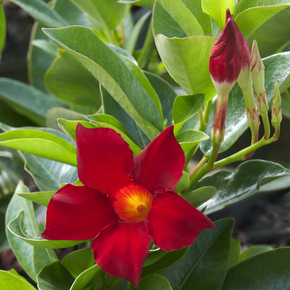
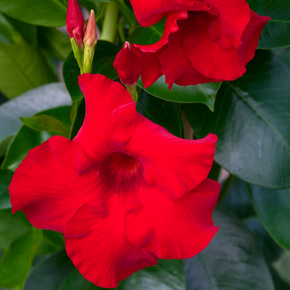
- Extra-large, bright pink trumpet-shaped blooms with a vivid yellow throat hold their color without fading, delivering a season-long tropical show from early summer through fall.
- Vigorous climbing vine with glossy, dark green foliage that quickly covers trellises, arbors, pergolas, and fences — also spectacular cascading from large containers and hanging baskets.
- A magnet for hummingbirds and butterflies, while remaining deer resistant — bringing lively wildlife activity to patios, poolsides, and garden borders all season long.
- Perennial in USDA Zones 9–11 and easily overwintered indoors in cooler climates, making it a rewarding investment that can return year after year with minimal effort.
Sunvilla Pink Mandevilla (Mandevilla hybrid 'MANZ0014' PPAF) is a standout tropical vine bred to deliver exceptional garden performance with its extra-large, vivid pink trumpet flowers accented by a bold yellow throat that holds its color far longer than standard varieties. The vigorous, fast-growing vines are cloaked in lustrous, deep green foliage that provides a rich backdrop for the cascading blooms, which appear continuously from late spring through the first frost. Reaching 15 to 20 feet in height with a spread of 24 to 36 inches, Sunvilla Pink is perfectly suited for climbing trellises, arbors, pergolas, and fences, and it performs equally well as a dramatic statement plant in large patio containers and hanging baskets. Hardy as an evergreen perennial in USDA Zones 9–11, it is easily grown as a stunning warm-season annual in cooler regions or overwintered indoors on a sunny windowsill. Thriving in full sun to filtered light, well-drained slightly acidic soil, and warm temperatures, this low-maintenance vine is a must-have for anyone seeking a lush, tropical look in Southern Oregon and Northern California gardens, patios, and pool landscapes.
Plant Description
Sunvilla Pink Mandevilla is a patented tropical climbing vine prized for its extra-large, vivid pink trumpet-shaped flowers, each adorned with a striking yellow throat that resists fading far longer than ordinary varieties. The vigorous vines are dressed in glossy, dark green leaves that remain attractive throughout the growing season, creating a lush, tropical backdrop for the abundant blooms. Flowers emerge continuously from late spring and persist until frost, making this one of the longest-blooming vines available for warm-season gardens. Its naturally twining stems climb readily onto any available support, and the vine can also be trained to drape gracefully over fences or trail from elevated containers for a cascading effect.
Mature Size
| Characteristic | Measurement |
|---|---|
| Mature Height | 15 – 20 feet |
| Mature Width / Spread | 24 – 36 inches |
| Recommended Spacing | 36 inches apart |
| Growth Rate | Fast |
| Growth Habit | Climbing / Twining vine |
Hardiness Zones and Temperature
Sunvilla Pink Mandevilla is hardy as a perennial evergreen in USDA Zones 9a through 11b, where it can be grown outdoors year-round. In cooler climates such as parts of Southern Oregon and higher-elevation areas of Northern California, it performs beautifully as a warm-season annual. Once nighttime temperatures consistently dip below 50°F, the plant should be brought indoors or treated as a seasonal plant. It is frost-tender and will suffer damage or die back quickly if exposed to freezing temperatures. In mild coastal and inland valley climates within Zone 9, plants may return from the roots even if the tops are killed by a light frost.
Sunlight Requirements
For the best flowering performance, plant Sunvilla Pink Mandevilla in a location that receives full sun to filtered (partial) sun — ideally at least 6 hours of direct sunlight per day. Plants grown in too much shade will produce sparse blooms and leggy growth. In regions with intense afternoon heat, a spot that receives morning sun with light afternoon shade can help protect the foliage from scorching while still encouraging prolific blooming. Container plants on south- or west-facing patios tend to thrive, as do plants trained along sun-drenched fences and south-facing walls.
Soil and pH Preferences
Sunvilla Pink Mandevilla performs best in rich, loamy, well-draining soil. It does not tolerate waterlogged or heavy clay soils, as consistently wet roots can lead to rot. Amend garden beds with compost or other organic matter before planting to improve drainage and fertility. The ideal soil pH range is slightly acidic, between 6.0 and 6.4. For container growing, use a high-quality potting mix blended with perlite or coarse sand to ensure excellent drainage while retaining enough moisture to support vigorous growth. Avoid compacted or nutrient-poor soils, which will result in reduced blooming and slower growth.
Watering Guide
Consistent moisture is key to keeping Sunvilla Pink Mandevilla healthy and blooming. Water regularly during the active growing season, allowing the top inch of soil to dry slightly between waterings. Deep, thorough watering is preferred over frequent shallow watering, as it encourages deep root development. Avoid overwatering — soggy soil is the leading cause of root rot in mandevillas. During the hottest summer months, container plants may need watering every one to two days due to faster soil drying. Reduce watering frequency significantly in fall and winter when the plant's growth slows or if it is being overwintered indoors in a semi-dormant state. Leaves may drop if the soil becomes excessively dry during the blooming period.
Fertilizing
Sunvilla Pink Mandevilla is a heavy feeder and requires regular fertilization throughout the growing season to sustain its vigorous growth and prolific blooming. Follow these guidelines for best results:
- Apply a slow-release, balanced granular fertilizer in early spring at the start of the growing season.
- Supplement with a water-soluble fertilizer every two weeks from spring through mid-summer.
- Choose a fertilizer higher in phosphorus (the middle number on the fertilizer label) to promote robust flower production.
- Avoid high-nitrogen fertilizers, which encourage lush leafy growth at the expense of flowers.
- Taper off fertilizing in late summer and stop entirely in fall to prepare the plant for its slower winter period.
- For an organic option, fish emulsion or compost tea applied every two to three weeks works well during the growing season.
Planting Instructions
- Choose a planting location with full sun to filtered light and well-draining soil. Install a trellis, arbor, or other support structure before or at planting time.
- Wait until all danger of frost has passed and nighttime temperatures are consistently above 50°F before planting outdoors.
- Dig a planting hole slightly wider and the same depth as the root ball. Enrich the backfill soil with compost or a quality planting mix.
- Set the plant so the base of the stem is level with the surrounding soil. Do not bury the crown.
- Backfill gently, firm the soil around the roots, and water deeply to settle the planting.
- Apply a 2- to 3-inch layer of mulch around the base (keeping it away from the stem) to conserve moisture and moderate soil temperature.
- Begin guiding the young stems toward the support structure, using soft ties to secure them as needed.
Pruning and Maintenance
Sunvilla Pink Mandevilla is considered a low-maintenance plant, but light pruning and routine care will keep it looking its best and encourage vigorous blooming season after season.
- Spring pinching: In early spring, pinch back the tips of each stem by 1/4 to 1/2 inch to encourage a fuller, bushier plant with more flowering shoots.
- Deadheading: While not strictly required, removing spent blooms and yellowing leaves keeps the plant tidy and redirects energy toward new flower production.
- Season-end pruning: Before overwintering or at the end of the season, prune the plant back by up to one-third to manage size and shape.
- Caution: Always wear gloves when pruning mandevilla, as the milky sap can cause skin irritation, rash, or blistering upon contact.
- Training: Use soft plant ties to gently guide new growth onto its support structure. Adjust ties as the vine grows to ensure even coverage and prevent tangling.
Container Growing
Sunvilla Pink Mandevilla excels as a container plant and is one of the most popular choices for patio, deck, and poolside displays. When growing in pots, keep the following tips in mind:
- Select a large container — at least 12 to 16 inches in diameter — with adequate drainage holes to prevent waterlogging.
- Use a high-quality, well-draining potting mix blended with perlite for optimal root health.
- Insert a small trellis, bamboo cane teepee, or obelisk into the pot at planting time to give the vine a place to climb.
- Container plants dry out more quickly than in-ground plants; check soil moisture frequently during hot weather and water as needed.
- Feed container-grown plants every two weeks with a water-soluble, phosphorus-rich fertilizer for the strongest bloom performance.
- In cooler climates, containers offer the advantage of easy transport indoors before the first frost, allowing the plant to be overwintered successfully.
- Sunvilla Pink also makes a spectacular hanging basket plant, with stems trailing and cascading gracefully over the edges.
Overwintering Indoors
In USDA Zones 8 and below, Sunvilla Pink Mandevilla can be saved from year to year by overwintering it indoors. Follow these steps for the best results:
- Before the first frost, carefully inspect the plant for any pests — treat infestations with insecticidal soap or neem oil before bringing the plant inside.
- Prune the plant back by up to one-third to reduce its size and make it easier to manage indoors.
- Move the plant to a bright, sunny indoor location — a south-facing window is ideal. It needs bright, indirect to direct light to remain healthy through winter.
- Reduce watering significantly, allowing the soil to dry out more between waterings. The plant may enter a semi-dormant state and drop some leaves — this is normal.
- Stop fertilizing entirely until spring growth resumes.
- In spring, once nighttime temperatures are consistently above 50°F, gradually reintroduce the plant to outdoor conditions over 7 to 10 days before placing it in its final summer location.
Landscape Uses
Sunvilla Pink Mandevilla is an incredibly versatile plant suited to a wide range of landscape applications:
- Trellises and arbors: Provides rapid, lush vertical coverage and dramatic floral display throughout summer.
- Fences and walls: Drapes beautifully over fence lines, softening hard edges with tropical color.
- Pergolas and gazebos: Trained overhead, the vine creates a living canopy of blooms.
- Poolside plantings: The tropical look of the glossy foliage and bright pink flowers is a natural fit for pool and spa surrounds.
- Patio and deck containers: A standout focal point plant in large decorative pots, bringing height and vertical interest to outdoor living spaces.
- Hanging baskets: Trails and cascades attractively when allowed to spill over the edges of elevated containers.
- Urban and courtyard gardens: Compact enough to thrive in urban settings where growing space is limited but color impact is paramount.
Wildlife Value
Sunvilla Pink Mandevilla is a valuable addition to any wildlife-friendly garden. The large, nectar-rich trumpet flowers are especially attractive to hummingbirds, which are drawn to the bright pink color and visit regularly throughout the blooming season. Native bumblebees and butterflies — including swallowtails and painted ladies — are also frequent visitors, making this vine an excellent choice for pollinator gardens. The plant is considered deer resistant, making it a reliable option for gardens where deer browsing is a concern. Note: all parts of the mandevilla plant are toxic if ingested and should be kept out of reach of pets and children.
Companion Plants
Pair Sunvilla Pink Mandevilla with plants that share its love of warmth, full sun, and well-drained, moderately moist soil. The bold tropical pink blooms combine beautifully with many summer favorites:
- Tropical shrubs: Hibiscus, lantana, plumbago, and princess flower complement the tropical theme and share similar growing requirements.
- Foliage contrast: Caladiums, elephant ears, and large tropical ferns provide bold leaf texture that sets off the delicate blooms.
- Silver and soft-toned perennials: Artemisia, lamb's ear, lavender, and sedum offer a refined contrast to the jewel-toned pink flowers.
- Summer annuals: New Guinea impatiens, flowering vinca, sweet potato vine, coleus, and moss rose work well as companion fillers in containers and border plantings.
- Trailing plants for containers: Lobelia, alyssum, creeping Jenny, and licorice plant soften the edges of mixed patio pots while adding additional layers of color and texture.
Avoid pairing with plants that prefer consistently wet soil (such as papyrus or flag iris) or extremely dry xeric plants (such as agave, aloe, or santolina), as their soil moisture needs are incompatible with mandevilla.
Pests and Diseases
Sunvilla Pink Mandevilla is relatively hardy, but growers should be aware of the following potential issues:
- Spider mites: Most common in hot, dry conditions or when grown indoors. Look for fine webbing and stippled, yellowing leaves. Treat with insecticidal soap or neem oil, and increase humidity around the plant.
- Mealybugs: Appear as white, cottony clusters on stems and leaf joints. Remove by hand or treat with rubbing alcohol on a cotton swab, followed by neem oil spray.
- Whiteflies: More common on indoor or greenhouse-grown plants. Use yellow sticky traps and insecticidal soap to manage populations.
- Scale insects: Small, shell-like bumps on stems; treat with horticultural oil.
- Root rot (Phytophthora): Caused by overwatering or poor drainage. Ensure soil drains freely and water only when the top inch of soil is dry.
- Leaf spot and anthracnose: Fungal diseases that cause spotted, yellowing, or prematurely dropping leaves. Improve air circulation through pruning, avoid overhead watering, and apply a fungicide if needed.
Always inspect plants carefully before bringing them indoors for winter, as pest populations can explode in the warmer indoor environment.
Toxicity and Safety
Sunvilla Pink Mandevilla contains toxic compounds in all parts of the plant — including the leaves, stems, flowers, and milky sap — and is considered poisonous if ingested by humans, dogs, or cats. Symptoms of ingestion may include gastrointestinal upset, vomiting, and other adverse reactions. Contact with the milky sap can cause skin irritation, rash, or blistering in sensitive individuals. Always wear gloves when pruning, handling, or repotting this plant. Keep the plant out of reach of children and pets, and position it thoughtfully in households or gardens where curious animals may be present.
- Extra-large, bright pink trumpet-shaped blooms with a vivid yellow throat hold their color without fading, delivering a season-long tropical show from early summer through fall.
- Vigorous climbing vine with glossy, dark green foliage that quickly covers trellises, arbors, pergolas, and fences — also spectacular cascading from large containers and hanging baskets.
- A magnet for hummingbirds and butterflies, while remaining deer resistant — bringing lively wildlife activity to patios, poolsides, and garden borders all season long.
- Perennial in USDA Zones 9–11 and easily overwintered indoors in cooler climates, making it a rewarding investment that can return year after year with minimal effort.
Sunvilla Pink Mandevilla (Mandevilla hybrid 'MANZ0014' PPAF) is a standout tropical vine bred to deliver exceptional garden performance with its extra-large, vivid pink trumpet flowers accented by a bold yellow throat that holds its color far longer than standard varieties. The vigorous, fast-growing vines are cloaked in lustrous, deep green foliage that provides a rich backdrop for the cascading blooms, which appear continuously from late spring through the first frost. Reaching 15 to 20 feet in height with a spread of 24 to 36 inches, Sunvilla Pink is perfectly suited for climbing trellises, arbors, pergolas, and fences, and it performs equally well as a dramatic statement plant in large patio containers and hanging baskets. Hardy as an evergreen perennial in USDA Zones 9–11, it is easily grown as a stunning warm-season annual in cooler regions or overwintered indoors on a sunny windowsill. Thriving in full sun to filtered light, well-drained slightly acidic soil, and warm temperatures, this low-maintenance vine is a must-have for anyone seeking a lush, tropical look in Southern Oregon and Northern California gardens, patios, and pool landscapes.
Plant Description
Sunvilla Pink Mandevilla is a patented tropical climbing vine prized for its extra-large, vivid pink trumpet-shaped flowers, each adorned with a striking yellow throat that resists fading far longer than ordinary varieties. The vigorous vines are dressed in glossy, dark green leaves that remain attractive throughout the growing season, creating a lush, tropical backdrop for the abundant blooms. Flowers emerge continuously from late spring and persist until frost, making this one of the longest-blooming vines available for warm-season gardens. Its naturally twining stems climb readily onto any available support, and the vine can also be trained to drape gracefully over fences or trail from elevated containers for a cascading effect.
Mature Size
| Characteristic | Measurement |
|---|---|
| Mature Height | 15 – 20 feet |
| Mature Width / Spread | 24 – 36 inches |
| Recommended Spacing | 36 inches apart |
| Growth Rate | Fast |
| Growth Habit | Climbing / Twining vine |
Hardiness Zones and Temperature
Sunvilla Pink Mandevilla is hardy as a perennial evergreen in USDA Zones 9a through 11b, where it can be grown outdoors year-round. In cooler climates such as parts of Southern Oregon and higher-elevation areas of Northern California, it performs beautifully as a warm-season annual. Once nighttime temperatures consistently dip below 50°F, the plant should be brought indoors or treated as a seasonal plant. It is frost-tender and will suffer damage or die back quickly if exposed to freezing temperatures. In mild coastal and inland valley climates within Zone 9, plants may return from the roots even if the tops are killed by a light frost.
Sunlight Requirements
For the best flowering performance, plant Sunvilla Pink Mandevilla in a location that receives full sun to filtered (partial) sun — ideally at least 6 hours of direct sunlight per day. Plants grown in too much shade will produce sparse blooms and leggy growth. In regions with intense afternoon heat, a spot that receives morning sun with light afternoon shade can help protect the foliage from scorching while still encouraging prolific blooming. Container plants on south- or west-facing patios tend to thrive, as do plants trained along sun-drenched fences and south-facing walls.
Soil and pH Preferences
Sunvilla Pink Mandevilla performs best in rich, loamy, well-draining soil. It does not tolerate waterlogged or heavy clay soils, as consistently wet roots can lead to rot. Amend garden beds with compost or other organic matter before planting to improve drainage and fertility. The ideal soil pH range is slightly acidic, between 6.0 and 6.4. For container growing, use a high-quality potting mix blended with perlite or coarse sand to ensure excellent drainage while retaining enough moisture to support vigorous growth. Avoid compacted or nutrient-poor soils, which will result in reduced blooming and slower growth.
Watering Guide
Consistent moisture is key to keeping Sunvilla Pink Mandevilla healthy and blooming. Water regularly during the active growing season, allowing the top inch of soil to dry slightly between waterings. Deep, thorough watering is preferred over frequent shallow watering, as it encourages deep root development. Avoid overwatering — soggy soil is the leading cause of root rot in mandevillas. During the hottest summer months, container plants may need watering every one to two days due to faster soil drying. Reduce watering frequency significantly in fall and winter when the plant's growth slows or if it is being overwintered indoors in a semi-dormant state. Leaves may drop if the soil becomes excessively dry during the blooming period.
Fertilizing
Sunvilla Pink Mandevilla is a heavy feeder and requires regular fertilization throughout the growing season to sustain its vigorous growth and prolific blooming. Follow these guidelines for best results:
- Apply a slow-release, balanced granular fertilizer in early spring at the start of the growing season.
- Supplement with a water-soluble fertilizer every two weeks from spring through mid-summer.
- Choose a fertilizer higher in phosphorus (the middle number on the fertilizer label) to promote robust flower production.
- Avoid high-nitrogen fertilizers, which encourage lush leafy growth at the expense of flowers.
- Taper off fertilizing in late summer and stop entirely in fall to prepare the plant for its slower winter period.
- For an organic option, fish emulsion or compost tea applied every two to three weeks works well during the growing season.
Planting Instructions
- Choose a planting location with full sun to filtered light and well-draining soil. Install a trellis, arbor, or other support structure before or at planting time.
- Wait until all danger of frost has passed and nighttime temperatures are consistently above 50°F before planting outdoors.
- Dig a planting hole slightly wider and the same depth as the root ball. Enrich the backfill soil with compost or a quality planting mix.
- Set the plant so the base of the stem is level with the surrounding soil. Do not bury the crown.
- Backfill gently, firm the soil around the roots, and water deeply to settle the planting.
- Apply a 2- to 3-inch layer of mulch around the base (keeping it away from the stem) to conserve moisture and moderate soil temperature.
- Begin guiding the young stems toward the support structure, using soft ties to secure them as needed.
Pruning and Maintenance
Sunvilla Pink Mandevilla is considered a low-maintenance plant, but light pruning and routine care will keep it looking its best and encourage vigorous blooming season after season.
- Spring pinching: In early spring, pinch back the tips of each stem by 1/4 to 1/2 inch to encourage a fuller, bushier plant with more flowering shoots.
- Deadheading: While not strictly required, removing spent blooms and yellowing leaves keeps the plant tidy and redirects energy toward new flower production.
- Season-end pruning: Before overwintering or at the end of the season, prune the plant back by up to one-third to manage size and shape.
- Caution: Always wear gloves when pruning mandevilla, as the milky sap can cause skin irritation, rash, or blistering upon contact.
- Training: Use soft plant ties to gently guide new growth onto its support structure. Adjust ties as the vine grows to ensure even coverage and prevent tangling.
Container Growing
Sunvilla Pink Mandevilla excels as a container plant and is one of the most popular choices for patio, deck, and poolside displays. When growing in pots, keep the following tips in mind:
- Select a large container — at least 12 to 16 inches in diameter — with adequate drainage holes to prevent waterlogging.
- Use a high-quality, well-draining potting mix blended with perlite for optimal root health.
- Insert a small trellis, bamboo cane teepee, or obelisk into the pot at planting time to give the vine a place to climb.
- Container plants dry out more quickly than in-ground plants; check soil moisture frequently during hot weather and water as needed.
- Feed container-grown plants every two weeks with a water-soluble, phosphorus-rich fertilizer for the strongest bloom performance.
- In cooler climates, containers offer the advantage of easy transport indoors before the first frost, allowing the plant to be overwintered successfully.
- Sunvilla Pink also makes a spectacular hanging basket plant, with stems trailing and cascading gracefully over the edges.
Overwintering Indoors
In USDA Zones 8 and below, Sunvilla Pink Mandevilla can be saved from year to year by overwintering it indoors. Follow these steps for the best results:
- Before the first frost, carefully inspect the plant for any pests — treat infestations with insecticidal soap or neem oil before bringing the plant inside.
- Prune the plant back by up to one-third to reduce its size and make it easier to manage indoors.
- Move the plant to a bright, sunny indoor location — a south-facing window is ideal. It needs bright, indirect to direct light to remain healthy through winter.
- Reduce watering significantly, allowing the soil to dry out more between waterings. The plant may enter a semi-dormant state and drop some leaves — this is normal.
- Stop fertilizing entirely until spring growth resumes.
- In spring, once nighttime temperatures are consistently above 50°F, gradually reintroduce the plant to outdoor conditions over 7 to 10 days before placing it in its final summer location.
Landscape Uses
Sunvilla Pink Mandevilla is an incredibly versatile plant suited to a wide range of landscape applications:
- Trellises and arbors: Provides rapid, lush vertical coverage and dramatic floral display throughout summer.
- Fences and walls: Drapes beautifully over fence lines, softening hard edges with tropical color.
- Pergolas and gazebos: Trained overhead, the vine creates a living canopy of blooms.
- Poolside plantings: The tropical look of the glossy foliage and bright pink flowers is a natural fit for pool and spa surrounds.
- Patio and deck containers: A standout focal point plant in large decorative pots, bringing height and vertical interest to outdoor living spaces.
- Hanging baskets: Trails and cascades attractively when allowed to spill over the edges of elevated containers.
- Urban and courtyard gardens: Compact enough to thrive in urban settings where growing space is limited but color impact is paramount.
Wildlife Value
Sunvilla Pink Mandevilla is a valuable addition to any wildlife-friendly garden. The large, nectar-rich trumpet flowers are especially attractive to hummingbirds, which are drawn to the bright pink color and visit regularly throughout the blooming season. Native bumblebees and butterflies — including swallowtails and painted ladies — are also frequent visitors, making this vine an excellent choice for pollinator gardens. The plant is considered deer resistant, making it a reliable option for gardens where deer browsing is a concern. Note: all parts of the mandevilla plant are toxic if ingested and should be kept out of reach of pets and children.
Companion Plants
Pair Sunvilla Pink Mandevilla with plants that share its love of warmth, full sun, and well-drained, moderately moist soil. The bold tropical pink blooms combine beautifully with many summer favorites:
- Tropical shrubs: Hibiscus, lantana, plumbago, and princess flower complement the tropical theme and share similar growing requirements.
- Foliage contrast: Caladiums, elephant ears, and large tropical ferns provide bold leaf texture that sets off the delicate blooms.
- Silver and soft-toned perennials: Artemisia, lamb's ear, lavender, and sedum offer a refined contrast to the jewel-toned pink flowers.
- Summer annuals: New Guinea impatiens, flowering vinca, sweet potato vine, coleus, and moss rose work well as companion fillers in containers and border plantings.
- Trailing plants for containers: Lobelia, alyssum, creeping Jenny, and licorice plant soften the edges of mixed patio pots while adding additional layers of color and texture.
Avoid pairing with plants that prefer consistently wet soil (such as papyrus or flag iris) or extremely dry xeric plants (such as agave, aloe, or santolina), as their soil moisture needs are incompatible with mandevilla.
Pests and Diseases
Sunvilla Pink Mandevilla is relatively hardy, but growers should be aware of the following potential issues:
- Spider mites: Most common in hot, dry conditions or when grown indoors. Look for fine webbing and stippled, yellowing leaves. Treat with insecticidal soap or neem oil, and increase humidity around the plant.
- Mealybugs: Appear as white, cottony clusters on stems and leaf joints. Remove by hand or treat with rubbing alcohol on a cotton swab, followed by neem oil spray.
- Whiteflies: More common on indoor or greenhouse-grown plants. Use yellow sticky traps and insecticidal soap to manage populations.
- Scale insects: Small, shell-like bumps on stems; treat with horticultural oil.
- Root rot (Phytophthora): Caused by overwatering or poor drainage. Ensure soil drains freely and water only when the top inch of soil is dry.
- Leaf spot and anthracnose: Fungal diseases that cause spotted, yellowing, or prematurely dropping leaves. Improve air circulation through pruning, avoid overhead watering, and apply a fungicide if needed.
Always inspect plants carefully before bringing them indoors for winter, as pest populations can explode in the warmer indoor environment.
Toxicity and Safety
Sunvilla Pink Mandevilla contains toxic compounds in all parts of the plant — including the leaves, stems, flowers, and milky sap — and is considered poisonous if ingested by humans, dogs, or cats. Symptoms of ingestion may include gastrointestinal upset, vomiting, and other adverse reactions. Contact with the milky sap can cause skin irritation, rash, or blistering in sensitive individuals. Always wear gloves when pruning, handling, or repotting this plant. Keep the plant out of reach of children and pets, and position it thoughtfully in households or gardens where curious animals may be present.