Zoom the image with the mouse
Summerlasting Coconut Crape Myrtle - 5 Gallon
SKU:
2055860
UPC:
014949474884
$54.99
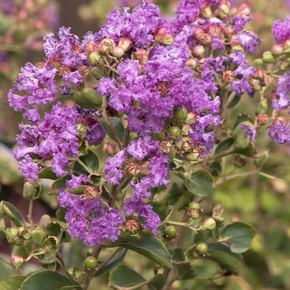
- Stunning pure white flower panicles bloom over exceptionally dark, near-black glossy foliage from late spring through late summer, delivering one of the most dramatic color contrasts available in a compact deciduous shrub.
- Dwarf, mounded habit reaches just 3 to 4 feet tall and wide, making it perfect for small-space gardens, low hedges, foundation plantings, and container displays.
- Excellent powdery mildew resistance and heat tolerance keep this low-maintenance shrub looking vibrant all season with minimal intervention.
- Four-season interest: brick-red emerging spring foliage, summer-long white blooms, vivid burgundy and deep red fall color, and attractive dark red stems through winter.
Summerlasting Coconut Crape Myrtle (Lagerstroemia indica 'HOCH873') is a showstopping dwarf deciduous shrub that delivers bold, season-long color in a compact, well-behaved package ideal for Southern Oregon and Northern California gardens. Part of the Summerlasting series, this cultivar is prized for its striking contrast of densely packed, frilly pure white flower panicles that emerge from dark red buds and bloom against a backdrop of glossy, near-black foliage with rich burgundy overtones. Flowering begins in late spring and continues through late summer, with reliable reblooming when spent flower heads are deadheaded. Foliage emerges brick red in spring, deepens to an almost black-green through summer, and transitions to stunning shades of burgundy and dark red in autumn, while the ornamental dark red stems provide structural interest through the winter months. Maturing at a rounded, mounded 3 to 4 feet tall and equally wide with a moderate growth rate, this compact shrub fits naturally into borders, foundation plantings, low flowering hedges, mass plantings, and patio containers. It thrives in full sun in well-drained loamy or sandy soils with a slightly acidic to neutral pH, and shows exceptional tolerance to heat and urban pollution. Outstanding resistance to powdery mildew and deer make it one of the most carefree and versatile flowering shrubs available for warm-climate landscapes.
Plant Description
Summerlasting Coconut Crape Myrtle is a dense, multi-stemmed deciduous shrub with a naturally rounded, mounded growth habit. Its most distinctive feature is the dramatic interplay between its pure white, frilly flower panicles and its unusually dark, near-black glossy foliage — a contrast that sets it apart from virtually every other flowering shrub in the landscape. The oval leaves are glossy and highly ornamental in all seasons. The plant's relatively fine foliage texture gives it an elegant, refined appearance that complements both contemporary and cottage-style gardens. Dark red stems remain attractive even after the leaves drop, ensuring the plant earns its place in the landscape through all four seasons. This is a trademarked cultivar (Summerlasting series) selected specifically for compact habit, extended bloom time, superior foliage color, and excellent disease resistance.
Mature Size and Growth Rate
| Characteristic | Detail |
|---|---|
| Mature Height | 3 to 4 feet |
| Mature Spread | 3 to 4 feet |
| Growth Habit | Compact, rounded, mounded |
| Growth Rate | Moderate |
| Plant Spacing | Approximately 4 feet on center |
| Longevity | Approximately 20 years under ideal conditions |
Because of its naturally mounded, low-growing form, this shrub fills in right to the ground and does not require facer plants in front of it. Its compact stature makes it one of the few crape myrtles truly suited to small urban gardens, narrow planting strips, and front-of-border applications.
Hardiness Zones
Summerlasting Coconut Crape Myrtle is rated for USDA Hardiness Zones 7a through 10b. This range makes it a reliable choice for the majority of Southern Oregon's warmer valleys and throughout Northern California, including coastal, valley, and foothill areas. In the colder edges of Zone 7, the plant may die back to the ground in severe winters but will typically resprout vigorously from the roots in spring. In Zones 8 through 10b, it can be expected to leaf out dependably each season with little to no cold damage. It shows strong tolerance to summer heat, which is an important asset in the hot inland valleys of both regions.
Sunlight Requirements
This crape myrtle performs best in full sun, defined as a minimum of 6 to 8 hours of direct sunlight per day. Ample sun is essential for maximum flower production, richest foliage color, and optimal disease resistance. While the plant can tolerate some partial shade, reduced sun exposure will result in noticeably fewer blooms, more open and less compact growth, and foliage that may appear less intensely dark. For the best expression of the Coconut variety's signature contrast between white flowers and near-black leaves, a full-sun planting location is strongly recommended.
Soil and pH Preferences
Summerlasting Coconut Crape Myrtle grows best in loamy or sandy, well-drained soils. It prefers a soil pH in the acidic to neutral range, ideally between 5.5 and 7.0. It is notably fussy about alkaline soils — planting in soils with a pH above 7.5 can lead to chlorosis (yellowing of the foliage) due to the plant's inability to absorb iron and other micronutrients. If your native soil is alkaline, amend the planting area with acidifying organic matter such as pine bark fines or compost, and consider periodic applications of an acidifying fertilizer. This plant does not tolerate poorly drained, waterlogged soils, which can lead to root rot. It is highly tolerant of urban soils and pollution, making it a reliable performer in streetscapes and suburban landscapes.
Watering Guide
Once established, Summerlasting Coconut Crape Myrtle has moderate water needs and good drought tolerance, though it should not be allowed to dry out completely during active growth. Follow these guidelines for best results:
- At planting: Water deeply and thoroughly at the time of planting to settle the soil around the root ball.
- First season: Water regularly — approximately every 5 to 7 days in the absence of rainfall — to support root establishment. Deep, infrequent watering is preferred over frequent shallow irrigation.
- Established plants: Water when the top inch of soil feels dry. During hot summer months in Southern Oregon and Northern California, this may mean once or twice per week.
- Avoid overwatering: Soggy or consistently wet soils promote root rot and can weaken the plant. Ensure good drainage at the planting site.
- Winter: Reduce watering significantly as the plant goes dormant and loses its leaves.
Fertilizing
To achieve the best flowering performance and richest foliage color, fertilize Summerlasting Coconut Crape Myrtle from early spring through the active growing season. Here are the key guidelines:
- Apply a balanced, slow-release granular fertilizer (such as a 10-10-10 or similar formulation) in early spring just as new growth begins to emerge.
- For enhanced blooming, switch to or supplement with a fertilizer higher in phosphorus (the middle number) during the growing season to support flower development.
- If foliage shows signs of yellowing (chlorosis), apply an acidifying fertilizer or iron sulfate to correct pH-related nutrient deficiencies.
- Avoid heavy nitrogen fertilization in late summer or fall, as this can stimulate tender new growth that is susceptible to early frost damage.
- Stop fertilizing by late August to allow the plant to harden off naturally before cooler fall temperatures arrive.
Pruning and Maintenance
One of the great advantages of the Summerlasting Coconut Crape Myrtle is its naturally compact, mounded form that rarely requires heavy corrective pruning. Here are the recommended maintenance practices:
- Deadheading: Remove spent flower heads promptly after blooms fade to encourage a second and even third flush of flowers through the season. This is the single most impactful maintenance task for extending bloom time.
- Annual pruning: Prune lightly in late winter or early spring before new growth begins — typically February to March in Southern Oregon and Northern California. Remove any dead, damaged, or crossing branches.
- Avoid "crape murder": Never top or severely cut back this shrub. Heavy topping destroys its natural form, promotes weak growth, and reduces flowering. Light shaping is all that is needed.
- Suckers: Remove any suckers that emerge from the base of the plant to maintain a clean, tidy appearance.
- Fall cleanup: Allow the plant to drop its leaves naturally in fall. Rake up fallen debris to reduce the potential for disease overwintering.
Planting Instructions
- Choose a full-sun location with well-drained soil and room for the plant to reach its mature spread of 3 to 4 feet without crowding structures or other plants.
- Dig a planting hole two to three times as wide as the root ball and approximately the same depth. Avoid planting too deep — the top of the root ball should sit level with or slightly above the surrounding soil grade.
- If your native soil is heavy clay, amend generously with compost or bark fines to improve drainage. Test soil pH if alkaline soils are a concern in your area.
- Remove the plant from its container and gently loosen any circling or compacted roots before placing it in the hole.
- Backfill with native soil or amended soil, firming gently around the roots to eliminate air pockets.
- Water deeply and thoroughly after planting.
- Apply a 2- to 3-inch layer of organic mulch (such as shredded bark or wood chips) around the base of the plant, keeping mulch a few inches away from the main stems to prevent rot.
- Space plants approximately 4 feet apart for mass planting or hedge use.
Seasonal Interest
| Season | Ornamental Features |
|---|---|
| Spring | Foliage emerges a striking brick red, gradually deepening to near-black as temperatures rise. Dark red flower buds begin to form. |
| Summer | Dense panicles of pure white, frilly flowers appear against the glossy near-black foliage. Blooms repeatedly when deadheaded. Peak ornamental interest. |
| Fall | Leaves transition to outstanding shades of burgundy and deep red before dropping. Seed capsules provide minor textural interest. |
| Winter | Attractive dark red multi-stemmed framework and persistent seed capsules provide structural interest in the bare garden. |
Landscape Uses
The compact, well-behaved habit and exceptional ornamental qualities of Summerlasting Coconut make it one of the most versatile shrubs for warm-climate landscapes. Recommended uses include:
- Mass planting: Plant in groups of three, five, or more for a dramatic, bold statement of white blooms over dark foliage across a large bed or slope.
- Low flowering hedge: Uniform size and habit make it ideal for a low, informal hedge or border edging along walkways, driveways, or fences.
- Foundation planting: Its controlled size suits it perfectly for use near building foundations without overpowering the structure.
- Specimen or focal point: Use as a single showpiece plant in a mixed border or island bed to draw the eye with its dramatic flower and foliage contrast.
- Container planting: Works beautifully as a "thriller" element in large patio containers or as a standalone specimen in an oversized pot.
- Groundcover effect: When planted en masse at regular spacing, the low mounding habit creates a living groundcover effect in large open areas.
- Urban and street-side plantings: High tolerance to heat, pollution, and compacted urban soils makes it well-suited to challenging streetscape environments.
Container Growing
Summerlasting Coconut Crape Myrtle adapts very well to container culture and is an outstanding choice for patio, deck, or balcony gardens. Follow these tips for success in containers:
- Choose a large container — at least 15 to 20 gallons — with adequate drainage holes to give roots room to grow and to prevent waterlogging.
- Use a high-quality, well-draining potting mix. Avoid dense garden soils, which can compact and impede drainage in containers.
- Position the container in a full-sun location for maximum blooming and foliage color intensity.
- Container-grown plants dry out more quickly than those in the ground — check soil moisture regularly and water whenever the top inch feels dry. During hot summer weather in Southern Oregon and Northern California, this may mean daily watering.
- Fertilize more frequently than in-ground plants, as nutrients leach out with regular watering. Use a balanced slow-release fertilizer at the start of the season, supplemented with a liquid fertilizer every 3 to 4 weeks during the growing season.
- In colder microclimates at the edge of the hardiness range, move containers to a protected location or unheated garage during winter to protect roots from freezing.
- Repot every 2 to 3 years or when the plant appears rootbound, moving up one container size.
Pests and Diseases
Summerlasting Coconut Crape Myrtle has been specifically selected for excellent disease resistance, particularly to powdery mildew — one of the most common problems affecting older crape myrtle varieties. Still, it is wise to be aware of the following potential issues:
- Powdery mildew: This cultivar has excellent resistance. In rare cases of high humidity and poor air circulation, treat with a fungicide labeled for powdery mildew on ornamentals. Planting in full sun with good air circulation is the best prevention.
- Crape myrtle aphids (Tinocallis kahawaluokalani): A common pest specific to crape myrtles. Aphid feeding produces honeydew, which leads to sooty mold on leaves and stems. Treat with insecticidal soap, neem oil, or a systemic insecticide if infestations are heavy.
- Sooty mold: This black fungal coating grows on aphid honeydew but does not directly infect the plant. Controlling aphid populations will eliminate sooty mold over time.
- Cercospora leaf spot: Can cause small dark spots on leaves, particularly in wet conditions. Ensure good air circulation and avoid overhead watering.
- Root rot (Phytophthora): Caused by consistently waterlogged soils. Plant in well-drained locations and avoid overwatering to prevent this issue.
- Deer and rabbits: This plant shows good resistance to browsing by deer and rabbits, making it a practical choice for gardens where wildlife pressure is a concern.
Wildlife Value
Summerlasting Coconut Crape Myrtle provides meaningful value to local pollinators and beneficial insects throughout its long bloom season. The abundant white flower panicles are attractive to bees, including native bumblebees and honeybees, which forage on the nectar and pollen. Butterflies, including swallowtails and skippers, are frequently observed visiting the blooms. The plant is not a significant food source for birds, but the small seed capsules can attract finches and other seed-eating species in late fall and winter after the foliage has dropped. Because deer and rabbits tend to avoid this shrub, it is a reliable choice for gardens where browsing animals are a recurring problem, and it can be planted without the need for protective fencing in most situations.
Companion Plants
The near-black foliage and pure white blooms of Summerlasting Coconut create a sophisticated palette that pairs beautifully with a wide range of garden plants. Consider these companions for Southern Oregon and Northern California gardens:
- Russian Sage (Perovskia atriplicifolia): The silvery stems and lavender-blue flowers create a classic, high-contrast pairing with the dark foliage and white blooms.
- Salvia (Salvia species): Hot pink, red, or deep purple salvias create bold complementary color combinations and share similar sun and heat preferences.
- Ornamental grasses (Pennisetum, Muhlenbergia): Fine-textured grasses provide movement and contrast in texture alongside the bold, glossy foliage.
- Knockout or Drift Roses: Reblooming roses in pink, red, or coral tones complement the white flowers and dark leaves while sharing similar cultural requirements.
- Coneflower (Echinacea purpurea): Purple coneflowers echo the burgundy undertones in the foliage and attract pollinators alongside the crape myrtle.
- Lantana: The multi-colored blooms of lantana and its heat tolerance make it an excellent companion in full-sun borders and container combinations.
- Sweet potato vine (Ipomoea batatas 'Blackie'): In containers, the near-black foliage of dark sweet potato vine reinforces the dramatic dark leaf theme while cascading attractively over the pot's edge.
- Stunning pure white flower panicles bloom over exceptionally dark, near-black glossy foliage from late spring through late summer, delivering one of the most dramatic color contrasts available in a compact deciduous shrub.
- Dwarf, mounded habit reaches just 3 to 4 feet tall and wide, making it perfect for small-space gardens, low hedges, foundation plantings, and container displays.
- Excellent powdery mildew resistance and heat tolerance keep this low-maintenance shrub looking vibrant all season with minimal intervention.
- Four-season interest: brick-red emerging spring foliage, summer-long white blooms, vivid burgundy and deep red fall color, and attractive dark red stems through winter.
Summerlasting Coconut Crape Myrtle (Lagerstroemia indica 'HOCH873') is a showstopping dwarf deciduous shrub that delivers bold, season-long color in a compact, well-behaved package ideal for Southern Oregon and Northern California gardens. Part of the Summerlasting series, this cultivar is prized for its striking contrast of densely packed, frilly pure white flower panicles that emerge from dark red buds and bloom against a backdrop of glossy, near-black foliage with rich burgundy overtones. Flowering begins in late spring and continues through late summer, with reliable reblooming when spent flower heads are deadheaded. Foliage emerges brick red in spring, deepens to an almost black-green through summer, and transitions to stunning shades of burgundy and dark red in autumn, while the ornamental dark red stems provide structural interest through the winter months. Maturing at a rounded, mounded 3 to 4 feet tall and equally wide with a moderate growth rate, this compact shrub fits naturally into borders, foundation plantings, low flowering hedges, mass plantings, and patio containers. It thrives in full sun in well-drained loamy or sandy soils with a slightly acidic to neutral pH, and shows exceptional tolerance to heat and urban pollution. Outstanding resistance to powdery mildew and deer make it one of the most carefree and versatile flowering shrubs available for warm-climate landscapes.
Plant Description
Summerlasting Coconut Crape Myrtle is a dense, multi-stemmed deciduous shrub with a naturally rounded, mounded growth habit. Its most distinctive feature is the dramatic interplay between its pure white, frilly flower panicles and its unusually dark, near-black glossy foliage — a contrast that sets it apart from virtually every other flowering shrub in the landscape. The oval leaves are glossy and highly ornamental in all seasons. The plant's relatively fine foliage texture gives it an elegant, refined appearance that complements both contemporary and cottage-style gardens. Dark red stems remain attractive even after the leaves drop, ensuring the plant earns its place in the landscape through all four seasons. This is a trademarked cultivar (Summerlasting series) selected specifically for compact habit, extended bloom time, superior foliage color, and excellent disease resistance.
Mature Size and Growth Rate
| Characteristic | Detail |
|---|---|
| Mature Height | 3 to 4 feet |
| Mature Spread | 3 to 4 feet |
| Growth Habit | Compact, rounded, mounded |
| Growth Rate | Moderate |
| Plant Spacing | Approximately 4 feet on center |
| Longevity | Approximately 20 years under ideal conditions |
Because of its naturally mounded, low-growing form, this shrub fills in right to the ground and does not require facer plants in front of it. Its compact stature makes it one of the few crape myrtles truly suited to small urban gardens, narrow planting strips, and front-of-border applications.
Hardiness Zones
Summerlasting Coconut Crape Myrtle is rated for USDA Hardiness Zones 7a through 10b. This range makes it a reliable choice for the majority of Southern Oregon's warmer valleys and throughout Northern California, including coastal, valley, and foothill areas. In the colder edges of Zone 7, the plant may die back to the ground in severe winters but will typically resprout vigorously from the roots in spring. In Zones 8 through 10b, it can be expected to leaf out dependably each season with little to no cold damage. It shows strong tolerance to summer heat, which is an important asset in the hot inland valleys of both regions.
Sunlight Requirements
This crape myrtle performs best in full sun, defined as a minimum of 6 to 8 hours of direct sunlight per day. Ample sun is essential for maximum flower production, richest foliage color, and optimal disease resistance. While the plant can tolerate some partial shade, reduced sun exposure will result in noticeably fewer blooms, more open and less compact growth, and foliage that may appear less intensely dark. For the best expression of the Coconut variety's signature contrast between white flowers and near-black leaves, a full-sun planting location is strongly recommended.
Soil and pH Preferences
Summerlasting Coconut Crape Myrtle grows best in loamy or sandy, well-drained soils. It prefers a soil pH in the acidic to neutral range, ideally between 5.5 and 7.0. It is notably fussy about alkaline soils — planting in soils with a pH above 7.5 can lead to chlorosis (yellowing of the foliage) due to the plant's inability to absorb iron and other micronutrients. If your native soil is alkaline, amend the planting area with acidifying organic matter such as pine bark fines or compost, and consider periodic applications of an acidifying fertilizer. This plant does not tolerate poorly drained, waterlogged soils, which can lead to root rot. It is highly tolerant of urban soils and pollution, making it a reliable performer in streetscapes and suburban landscapes.
Watering Guide
Once established, Summerlasting Coconut Crape Myrtle has moderate water needs and good drought tolerance, though it should not be allowed to dry out completely during active growth. Follow these guidelines for best results:
- At planting: Water deeply and thoroughly at the time of planting to settle the soil around the root ball.
- First season: Water regularly — approximately every 5 to 7 days in the absence of rainfall — to support root establishment. Deep, infrequent watering is preferred over frequent shallow irrigation.
- Established plants: Water when the top inch of soil feels dry. During hot summer months in Southern Oregon and Northern California, this may mean once or twice per week.
- Avoid overwatering: Soggy or consistently wet soils promote root rot and can weaken the plant. Ensure good drainage at the planting site.
- Winter: Reduce watering significantly as the plant goes dormant and loses its leaves.
Fertilizing
To achieve the best flowering performance and richest foliage color, fertilize Summerlasting Coconut Crape Myrtle from early spring through the active growing season. Here are the key guidelines:
- Apply a balanced, slow-release granular fertilizer (such as a 10-10-10 or similar formulation) in early spring just as new growth begins to emerge.
- For enhanced blooming, switch to or supplement with a fertilizer higher in phosphorus (the middle number) during the growing season to support flower development.
- If foliage shows signs of yellowing (chlorosis), apply an acidifying fertilizer or iron sulfate to correct pH-related nutrient deficiencies.
- Avoid heavy nitrogen fertilization in late summer or fall, as this can stimulate tender new growth that is susceptible to early frost damage.
- Stop fertilizing by late August to allow the plant to harden off naturally before cooler fall temperatures arrive.
Pruning and Maintenance
One of the great advantages of the Summerlasting Coconut Crape Myrtle is its naturally compact, mounded form that rarely requires heavy corrective pruning. Here are the recommended maintenance practices:
- Deadheading: Remove spent flower heads promptly after blooms fade to encourage a second and even third flush of flowers through the season. This is the single most impactful maintenance task for extending bloom time.
- Annual pruning: Prune lightly in late winter or early spring before new growth begins — typically February to March in Southern Oregon and Northern California. Remove any dead, damaged, or crossing branches.
- Avoid "crape murder": Never top or severely cut back this shrub. Heavy topping destroys its natural form, promotes weak growth, and reduces flowering. Light shaping is all that is needed.
- Suckers: Remove any suckers that emerge from the base of the plant to maintain a clean, tidy appearance.
- Fall cleanup: Allow the plant to drop its leaves naturally in fall. Rake up fallen debris to reduce the potential for disease overwintering.
Planting Instructions
- Choose a full-sun location with well-drained soil and room for the plant to reach its mature spread of 3 to 4 feet without crowding structures or other plants.
- Dig a planting hole two to three times as wide as the root ball and approximately the same depth. Avoid planting too deep — the top of the root ball should sit level with or slightly above the surrounding soil grade.
- If your native soil is heavy clay, amend generously with compost or bark fines to improve drainage. Test soil pH if alkaline soils are a concern in your area.
- Remove the plant from its container and gently loosen any circling or compacted roots before placing it in the hole.
- Backfill with native soil or amended soil, firming gently around the roots to eliminate air pockets.
- Water deeply and thoroughly after planting.
- Apply a 2- to 3-inch layer of organic mulch (such as shredded bark or wood chips) around the base of the plant, keeping mulch a few inches away from the main stems to prevent rot.
- Space plants approximately 4 feet apart for mass planting or hedge use.
Seasonal Interest
| Season | Ornamental Features |
|---|---|
| Spring | Foliage emerges a striking brick red, gradually deepening to near-black as temperatures rise. Dark red flower buds begin to form. |
| Summer | Dense panicles of pure white, frilly flowers appear against the glossy near-black foliage. Blooms repeatedly when deadheaded. Peak ornamental interest. |
| Fall | Leaves transition to outstanding shades of burgundy and deep red before dropping. Seed capsules provide minor textural interest. |
| Winter | Attractive dark red multi-stemmed framework and persistent seed capsules provide structural interest in the bare garden. |
Landscape Uses
The compact, well-behaved habit and exceptional ornamental qualities of Summerlasting Coconut make it one of the most versatile shrubs for warm-climate landscapes. Recommended uses include:
- Mass planting: Plant in groups of three, five, or more for a dramatic, bold statement of white blooms over dark foliage across a large bed or slope.
- Low flowering hedge: Uniform size and habit make it ideal for a low, informal hedge or border edging along walkways, driveways, or fences.
- Foundation planting: Its controlled size suits it perfectly for use near building foundations without overpowering the structure.
- Specimen or focal point: Use as a single showpiece plant in a mixed border or island bed to draw the eye with its dramatic flower and foliage contrast.
- Container planting: Works beautifully as a "thriller" element in large patio containers or as a standalone specimen in an oversized pot.
- Groundcover effect: When planted en masse at regular spacing, the low mounding habit creates a living groundcover effect in large open areas.
- Urban and street-side plantings: High tolerance to heat, pollution, and compacted urban soils makes it well-suited to challenging streetscape environments.
Container Growing
Summerlasting Coconut Crape Myrtle adapts very well to container culture and is an outstanding choice for patio, deck, or balcony gardens. Follow these tips for success in containers:
- Choose a large container — at least 15 to 20 gallons — with adequate drainage holes to give roots room to grow and to prevent waterlogging.
- Use a high-quality, well-draining potting mix. Avoid dense garden soils, which can compact and impede drainage in containers.
- Position the container in a full-sun location for maximum blooming and foliage color intensity.
- Container-grown plants dry out more quickly than those in the ground — check soil moisture regularly and water whenever the top inch feels dry. During hot summer weather in Southern Oregon and Northern California, this may mean daily watering.
- Fertilize more frequently than in-ground plants, as nutrients leach out with regular watering. Use a balanced slow-release fertilizer at the start of the season, supplemented with a liquid fertilizer every 3 to 4 weeks during the growing season.
- In colder microclimates at the edge of the hardiness range, move containers to a protected location or unheated garage during winter to protect roots from freezing.
- Repot every 2 to 3 years or when the plant appears rootbound, moving up one container size.
Pests and Diseases
Summerlasting Coconut Crape Myrtle has been specifically selected for excellent disease resistance, particularly to powdery mildew — one of the most common problems affecting older crape myrtle varieties. Still, it is wise to be aware of the following potential issues:
- Powdery mildew: This cultivar has excellent resistance. In rare cases of high humidity and poor air circulation, treat with a fungicide labeled for powdery mildew on ornamentals. Planting in full sun with good air circulation is the best prevention.
- Crape myrtle aphids (Tinocallis kahawaluokalani): A common pest specific to crape myrtles. Aphid feeding produces honeydew, which leads to sooty mold on leaves and stems. Treat with insecticidal soap, neem oil, or a systemic insecticide if infestations are heavy.
- Sooty mold: This black fungal coating grows on aphid honeydew but does not directly infect the plant. Controlling aphid populations will eliminate sooty mold over time.
- Cercospora leaf spot: Can cause small dark spots on leaves, particularly in wet conditions. Ensure good air circulation and avoid overhead watering.
- Root rot (Phytophthora): Caused by consistently waterlogged soils. Plant in well-drained locations and avoid overwatering to prevent this issue.
- Deer and rabbits: This plant shows good resistance to browsing by deer and rabbits, making it a practical choice for gardens where wildlife pressure is a concern.
Wildlife Value
Summerlasting Coconut Crape Myrtle provides meaningful value to local pollinators and beneficial insects throughout its long bloom season. The abundant white flower panicles are attractive to bees, including native bumblebees and honeybees, which forage on the nectar and pollen. Butterflies, including swallowtails and skippers, are frequently observed visiting the blooms. The plant is not a significant food source for birds, but the small seed capsules can attract finches and other seed-eating species in late fall and winter after the foliage has dropped. Because deer and rabbits tend to avoid this shrub, it is a reliable choice for gardens where browsing animals are a recurring problem, and it can be planted without the need for protective fencing in most situations.
Companion Plants
The near-black foliage and pure white blooms of Summerlasting Coconut create a sophisticated palette that pairs beautifully with a wide range of garden plants. Consider these companions for Southern Oregon and Northern California gardens:
- Russian Sage (Perovskia atriplicifolia): The silvery stems and lavender-blue flowers create a classic, high-contrast pairing with the dark foliage and white blooms.
- Salvia (Salvia species): Hot pink, red, or deep purple salvias create bold complementary color combinations and share similar sun and heat preferences.
- Ornamental grasses (Pennisetum, Muhlenbergia): Fine-textured grasses provide movement and contrast in texture alongside the bold, glossy foliage.
- Knockout or Drift Roses: Reblooming roses in pink, red, or coral tones complement the white flowers and dark leaves while sharing similar cultural requirements.
- Coneflower (Echinacea purpurea): Purple coneflowers echo the burgundy undertones in the foliage and attract pollinators alongside the crape myrtle.
- Lantana: The multi-colored blooms of lantana and its heat tolerance make it an excellent companion in full-sun borders and container combinations.
- Sweet potato vine (Ipomoea batatas 'Blackie'): In containers, the near-black foliage of dark sweet potato vine reinforces the dramatic dark leaf theme while cascading attractively over the pot's edge.
Related Products