
Zoom the image with the mouse
Snow Leopard Mangave - 2 Gallon
SKU:
2173460
UPC:
014949483169
$24.99
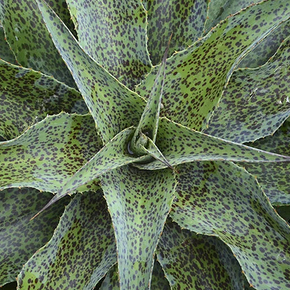
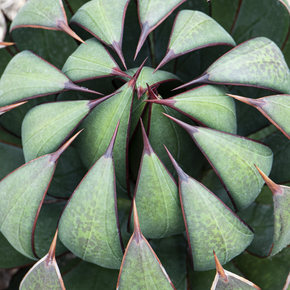
- Breathtaking variegated rosette featuring deep blue-green lance-shaped leaves edged in creamy white with distinctive cherry-red spots — a variegated sport of the beloved 'Jaguar' Mangave
- Fast-growing, low-maintenance hybrid of Agave and Manfreda that combines bold sculptural form with outstanding drought tolerance — perfect for Southern Oregon and Northern California gardens
- Produces tall, dramatic flower spikes in late summer adorned with lightly fragrant green blooms tipped with red stamens and bright yellow anthers
- Equally stunning in the ground or in a container — ideal for xeriscaping, rock gardens, patio planters, and water-wise landscape designs
Mangave 'Snow Leopard' (x Mangave 'Snow Leopard', PP #31,137) is a showstopping succulent hybrid from the Mad About Mangave collection that brilliantly fuses the graceful, sculptural architecture of Agave with the faster growth rate and vivid patterning of Manfreda. A striking variegated sport of the popular 'Jaguar,' this evergreen perennial produces an elegant, symmetrical rosette of long, lance-shaped, blue-green leaves edged in bold creamy white margins and adorned with delicate cherry-red spots that become even more pronounced under bright UV light. Maturing to approximately 16 to 18 inches tall and 20 to 24 inches wide, Snow Leopard is a compact, well-behaved specimen that earns its keep in the garden year-round. In late summer, tall vertical flower spikes rise dramatically from the center of the plant, bearing clusters of lightly fragrant green blooms accented by red stamens and vivid yellow anthers — a rare bonus on top of an already spectacular foliage display. Hardy in USDA zones 9 to 11, Snow Leopard thrives in the warm, dry climates of Southern Oregon and Northern California, where it excels in rock gardens, succulent borders, Mediterranean-style landscapes, and patio containers. Its exceptional drought tolerance, adaptability to a wide range of soil types and pH levels, and strong resistance to deer and rabbits make it one of the most versatile and low-maintenance accent plants available for water-wise gardeners today.
Plant Description
Mangave 'Snow Leopard' is an interspecific hybrid succulent belonging to the family Asparagaceae. It is a variegated sport of Mangave 'Jaguar' and represents the best of its two parent genera, Agave and Manfreda. The plant forms a tight, symmetrical rosette of long, lance-shaped, blue-green leaves adorned with crisp creamy white margins and scattered cherry-red to pink spots that intensify in brightness under direct sunlight and UV exposure. The leaf edges carry small, soft terminal spines inherited from its Agave lineage. Unlike monocarpic Agaves that die after flowering, Snow Leopard produces offsets as it matures, allowing the planting to slowly fill in over time. In late summer, it sends up tall, slender vertical flower spikes bearing clusters of lightly fragrant, tubular green flowers with showy red stamens capped by bright yellow anthers. This cultivar holds a plant patent (PP #31,137) and is part of the Mad About Mangave collection developed by Walters Gardens.
Mature Size
| Attribute | Measurement |
|---|---|
| Mature Height | 16 to 18 inches |
| Mature Spread | 20 to 24 inches |
| Recommended Spacing | 20 to 24 inches on center |
| Growth Rate | Fast relative to Agave; moderate overall |
| Growth Habit | Compact, symmetrical, low rosette |
Hardiness and Temperature
Mangave 'Snow Leopard' is rated for USDA Hardiness Zones 9a through 11b, making it a natural fit for the warm, dry climates of Southern Oregon and Northern California. It thrives in temperatures between 60°F and 85°F (15°C to 29°C) and can tolerate brief temperature dips down to approximately 20°F (-6°C) with some protection, though prolonged hard freezes will cause damage. It is not suited for areas that experience sustained sub-freezing winters without winter protection. In borderline Zone 8b microclimates — such as sheltered south-facing walls or urban heat pockets — it may overwinter successfully with the help of frost cloth or a dry mulch layer applied at the crown. It handles heat well and can endure temperatures up to 100°F (38°C) as long as its soil drainage needs are met.
Sunlight Requirements
Snow Leopard Mangave performs best in full sun, requiring a minimum of 6 hours of direct sunlight per day for optimal growth, the most vivid leaf coloration, and the strongest rosette form. In full sun, the creamy white leaf margins deepen in contrast and the cherry-red spotting becomes far more intense and pronounced. While the plant can tolerate partial shade — especially in regions with very hot afternoon sun — reduced light will result in a more open, less compact rosette and noticeably muted variegation. In Southern Oregon and Northern California, a full-sun southern or western exposure is ideal. Avoid dense shade, as it weakens the plant and increases the risk of rot.
Soil and pH Preferences
Like all Mangave hybrids, Snow Leopard absolutely requires excellent drainage. It is highly adaptable to a wide range of soil types — including sandy, loamy, and gravelly soils — and is not particular about pH, thriving in acidic, neutral, and alkaline conditions alike. The one non-negotiable requirement is that the soil never remains waterlogged; standing water around the crown or roots will cause rapid rot. For in-ground planting, amend heavy clay soils generously with coarse sand, pumice, or perlite to ensure fast drainage. A cactus and succulent potting mix, or a native soil blend amended with 30 to 50 percent inorganic grit, is ideal. Raised beds and slopes that allow water to move away quickly are excellent planting sites.
Watering Guide
Mangave 'Snow Leopard' is highly drought-tolerant once established, drawing on water stored in its thick, fleshy leaves. During the first growing season after planting, water regularly — approximately once per week — to help the root system establish. After the first season, deep, infrequent watering is preferred. Allow the soil to dry out completely between waterings. In the dry summers of Southern Oregon and Northern California, established plants may need water every two to three weeks depending on temperatures and soil type. Dramatically reduce watering in winter when the plant is semi-dormant. Overwatering, especially in cool or cloudy conditions, is the most common cause of failure with this plant. If in doubt, wait an extra few days before watering.
Fertilizing
Snow Leopard Mangave is a light feeder and does not require heavy fertilization. For in-ground plants, a single annual application of a slow-release, balanced granular fertilizer in early spring is sufficient to support healthy growth. Container-grown specimens benefit from monthly feeding with a diluted, balanced liquid fertilizer (such as a 10-10-10 or succulent-specific formula) during the active growing season of spring through summer. Avoid feeding in fall or winter when the plant is not actively growing. Over-fertilizing — especially with high-nitrogen formulas — encourages soft, weak growth and diminishes the plant's natural drought tolerance and sculptural character. Less is more with this low-maintenance hybrid.
Pruning and Maintenance
One of the great virtues of Snow Leopard Mangave is its minimal maintenance needs. No regular pruning is required. The best maintenance practice is a tidy-up in early spring before active growth resumes — remove any leaves that died back or became damaged over winter, being careful not to disturb the crown, which can be hard to see at that time of year. As the plant matures and produces offsets (pups) around the base, these can be left in place to create a fuller clump or carefully removed with a sharp, clean blade and replanted or potted up. After the flower spike has finished blooming, cut it back to the base. Handle the plant with gloves, as the leaf tips carry small spines and the sap can be irritating to sensitive skin.
Planting Instructions
- Choose a planting site that receives at least 6 hours of full sun daily and has excellent natural drainage — a slope, raised bed, or amended border is ideal.
- Dig a hole twice the width of the root ball and the same depth. Avoid planting too deep, as burying the crown invites rot.
- If your native soil is heavy clay, blend in generous amounts of coarse sand, pumice, or perlite before backfilling.
- Remove the plant from its container, gently loosen any circling roots, and place it in the hole so the crown sits at or very slightly above the surrounding soil grade.
- Backfill with the amended soil, firming gently around the root ball. Do not mound soil up against the base of the plant.
- Water in well at planting to eliminate air pockets, then allow the soil to partially dry before the next watering.
- A top dressing of gravel or crushed rock around (not on top of) the plant improves drainage at the crown and complements the plant's desert aesthetic.
- Spring and early summer are the best planting seasons for establishment before winter.
Seasonal Interest
Mangave 'Snow Leopard' earns its place in the garden through all four seasons. Its bold, variegated rosette — with creamy white-edged, blue-green leaves and cherry-red spotting — provides striking foliage interest from early spring through winter. The color intensity is greatest in late spring and summer as sun exposure peaks and UV light deepens the red spotting. In late summer to early fall, tall vertical flower spikes emerge bearing lightly fragrant green blooms with red stamens and yellow anthers, adding vertical drama to the display. During the cooler months of fall and winter, the plant's evergreen rosette holds its color and form, providing visual structure and interest when much of the surrounding garden is dormant. This truly year-round performer never has an "off season."
Landscape Uses
- Focal point or specimen plant in succulent gardens, rock gardens, and gravel gardens
- Bold accent in mixed dry borders and Mediterranean-style landscape designs
- Mass planting for large-scale textural ground coverage in water-wise or xeriscape designs
- Anchor or "thriller" plant in patio containers and decorative pottery
- Slope stabilization and erosion control in well-drained, sunny sites
- Dramatic edging or border accent along pathways and driveways
- Poolside or courtyard planting where a bold, architectural statement is desired
- Urban gardens and polluted or challenging sites where other plants struggle
Container Growing
Snow Leopard Mangave is an outstanding container plant and thrives in pots and decorative planters on patios, decks, and balconies. Choose a container with ample drainage holes — at least one large hole is essential. Use a fast-draining cactus and succulent potting mix, or blend standard potting soil 50/50 with coarse perlite or pumice. Terracotta or unglazed ceramic pots are particularly well-suited, as their porous walls help wick away excess moisture. Container plants tend to dry out faster than in-ground plantings, so monitor moisture levels more closely during summer heat. In zones colder than 9a, potted specimens can be moved indoors or to a frost-free garage or greenhouse during freezing weather. Repot every two to three years or when the plant becomes rootbound, stepping up one container size at a time.
Pests and Diseases
Mangave 'Snow Leopard' is notably resistant to most common garden pests and diseases. Its primary vulnerabilities are as follows:
- Root Rot: The most serious threat. Caused by overwatering or poor drainage. Prevent it by ensuring excellent soil drainage and never allowing water to pool around the crown or roots. Once root rot is established, it is very difficult to reverse.
- Mealybugs: Occasionally found nestled at the base of leaves or in the crown. Treat with a cotton swab dipped in rubbing alcohol or a targeted application of insecticidal soap.
- Scale Insects: May appear on stems and leaves. Remove manually or treat with horticultural oil sprays.
- Agave Weevil (Scyphophorus acupunctatus): A serious pest in warmer regions. The larva bores into the central stem. Inspect regularly for signs of wilting or soft tissue at the base.
- Leaf Scorch, Leaf Spot, and Powdery Mildew: All carry a high natural resistance rating for this cultivar and are rarely a concern under proper growing conditions.
Wildlife Value and Toxicity
In late summer, the tall flower spikes of Snow Leopard Mangave attract hummingbirds, bees, and other pollinators seeking the lightly fragrant nectar-rich blooms. The plant is generally deer and rabbit resistant — the stiff, spine-tipped leaves and tough texture make it an unappealing target compared to other garden plants.
As a member of the Asparagaceae family with Agave lineage, Snow Leopard Mangave contains sap that can be mildly to moderately irritating to the skin and mucous membranes. Always wear gloves when handling the plant, especially when removing offsets or trimming leaves. The plant is considered harmful if ingested by dogs or cats, so exercise caution in pet-friendly gardens. Keep the plant out of reach of small children who may be attracted to its striking appearance.
Companion Plants
Mangave 'Snow Leopard' pairs beautifully with other drought-tolerant, sun-loving plants that share its architectural character and water-wise nature. Excellent companion plant choices for Southern Oregon and Northern California gardens include:
- Agave species (e.g., Agave 'Blue Glow,' Agave americana) — share the same care needs and amplify the sculptural, desert aesthetic
- Aeonium arboreum and cultivars — rosette-forming succulents that provide contrasting leaf color and form
- Echeveria species — smaller-scale rosettes that complement Snow Leopard's bold size without competing with it
- Yucca species — tall, spiky verticals that echo Snow Leopard's leaf form at a larger scale
- Ornamental grasses (e.g., blue oat grass, Mexican feather grass) — provide soft, flowing contrast to the stiff rosette
- Sedum and Sempervivum — low-growing ground-level companions for rock garden settings
- Lavender and Russian Sage — fragrant, drought-tolerant perennials that soften the edges of a succulent border
- Other Mangave cultivars (e.g., 'Jaguar,' 'Thunderbird,' 'Racing Stripes') — a collection of Mangave varieties creates a striking tapestry of color and pattern
- Breathtaking variegated rosette featuring deep blue-green lance-shaped leaves edged in creamy white with distinctive cherry-red spots — a variegated sport of the beloved 'Jaguar' Mangave
- Fast-growing, low-maintenance hybrid of Agave and Manfreda that combines bold sculptural form with outstanding drought tolerance — perfect for Southern Oregon and Northern California gardens
- Produces tall, dramatic flower spikes in late summer adorned with lightly fragrant green blooms tipped with red stamens and bright yellow anthers
- Equally stunning in the ground or in a container — ideal for xeriscaping, rock gardens, patio planters, and water-wise landscape designs
Mangave 'Snow Leopard' (x Mangave 'Snow Leopard', PP #31,137) is a showstopping succulent hybrid from the Mad About Mangave collection that brilliantly fuses the graceful, sculptural architecture of Agave with the faster growth rate and vivid patterning of Manfreda. A striking variegated sport of the popular 'Jaguar,' this evergreen perennial produces an elegant, symmetrical rosette of long, lance-shaped, blue-green leaves edged in bold creamy white margins and adorned with delicate cherry-red spots that become even more pronounced under bright UV light. Maturing to approximately 16 to 18 inches tall and 20 to 24 inches wide, Snow Leopard is a compact, well-behaved specimen that earns its keep in the garden year-round. In late summer, tall vertical flower spikes rise dramatically from the center of the plant, bearing clusters of lightly fragrant green blooms accented by red stamens and vivid yellow anthers — a rare bonus on top of an already spectacular foliage display. Hardy in USDA zones 9 to 11, Snow Leopard thrives in the warm, dry climates of Southern Oregon and Northern California, where it excels in rock gardens, succulent borders, Mediterranean-style landscapes, and patio containers. Its exceptional drought tolerance, adaptability to a wide range of soil types and pH levels, and strong resistance to deer and rabbits make it one of the most versatile and low-maintenance accent plants available for water-wise gardeners today.
Plant Description
Mangave 'Snow Leopard' is an interspecific hybrid succulent belonging to the family Asparagaceae. It is a variegated sport of Mangave 'Jaguar' and represents the best of its two parent genera, Agave and Manfreda. The plant forms a tight, symmetrical rosette of long, lance-shaped, blue-green leaves adorned with crisp creamy white margins and scattered cherry-red to pink spots that intensify in brightness under direct sunlight and UV exposure. The leaf edges carry small, soft terminal spines inherited from its Agave lineage. Unlike monocarpic Agaves that die after flowering, Snow Leopard produces offsets as it matures, allowing the planting to slowly fill in over time. In late summer, it sends up tall, slender vertical flower spikes bearing clusters of lightly fragrant, tubular green flowers with showy red stamens capped by bright yellow anthers. This cultivar holds a plant patent (PP #31,137) and is part of the Mad About Mangave collection developed by Walters Gardens.
Mature Size
| Attribute | Measurement |
|---|---|
| Mature Height | 16 to 18 inches |
| Mature Spread | 20 to 24 inches |
| Recommended Spacing | 20 to 24 inches on center |
| Growth Rate | Fast relative to Agave; moderate overall |
| Growth Habit | Compact, symmetrical, low rosette |
Hardiness and Temperature
Mangave 'Snow Leopard' is rated for USDA Hardiness Zones 9a through 11b, making it a natural fit for the warm, dry climates of Southern Oregon and Northern California. It thrives in temperatures between 60°F and 85°F (15°C to 29°C) and can tolerate brief temperature dips down to approximately 20°F (-6°C) with some protection, though prolonged hard freezes will cause damage. It is not suited for areas that experience sustained sub-freezing winters without winter protection. In borderline Zone 8b microclimates — such as sheltered south-facing walls or urban heat pockets — it may overwinter successfully with the help of frost cloth or a dry mulch layer applied at the crown. It handles heat well and can endure temperatures up to 100°F (38°C) as long as its soil drainage needs are met.
Sunlight Requirements
Snow Leopard Mangave performs best in full sun, requiring a minimum of 6 hours of direct sunlight per day for optimal growth, the most vivid leaf coloration, and the strongest rosette form. In full sun, the creamy white leaf margins deepen in contrast and the cherry-red spotting becomes far more intense and pronounced. While the plant can tolerate partial shade — especially in regions with very hot afternoon sun — reduced light will result in a more open, less compact rosette and noticeably muted variegation. In Southern Oregon and Northern California, a full-sun southern or western exposure is ideal. Avoid dense shade, as it weakens the plant and increases the risk of rot.
Soil and pH Preferences
Like all Mangave hybrids, Snow Leopard absolutely requires excellent drainage. It is highly adaptable to a wide range of soil types — including sandy, loamy, and gravelly soils — and is not particular about pH, thriving in acidic, neutral, and alkaline conditions alike. The one non-negotiable requirement is that the soil never remains waterlogged; standing water around the crown or roots will cause rapid rot. For in-ground planting, amend heavy clay soils generously with coarse sand, pumice, or perlite to ensure fast drainage. A cactus and succulent potting mix, or a native soil blend amended with 30 to 50 percent inorganic grit, is ideal. Raised beds and slopes that allow water to move away quickly are excellent planting sites.
Watering Guide
Mangave 'Snow Leopard' is highly drought-tolerant once established, drawing on water stored in its thick, fleshy leaves. During the first growing season after planting, water regularly — approximately once per week — to help the root system establish. After the first season, deep, infrequent watering is preferred. Allow the soil to dry out completely between waterings. In the dry summers of Southern Oregon and Northern California, established plants may need water every two to three weeks depending on temperatures and soil type. Dramatically reduce watering in winter when the plant is semi-dormant. Overwatering, especially in cool or cloudy conditions, is the most common cause of failure with this plant. If in doubt, wait an extra few days before watering.
Fertilizing
Snow Leopard Mangave is a light feeder and does not require heavy fertilization. For in-ground plants, a single annual application of a slow-release, balanced granular fertilizer in early spring is sufficient to support healthy growth. Container-grown specimens benefit from monthly feeding with a diluted, balanced liquid fertilizer (such as a 10-10-10 or succulent-specific formula) during the active growing season of spring through summer. Avoid feeding in fall or winter when the plant is not actively growing. Over-fertilizing — especially with high-nitrogen formulas — encourages soft, weak growth and diminishes the plant's natural drought tolerance and sculptural character. Less is more with this low-maintenance hybrid.
Pruning and Maintenance
One of the great virtues of Snow Leopard Mangave is its minimal maintenance needs. No regular pruning is required. The best maintenance practice is a tidy-up in early spring before active growth resumes — remove any leaves that died back or became damaged over winter, being careful not to disturb the crown, which can be hard to see at that time of year. As the plant matures and produces offsets (pups) around the base, these can be left in place to create a fuller clump or carefully removed with a sharp, clean blade and replanted or potted up. After the flower spike has finished blooming, cut it back to the base. Handle the plant with gloves, as the leaf tips carry small spines and the sap can be irritating to sensitive skin.
Planting Instructions
- Choose a planting site that receives at least 6 hours of full sun daily and has excellent natural drainage — a slope, raised bed, or amended border is ideal.
- Dig a hole twice the width of the root ball and the same depth. Avoid planting too deep, as burying the crown invites rot.
- If your native soil is heavy clay, blend in generous amounts of coarse sand, pumice, or perlite before backfilling.
- Remove the plant from its container, gently loosen any circling roots, and place it in the hole so the crown sits at or very slightly above the surrounding soil grade.
- Backfill with the amended soil, firming gently around the root ball. Do not mound soil up against the base of the plant.
- Water in well at planting to eliminate air pockets, then allow the soil to partially dry before the next watering.
- A top dressing of gravel or crushed rock around (not on top of) the plant improves drainage at the crown and complements the plant's desert aesthetic.
- Spring and early summer are the best planting seasons for establishment before winter.
Seasonal Interest
Mangave 'Snow Leopard' earns its place in the garden through all four seasons. Its bold, variegated rosette — with creamy white-edged, blue-green leaves and cherry-red spotting — provides striking foliage interest from early spring through winter. The color intensity is greatest in late spring and summer as sun exposure peaks and UV light deepens the red spotting. In late summer to early fall, tall vertical flower spikes emerge bearing lightly fragrant green blooms with red stamens and yellow anthers, adding vertical drama to the display. During the cooler months of fall and winter, the plant's evergreen rosette holds its color and form, providing visual structure and interest when much of the surrounding garden is dormant. This truly year-round performer never has an "off season."
Landscape Uses
- Focal point or specimen plant in succulent gardens, rock gardens, and gravel gardens
- Bold accent in mixed dry borders and Mediterranean-style landscape designs
- Mass planting for large-scale textural ground coverage in water-wise or xeriscape designs
- Anchor or "thriller" plant in patio containers and decorative pottery
- Slope stabilization and erosion control in well-drained, sunny sites
- Dramatic edging or border accent along pathways and driveways
- Poolside or courtyard planting where a bold, architectural statement is desired
- Urban gardens and polluted or challenging sites where other plants struggle
Container Growing
Snow Leopard Mangave is an outstanding container plant and thrives in pots and decorative planters on patios, decks, and balconies. Choose a container with ample drainage holes — at least one large hole is essential. Use a fast-draining cactus and succulent potting mix, or blend standard potting soil 50/50 with coarse perlite or pumice. Terracotta or unglazed ceramic pots are particularly well-suited, as their porous walls help wick away excess moisture. Container plants tend to dry out faster than in-ground plantings, so monitor moisture levels more closely during summer heat. In zones colder than 9a, potted specimens can be moved indoors or to a frost-free garage or greenhouse during freezing weather. Repot every two to three years or when the plant becomes rootbound, stepping up one container size at a time.
Pests and Diseases
Mangave 'Snow Leopard' is notably resistant to most common garden pests and diseases. Its primary vulnerabilities are as follows:
- Root Rot: The most serious threat. Caused by overwatering or poor drainage. Prevent it by ensuring excellent soil drainage and never allowing water to pool around the crown or roots. Once root rot is established, it is very difficult to reverse.
- Mealybugs: Occasionally found nestled at the base of leaves or in the crown. Treat with a cotton swab dipped in rubbing alcohol or a targeted application of insecticidal soap.
- Scale Insects: May appear on stems and leaves. Remove manually or treat with horticultural oil sprays.
- Agave Weevil (Scyphophorus acupunctatus): A serious pest in warmer regions. The larva bores into the central stem. Inspect regularly for signs of wilting or soft tissue at the base.
- Leaf Scorch, Leaf Spot, and Powdery Mildew: All carry a high natural resistance rating for this cultivar and are rarely a concern under proper growing conditions.
Wildlife Value and Toxicity
In late summer, the tall flower spikes of Snow Leopard Mangave attract hummingbirds, bees, and other pollinators seeking the lightly fragrant nectar-rich blooms. The plant is generally deer and rabbit resistant — the stiff, spine-tipped leaves and tough texture make it an unappealing target compared to other garden plants.
As a member of the Asparagaceae family with Agave lineage, Snow Leopard Mangave contains sap that can be mildly to moderately irritating to the skin and mucous membranes. Always wear gloves when handling the plant, especially when removing offsets or trimming leaves. The plant is considered harmful if ingested by dogs or cats, so exercise caution in pet-friendly gardens. Keep the plant out of reach of small children who may be attracted to its striking appearance.
Companion Plants
Mangave 'Snow Leopard' pairs beautifully with other drought-tolerant, sun-loving plants that share its architectural character and water-wise nature. Excellent companion plant choices for Southern Oregon and Northern California gardens include:
- Agave species (e.g., Agave 'Blue Glow,' Agave americana) — share the same care needs and amplify the sculptural, desert aesthetic
- Aeonium arboreum and cultivars — rosette-forming succulents that provide contrasting leaf color and form
- Echeveria species — smaller-scale rosettes that complement Snow Leopard's bold size without competing with it
- Yucca species — tall, spiky verticals that echo Snow Leopard's leaf form at a larger scale
- Ornamental grasses (e.g., blue oat grass, Mexican feather grass) — provide soft, flowing contrast to the stiff rosette
- Sedum and Sempervivum — low-growing ground-level companions for rock garden settings
- Lavender and Russian Sage — fragrant, drought-tolerant perennials that soften the edges of a succulent border
- Other Mangave cultivars (e.g., 'Jaguar,' 'Thunderbird,' 'Racing Stripes') — a collection of Mangave varieties creates a striking tapestry of color and pattern