Zoom the image with the mouse
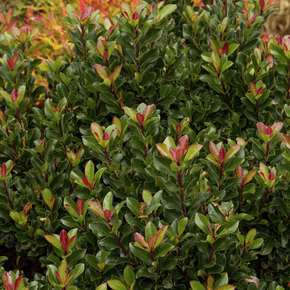
Poco Sunset Dwarf Red Hot Poker - 1 Gallon
SKU:
2165320
UPC:
014949481172
$12.99
- Compact, clump-forming perennial with striking bicolor torch-like flower spikes in deep red-orange fading to warm mango-orange — blooming from midsummer all the way into fall for months of vivid color.
- Exceptionally long bloom season with repeat flowering from July through October, producing multiple flower spikes per season right from the first year of planting.
- Irresistible to hummingbirds, butterflies, and bees while being naturally resistant to deer, rabbits, and drought once established — a true low-maintenance garden performer.
- Dwarf habit stays tidy at just 16-24 inches tall, making it perfectly suited for perennial borders, rock gardens, cottage gardens, patio containers, and smaller landscape spaces.
Kniphofia 'Poco Sunset' (Dwarf Red Hot Poker / Torch Lily) is a compact, clump-forming herbaceous perennial that delivers a spectacular, season-long show of tubular bicolor flower spikes in deep red-orange at the tip fading to a rich warm orange below — the perfect living sunset rising above neat, arching, grass-like dark green foliage. Bred specifically for a compact, well-behaved garden habit, this Poco Series introduction sets itself apart from traditional red hot pokers with its shorter stature, multiple flowering crowns, and remarkable repeat-blooming performance that begins in early to midsummer and continues reliably through fall. Stout flowering scapes carry the torch-like spikes to approximately 23 inches in height, creating bold vertical accents without overwhelming smaller spaces. Equally at home in a sunny perennial border, a xeriscape design, a coastal garden, or a decorative patio container, Kniphofia 'Poco Sunset' thrives in full sun with well-drained soil and moderate water, tolerating both heat and periodic dry spells once established. Its nectar-rich blooms are a magnet for hummingbirds, butterflies, and pollinators, while its dense, grassy foliage resists browsing from deer and rabbits. An excellent cut flower and virtually trouble-free in the landscape, this patented dwarf torch lily (USPP28464) is the ideal choice for gardeners in Southern Oregon and Northern California who want bold, fiery summer-to-fall color with minimal effort.
Plant Description
Kniphofia 'Poco Sunset' is a deciduous, rhizomatous herbaceous perennial belonging to the family Xanthorrhoeaceae. It forms a tidy, upright clumping mound of narrow, arching, strap-like dark green foliage similar in texture to ornamental grass. From midsummer onward, stout, upright scapes rise above the foliage clump and are topped with densely packed, torch-like spikes of tubular flowers. The blooms are bicolor — the upper, newer flowers open in a deep, vivid red-orange that gradually transitions to a warm, mango-orange on the lower, more mature flowers, creating a glowing two-toned effect reminiscent of a fiery sunset. Each flowering scape can carry dozens of individual tubular blooms arranged in a cylindrical spike. The plant produces multiple crowns, which means it generates an abundance of flower spikes throughout the season. Unlike many traditional red hot pokers, 'Poco Sunset' is notable for its compact, dwarf stature, its exceptionally tidy foliage habit that stays neat all season long, and its ability to begin blooming in its very first season of growth.
Mature Size
| Measurement | Dimension |
|---|---|
| Foliage Clump Height | 16-24 inches |
| Foliage Clump Width | 15-18 inches |
| Flower Spike Height | Approximately 23 inches |
| Recommended Spacing | 15-18 inches apart |
| Growth Rate | Moderate to fast |
| Growth Habit | Clumping, upright flower spikes |
Hardiness Zones
Kniphofia 'Poco Sunset' is rated for USDA Hardiness Zones 6-9 and AHS Heat Zones 6-9. It also performs well across Sunset Climate Zones 4, 5, 6, 7, 8, 9, 14, 15, 16, 17, 18, 19, 20, 21, 22, 23, and 24 — making it an excellent choice for the diverse climates found throughout Southern Oregon and Northern California. In USDA Zone 6, a protective layer of mulch applied over the crown in late fall is recommended to help the plant survive the coldest winter temperatures. In Zones 7-9, including most of our region, the plant is reliably cold hardy with no special winter protection needed. The plant goes dormant in winter and re-emerges vigorously in spring.
Sunlight Requirements
Kniphofia 'Poco Sunset' performs best and produces the most abundant flower display in full sun, which means a minimum of 6 hours of direct sunlight per day. In hot inland climates, the plant will tolerate some light afternoon shade, but flowering will be noticeably reduced in shadier conditions. For gardeners in Southern Oregon and Northern California, a south- or west-facing position that receives generous direct sun from morning through afternoon will yield the longest and most prolific bloom season. Avoid planting in densely shaded areas under trees or alongside tall structures that block light for much of the day.
Soil and pH Preferences
- Soil type: Tolerant of a wide range of soil types including loam, sand, and even moderately fertile or poor soils. Performs well in average garden soil amended with compost or organic matter.
- Drainage: Good drainage is essential. 'Poco Sunset' will not tolerate soggy, waterlogged conditions, especially in winter, as standing water can cause crown and root rot. If your soil stays wet for 5-6 hours after a heavy rain, amend with grit or organic material to improve drainage, or choose a raised bed or slope.
- pH: Adaptable to a broad pH range — performs well in acidic, neutral, and slightly alkaline soils. The ideal range is approximately 6.0-7.0 for best nutrient uptake.
- Amendments: At planting time, work in a 2-3 inch layer of compost or well-rotted organic matter to improve soil structure and moisture retention while maintaining drainage.
Watering Guide
While Kniphofia 'Poco Sunset' is drought tolerant once established, consistent moisture during the active growing and blooming season will reward you with the most prolific flower display. During the spring and summer growing season, aim to provide approximately 1 inch of water per week, allowing the soil to dry out moderately between waterings. Water deeply each time, saturating the soil to a depth of 5-6 inches, to encourage deep root development. Avoid frequent shallow watering. Once the plant has fully established its root system — typically after the first full growing season — it can withstand extended dry periods, though supplemental irrigation during prolonged summer heat will maintain better bloom production. In winter, reduce watering significantly and ensure excellent drainage to prevent crown rot while the plant is dormant. Overwatering in cool, wet conditions is the most common cause of failure with this plant.
Fertilizing
Kniphofia 'Poco Sunset' is not a heavy feeder and thrives in average to moderately fertile soils without excessive fertilization. At the time of planting, incorporate a 2-3 inch layer of compost into the planting area to provide a slow-release source of nutrients and improve soil quality. Each spring, as new growth emerges, apply a balanced, slow-release granular fertilizer (such as a 10-10-10 or similar formulation) to support healthy foliage and abundant flowering. Avoid high-nitrogen fertilizers, which can promote lush leafy growth at the expense of flower production. Do not fertilize in late summer or fall, as this can stimulate tender new growth that may be damaged by early frosts. A light top-dressing of compost around the base of the plant each spring is often sufficient to maintain good plant health and vigor.
Pruning and Maintenance
- Deadheading: Remove spent flower spikes promptly by cutting them at the base of the scape. This encourages the plant to produce additional flower stalks and greatly extends the overall bloom season.
- Mid-season foliage refresh: If the foliage looks tired after an early flush of blooms, cutting it back by approximately one-half will freshen the clump and encourage new leaf growth.
- Fall cleanup (warm climates, Zones 7-9): After the final blooms fade, tie the foliage loosely into an upright bundle over the crown to prevent water from collecting in the center and causing rot during wet winters. Do not cut the foliage back in fall in these zones.
- Spring cleanup: In early spring, before new growth emerges, cut back all foliage to approximately 3 inches above the ground to tidy the plant and make way for fresh growth.
- Cold-climate fall cleanup (Zone 6): In colder areas, cut foliage back in late fall and apply a protective layer of mulch over the crown.
- Division: Divide established clumps every 3-5 years in spring to maintain vigor and prevent overcrowding. Neglecting division over many years can eventually weaken the plant.
Planting Instructions
- Select a planting site that receives at least 6 hours of full sun daily and has well-drained soil.
- Dig a hole twice as wide as the root ball and only as deep as the root ball's height. The crown of the plant should sit no more than 2-3 inches below the soil surface — never plant too deep, as this can lead to crown rot.
- Amend the backfill soil with compost or well-rotted organic matter to improve drainage and fertility.
- Set the plant in the hole, backfill with amended soil, and firm gently around the roots to eliminate air pockets.
- Water thoroughly at planting to settle the soil and establish good root-to-soil contact.
- Apply a 2-inch layer of mulch around the base of the plant, keeping mulch a few inches away from the crown itself to prevent moisture buildup against the stem.
- Space multiple plants approximately 15-18 inches apart for a mass planting, or 2-3 feet apart if you prefer more defined individual specimens.
- Spring planting is ideal, allowing the plant the full growing season to establish before its first winter.
Bloom Season and Seasonal Interest
Kniphofia 'Poco Sunset' delivers one of the longest and most reliable bloom seasons of any red hot poker variety. In most of Southern Oregon and Northern California, flowering begins in early to midsummer — often as early as June — and continues with successive waves of new flower spikes through July, August, September, and into October. This exceptionally extended bloom period is a defining characteristic of the Poco Series. The upright, torch-like spikes provide striking vertical interest throughout the summer perennial border when many other plants are past their prime. In fall, the spikes transition to warm amber tones before fading. In winter, the plant goes dormant and the foliage dies back, though in mild climates some foliage may persist. Vibrant new grass-like foliage re-emerges in spring, building energy for another stunning summer display. The bicolor effect — deep red-orange at the top of each spike grading down to warm mango-orange at the base — is most vivid in the peak of summer.
Landscape Uses
- Perennial and mixed borders: Provides bold vertical accents and vivid summer-to-fall color alongside lower-growing companions.
- Rock and gravel gardens: Thrives in the excellent drainage of rock garden settings and complements the textural contrast of stone.
- Xeriscape and water-wise gardens: Once established, its drought tolerance makes it a top performer in low-water landscape designs.
- Cottage and informal gardens: The fiery bicolor blooms and grassy texture blend naturally into relaxed, casual planting schemes.
- Coastal gardens: Tolerates coastal conditions including salt spray, wind, and sandy soils.
- Hummingbird and pollinator gardens: A premier choice for attracting hummingbirds, butterflies, and bees.
- Container planting: The dwarf habit makes 'Poco Sunset' well suited to large patio containers and decorative planters, provided drainage is excellent.
- Cut flower gardens: The long, dramatic spikes make outstanding fresh-cut arrangements. Cutting blooms does not harm the plant and encourages more spikes to form.
- Fire-safe and defensible space planting: Noted as fire-resistant, making it a smart choice for Southern Oregon and Northern California landscapes where fire-wise planting is a priority.
Companion Plants
Kniphofia 'Poco Sunset' pairs beautifully with a wide variety of sun-loving perennials and ornamental grasses. Its fiery red and orange tones complement and contrast with the following companions:
- Mexican Feather Grass (Nassella tenuissima): Wispy, fine-textured grass provides an airy, soft contrast to the bold poker spikes.
- Russian Sage (Salvia yangii): Cool blue-purple tones create a striking complementary color contrast with the warm orange-red blooms.
- Yarrow (Achillea): Flat-topped flower clusters in yellow or gold echo the warm tones and bloom simultaneously in summer.
- Coneflower (Echinacea): Purple and pink daisy-like flowers provide complementary color in late summer alongside the torches.
- Daylilies (Hemerocallis): A classic pairing — the bold trumpet flowers of daylilies harmonize with the vertical poker spikes.
- Globe Thistle (Echinops): Steel-blue spherical blooms create dramatic textural and color contrast.
- Sneezeweed (Helenium autumnale): Rich golden-orange daisy blooms extend the warm color theme into fall.
- Rudbeckia (Black-Eyed Susan): Golden-yellow flowers pair naturally with the sunset tones of the poker spikes in late summer borders.
- Purpletop Vervain (Verbena bonariensis): Airy clusters of purple flowers on tall stems weave among the poker clumps for a light, naturalistic effect.
- Lavender (Lavandula): The silvery foliage and purple flower spikes of lavender create a classic, Mediterranean-inspired combination.
Wildlife Value
Kniphofia 'Poco Sunset' is a powerhouse for attracting wildlife to the garden. Its nectar-rich tubular flowers are perfectly shaped to accommodate hummingbirds, which are among the plant's most devoted visitors — the long, deep tubes of the individual florets are ideally suited to hummingbird bills. Butterflies and native bees are also strongly attracted to the abundant nectar, making this an excellent choice for pollinator garden plantings. The plant's wildlife value extends to supporting migrating hummingbirds in late summer and fall as they travel through Southern Oregon and Northern California. On the resistance side, the foliage and roots are unpalatable to deer, rabbits, and gophers, meaning the plant can be established even in areas with significant wildlife browsing pressure. It does not attract or support any known invasive insect pests, and its disease resistance means it remains a healthy, thriving part of the garden ecosystem throughout the growing season.
Pests and Diseases
Kniphofia 'Poco Sunset' is considered virtually disease-free and is rarely troubled by serious pest issues, making it one of the most carefree perennials for the landscape. The following minor issues can occasionally occur:
- Crown rot: The most common problem, caused by poorly drained soil or excessive moisture around the crown in cool, wet conditions. Prevent by ensuring excellent drainage at the planting site and avoiding overwatering in fall and winter.
- Thrips: Occasionally thrips may feed on flower spikes, causing distortion or silvering of the flowers. Damage is generally cosmetic and rarely requires treatment. Strong jets of water or insecticidal soap can be used if infestations are severe.
- Slugs and snails: May occasionally feed on young, emerging foliage in damp conditions. Use iron phosphate baits if damage is significant.
- Root knot nematodes: In very sandy soils in warm climates, nematodes can occasionally affect root health. Amending soil with organic matter helps deter nematode pressure.
Overall, consistent good drainage is the single most important factor in keeping this plant healthy. Deer, rabbit, and gopher resistance means browsing damage is not typically a concern.
Container Growing
Thanks to its compact, dwarf habit, Kniphofia 'Poco Sunset' is one of the few red hot poker varieties well suited to container cultivation. When growing in a container, keep the following guidelines in mind:
- Choose a large, sturdy container — at least 14-16 inches in diameter and equally deep — to accommodate the root system and provide stability for the tall flower spikes.
- Use a high-quality, well-draining potting mix. Add perlite or coarse grit to standard potting soil to ensure excellent drainage.
- Ensure the container has ample drainage holes. Soggy roots in a container are even more problematic than in the ground.
- Container-grown plants will dry out more quickly than in-ground plants. Monitor soil moisture closely during hot weather and water when the top inch of soil feels dry, but never allow the container to sit in standing water.
- Feed container plants with a balanced, slow-release fertilizer in spring and a light liquid feed monthly through the bloom season to compensate for nutrients lost through regular watering.
- In colder winters, move containers to a sheltered location to protect the roots from freezing, as pot-grown roots are more vulnerable to cold than those insulated by ground soil.
- Divide or repot the plant every 2-3 years as it outgrows the container.
Cut Flower Use
Kniphofia 'Poco Sunset' produces flower spikes that are outstanding for use as fresh-cut flowers in floral arrangements. The tall, dramatic torches add bold architectural form, vivid color, and a tropical flair to both casual and formal arrangements. Cut flower spikes when the bottom one-third of the florets have opened and the upper portion is still in bud for the longest vase life. Use clean, sharp pruners or scissors and cut the scape as close to the base as possible. Place stems immediately in fresh water. Vase life is typically 5-10 days. Removing spikes for cutting will not harm the plant — in fact, it stimulates the production of additional flower stalks, extending the overall bloom season further into fall. The bold, torch-like form combines beautifully with softer, daisy-type flowers such as rudbeckia, echinacea, and gaillardia for mixed summer arrangements.
- Compact, clump-forming perennial with striking bicolor torch-like flower spikes in deep red-orange fading to warm mango-orange — blooming from midsummer all the way into fall for months of vivid color.
- Exceptionally long bloom season with repeat flowering from July through October, producing multiple flower spikes per season right from the first year of planting.
- Irresistible to hummingbirds, butterflies, and bees while being naturally resistant to deer, rabbits, and drought once established — a true low-maintenance garden performer.
- Dwarf habit stays tidy at just 16-24 inches tall, making it perfectly suited for perennial borders, rock gardens, cottage gardens, patio containers, and smaller landscape spaces.
Kniphofia 'Poco Sunset' (Dwarf Red Hot Poker / Torch Lily) is a compact, clump-forming herbaceous perennial that delivers a spectacular, season-long show of tubular bicolor flower spikes in deep red-orange at the tip fading to a rich warm orange below — the perfect living sunset rising above neat, arching, grass-like dark green foliage. Bred specifically for a compact, well-behaved garden habit, this Poco Series introduction sets itself apart from traditional red hot pokers with its shorter stature, multiple flowering crowns, and remarkable repeat-blooming performance that begins in early to midsummer and continues reliably through fall. Stout flowering scapes carry the torch-like spikes to approximately 23 inches in height, creating bold vertical accents without overwhelming smaller spaces. Equally at home in a sunny perennial border, a xeriscape design, a coastal garden, or a decorative patio container, Kniphofia 'Poco Sunset' thrives in full sun with well-drained soil and moderate water, tolerating both heat and periodic dry spells once established. Its nectar-rich blooms are a magnet for hummingbirds, butterflies, and pollinators, while its dense, grassy foliage resists browsing from deer and rabbits. An excellent cut flower and virtually trouble-free in the landscape, this patented dwarf torch lily (USPP28464) is the ideal choice for gardeners in Southern Oregon and Northern California who want bold, fiery summer-to-fall color with minimal effort.
Plant Description
Kniphofia 'Poco Sunset' is a deciduous, rhizomatous herbaceous perennial belonging to the family Xanthorrhoeaceae. It forms a tidy, upright clumping mound of narrow, arching, strap-like dark green foliage similar in texture to ornamental grass. From midsummer onward, stout, upright scapes rise above the foliage clump and are topped with densely packed, torch-like spikes of tubular flowers. The blooms are bicolor — the upper, newer flowers open in a deep, vivid red-orange that gradually transitions to a warm, mango-orange on the lower, more mature flowers, creating a glowing two-toned effect reminiscent of a fiery sunset. Each flowering scape can carry dozens of individual tubular blooms arranged in a cylindrical spike. The plant produces multiple crowns, which means it generates an abundance of flower spikes throughout the season. Unlike many traditional red hot pokers, 'Poco Sunset' is notable for its compact, dwarf stature, its exceptionally tidy foliage habit that stays neat all season long, and its ability to begin blooming in its very first season of growth.
Mature Size
| Measurement | Dimension |
|---|---|
| Foliage Clump Height | 16-24 inches |
| Foliage Clump Width | 15-18 inches |
| Flower Spike Height | Approximately 23 inches |
| Recommended Spacing | 15-18 inches apart |
| Growth Rate | Moderate to fast |
| Growth Habit | Clumping, upright flower spikes |
Hardiness Zones
Kniphofia 'Poco Sunset' is rated for USDA Hardiness Zones 6-9 and AHS Heat Zones 6-9. It also performs well across Sunset Climate Zones 4, 5, 6, 7, 8, 9, 14, 15, 16, 17, 18, 19, 20, 21, 22, 23, and 24 — making it an excellent choice for the diverse climates found throughout Southern Oregon and Northern California. In USDA Zone 6, a protective layer of mulch applied over the crown in late fall is recommended to help the plant survive the coldest winter temperatures. In Zones 7-9, including most of our region, the plant is reliably cold hardy with no special winter protection needed. The plant goes dormant in winter and re-emerges vigorously in spring.
Sunlight Requirements
Kniphofia 'Poco Sunset' performs best and produces the most abundant flower display in full sun, which means a minimum of 6 hours of direct sunlight per day. In hot inland climates, the plant will tolerate some light afternoon shade, but flowering will be noticeably reduced in shadier conditions. For gardeners in Southern Oregon and Northern California, a south- or west-facing position that receives generous direct sun from morning through afternoon will yield the longest and most prolific bloom season. Avoid planting in densely shaded areas under trees or alongside tall structures that block light for much of the day.
Soil and pH Preferences
- Soil type: Tolerant of a wide range of soil types including loam, sand, and even moderately fertile or poor soils. Performs well in average garden soil amended with compost or organic matter.
- Drainage: Good drainage is essential. 'Poco Sunset' will not tolerate soggy, waterlogged conditions, especially in winter, as standing water can cause crown and root rot. If your soil stays wet for 5-6 hours after a heavy rain, amend with grit or organic material to improve drainage, or choose a raised bed or slope.
- pH: Adaptable to a broad pH range — performs well in acidic, neutral, and slightly alkaline soils. The ideal range is approximately 6.0-7.0 for best nutrient uptake.
- Amendments: At planting time, work in a 2-3 inch layer of compost or well-rotted organic matter to improve soil structure and moisture retention while maintaining drainage.
Watering Guide
While Kniphofia 'Poco Sunset' is drought tolerant once established, consistent moisture during the active growing and blooming season will reward you with the most prolific flower display. During the spring and summer growing season, aim to provide approximately 1 inch of water per week, allowing the soil to dry out moderately between waterings. Water deeply each time, saturating the soil to a depth of 5-6 inches, to encourage deep root development. Avoid frequent shallow watering. Once the plant has fully established its root system — typically after the first full growing season — it can withstand extended dry periods, though supplemental irrigation during prolonged summer heat will maintain better bloom production. In winter, reduce watering significantly and ensure excellent drainage to prevent crown rot while the plant is dormant. Overwatering in cool, wet conditions is the most common cause of failure with this plant.
Fertilizing
Kniphofia 'Poco Sunset' is not a heavy feeder and thrives in average to moderately fertile soils without excessive fertilization. At the time of planting, incorporate a 2-3 inch layer of compost into the planting area to provide a slow-release source of nutrients and improve soil quality. Each spring, as new growth emerges, apply a balanced, slow-release granular fertilizer (such as a 10-10-10 or similar formulation) to support healthy foliage and abundant flowering. Avoid high-nitrogen fertilizers, which can promote lush leafy growth at the expense of flower production. Do not fertilize in late summer or fall, as this can stimulate tender new growth that may be damaged by early frosts. A light top-dressing of compost around the base of the plant each spring is often sufficient to maintain good plant health and vigor.
Pruning and Maintenance
- Deadheading: Remove spent flower spikes promptly by cutting them at the base of the scape. This encourages the plant to produce additional flower stalks and greatly extends the overall bloom season.
- Mid-season foliage refresh: If the foliage looks tired after an early flush of blooms, cutting it back by approximately one-half will freshen the clump and encourage new leaf growth.
- Fall cleanup (warm climates, Zones 7-9): After the final blooms fade, tie the foliage loosely into an upright bundle over the crown to prevent water from collecting in the center and causing rot during wet winters. Do not cut the foliage back in fall in these zones.
- Spring cleanup: In early spring, before new growth emerges, cut back all foliage to approximately 3 inches above the ground to tidy the plant and make way for fresh growth.
- Cold-climate fall cleanup (Zone 6): In colder areas, cut foliage back in late fall and apply a protective layer of mulch over the crown.
- Division: Divide established clumps every 3-5 years in spring to maintain vigor and prevent overcrowding. Neglecting division over many years can eventually weaken the plant.
Planting Instructions
- Select a planting site that receives at least 6 hours of full sun daily and has well-drained soil.
- Dig a hole twice as wide as the root ball and only as deep as the root ball's height. The crown of the plant should sit no more than 2-3 inches below the soil surface — never plant too deep, as this can lead to crown rot.
- Amend the backfill soil with compost or well-rotted organic matter to improve drainage and fertility.
- Set the plant in the hole, backfill with amended soil, and firm gently around the roots to eliminate air pockets.
- Water thoroughly at planting to settle the soil and establish good root-to-soil contact.
- Apply a 2-inch layer of mulch around the base of the plant, keeping mulch a few inches away from the crown itself to prevent moisture buildup against the stem.
- Space multiple plants approximately 15-18 inches apart for a mass planting, or 2-3 feet apart if you prefer more defined individual specimens.
- Spring planting is ideal, allowing the plant the full growing season to establish before its first winter.
Bloom Season and Seasonal Interest
Kniphofia 'Poco Sunset' delivers one of the longest and most reliable bloom seasons of any red hot poker variety. In most of Southern Oregon and Northern California, flowering begins in early to midsummer — often as early as June — and continues with successive waves of new flower spikes through July, August, September, and into October. This exceptionally extended bloom period is a defining characteristic of the Poco Series. The upright, torch-like spikes provide striking vertical interest throughout the summer perennial border when many other plants are past their prime. In fall, the spikes transition to warm amber tones before fading. In winter, the plant goes dormant and the foliage dies back, though in mild climates some foliage may persist. Vibrant new grass-like foliage re-emerges in spring, building energy for another stunning summer display. The bicolor effect — deep red-orange at the top of each spike grading down to warm mango-orange at the base — is most vivid in the peak of summer.
Landscape Uses
- Perennial and mixed borders: Provides bold vertical accents and vivid summer-to-fall color alongside lower-growing companions.
- Rock and gravel gardens: Thrives in the excellent drainage of rock garden settings and complements the textural contrast of stone.
- Xeriscape and water-wise gardens: Once established, its drought tolerance makes it a top performer in low-water landscape designs.
- Cottage and informal gardens: The fiery bicolor blooms and grassy texture blend naturally into relaxed, casual planting schemes.
- Coastal gardens: Tolerates coastal conditions including salt spray, wind, and sandy soils.
- Hummingbird and pollinator gardens: A premier choice for attracting hummingbirds, butterflies, and bees.
- Container planting: The dwarf habit makes 'Poco Sunset' well suited to large patio containers and decorative planters, provided drainage is excellent.
- Cut flower gardens: The long, dramatic spikes make outstanding fresh-cut arrangements. Cutting blooms does not harm the plant and encourages more spikes to form.
- Fire-safe and defensible space planting: Noted as fire-resistant, making it a smart choice for Southern Oregon and Northern California landscapes where fire-wise planting is a priority.
Companion Plants
Kniphofia 'Poco Sunset' pairs beautifully with a wide variety of sun-loving perennials and ornamental grasses. Its fiery red and orange tones complement and contrast with the following companions:
- Mexican Feather Grass (Nassella tenuissima): Wispy, fine-textured grass provides an airy, soft contrast to the bold poker spikes.
- Russian Sage (Salvia yangii): Cool blue-purple tones create a striking complementary color contrast with the warm orange-red blooms.
- Yarrow (Achillea): Flat-topped flower clusters in yellow or gold echo the warm tones and bloom simultaneously in summer.
- Coneflower (Echinacea): Purple and pink daisy-like flowers provide complementary color in late summer alongside the torches.
- Daylilies (Hemerocallis): A classic pairing — the bold trumpet flowers of daylilies harmonize with the vertical poker spikes.
- Globe Thistle (Echinops): Steel-blue spherical blooms create dramatic textural and color contrast.
- Sneezeweed (Helenium autumnale): Rich golden-orange daisy blooms extend the warm color theme into fall.
- Rudbeckia (Black-Eyed Susan): Golden-yellow flowers pair naturally with the sunset tones of the poker spikes in late summer borders.
- Purpletop Vervain (Verbena bonariensis): Airy clusters of purple flowers on tall stems weave among the poker clumps for a light, naturalistic effect.
- Lavender (Lavandula): The silvery foliage and purple flower spikes of lavender create a classic, Mediterranean-inspired combination.
Wildlife Value
Kniphofia 'Poco Sunset' is a powerhouse for attracting wildlife to the garden. Its nectar-rich tubular flowers are perfectly shaped to accommodate hummingbirds, which are among the plant's most devoted visitors — the long, deep tubes of the individual florets are ideally suited to hummingbird bills. Butterflies and native bees are also strongly attracted to the abundant nectar, making this an excellent choice for pollinator garden plantings. The plant's wildlife value extends to supporting migrating hummingbirds in late summer and fall as they travel through Southern Oregon and Northern California. On the resistance side, the foliage and roots are unpalatable to deer, rabbits, and gophers, meaning the plant can be established even in areas with significant wildlife browsing pressure. It does not attract or support any known invasive insect pests, and its disease resistance means it remains a healthy, thriving part of the garden ecosystem throughout the growing season.
Pests and Diseases
Kniphofia 'Poco Sunset' is considered virtually disease-free and is rarely troubled by serious pest issues, making it one of the most carefree perennials for the landscape. The following minor issues can occasionally occur:
- Crown rot: The most common problem, caused by poorly drained soil or excessive moisture around the crown in cool, wet conditions. Prevent by ensuring excellent drainage at the planting site and avoiding overwatering in fall and winter.
- Thrips: Occasionally thrips may feed on flower spikes, causing distortion or silvering of the flowers. Damage is generally cosmetic and rarely requires treatment. Strong jets of water or insecticidal soap can be used if infestations are severe.
- Slugs and snails: May occasionally feed on young, emerging foliage in damp conditions. Use iron phosphate baits if damage is significant.
- Root knot nematodes: In very sandy soils in warm climates, nematodes can occasionally affect root health. Amending soil with organic matter helps deter nematode pressure.
Overall, consistent good drainage is the single most important factor in keeping this plant healthy. Deer, rabbit, and gopher resistance means browsing damage is not typically a concern.
Container Growing
Thanks to its compact, dwarf habit, Kniphofia 'Poco Sunset' is one of the few red hot poker varieties well suited to container cultivation. When growing in a container, keep the following guidelines in mind:
- Choose a large, sturdy container — at least 14-16 inches in diameter and equally deep — to accommodate the root system and provide stability for the tall flower spikes.
- Use a high-quality, well-draining potting mix. Add perlite or coarse grit to standard potting soil to ensure excellent drainage.
- Ensure the container has ample drainage holes. Soggy roots in a container are even more problematic than in the ground.
- Container-grown plants will dry out more quickly than in-ground plants. Monitor soil moisture closely during hot weather and water when the top inch of soil feels dry, but never allow the container to sit in standing water.
- Feed container plants with a balanced, slow-release fertilizer in spring and a light liquid feed monthly through the bloom season to compensate for nutrients lost through regular watering.
- In colder winters, move containers to a sheltered location to protect the roots from freezing, as pot-grown roots are more vulnerable to cold than those insulated by ground soil.
- Divide or repot the plant every 2-3 years as it outgrows the container.
Cut Flower Use
Kniphofia 'Poco Sunset' produces flower spikes that are outstanding for use as fresh-cut flowers in floral arrangements. The tall, dramatic torches add bold architectural form, vivid color, and a tropical flair to both casual and formal arrangements. Cut flower spikes when the bottom one-third of the florets have opened and the upper portion is still in bud for the longest vase life. Use clean, sharp pruners or scissors and cut the scape as close to the base as possible. Place stems immediately in fresh water. Vase life is typically 5-10 days. Removing spikes for cutting will not harm the plant — in fact, it stimulates the production of additional flower stalks, extending the overall bloom season further into fall. The bold, torch-like form combines beautifully with softer, daisy-type flowers such as rudbeckia, echinacea, and gaillardia for mixed summer arrangements.