


Zoom the image with the mouse
Pink Princess Escallonia
SKU:
104610-P
UPC:
541537009550
$15.99 - $49.99
- Nearly year-round clusters of vibrant rosy-pink flowers bloom from late spring through fall, attracting hummingbirds, bees, and butterflies to the garden season after season.
- Compact, dense, rounded evergreen habit with small, glossy, deep green leaves that hold their rich color through all four seasons, providing exceptional year-round structure and interest.
- Outstanding tolerance of coastal conditions including salt spray and wind, plus strong deer resistance, make this an exceptionally practical and low-maintenance landscape shrub.
- Highly versatile in the landscape — ideal for low hedges, borders, foundation plantings, pollinator gardens, and container growing in USDA Zones 7-10.
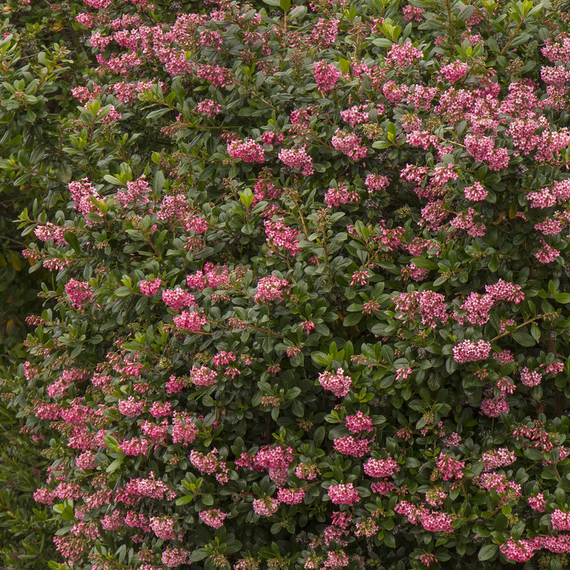
Pink Princess Escallonia (Escallonia x exoniensis 'Fradesii') is a stunning, compact evergreen shrub that earns its royal name with an extraordinarily generous and sustained display of rosy-pink flower clusters from late spring all the way through fall. The small, tubular blooms are carried in cheerful clusters at the tips of new stems, creating a flowering spectacle that peaks in early summer and again in late summer to early autumn, bridging the seasonal gap when many other shrubs have finished blooming. Between flushes, the refined, deep green foliage — small, oval, slightly serrated, and polished to a rich, almost lacquered sheen — keeps the plant looking attractive and structural through every season of the year. Native in heritage to the Andes Mountains of South America, Pink Princess inherits a remarkable resilience to coastal wind, salt spray, and maritime conditions, making it one of the most reliable flowering evergreen shrubs for Pacific Coast and other seaside gardens. It reaches a tidy, rounded 3 to 6 feet in both height and spread, takes beautifully to shearing or informal pruning, and thrives in a wide range of well-drained soils. Add in strong deer resistance, a fast growth rate, a lifespan that can exceed 40 years with proper care, and irresistible appeal to hummingbirds, bees, and butterflies, and Pink Princess Escallonia stands out as one of the most rewarding, garden-friendly shrubs available for mild-climate landscapes throughout Southern Oregon and Northern California.
Plant Description
Pink Princess Escallonia is a compact, densely branched evergreen shrub prized for its exceptionally long flowering season and handsome year-round foliage. The small, oval leaves are deep glossy green with a slightly sticky, almost lacquered texture and lightly serrated edges, giving the plant a refined, finely textured appearance even when not in bloom. New growth emerges with an attractive bronze tint before maturing to rich deep green. The leaves carry a pleasant, faintly resinous fragrance when brushed or bruised — a characteristic trait of the escallonia genus. Flowers are small, tubular, and a clear warm pink, produced in short but numerous clusters at stem tips with extraordinary abundance. The overall habit is rounded, dense, and tidy, contributing strong evergreen structure to the landscape throughout all four seasons.
Mature Size
| Characteristic | Detail |
|---|---|
| Mature Height | 3 to 6 feet |
| Mature Width | 3 to 6 feet |
| Growth Rate | Moderate to fast; up to 1 foot of new growth per year |
| Growth Habit | Compact, rounded, densely branched |
| Longevity | Can live 40 years or more under suitable conditions |
Hardiness Zones
Pink Princess Escallonia is reliably hardy in USDA Hardiness Zones 7 through 10, tolerating temperatures down to approximately 0 to 10 degrees Fahrenheit. It also performs well in Sunset Zones 4-9 and 14-24, making it an excellent fit for the mild climates of Southern Oregon and Northern California. In Zone 7, foliage may sustain damage during hard freezes, but established plants typically regenerate from the woody framework and roots in spring. Siting in a sheltered location protected from cold north and northwest winds greatly reduces winter damage at the colder edges of its range. In Zones 8 through 10, no special winter protection is needed and the plant remains fully evergreen and attractive through the cooler months.
Sunlight Requirements
Pink Princess Escallonia performs best in full sun, which produces the most abundant and continuous flowering, the most compact and attractive growth habit, and the richest foliage color. It will tolerate partial shade — particularly afternoon shade in hotter inland climates — but flower production is somewhat reduced in lower light and the plant tends toward a looser, more open form. In the cool coastal climates of Southern Oregon and Northern California, full sun is ideal and the plant is well adapted to handle the persistent marine layer and overcast conditions common in these regions. Aim for a minimum of 6 hours of direct sunlight daily for the best ornamental performance.
Soil and pH Preferences
- Adaptable to a wide range of soil types including loam, sandy soil, and moderately heavy clay, as long as drainage is adequate.
- Prefers slightly acidic to slightly alkaline soil; performs well across a broad pH range of approximately 5.5 to 7.5.
- Well-draining soil is essential — escallonia is susceptible to root rot in consistently waterlogged or poorly drained conditions.
- Amending the planting hole with compost improves soil structure and organic content, supporting strong establishment and long-term health.
- Once established, tolerates moderately poor soils; regular compost topdressing each spring helps maintain soil fertility and moisture retention.
- Not recommended for heavy, compacted soils with poor drainage without significant soil amendment and raised bed preparation.
Watering Guide
During the first growing season, water Pink Princess deeply and regularly to establish a strong root system. Allow the soil to dry somewhat between waterings rather than keeping it consistently moist, as escallonias are vulnerable to root rot in persistently waterlogged conditions. Deep, infrequent watering encourages roots to grow down and out in search of moisture, building a more drought-tolerant plant over time. Check soil moisture about 4 inches deep — if it is dry at that depth, it is time to water. Once established, Pink Princess develops good drought tolerance and typically manages on natural rainfall in mild coastal climates, supplemented with occasional deep watering during extended dry spells. In hotter inland climates, more consistent moisture through the growing season is important for sustaining continuous flowering and preventing drought-related bloom pauses. Avoid overhead irrigation, which can promote fungal disease on foliage; drip irrigation or deep, direct watering at the root zone is preferred.
Fertilizing
Pink Princess Escallonia is a moderate feeder that responds well to a single application of a balanced slow-release shrub fertilizer or a generous topdressing of compost in early spring as new growth begins. A balanced 10-10-10 granular fertilizer or an organic tree-and-shrub formula supports vigorous new growth — which directly fuels the heaviest flush of flowers — and maintains the deep, rich foliage color that makes this shrub so visually striking between bloom periods. A light second application in early summer can help sustain continuous flowering through the long bloom season. Avoid heavy or high-nitrogen fertilizers, which promote excessive leafy growth at the expense of flowers and produce soft, cold-sensitive stems more prone to disease. In fertile garden soils regularly amended with compost, synthetic fertilizer may be unnecessary once the shrub is fully established. Do not fertilize after midsummer so that the season's growth has time to harden off before cooler fall temperatures arrive.
Pruning and Maintenance
Because Pink Princess Escallonia flowers primarily on new growth produced in the current season, pruning that stimulates vigorous new stems directly promotes more blooms. A light tip pruning or shearing after each major flush of flowers — removing spent clusters and the top few inches of stem — encourages a quicker return to bloom and keeps the plant tidy throughout the season. The most significant annual pruning should be done in late winter or early spring before the main flush of new growth begins: remove any winter-damaged wood, thin congested interior branches to improve air circulation, and cut the overall plant back by about one-third to refresh the framework and stimulate a productive new season of growth. Avoid heavy fall pruning, which can stimulate tender new growth vulnerable to early frosts. For formal hedging, hedge trimmers can be used for even shaping, though light, regular shearing produces more flowers than hard, infrequent cuts. Older, overgrown specimens that have become leggy can be rejuvenated in early spring with a hard cutback to 6 to 12 inches above the ground; flowering will be limited in that first season but the plant will regenerate vigorously. Always use clean, sharp pruning tools to make smooth cuts and reduce the risk of disease transmission.
Planting Instructions
- Choose a planting site with full sun to partial shade and well-draining soil. Avoid low spots prone to standing water.
- The best planting times are spring or early fall to minimize transplant stress and allow roots to establish before extreme heat or cold arrives.
- Dig a hole as deep as the root ball and approximately three times as wide to give roots ample room to spread.
- Mix a generous amount of compost into the removed soil to create a rich, well-amended backfill.
- Gently remove the plant from its container. If roots are tightly wound or circling, carefully loosen or lightly score them to encourage outward growth.
- Set the plant in the hole so the top of the root ball is level with or slightly above the surrounding soil grade. Never bury the crown or trunk base.
- Backfill with the amended soil mixture, firming gently as you go to eliminate air pockets.
- Water thoroughly after planting to settle the soil and fully saturate the root zone.
- Apply a 2- to 3-inch layer of organic mulch (shredded bark, wood chips, or composted leaves) around the base, keeping mulch several inches away from the stem to prevent moisture accumulation and rot.
- When planting as a hedge or mass planting, space plants approximately 3 to 4 feet apart for general landscape use, or 2 to 2.5 feet apart for a denser, low flowering hedge effect.
Seasonal Interest
| Season | Ornamental Highlights |
|---|---|
| Spring | Bronze-tinted new growth emerges; the first and most spectacular flush of rosy-pink flower clusters begins in late spring. |
| Summer | Continuous or near-continuous bloom with lush, deep glossy green foliage; peak pollinator activity with hummingbirds, bees, and butterflies visiting regularly. |
| Fall | A strong second flowering flush in late summer to early autumn extends the color display; foliage remains rich and green as temperatures cool. |
| Winter | Fully evergreen in Zones 8-10; deep green glossy foliage provides clean structure and year-round interest even without flowers; small fruits that follow blooms may persist and attract birds. |
Landscape Uses
- Low Hedge or Screen: Dense, fast-growing habit takes well to shearing, making it ideal for formal or informal low hedges along pathways, driveways, and property lines.
- Foundation Planting: Compact size and year-round evergreen interest make it a standout near building entrances and along home foundations.
- Border Shrub: Works beautifully as a flowering accent or mass planting along garden borders, providing color and structure from spring through fall.
- Coastal Garden: Exceptional salt spray and wind tolerance make it one of the most dependable evergreen flowering shrubs for seaside and coastal landscapes.
- Pollinator Garden: Long bloom season and abundant nectar-rich flowers are a powerful draw for hummingbirds, butterflies, and bees.
- Water-Wise Landscape: Once established, performs well in low-water Mediterranean-style plantings alongside other drought-tolerant perennials and shrubs.
- Container Growing: Compact habit suits patio pots and large containers, where the long bloom season provides months of color on decks and patios.
- Espalier: Responds well to training against walls or fences in a two-dimensional espalier form, particularly effective on south- or west-facing masonry walls.
Companion Plants
Pink Princess Escallonia's soft rosy-pink flowers and deeply glossy dark green foliage pair naturally with a wide range of companion plants. Silver-leaved Mediterranean plants such as lavender, artemisia, and Russian sage create a striking color contrast and share similar well-drained, sun-loving preferences. White-flowering companions including white salvia, white gaura, and iceberg roses complement the pink tones without competing. In coastal gardens, salt-tolerant companions like sea thrift (Armeria maritima), seaside daisy (Erigeron glaucus), and ornamental grasses make natural pairings. For a mixed shrub border, escallonia works well alongside Ceanothus, rockrose (Cistus), and California lilac. As a hedge or screen, it pairs handsomely with similarly scaled evergreens that extend the seasonal interest through contrasting textures and foliage colors.
Wildlife Value
- Hummingbirds: The tubular pink flowers are a reliable nectar source that draws hummingbirds throughout the exceptionally long bloom season from late spring through fall.
- Bees: Honeybees and native bees are regular visitors to the flower clusters, making this an excellent addition to pollinator-friendly garden designs.
- Butterflies: The abundant, long-lasting blooms attract a variety of butterfly species, particularly during peak summer flowering.
- Birds: Small fruits that develop after flowering provide a food source for local bird populations, extending the plant's wildlife value beyond the bloom season.
- Deer Resistance: The resinous, aromatic foliage is generally unattractive to deer, making Pink Princess Escallonia a reliable choice in gardens with deer pressure.
Pests and Diseases
Pink Princess Escallonia is generally a healthy, trouble-free shrub when properly sited. The most serious disease concern is root rot caused by Phytophthora and other soilborne pathogens, which is almost always a result of consistently waterlogged soil rather than a random occurrence — ensuring excellent drainage at planting time is the most effective preventive measure. Powdery mildew can appear in conditions of poor air circulation or where high humidity is combined with dry soil; consistent soil moisture and regular pruning to open up the interior of the plant reduces its incidence. Scale insects occasionally colonize stems and can be managed with dormant oil applied in late winter before new growth begins. Aphids may cluster on tender new growth in spring but are typically managed by beneficial insects without intervention. Leaf spot fungal disease can cause dark spots on leaves, yellowing, and premature leaf drop; remove infected material promptly, destroy it (do not compost), and treat with an appropriate antifungal product if needed. The resinous foliage naturally deters most pest insects, contributing to the plant's overall ease and low-maintenance performance in the garden.
Container Growing
Pink Princess Escallonia's naturally compact, rounded habit makes it well suited to growing in large containers on patios, decks, and entryways. Choose a pot that is at least 18 to 24 inches in diameter with ample drainage holes. Use a high-quality, well-draining potting mix amended with perlite or coarse pumice to prevent moisture retention at the root zone. Container-grown plants dry out more quickly than in-ground plants and will need more frequent watering — check soil moisture regularly and water deeply when the top inch or two of soil feels dry. Apply a balanced slow-release fertilizer in early spring and a light follow-up in early summer to maintain vigorous growth and continuous flowering. Position the container in a full sun location for the best flower production. In Zone 7 and the cooler edges of Zone 8, move containers to a sheltered location or unheated garage during hard freezes to protect the root zone from temperatures that container walls cannot insulate against. Repot every 2 to 3 years or when roots begin to crowd and circle the container bottom, stepping up one container size to allow continued healthy growth.
- Nearly year-round clusters of vibrant rosy-pink flowers bloom from late spring through fall, attracting hummingbirds, bees, and butterflies to the garden season after season.
- Compact, dense, rounded evergreen habit with small, glossy, deep green leaves that hold their rich color through all four seasons, providing exceptional year-round structure and interest.
- Outstanding tolerance of coastal conditions including salt spray and wind, plus strong deer resistance, make this an exceptionally practical and low-maintenance landscape shrub.
- Highly versatile in the landscape — ideal for low hedges, borders, foundation plantings, pollinator gardens, and container growing in USDA Zones 7-10.
Pink Princess Escallonia (Escallonia x exoniensis 'Fradesii') is a stunning, compact evergreen shrub that earns its royal name with an extraordinarily generous and sustained display of rosy-pink flower clusters from late spring all the way through fall. The small, tubular blooms are carried in cheerful clusters at the tips of new stems, creating a flowering spectacle that peaks in early summer and again in late summer to early autumn, bridging the seasonal gap when many other shrubs have finished blooming. Between flushes, the refined, deep green foliage — small, oval, slightly serrated, and polished to a rich, almost lacquered sheen — keeps the plant looking attractive and structural through every season of the year. Native in heritage to the Andes Mountains of South America, Pink Princess inherits a remarkable resilience to coastal wind, salt spray, and maritime conditions, making it one of the most reliable flowering evergreen shrubs for Pacific Coast and other seaside gardens. It reaches a tidy, rounded 3 to 6 feet in both height and spread, takes beautifully to shearing or informal pruning, and thrives in a wide range of well-drained soils. Add in strong deer resistance, a fast growth rate, a lifespan that can exceed 40 years with proper care, and irresistible appeal to hummingbirds, bees, and butterflies, and Pink Princess Escallonia stands out as one of the most rewarding, garden-friendly shrubs available for mild-climate landscapes throughout Southern Oregon and Northern California.
Plant Description
Pink Princess Escallonia is a compact, densely branched evergreen shrub prized for its exceptionally long flowering season and handsome year-round foliage. The small, oval leaves are deep glossy green with a slightly sticky, almost lacquered texture and lightly serrated edges, giving the plant a refined, finely textured appearance even when not in bloom. New growth emerges with an attractive bronze tint before maturing to rich deep green. The leaves carry a pleasant, faintly resinous fragrance when brushed or bruised — a characteristic trait of the escallonia genus. Flowers are small, tubular, and a clear warm pink, produced in short but numerous clusters at stem tips with extraordinary abundance. The overall habit is rounded, dense, and tidy, contributing strong evergreen structure to the landscape throughout all four seasons.
Mature Size
| Characteristic | Detail |
|---|---|
| Mature Height | 3 to 6 feet |
| Mature Width | 3 to 6 feet |
| Growth Rate | Moderate to fast; up to 1 foot of new growth per year |
| Growth Habit | Compact, rounded, densely branched |
| Longevity | Can live 40 years or more under suitable conditions |
Hardiness Zones
Pink Princess Escallonia is reliably hardy in USDA Hardiness Zones 7 through 10, tolerating temperatures down to approximately 0 to 10 degrees Fahrenheit. It also performs well in Sunset Zones 4-9 and 14-24, making it an excellent fit for the mild climates of Southern Oregon and Northern California. In Zone 7, foliage may sustain damage during hard freezes, but established plants typically regenerate from the woody framework and roots in spring. Siting in a sheltered location protected from cold north and northwest winds greatly reduces winter damage at the colder edges of its range. In Zones 8 through 10, no special winter protection is needed and the plant remains fully evergreen and attractive through the cooler months.
Sunlight Requirements
Pink Princess Escallonia performs best in full sun, which produces the most abundant and continuous flowering, the most compact and attractive growth habit, and the richest foliage color. It will tolerate partial shade — particularly afternoon shade in hotter inland climates — but flower production is somewhat reduced in lower light and the plant tends toward a looser, more open form. In the cool coastal climates of Southern Oregon and Northern California, full sun is ideal and the plant is well adapted to handle the persistent marine layer and overcast conditions common in these regions. Aim for a minimum of 6 hours of direct sunlight daily for the best ornamental performance.
Soil and pH Preferences
- Adaptable to a wide range of soil types including loam, sandy soil, and moderately heavy clay, as long as drainage is adequate.
- Prefers slightly acidic to slightly alkaline soil; performs well across a broad pH range of approximately 5.5 to 7.5.
- Well-draining soil is essential — escallonia is susceptible to root rot in consistently waterlogged or poorly drained conditions.
- Amending the planting hole with compost improves soil structure and organic content, supporting strong establishment and long-term health.
- Once established, tolerates moderately poor soils; regular compost topdressing each spring helps maintain soil fertility and moisture retention.
- Not recommended for heavy, compacted soils with poor drainage without significant soil amendment and raised bed preparation.
Watering Guide
During the first growing season, water Pink Princess deeply and regularly to establish a strong root system. Allow the soil to dry somewhat between waterings rather than keeping it consistently moist, as escallonias are vulnerable to root rot in persistently waterlogged conditions. Deep, infrequent watering encourages roots to grow down and out in search of moisture, building a more drought-tolerant plant over time. Check soil moisture about 4 inches deep — if it is dry at that depth, it is time to water. Once established, Pink Princess develops good drought tolerance and typically manages on natural rainfall in mild coastal climates, supplemented with occasional deep watering during extended dry spells. In hotter inland climates, more consistent moisture through the growing season is important for sustaining continuous flowering and preventing drought-related bloom pauses. Avoid overhead irrigation, which can promote fungal disease on foliage; drip irrigation or deep, direct watering at the root zone is preferred.
Fertilizing
Pink Princess Escallonia is a moderate feeder that responds well to a single application of a balanced slow-release shrub fertilizer or a generous topdressing of compost in early spring as new growth begins. A balanced 10-10-10 granular fertilizer or an organic tree-and-shrub formula supports vigorous new growth — which directly fuels the heaviest flush of flowers — and maintains the deep, rich foliage color that makes this shrub so visually striking between bloom periods. A light second application in early summer can help sustain continuous flowering through the long bloom season. Avoid heavy or high-nitrogen fertilizers, which promote excessive leafy growth at the expense of flowers and produce soft, cold-sensitive stems more prone to disease. In fertile garden soils regularly amended with compost, synthetic fertilizer may be unnecessary once the shrub is fully established. Do not fertilize after midsummer so that the season's growth has time to harden off before cooler fall temperatures arrive.
Pruning and Maintenance
Because Pink Princess Escallonia flowers primarily on new growth produced in the current season, pruning that stimulates vigorous new stems directly promotes more blooms. A light tip pruning or shearing after each major flush of flowers — removing spent clusters and the top few inches of stem — encourages a quicker return to bloom and keeps the plant tidy throughout the season. The most significant annual pruning should be done in late winter or early spring before the main flush of new growth begins: remove any winter-damaged wood, thin congested interior branches to improve air circulation, and cut the overall plant back by about one-third to refresh the framework and stimulate a productive new season of growth. Avoid heavy fall pruning, which can stimulate tender new growth vulnerable to early frosts. For formal hedging, hedge trimmers can be used for even shaping, though light, regular shearing produces more flowers than hard, infrequent cuts. Older, overgrown specimens that have become leggy can be rejuvenated in early spring with a hard cutback to 6 to 12 inches above the ground; flowering will be limited in that first season but the plant will regenerate vigorously. Always use clean, sharp pruning tools to make smooth cuts and reduce the risk of disease transmission.
Planting Instructions
- Choose a planting site with full sun to partial shade and well-draining soil. Avoid low spots prone to standing water.
- The best planting times are spring or early fall to minimize transplant stress and allow roots to establish before extreme heat or cold arrives.
- Dig a hole as deep as the root ball and approximately three times as wide to give roots ample room to spread.
- Mix a generous amount of compost into the removed soil to create a rich, well-amended backfill.
- Gently remove the plant from its container. If roots are tightly wound or circling, carefully loosen or lightly score them to encourage outward growth.
- Set the plant in the hole so the top of the root ball is level with or slightly above the surrounding soil grade. Never bury the crown or trunk base.
- Backfill with the amended soil mixture, firming gently as you go to eliminate air pockets.
- Water thoroughly after planting to settle the soil and fully saturate the root zone.
- Apply a 2- to 3-inch layer of organic mulch (shredded bark, wood chips, or composted leaves) around the base, keeping mulch several inches away from the stem to prevent moisture accumulation and rot.
- When planting as a hedge or mass planting, space plants approximately 3 to 4 feet apart for general landscape use, or 2 to 2.5 feet apart for a denser, low flowering hedge effect.
Seasonal Interest
| Season | Ornamental Highlights |
|---|---|
| Spring | Bronze-tinted new growth emerges; the first and most spectacular flush of rosy-pink flower clusters begins in late spring. |
| Summer | Continuous or near-continuous bloom with lush, deep glossy green foliage; peak pollinator activity with hummingbirds, bees, and butterflies visiting regularly. |
| Fall | A strong second flowering flush in late summer to early autumn extends the color display; foliage remains rich and green as temperatures cool. |
| Winter | Fully evergreen in Zones 8-10; deep green glossy foliage provides clean structure and year-round interest even without flowers; small fruits that follow blooms may persist and attract birds. |
Landscape Uses
- Low Hedge or Screen: Dense, fast-growing habit takes well to shearing, making it ideal for formal or informal low hedges along pathways, driveways, and property lines.
- Foundation Planting: Compact size and year-round evergreen interest make it a standout near building entrances and along home foundations.
- Border Shrub: Works beautifully as a flowering accent or mass planting along garden borders, providing color and structure from spring through fall.
- Coastal Garden: Exceptional salt spray and wind tolerance make it one of the most dependable evergreen flowering shrubs for seaside and coastal landscapes.
- Pollinator Garden: Long bloom season and abundant nectar-rich flowers are a powerful draw for hummingbirds, butterflies, and bees.
- Water-Wise Landscape: Once established, performs well in low-water Mediterranean-style plantings alongside other drought-tolerant perennials and shrubs.
- Container Growing: Compact habit suits patio pots and large containers, where the long bloom season provides months of color on decks and patios.
- Espalier: Responds well to training against walls or fences in a two-dimensional espalier form, particularly effective on south- or west-facing masonry walls.
Companion Plants
Pink Princess Escallonia's soft rosy-pink flowers and deeply glossy dark green foliage pair naturally with a wide range of companion plants. Silver-leaved Mediterranean plants such as lavender, artemisia, and Russian sage create a striking color contrast and share similar well-drained, sun-loving preferences. White-flowering companions including white salvia, white gaura, and iceberg roses complement the pink tones without competing. In coastal gardens, salt-tolerant companions like sea thrift (Armeria maritima), seaside daisy (Erigeron glaucus), and ornamental grasses make natural pairings. For a mixed shrub border, escallonia works well alongside Ceanothus, rockrose (Cistus), and California lilac. As a hedge or screen, it pairs handsomely with similarly scaled evergreens that extend the seasonal interest through contrasting textures and foliage colors.
Wildlife Value
- Hummingbirds: The tubular pink flowers are a reliable nectar source that draws hummingbirds throughout the exceptionally long bloom season from late spring through fall.
- Bees: Honeybees and native bees are regular visitors to the flower clusters, making this an excellent addition to pollinator-friendly garden designs.
- Butterflies: The abundant, long-lasting blooms attract a variety of butterfly species, particularly during peak summer flowering.
- Birds: Small fruits that develop after flowering provide a food source for local bird populations, extending the plant's wildlife value beyond the bloom season.
- Deer Resistance: The resinous, aromatic foliage is generally unattractive to deer, making Pink Princess Escallonia a reliable choice in gardens with deer pressure.
Pests and Diseases
Pink Princess Escallonia is generally a healthy, trouble-free shrub when properly sited. The most serious disease concern is root rot caused by Phytophthora and other soilborne pathogens, which is almost always a result of consistently waterlogged soil rather than a random occurrence — ensuring excellent drainage at planting time is the most effective preventive measure. Powdery mildew can appear in conditions of poor air circulation or where high humidity is combined with dry soil; consistent soil moisture and regular pruning to open up the interior of the plant reduces its incidence. Scale insects occasionally colonize stems and can be managed with dormant oil applied in late winter before new growth begins. Aphids may cluster on tender new growth in spring but are typically managed by beneficial insects without intervention. Leaf spot fungal disease can cause dark spots on leaves, yellowing, and premature leaf drop; remove infected material promptly, destroy it (do not compost), and treat with an appropriate antifungal product if needed. The resinous foliage naturally deters most pest insects, contributing to the plant's overall ease and low-maintenance performance in the garden.
Container Growing
Pink Princess Escallonia's naturally compact, rounded habit makes it well suited to growing in large containers on patios, decks, and entryways. Choose a pot that is at least 18 to 24 inches in diameter with ample drainage holes. Use a high-quality, well-draining potting mix amended with perlite or coarse pumice to prevent moisture retention at the root zone. Container-grown plants dry out more quickly than in-ground plants and will need more frequent watering — check soil moisture regularly and water deeply when the top inch or two of soil feels dry. Apply a balanced slow-release fertilizer in early spring and a light follow-up in early summer to maintain vigorous growth and continuous flowering. Position the container in a full sun location for the best flower production. In Zone 7 and the cooler edges of Zone 8, move containers to a sheltered location or unheated garage during hard freezes to protect the root zone from temperatures that container walls cannot insulate against. Repot every 2 to 3 years or when roots begin to crowd and circle the container bottom, stepping up one container size to allow continued healthy growth.
Related Products


