
Zoom the image with the mouse
Petite Red Imp Crape Myrtle
SKU:
105050-P
UPC:
014949557013
$19.99 - $54.99
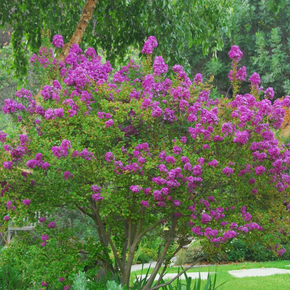
- Compact dwarf crape myrtle with rich, deep crimson blooms from early summer through fall.
- Perfect for small spaces—upright habit reaches about 5 ft. tall and 4 ft. wide.
- Distinctive smooth bark plus yellow fall color for multi-season interest.
- Easy-care and waterwise once established; ideal for borders, containers, and low hedges.
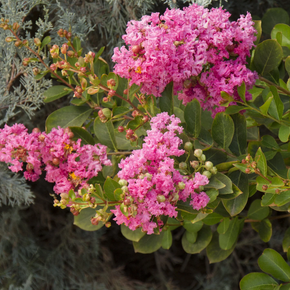
Petite Red Imp Crape Myrtle (Lagerstroemia indica ‘Monimp’) delivers bold, long-lasting color in a compact, easy-to-place size. This dwarf, upright deciduous shrub produces a profusion of deep crimson, crepe-like blossoms from early summer through fall—perfect for brightening patios, small garden beds, and sunny entryways. Its smooth, attractive bark and yellow fall color add extra seasonal appeal, while its manageable 5-foot height makes it a great option for borders, containers, and small-scale privacy plantings. Plant Petite Red Imp in full sun and well-drained soil for the strongest growth and heaviest flowering in Zones 7–9.
At-a-Glance
- Botanical name: Lagerstroemia indica ‘Monimp’
- Common name: Petite Red Imp Crape Myrtle
- Plant type: Deciduous flowering shrub
- USDA Zones: 7–9
- Light: Full sun
- Growth rate: Moderate
Size & Growth Habit
- Mature size: About 5 ft. tall and 4 ft. wide
- Growth habit: Upright
- Overall look: Compact, tidy, and easy to fit into smaller landscapes
Petite Red Imp gives you the classic crape myrtle look and flower power without the oversized footprint of many traditional varieties.
Bloom Time & Flower Details
- Bloom time: Early summer through fall
- Flower color: Deep crimson red
- Flower traits: Showy, crepe-like blossoms in abundant clusters
Expect a vibrant late-season show—especially valuable when many other shrubs are slowing down.
Bark, Foliage & Fall Color
- Bark: Distinctive, smooth, attractive texture
- Foliage: Green (deciduous)
- Fall color: Yellow
Even after flowering, the smooth bark and fall color keep the plant looking polished and intentional in the landscape.
Light Requirements
Plant in full sun for the best flowering and a dense, sturdy habit. More sun generally means more blooms and stronger growth.
Watering
- Routine: Water deeply when soil is dry
- First season: Water regularly to establish an extensive root system
- After establishment: Reduce frequency; more drought tolerant once rooted in
Deep, thorough watering encourages strong roots and helps the plant perform during summer heat.
Soil & Planting Tips
Petite Red Imp thrives in average, well-drained soil. Avoid consistently soggy sites for best performance.
- Dig a hole 2–3x wider than the root ball and plant at the same depth as it grew in the pot.
- Water thoroughly after planting and apply 2–3 inches of mulch (keep mulch off the stems).
- Space plants to allow airflow and maintain a full, even shape.
Feeding & Easy Care
- Feeding: Feed in early spring
- Maintenance level: Easy care
- City-friendly: Tolerates urban pollution
This is a great “plant it and enjoy it” choice—minimal upkeep, maximum seasonal payoff.
Pruning & Training Options
Petite Red Imp looks great as a compact shrub, but you can also train it for a more structured form if you prefer.
- Keep it shrubby: Lightly shape as needed to maintain a tidy outline.
- Optional training: In late winter to early spring, thin young plants to 3–7 main trunks or canopy branches for a more “small tree” look.
- Maintenance tip: Remove suckers that emerge from the base on older plants.
Landscape Uses & Design Ideas
- Landscape uses: Border, container, hedge, privacy screen
- Best for: Small-space color, raised terraces, sunny driveways, and welcoming entryways
- Design tip: Mass several together for a stunning single-color show
Plant it alone as a showy focal point, or group several for a bold ribbon of color that stops people in their tracks.
Pollinators & Pet-Friendly Notes
- Pollinators: Attracts pollinators
- Pets: Listed as non-toxic to cats and dogs
Special Features
- Attractive bark
- Easy care
- Fall color
- Waterwise (once established)
- Compact form
- Attracts pollinators
- Non-toxic to cats and dogs
Companion Plant Ideas
Pair Petite Red Imp™ with sun-loving perennials and shrubs that complement its crimson blooms and tidy habit:
- Indian hawthorn (Rhaphiolepis)
- Daylily (Hemerocallis)
- Catmint (Nepeta)
- Agapanthus
- Loropetalum
- Compact dwarf crape myrtle with rich, deep crimson blooms from early summer through fall.
- Perfect for small spaces—upright habit reaches about 5 ft. tall and 4 ft. wide.
- Distinctive smooth bark plus yellow fall color for multi-season interest.
- Easy-care and waterwise once established; ideal for borders, containers, and low hedges.
Petite Red Imp Crape Myrtle (Lagerstroemia indica ‘Monimp’) delivers bold, long-lasting color in a compact, easy-to-place size. This dwarf, upright deciduous shrub produces a profusion of deep crimson, crepe-like blossoms from early summer through fall—perfect for brightening patios, small garden beds, and sunny entryways. Its smooth, attractive bark and yellow fall color add extra seasonal appeal, while its manageable 5-foot height makes it a great option for borders, containers, and small-scale privacy plantings. Plant Petite Red Imp in full sun and well-drained soil for the strongest growth and heaviest flowering in Zones 7–9.
At-a-Glance
- Botanical name: Lagerstroemia indica ‘Monimp’
- Common name: Petite Red Imp Crape Myrtle
- Plant type: Deciduous flowering shrub
- USDA Zones: 7–9
- Light: Full sun
- Growth rate: Moderate
Size & Growth Habit
- Mature size: About 5 ft. tall and 4 ft. wide
- Growth habit: Upright
- Overall look: Compact, tidy, and easy to fit into smaller landscapes
Petite Red Imp gives you the classic crape myrtle look and flower power without the oversized footprint of many traditional varieties.
Bloom Time & Flower Details
- Bloom time: Early summer through fall
- Flower color: Deep crimson red
- Flower traits: Showy, crepe-like blossoms in abundant clusters
Expect a vibrant late-season show—especially valuable when many other shrubs are slowing down.
Bark, Foliage & Fall Color
- Bark: Distinctive, smooth, attractive texture
- Foliage: Green (deciduous)
- Fall color: Yellow
Even after flowering, the smooth bark and fall color keep the plant looking polished and intentional in the landscape.
Light Requirements
Plant in full sun for the best flowering and a dense, sturdy habit. More sun generally means more blooms and stronger growth.
Watering
- Routine: Water deeply when soil is dry
- First season: Water regularly to establish an extensive root system
- After establishment: Reduce frequency; more drought tolerant once rooted in
Deep, thorough watering encourages strong roots and helps the plant perform during summer heat.
Soil & Planting Tips
Petite Red Imp thrives in average, well-drained soil. Avoid consistently soggy sites for best performance.
- Dig a hole 2–3x wider than the root ball and plant at the same depth as it grew in the pot.
- Water thoroughly after planting and apply 2–3 inches of mulch (keep mulch off the stems).
- Space plants to allow airflow and maintain a full, even shape.
Feeding & Easy Care
- Feeding: Feed in early spring
- Maintenance level: Easy care
- City-friendly: Tolerates urban pollution
This is a great “plant it and enjoy it” choice—minimal upkeep, maximum seasonal payoff.
Pruning & Training Options
Petite Red Imp looks great as a compact shrub, but you can also train it for a more structured form if you prefer.
- Keep it shrubby: Lightly shape as needed to maintain a tidy outline.
- Optional training: In late winter to early spring, thin young plants to 3–7 main trunks or canopy branches for a more “small tree” look.
- Maintenance tip: Remove suckers that emerge from the base on older plants.
Landscape Uses & Design Ideas
- Landscape uses: Border, container, hedge, privacy screen
- Best for: Small-space color, raised terraces, sunny driveways, and welcoming entryways
- Design tip: Mass several together for a stunning single-color show
Plant it alone as a showy focal point, or group several for a bold ribbon of color that stops people in their tracks.
Pollinators & Pet-Friendly Notes
- Pollinators: Attracts pollinators
- Pets: Listed as non-toxic to cats and dogs
Special Features
- Attractive bark
- Easy care
- Fall color
- Waterwise (once established)
- Compact form
- Attracts pollinators
- Non-toxic to cats and dogs
Companion Plant Ideas
Pair Petite Red Imp™ with sun-loving perennials and shrubs that complement its crimson blooms and tidy habit:
- Indian hawthorn (Rhaphiolepis)
- Daylily (Hemerocallis)
- Catmint (Nepeta)
- Agapanthus
- Loropetalum
Related Products